When we look at the grand timeline of human civilization, we naturally prefer to view global progress as a straight, forward-moving line of constant intellectual and social advancement. We assume that the devastating mistakes, structural societal collapses, and bizarre cultural panics of the ancient world were simply isolated products of their specific, primitive eras. Over the generations, traditional textbook education and mainstream political commentary have treated major historical turning points as unique, self-contained crises that could never disrupt our highly sophisticated modern framework. This comforting mindset helps us feel incredibly secure in our collective progress, comfortably separating our current reality from the chaotic blunders of our ancestors.
However, a meticulous exploration of global political shifts, macroeconomic behaviors, and cultural transformations reveals a completely different, highly haunting reality. The fascinating truth of deep chronological research proves that human societies continuously fall victim to predictable, dark patterns that systematically repeat across centuries, completely undetected by the general public. Instead of learning from past failures, global populations repeatedly replicate the exact same psychological and structural behaviors right before a major institutional realignment occurs. Let’s pull back the curtain on the invisible gears of human chronology as we explore thirteen unsettling historical patterns that keep quietly repeating right beneath our noses.
1. The historical loop of new communication technology panics

Every major leap forward in human communication infrastructure systematically triggers an identical wave of intense public anxiety, censorship demands, and moral panic. In the fifth century BC, Socrates famously warned that the simple technology of writing would permanently destroy human memory, echoing the exact same rhetoric used today against digital networks. Throughout the 15th century, institutional gatekeepers aggressively accused Gutenberg’s mechanical printing press of corrupting public morals and inciting dangerous heresy. This identical structural accusation is repeated seamlessly against 18th-century novels, 1890s telephones, 1950s televisions, and modern video games. Because each generation firmly believes its technological anxiety is completely unique, society fails to notice that the alarmist headlines are merely plagiarizing a centuries-old script.
2. The universal structural blueprint of imperial collapse

A rigorous analysis of global history reveals that massive, dominant superpowers follow an incredibly synchronized and predictable sequence of decay right before they dissolve. The systemic collapse of the Roman Empire was driven by an unpayable sovereign debt, overextended military borders, a heavy reliance on unloyal mercenary forces, runaway inflation, and wealthy elites paying fewer taxes than everyday citizens. Centuries later, the Ottoman, Spanish, and Austro-Hungarian empires all collapsed, following the same exact fiscal and structural path. This structural degeneration remains entirely invisible to the general public because the full cycle routinely takes between 200 and 500 years to execute. As the 14th-century historian Ibn Khaldun famously documented, this generational rhythm operates completely independent of geography, language, or political ideology.
3. The absolute predictability of bread-driven revolutions

The baseline stability of even the most powerful governments on earth rests entirely on the affordability and steady supply of basic local food resources. Right before the explosive outbreak of the French Revolution in 1789, a catastrophic harvest forced the domestic price of a basic loaf of bread to consume a staggering 88% of the average working-class daily wage. This identical inflationary pressure triggered the collapse of the Russian Tsarist regime in 1917, as well as the Istanbul riots of 1807 that rapidly overthrew Sultan Selim III. More recently, the widespread geopolitical destabilization of the Arab Spring in 2010 was directly preceded by a sudden, massive 70% global wheat price spike. This pattern is so incredibly reliable that several modern governments explicitly subsidize grain prices as a vital, non-negotiable strategy to prevent national security collapses.
4. The five-stage psychological blueprint of global pandemics

Whenever a highly infectious biological pathogen infiltrates human populations, the societal response unfolds in a rigid, highly predictable psychological order. The devastating Black Death of 1347, the catastrophic Spanish Flu of 1918, and the global arrival of COVID-19 in 2020 all progressed through identical behavioral phases. This rigid sequence always moves from initial institutional denial by ruling authorities to aggressive scapegoating of minority demographics, the massive distribution of fraudulent miracle remedies, and intense social division between citizens who comply with public restrictions and those who violently defy them. During these health crises, minority groups are systematically blamed for the spread of disease, ranging from medieval populations to 2020 Asian communities. Because these events are separated by generations, the public routinely views the ensuing chaos as a brand-new social crisis.
5. The concentration of decentralized information tech

When a revolutionary technology emerges with the explicit promise of democratizing knowledge and decentralizing information flow, it invariably ends up being co-opted by entrenched forces seeking to concentrate power. Gutenberg’s printing press initially broke information monopolies, but it was rapidly weaponized to distribute aggressive religious wartime propaganda that actively fueled the Thirty Years’ War. Similarly, the electrical telegraph and early public radio were celebrated as open community networks, yet they were rapidly locked down by corporate monopolies and authoritarian state propaganda machineries. This identical data pattern has fully repeated with the modern internet, which was purposefully engineered to be an uncontrollable, decentralized web. Today, despite its immense democratic potential, the vast majority of the global flow of digital information is tightly managed by a mere five corporate conglomerates.
Trending on The Scroller


6. The tyrannical script of restoring lost greatness

Political figures who achieve immense, unchecked power by explicitly promising to restore a romanticized, long-lost historical era of national glory utilize an identical operational playbook. Napoleon Bonaparte successfully seized control of post-revolutionary France by promising absolute order and imperial glory, directly mirroring the exact rhetoric utilized by Benito Mussolini in Italy. Once established in office, these autocratic leaders systematically follow a rigid progression: gradually concentrating executive power, identifying a specific internal enemy to blame for national decadence, and expanding their borders through military aggression. As political theorist Hannah Arendt thoroughly documented in her 1951 landmark study The Origins of Totalitarianism, this dangerous behavioral arc relies on the public blindly believing their current crisis has no historical precedent.
7. The four-step sequence of major macroeconomic crashes
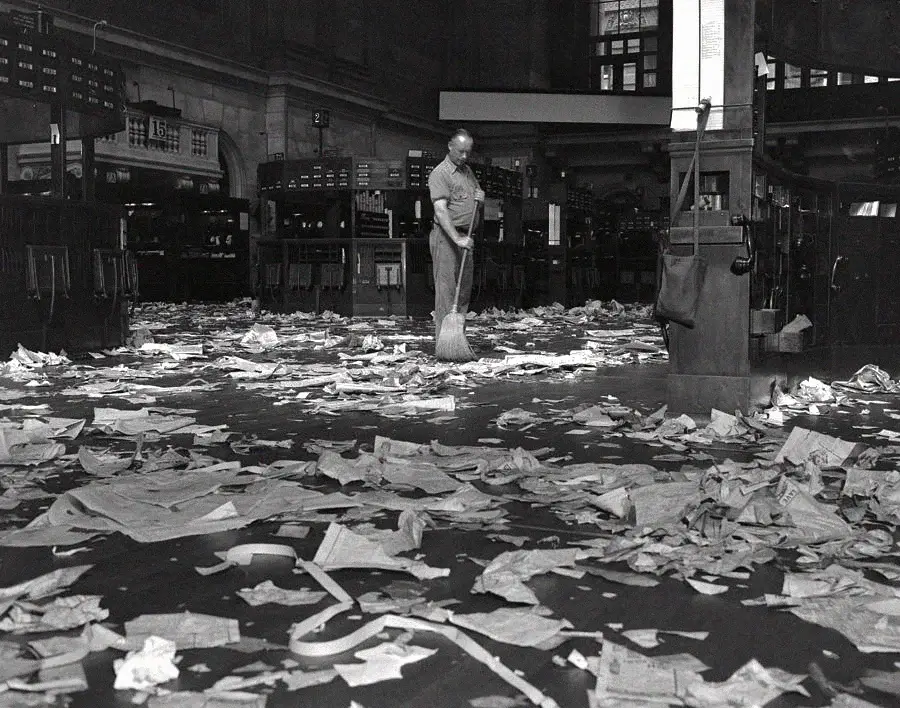
The catastrophic financial devastations of the Panic of 1873, the Great Crash of 1929, the Oil Crisis of 1973, and the global housing market collapse of 2008 all followed an identical economic path. The rigid four-step sequence always initiates with an extended period of easy credit expansion, which rapidly fuels a speculative asset bubble that the public falsely believes can never decline in value, such as land, stocks, or real estate. This artificial high leads to a sudden, violent liquidity collapse when a prominent corporate player fails to meet its obligations, exposing a completely systemic, multi-layered network of financial fraud. Economist Hyman Minsky thoroughly mapped this exact structural predictability as the Minsky Cycle during the 1970s. Despite its historical accuracy, regulators and investors continuously repeat the cycle every forty to eighty years because the generation that survived the previous crash retires before the next one arrives.
8. The post-crisis explosion of deceptive misinformation epidemics
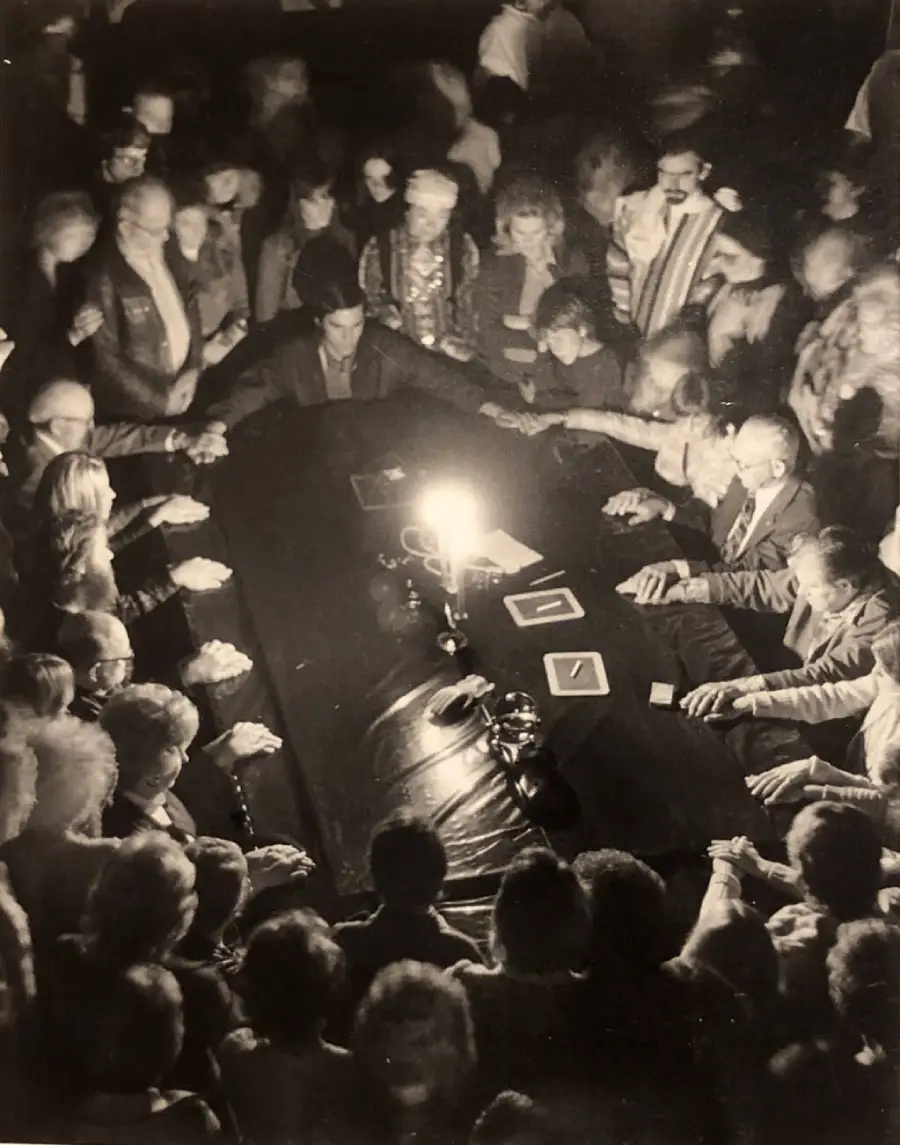
Immediately following the resolution of a massive collective trauma, such as a devastating war, a destructive pandemic, or a sudden economic collapse, human societies experience an explosive surge in conspiracy theories and fraudulent charlatans. Following the profound human losses of World War I, the Western world experienced a massive, multi-million-dollar boom in spiritualism and séance sessions as families desperately sought to contact their deceased relatives. Similarly, the conclusion of the 1918 Spanish Flu triggered an immediate wave of predatory health frauds and fake miracle cures, mirroring the exact explosion of vaccine microchip theories that dominated digital networks after COVID-19. This behavioral pattern is so remarkably consistent across centuries that modern sociological researchers actively utilize the volume of public misinformation to scientifically measure the level of deep psychological trauma lingering within a population.
Sign up for our newsletter
9. The years of lead: Violent internal thresholds of stability
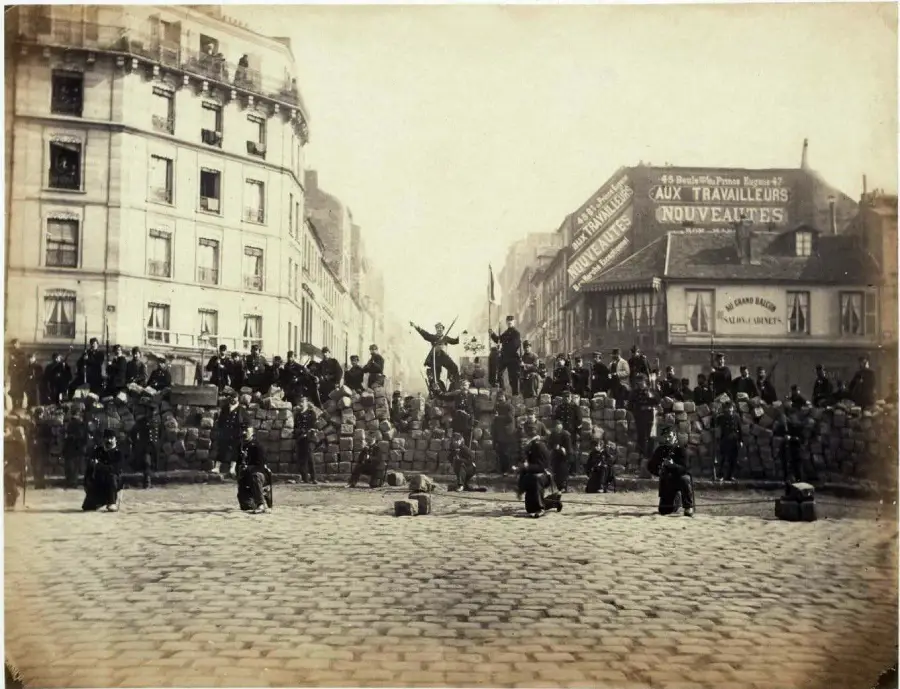
A deeply unsettling historical pattern indicates that no major global superpower or modern democracy has ever achieved a state of long-term civic stability without first passing through an intense period of internal political violence. Imperial Rome endured the catastrophic Civil Wars from 133 to 27 BC before consolidating its system, just as France passed through the bloody Reign of Terror in 1793 and the violent Paris Commune of 1871. The United States systematically traveled down this exact historical corridor, experiencing a devastating Civil War and a century-long pattern of prominent political assassinations that claimed the lives of multiple presidents and civil rights leaders. This violent consolidation threshold repeats because established socio-political systems require a period of extreme internal friction to permanently establish their modern institutional frameworks.
10. The cyclical generation of future wars via peace treaties
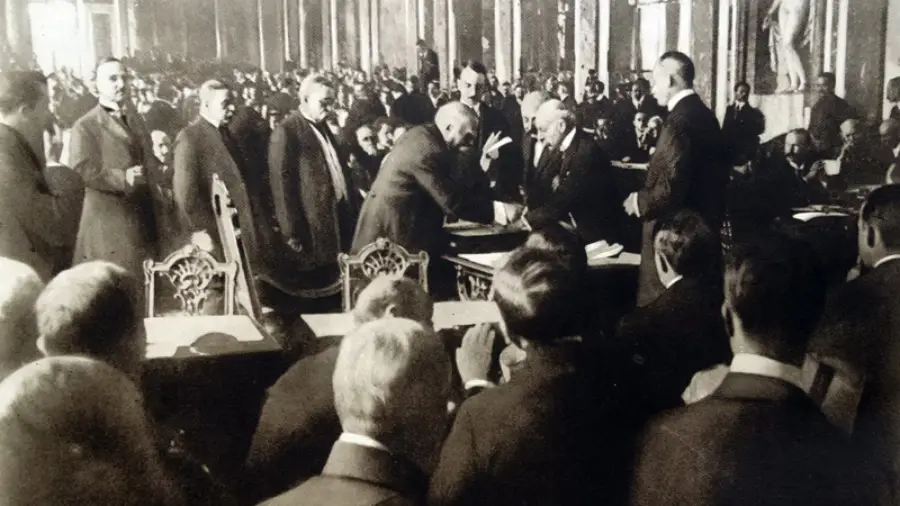
The geopolitical terms, economic punishments, and border realignments established at the conclusion of a major international conflict consistently manufacture the exact structural conditions required to trigger the next war. The economic demands imposed on Germany by the Treaty of Versailles in 1919 directly created the hyperinflationary chaos and psychological resentment that enabled the rapid rise of the German regime. In a modern context, the structural aftermath of the 1991 Gulf War left a lingering trail of military infrastructure and regional instability that directly birthed ISIS two decades later. This identical generation cycle occurred when the conclusion of the 1989 Soviet intervention in Afghanistan left a massive cache of unmonitored weapons and highly trained local militias that rapidly evolved into the Taliban and Al-Qaeda.
11. The self-destructive seeds of maximum economic prosperity

Periods of unprecedented financial growth, cultural optimism, and maximum societal prosperity naturally generate the exact speculative excesses that guarantee an imminent, catastrophic systemic collapse. The unchecked wealth accumulation and speculative euphoria of the Roaring Twenties directly engineered the structural market vulnerabilities that triggered the Great Depression of 1929. This precise boom-to-bust mechanism repeated seamlessly when the economic prosperity of the 1990s manufactured the dot-com bubble, and again when the expansion of the early 2000s directly birthed the subprime housing crisis. Classical philosophers like Plutarch and Aristotle treated it as an unshakeable law of human sociology that societies are destined to be systematically wrecked and rehabilitated indefinitely.
12. The rigid 40-year life cycle of major social reform movements
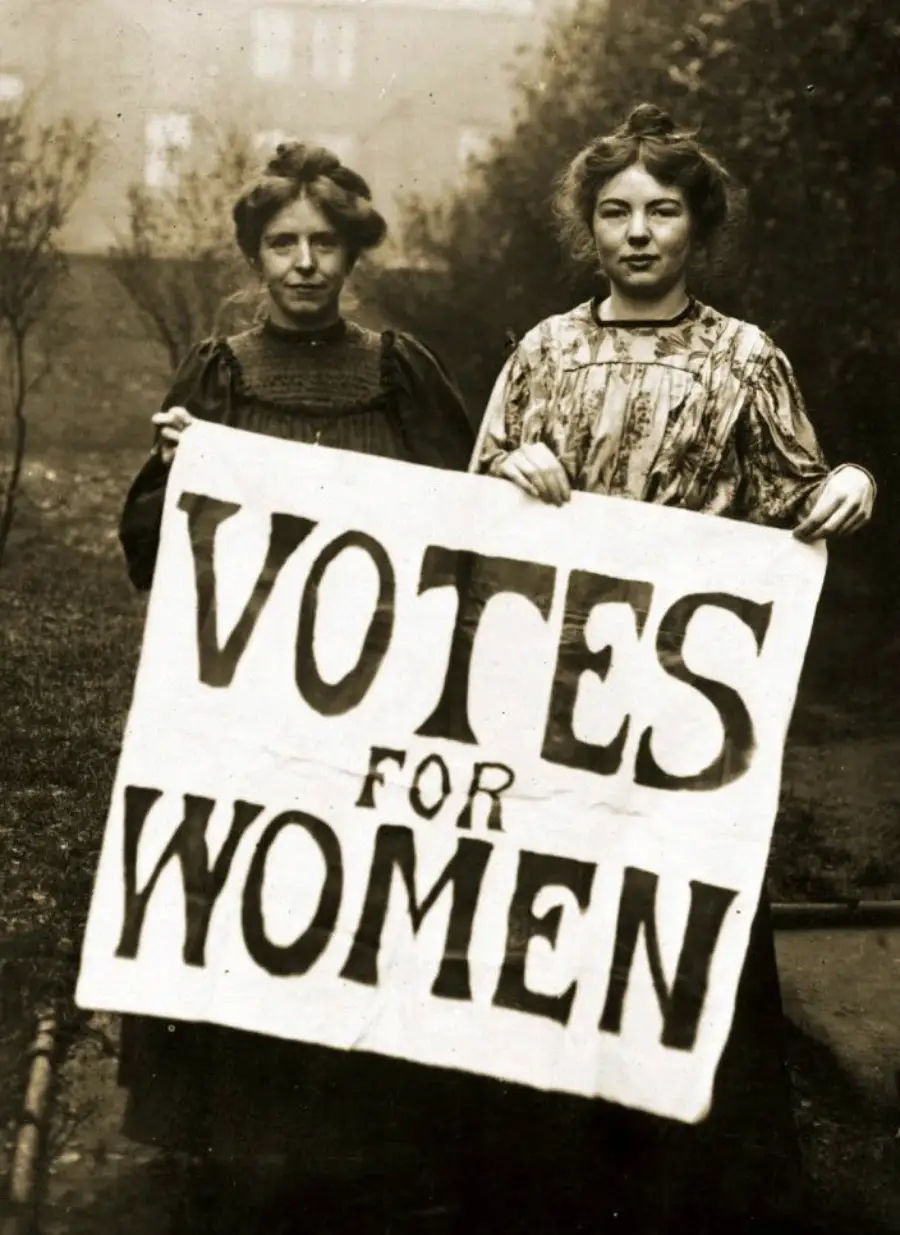
When a marginalized demographic or ideological collective initiates a structural movement for social reform, the timeline required to transition from early localized victories to full institutional codification follows a rigid 40-year generational cycle. The British abolitionist movement required exactly four decades to progress from its first major legislative success in banning the slave trade in 1808 to achieving full systemic abolition across the empire. This identical multi-decade rhythm governed the American civil rights movement from the early labor mobilizations of the 1940s to the landmark legal victories of the late 1960s. We witnessed this exact structural timeline repeat within the modern LGBTQ+ equality movement, which required roughly forty years to transition from the initial regional decriminalization laws of the 1970s to the universal codification of marriage equality.
13. The infallible four-stage imperial life cycle

The famous dynastic cycle of Chinese history, which tracked three thousand years of unbroken imperial transitions across multiple ruling families, operates as a universal law for global empires. This rigid, self-contained historical rhythm systematically progresses through four distinct, unyielding evolutionary phases: unification, administrative splendor, bureaucratic over-extension/overload, and violent structural collapse, which immediately paves the way for a fresh unification. When you strip away regional cultural aesthetics, this exact four-stage blueprint dictates the rise and fall of ancient Egypt, Imperial Rome, the Aztec Empire, and the Inca civilization. Because a single, complete imperial lifecycle routinely takes between 200 and 400 years to fully execute, individual generations lack the collective memory to recognize that their current national decline is merely the predictable conclusion of a well-worn historical script.
Want more interesting facts about history?
Recognizing the invisible, highly synchronized loops that govern our collective past serves as a powerful reminder that human nature remains completely unchanged regardless of our modern digital advancements or technological achievements. When we choose to blindly ignore these historical warning signs out of pure cultural arrogance, we actively ensure that our sophisticated modern systems will succumb to the exact same structural realignments that claimed the empires of old. If you enjoyed this eye-opening, deeply analytical journey looking back at the hidden blueprints of human chronology, make sure to explore these 20 Historical Figures Betrayed by Their Closest Allies, or 23 Historical Facts That Sound Completely Made Up. You can also check out these 15 Rival Historical Figures Who Died at the Same Time.