The history of cinema is a story of constant innovation, and few aspects have evolved as dramatically as special effects. Every generation of artists builds upon techniques pioneered by those who came before them, proving that some films become far more than entertainment. They become milestones that influence the entire industry. The evolution of special effects has helped filmmakers tell bigger stories, create unforgettable characters, and transport audiences to places that could never exist in reality.
Special effects can trace their roots back to the early days of filmmaking, particularly the work of pioneering filmmaker Georges Méliès and his groundbreaking film A Trip to the Moon. Over the decades, techniques evolved from miniatures, matte paintings, stop-motion animation, and animatronics to sophisticated computer-generated imagery. Each technological leap opened new creative possibilities, allowing filmmakers to achieve what once seemed impossible. In this slideshow, we’ll explore some of the most influential films ever made. Movies that transformed special effects, inspired future generations of artists, and created turning points that continue to shape modern cinema.
1. A Trip to the Moon (1902)
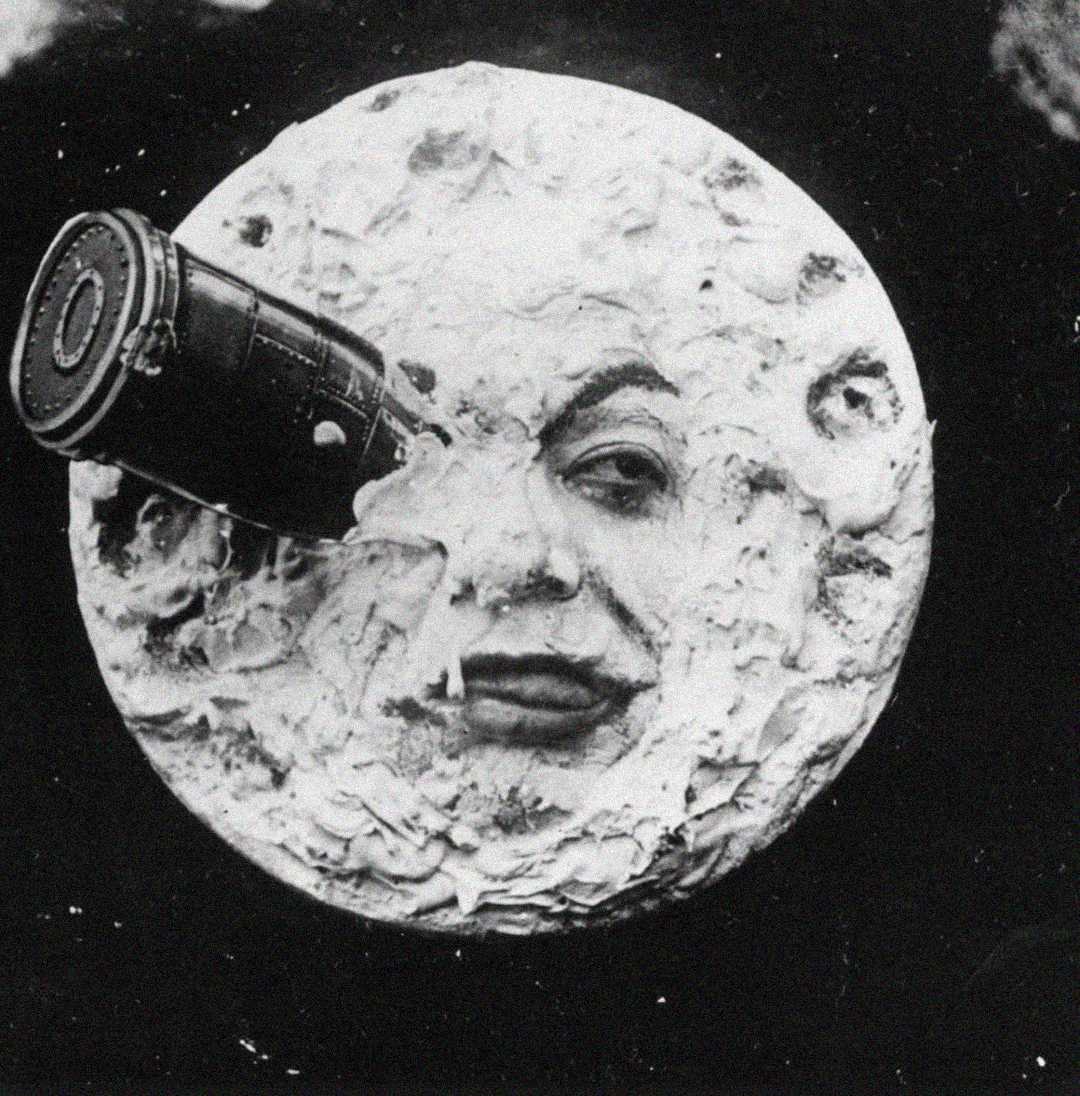
Often considered the first major special-effects showcase, this film used substitutions, multiple exposures, and practical tricks to create fantastical scenes. It proved that films could transport audiences beyond reality.
2. King Kong (1933)
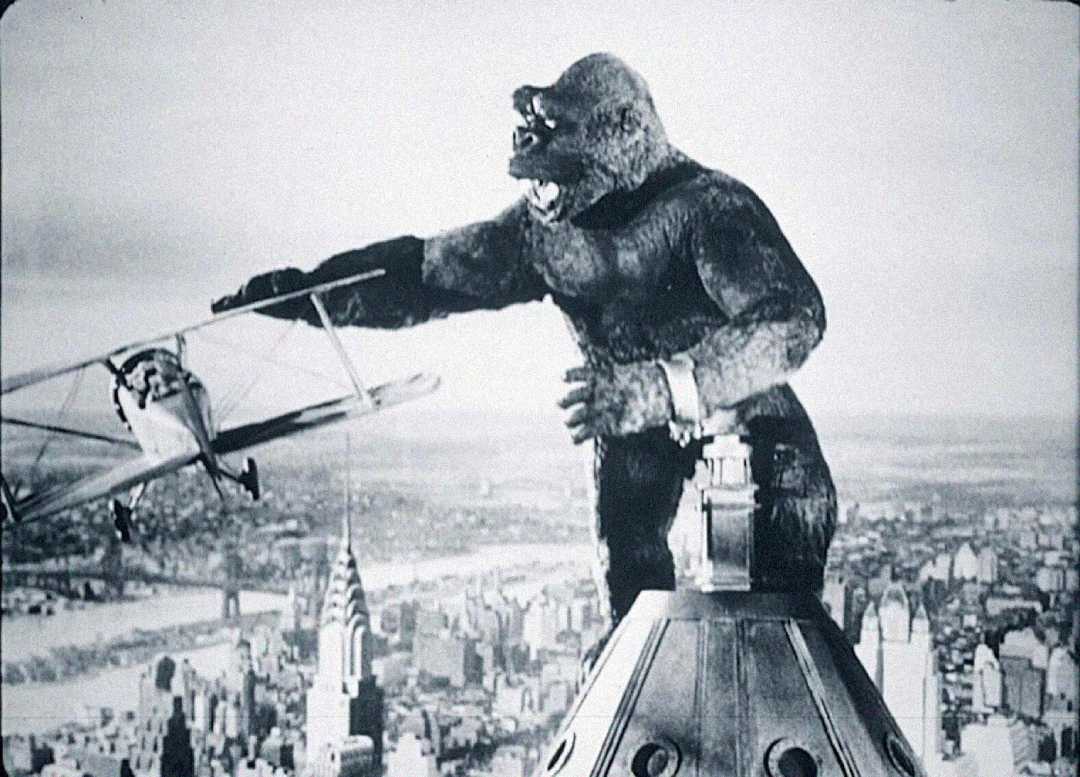
The giant ape was brought to life through advanced stop-motion animation. Its realistic movement set new standards and inspired decades of creature effects.
3. The Ten Commandments (1956)
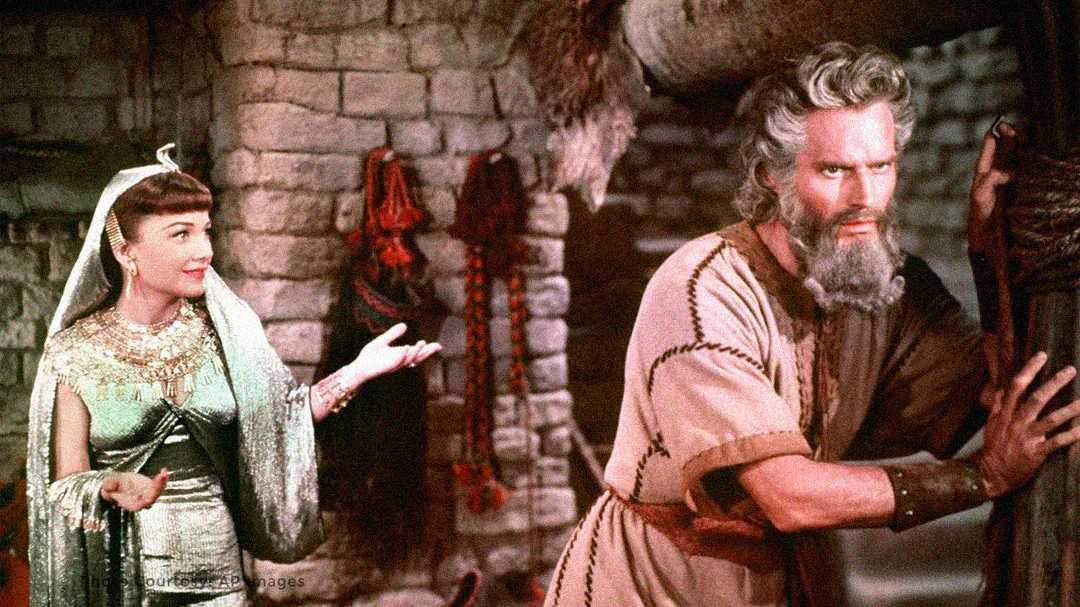
The famous parting of the Red Sea combined large-scale practical effects and optical techniques. It demonstrated how visual effects could support epic storytelling.
4. 2001: A Space Odyssey (1968)
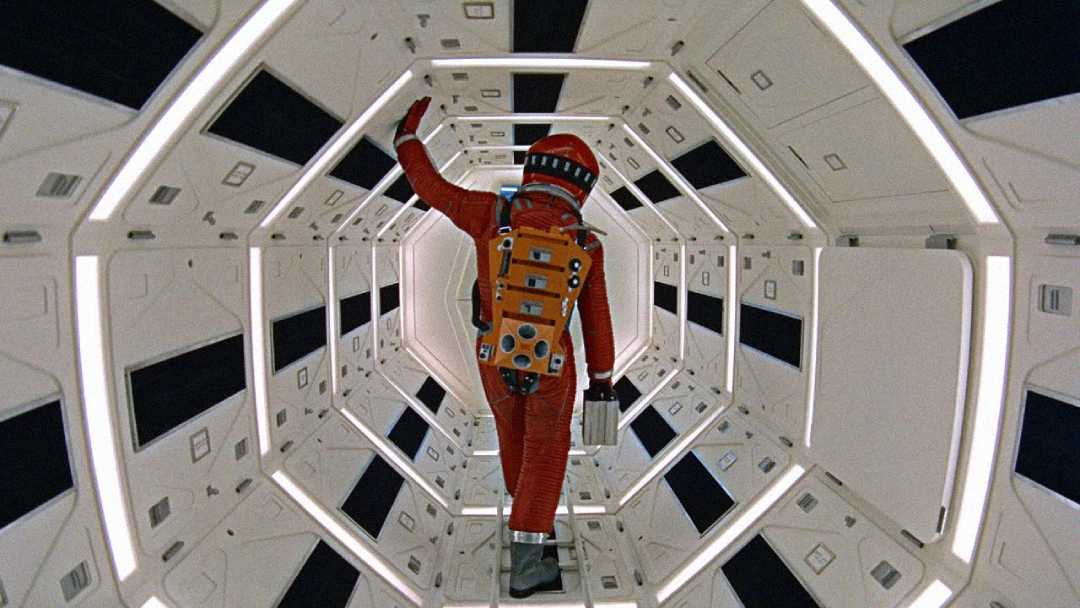
Director Stanley Kubrick used innovative models, rotating sets, and visual techniques that made space travel appear astonishingly realistic.
5. Star Wars (1977)
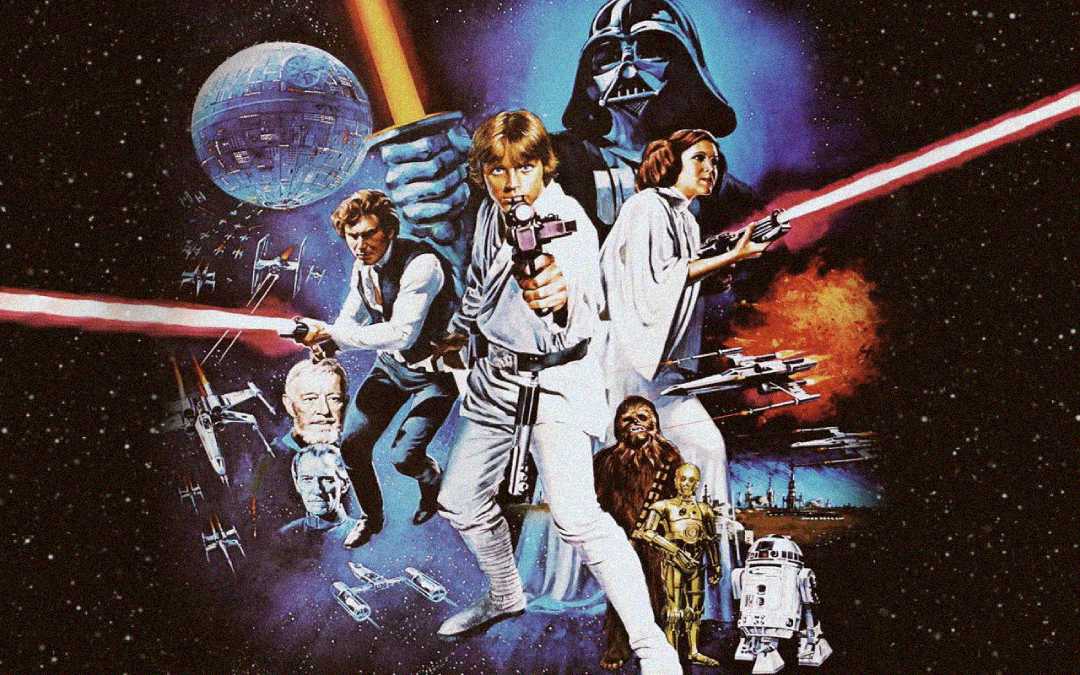
The film’s motion-control camera systems revolutionized effects photography. It led directly to the creation of Industrial Light & Magic, one of the industry’s most influential studios.
Trending on The Scroller

6. Superman (1978)

Advanced compositing techniques created convincing flying sequences that became a benchmark for superhero films.
7. Tron (1982)
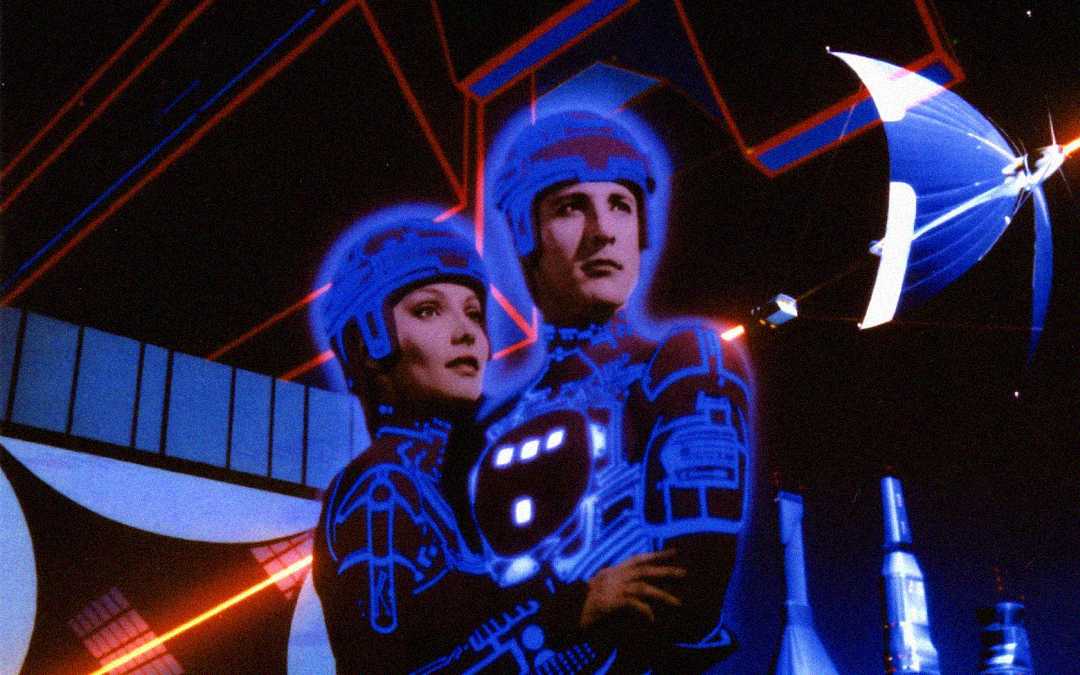
Although primitive by today’s standards, Tron introduced audiences to extensive computer-generated imagery and digital environments.
8. The Abyss (1989)
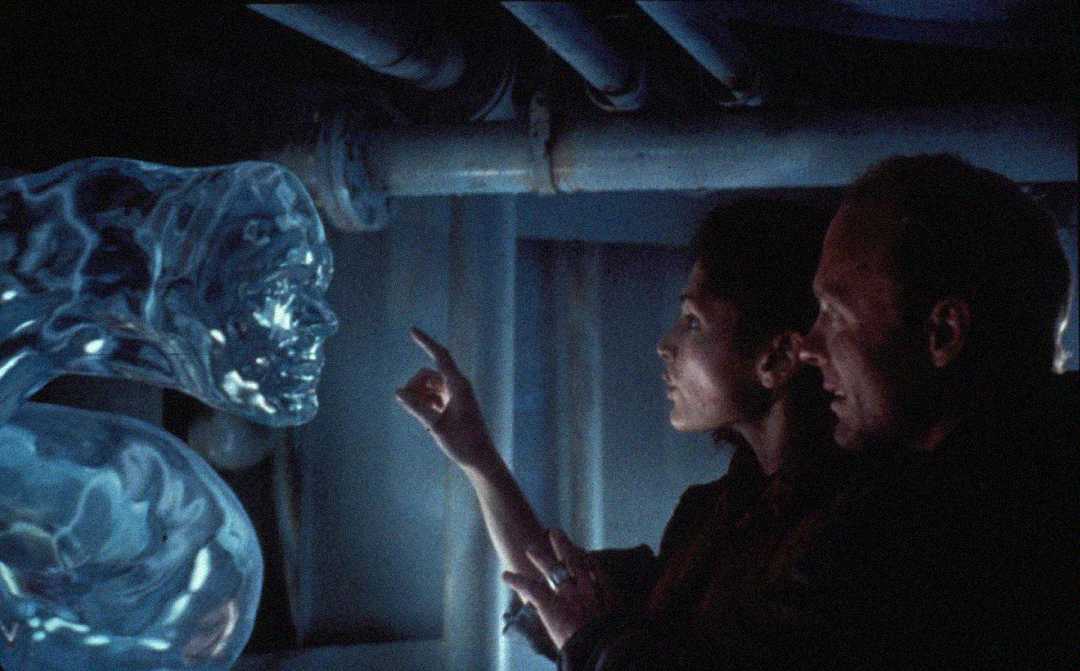
Its famous water pseudopod sequence became one of cinema’s first believable CGI characters and paved the way for future breakthroughs.
Sign up for our newsletter
9. Terminator 2: Judgment Day (1991)

The T-1000’s shape-shifting abilities showcased advanced CGI animation, demonstrating possibilities that had never been seen before.
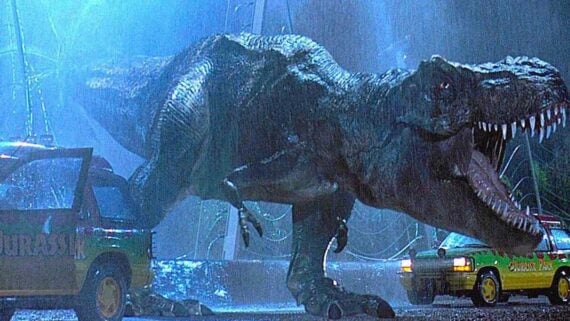
10. Jurassic Park (1993)
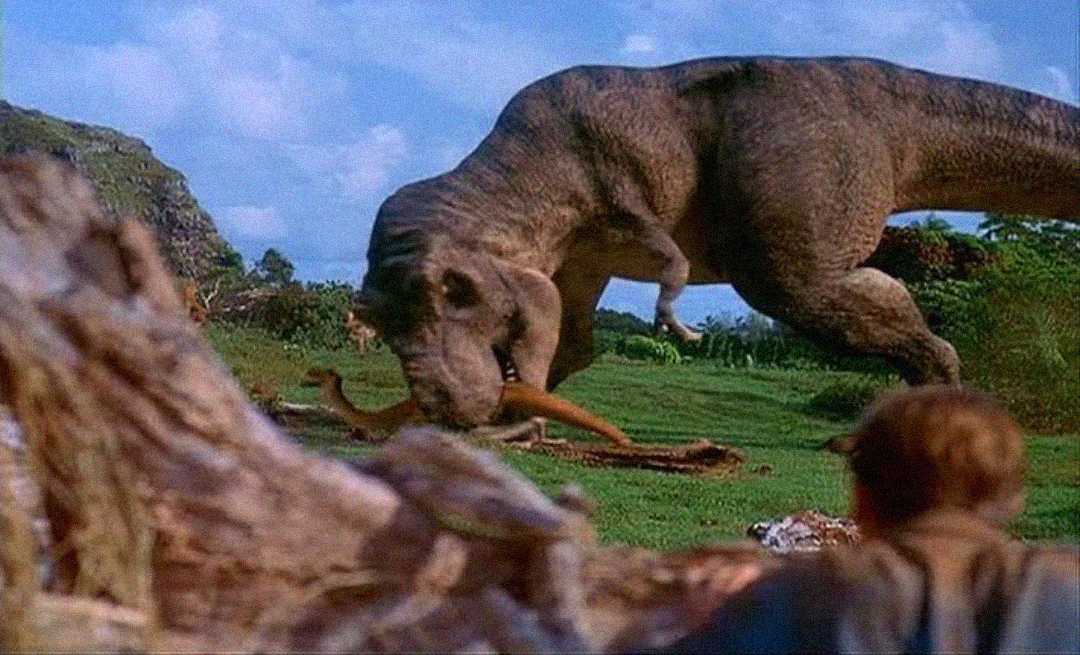
By blending animatronics with CGI, the film convinced audiences that living dinosaurs were on screen.
11. Toy Story (1995)
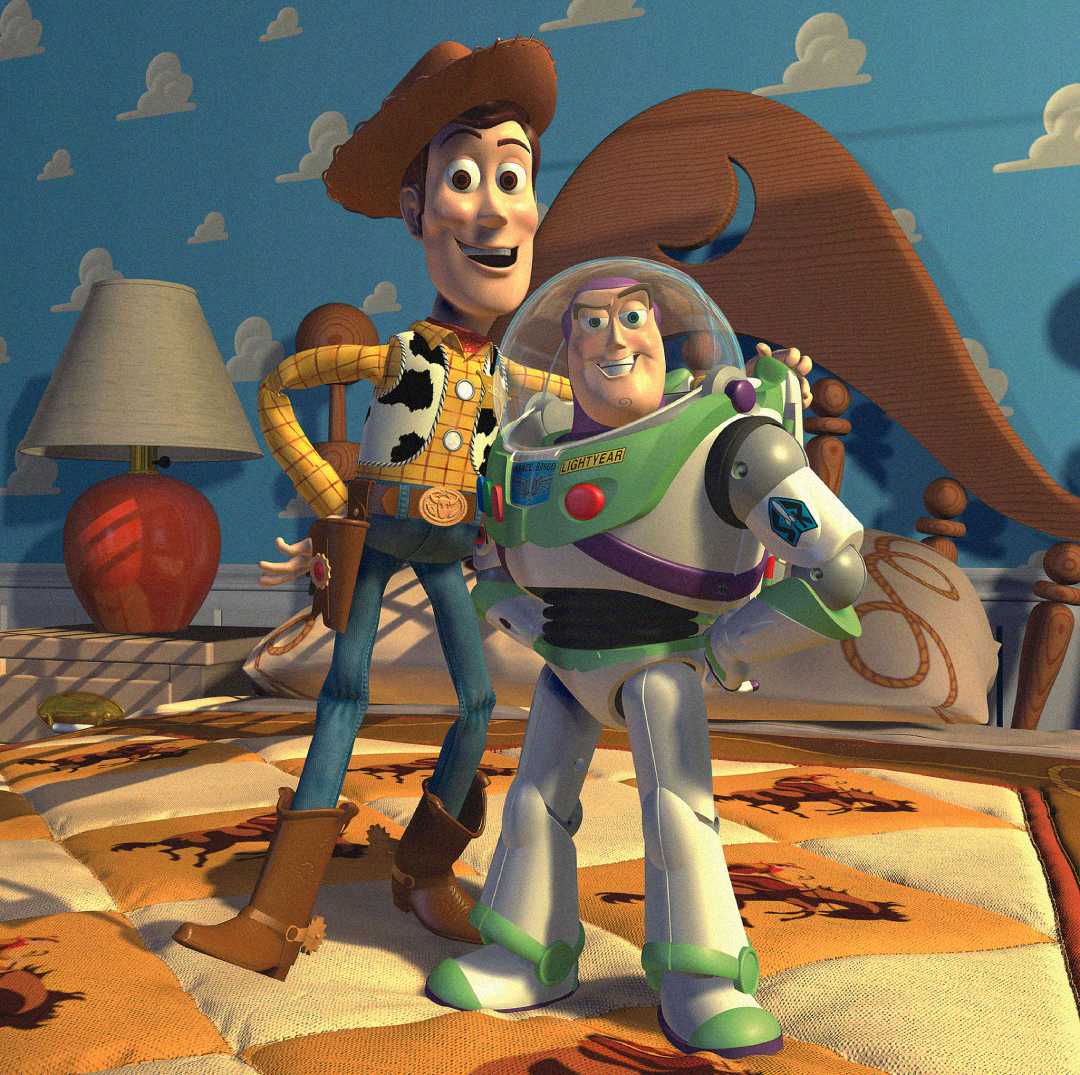
This landmark achievement proved that an entire feature film could be created using computer animation, reshaping the animation industry.
12. Titanic (1997)
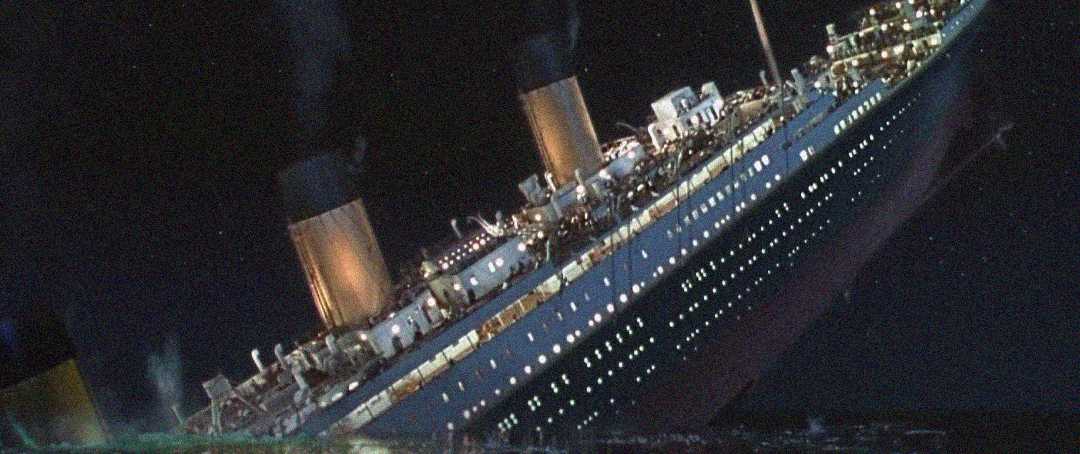
Large-scale miniatures, digital crowds, and CGI environments helped recreate one of history’s most famous disasters with unprecedented realism.
13. The Matrix (1999)
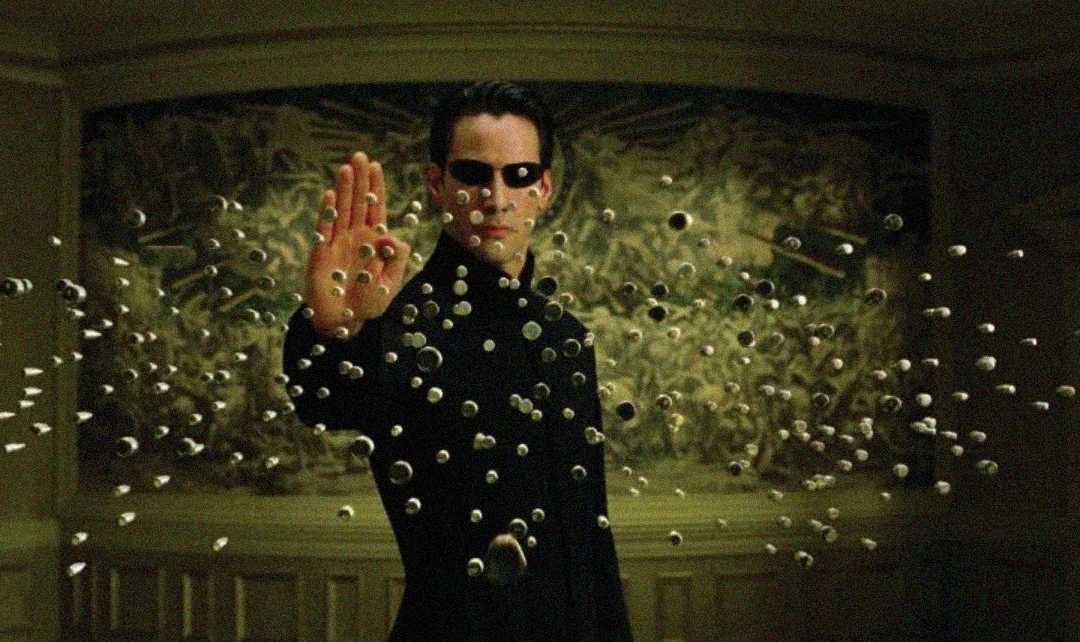
Its revolutionary “bullet time” photography inspired countless films, commercials, and video games in the years that followed.
14. The Lord of the Rings: The Two Towers (2002)
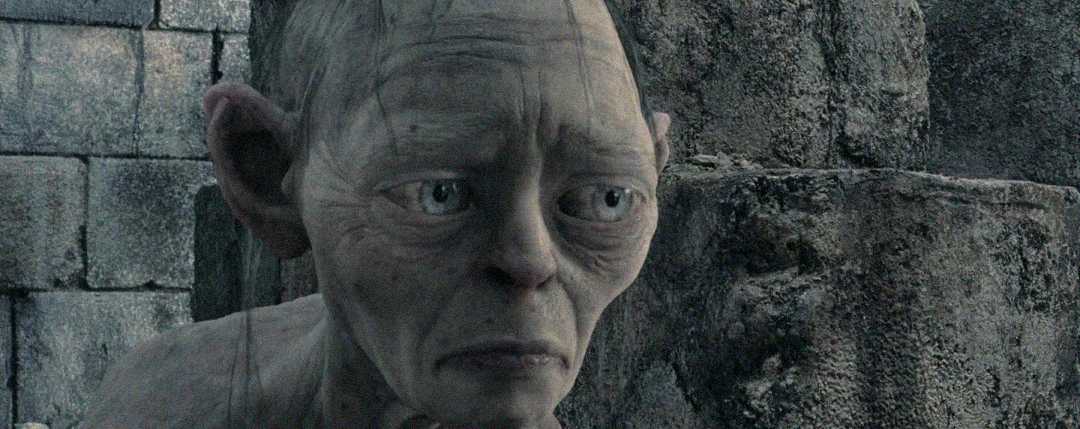
The creation of Gollum demonstrated how performance capture could produce emotionally complex digital characters.
15. Avatar (2009)
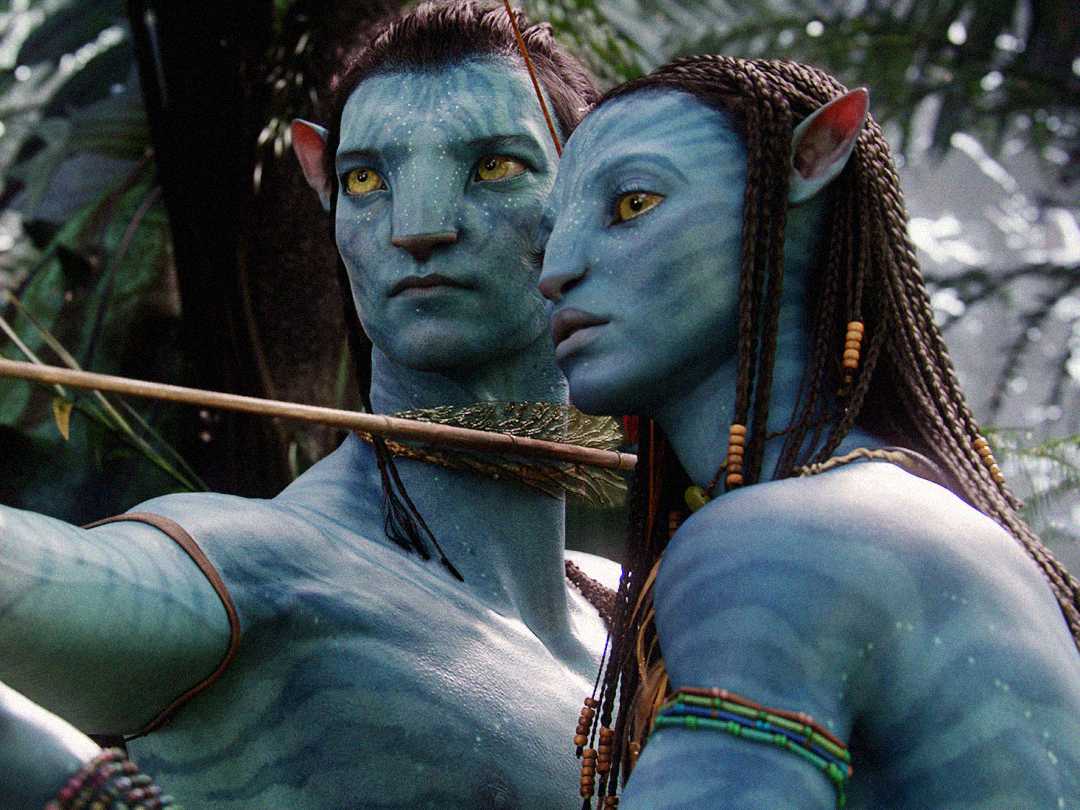
Director James Cameron pushed performance capture and virtual filmmaking technologies to unprecedented levels.
16. Gravity (2013)
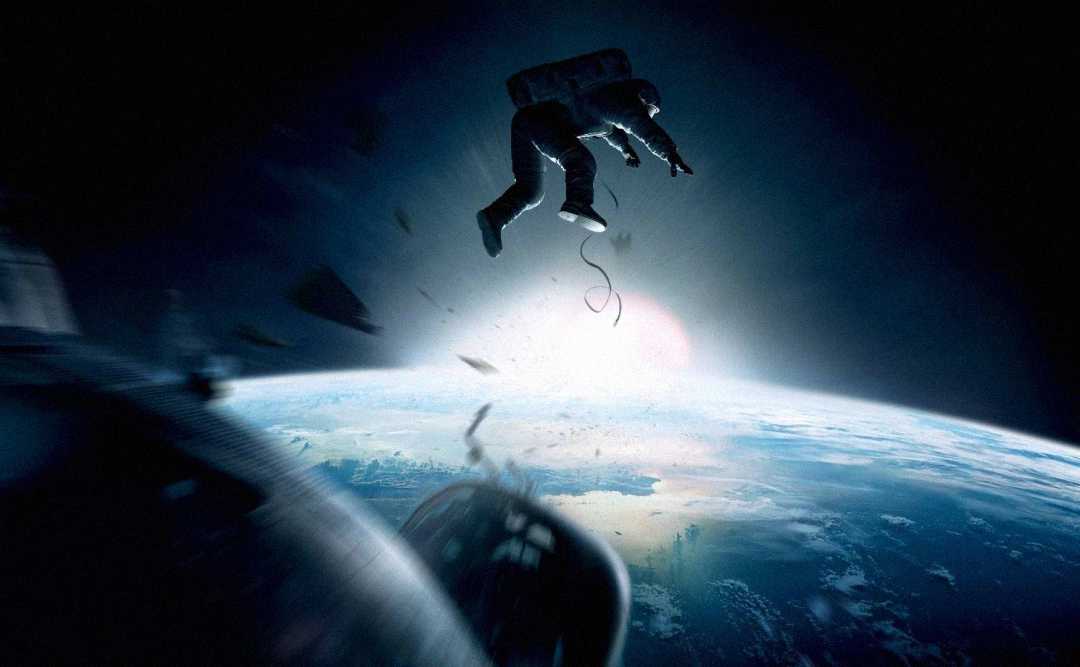
The film combined advanced CGI, robotic camera systems, and innovative lighting techniques to create immersive space sequences unlike anything seen before.
If you enjoyed learning about these groundbreaking films, keep exploring our content for more fascinating stories from cinema history.
Looking back at these influential films reminds us that innovation rarely happens in isolation. Every breakthrough builds upon ideas that came before it, whether through practical craftsmanship, new technology, or creative experimentation. Cinema provides one of the best examples of this process, as filmmakers continue learning from past achievements while developing entirely new ways to tell stories. Understanding the history of special effects helps us appreciate not only where the industry has been, but also where it may go next.
If you enjoyed this article and now feel inspired to watch some of the films we mentioned, you’re definitely not alone. These classics continue to influence filmmakers and captivate audiences decades after their release. Be sure to check out more of our movie features, film history articles, and cinema deep dives for even more fascinating stories from the world of entertainment: 14 Films That Were Considered Box Office Failures and Are Now Required Viewing, 14 Actors Who Directed Episodes of Their Own Show and Nobody Knew Until the Credits, and 16 Game of Thrones Facts That Changed How Fans See the Series.