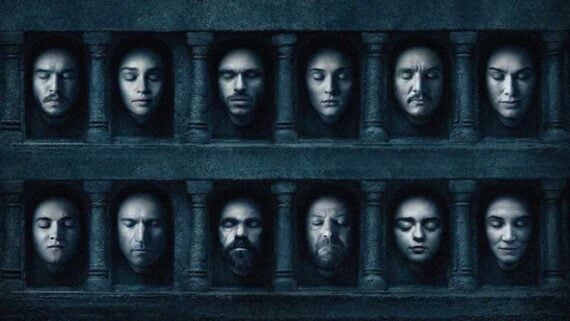
More than seven years have passed since the final season of Game of Thrones premiered in 2019, yet the series remains one of the most discussed shows in television history. Even today, millions of fans continue revisiting Game of Thrones, debating their favorite characters, rewatching legendary episodes, and exploring new stories set in Westeros. The franchise remains stronger than ever thanks to prequels like House of the Dragon, whose third season premieres on June 21, 2026, continuing the fascination with George R. R. Martin’s world.
One reason Game of Thrones continues to captivate audiences is the incredible story behind its creation. Beyond the dragons, battles, and political intrigue lies a fascinating production filled with difficult filming challenges, unexpected casting decisions, and creative choices that shaped television history. Some facts reveal how close certain characters came to being completely different, while others show how actors influenced the direction of the story itself. These official behind-the-scenes revelations offer a new appreciation for Game of Thrones and help explain why the series remains such a cultural phenomenon long after its finale.
1. Tyrion Was Almost Played by Another Actor
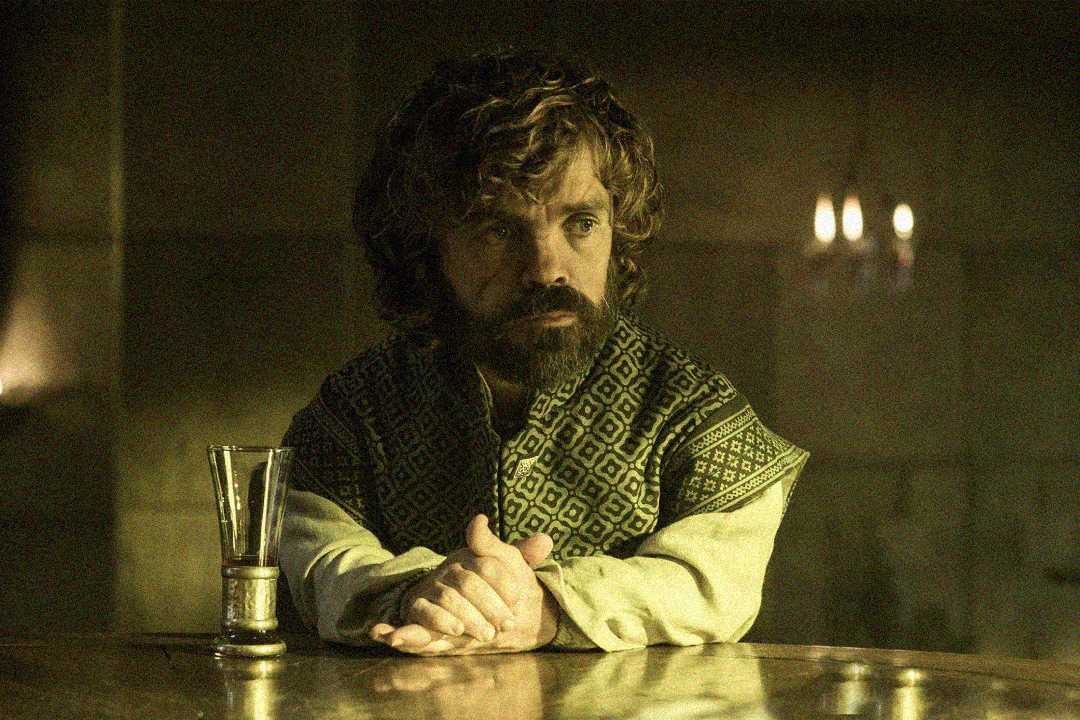
When HBO began casting Game of Thrones, producers considered several performers for Tyrion Lannister. However, George R. R. Martin strongly supported Peter Dinklage from the beginning. The creators later admitted they essentially paused casting discussions until Dinklage agreed to the role. His performance became so definitive that many fans cannot imagine another actor portraying Tyrion. His portrayal ultimately earned four Emmy Awards and transformed Tyrion into one of television’s most beloved characters.
2. Arya’s Needle Was Inspired by a Real Sword Lesson
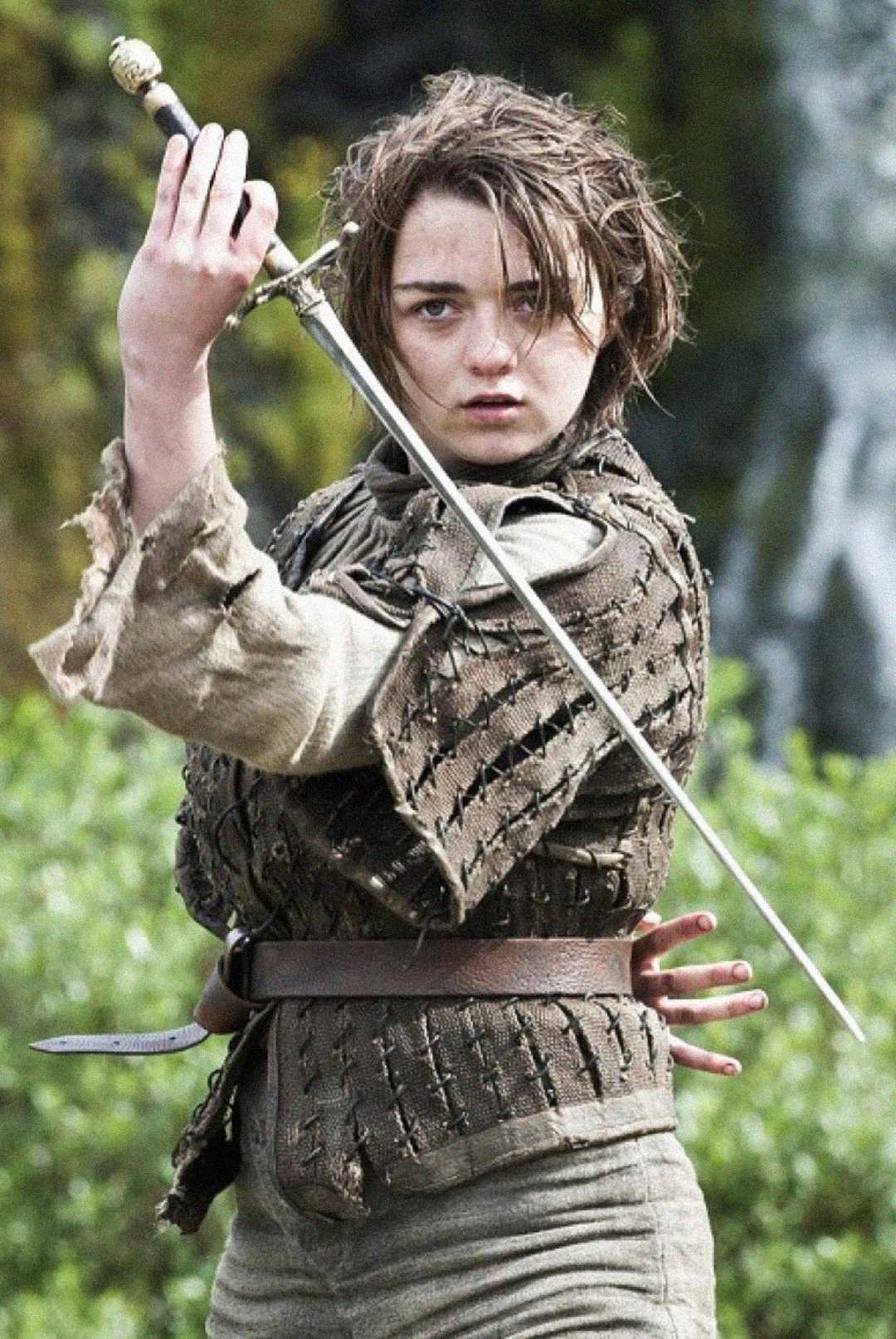
The relationship between Arya Stark and her sword Needle became one of the emotional cores of Game of Thrones. Producers revealed that Arya’s training sequences were carefully designed around authentic European sword-fighting techniques rather than fantasy combat. This attention to realism helped make Arya’s journey from young noble girl to assassin feel believable and grounded.
3. Emilia Clarke Originally Wore a Blonde Wig
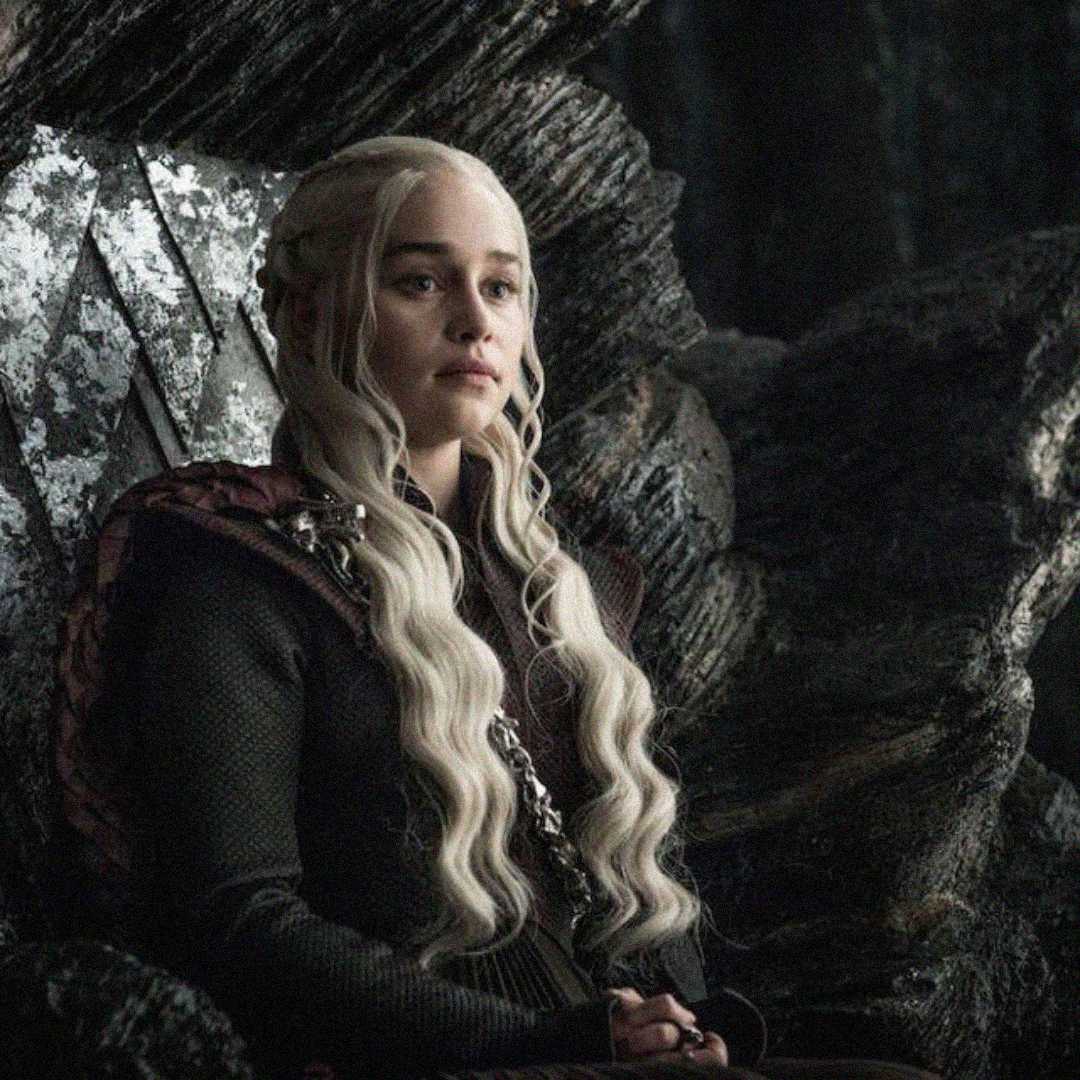
For the first season, Emilia Clarke used a platinum-blonde wig to portray Daenerys Targaryen. Later, the production invested heavily in improving the wigs because Daenerys had become one of the franchise’s most recognizable figures. By the later seasons, the wigs were so elaborate that they required extensive preparation before filming.
4. The Iron Throne Was Far Smaller Than the Books Describe
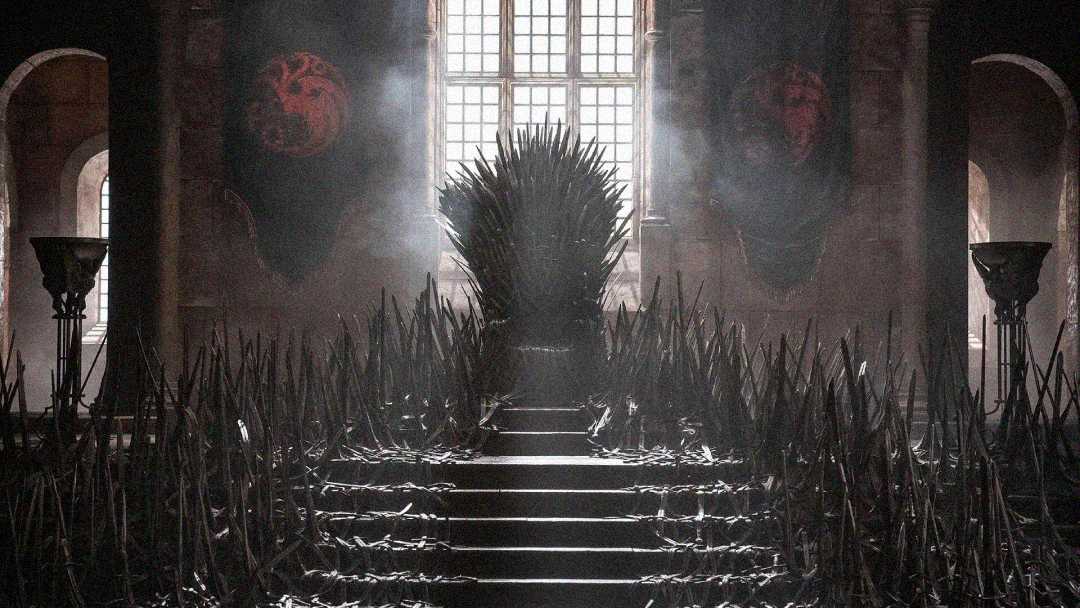
George R. R. Martin’s novels describe the Iron Throne as a gigantic structure made from thousands of melted swords towering over the room. HBO’s version had to be significantly scaled down because the book-accurate throne would have been impractical to build and film around. Even so, it became one of the most recognizable props in television history.
5. Kit Harington Didn’t Know Jon Snow’s Fate
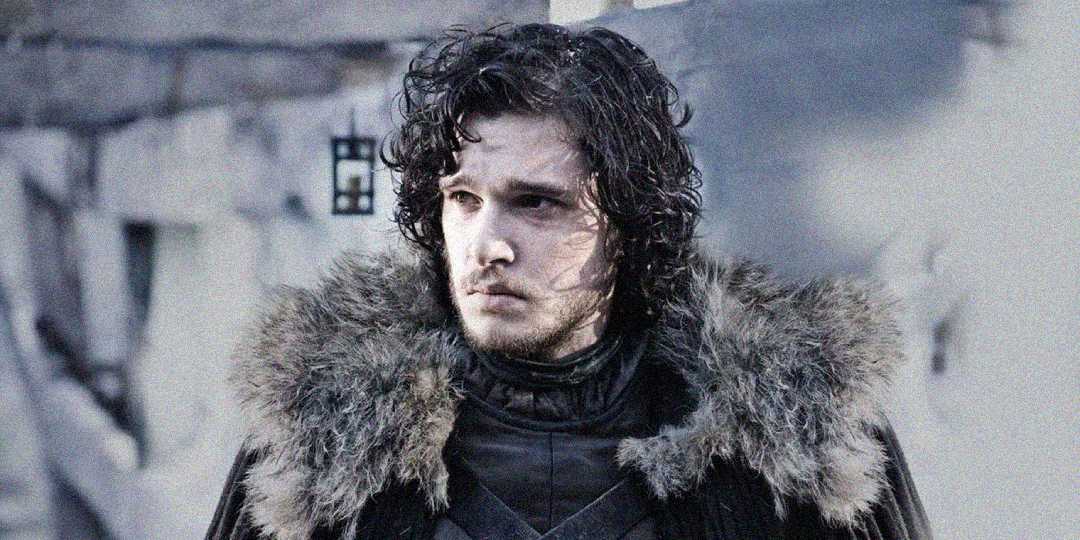
Many fans assumed actors knew major story developments in advance, but Kit Harington reportedly learned some of Jon Snow’s biggest moments only shortly before filming. Producers deliberately limited access to scripts to prevent leaks and preserve surprises.
Trending on The Scroller
6. The Dothraki Language Was Created from Scratch
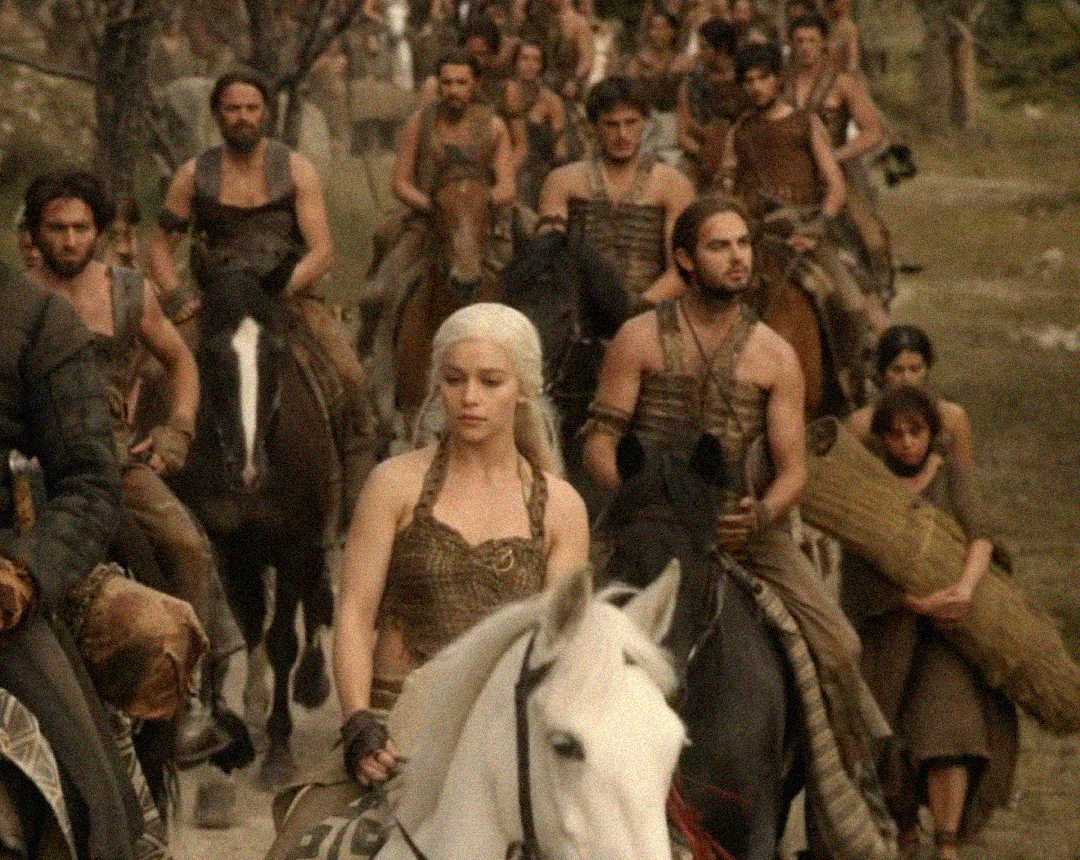
Unlike many fantasy productions that rely on random sounds, Game of Thrones hired linguist David J. Peterson to create a complete Dothraki language. He developed thousands of words, grammatical rules, and cultural expressions. Actors actually learned portions of the language for filming.
7. The Dragons Were Inspired by Real Animals
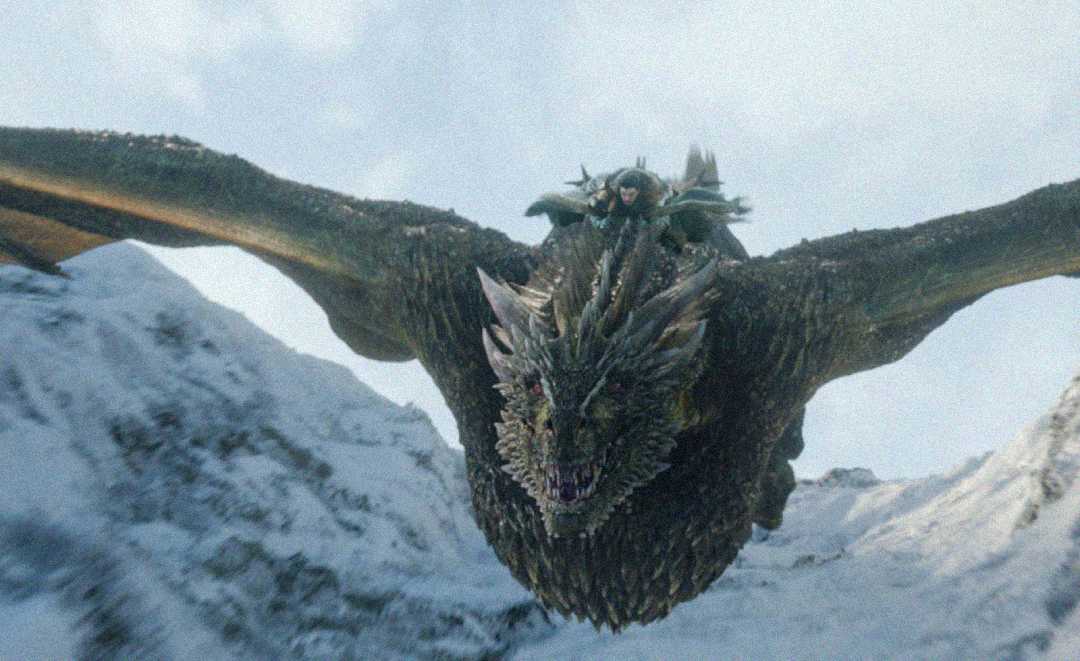
Visual effects artists studied bats, eagles, cats, and reptiles while developing Daenerys’ dragons. Drogon, in particular, borrowed behaviors from cats because animators wanted him to appear intelligent, unpredictable, and independent rather than simply acting like a giant flying lizard.
8. The Red Wedding Shocked the Cast Too
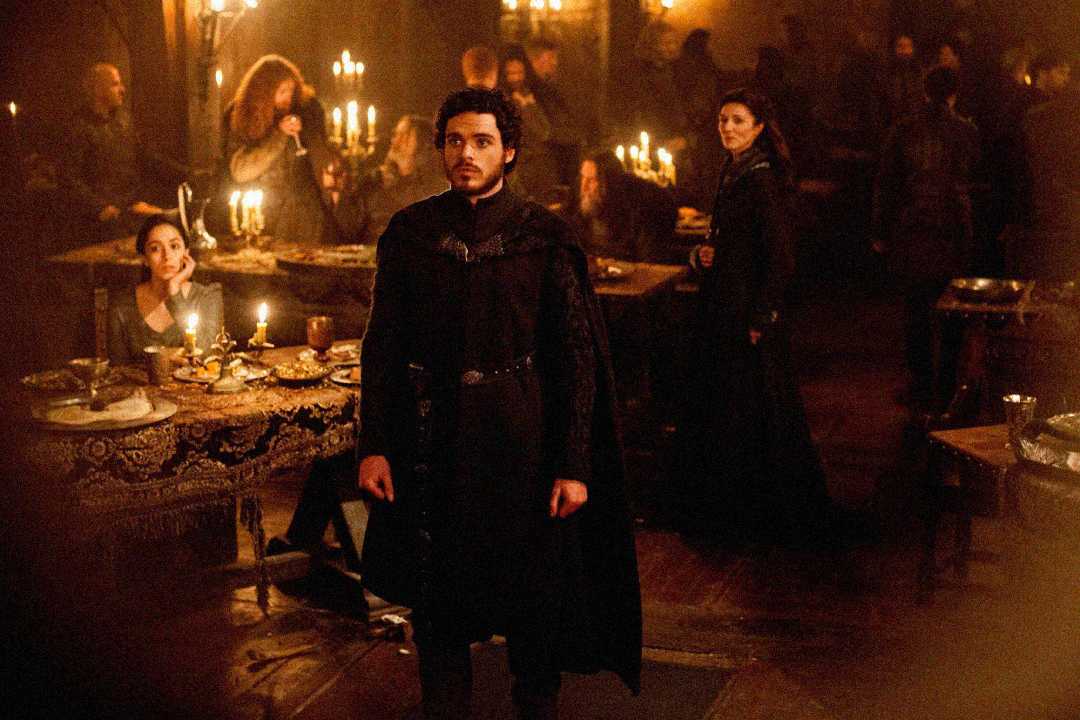
The infamous Red Wedding sequence remains one of television’s most shocking moments. Several actors admitted they intentionally avoided reading future chapters of Martin’s novels, meaning some experienced the twist almost exactly as viewers did. Their emotional reactions helped make the episode even more powerful.
Sign up for our newsletter
9. The Wall Wasn’t Entirely CGI
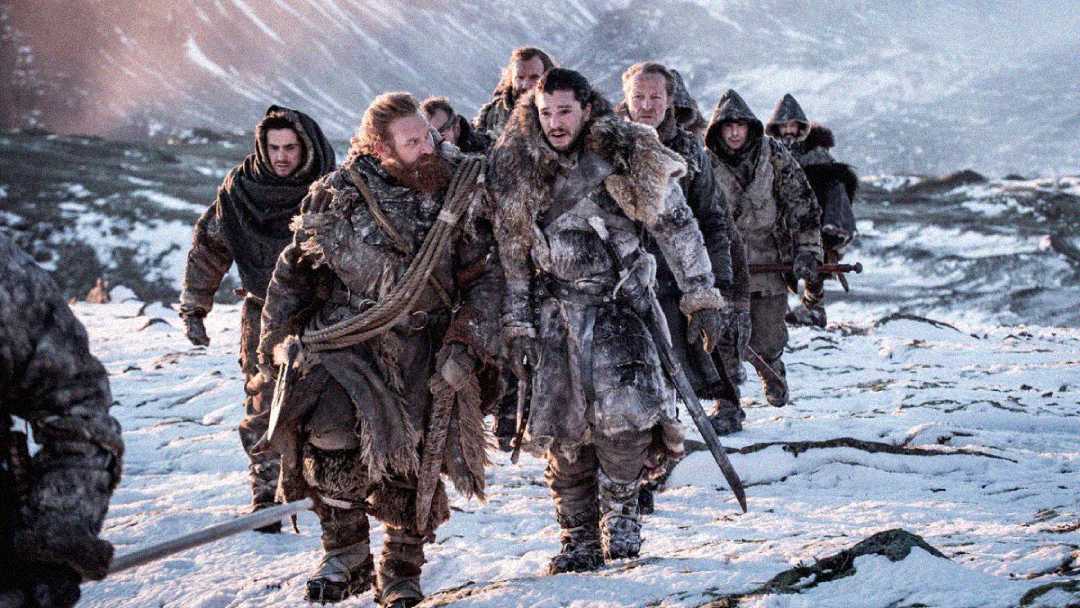
Many viewers assume the Wall was completely computer-generated. In reality, large practical sets were constructed alongside visual effects enhancements. The combination allowed actors to interact with physical environments while still creating the illusion of an enormous ice barrier.
10. Charles Dance Inspired Changes to Tywin Lannister
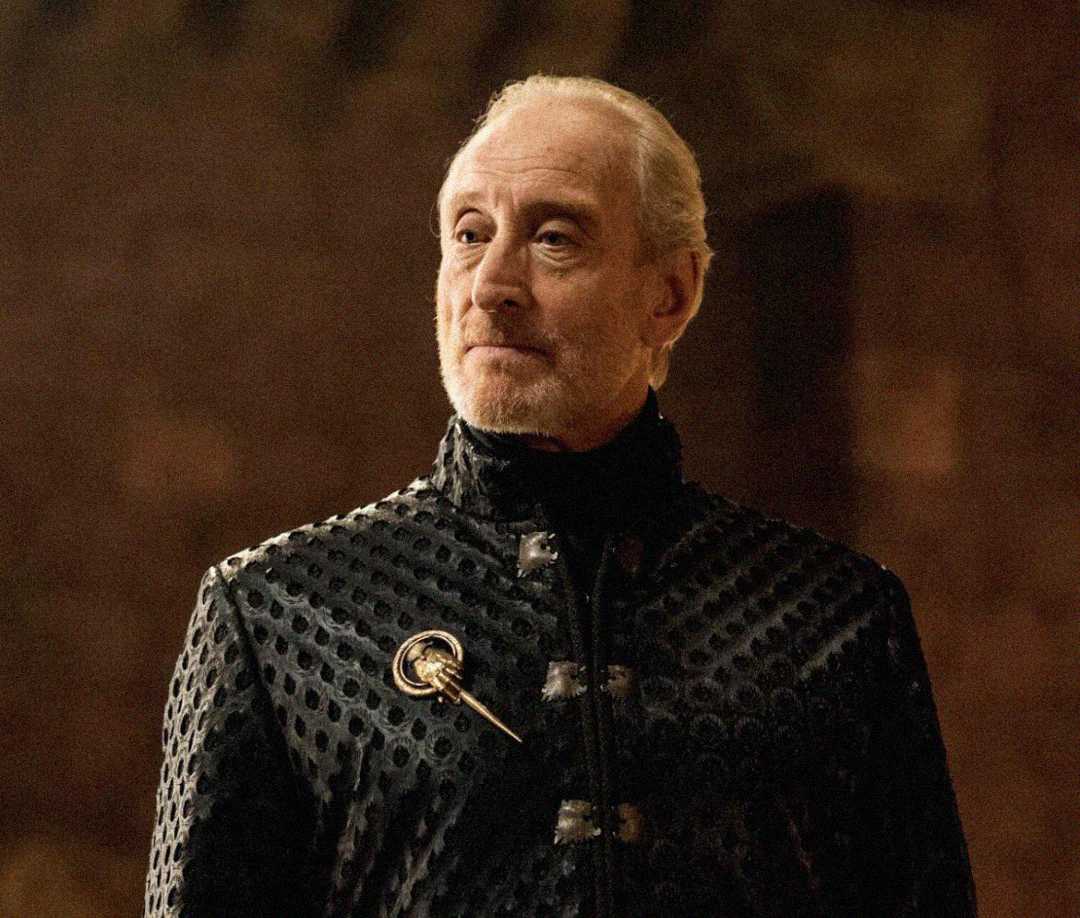
The performance of Charles Dance impressed both producers and fans so much that certain scenes were expanded to showcase Tywin’s commanding presence. His portrayal added layers of intimidation and intelligence that elevated the character beyond the source material.
11. George R. R. Martin Revealed Key Endings to HBO
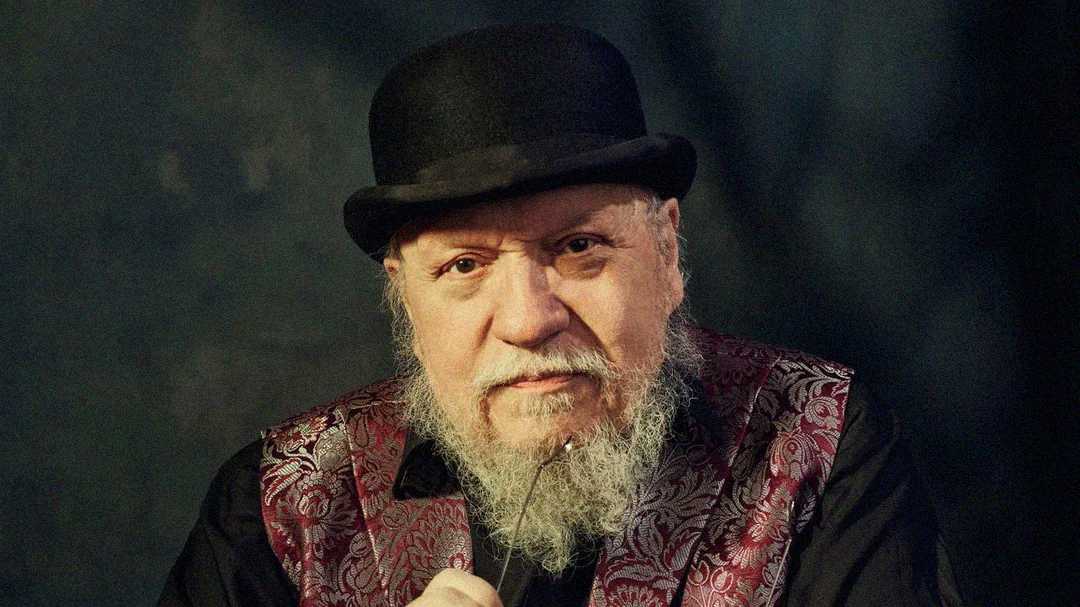
Although the novels remain unfinished, Martin met extensively with showrunners David Benioff and D. B. Weiss to explain major character destinations. While some details changed, several important ending points came directly from the author’s long-term plans.
12. The White Walkers Were Mostly Practical Effects
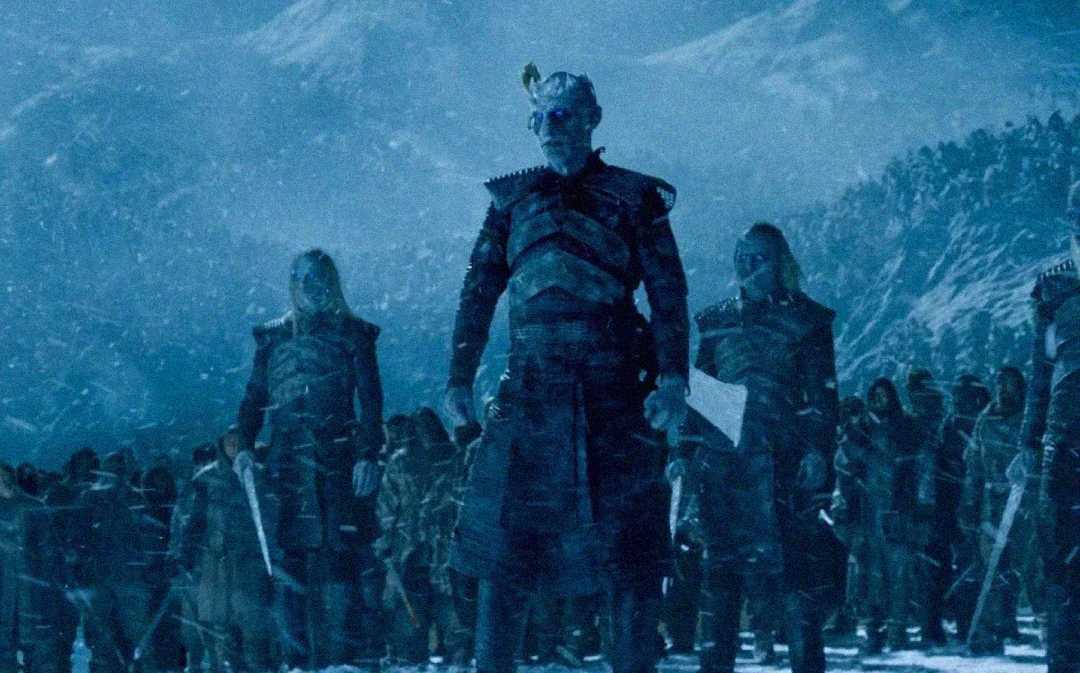
Before digital enhancements were added, actors portraying White Walkers spent hours in makeup and prosthetics. The production relied heavily on practical effects to create a more realistic and unsettling appearance.
13. Sophie Turner Kept a Piece of the Show
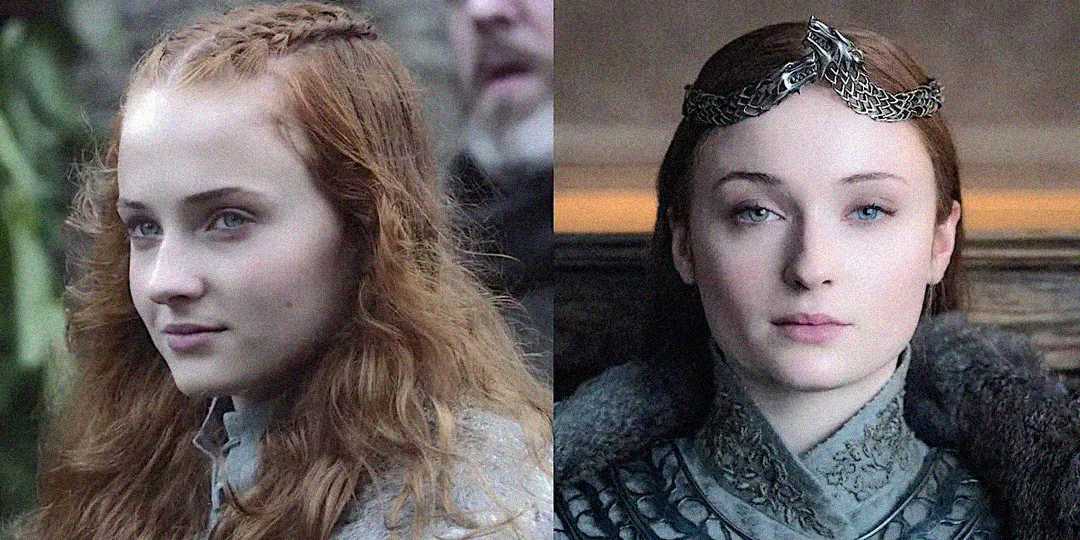
After filming concluded, Sophie Turner revealed she kept a scroll prop connected to Sansa Stark. The keepsake became one of several memorable items cast members preserved from the production.
14. The Series Outpaced the Novels
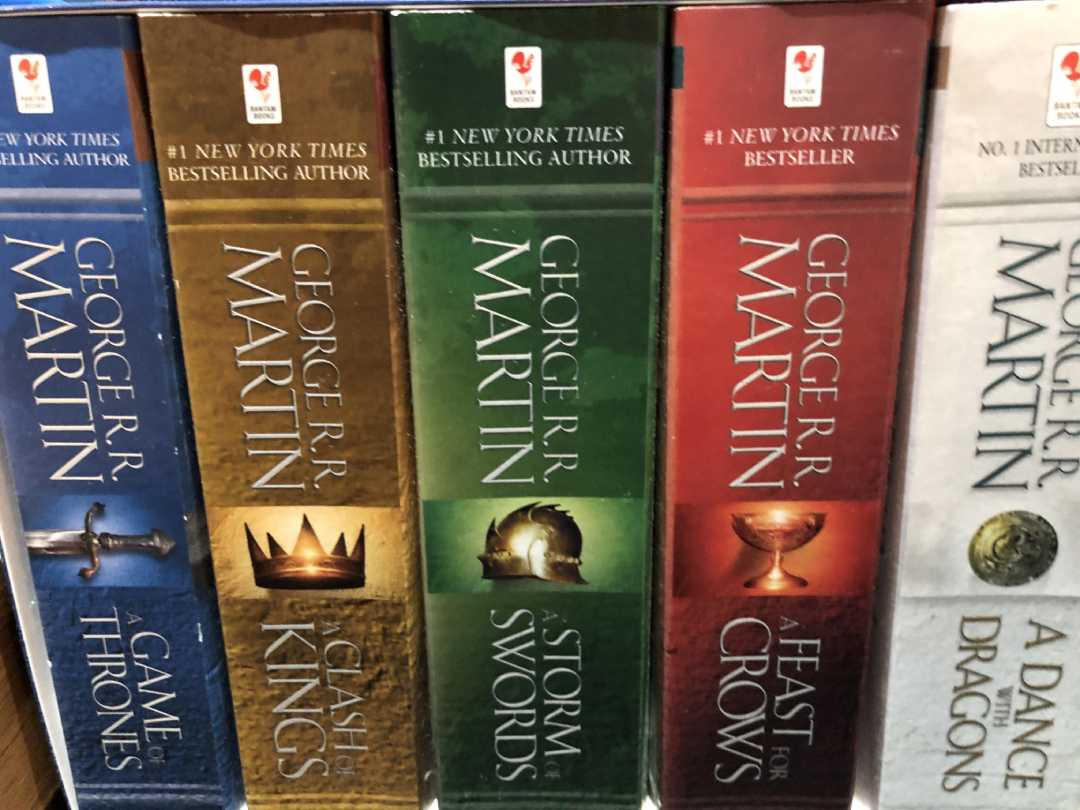
One of the most important Game of Thrones facts is that the television series eventually moved beyond the published books. This forced writers to create storylines without having complete source material available, leading to some of the most debated creative decisions in the show’s history.
15. The Final Season Drew Historic Viewership
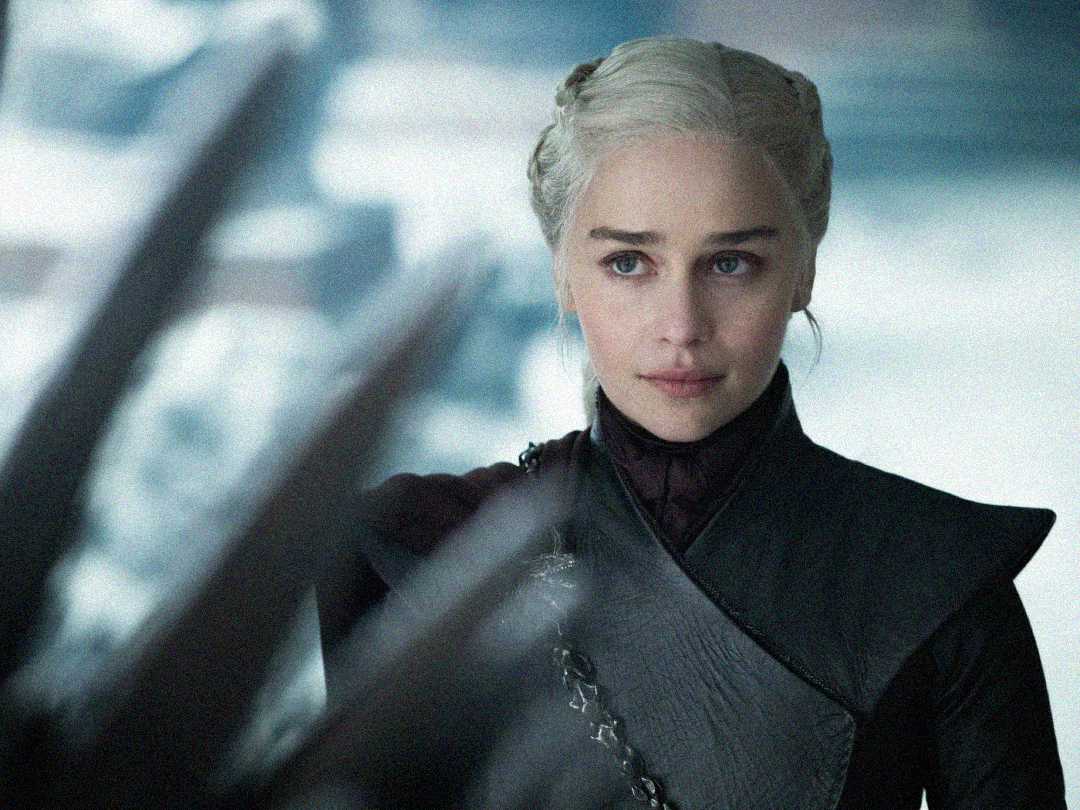
Despite controversy surrounding its conclusion, Game of Thrones reached unprecedented audience numbers during its final season. The series finale attracted approximately 19.3 million viewers across HBO platforms, making it the most-watched episode in the show’s history.
16. The Franchise Remains One of HBO’s Biggest Successes
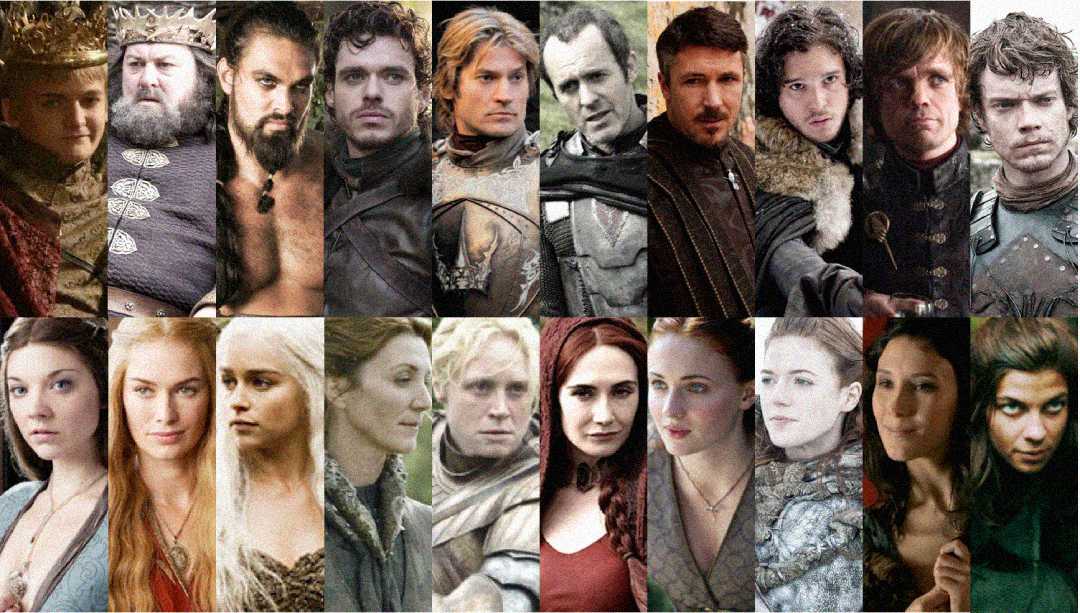
Even years after Game of Thrones ended, its influence continues through spin-offs, merchandise, books, conventions, and streaming success. House of the Dragon has helped introduce a new generation of viewers to Westeros while keeping longtime fans invested in the universe.
We hope these Game of Thrones facts made you feel like a true lord or lady of Westeros, but don’t leave just yet. We have plenty of content for you to enjoy.
Although Game of Thrones ended years ago, its cultural impact remains undeniable. The show transformed fantasy television, launched careers, inspired countless discussions, and delivered some of the most memorable moments in entertainment history. While many fans remain disappointed with aspects of the final season, they often choose to focus on the extraordinary storytelling, unforgettable characters, and groundbreaking television that came before it. For millions of viewers, the journey through Westeros remains far more important than the destination.
Did you enjoy discovering these Game of Thrones facts? We have plenty more content just like this, covering your favorite television series, movies, actors, and unforgettable pop culture moments. We publish new articles every day, so there’s always something new to explore. You can start with our recommendations: 15 TV Spin-Offs That Were Announced and Then Quietly Disappeared, 17 Real-Life Stories So Inspiring They Became Movies, and 16 Famous People Who Got Their Big Break Because Someone Else Said No at the Last Minute.