The world of CGI has completely transformed modern filmmaking, allowing filmmakers to create characters, creatures, and entire worlds that would have been impossible to achieve just a few decades ago. Since computer-generated imagery began gaining traction in Hollywood during the 1970s and 1980s, and especially after breakthroughs in films like Tron (1982), Terminator 2: Judgment Day (1991), and Jurassic Park (1993), CGI has become one of the most important tools in the movie industry. Today, audiences often see seamless digital creations without realizing just how much work happens behind the scenes.
One of the most fascinating aspects of CGI is how dramatically it can transform performers. Through motion and facial capture, digital sculpting, animation, compositing, and rendering, actors can become giant aliens, mythical creatures, superheroes, or entirely digital beings. Sometimes the transformation is so extensive that the actor becomes nearly unrecognizable. The artistry behind CGI continues to attract filmmakers, artists, animators, and students worldwide who study visual effects to understand how these remarkable movie characters come to life. These before-and-after CGI comparisons reveal just how much creativity and technology are involved in creating some of cinema’s most memorable characters.
1. Thanos: Avengers: Infinity War (2018) & Avengers: Endgame (2019)
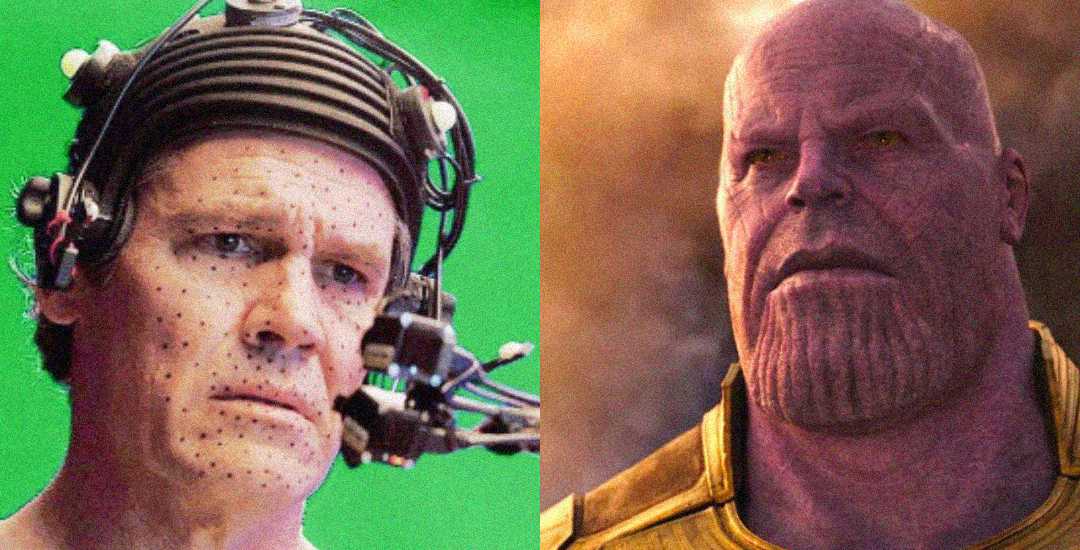
Josh Brolin delivered the performance for Thanos using advanced performance-capture technology. Artists at Marvel and Weta FX transformed his facial expressions into the towering purple Titan audiences saw on screen. The CGI work combined detailed skin simulations, facial tracking, and digital animation, helping make Thanos one of the most realistic digital villains ever created.
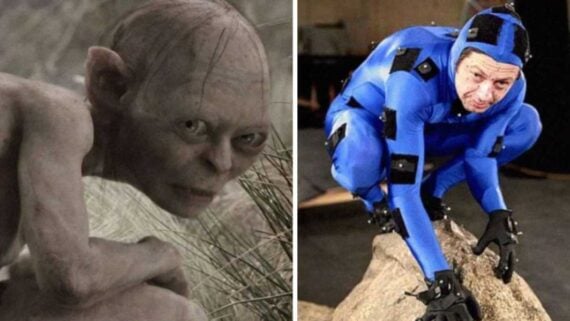
2. Gollum: The Lord of the Rings Trilogy
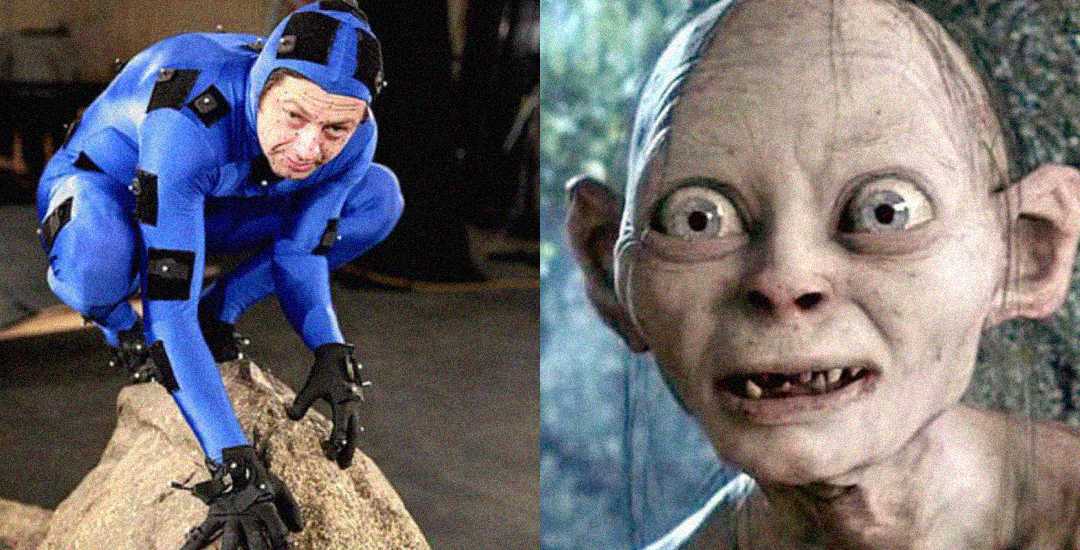
Andy Serkis revolutionized motion capture through his portrayal of Gollum. His performance was recorded and then enhanced using digital character animation. The final CGI character featured highly detailed skin textures, realistic eye movements, and subtle facial expressions that helped redefine what digital acting could achieve.
3. Caesar: Rise of the Planet of the Apes Series
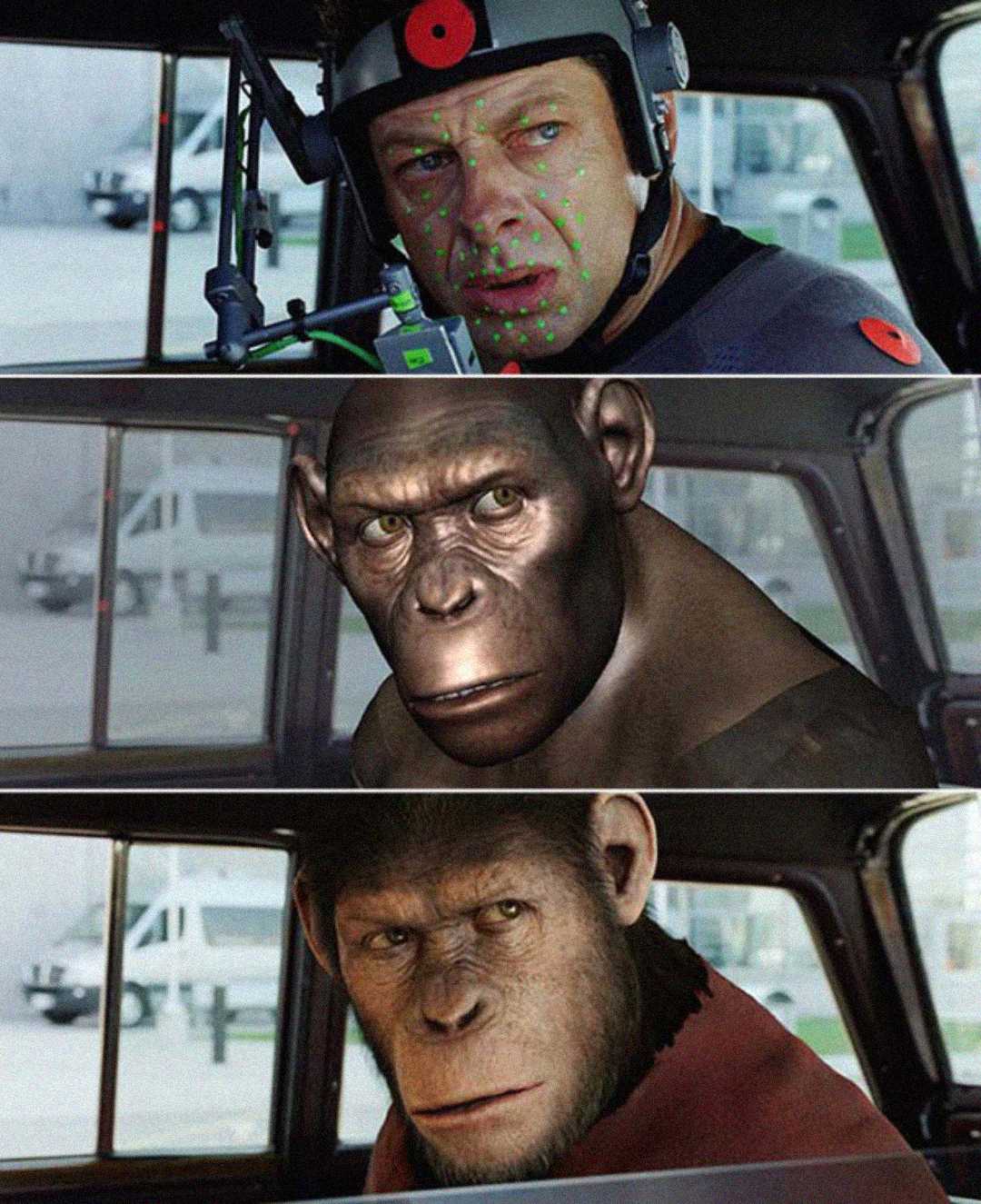
Another groundbreaking Andy Serkis performance, Caesar relied heavily on motion capture and facial performance technology. Weta Digital created incredibly realistic fur simulations and expressive facial animations, allowing audiences to connect emotionally with a fully digital ape.
4. Neytiri: Avatar (2009)
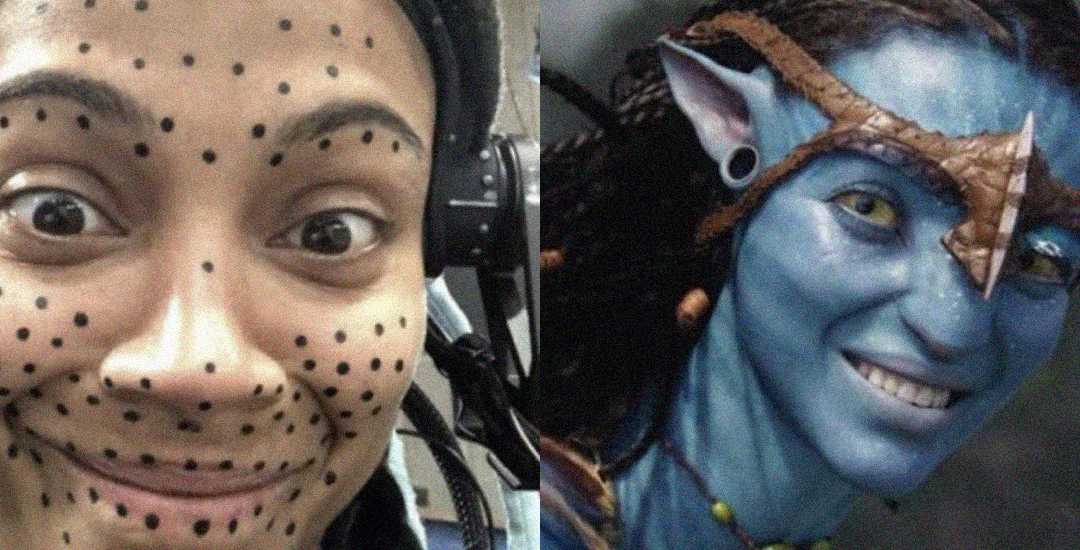
Actress Zoe Saldaña portrayed Neytiri through a combination of performance capture and digital animation. The CGI process translated her movements and facial expressions into the Na’vi warrior while preserving the emotional nuances of her performance.
5. Hulk: The Avengers Series
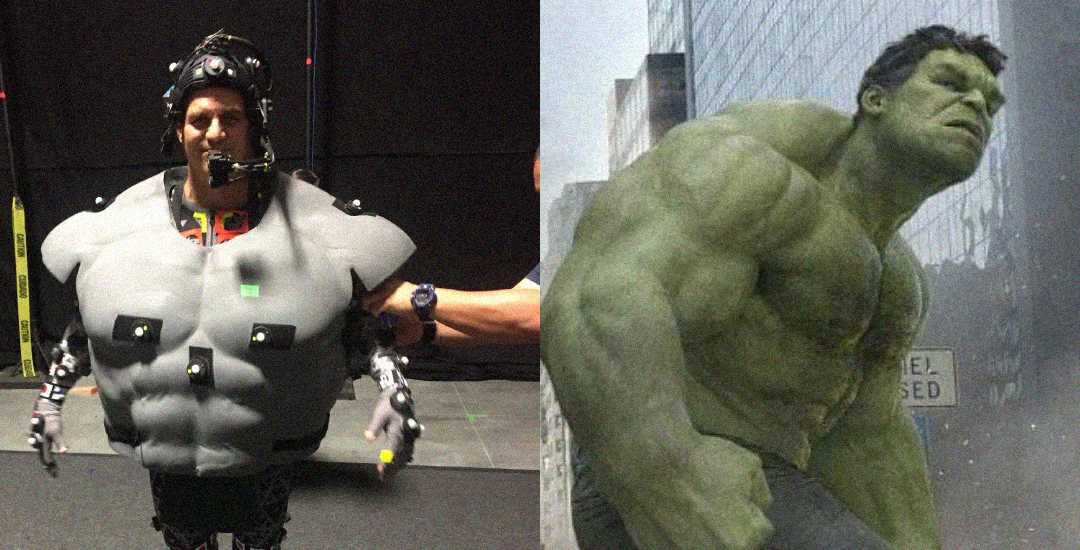
Mark Ruffalo’s portrayal of Bruce Banner served as the basis for Hulk’s digital performance. Visual effects artists used facial capture technology and sophisticated muscle simulations to create the giant green superhero while retaining Ruffalo’s recognizable expressions.
Trending on The Scroller

6. Rocket Raccoon: Guardians of the Galaxy Series
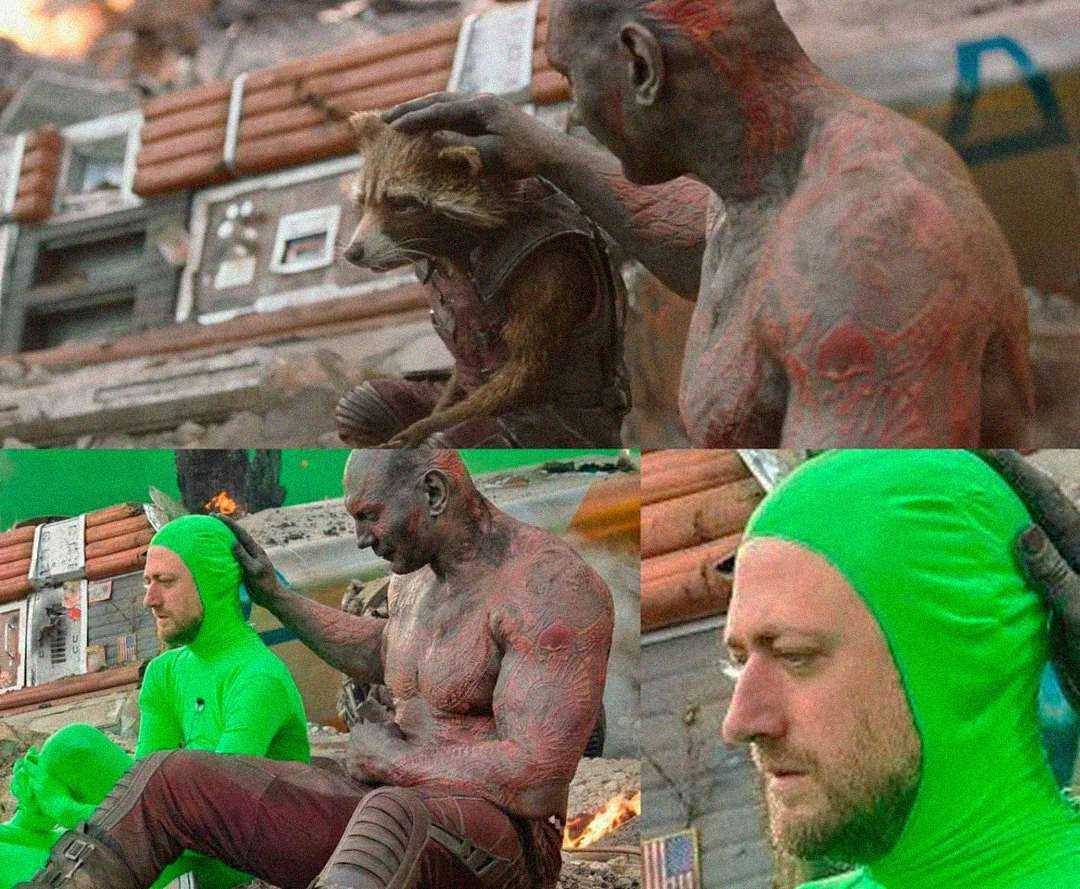
Bradley Cooper voiced Rocket, while motion reference performers helped animators develop his movements. The CGI work included realistic fur rendering, facial animation, and detailed lighting that made Rocket feel like a living creature rather than a cartoon character.
7. Davy Jones: Pirates of the Caribbean: Dead Man’s Chest (2006)
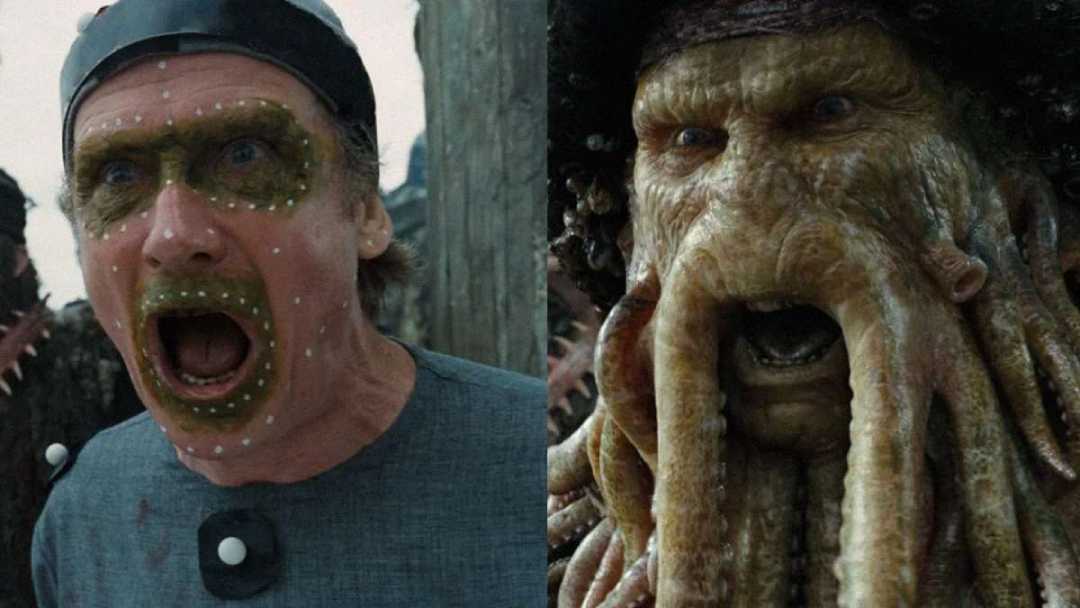
Bill Nighy performed Davy Jones using motion-capture technology. His face was digitally transformed into the tentacled pirate captain, showcasing a major leap forward in facial animation and creature design during the mid-2000s.
8. King Kong: King Kong (2005)
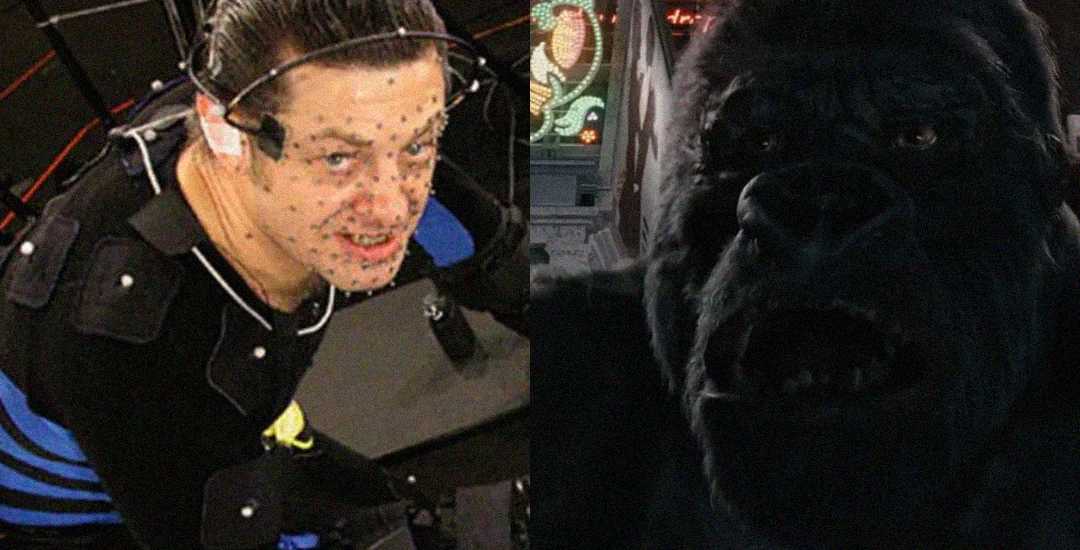
Andy Serkis once again provided motion reference and performance work. Weta Digital created Kong using advanced fur simulation, muscle systems, and facial animation. The result remains one of the most impressive digital creatures ever produced.
Sign up for our newsletter
9. Voldemort: Harry Potter Saga
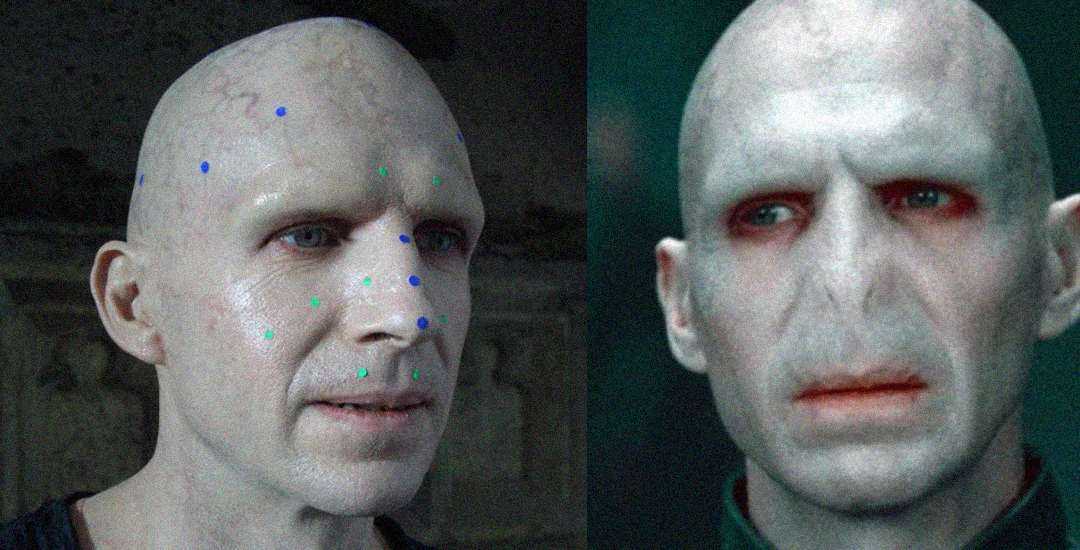
Ralph Fiennes portrayed Voldemort throughout the later Harry Potter films, but the Dark Lord’s terrifying appearance required extensive CGI enhancements. While Fiennes wore makeup and prosthetics on set, visual effects artists digitally removed his nose and replaced it with the snake-like slits that became one of the character’s most recognizable features.
10. Smaug: The Hobbit Trilogy
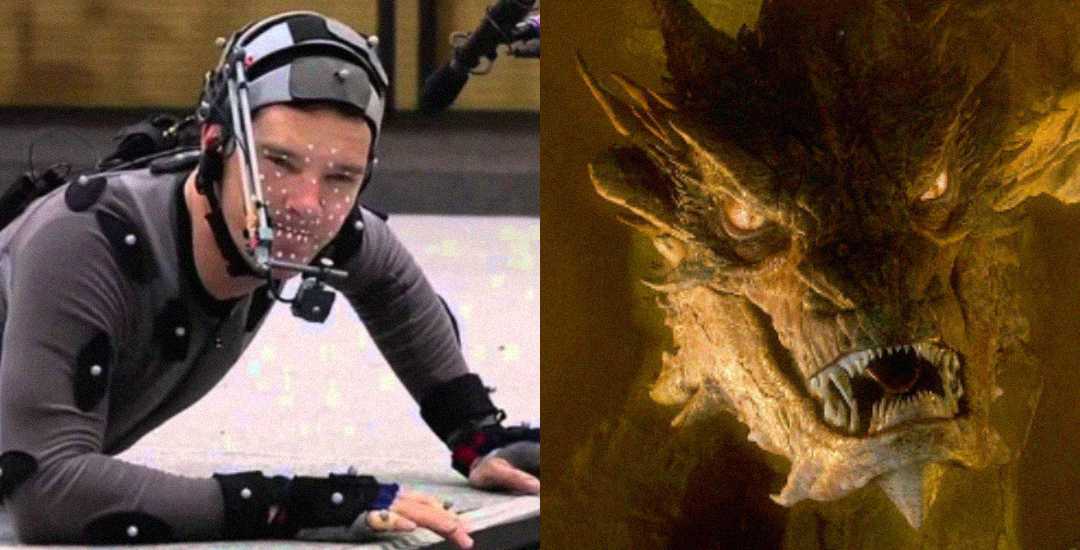
Benedict Cumberbatch performed Smaug using motion capture and vocal performance. Animators translated his movements into the massive dragon, combining realistic scales, fire effects, and expressive facial animation.
11. The Na’vi Characters: Avatar: The Way of Water (2022)
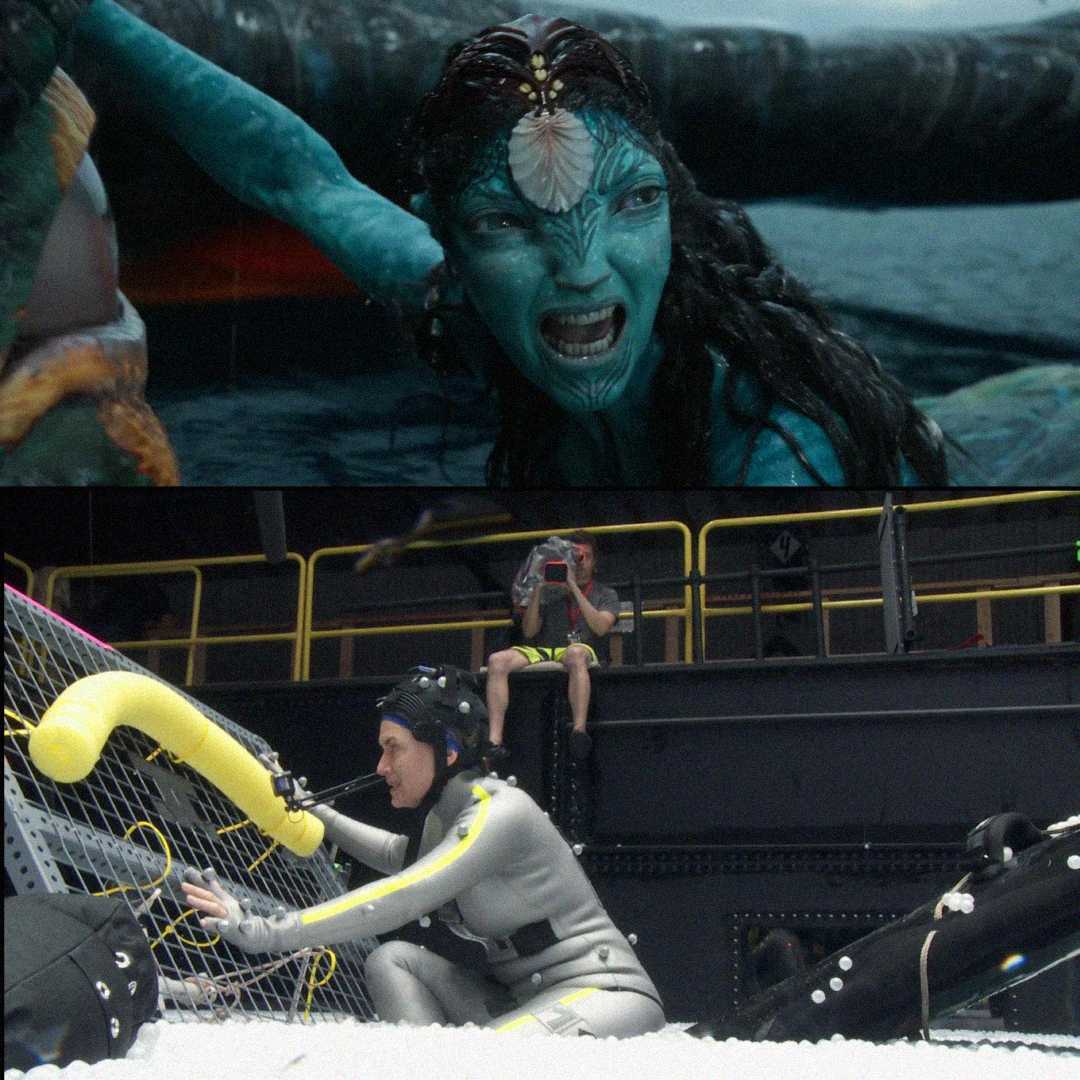
The sequel expanded performance-capture technology by recording actors underwater. This innovative CGI approach allowed filmmakers to capture realistic swimming movements and facial performances beneath the surface.
12. Colossus: Deadpool Series
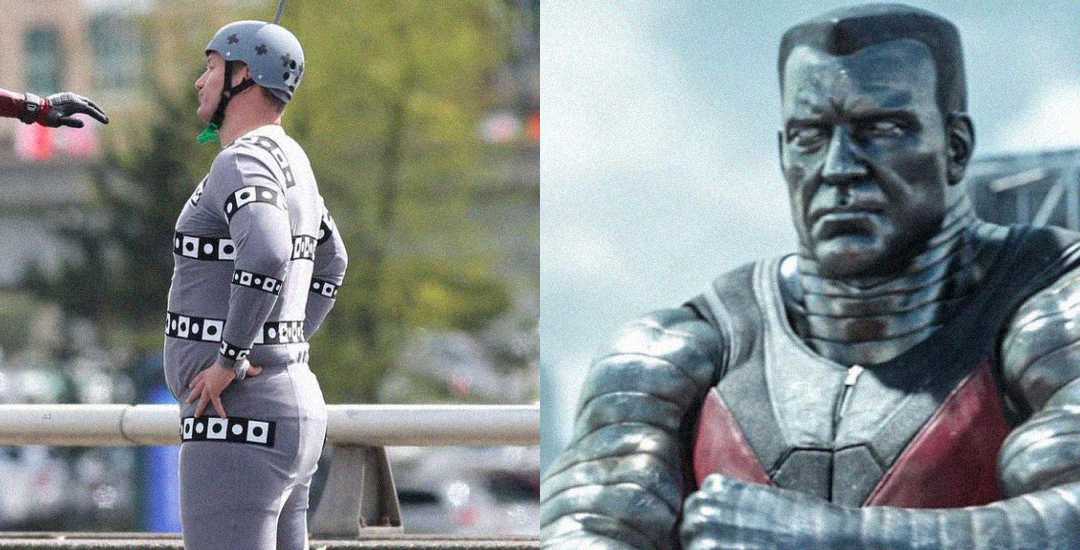
Colossus was created almost entirely through digital effects. Motion reference, voice acting, and extensive character animation combined to produce the metallic X-Men character seen in the films.
13. Ultron: Avengers: Age of Ultron (2015)
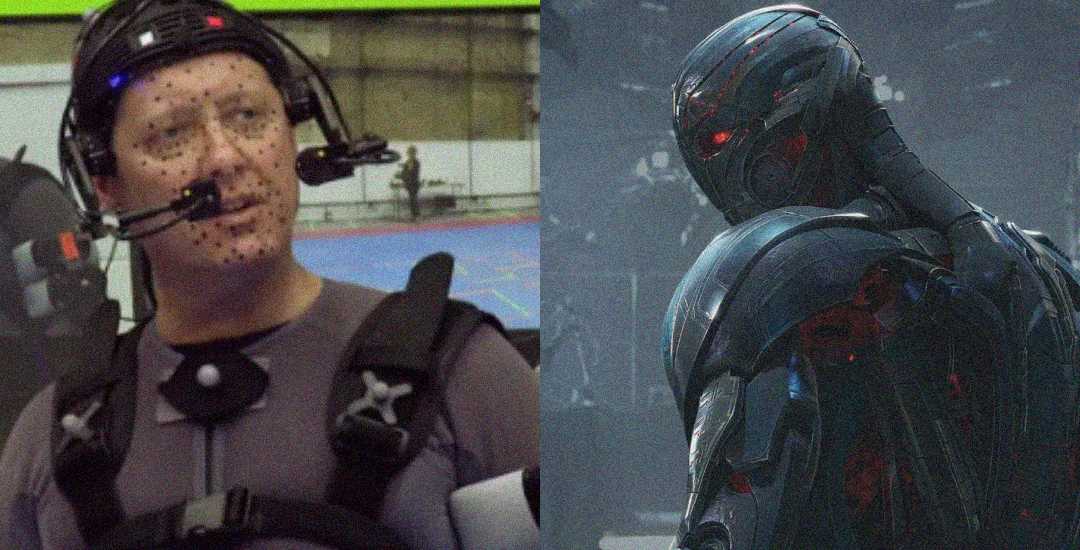
Ultron was brought to life through a combination of motion capture, facial performance capture, and digital animation. Actor James Spader provided both the voice and performance reference for the robotic villain, whose facial movements were designed to reflect Spader’s distinctive expressions.
14. Groot: Guardians of the Galaxy Series
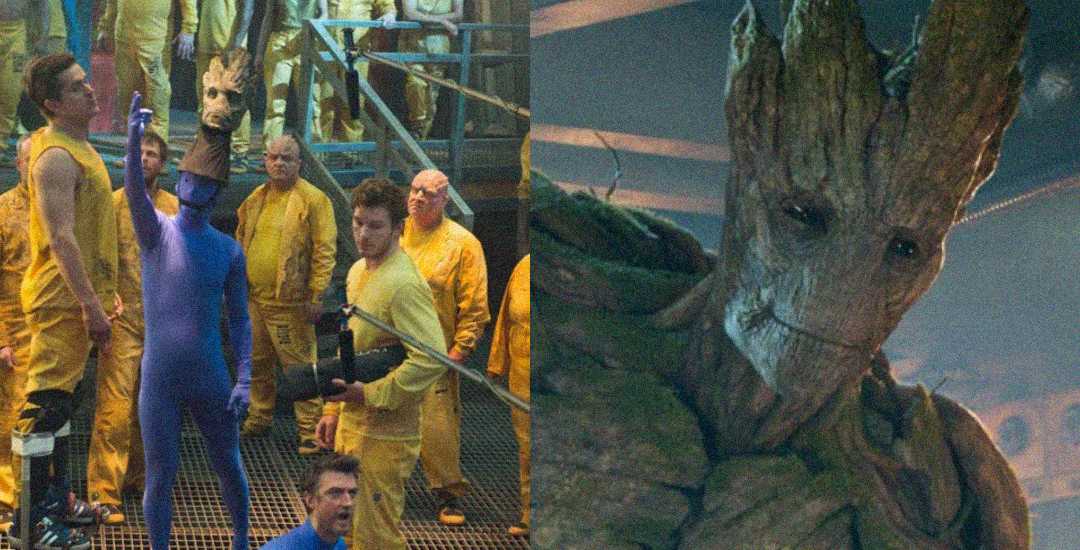
Groot was built through digital modeling and character animation, with Vin Diesel providing the voice. Artists created complex bark textures and subtle facial expressions that allowed the tree-like hero to convey emotion with very few words.
15. Tarkin: Rogue One, A Star Wars Story (2016)
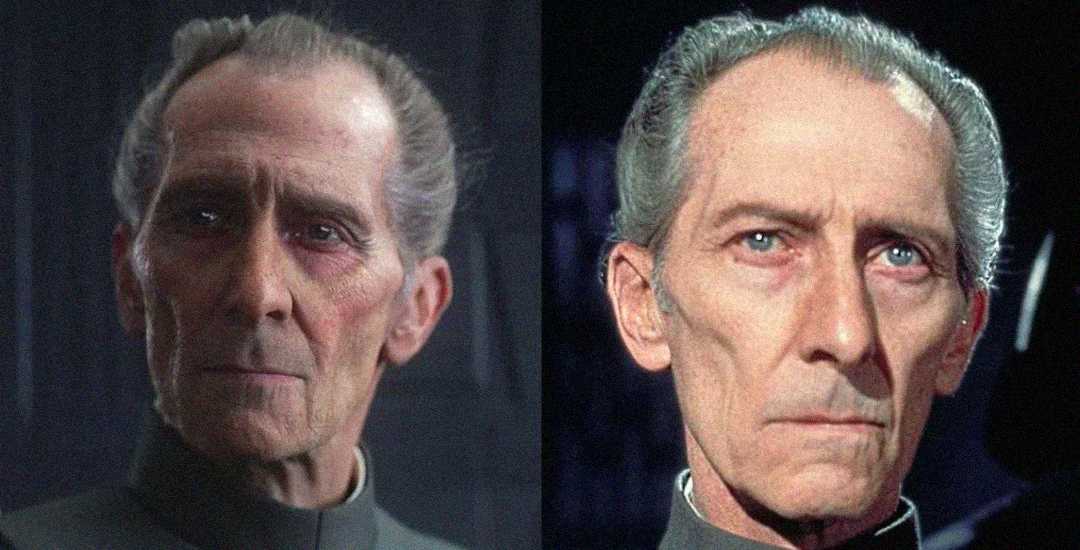
Visual effects artists used digital doubles, facial reconstruction, and motion capture to recreate Grand Moff Tarkin. The character became one of the most discussed examples of photorealistic human CGI in modern cinema.
16. Mystique: X-Men Film Series
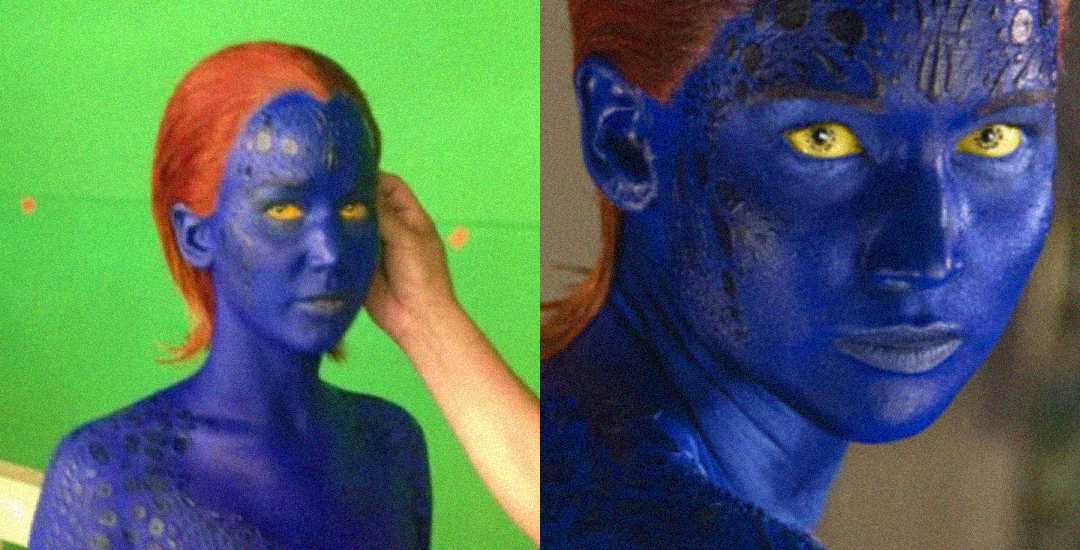
Mystique is often remembered for her striking blue appearance, but the character’s transformations relied heavily on a blend of practical makeup and CGI effects. Actress Rebecca Romijn in the original trilogy and later Jennifer Lawrence spent hours in makeup before filming, while visual effects artists enhanced the character’s shape-shifting abilities digitally.
17. Bagheera: The Jungle Book (2016)
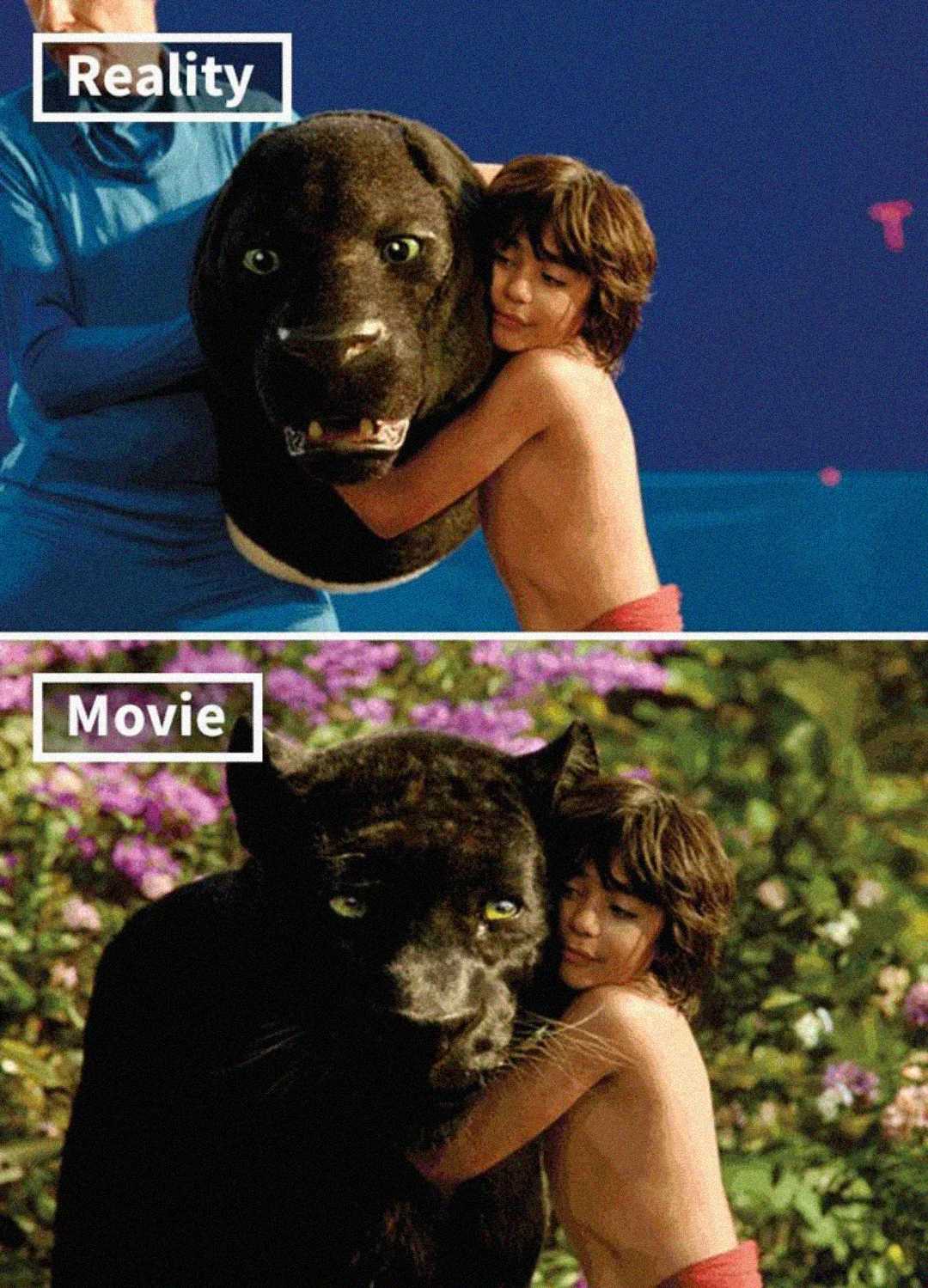
Bagheera was one of the many photorealistic animals created entirely through CGI for Disney’s live-action adaptation of The Jungle Book. Voiced by Ben Kingsley, Bagheera was built using advanced digital modeling, animation, fur simulation, and rendering techniques designed to make him look like a real black panther while still conveying human-like emotions.
Enjoy exploring incredible CGI transformations behind your favorite movie characters? Keep reading to discover how Hollywood’s biggest productions bring imagination to life.
These remarkable CGI transformations demonstrate how far visual effects technology has evolved. From motion-capture pioneers like Gollum to modern digital creations such as Thanos, filmmakers continue pushing the boundaries of what audiences can experience on screen. As computing power, animation techniques, and performance-capture systems improve, CGI is becoming an even bigger part of filmmaking, making these before-and-after comparisons more fascinating than ever.
Did you enjoy this content? We know there’s plenty more that might spark your curiosity. Keep exploring our articles for more movie facts and behind-the-scenes stories. If you’re not sure where to start, check out our recommended reads and discover even more fascinating entertainment content: 20 Times CGI Completely Changed What You Saw in Movies, 16 Behind-the-Scenes Facts About the Back to the Future Trilogy, and 14 Films That Were Considered Box Office Failures and Are Now Required Viewing.