
Some everyday habits disappear so quietly that people barely notice them leaving. Then, years later, they show up in an old photo, movie, or family story and suddenly feel like evidence from another world. These were not strange habits at the time, just normal ways of calling someone, paying for things, getting around, or keeping track of life. Looking back at them now makes it clear how much daily life has shifted, not only because of technology, but because expectations have changed too.
1. Memorizing Everyone’s Phone Number
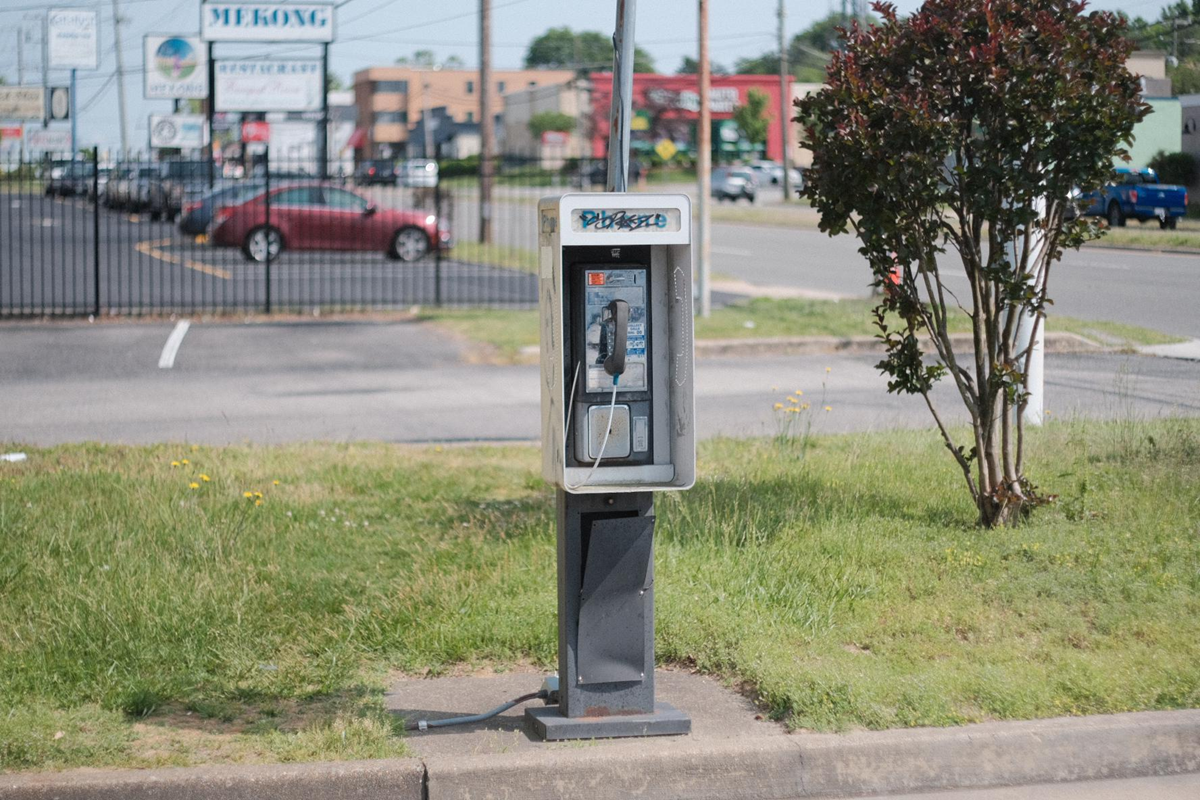
There was a time when people carried entire social circles in their heads. Parents’ numbers, best friends’ numbers, the local pizza place, the movie theater, a neighbor who could help in an emergency- all of it lived in memory because it had to. If you were out on the street and needed to make a call, public phones were part of the landscape, waiting outside stores, in stations, or on busy corners. Now, many people barely know their own number without checking a screen.
2. Letting Kids Roam Until the Streetlights Came On
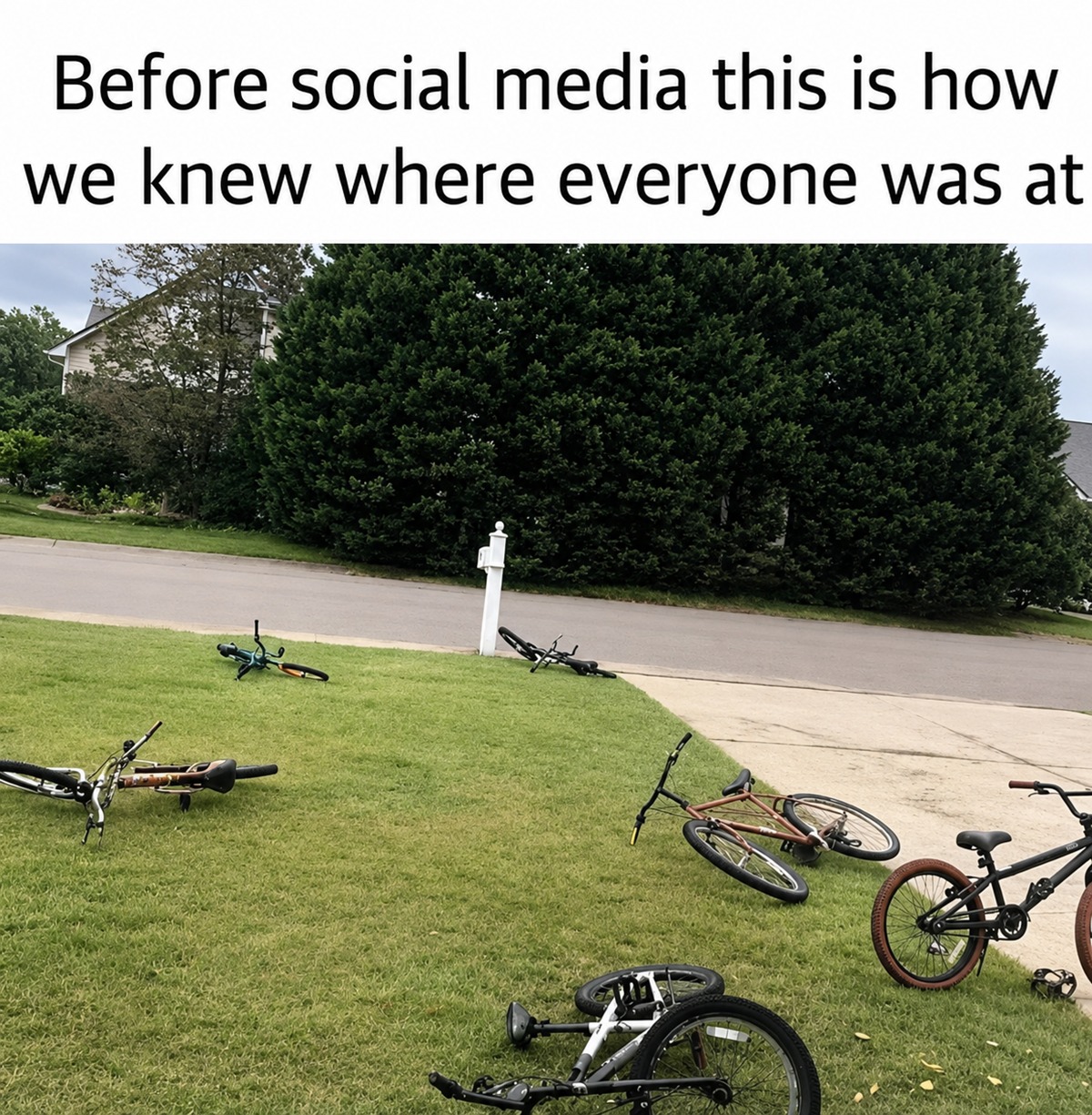
For a lot of children, especially in suburban neighborhoods, the rule was simple: go outside and come back when the streetlights switched on. Parents did not always know the exact yard, park, alley, or friend’s house where their kids were playing, and that was considered normal. It was a looser kind of childhood, and one that would make many modern parents deeply uncomfortable.
3. Using Paper Maps in the Car
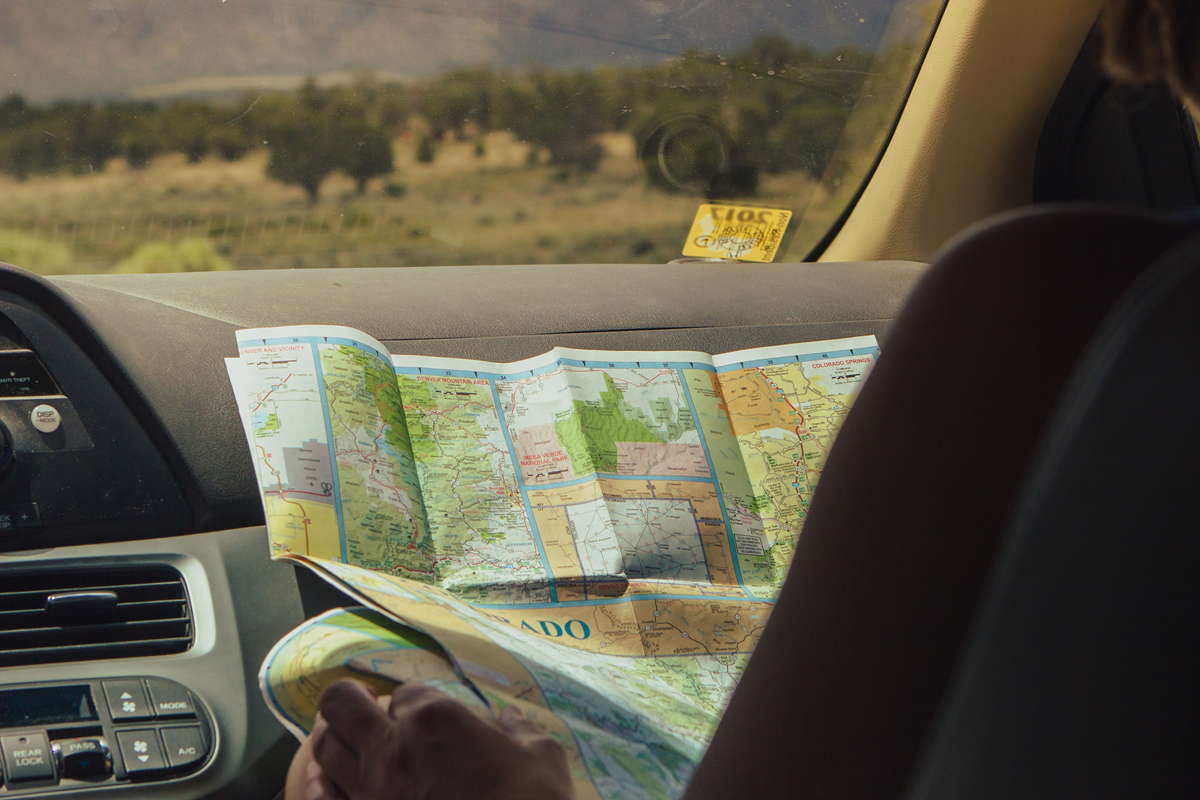
Before GPS became standard, road trips often came with a folded map that never folded back the same way twice. Someone in the passenger seat had to read exits, argue about highways, and occasionally admit they had been holding the map upside down. Getting lost was not a glitch; it was part of the trip.
4. Calling Someone’s House and Talking to Whoever Answered
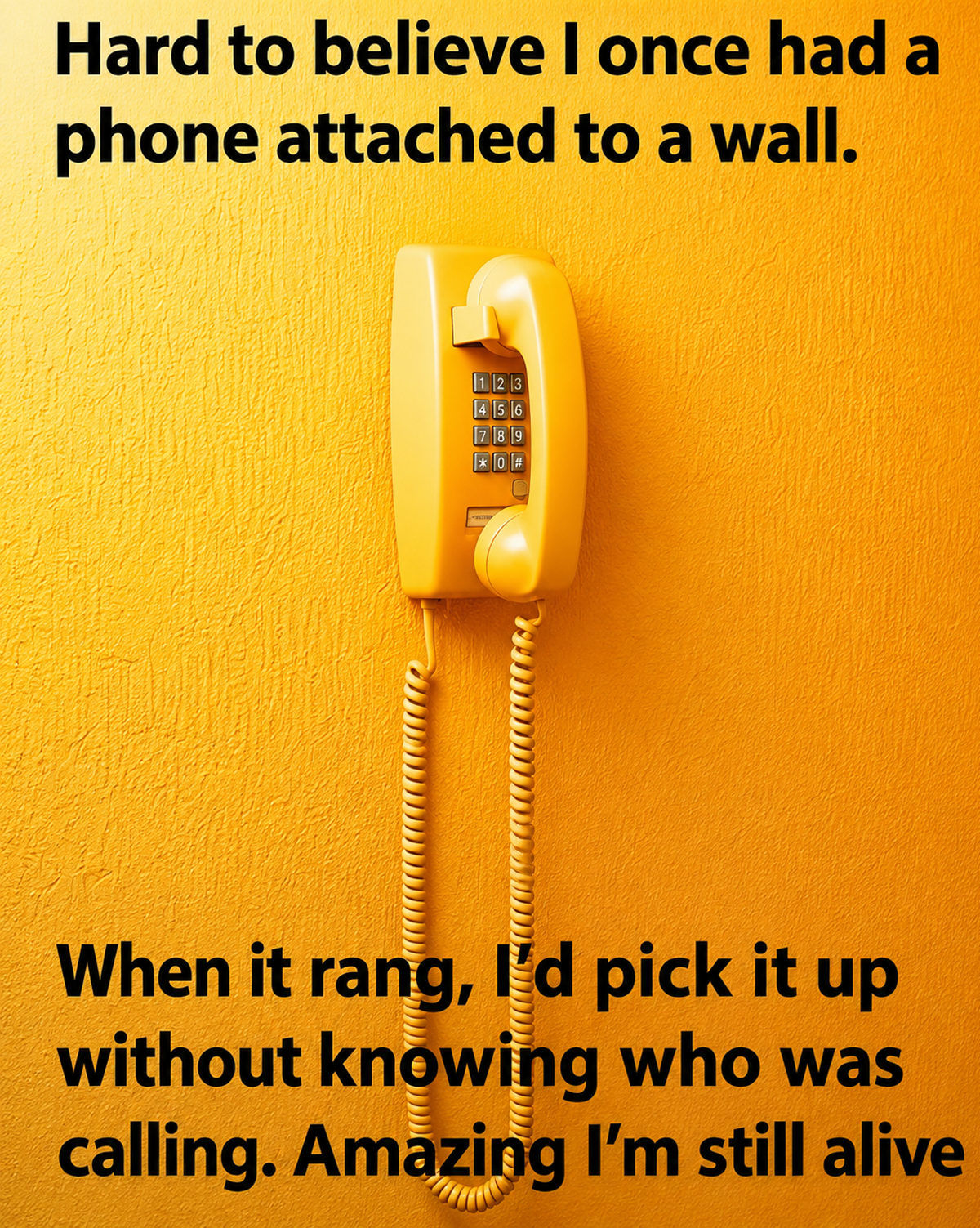
Calling a friend used to mean calling an entire household. A parent, sibling, roommate, or grandparent might pick up first, and a little conversation was often unavoidable before the person you wanted came to the phone. Privacy was much thinner, and social skills sometimes began with surviving a two-minute chat with someone’s dad.
5. Waiting for Film to Be Developed
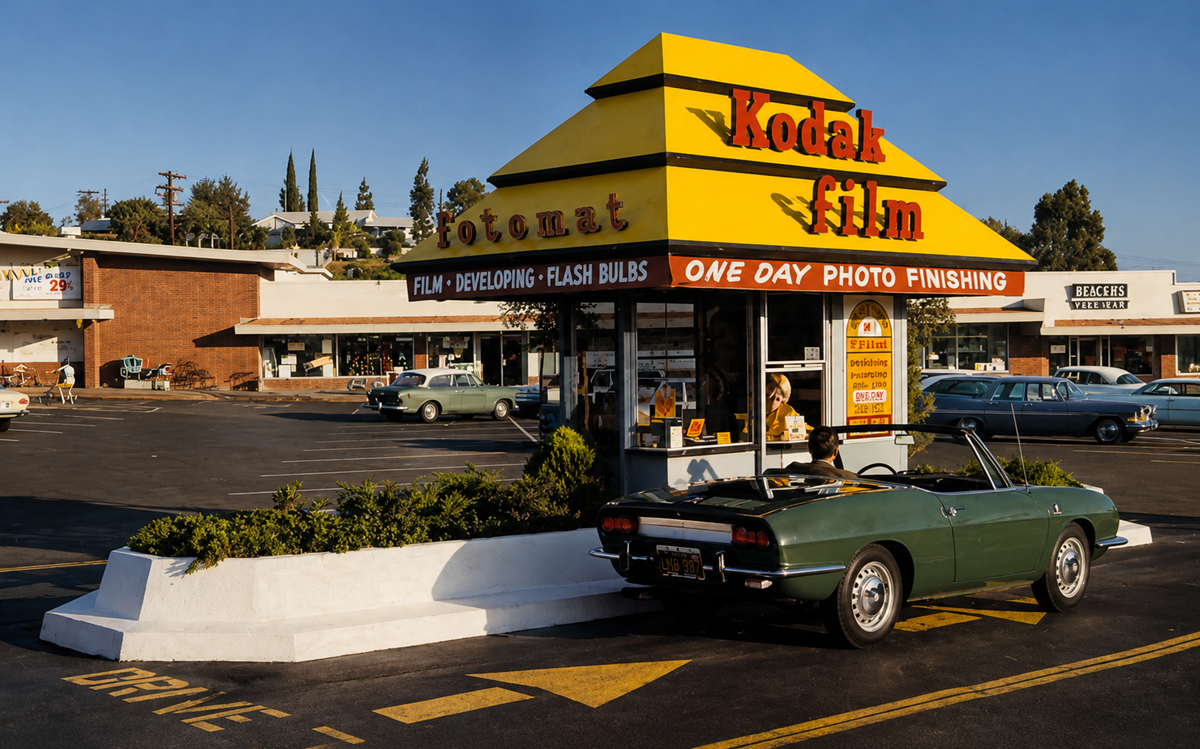
Taking photos once required patience and a little mystery. You could snap pictures at a birthday, vacation, or school event, then wait days to find out whether anyone blinked, moved, or accidentally cut someone’s head out of the frame. The imperfect shots still made it into albums because there were only so many pictures to choose from.
Trending on The Scroller

6. Reading the TV Guide Before Making Plans
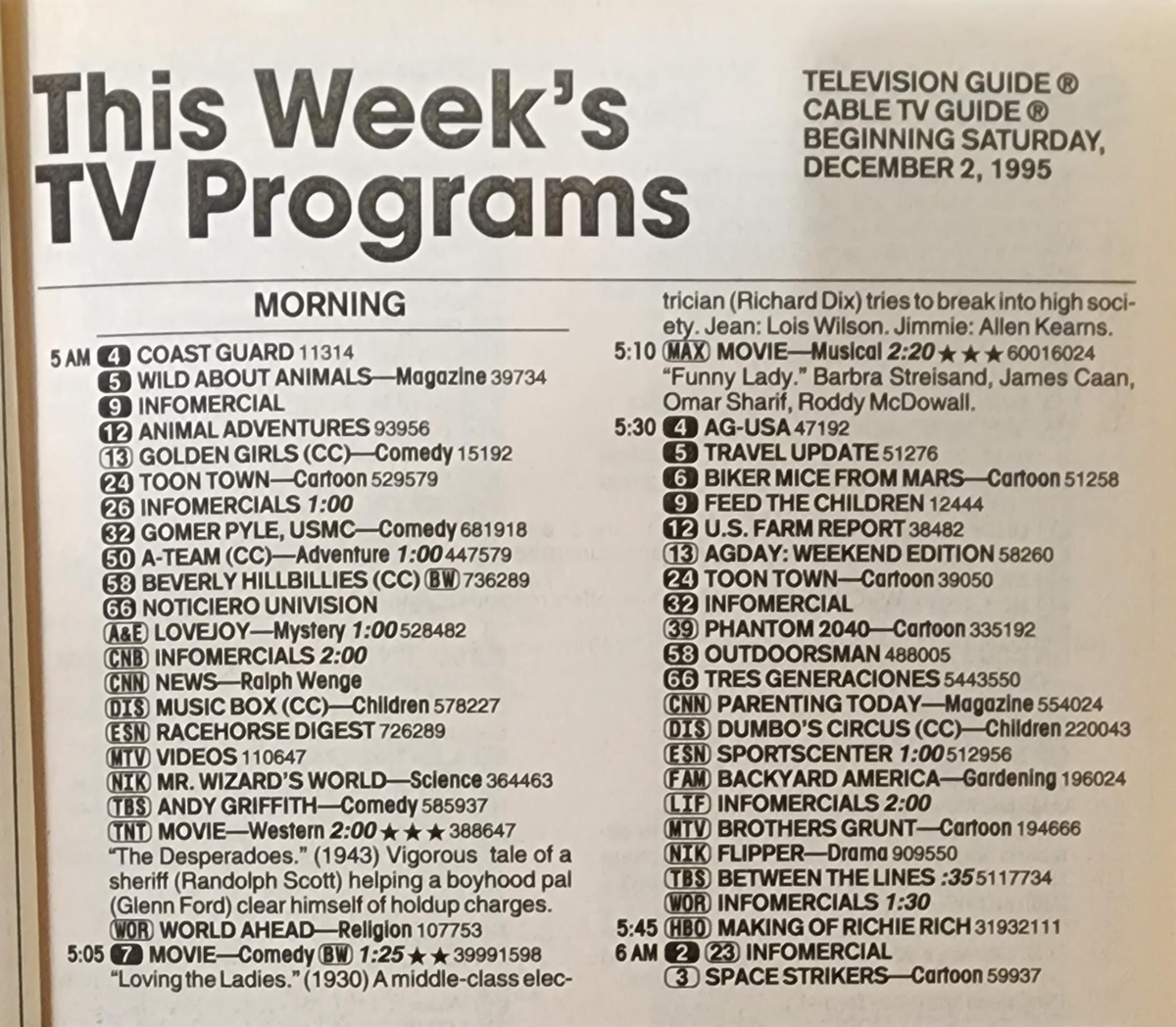
Streaming made entertainment feel endless, but television used to run on a schedule that viewers had to obey. People checked printed listings, circled movies, and made sure they were home before a favorite show started. Missing an episode could mean waiting months for a rerun, assuming one appeared at all.
7. Smoking Almost Anywhere
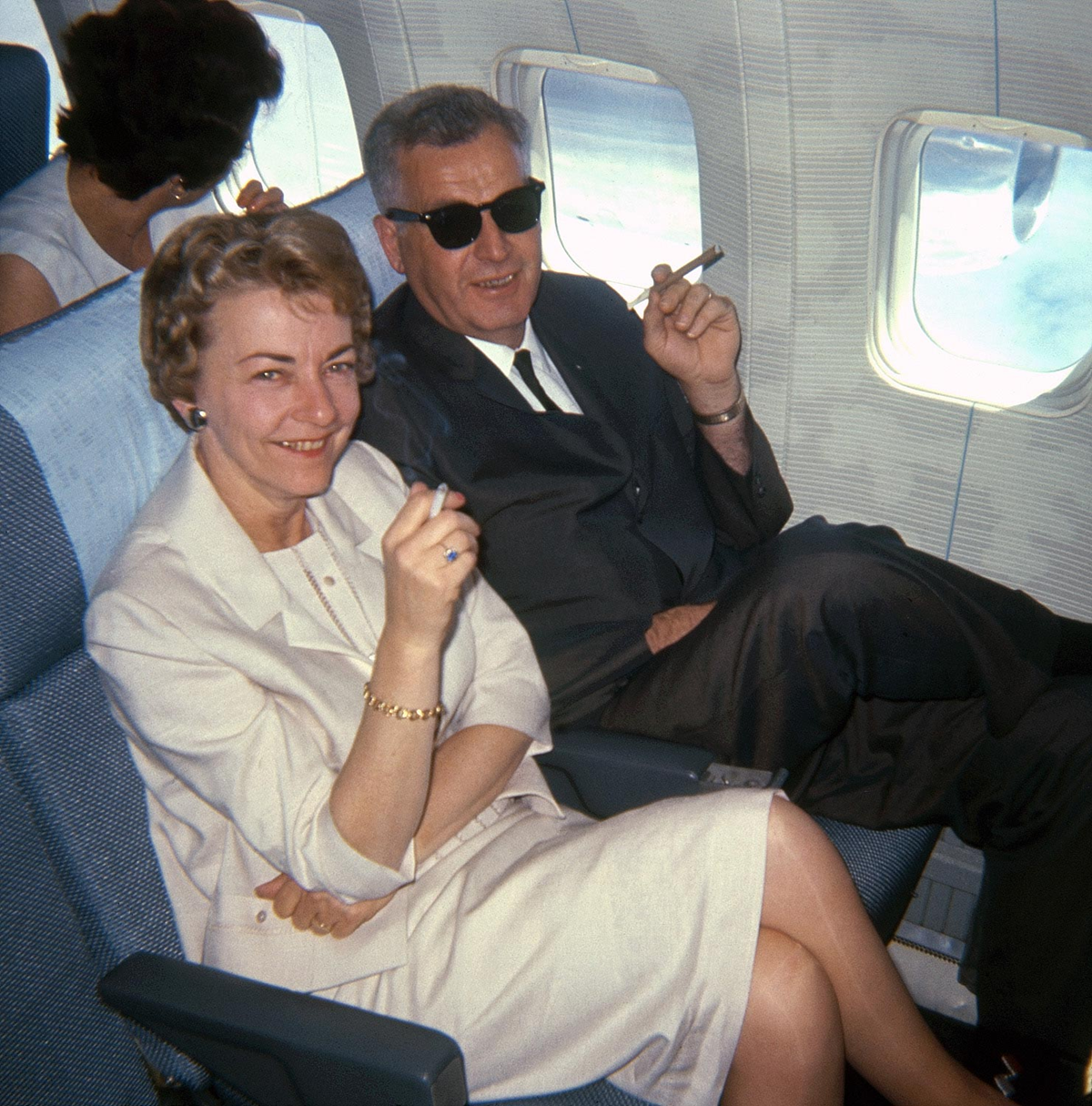
Restaurants, offices, airplanes, hotel lobbies, bowling alleys, and even some hospital waiting areas once had the smell of cigarette smoke built into the atmosphere. Ashtrays were not hidden away; they were part of the furniture. It is one of those old habits that now feels less like nostalgia and more like a reminder of how dramatically public health rules changed.
8. Leaving Messages on Answering Machines
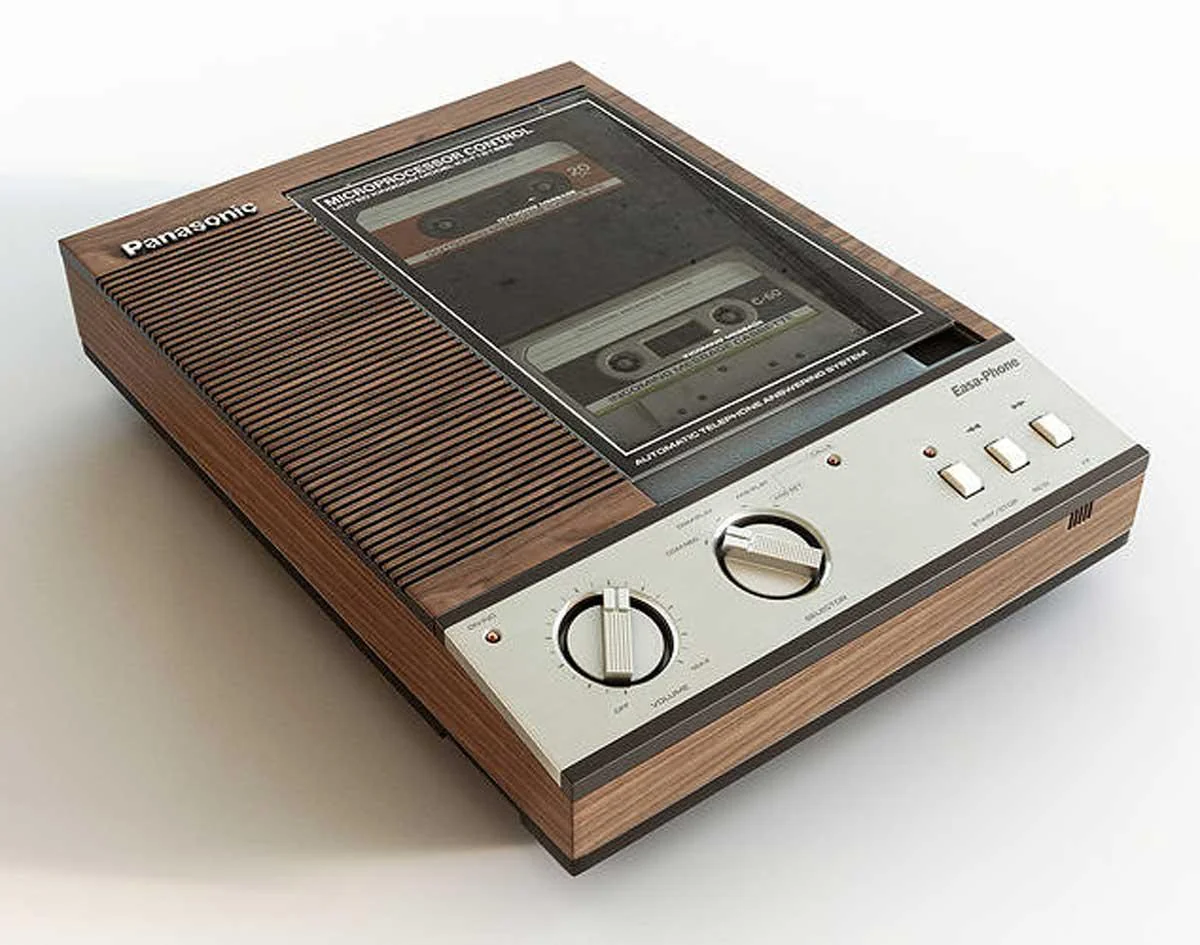
Before texts and missed-call notifications, the answering machine was the household’s communication hub. People recorded outgoing messages, rewound tapes, and sometimes stood nearby listening as someone left a message in real time. A blinking red light could mean plans, gossip, bad news, or your mom asking why you had not called back.
Sign up for our newsletter
9. Carrying Cash for Everything
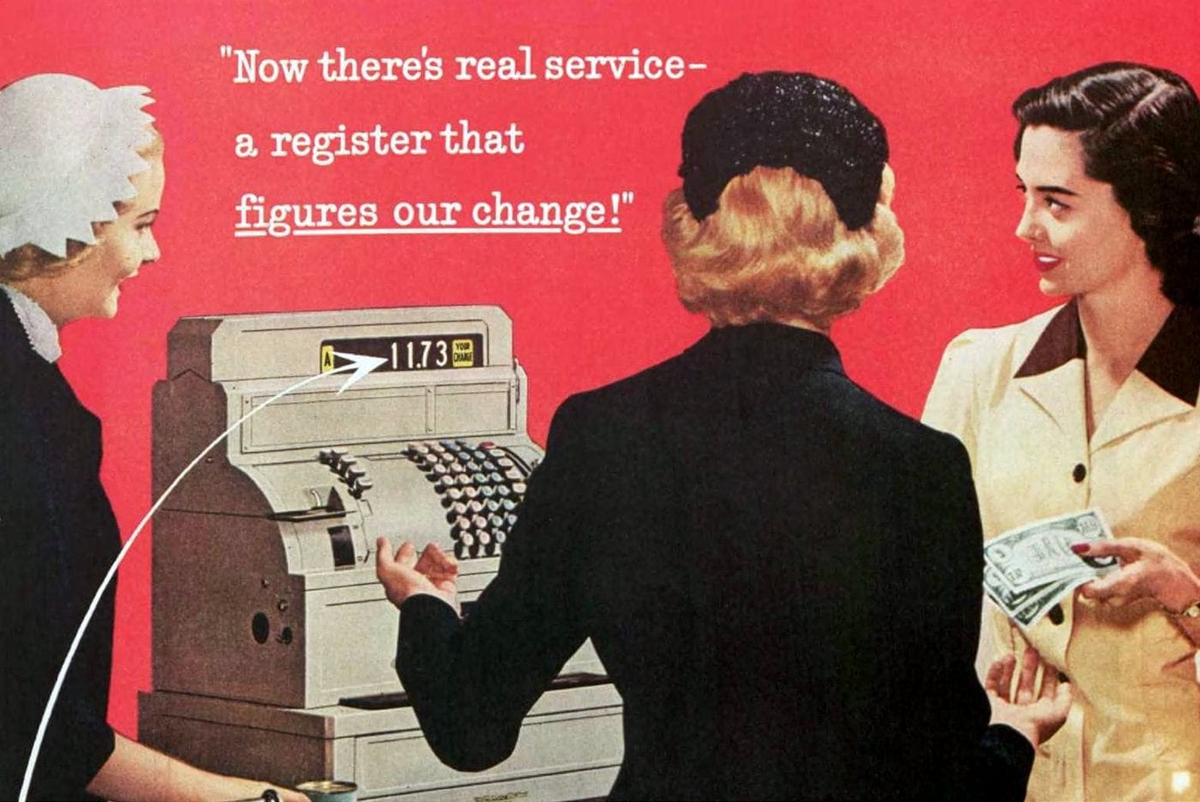
Cash was not just useful; it was necessary. People kept coins for payphones, bills for lunch, and emergency money tucked inside wallets, glove compartments, or jacket pockets. Losing your cash did not mean freezing a card from an app; it meant your day could get complicated very quickly.
10. Looking Things Up in Encyclopedias

Homework once had a very specific sound: a heavy encyclopedia volume landing on a table. Families bought full sets, libraries kept them updated, and students flipped through pages hoping the information they needed was actually there. Research felt slower, but it also became part of the assignment.
11. Making Mixtapes From the Radio
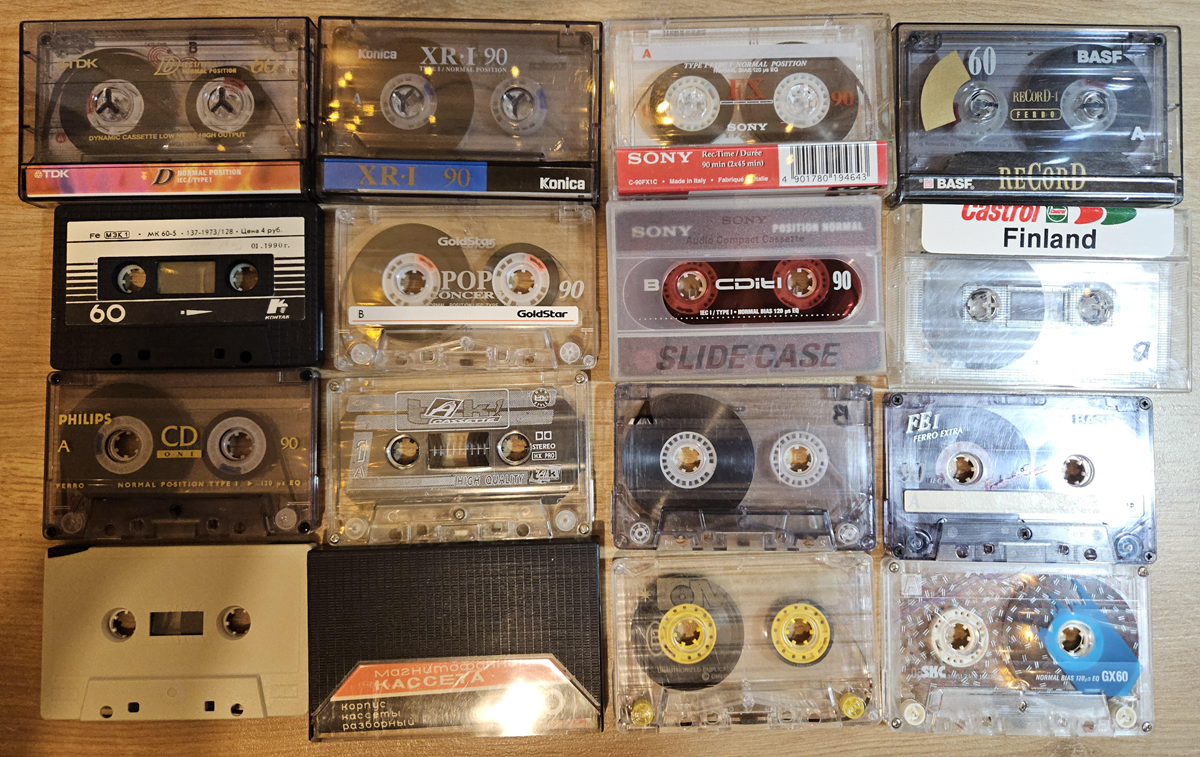
A perfect mixtape required timing, patience, and a little luck. You waited for the song you wanted, hit record at the right moment, and hoped the DJ did not talk over the intro. The result might have been messy, but it felt personal in a way a playlist does not always manage.
12. Dropping By Without Texting First

People used to show up at someone’s house with almost no warning. A friend might knock on the door, a neighbor might stop by for coffee, or a relative might appear because they were “in the area.” Now, arriving unannounced can feel less friendly and more like a minor social emergency.
13. Using Phone Books to Find People and Businesses
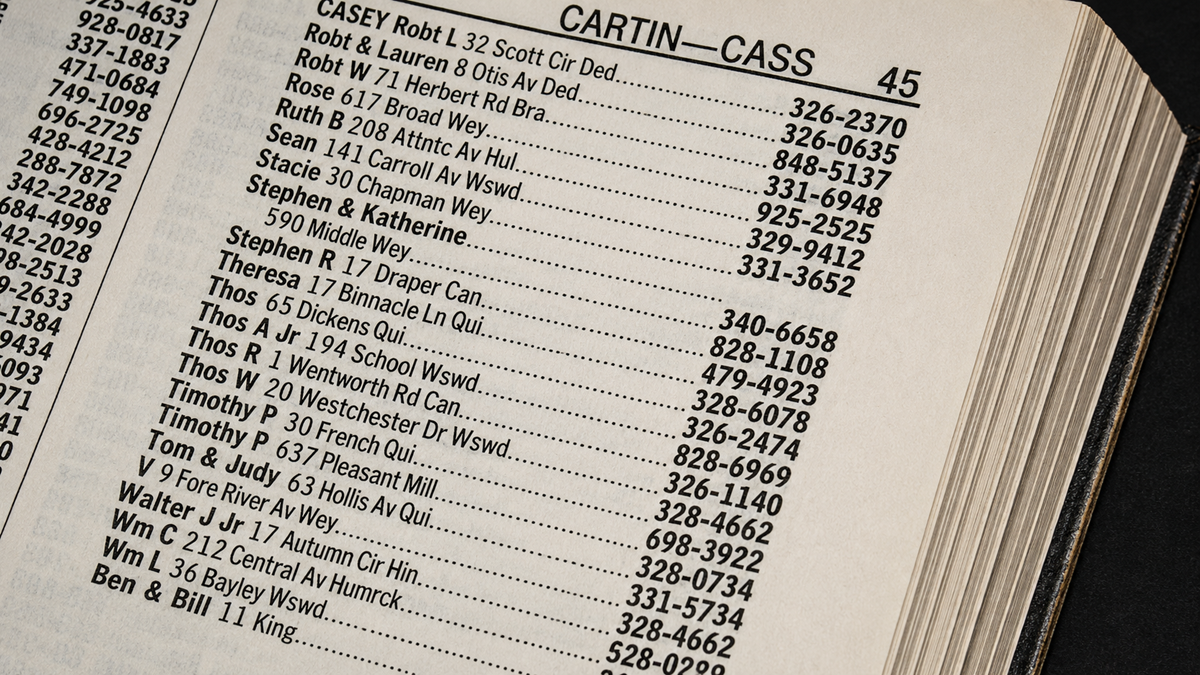
The phone book was once the search engine sitting under the kitchen counter. People used it to find plumbers, restaurants, classmates, relatives, and sometimes addresses they probably had no business looking up. It was heavy, public, and surprisingly central to everyday life.
14. Recording Shows on VHS Tapes
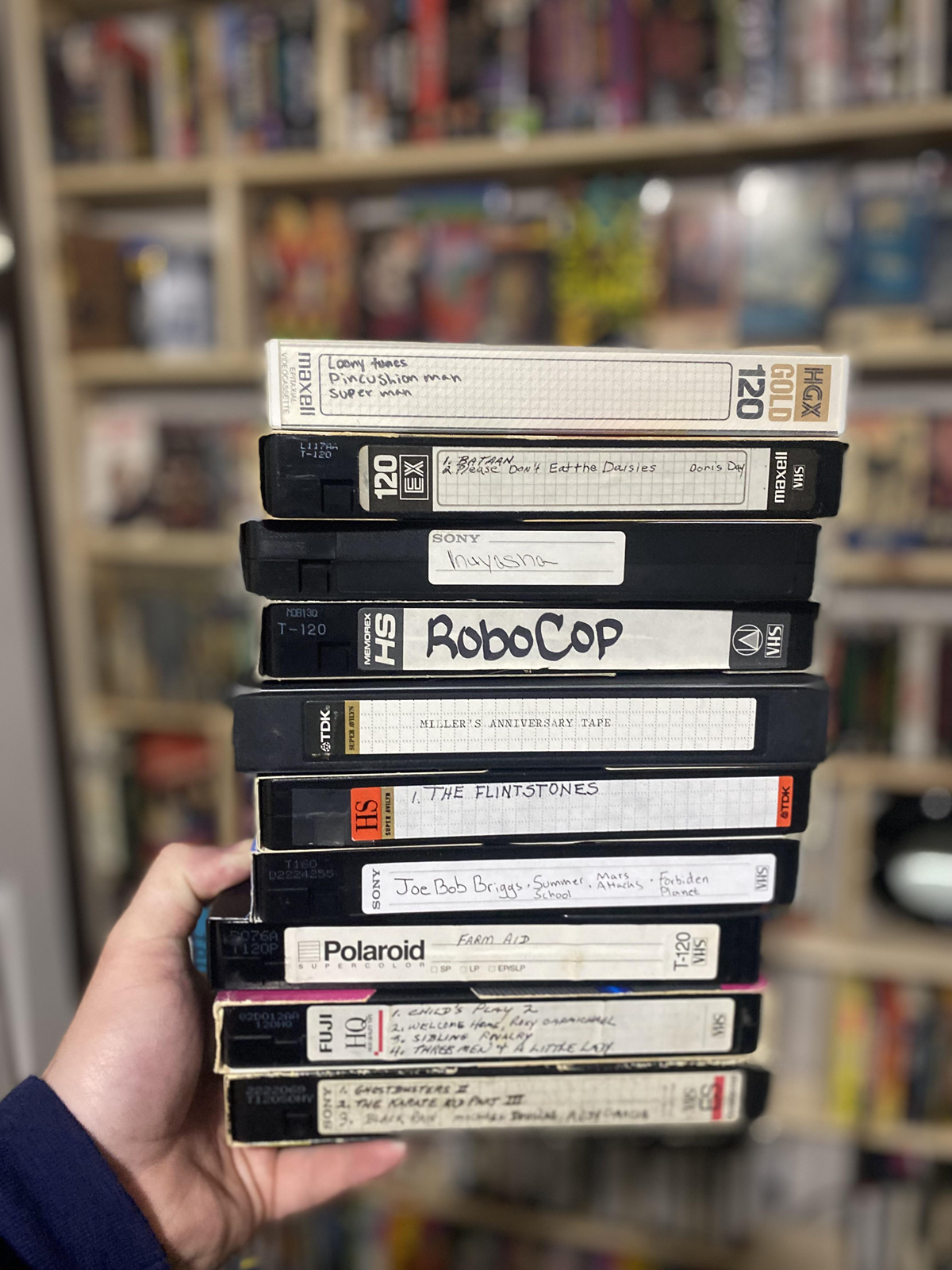
Before DVRs and streaming libraries, taping a show meant planning. You had to set the VCR clock, choose the right channel, and hope nobody changed the tape or unplugged the machine. Plenty of people discovered too late that they had recorded static, the wrong program, or the last ten minutes of something useful.
15. Asking Strangers for Directions
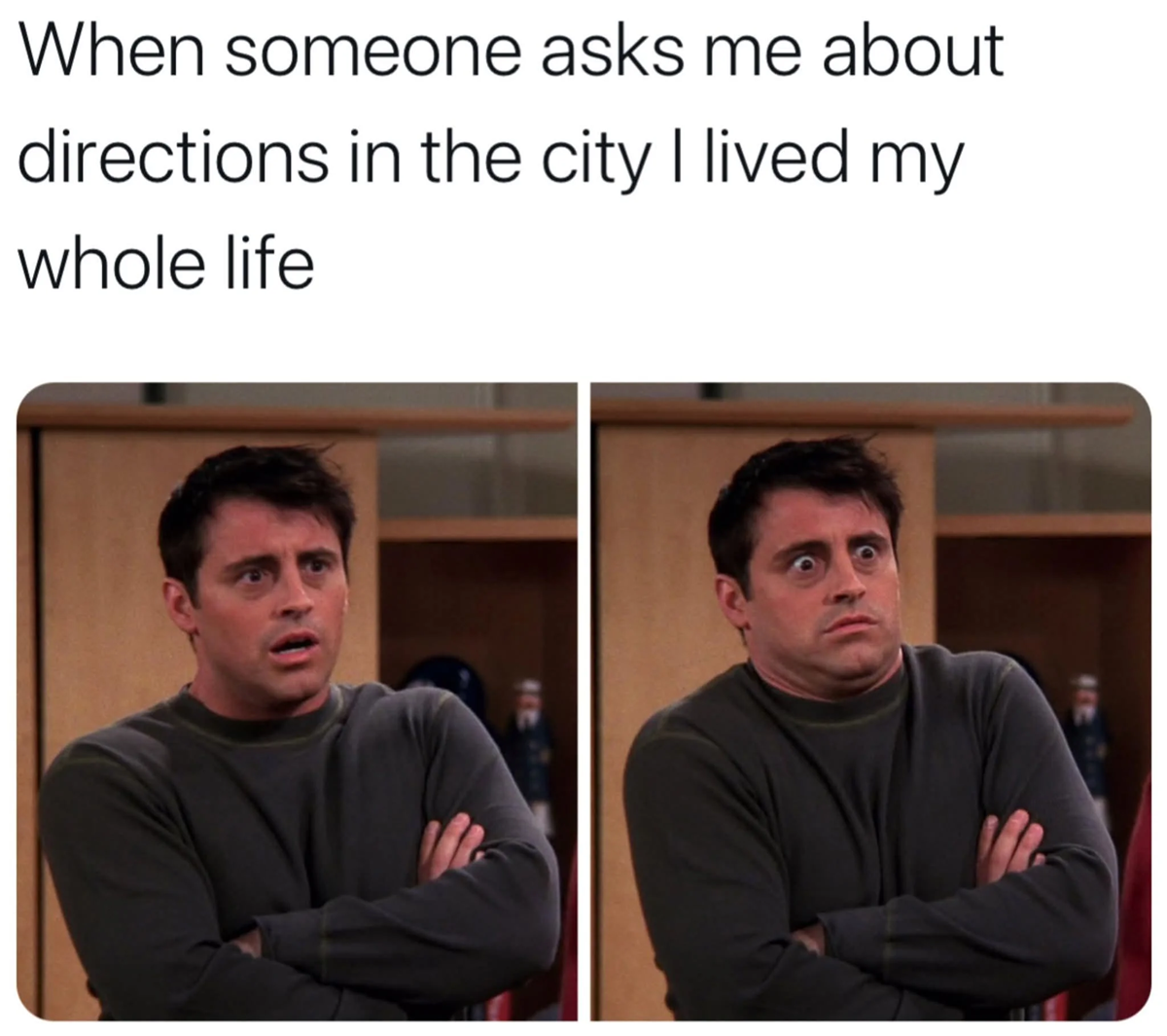
Getting around often meant talking to actual people. Gas station clerks, pedestrians, waiters, and tollbooth workers became unofficial navigation assistants for anyone trying to find a street, hotel, or highway entrance. It could be awkward, helpful, confusing, or all three within the same conversation.
16. Keeping Printed Photo Albums on the Shelf
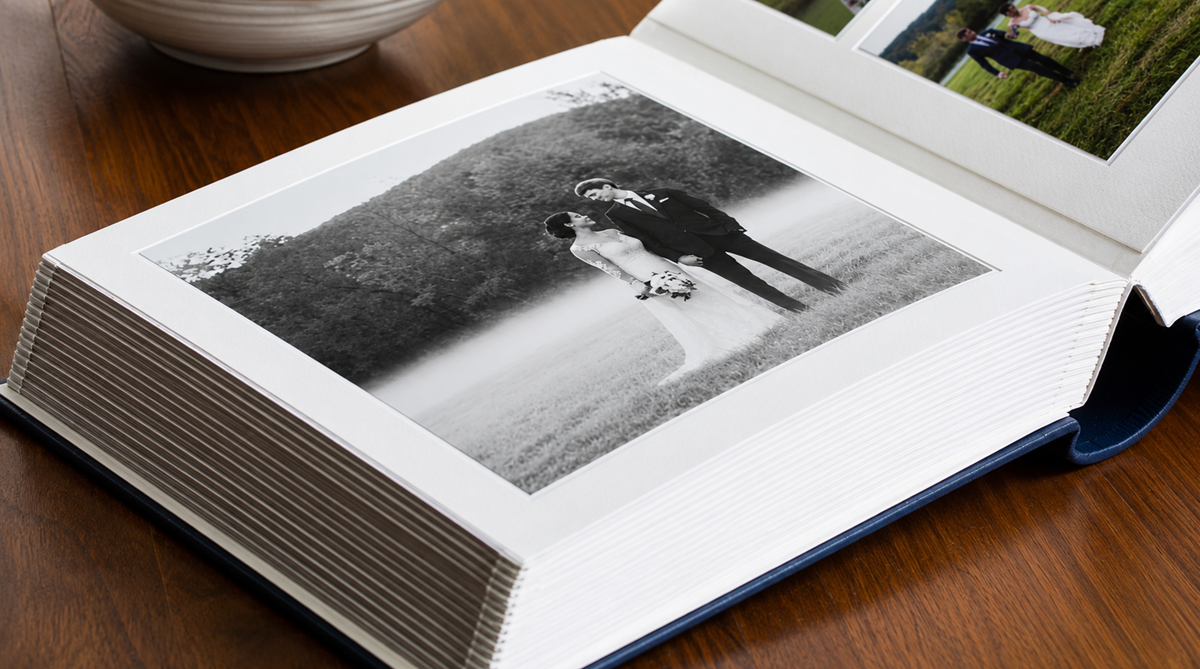
Family photos were not buried in cloud storage; they lived in albums, envelopes, frames, and shoeboxes. People sat on couches and turned pages together, pointing out haircuts, cars, furniture, and relatives who looked impossibly young. The pictures were fewer, but they were easier to stumble across without a password.
In the mood for more?
Check out 16 Habits That Were Socially Accepted in the 1960s but Are Considered Wrong Today, or take a look at 14 Shopping Habits That Middle-Class Families Had Before Online Stores. If you want to see more throwback culture, you can check out 14 Summer Jobs That Many Teenagers Had in the 80s and 90s.