

Before single-use plastic containers transformed retail markets, global supply chains, and consumer habits in the mid-twentieth century, everyday living relied on natural, durable alternatives. Homeowners, store owners, and shoppers routinely used natural materials like heavy glass, treated canvas, waxed paper, and solid metals that were designed to be reused hundreds of times. Modern single-use plastic containers and disposable wrappings simply did not exist, forcing society to adopt sustainable, zero-waste habits out of practical necessity.
Examining the cleverly designed household items, food storage systems, and shopping containers from past decades highlights a remarkable era of resourcefulness. Groceries were carried in woven string totes, beverages arrived in returnable heavy glass bottles, and daily lunches were safely stored in metal tins. Looking back at these traditional materials reveals how households efficiently managed daily life before single-use plastic dominated store shelves. Here are fourteen classic items people relied on before synthetic disposables took over.
1. Glass milk and soda bottles
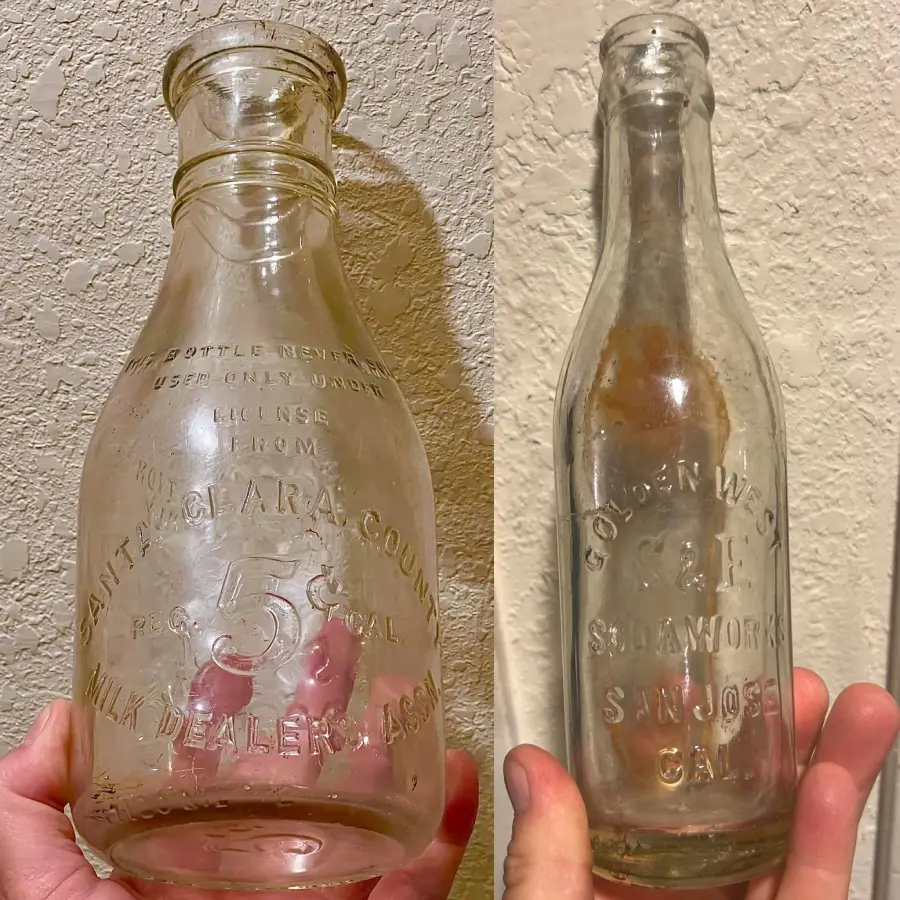
Long before lightweight synthetic jugs filled grocery dairy aisles, fresh milk and carbonated beverages were distributed exclusively in heavy glass bottles. Dairy farms operated deposit-and-return systems where empty bottles were collected, washed, sterilized, and refilled hundreds of times over their operational lifespan.
2. Waxed paper food wraps
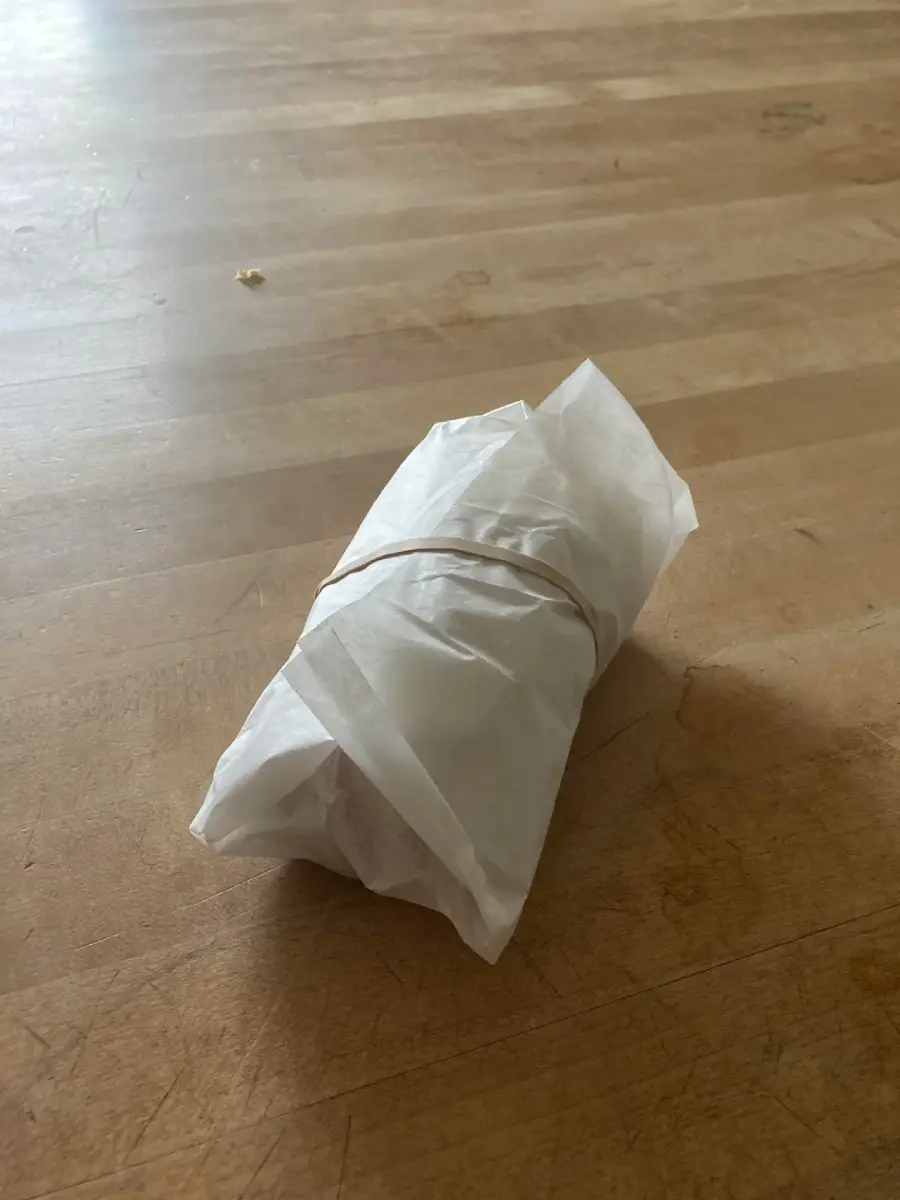
Preserving leftovers, wrapping deli meats, or packing sandwiches for school required rolls of heavy paper coated in natural paraffin wax. Unlike modern cling films, waxed paper provided an effective moisture barrier while remaining entirely biodegradable and compostable after disposal.
3. Celluloid and shellac grooming tools
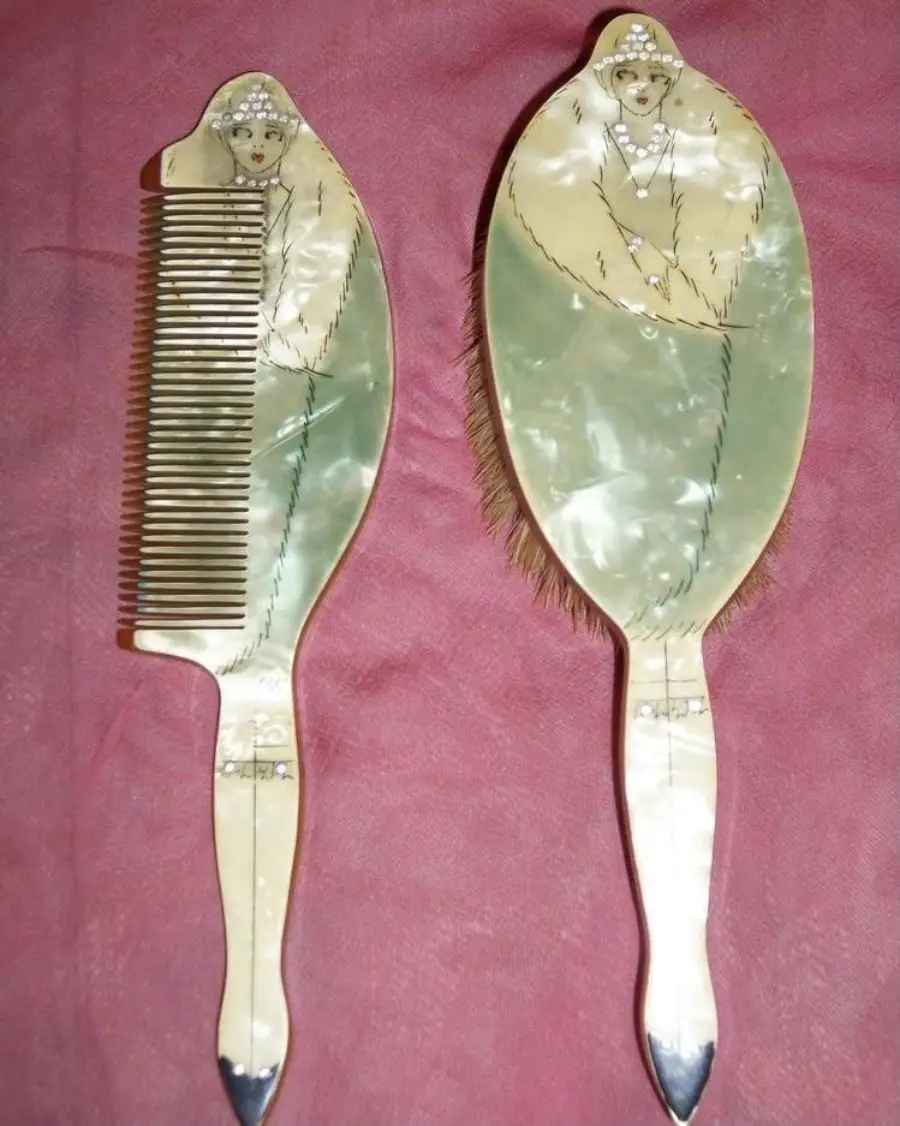
Hair combs, toothbrush handles, and vanity sets were crafted from early natural materials like celluloid or lac resin harvested from insects. These dense, durable combs were designed to last for generations rather than being discarded after a few months of personal use.
4. Canvas and woven mesh string shopping bags
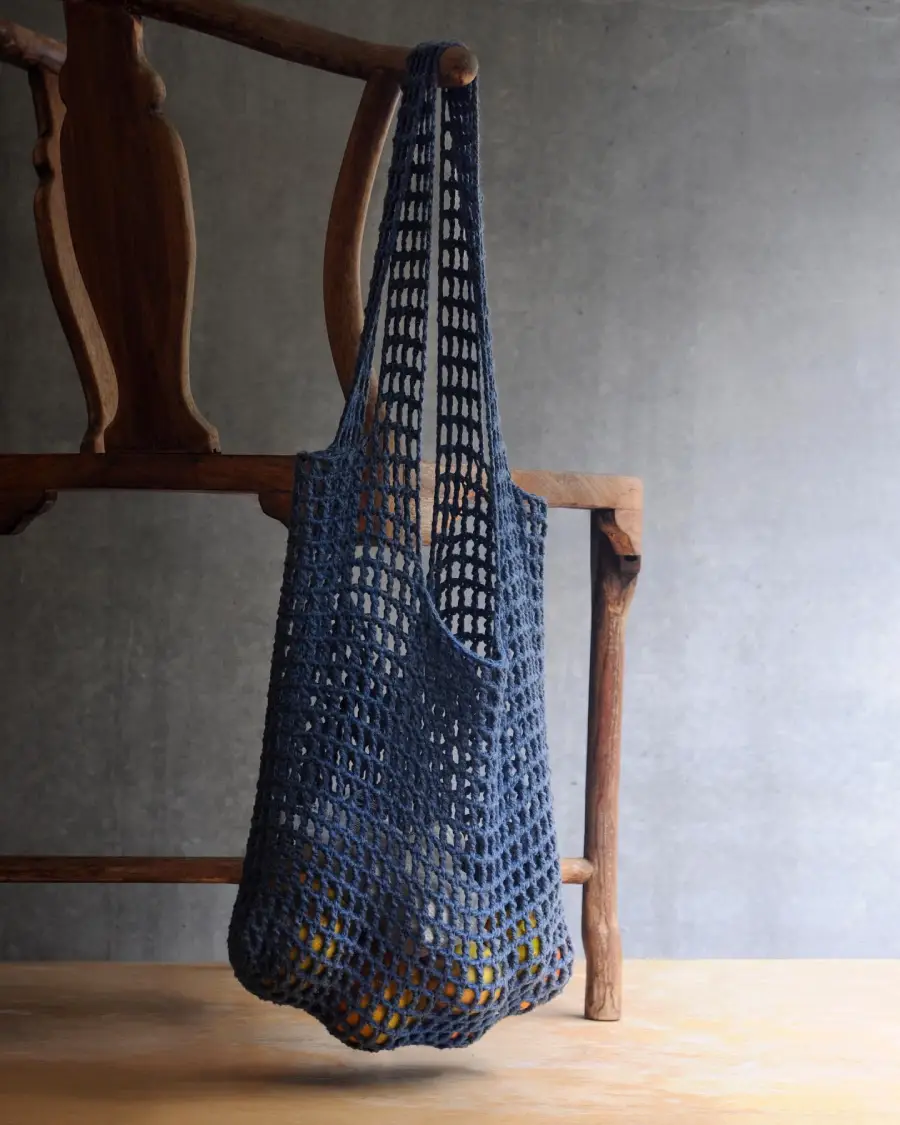
Carrying groceries home from neighborhood markets relied on expandable cotton mesh totes or heavy canvas bags. Shoppers folded these lightweight string bags into coat pockets or purses, reusing them indefinitely for daily trips to the butcher, baker, and produce stand.
5. Wooden and metal clothespins

Hanging laundry out on outdoor clotheslines required heavy spring-loaded pins carved from solid hardwood or bent from galvanized steel wire. These natural fasteners withstood years of harsh weather and baking sunlight without degrading into brittle fragments like synthetic pegs do.
Trending on The Scroller


6. Ceramic and stoneware food storage crocks
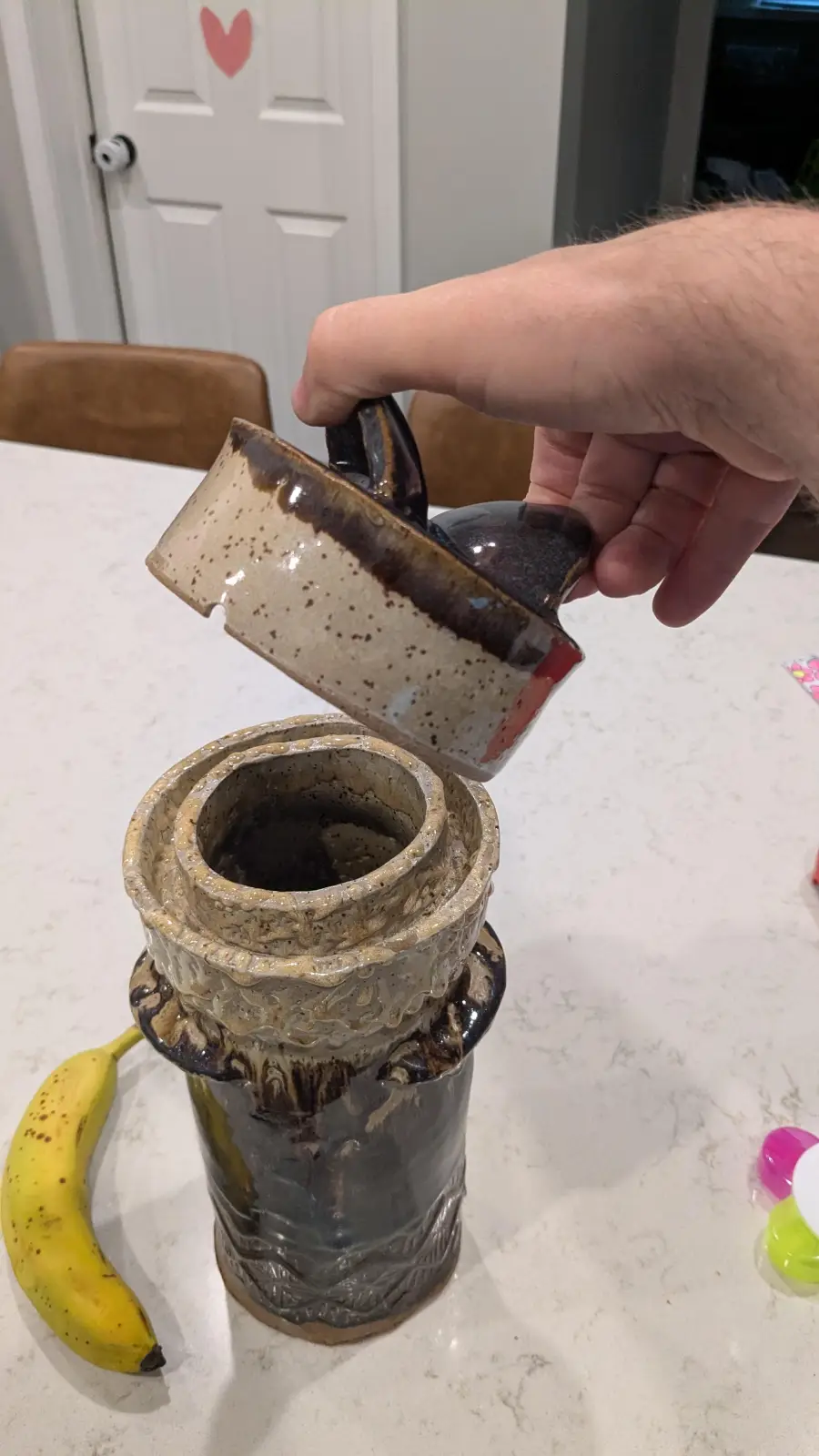
Before lightweight Tupperware containers arrived in home kitchens, pantry staples like butter, lard, pickled vegetables, and salted meats were preserved in glazed stoneware crocks. The thick ceramic walls provided natural thermal insulation, keeping perishable goods cool inside cellars.
7. Enamelware food containers and pails
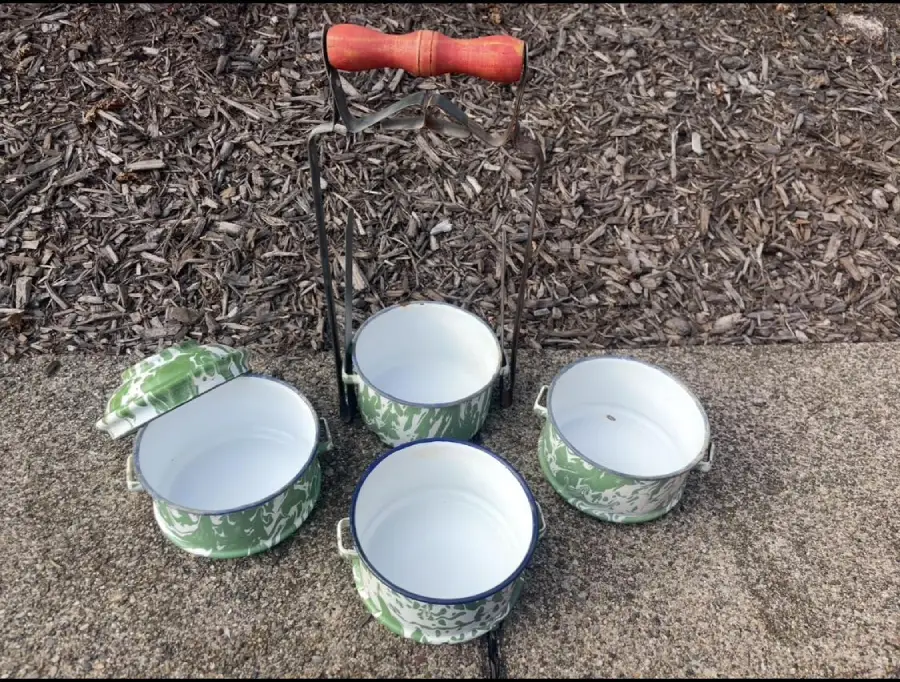
Lightweight steel plates, cups, and lunch pails coated in smooth porcelain enamel were ubiquitous for workplace meals and outdoor camping. The durable vitreous coating prevented rust, resisted high cooking temperatures, and eliminated chemical leaching into hot meals.
8. Tin and brass fountain pens
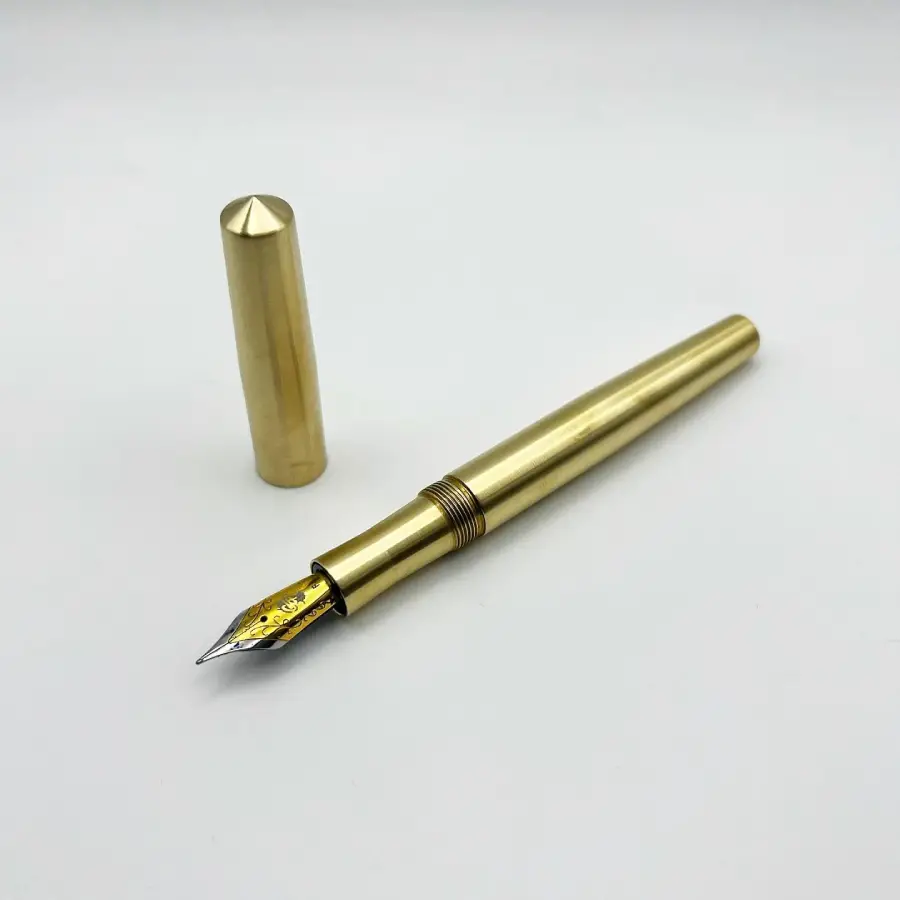
Writing letters or signing office documents meant using refillable steel nib pens paired with bottled liquid ink wells. Unlike disposable ballpoint pens that end up in landfills, fountain pens featured replaceable metal parts and internal rubber bladders built for decades of constant use.
Sign up for our newsletter
9. Natural rubber hot water bottles
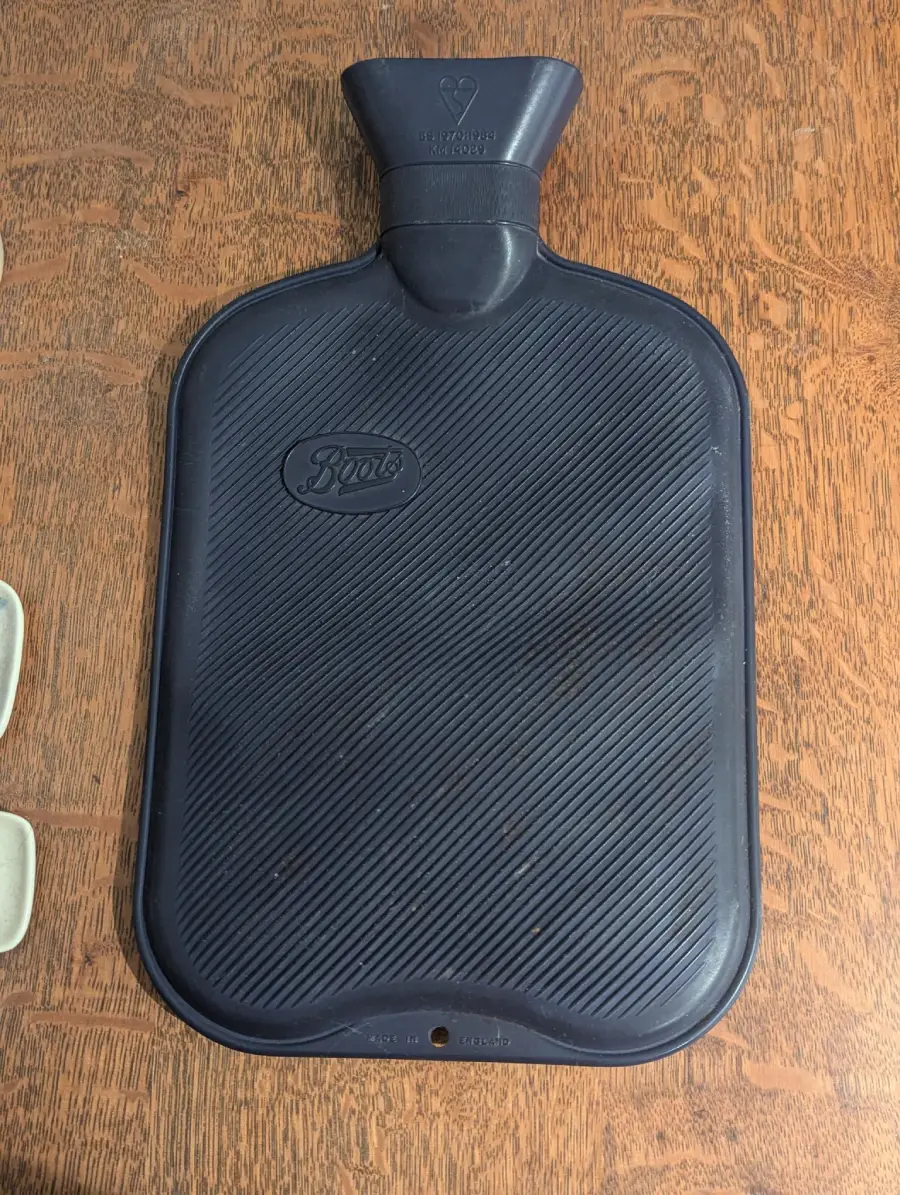
Warming cold bedsheets or soothing muscle aches relied on thick vulcanized natural rubber bladders fitted with brass threaded stoppers. Harvested from rubber trees, these heavy-duty heating pads retained warmth for hours without requiring electric elements or synthetic gel packs.
10. Glass straws and paper drinking tubes
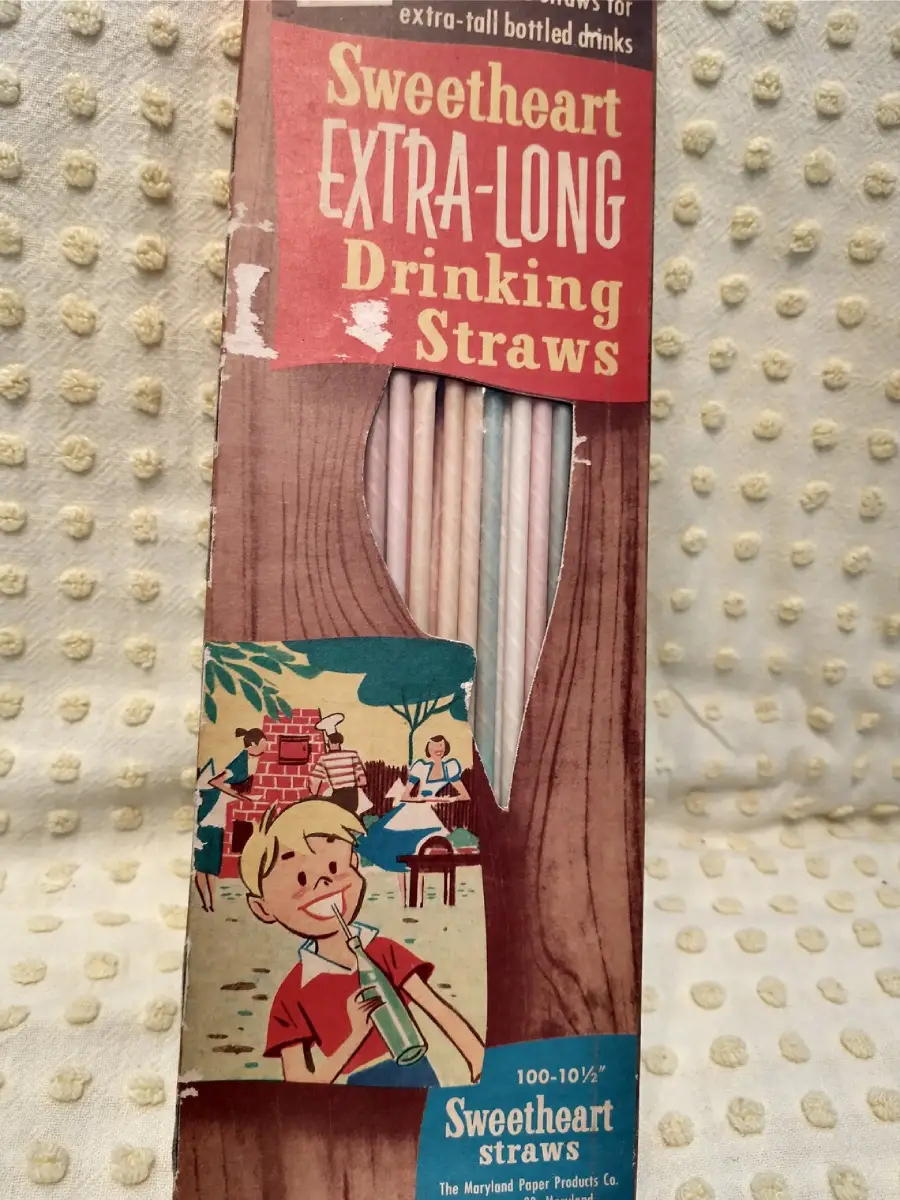
Soda fountains and soda shops served cold beverages alongside thick paper straws coated in food-grade wax or reusable blown-glass tubes. Paper drinking straws held their structural shape long enough to finish a thick milkshake before naturally breaking down.
11. Cloth nappies and safety pins

Infant care relied exclusively on washable cotton flannel diapers fastened securely with heavy steel safety pins. Families laundered and line-dried these cloth diapers hundreds of times, often passing them down through multiple siblings.
12. Wooden toothbrushes with boar bristles
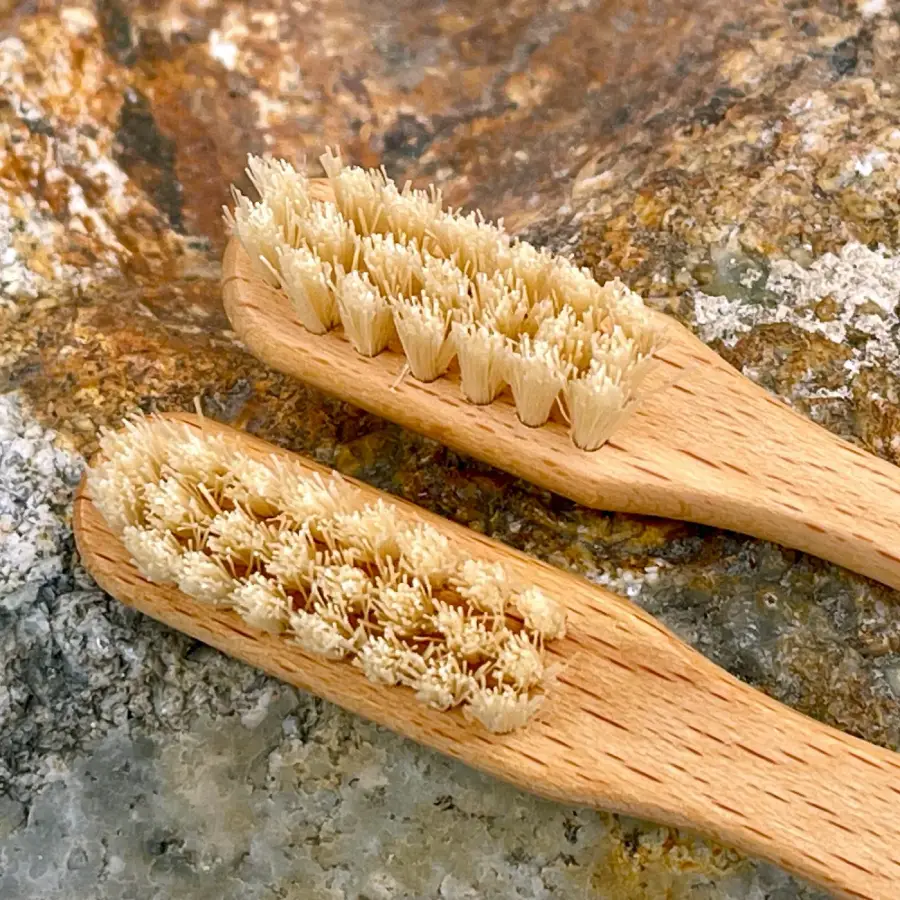
Dental hygiene tools featured hand-carved bone or wooden handles fitted with natural animal boar bristles. When the bristles wore down after months of brushing, the entire toothbrush could safely decompose back into natural soil.
13. Metal and Bakelite ice cube trays
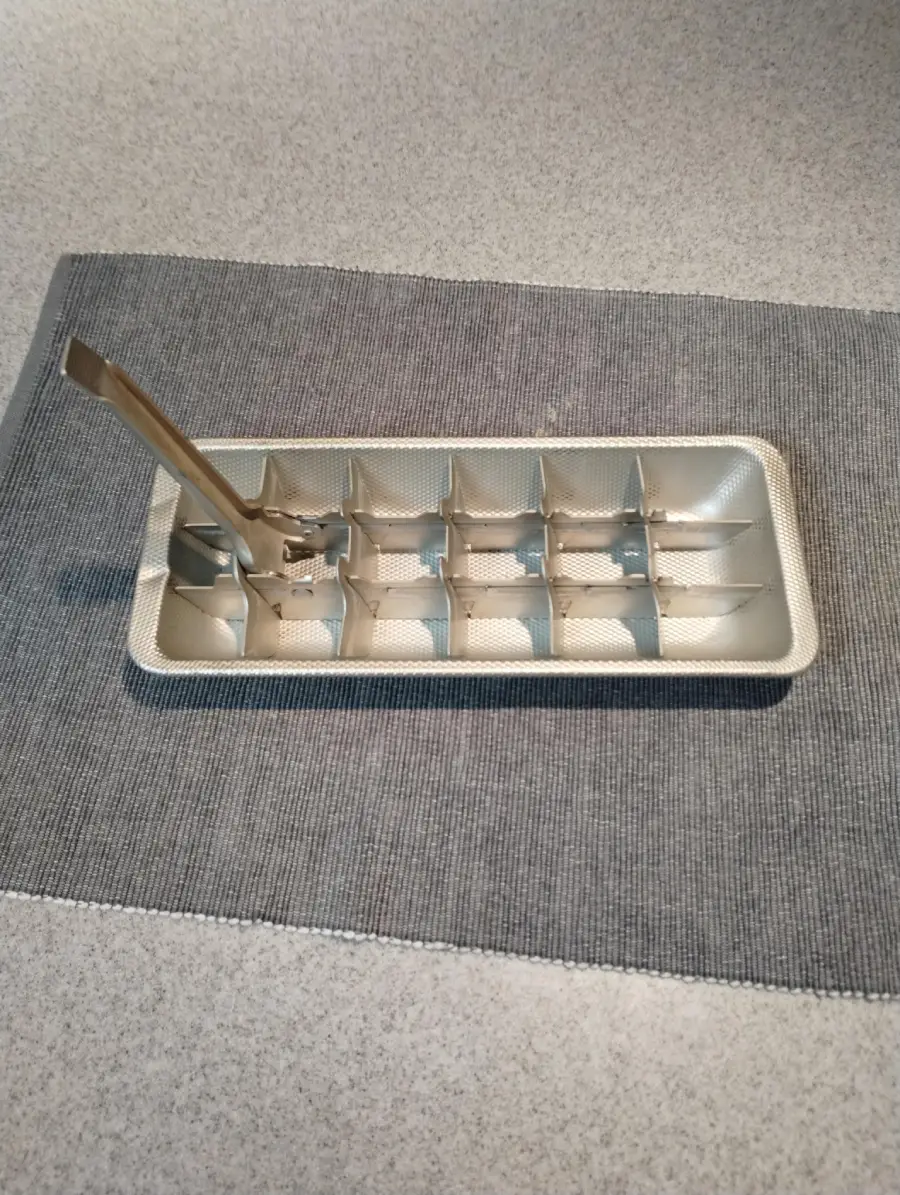
Freezing ice cubes in early refrigerators required heavy aluminum or early resin trays equipped with manual leverage handles. Raising the central metal lever cracked frozen ice blocks apart instantly without cracking or splitting the underlying tray.
14. Paper grocery bags with glued handles
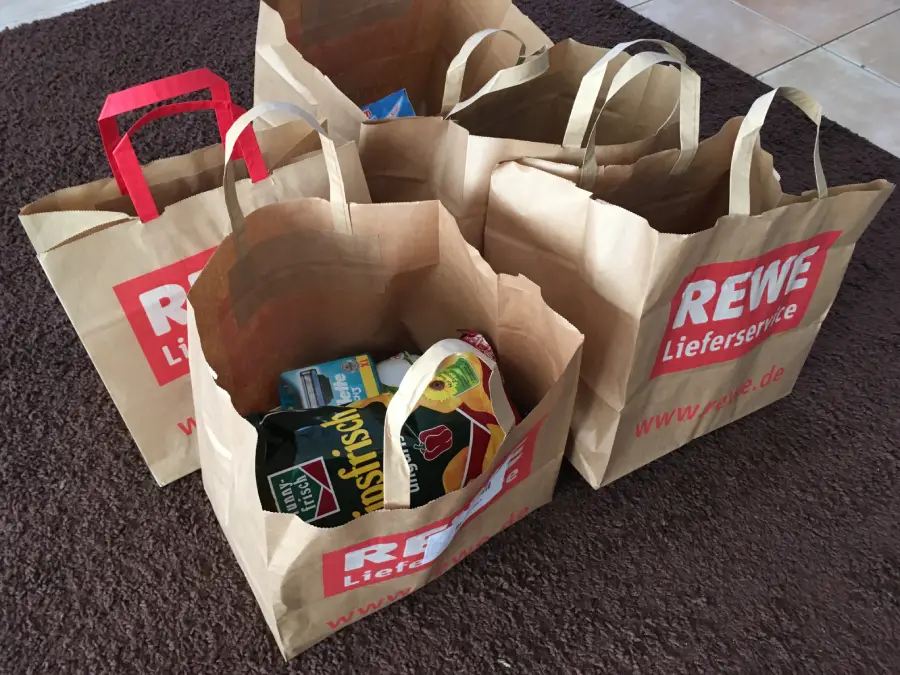
Grocers packed weekly provisions into heavy unbleached kraft paper sacks crafted from thick wood pulp. These sturdy paper bags stood upright on counter surfaces and were routinely folded, stored under sinks, and reused as trash liners or book covers.
Check out more interesting vintage items:
Reflecting on the natural materials, durable containers, and reusable household supplies of the past brings a fresh perspective to modern environmental challenges. The clever reliance on glass, metal, wood, and cotton proves that daily life functioned smoothly long before synthetic packaging dominated global manufacturing. If you love discovering historical lifestyle archives, nostalgic home items, and fascinating deep dives into past eras, be sure to check out these 14 Forgotten 20th-Century Appliances, or these 16 Everyday Things From the 1990s That Vanished. You may also like these 18 vintage household items people wouldn´t recognize today.