Throughout the mid-to-late 20th century, everyday domestic living was full of deeply ingrained rules, urban myths, and home remedies passed down through generations. Before instant online fact-checking existed, well-meaning advice from neighbors, magazine columns, and old wives’ tales was accepted as absolute truth. Many of these widespread myths shaped how families cooked meals, maintained their appliances, and handled minor health issues inside American households.
What makes these retro assumptions so fascinating today is how convincingly they blended pseudoscience, parental caution, and product advertising. From warnings about sitting too close to color televisions to beliefs about how refrigerator coils and microwave radiation functioned, these home myths dictated daily family routines for decades. Reassessing these mid-century misconceptions offers a nostalgic and humorous look into the collective mindset of past generations. Here are sixteen common home legends that people firmly believed between the 1950s and the 1980s.
1. Sitting too close to the TV causes permanent blindness
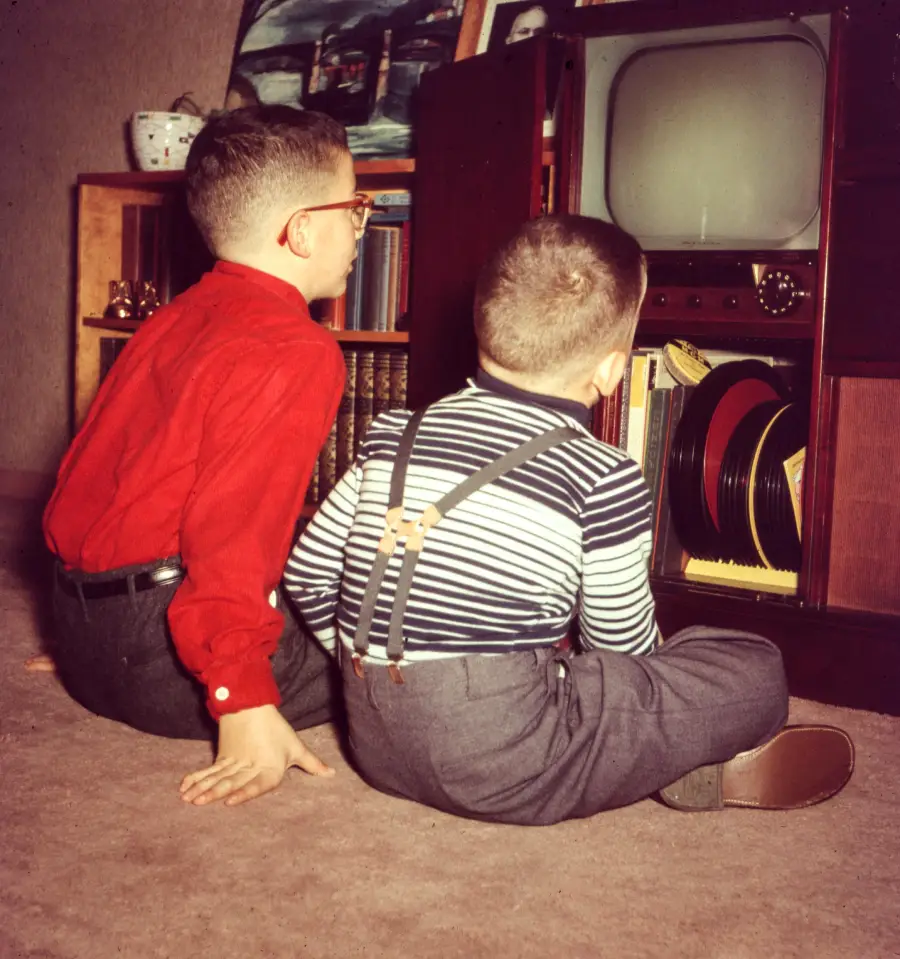
This widespread belief originated in 1967 when General Electric recalled thousands of early color television sets that emitted small amounts of excessive X-ray radiation. While GE quickly fixed the factory defect, parents continued using the warning for decades to keep children from blocking the living room screen.
2. Swallowed chewing gum stays in your stomach for seven years

Parents routinely repeated this warning to prevent young children from choking or making a habit of swallowing candy. While the synthetic gum base is indeed indigestible, the human digestive tract naturally passes it within a few days alongside normal food waste.
3. Toaster fork extractions are instantly fatal
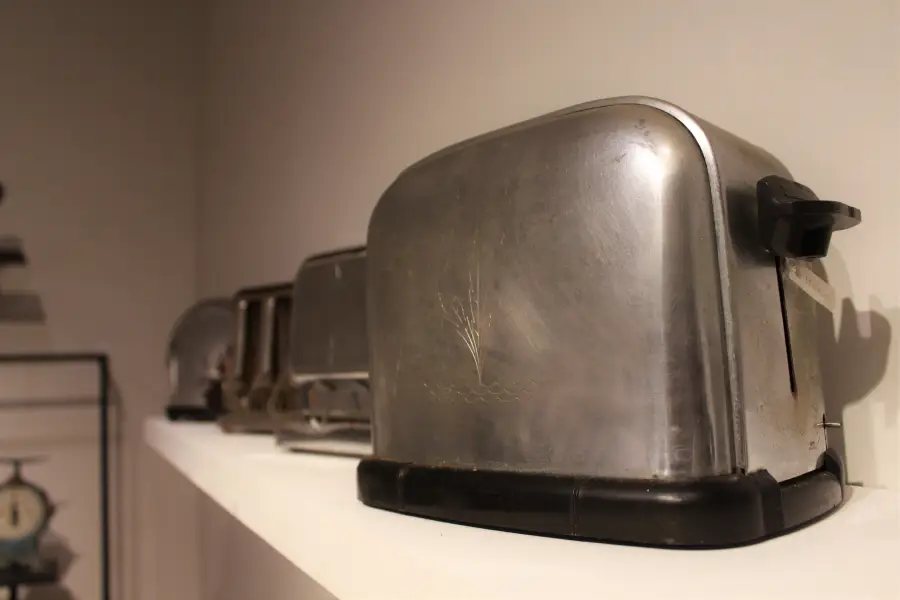
Children were warned that sticking a metal fork into a jammed toaster would result in an immediate, lethal electric shock. While inserting metal into a live appliance is certainly an electrical hazard, it usually just tripped the home circuit breaker unless the heating element was directly touched.
4. Draft and cold air cause the common cold
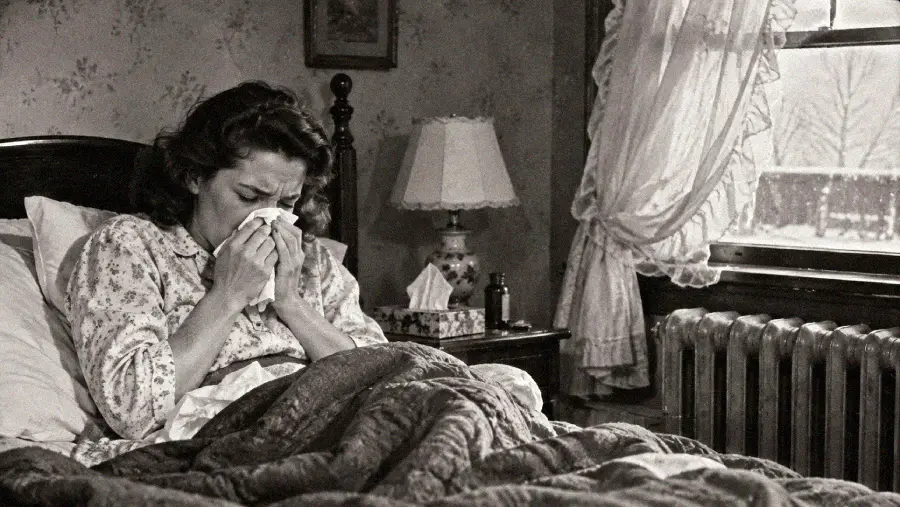
Generations of mothers insisted that going outside with wet hair or sleeping in a chilly bedroom draft would cause a sudden illness. In reality, colds are caused exclusively by viral infections, though cold weather keeps people indoors where viruses spread more easily.
5. Searing meat seals in the natural juices

Popularized by mid-century cookbooks and TV chefs, home cooks believed that quickly searing a roast at high heat created a waterproof barrier around the meat. Food scientists later proved that searing simply browns the surface through the Maillard reaction without reducing moisture loss.
Trending on The Scroller


6. Microwaves cook food from the inside out
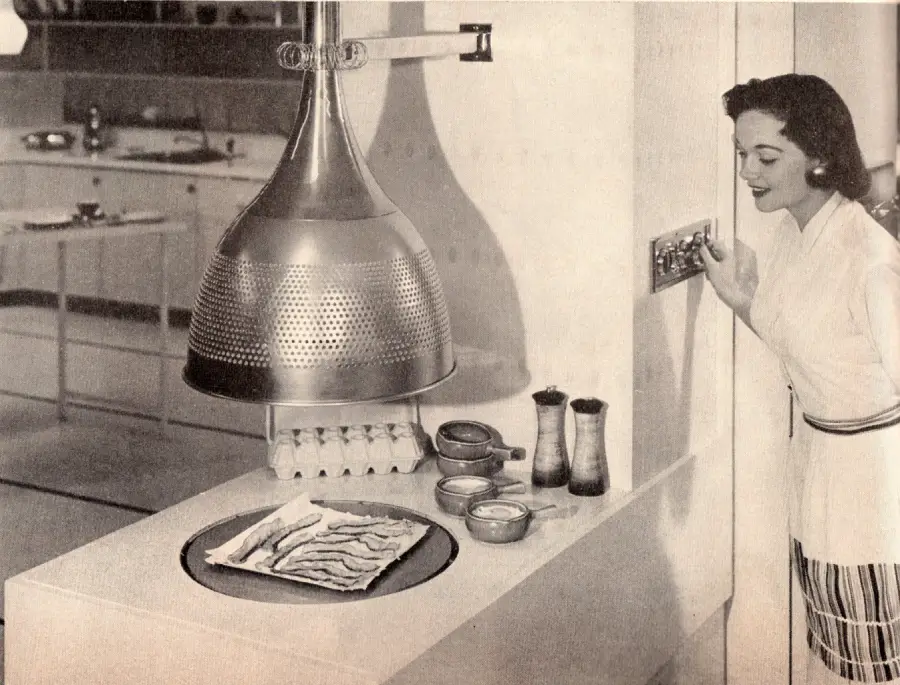
When countertop microwaves entered kitchens in the late 1970s, many believed the futuristic radiation heated food cores first. In truth, radio waves penetrate only about an inch into food, heating outer layers through water molecule friction while the center warms through thermal conduction.
7. Running a ceiling fan cools the room

Many homeowners left ceiling fans running all day in empty rooms during hot summer months, expecting the air temperature to drop. Fans cool people by accelerating sweat evaporation on skin, but the electric motor actually generates a tiny amount of heat in an empty room.
8. Coffee stunts childhood growth

This persistent home legend was heavily promoted in late 19th and early 20th-century advertising campaigns by alternative grain-beverage manufacturers like Postum to discourage kids from drinking caffeine. No scientific study has ever linked moderate caffeine consumption to reduced bone growth or shorter stature.
Sign up for our newsletter
9. Starve a fever, feed a cold
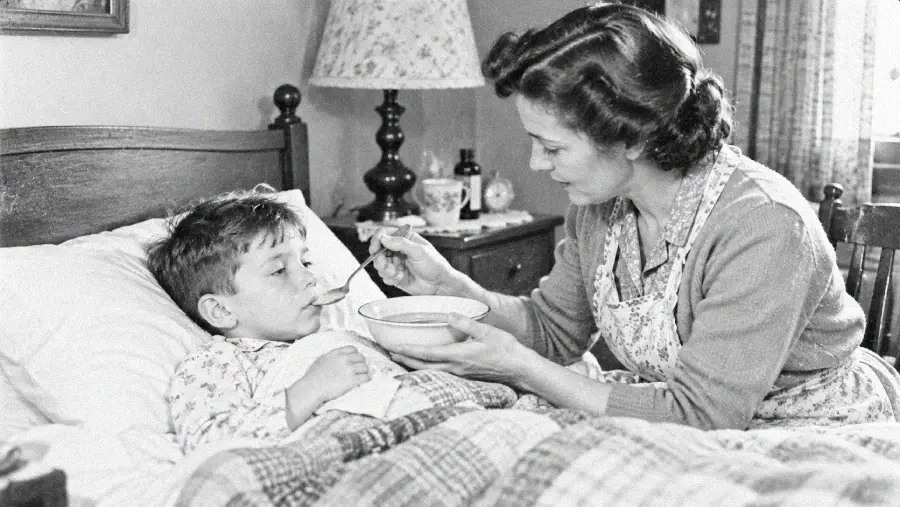
Dating back to medieval medical theories, mid-century families often restricted food intake during high fevers to avoid raising body temperatures. Modern medical consensus advises maintaining adequate hydration and nutrition during both colds and fevers to support immune function.
10. Putting butter on a skin burn heals the flesh
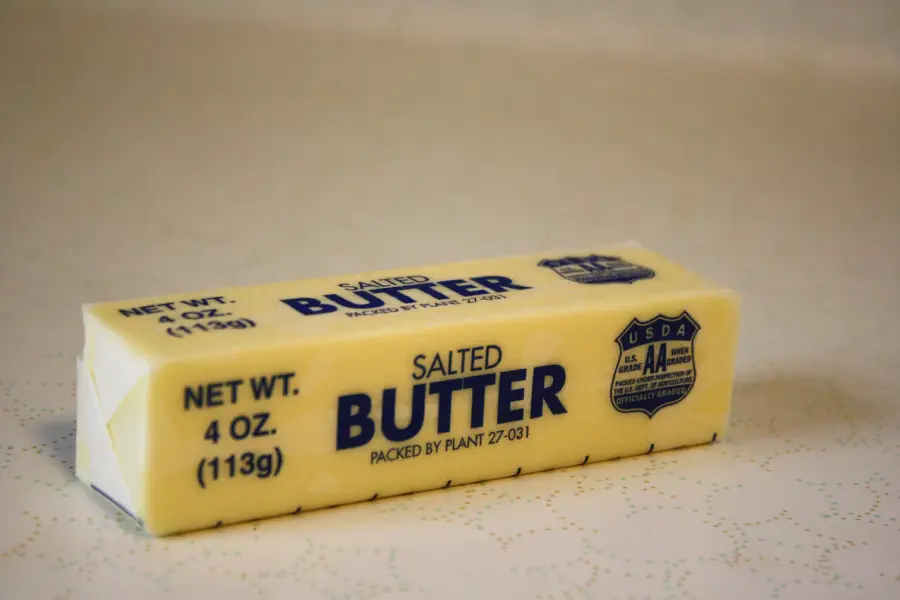
Applying cold butter to fresh domestic kitchen burns was a go-to home remedy for decades. In reality, thick dairy fats trap heat directly inside the damaged tissue and introduce bacteria, making the burn worse compared to using cool running water.
11. Poinsettias are deadly toxic to humans and pets

This festive holiday rumor spread after an unconfirmed 1919 story claimed a young child died after eating a poinsettia leaf. While consuming the plant can cause mild stomach discomfort or nausea in pets, extensive studies confirm it is not fatally poisonous.
12. Boiling water faster by adding salt
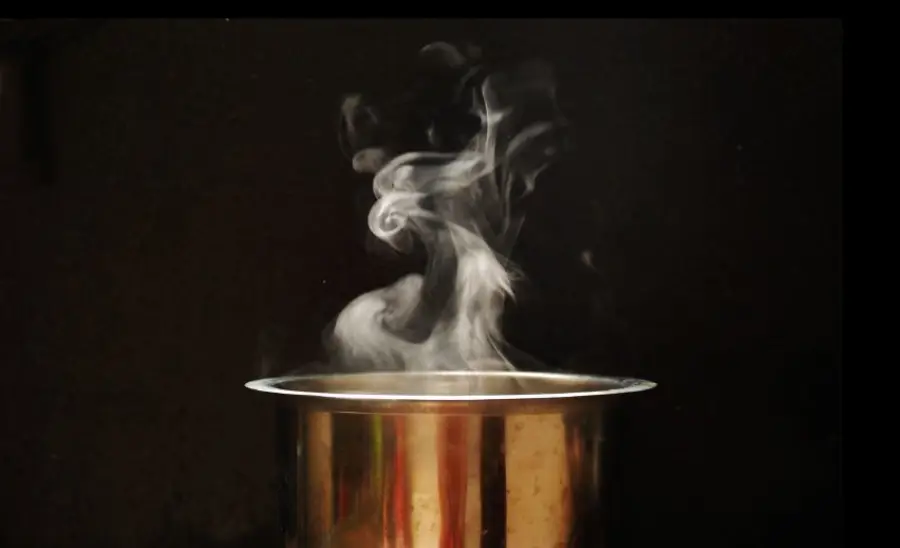
Generations of home cooks added a sprinkle of table salt to cold water pots, believing it brought the water to a boil significantly faster. Adding standard culinary amounts of salt actually raises the boiling point slightly, requiring a tiny bit more energy rather than speeding up the process.
13. Microwaves cause brain cancer
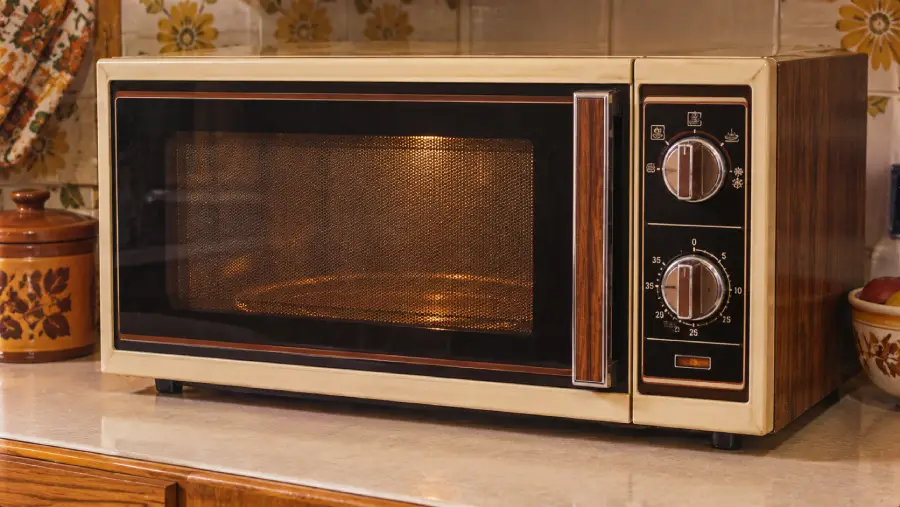
During the early adoption of home microwave ovens in the 1980s, rumors persisted that standing nearby while heating food exposed users to dangerous radiation levels. Regulatory testing ensured protective door seals contained non-ionizing radio waves safely inside the cooking chamber.
14. Chocolate causes teenage acne outbreaks

Suburban teenagers in the 1970s and 1980s were constantly warned to avoid candy bars and chocolate milk to prevent facial breakouts. Dermatological research eventually proved that acne is primarily driven by hormones, genetics, and oil production rather than cocoa consumption.
15. Waiting an hour after eating before swimming prevents cramps

Beachgoers and pool owners strictly enforced a mandatory 60-minute waiting period after eating before entering the water. The theory claimed digestive blood flow left leg muscles susceptible to fatal cramping, though no scientific evidence links light swimming after eating to drowning.
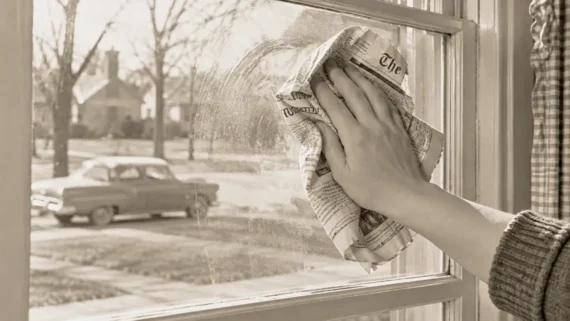
16. Vinegar and newspaper clean windows without streaks
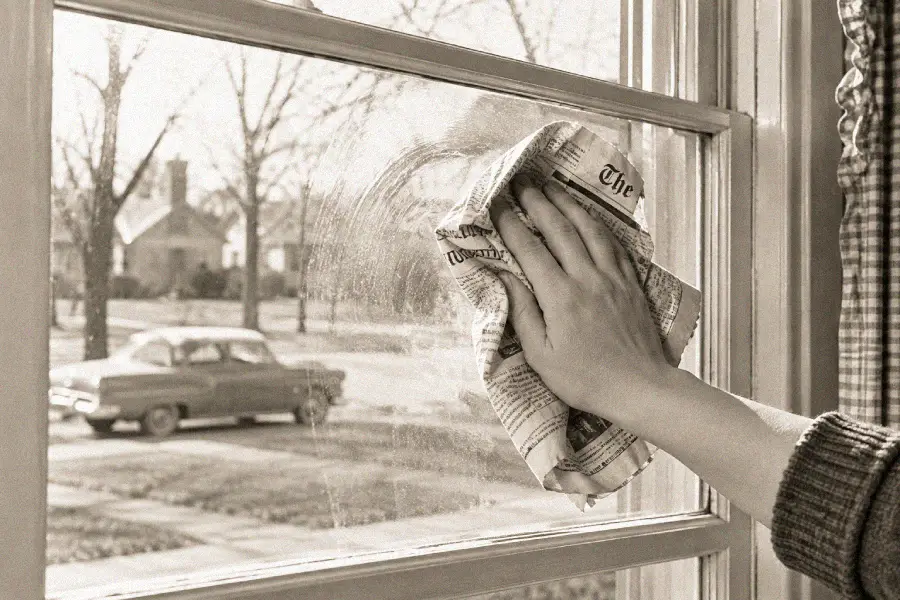
Before commercial streak-free glass cleaners became affordable staples, families swore by diluted white vinegar sprayed onto old newsprint. While the acid cuts through grime, modern newspaper inks can actually leave black smudges and messy residue on window frames.
Discover more fascinating myths from times past:
Exploring these classic home myths reveals how easily popular culture, clever marketing, and parental caution shaped everyday mid-century habits. The creative blend of old wives’ tales and early appliance anxiety illustrates a memorable chapter in domestic history. If you enjoy discovering retro lifestyle archives, historic home culture, and fascinating deep dives into myths from past decades, be sure to check out these 17 Food Myths That Nutritionists Are Tired of Hearing, or these 18 Myths from the 1800s That People Once Believed. You may also like these 15 Costly Money Myths That Sound Like Good Advice.