Unique jobs worldwide offer a fascinating glimpse into how geography, culture, and local traditions shape the way people earn a living. Some professions require extraordinary physical skills, while others preserve techniques passed down through generations.
From fishermen riding horses into the sea to couriers navigating one of the world’s busiest cities, these 18 remarkable occupations show how work can become an essential part of a place’s identity.
1. Horseback Shrimp Fishers of Oostduinkerke | Belgium
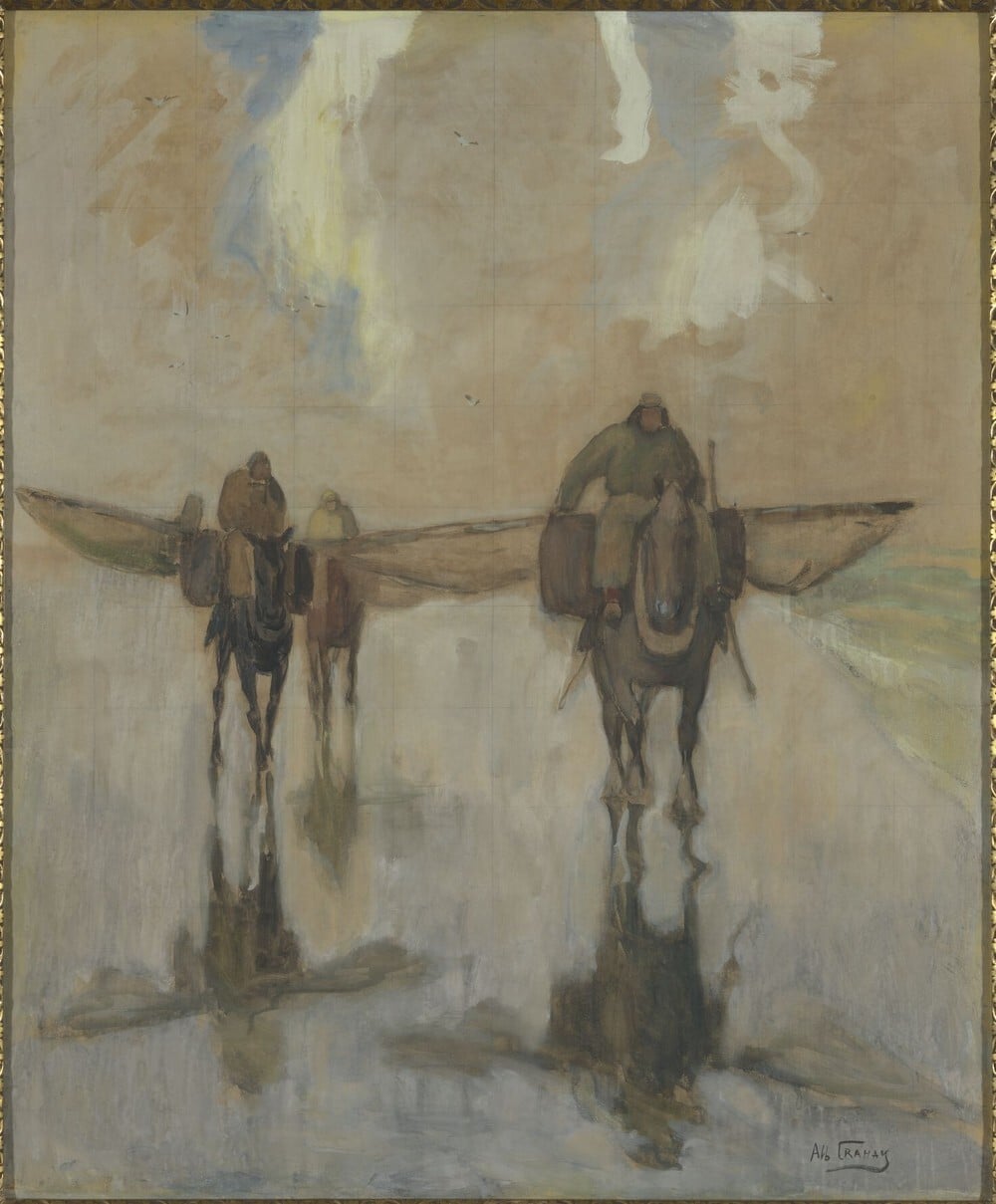
Along Belgium´s North Sea coast, fishermen ride sturdy draft horses into shallow waters to catch shrimp. The horses pull large nets through the surf while their riders guide them across the seabed. Practiced in Oostduinkerke, this unusual fishing tradition has been passed down through local families for generations. The work follows seasonal conditions and requires considerable coordination between horse and rider. UNESCO recognizes the practice as an important part of the region’s cultural heritage.
2. Jeju Haenyeo Free-Diving Harvesters | South Korea
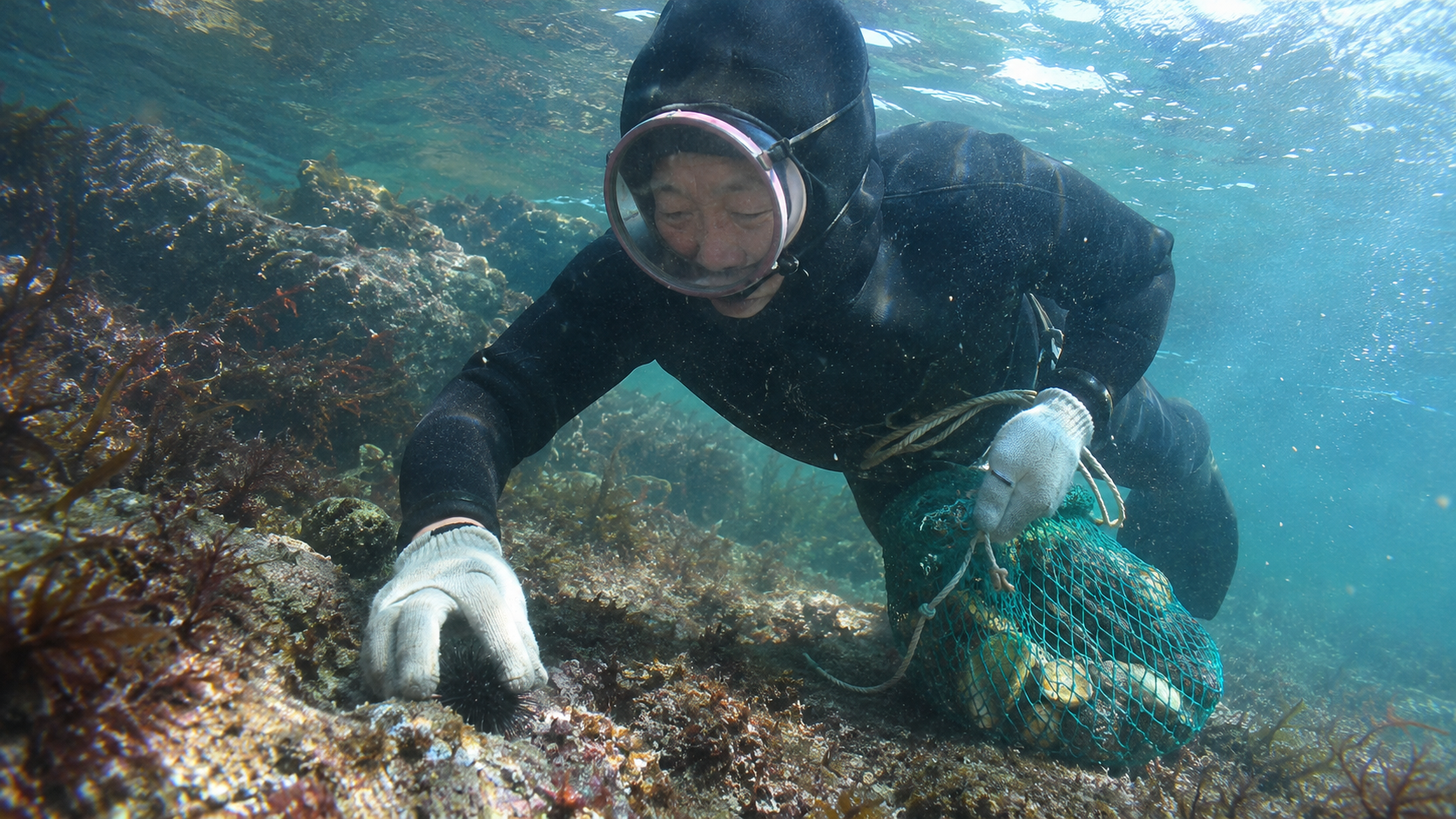
Without scuba tanks or modern breathing equipment, the haenyeo women of Jeju Island dive beneath the ocean´s surface to collect seafood. They gather abalone, sea urchins, and other marine resources while holding their breath, relying on experience and knowledge of local waters. Many divers belong to community cooperatives that organize harvesting activities and protect fishing grounds. Their tradition resembles Japan’s ama divers, but Jeju’s haenyeo have developed a distinct cultural identity.
3. Mumbai Dabbawala Lunchbox Couriers | India
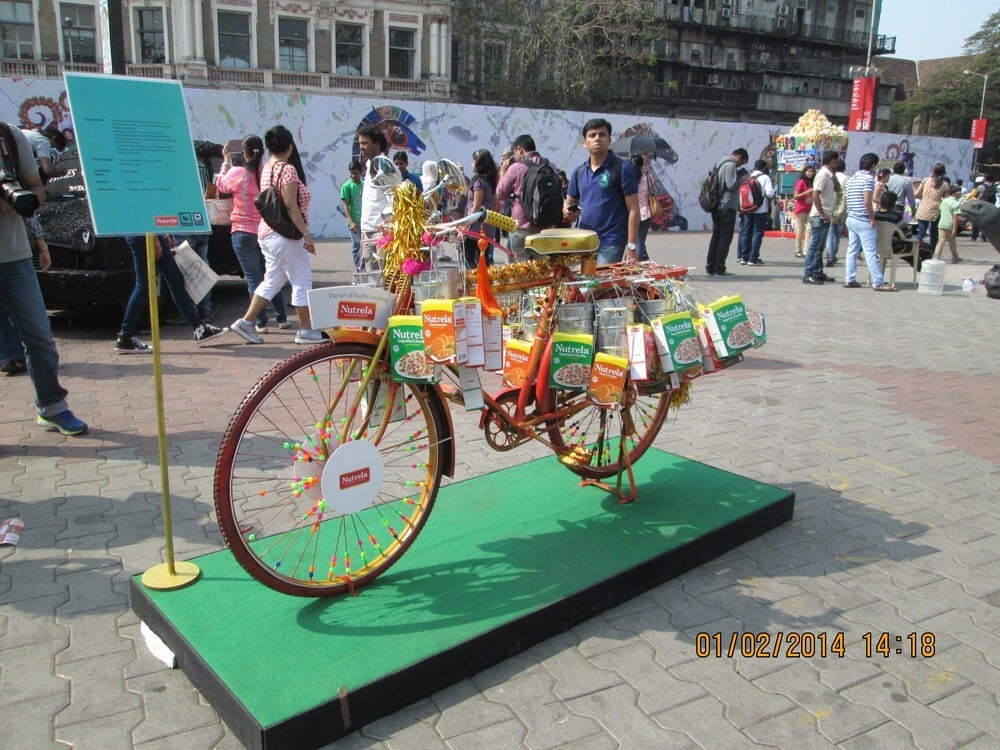
Every working day, Mumbai´s dabbawalas transport home-cooked lunches from residential neighborhoods to offices across the city. Their delivery system uses coded markings, bicycles, handcarts, and suburban trains to move thousands of lunchboxes through a complicated network. Workers coordinate collections, sorting, and transfers so meals reach their intended recipients before lunchtime. Afterward, the empty containers make the journey home. It’s a remarkable example of urban logistics built around cooperation and local knowledge.
4. Venetian Gondoliers | Italy
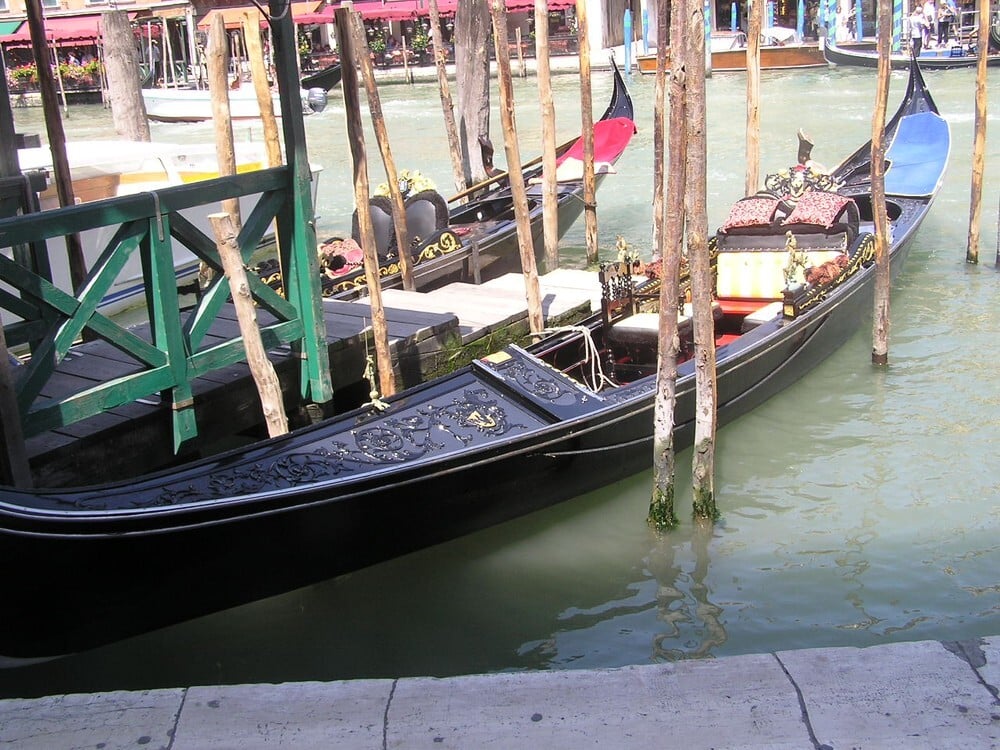
Navigating Venice´s narrow canals requires more than simply knowing how to row. Gondoliers stand at the stern of their traditional boats, using a single oar to steer through waterways crowded with bridges. Watertaxis and other vessels. Could you maneuver one of these long boats through a tight canal without bumping into anything? The profession demands practical knowledge of the city’s intricate waterways and considerable physical control. Today, gondoliers primarily serve visitors, but their distinctive boats and rowing techniques remain closely connected to Venice’s maritime history.
5. Qvevri Potters and Winemakers | Georgia
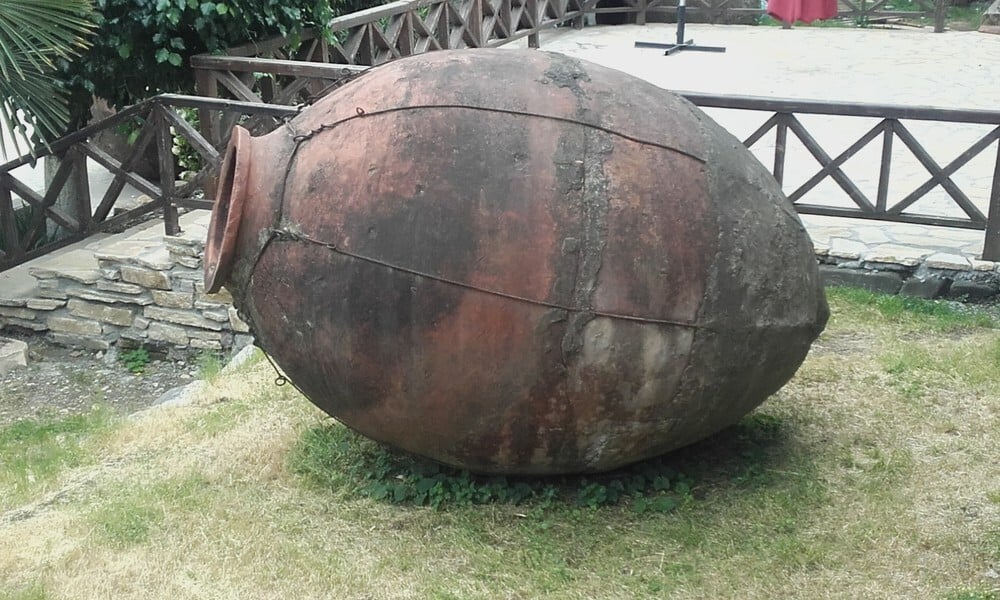
In Georgia, traditional winemaking depends on enormous egg-shaped clay vessels called qvevri. Skilled potters construct these containers by hand, carefully building their rounded forms before firing them. Winemakers then bury the vessels underground and use them to ferment and store wine. The process connects two different crafts, pottery and winemaking, through a tradition that has survived for centuries. UNESCO recognizes the Georgian qvevri winemaking method as an important element of intangible cultural heritage.
Trending on The Scroller


6. Jamdani Handloom Weavers | Bangladesh
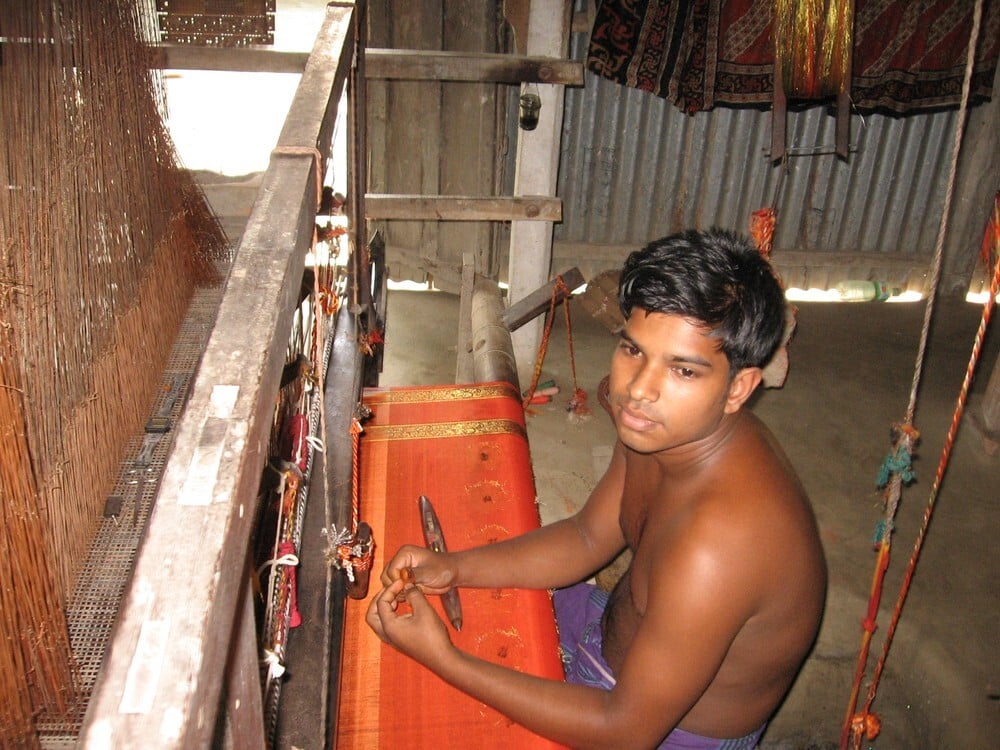
Creating Jamdani fabric requires remarkable patience and precision. Working on traditional handlooms, artisans weave intricate decorative patterns directly into the fine textiles using additional threads. The motifs emerge gradually as the cloth takes shape, rather than being printed onto finished material. The craft is especially associated with communities around Dhaka, where specialized knowledge passes between generations of weavers. Each piece reflects the skill involved in coordinating delicate patterns with the underlying fabric.
7. Scissors Dance Performers | Peru
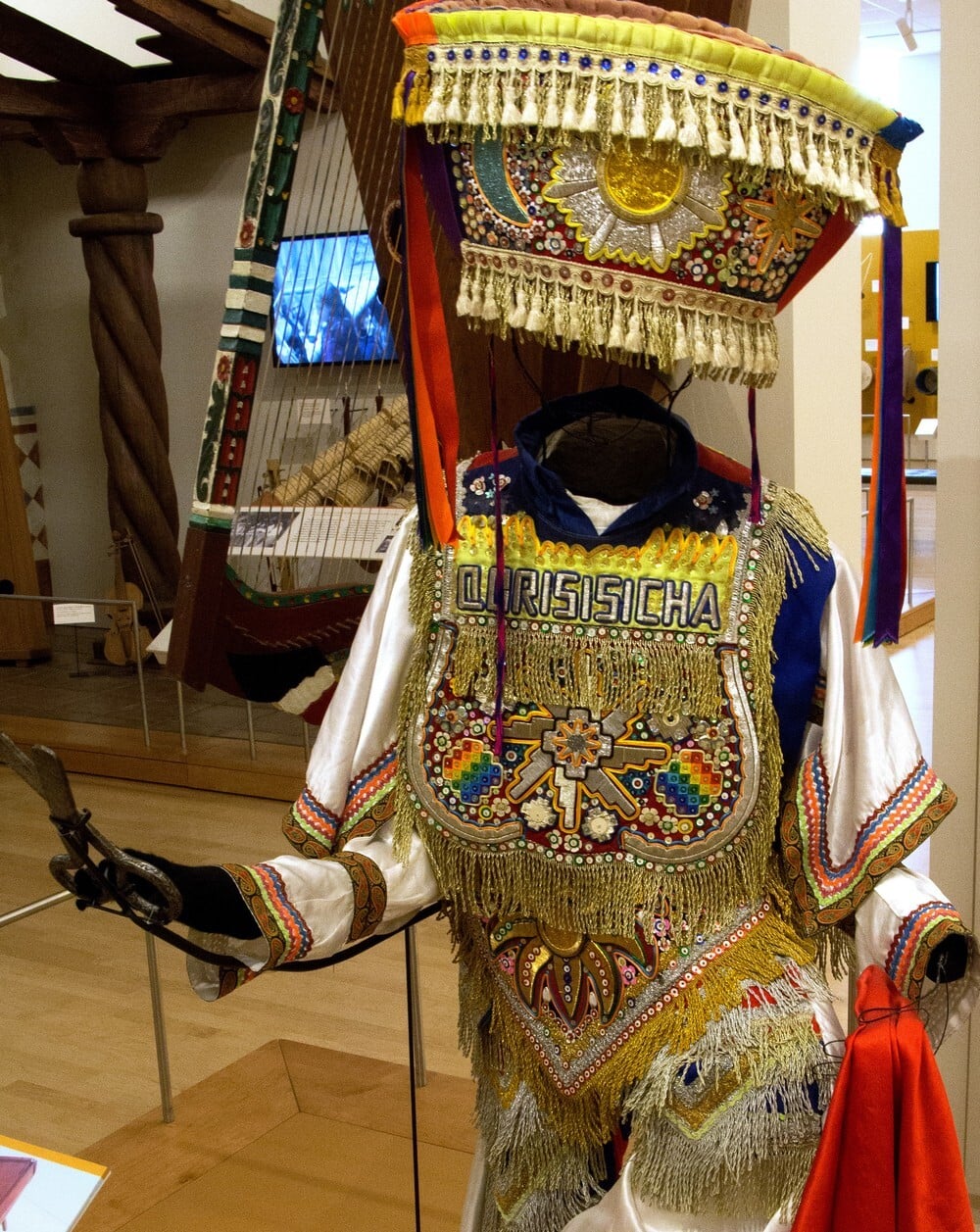
High in Peru´s Andean communities, performers take part in a demanding tradition known as the scissors dance. Dancers hold polished metal blades that produce rhythmic sounds while executing elaborate steps, jumps, and acrobatic movements. Musicians accompany the performances, which frequently appear during religious celebrations and community festivals. The tradition combines physical endurance, musical coordination, and cultural storytelling. For some practitioners, performances provide income alongside their ceremonial and community significance.
8. Kelaghayi Silk-Scarf Artisans | Azerbaijan
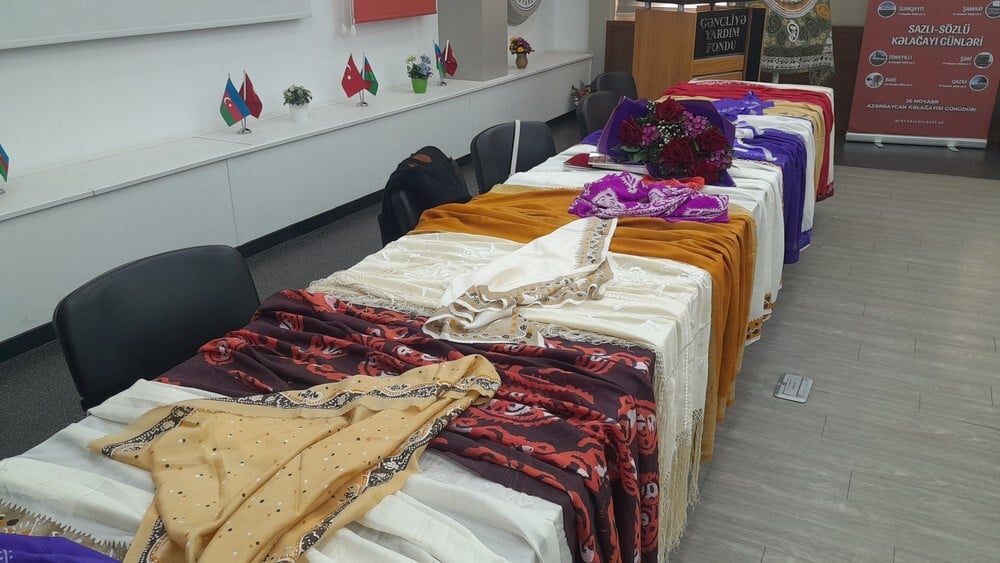
The colorful kelaghavi scarves of Azerbaijan are the result of several specialized crafts. Artisans weave fine silk, dye the fabric, and decorate it using carved mooden printing blocks. Traditional production is particularly associated with Sheki and Basgal, where patterns and colors carry cultural meaning. Have you ever wondered how much work goes into a single patterned scarf? Their creation requires knowledge of textile preparation, dyeing, and ornamental design, making each piece a product of coordinated craftsmanship.
Sign up for our newsletter
9. Ebru Paper-Marbled Artists | Türkiye
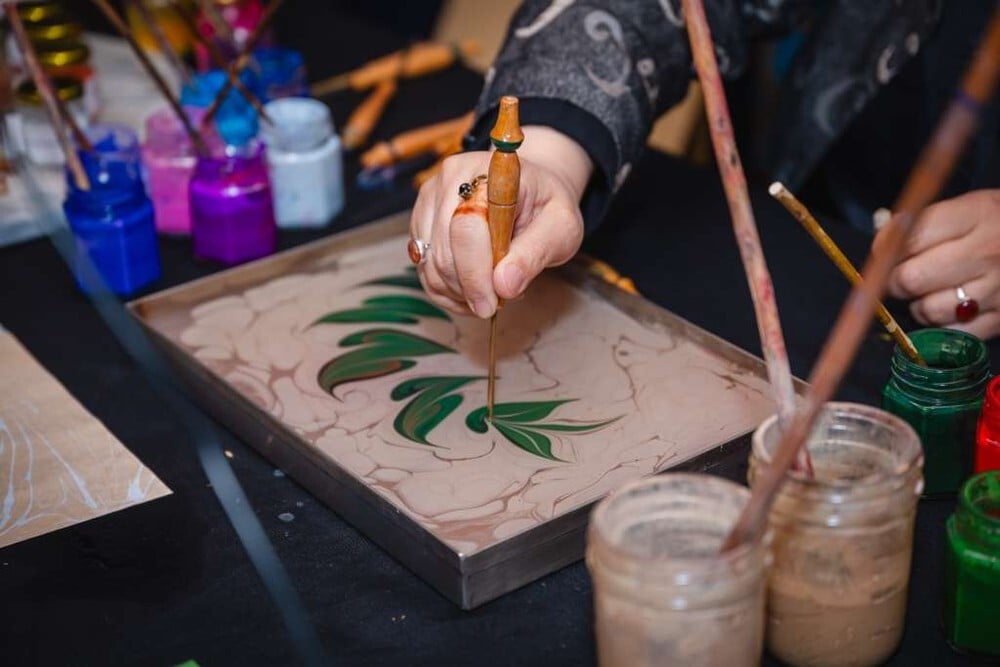
Turkish ebru artists create elaborate designs by painting on a liquid surface before transferring the results onto paper. They carefully place pigments onto prepared water, then manipulate the floating colors into swirling patterns and intricate compositions. A sheet of paper captures the image when laid across the surface. The technique demands a steady hand and considerable practice. Although paper marbling exists elsewhere, Türkiye’s ebru tradition has its own established methods and artistic heritage.
10. Tbourida Equestrian Performers | Morocco
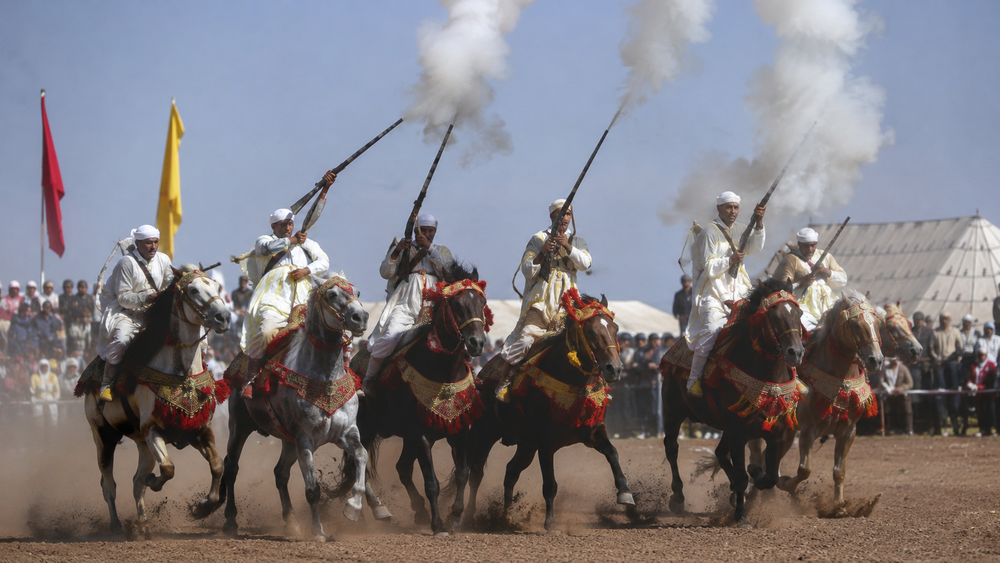
Unique jobs worldwide sometimes emerge from centuries-old ceremonial traditions, and Morocco´s tbourida riders demonstrate just how spectacular those traditions can be. Teams of horsemen perform coordinated charges inspired by historical cavalry maneuvers, often ending with a synchronized discharge of traditional firearms. The displays require extensive training, disciplined horses, and precise timing. Tbourida performances are especially associated with cultural festivals and celebrations, where professional participants and community riders help preserve this equestrian heritage.
11. Margilan Atlas and Adras Textile Makers | Uzbekistan
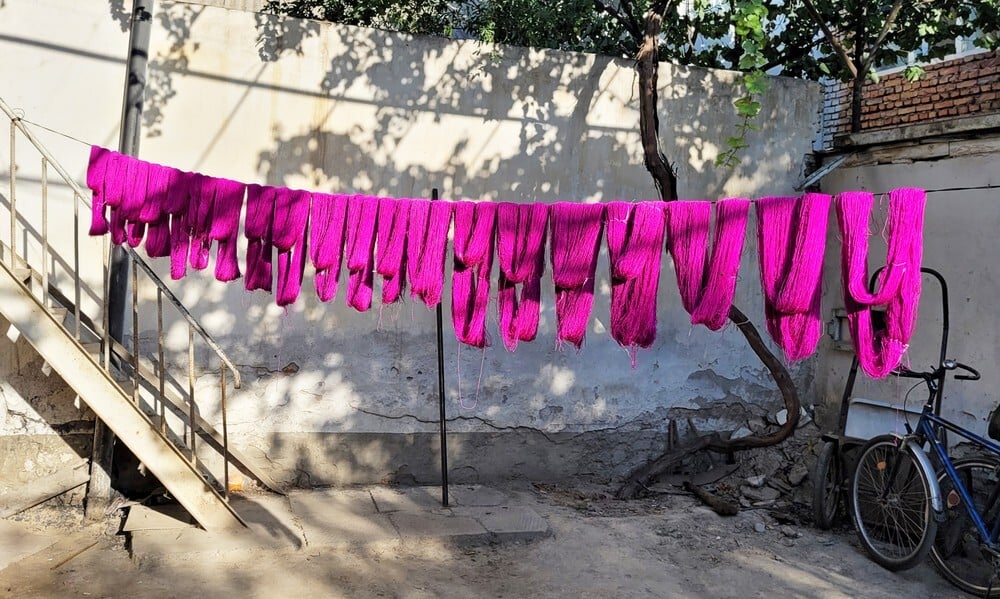
In Uzbekistan´s city of Margilan, artisans preserve the traditional production of atlas and adras textiles. Their work involves preparing threads, applying carefully arranged dye patterns, and weaving colorful fabrics with distinctive designs. The technique produces the blurred, flowing motifs associated with ikat textiles. Workshops and training centers help transmit these skills to younger generations. Although similar dyeing methods appear in other cultures, Margilan has developed a particularly recognizable textile-making tradition.
12. Washi Handmade-Paper Craftspeople | Japan
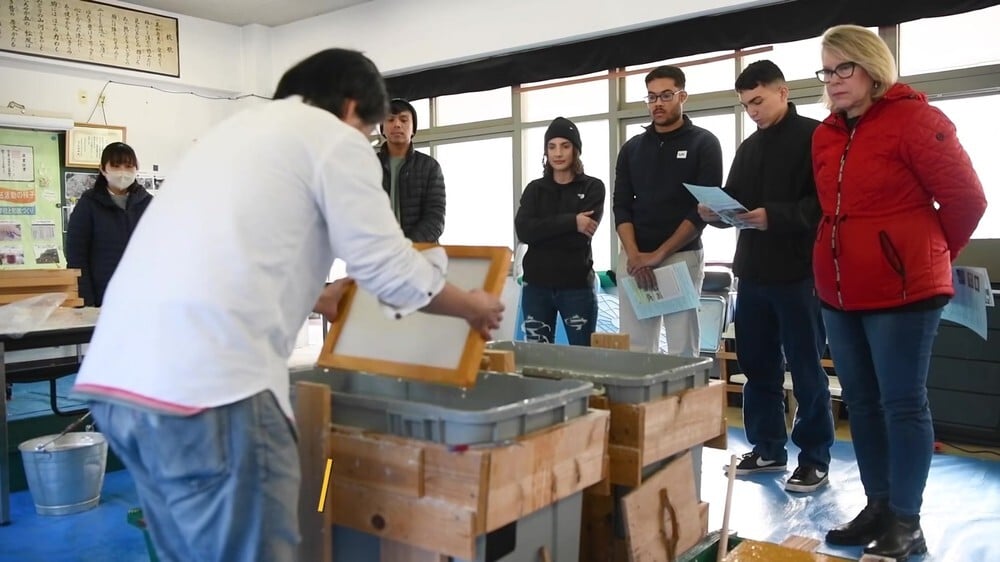
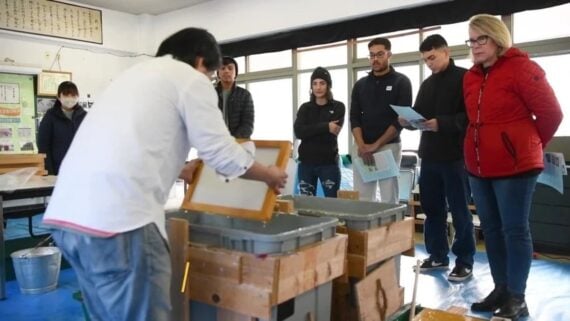
Japanese washi paper begins with plant fibers that craftspeople carefully prepare, wash, and process. Using traditional tools, they suspend the fibers in water and form delicate sheets by carefully moving a screen. The resulting paper is valued for its texture, flexibility, and strength. Washi has long been used in calligraphy, artworks, and traditional interiors. Its production requires considerable knowledge of materials and technique, with specialized methods preserved in different regions of Japan.
13. Mongol Ger Builders | Mongolia
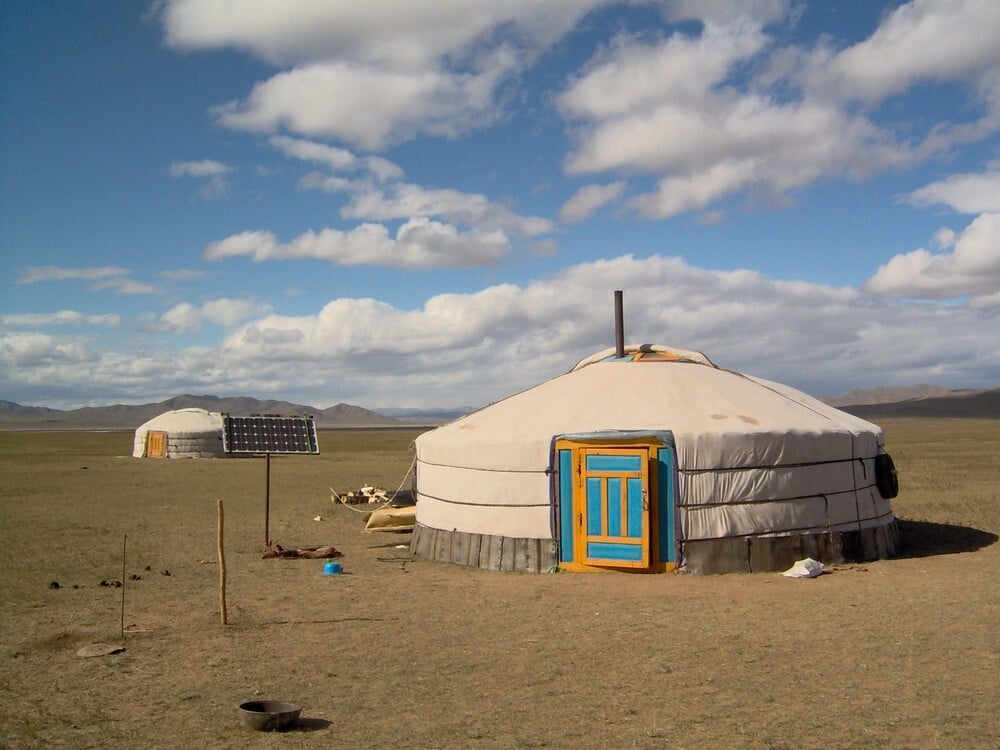
Constructing a traditional Mongolian ger involves much more than assembling a portable shelter. Craftspeople produce the wooden lattice walls, curved roof poles, decorative elements, and felt covering that make these dwellings practical for life on the steppe. Different specialists may contribute woodworking, painting, sewing, and textile skills. Imagine building a home designed to be taken apart and moved whenever necessary. While related dwellings exist across Central Asia, the Mongolian ger has its own distinctive construction traditions.
14. Amsterdam Canal Bicycle Recovery Crews | Netherlands
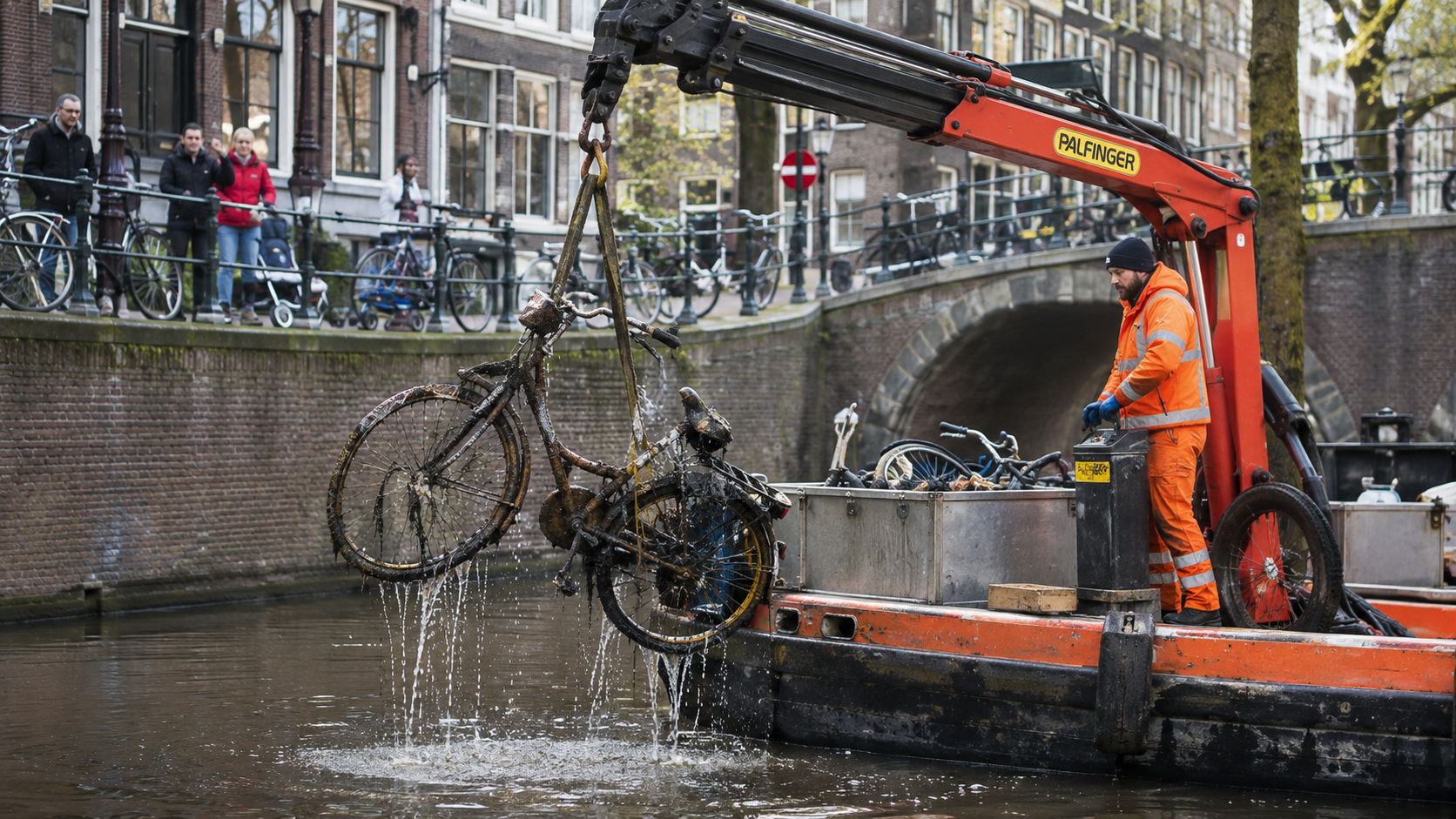
Amsterdam´s canals occasionally become resting places for bicycles that have fallen or been thrown into the water. Removing them is part of the specialized maintenance work carried out on the city´s waterways. Recovery crews use equipment such as cranes and boats to retrieve submerged objects, helping keep canals navigable and reducing underwater debris. Although bicycle recovery isn’t necessarily a separate profession, it’s an unusually recognizable municipal task in a city famous for both its cycling culture and extensive canal network.
15. Hamburg Swan Keeper | Germany
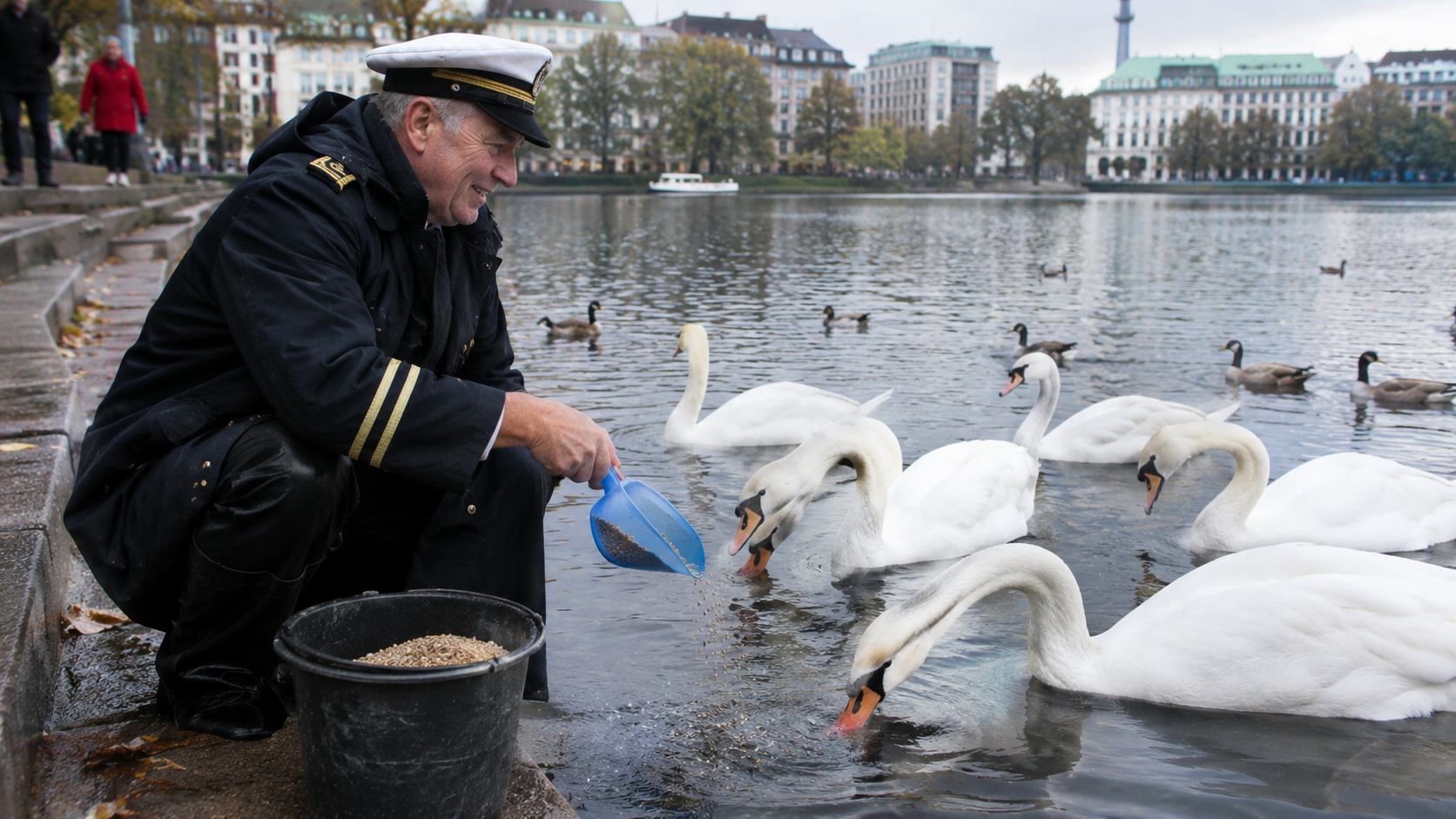
Hamburg has a particularly unusual municipal responsibility: looking after the swans associated with the city´s Alster waterways. The traditional positions, known as the Schwanenvater, involve monitoring the birds and helping protect them through seasonal changes. One especially recognizable duty is moving the swans to suitable winter quarters when conditions require it. The role reflects Hamburg’s long-standing relationship with these birds, turning animal care into a distinctive part of the city’s civic heritage.
16. Lapland Holiday Elves | Finland

In Finnish Lapland, Christmas tourism creates seasonal employment opportunities that would sound unusual almost anywhere else. At holiday resorts and attractions around Rovaniemi, staff dressed as elves welcome visitors, guide activities, and help create immersive festive experiences. Their responsibilities can include entertaining families, assisting with excursions, and supporting special events. Behind the costumes, these are practical hospitality and tourism positions requiring communication skills, organization, and the ability to work with visitors from around the world.
17. Cliffside Wild-Honey Hunters | Nepal
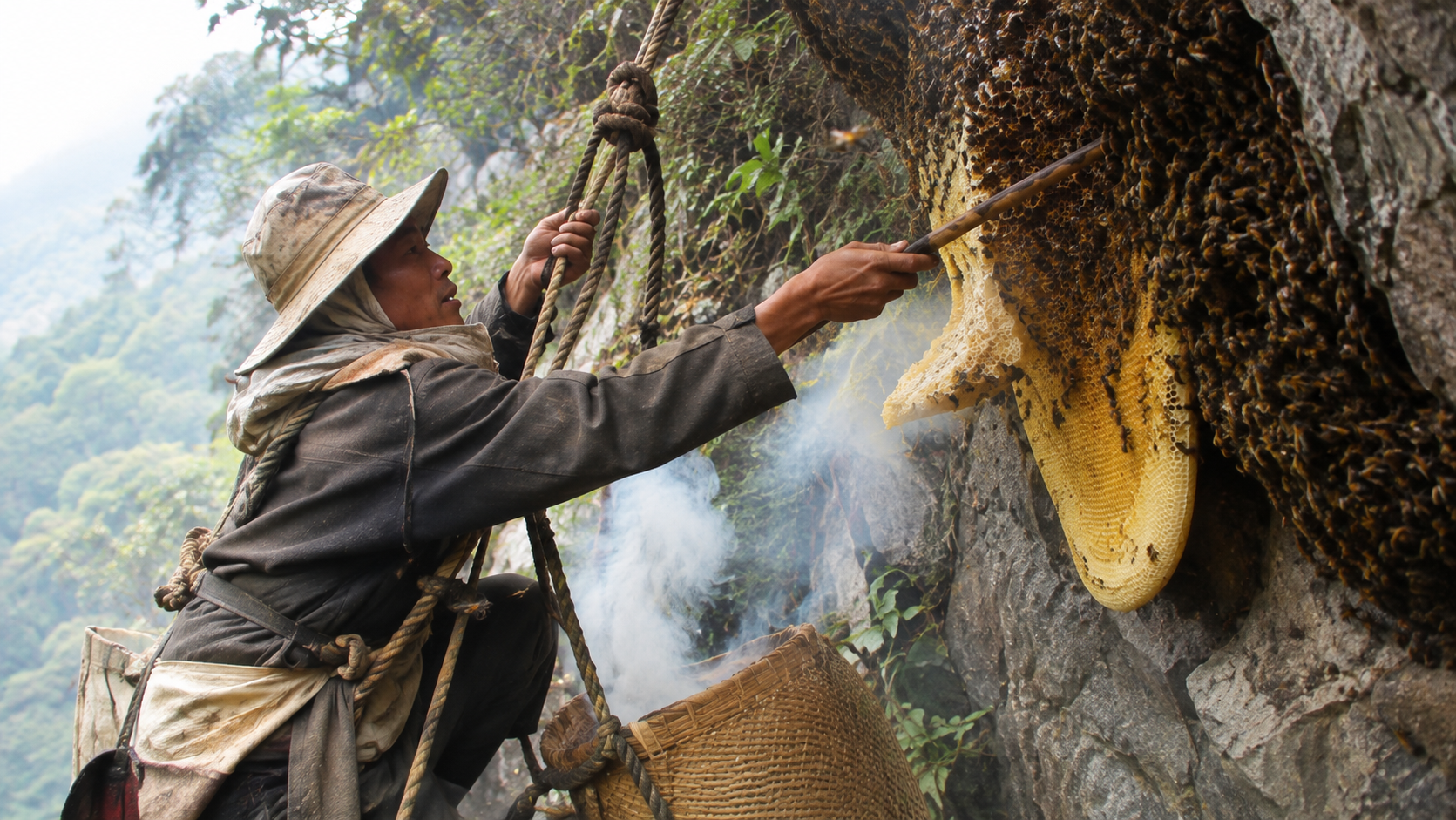
In parts of Nepal, traditional honey hunters climb cliffs to reach enormous wild beehives. Using rope, ladders, and specialized tools, they collect honey from colonies that build their nests high above the ground. Would you climb a cliff surrounded by bees just to harvest honey? The work requires physical courage, teamwork, and detailed knowledge of the surrounding environment. Although similar practices occur elsewhere, Nepal’s dramatic cliffside harvests are among the most visually striking examples of this traditional livelihood.
18. Chinampa Farmers of Xochimilco | Mexico
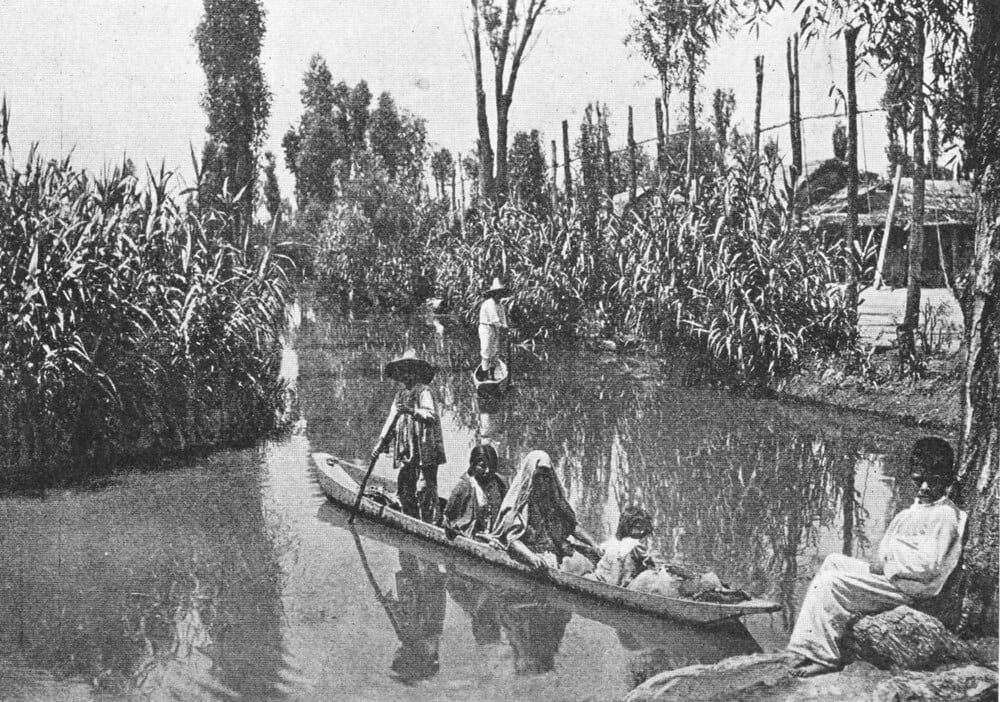
In Mexico City´s Xochimilco wetlands, farmers continue cultivating crops on traditional agricultural plots known as chinampas. These productive growing areas are surrounded by canals, allowing farmers to transport tools and harvests by boat. The agricultural system has deep roots in the region´s pre-Hispanic history and remains closely connected to local food production. Maintaining the plots requires knowledge of wetland conditions, soil management, and traditional cultivation methods. The work also contributes to preserving Xochimilco’s distinctive cultural landscape.
From the waterways of Venice to the agricultural canals of Xochimilco, these occupations reveal how deeply work can be connected to local identity. Some traditions have adapted to modern tourism and changing economies, while others continue serving practical everyday needs. Together, they show that the world’s most fascinating professions often develop from the particular challenges, resources, and customs of a place.
Keep Exploring The Scroller
The world is full of extraordinary traditions hiding behind everyday routines. Keep exploring The Scroller to discover more unusual professions, remarkable skills, and surprising stories from places near and far:
12 Unusual Jobs That Disappeared When Cars Became Common
14 Vintage Photos of Ordinary Jobs That Look Completely Different Today