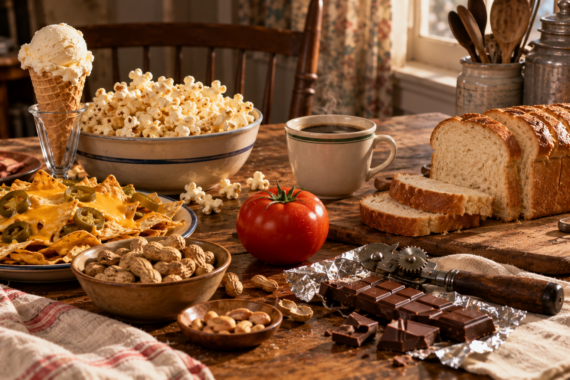
Food is full of stories that sound made up until you check the history, science, or fine print. These food facts cover strange inventions, legal oddities, and culinary accidents that make easy conversation starters. While a few famous origin stories are often disputed, the facts below favor historical claims that can be fully supported without turning folklore into certainty.
The Supreme Court Really Did Decide Whether a Tomato Is a Fruit or Vegetable
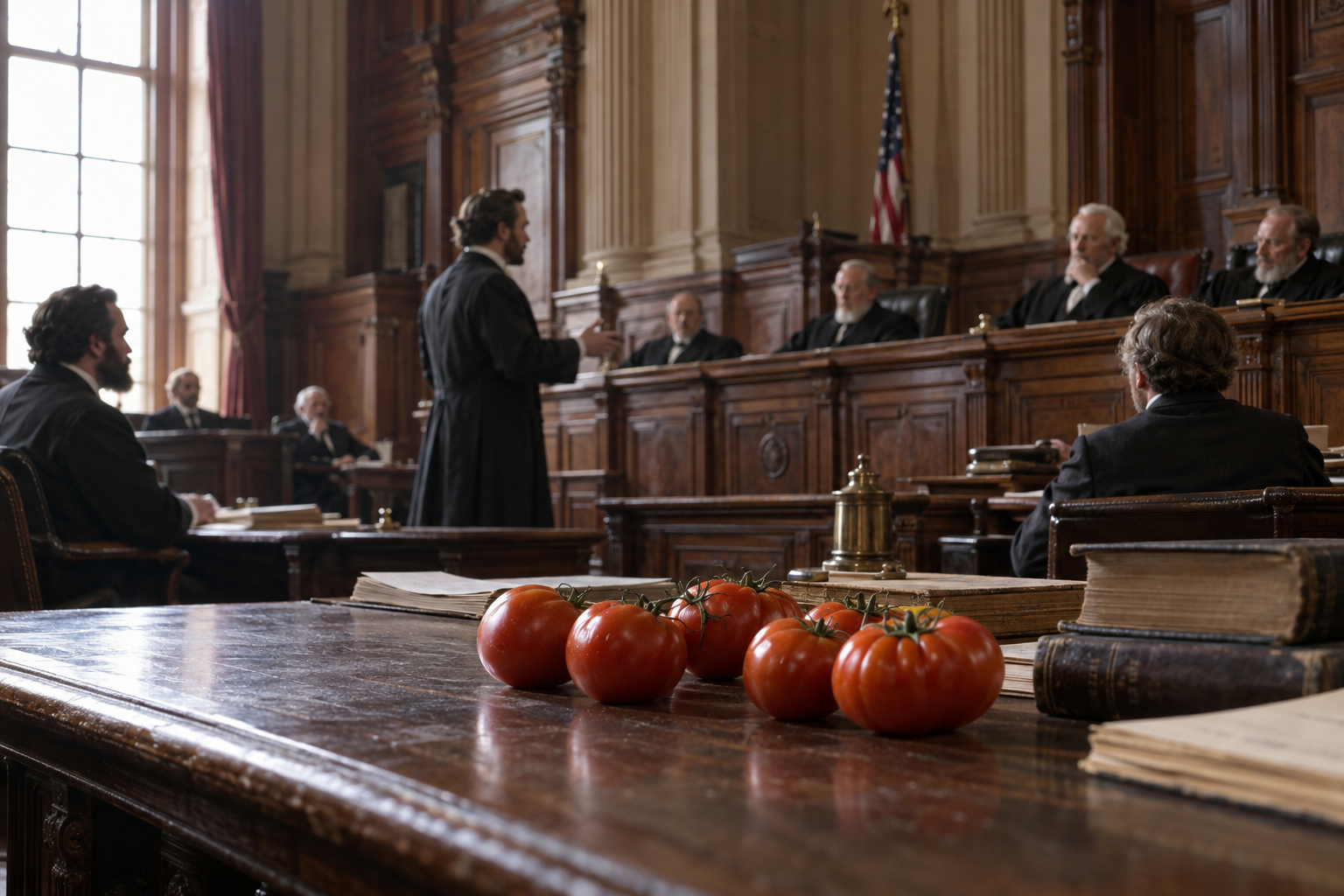
Botanically speaking, tomatoes are fruit because they develop from flowers and contain seeds. However, in the 1893 court case Nix v. Hedden, the U.S. Supreme Court ruled that tomatoes should be legally treated as vegetables for import tariff purposes. The Court’s argument was simple: tomatoes were ordinarily eaten in a main meal rather than in dessert. As a result, a tomato can be a fruit to a botanist and a vegetable to customs officials.
White Chocolate Has a Legal Definition in the U.S.
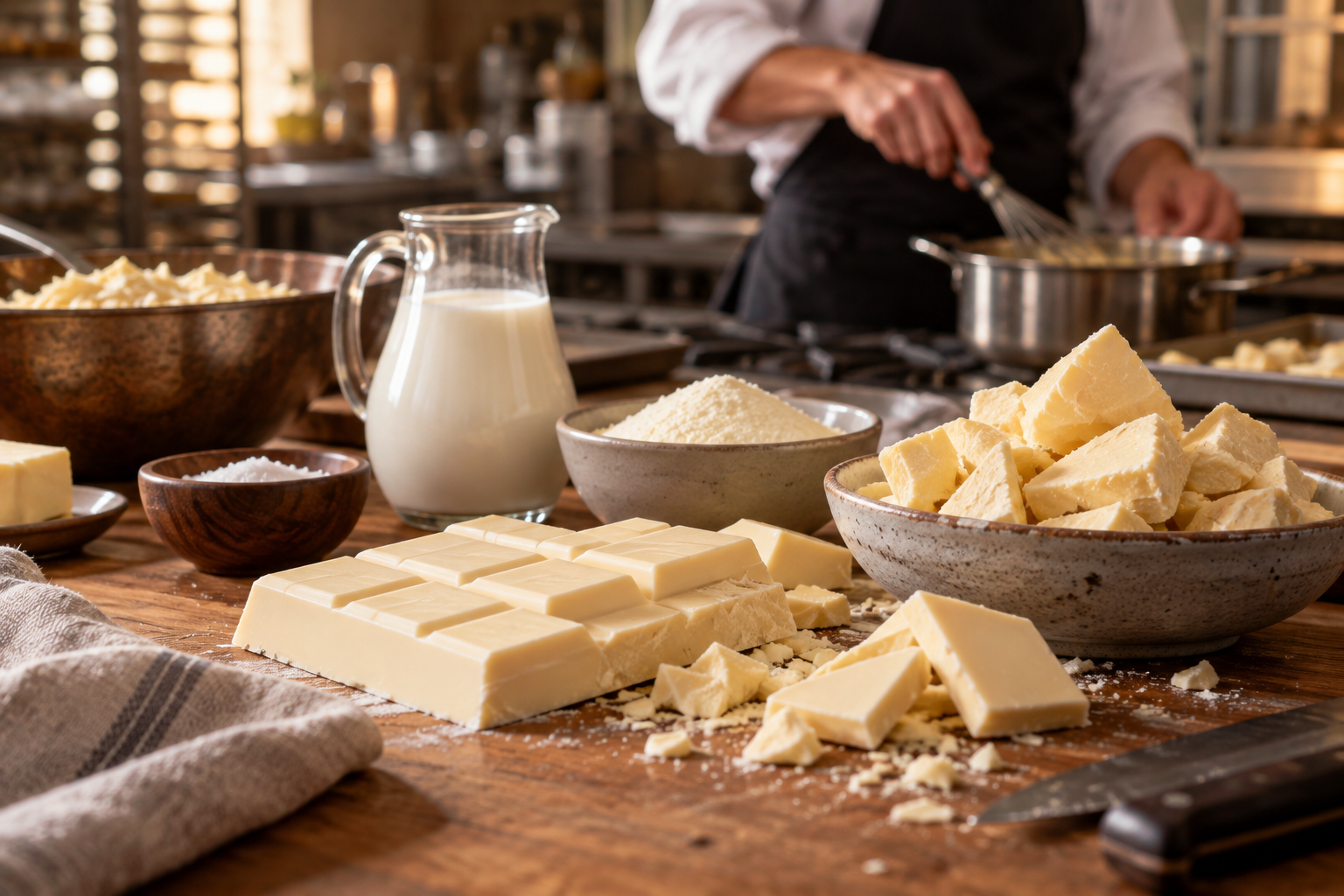
White chocolate contains no chocolate liquor or cocoa solids, but that doesn’t mean anything white and sweet can legally use the name. FDA regulations mandate that white chocolate must contain at least 20% cocoa butter, 14% total milk solids, and 3,5% milkfat. This federal standard became effective in 2004, requiring any product meeting the requirement to be labeled as “white chocolate” or “white chocolate coating”
Vanilla Comes From an Orchid, and Each Flower May Only Bloom for a Single Day

Natural vanilla flavor is derived from the fruit of Vanilla planifolia, a species of orchid. Each flower blooms for less than a day, and outside its native pollinator range, growers generally have to pollinate every single flower by hand. The hand-pollination technique that transformed commercial vanilla production was developed on the Island of Réunion by Edmond Albius, an eslaved 12-year-old boy. A version of his precise method is still used across the world today.
Popcorn Was Eaten Thousands of Years Before Movie Theaters Ever Existed
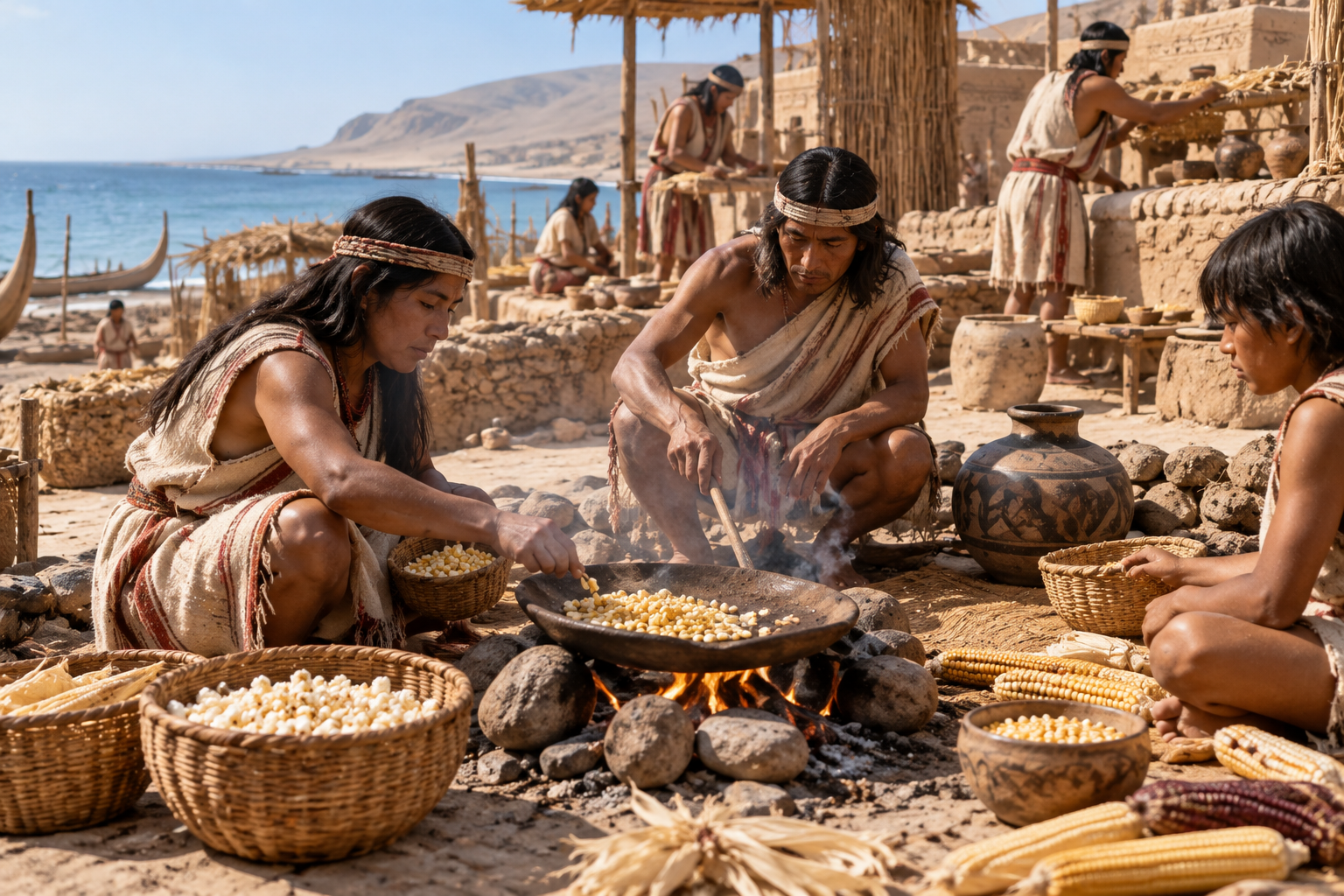
Archaeologists studying ancient sites on Peru’s northern coast discovered corn remains dating from roughly 6700 to 3000 years ago. Evidence from the preserved cobs indicates that people prepared some of that corn as popcorn, whose unique pop comes from water trapped inside the kernel. Heating turns the water to steam until the pressure breaks through the tough outer hull, causing the starchy interior to instantly expand.
Peanuts Aren’t Actually Nuts at All
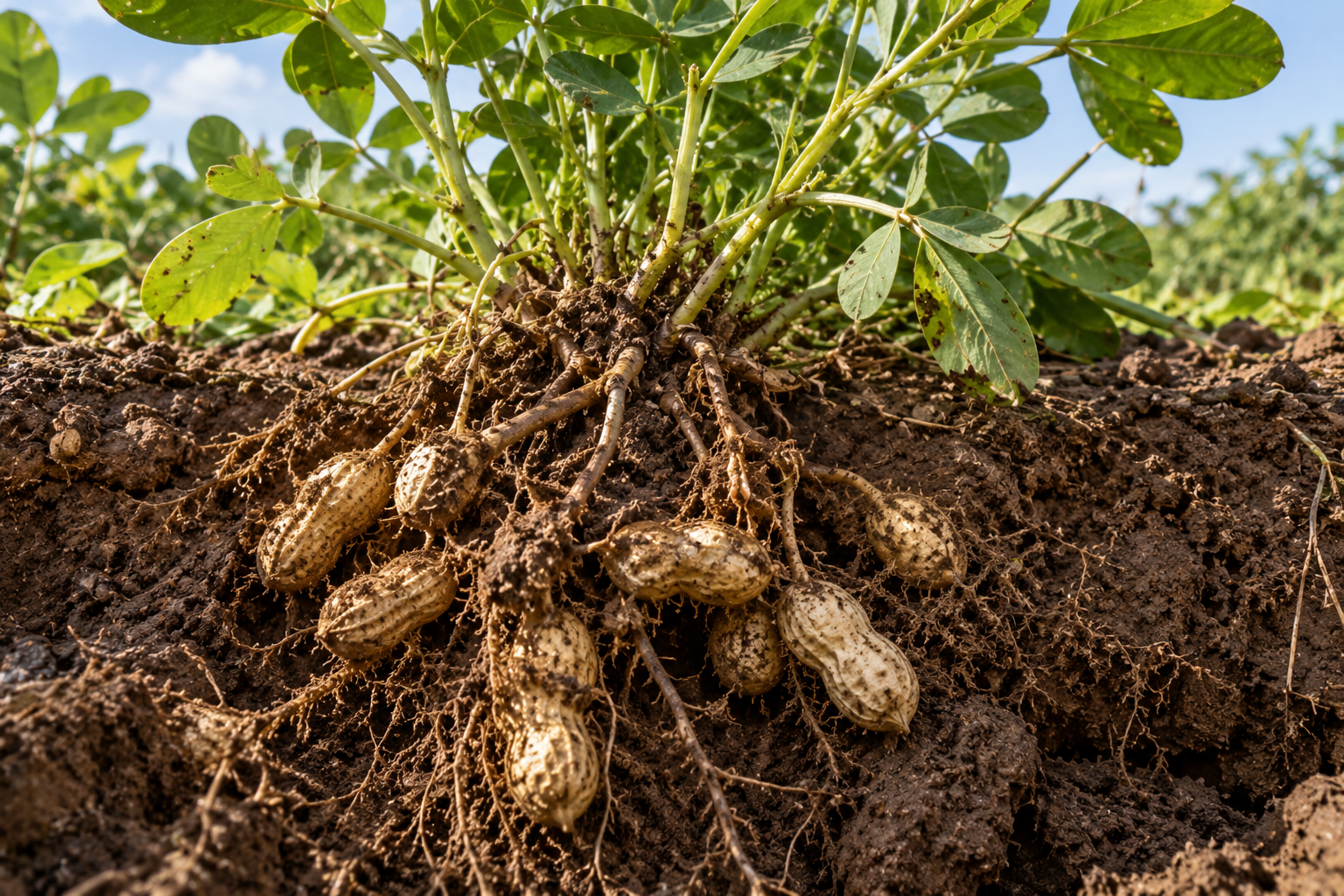
Despite their name, peanuts belong to the legume family, alongside peas and beans, rather than being true botanical nuts. A USDA publication from 1948 stated plainly that peanuts “aren´t really nuts at all”. Unlike tree nuts such as walnuts, pecans and almonds, peanut pods grow and develop underground.
Trending on The Scroller

The First Can Opener Arrived Decades After the Invention of the Tin Can
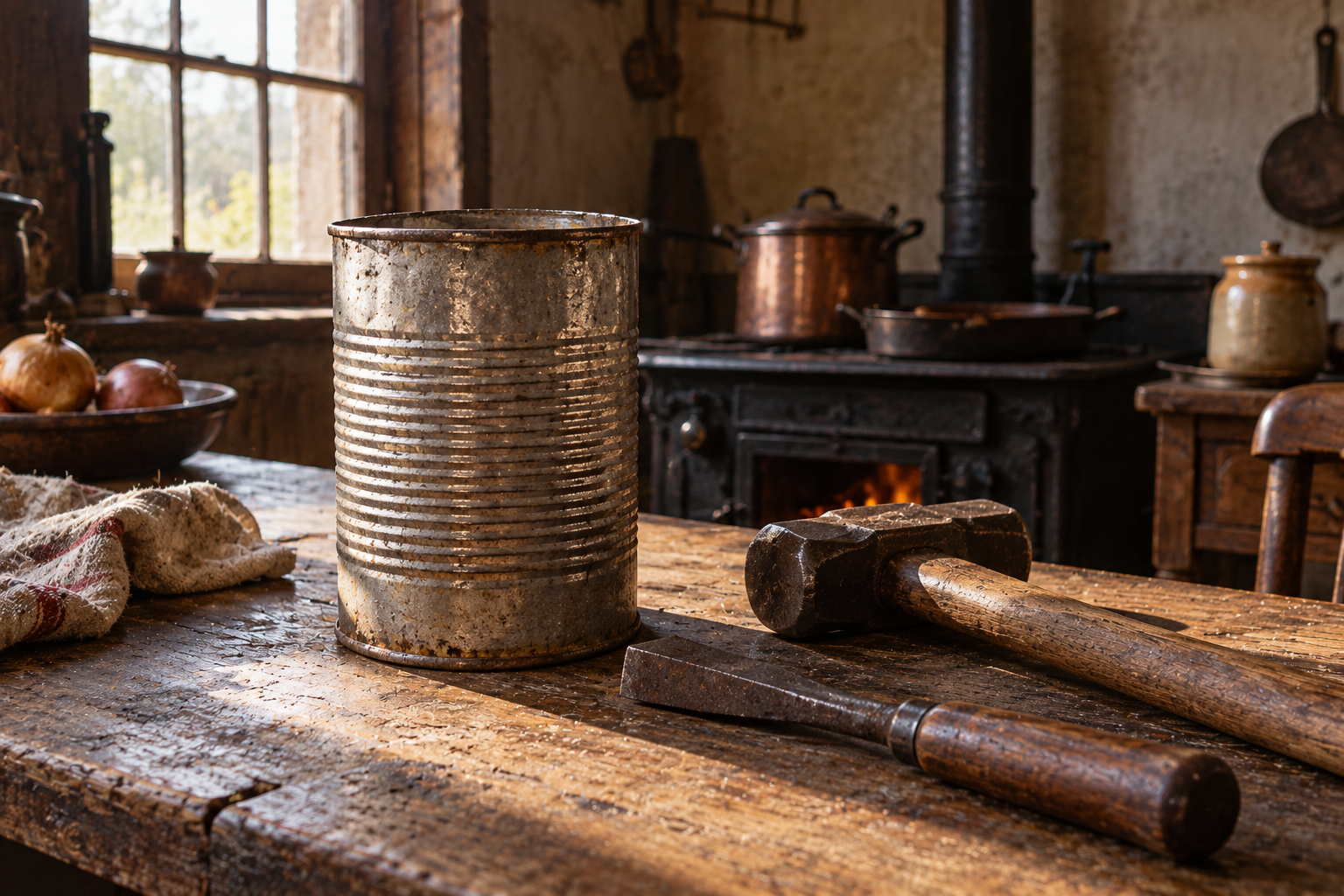
Tin-coated iron food cans were patented in 1810, but Ezra J. Warner didn’t patent a dedicated American can opener them with a hammer and chisel. The familiar toothed wheel crank design came much later in the 1920′. For roughly half a century, canned food existed without the obvious kitchen tool designed to open it.
The U.S. Army Asked Hershey to Make Chocolate That Didn’t Taste Too Delicious
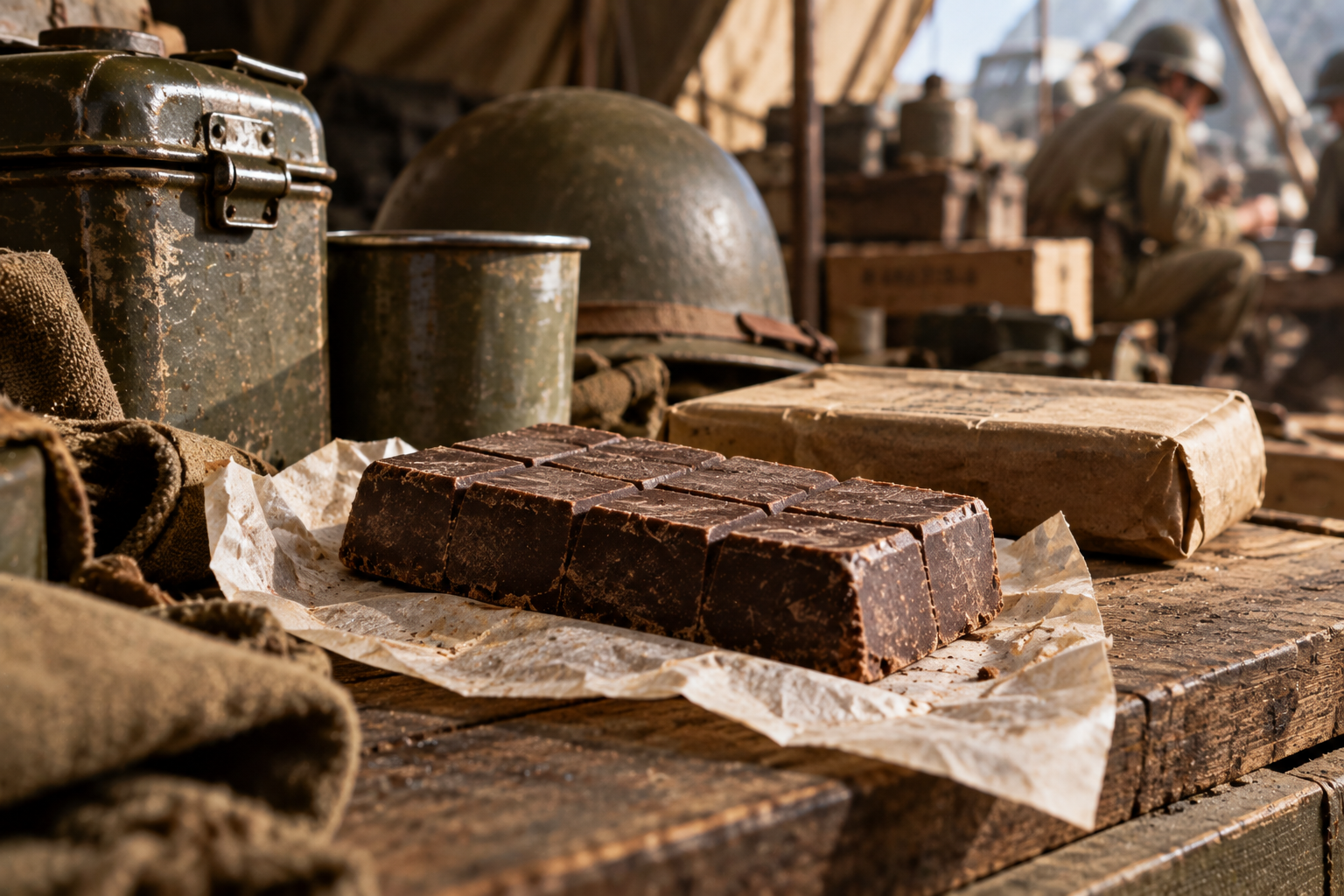
The Army worked with Hershey in 1937 to create an emergency ration bar that had to provide maximum energy, resist high heat, and deliberately taste “a little better than a boiled potato.” The goal was to keep soldiers from eating their emergency rations as ordinary candy. The resulting “Ration D” bar was dense, bitter, and notoriously difficult to bite into. Hershey later developed a more palatable, heart-healthy option known as the Tropical Bar.
Nachos Were Named After a Real Person Named Nacho
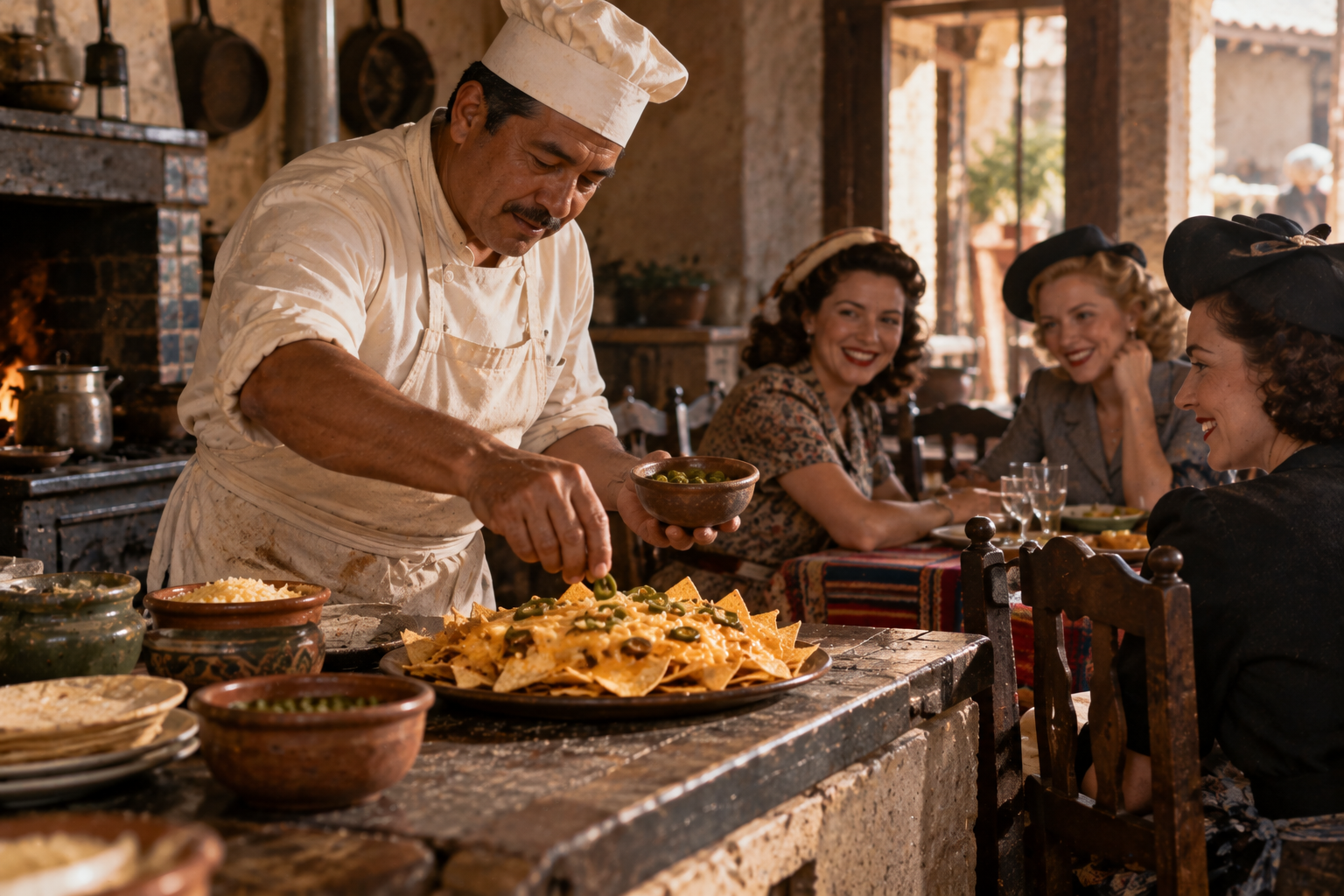
The widely accepted origin traces Nachos to Piedras Negras, Mexico, in 1943. Ignacio “Nacho” Anaya improvised a quick snack for a visiting group of U.S. Army wives using tortilla pieces, melted cheese, and pickled jalapeños when the restaurant chef was unavailable. Because “Nacho” is a common nickname for Ignacio, Anaya called his creation Nachos Especiales, which was eventually shortened simply to Nachos.
Sign up for our newsletter
Decaf Coffee Isn’t Necessarily 100% Caffeine-Free
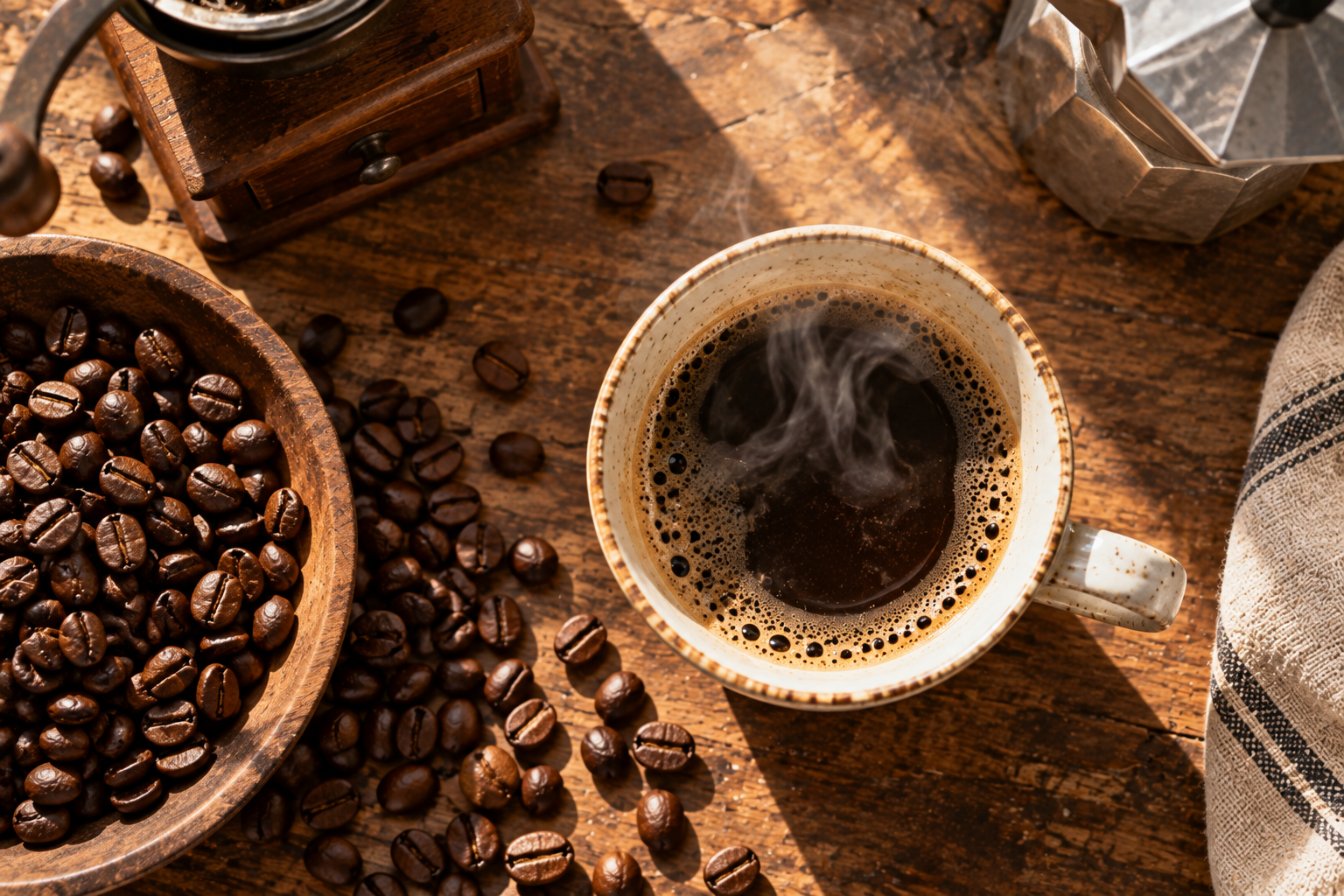
The decaffeination process removes most caffeine from beans, but not necessarily all of it. According to the FDA, an eight-ounce cup of decaf coffee typically contains about 2 to 15 milligrams of caffeine. While that is far below the caffeine content of regular brewed coffee, it is still enough that someone particularly sensitive to caffeine might notice its effects.
The Microwave Oven Grew Out of Radar Research and a Melted Candy Bar
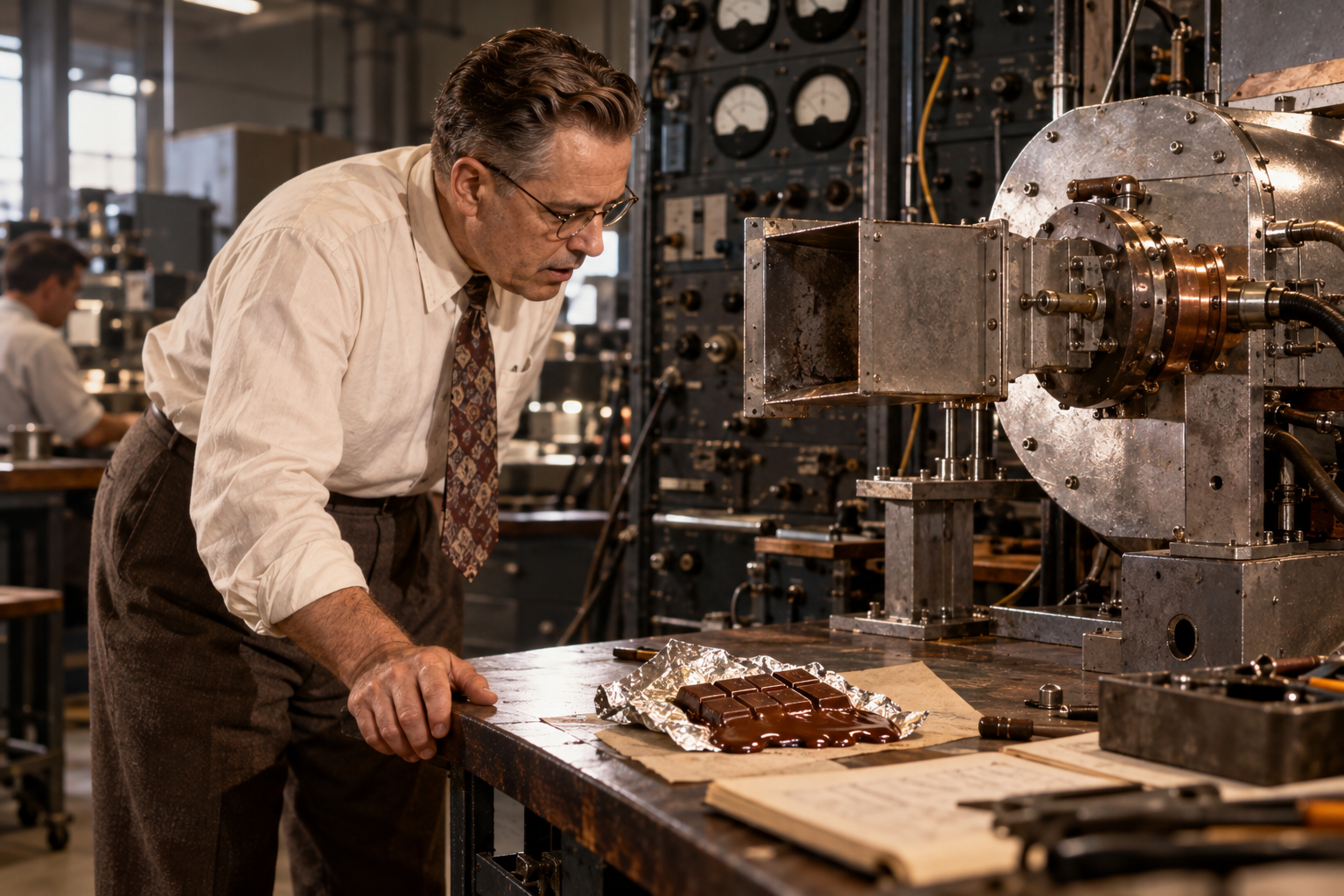
Raytheon engineer Percy Spencer was working with microwave-producing magnetrons used in a military radar system when he noticed that a chocolate bar in his pocket had completely melted. Intrigued, he experimented further and realized microwave energy could be harnessed to cook food rapidly. Raytheon patented this cooking technology, though early commercial ovens were enormous and expensive. A compact countertop version for homes finally arrived in 1967.
The Ice Cream Cone Wasn’t Simply “Invented” at the 1904 World’s Fair
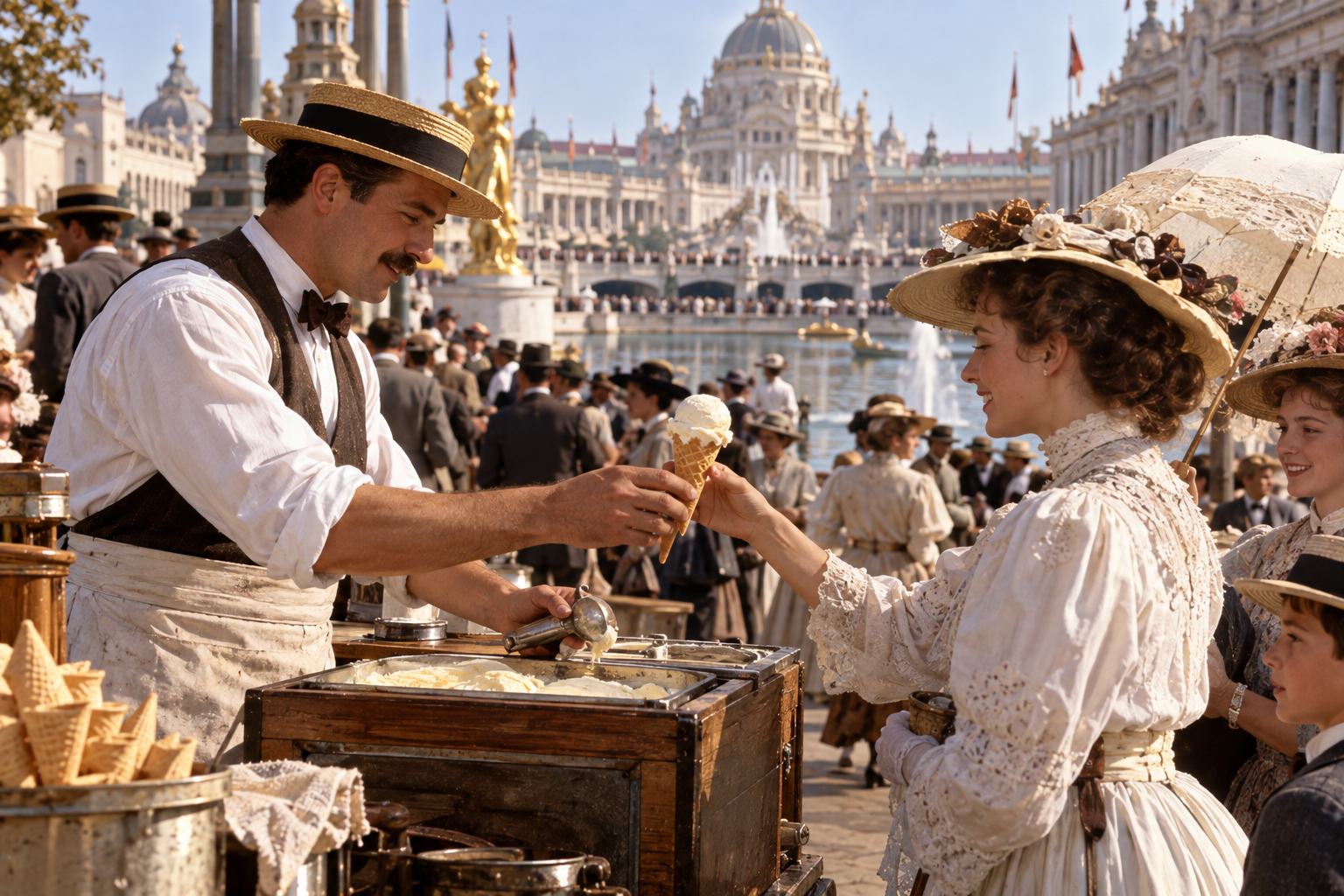
While the 1904 St. Louis World’s Fair famously popularized eating ice cream from cones, cone-shaped edible wafers existed before the event. An 1888 British recipe book featured “coronets with cream”, and Italo Marchiony received a U.S. patent for an edible ice cream mold in 1903. The 1904 exposition promoted the combination on a massive scale. With over 19.5 million attendees, the fair gave the portable dessert widespread public exposure.
Sliced Bread Is Much Younger Than You Might Think
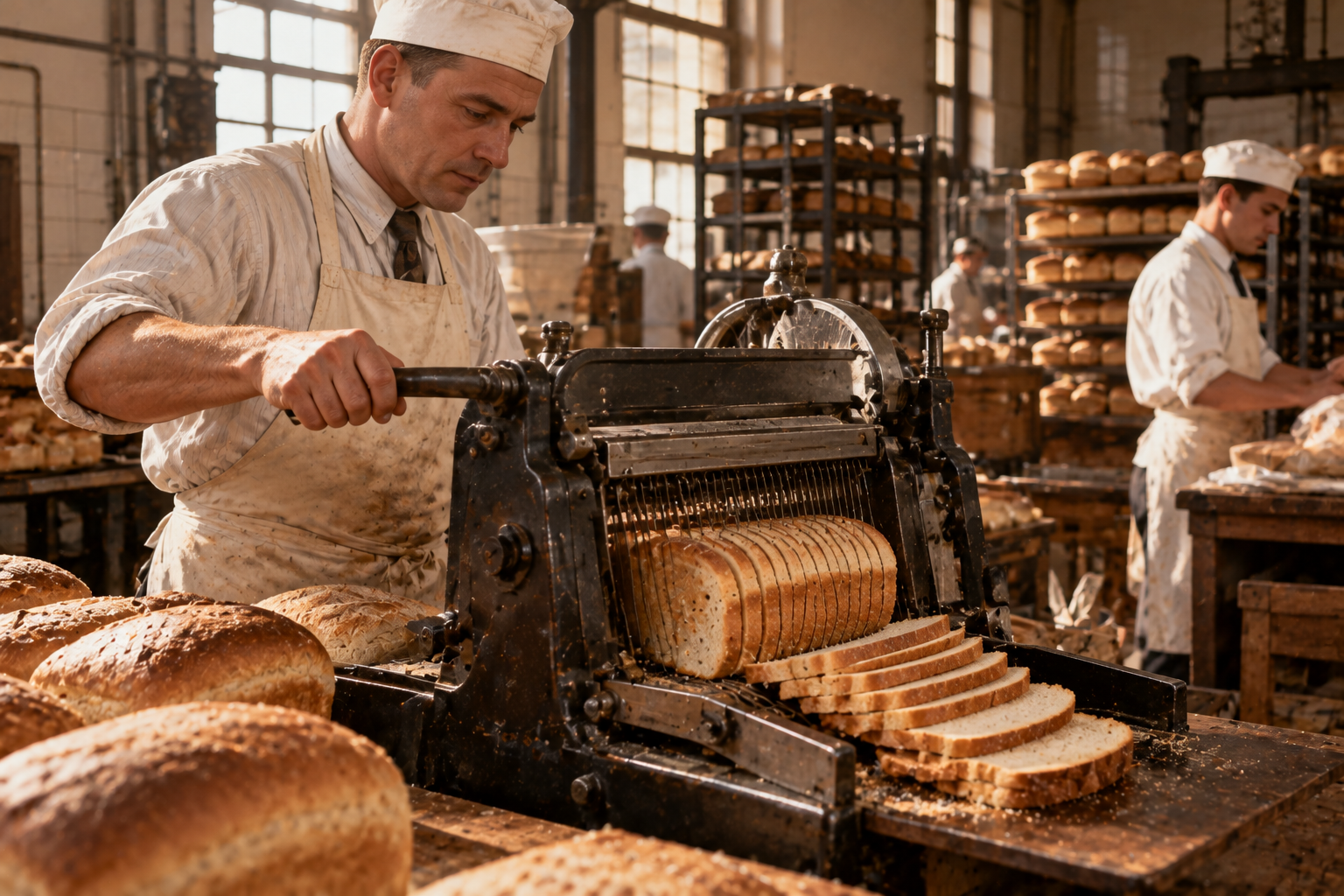
Otto Frederick Rohwedder’s first commercial bread-slicing machine went into service at a bakery in Chillicothe, Missouri, in 1928. By 1930, Continental Baking was selling pre-sliced bread nationwide under the Wonder Bread label. While small bread-slicing devices existed much earlier, uniform commercial loaves and modern protective packaging technology were necessary to make automatic factory slicing practical.
The TV Dinner Was Custom-Designed to Go From Freezer to Oven to Television
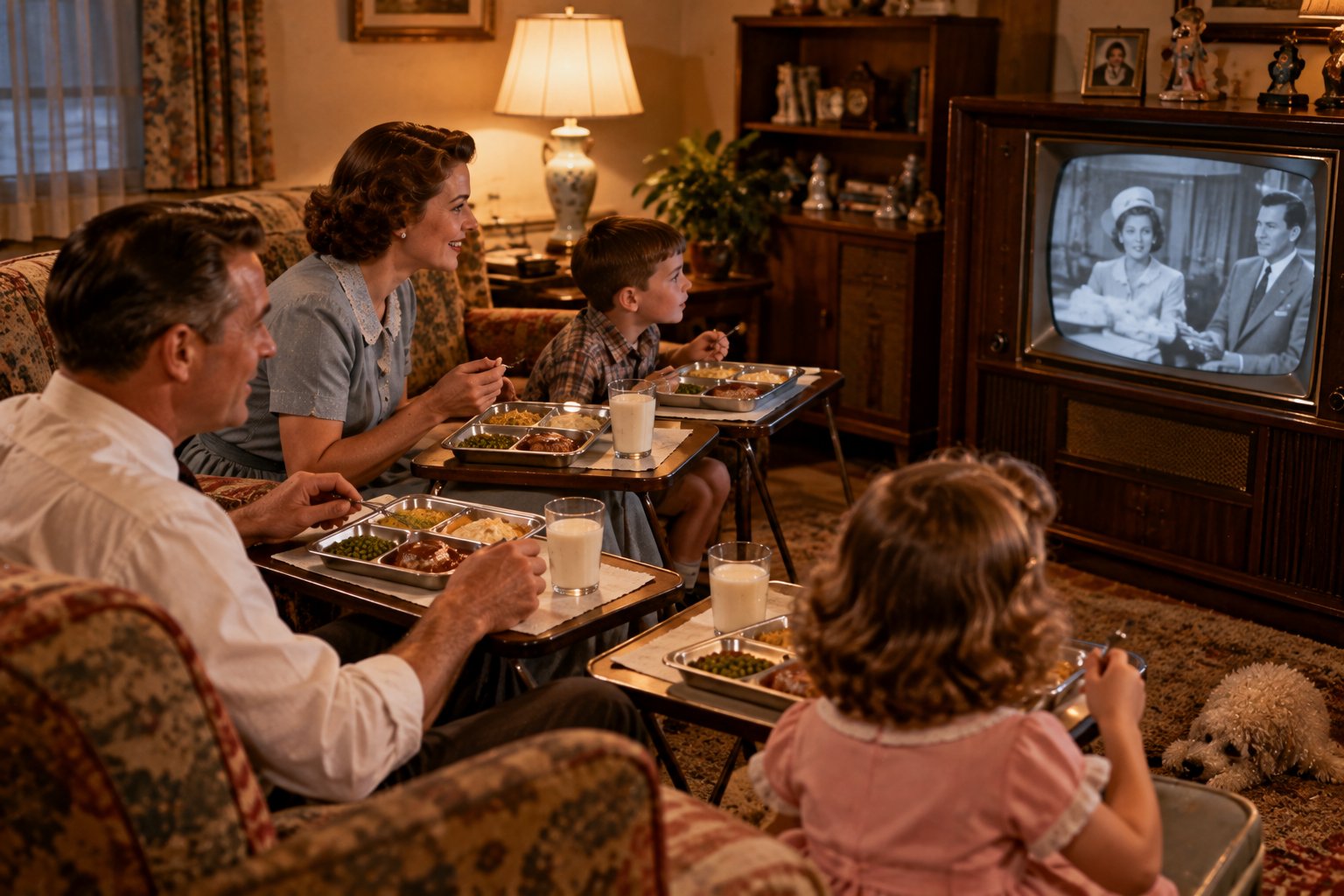
Swanson introduced its iconic frozen TV dinner in 1954 in a disposable aluminium tray that could go straight from the freezer into the oven. Its divided compartments kept different food items from touching, a design feature that was particularly popular with children. The name capitalized directly on America’s growing obsession with television; by 1960, nearly 90% of American homes owned a TV set.
Modern Frozen Food Owes Its Existence to Instant Fish Freezing in Labrador
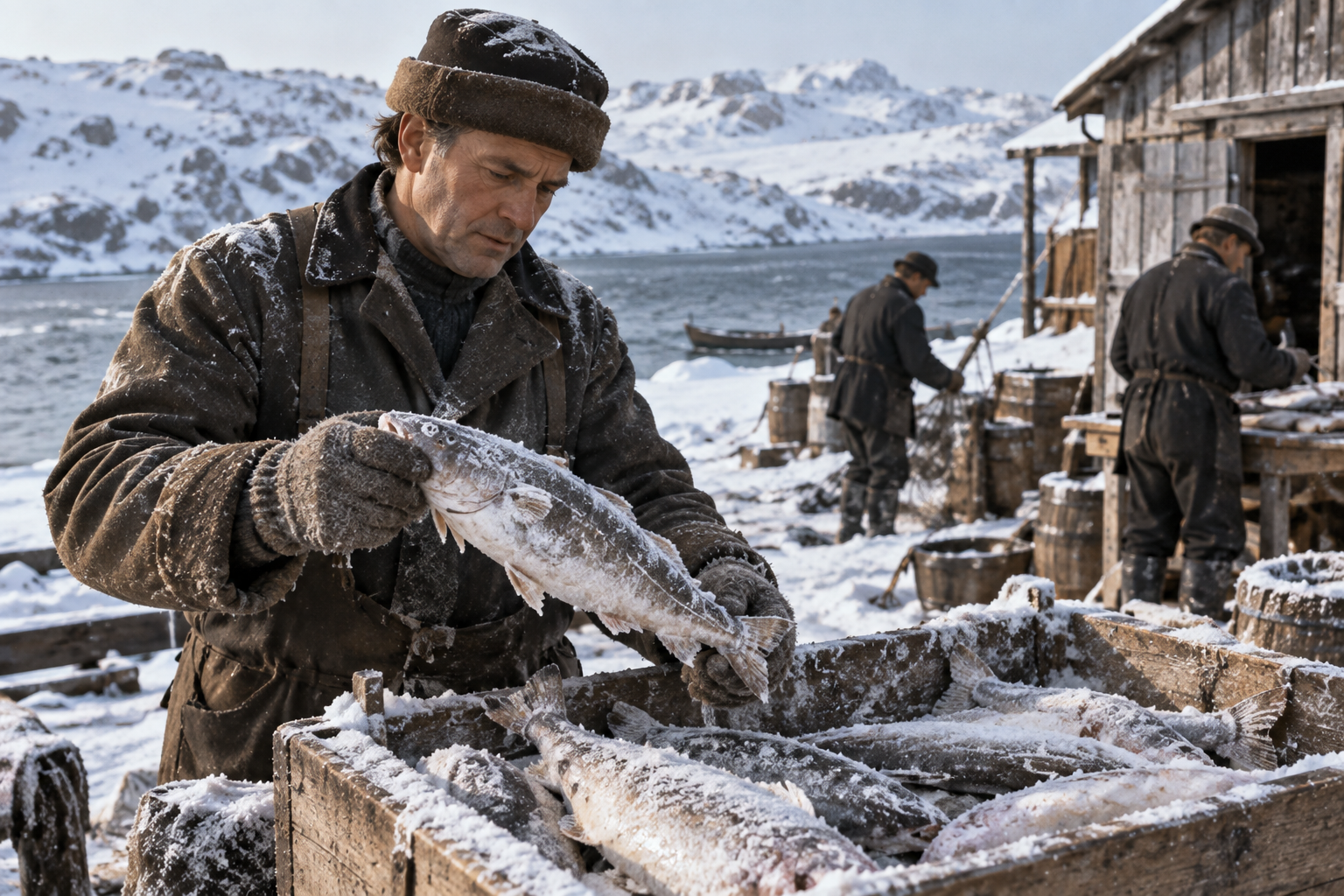
While working in Labrador, Canada, Clarence Birdseye observed that freshly caught fish freezing almost instantly in the Arctic cold retained remarkably good taste and texture when thawed. The science behind this was key: slow freezing creates large ice crystals that rupture cellular structures in food, whereas quick freezing preserves the. Birdseye developed commercial quick-freezing processes during the 1920s that laid the foundation for the modern frozen food industry.