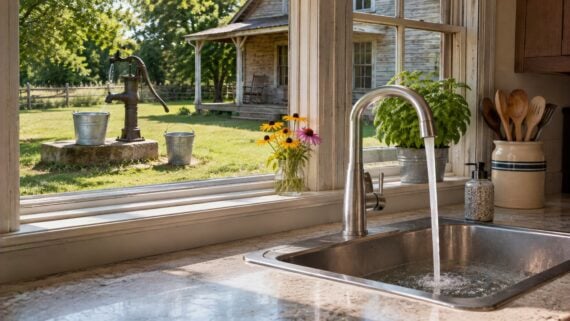
For much of American history, getting water was a daily chore that involved visiting a well, operating a pump, or carrying heavy buckets into the house. Having a faucet indoors eventually eliminated some of the most exhausting parts of everyday life, changing how families cooked, cleaned, bathed, and maintained their homes.
The transition happened gradually. Wealthier urban households gained indoor plumbing earlier, while many rural Americans waited well into the 20th century for basic water service. These 16 changes show how running water transformed American households, public health, home design, and everyday routines.
Families No Longer Had to Carry Water Into the House Every Day
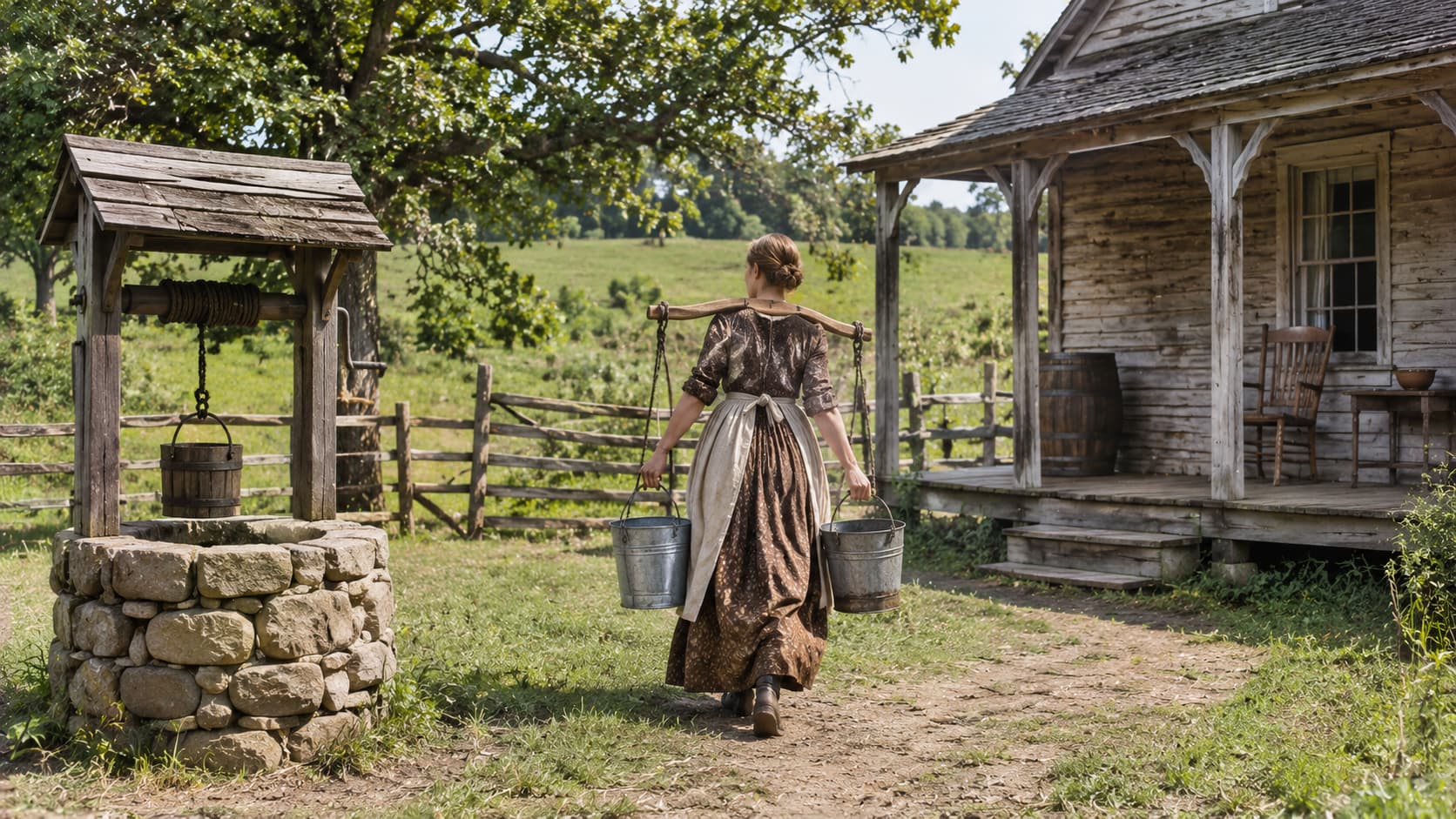
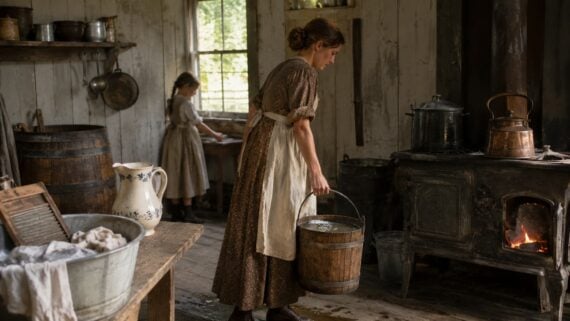
Before indoor plumbing, even preparing dinner or washing dishes could begin with a trip to a well, stream, or communal pump. Families had to carry fresh water inside and take dirty water back outside, making ordinary chores surprisingly physical. The Smithsonian notes that cooking, laundering, and dishwashing all depended on this constant movement of water, a burden that indoor faucets dramatically reduced.
Taking a Bath Stopped Being a Major Production
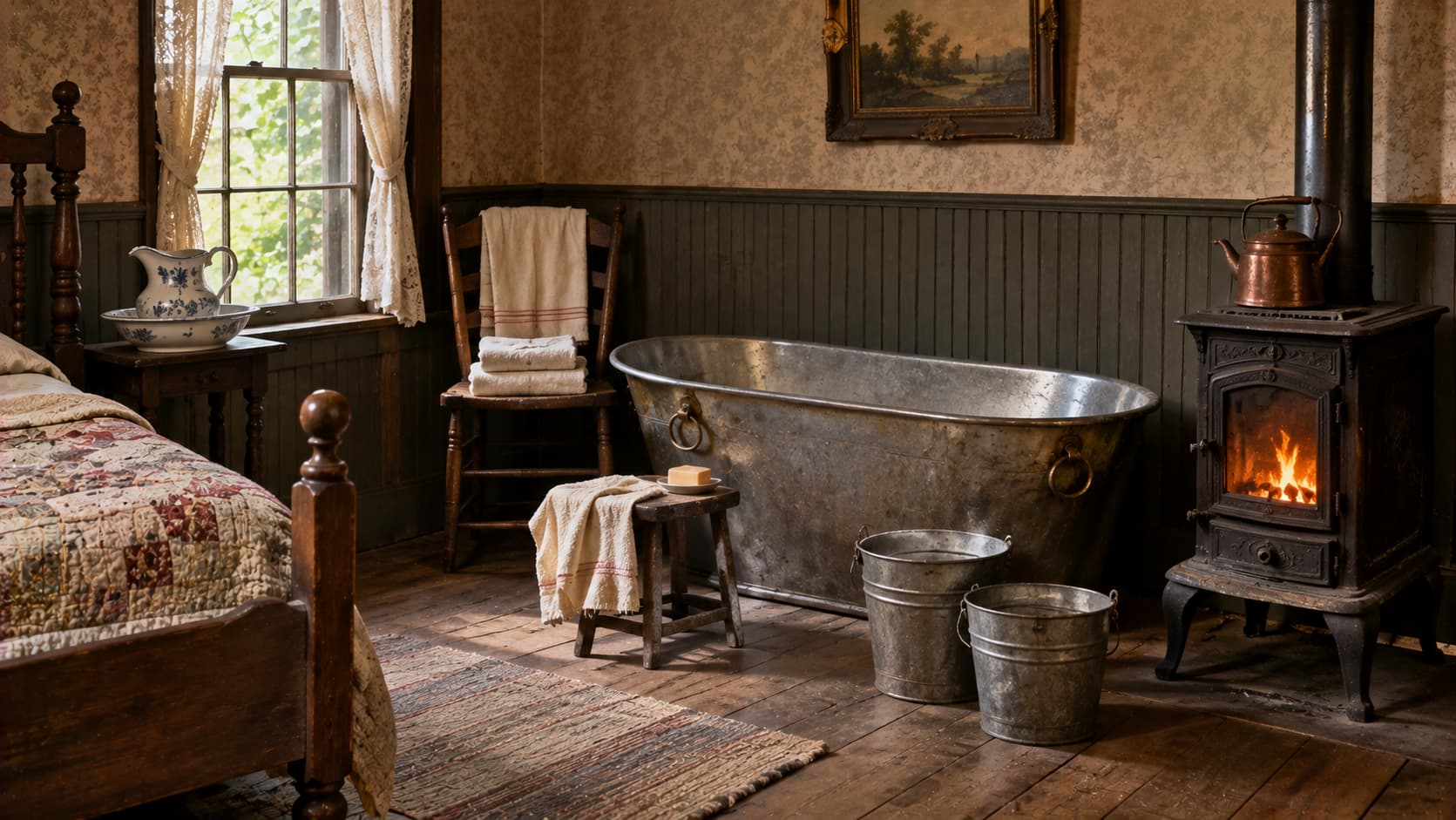
Bathing often meant filling a portable bathtub one bucket at a time, sometimes after heating water on the stove. Some 19th-century Americans used small tubs designed for washing only part of the body because filling a full-size bath required so much work. The Smithsonian’s collection includes folding bathtubs, foot baths, and even a bathtub designed to resemble a hat.
The Outhouse Gradually Lost Its Place in American Backyards
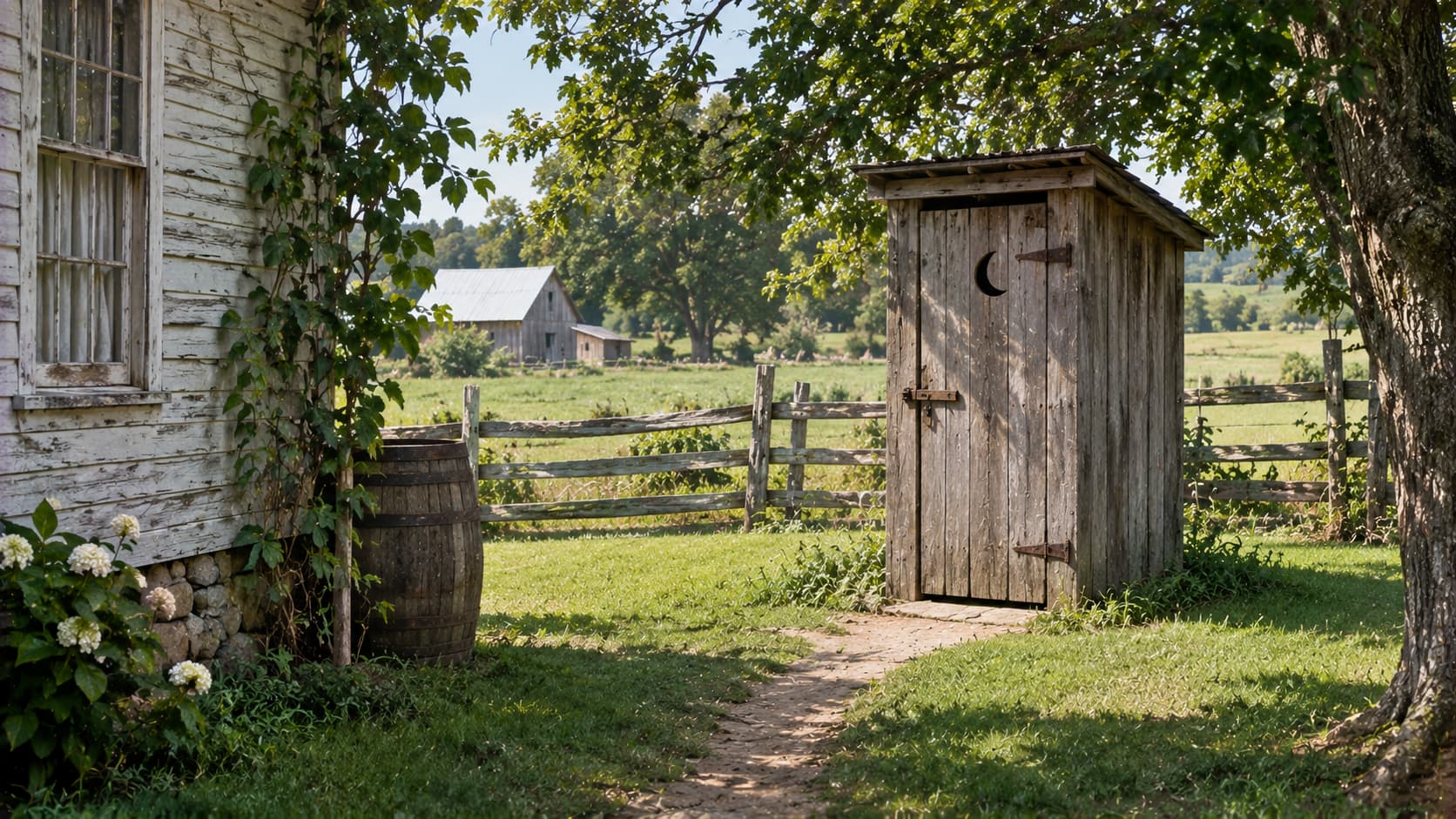
Indoor plumbing helped move one of the most inconvenient household necessities indoors. In 1940, roughly 40% of American dwelling units still lacked a private indoor flush toilet, but by 1950 that figure had fallen to about 29%. Running water alone was not enough: homes also needed toilets and adequate waste-disposal systems, so the transition took decades, especially in rural communities.
Emptying Chamber Pots Disappeared From the Morning Routine
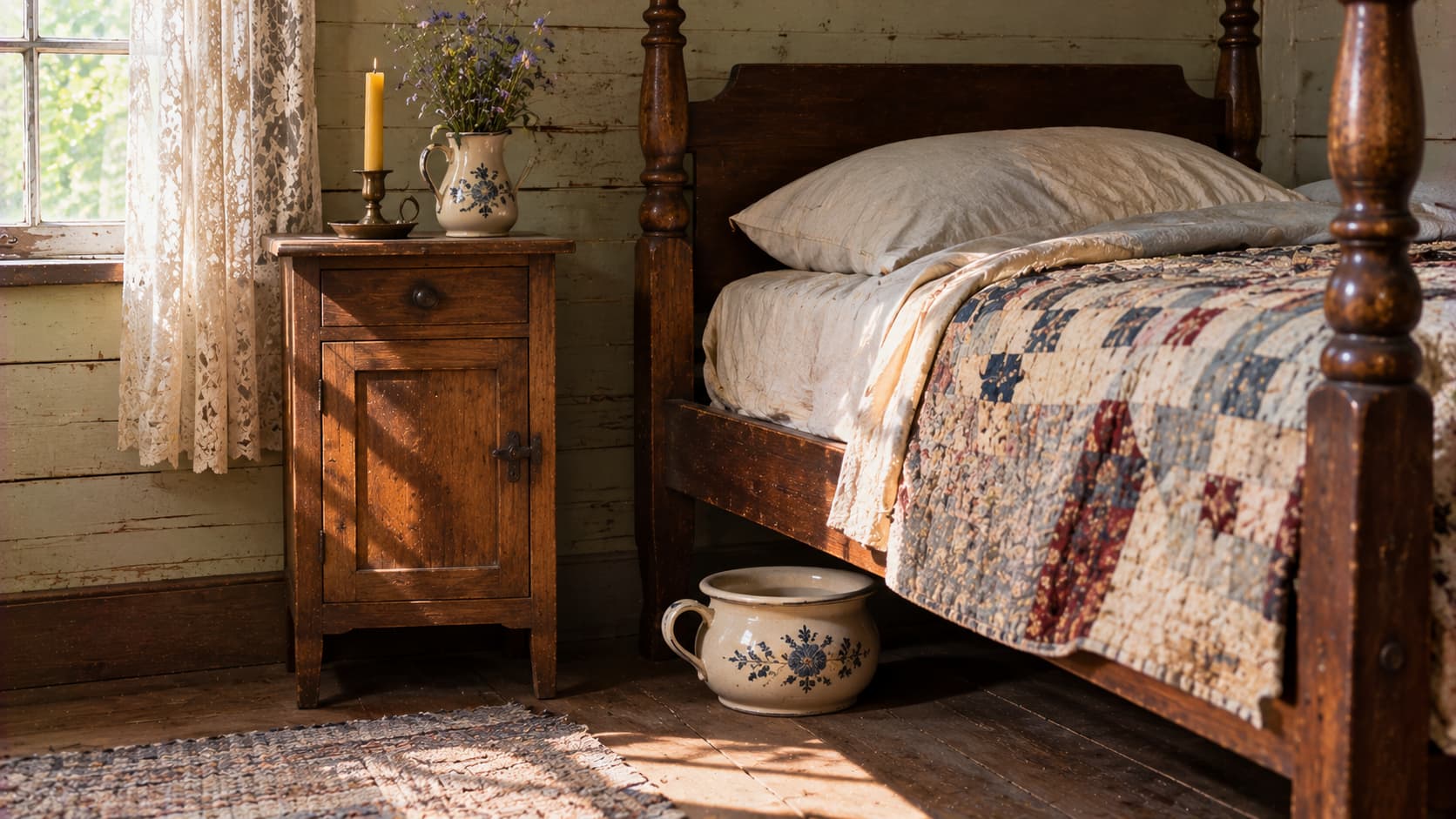
Before indoor toilets became common, many households kept chamber pots beneath beds or inside wooden cabinets. These containers were especially useful on cold nights when nobody wanted to venture outside to an outhouse. Fairfax County historians explain that emptying them each morning was often a woman’s responsibility, an unpleasant household job that modern plumbing eventually made unnecessary.
Laundry No Longer Required So Much Water Hauling
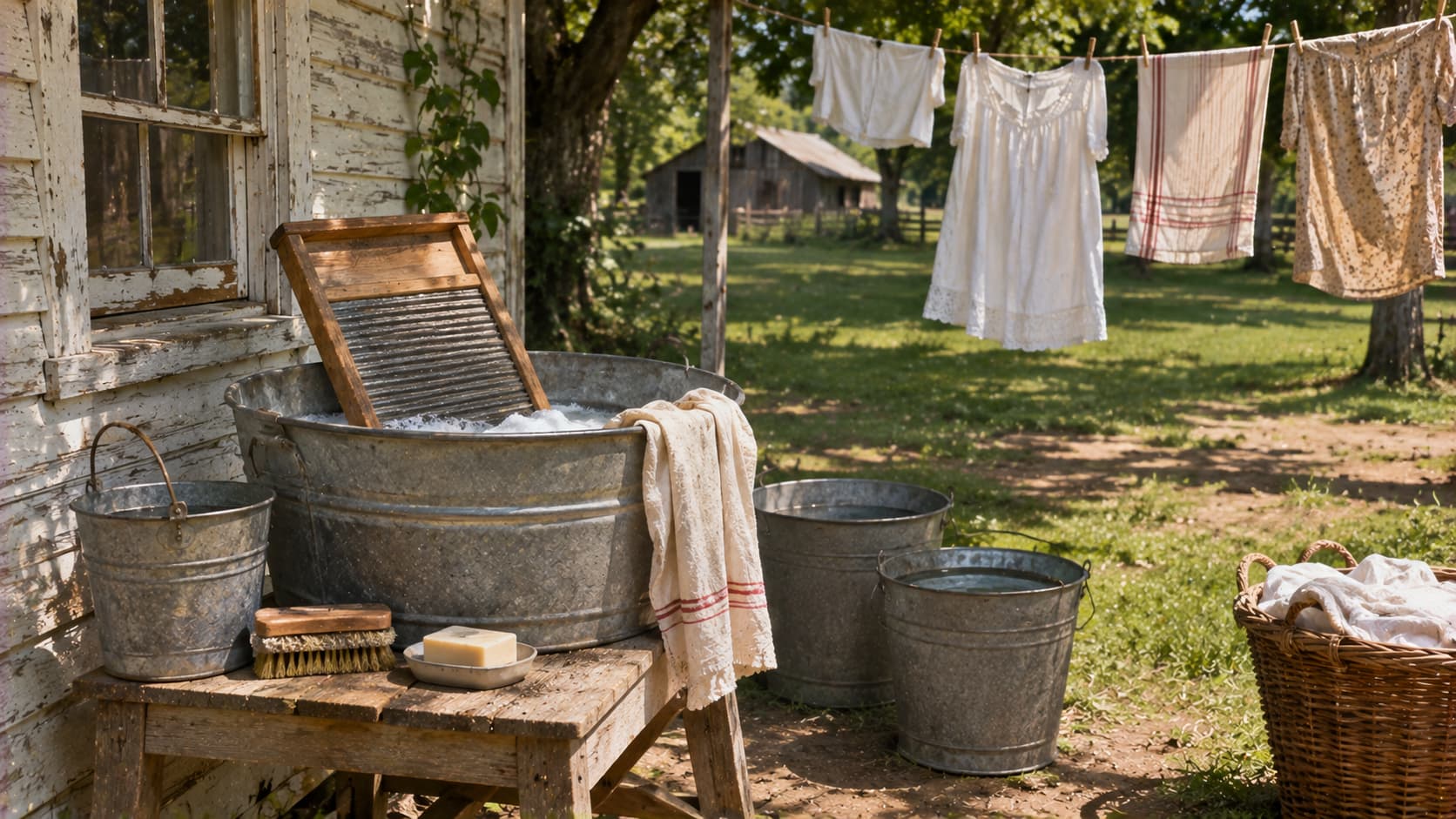
Washing clothes once meant bringing in enough water to soak, scrub, and rinse an entire household’s laundry, then carrying the wastewater away. Even after mechanical washing devices appeared, someone still had to supply the water. Piped water eliminated much of that preparation and, together with electricity and improved machines, helped turn washday from a physically demanding household event into a more manageable chore.
Trending on The Scroller


Washing Dishes Became a Much Simpler Task
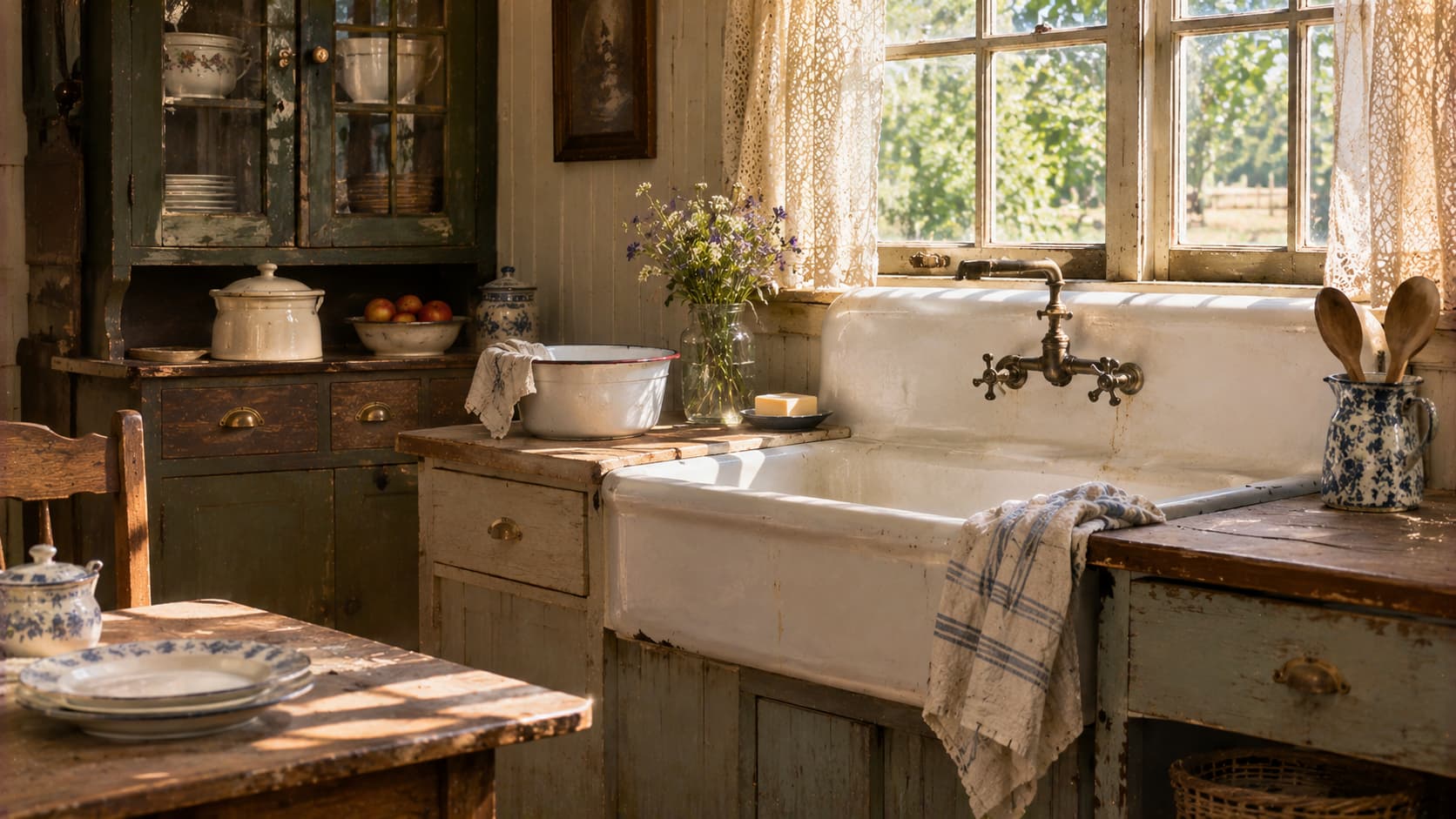
Before kitchen plumbing, cleaning up after a meal could involve fetching water, warming it, filling a washbasin, and disposing of the dirty water afterward. A sink connected to a household water supply removed much of that extra work, although early homes did not necessarily have hot water on demand. The change mattered because cooking and dishwashing required water several times throughout the day.
Washing Hands Became Easier to Make a Daily Habit
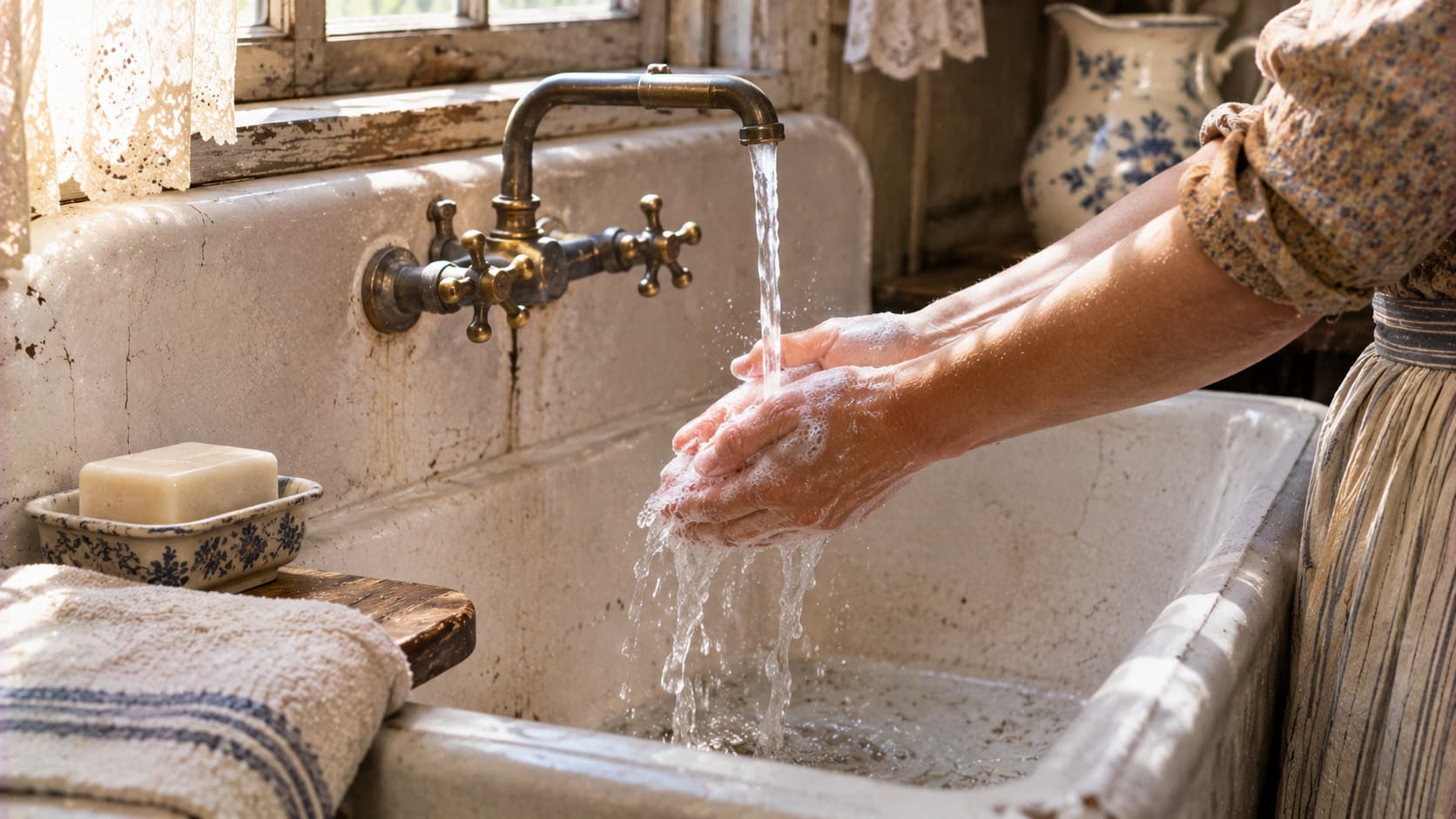
When clean water required a trip outdoors or had to be rationed from a household container, frequent handwashing involved more effort. Indoor faucets made water readily available for washing before meals, after using the toilet, and while preparing food. As germ theory and public health education spread, convenient access to clean water helped households adopt hygiene practices that reduced infectious disease risks.
Private Bathrooms Became an Expected Feature of Homes
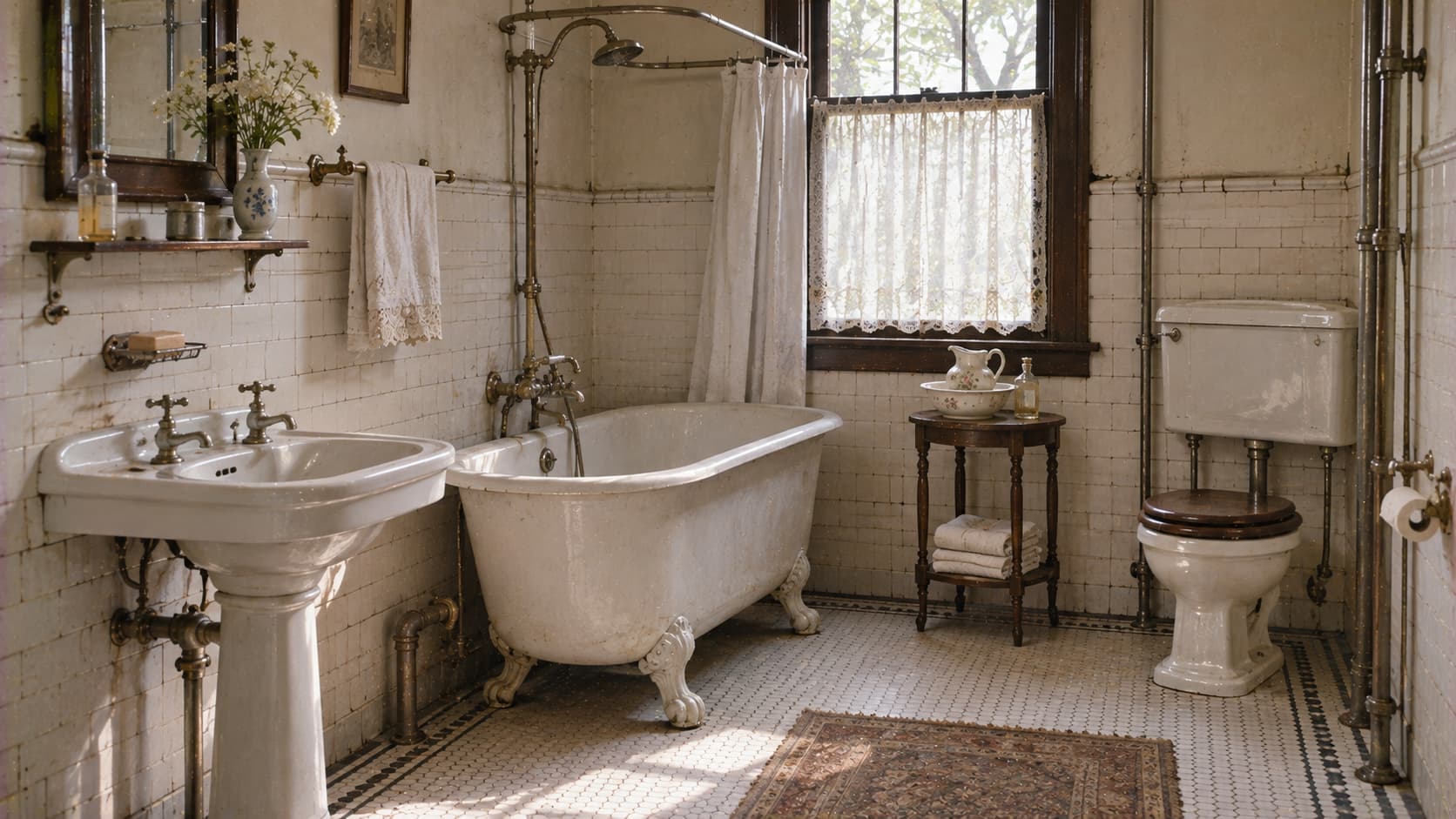
For centuries, washing, bathing, and using the toilet could happen in separate locations, sometimes outside the house entirely. Running water helped transform the bathroom into a dedicated indoor space with multiple plumbing fixtures. The change was gradual: the Census Bureau reports that nearly half of American housing units still lacked complete plumbing in 1940, while only about 1% did in 1990.
Sign up for our newsletter
Hot Water Became Available Without Heating a Pot on the Stove
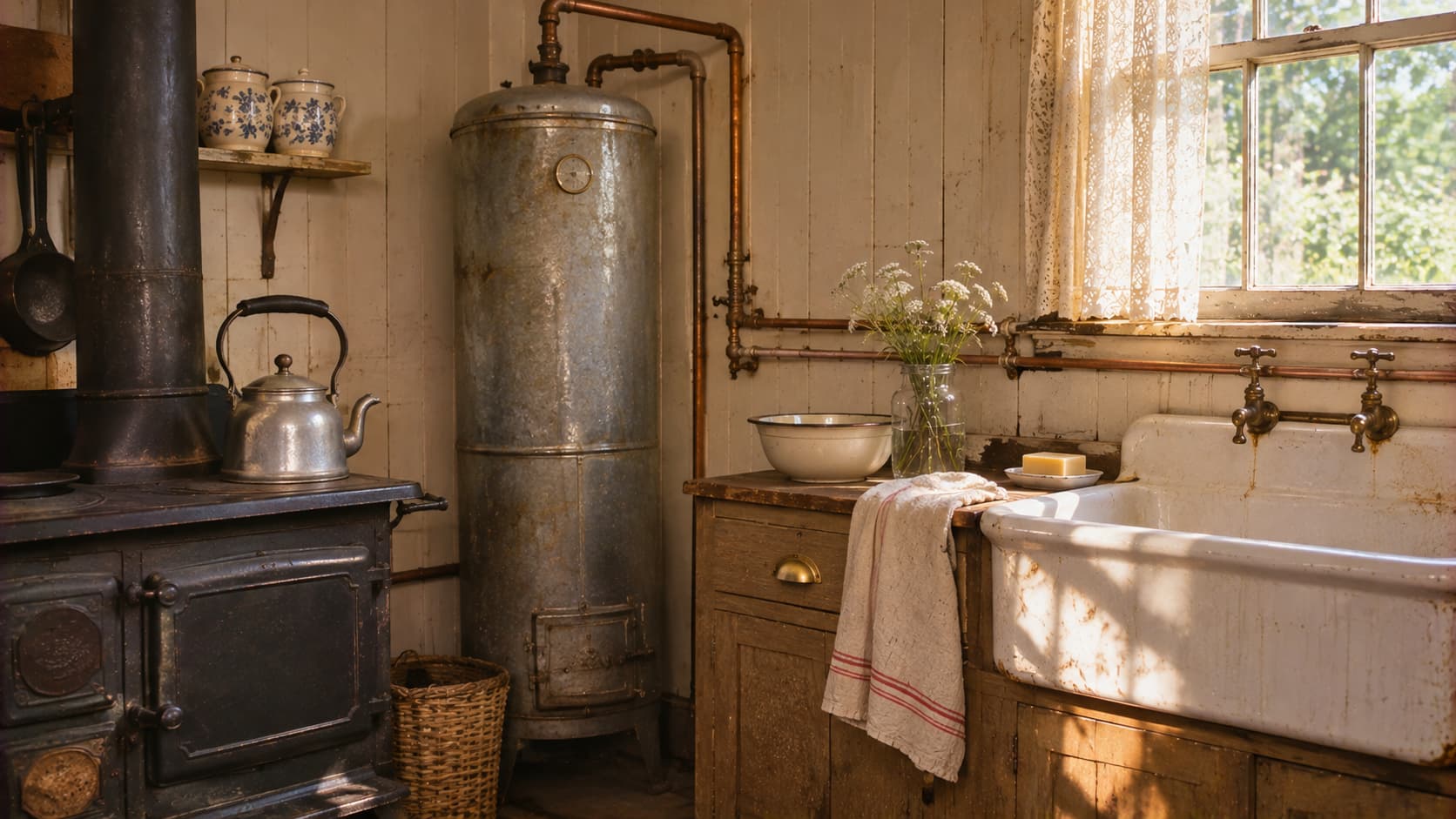
Running water did not automatically mean hot water, and early homeowners still relied on stoves, boilers, or fires to heat their baths and wash water. As household water heaters improved, families gradually gained the convenience of hot water directly from a faucet. The White House offers an interesting example: it received running water in 1833, but its permanent bathtub with hot and cold running water was installed in 1853.
Deadly Diseases Spread Through Drinking Water Became Less Common
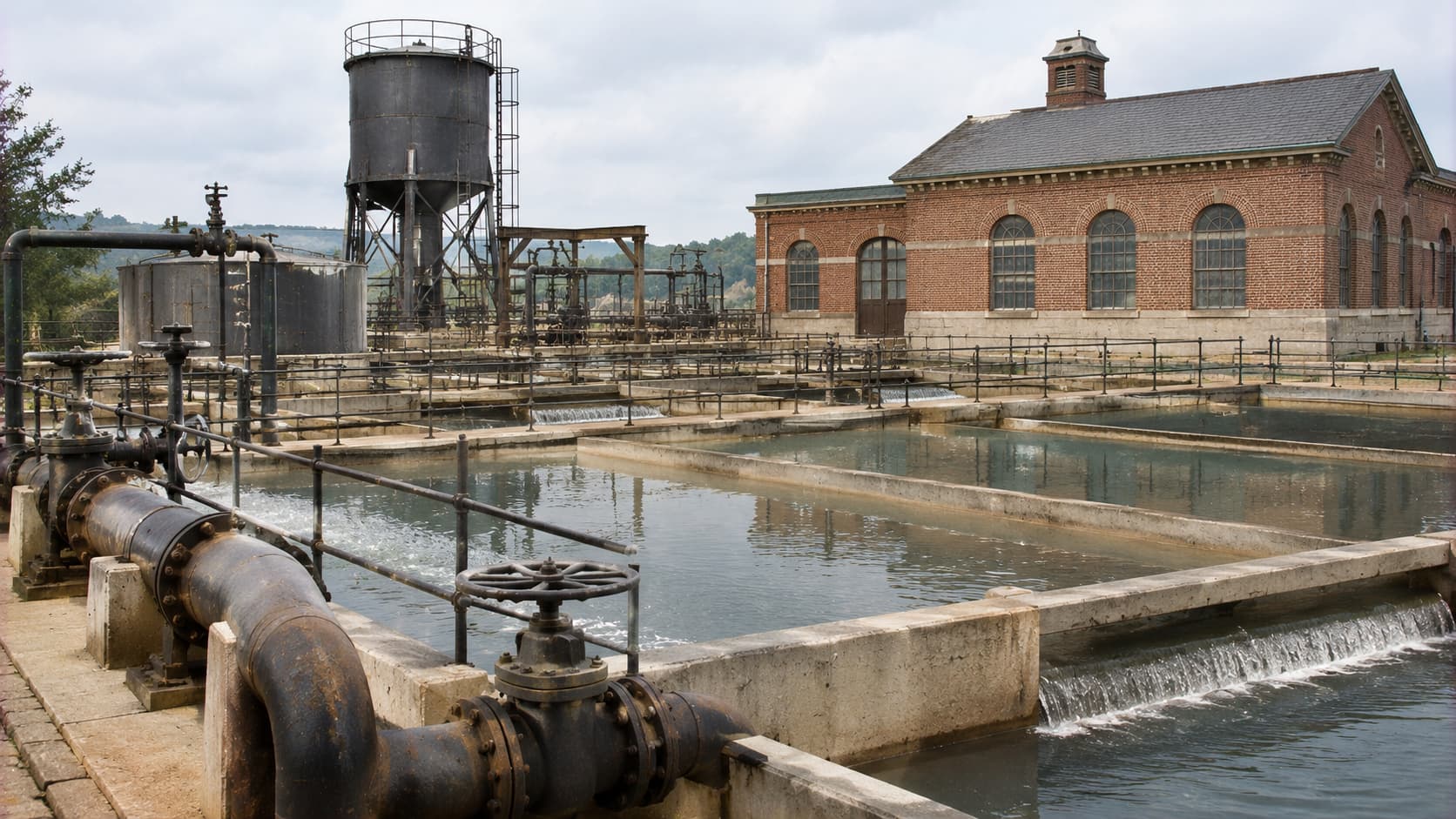
The expansion of municipal water systems, combined with filtration and disinfection, helped dramatically reduce diseases such as typhoid fever. According to the CDC, the United States recorded approximately 100 typhoid cases per 100,000 people in 1900, compared with 33.8 in 1920. Jersey City, New Jersey, began routinely disinfecting its community drinking water in 1908, helping establish a practice that would save countless lives across the country.
Flush Toilets Helped Change What Americans Used as Toilet Paper
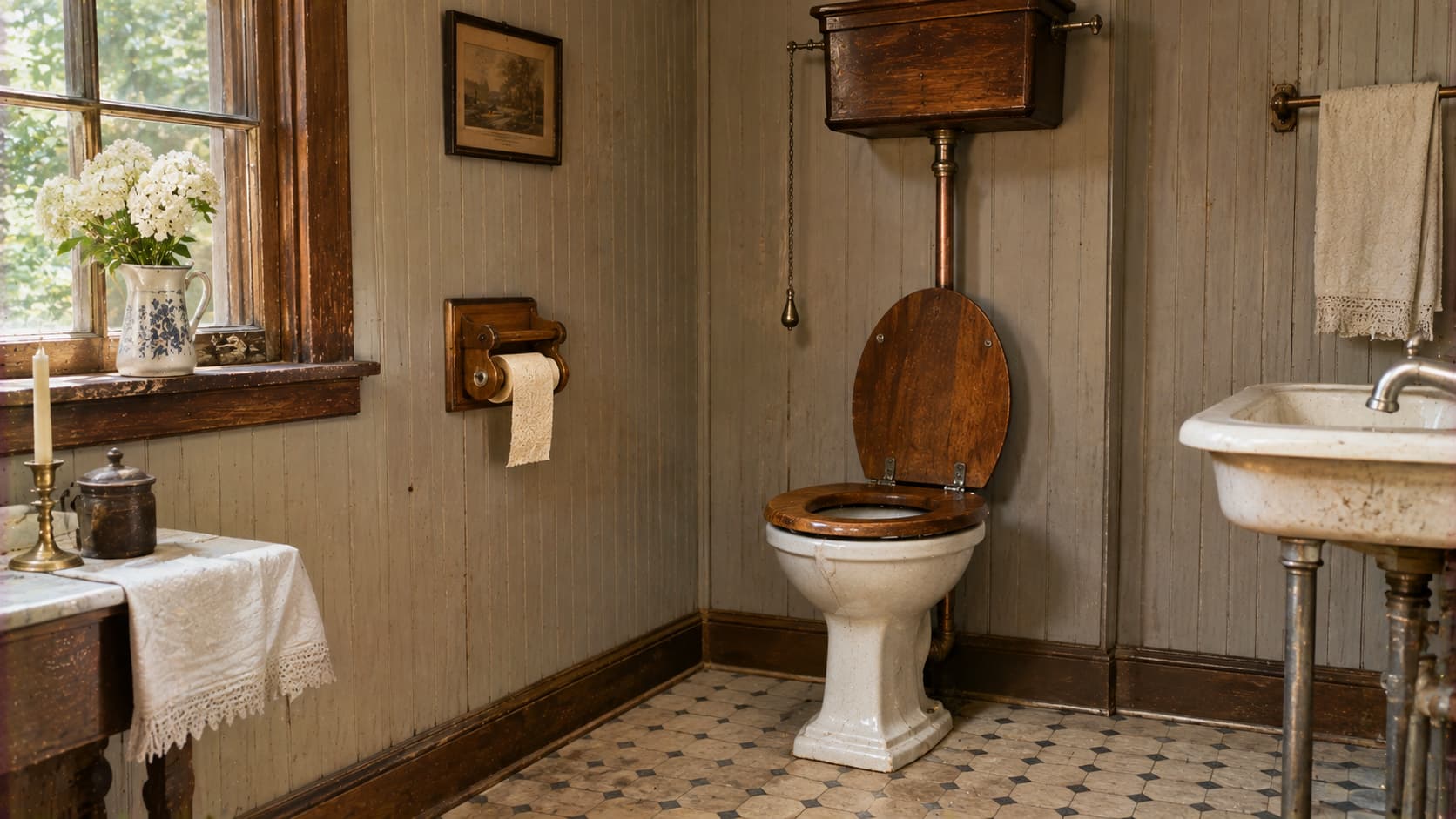
Indoor plumbing even changed something as ordinary as bathroom supplies. The Smithsonian explains that materials such as newspaper, mail-order catalog pages, and corncobs could be used with outhouses, but they were unsuitable for flushing through household plumbing. As flush toilets spread, purpose-made toilet paper became increasingly important, and perforated rolls had taken on their familiar cardboard-tube form by the 1890s.
Rural Families Finally Began Catching Up With City Households
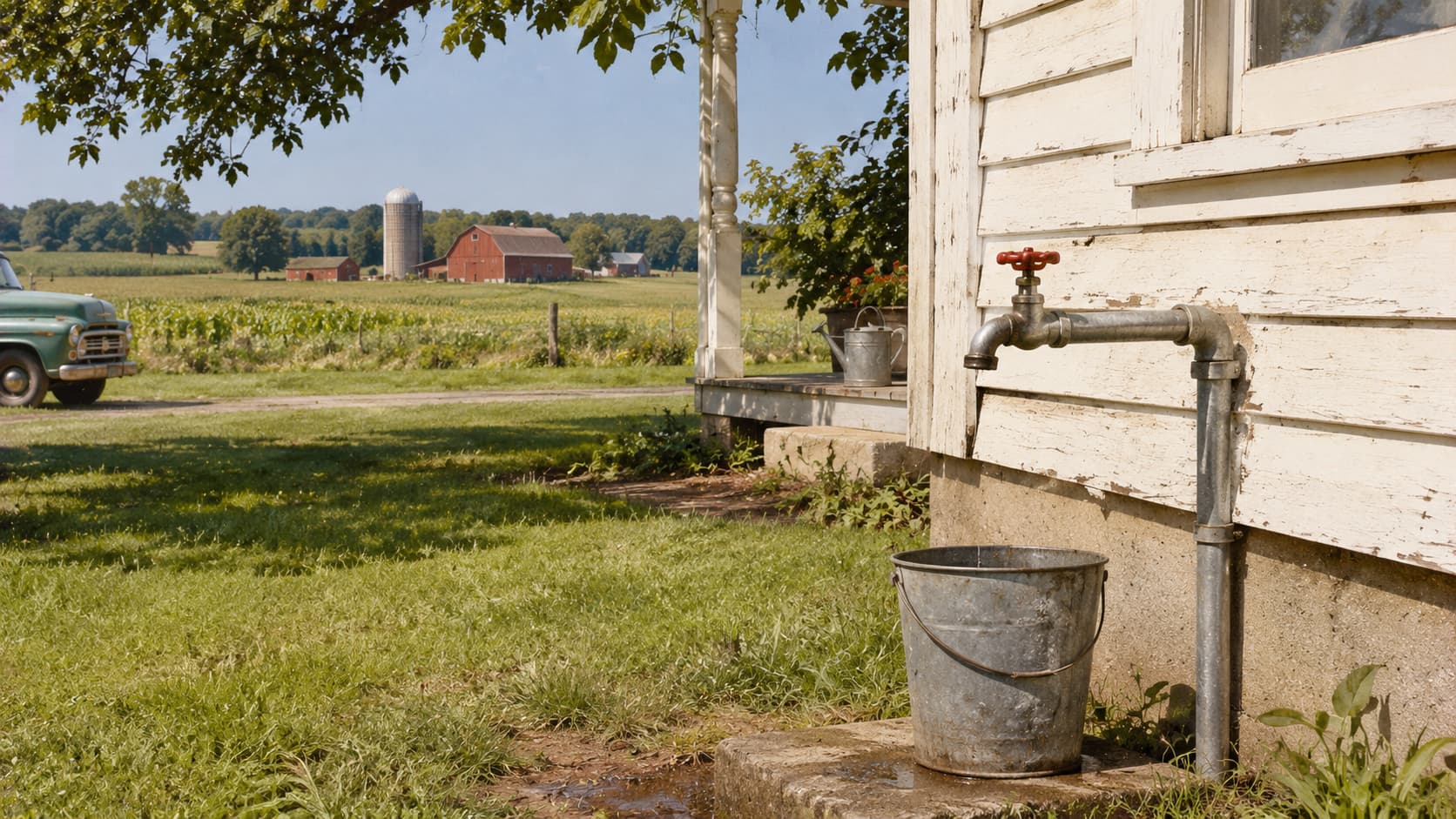
The arrival of running water was dramatically different depending on where Americans lived. According to USDA historical data, 94% of urban homes had piped water in 1040, compared with just 37% of rural homes. By 1970, the rural figure had climbed to 92%, making one of the most significant improvements in country living during the mid-20th century.
Firefighters No Longer Had to Depend So Heavily on Distant Water Sources
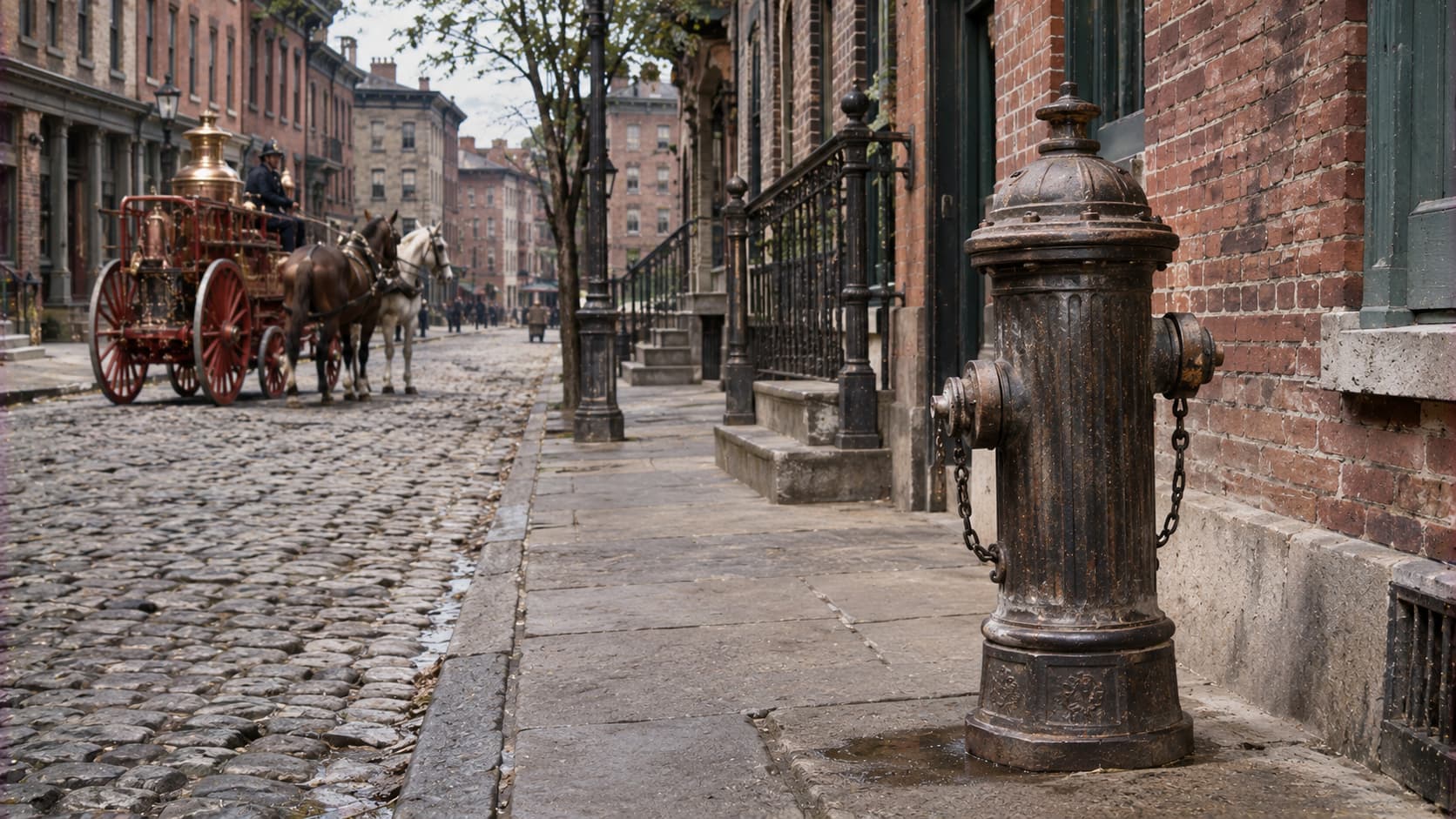
Before dependable municipal water systems, firefighters often needed to transport water or position equipment near wells, rivers, and other sources. Expanding water mains made hydrants possible, allowing crews to access large supplies much closer to burning buildings. The New York City Fire Museum notes that completion of the Croton Aqueduct in 1842 improved firefighting by reducing the need to drag equipment long distances to reach water.
Dishwashers Eventually Became Practical Household Appliances
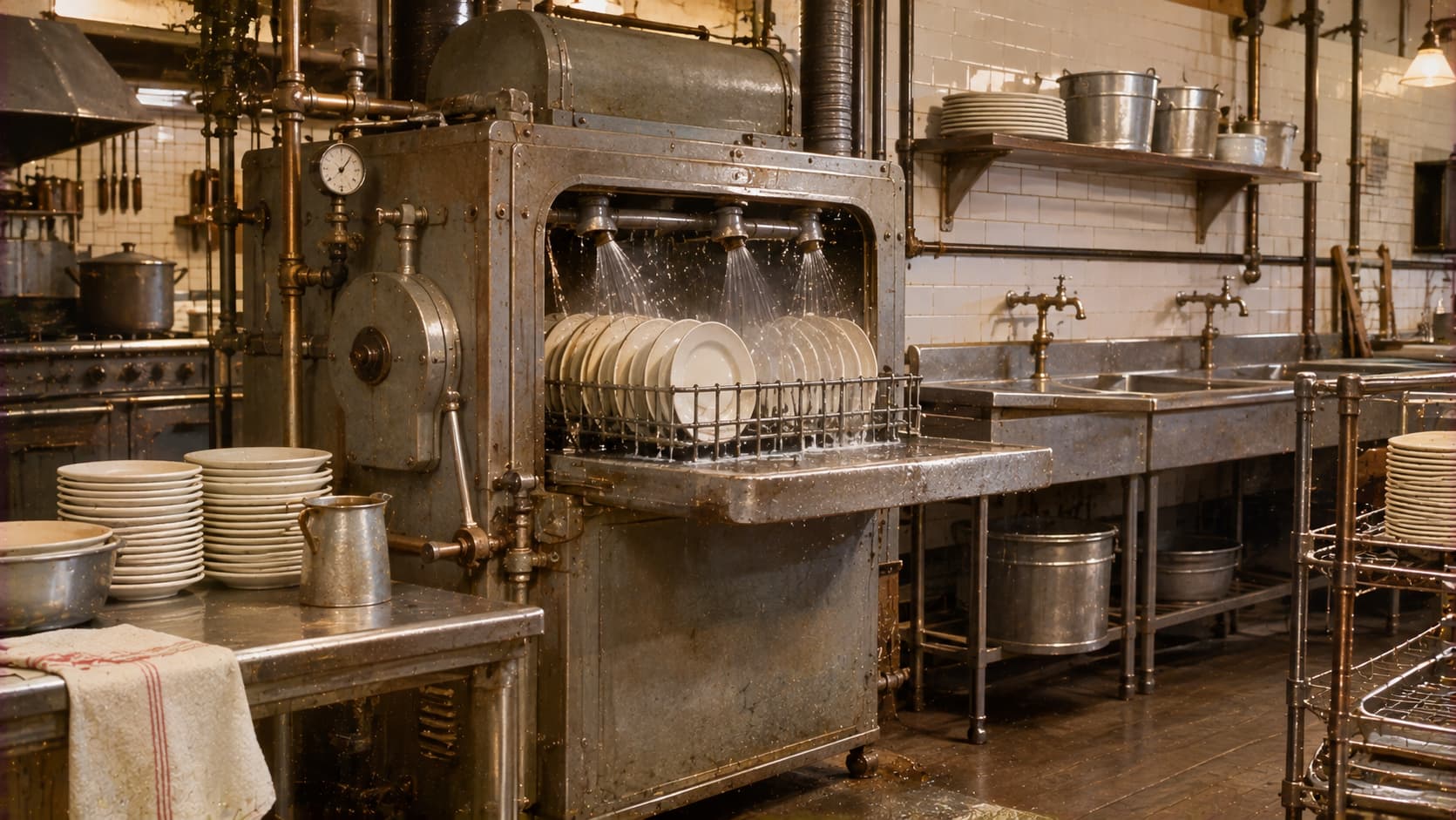
A reliable water supply was one of the foundations that eventually allowed dishwashing machines to become an everyday convenience. Interestingly, commercial kitchens benefited before the machines became widespread in homes. The Smithsonian describes an early-1900s restaurant dishwasher that used sprays of warm water followed by hot rinsing, allowing one worker to perform the dishwashing work previously done by six.
Household Servants Were Freed From Some of the Heaviest Chores
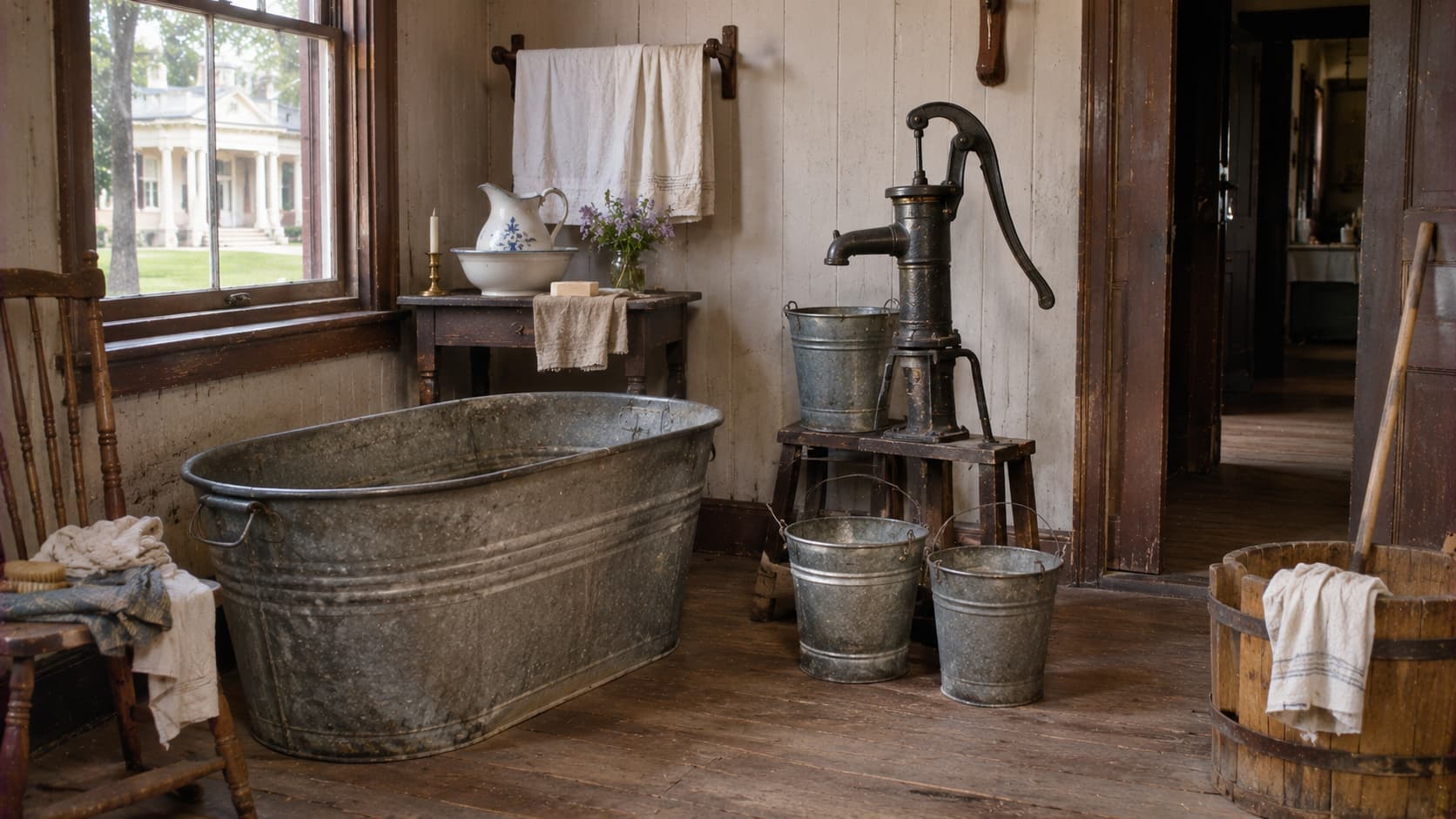
Before indoor plumbing, hauling and heating water could consume a significant part of a domestic worker’s day. Even wealthy houses did not always provide workers with the same conveniences their employers enjoyed. In the 1850s, the White House had hot and cold running water in the president’s bathtub, but servants still bathed in portable tin tubs and carried buckets from pumps, revealing how unevenly plumbing conveniences were distributed.
Apartment Living Became More Comfortable as Plumbing Rules Improved
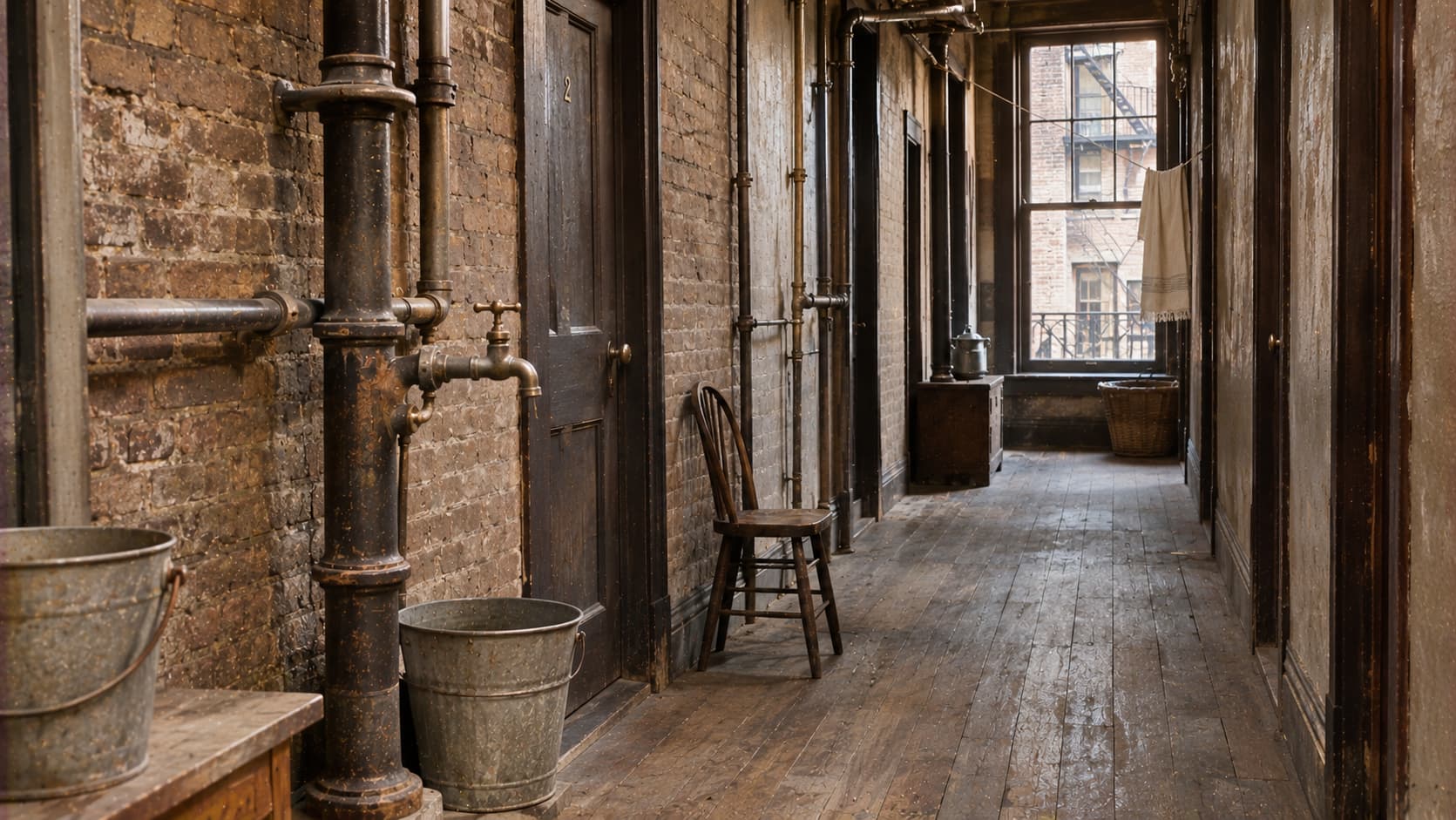
Running water did not initially guarantee that every apartment had its own sink or bathroom. In many older American tenements, landlords installed a single shared water standpipe while residents relied on outdoor privies. Around the turn of the 20th century, stronger building requirements began pushing new apartment construction toward running water and bathroom facilities inside individual units, gradually changing expectations for urban housing.