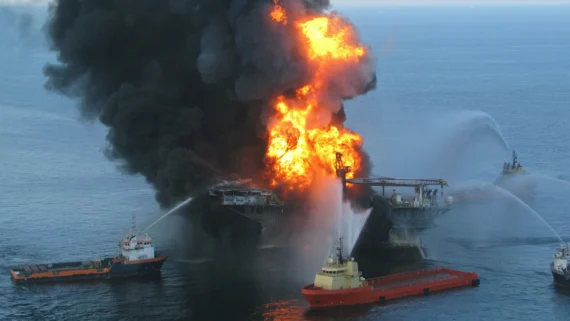
Economic forecasting gets much harder when the stakes are highest. Over the past two decades, central bankers, government economists, Wall Street strategists, and famous investors have made confident calls that unraveled within months. Some merely embarrassed the forecaster, while others influenced investment decisions or policy debates involving billions of dollars. These 15 predictions stand out because reality did not just miss the forecast; it often moved sharply in the opposite direction.
1. Ben Bernanke Said the Subprime Damage Looked Contained
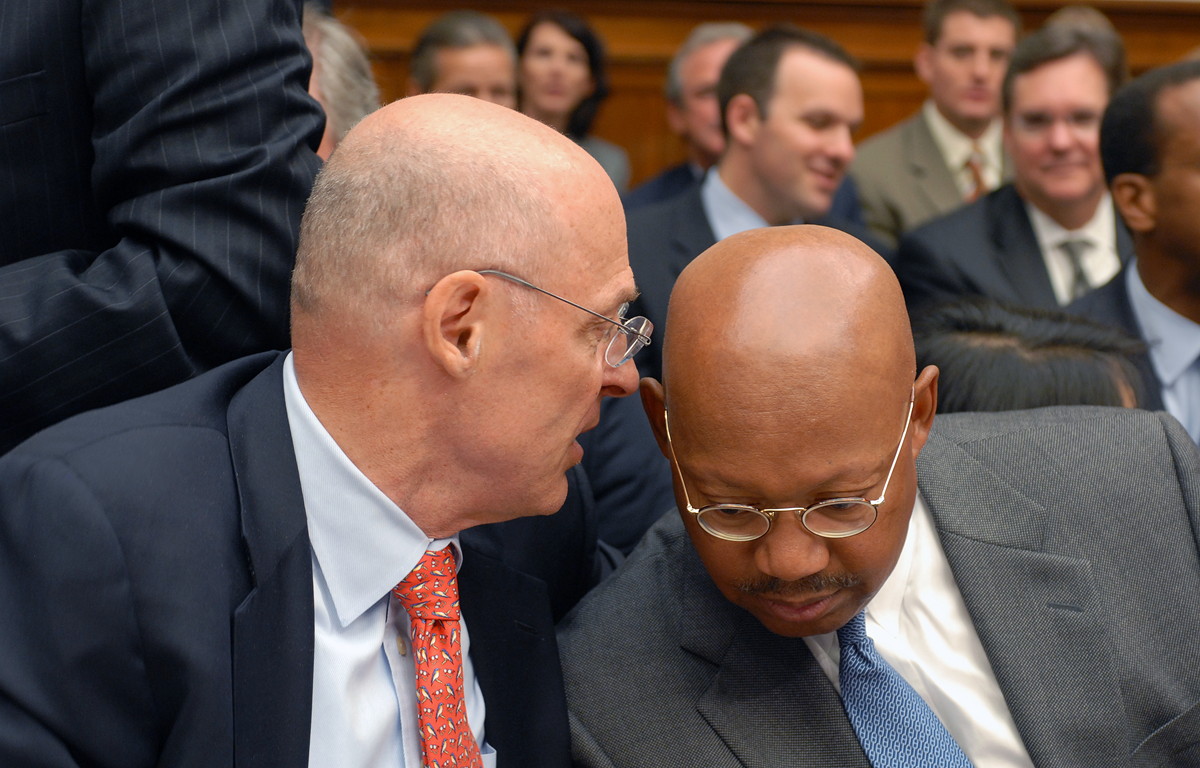
In March 2007, Federal Reserve Chairman Ben Bernanke acknowledged serious trouble in subprime mortgages but said the effects on the broader economy and financial markets appeared likely to be contained. That judgment aged quickly. The mortgage crisis spread through securitized debt, banks, money markets, and eventually the wider economy, helping produce the worst financial crisis in generations. By the end of 2008, U.S. households had lost trillions of dollars in net worth. Bernanke was hardly alone in underestimating the danger, but his prediction became one of the clearest examples of how badly the financial system’s interconnected risks had been misunderstood.
2. The Housing Industry Expected Home Prices to Keep Rising
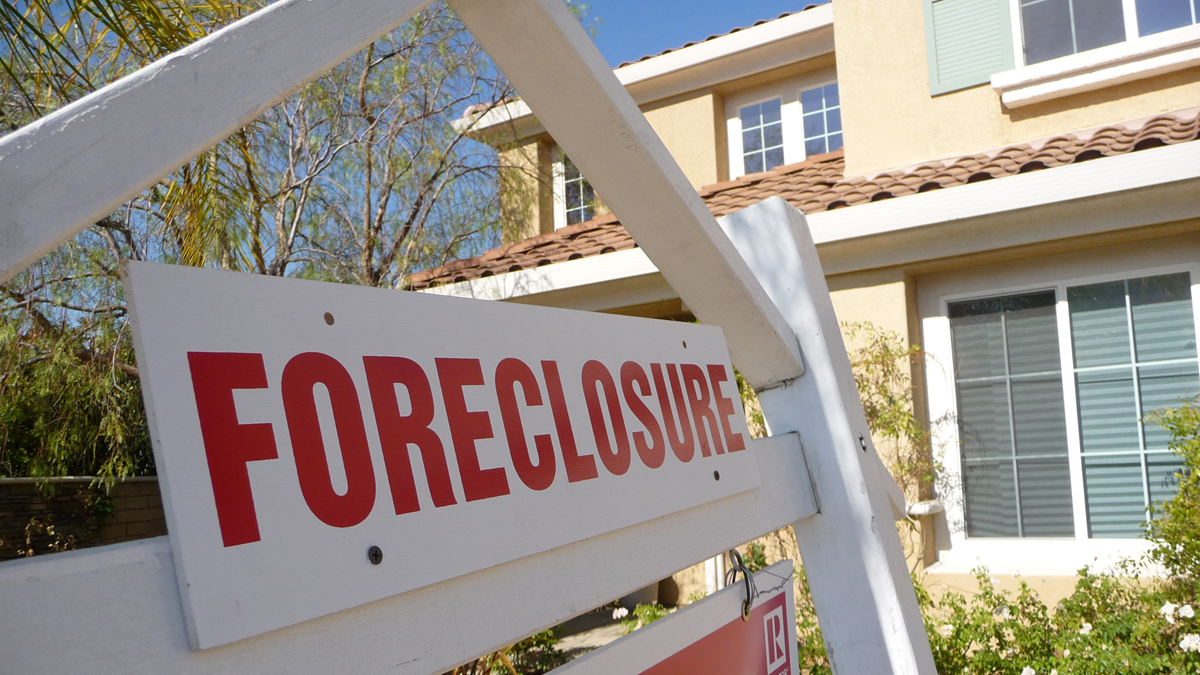
Late in 2006, the National Association of Realtors was forecasting another increase in the national median existing-home price for 2007. Its chief economist at the time, David Lereah, repeatedly portrayed the housing correction as manageable rather than the beginning of something much worse. Instead, prices fell, foreclosures surged, and millions of homeowners ended up owing more than their properties were worth. What looked like a temporary slowdown became the center of a global financial crisis.
3. Goldman Sachs Saw Oil Heading Toward $200
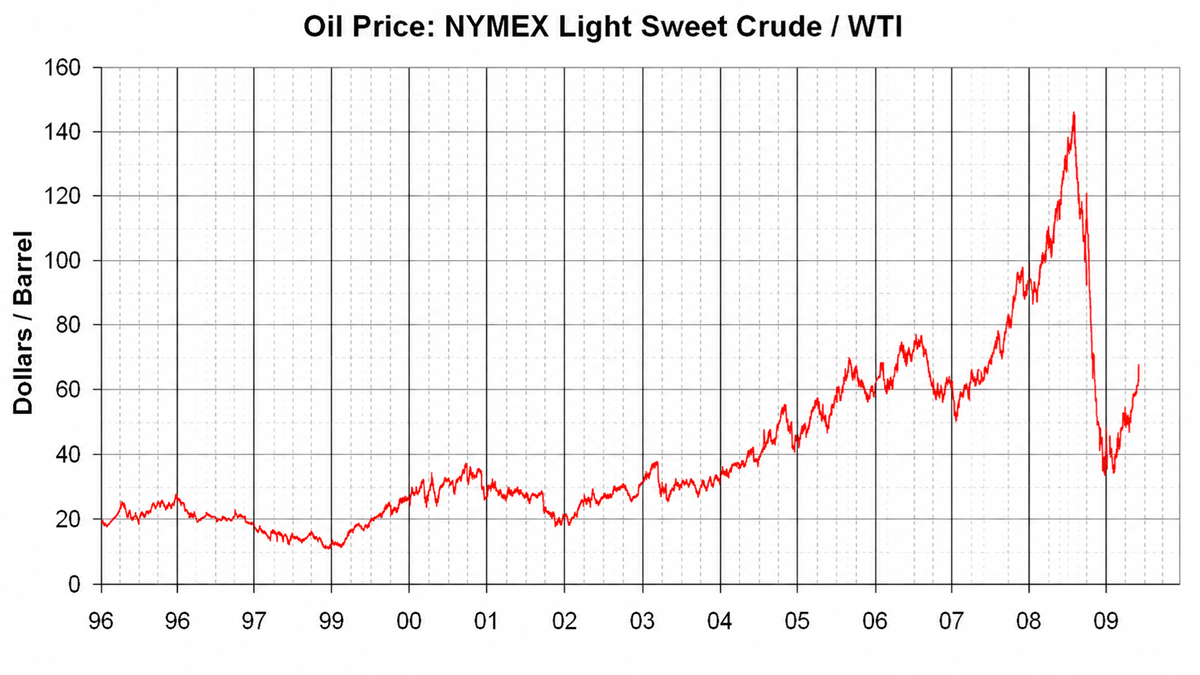
In May 2008, Goldman Sachs analyst Arjun Murti argued that crude oil could reach $150 to $200 a barrel within six to 24 months. The call seemed plausible as oil raced toward $150 that summer. Then the global economy buckled. By late December, West Texas Intermediate crude was trading near $30 a barrel, turning one of the year’s hottest investment stories into a spectacular reversal.
4. The Fed Expected Growth in 2008, Not a Financial Meltdown
Federal Reserve projections released in 2007 still envisioned respectable U.S. economic growth during 2008 and unemployment remaining below 5 percent. Instead, recession had already started by the end of 2007, major financial institutions collapsed or required rescues, and unemployment eventually reached 10 percent. These were not casual television predictions. They were official forecasts produced by the institution responsible for watching many of the risks that were about to erupt.
5. Meredith Whitney Predicted a Municipal Bond Disaster
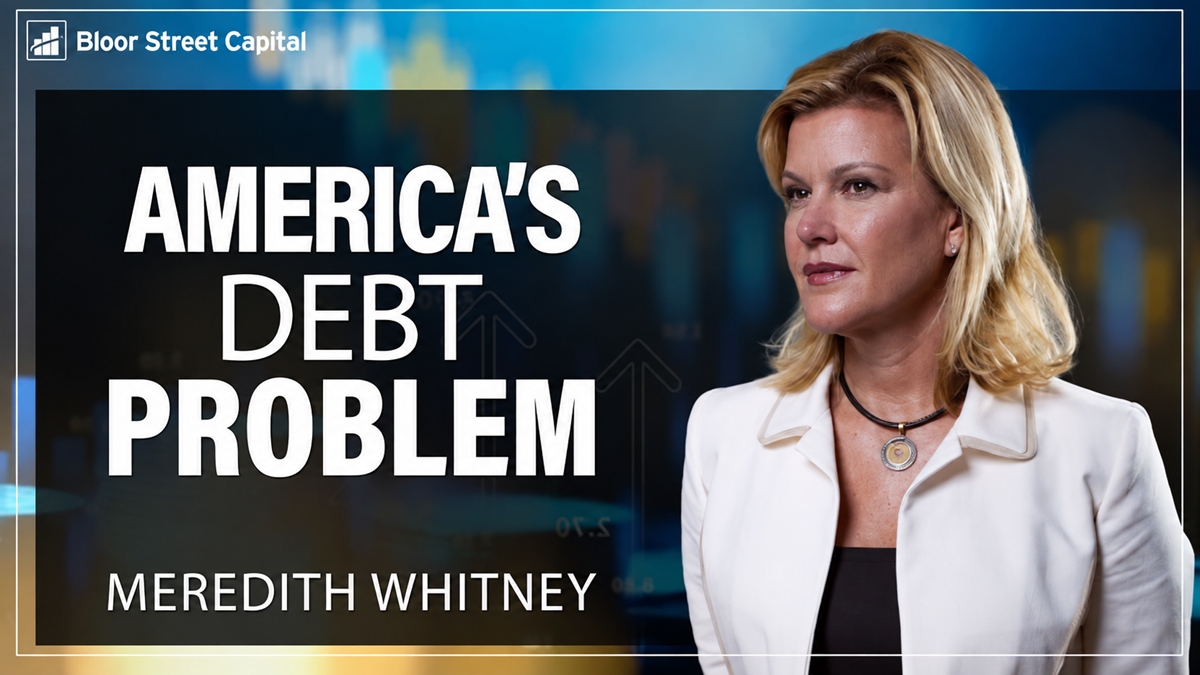
Analyst Meredith Whitney caused a sensation in late 2010 when she warned that the following year could bring 50 to 100 significant municipal defaults totaling hundreds of billions of dollars. Municipal bond funds suffered heavy withdrawals as investors worried that cities and states were approaching a wave of failures. The avalanche never arrived on anything close to the predicted scale. There were serious local fiscal problems, but the broad municipal market proved far more resilient than the headline forecast suggested.
Trending on The Scroller


6. Bill Gross Bet Against U.S. Treasuries
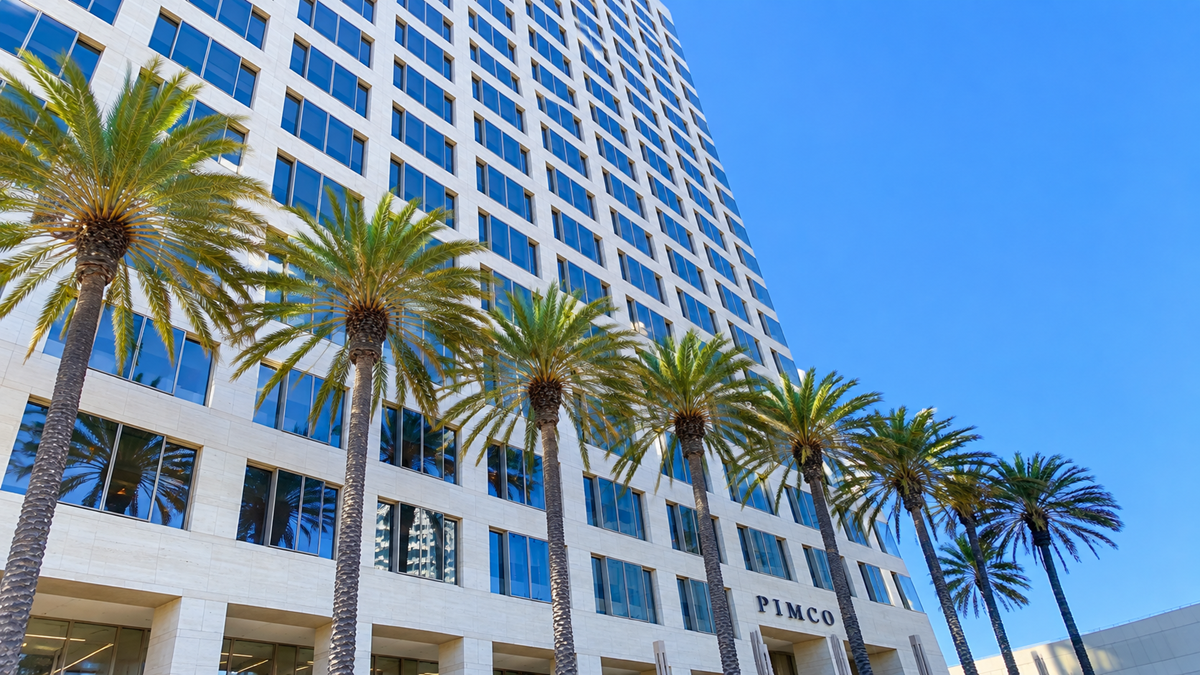
Bill Gross had earned the nickname “Bond King,” which made his 2011 Treasury call especially influential. His enormous Pimco Total Return Fund eliminated its U.S. government bond holdings as Gross expected Treasury prices to struggle once the Federal Reserve stopped its second quantitative-easing program. Instead, slowing growth and Europe’s debt crisis sent investors rushing into Treasuries. Gross later acknowledged the mistake, while his flagship fund suffered billions of dollars in investor withdrawals.
7. Greece’s Bailout Models Underestimated the Recession

When Greece entered its international rescue program in 2010, official models assumed fiscal tightening would hurt, but not nearly as much as it eventually did. The IMF later acknowledged that the program had underestimated the economic damage associated with austerity. Greece’s output collapsed, unemployment moved above 25 percent, and the country endured a depression-scale contraction. The forecasting error mattered because budgets, bailout conditions, and debt projections were all being built around assumptions that proved far too optimistic.
8. Reinhart and Rogoff’s 90 Percent Debt Threshold Fell Apart
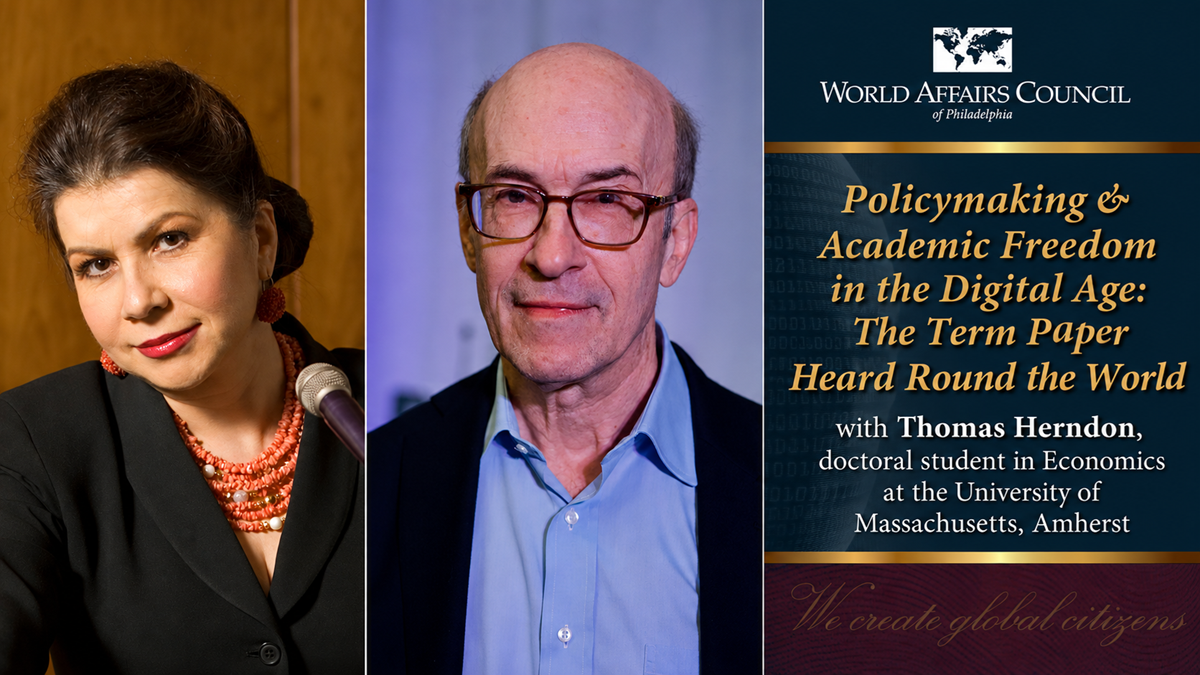
A 2010 paper by economists Carmen Reinhart and Kenneth Rogoff became enormously influential during arguments over government debt. Their research appeared to show that economic growth dropped dramatically once public debt exceeded 90 percent of GDP. In 2013, researchers attempting to replicate the findings uncovered a spreadsheet coding error, along with controversial choices involving excluded data and weighting. Reinhart and Rogoff acknowledged the coding mistake. A seemingly precise dividing line that had entered major austerity debates suddenly looked much less definitive.
Sign up for our newsletter
9. The UK Treasury Predicted an Immediate Brexit Recession
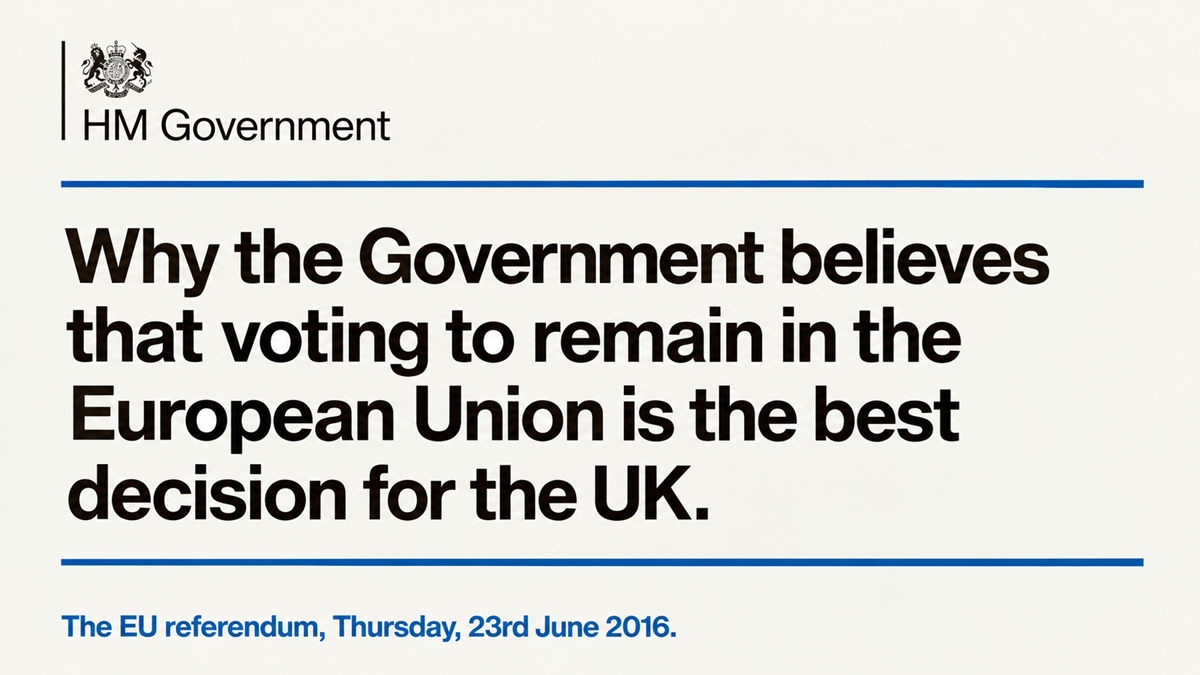
Before Britain’s 2016 referendum on European Union membership, the UK Treasury modeled a Leave vote as an immediate economic shock. Its central scenario projected a year-long recession, significantly higher unemployment, and GDP around 3.6 percent lower after two years than under a Remain scenario. The pound fell sharply, and longer-term Brexit costs remain heavily debated, but the predicted immediate recession did not happen. Britain continued recording economic growth after the referendum.
10. Peter Schiff Expected the Dollar to Collapse
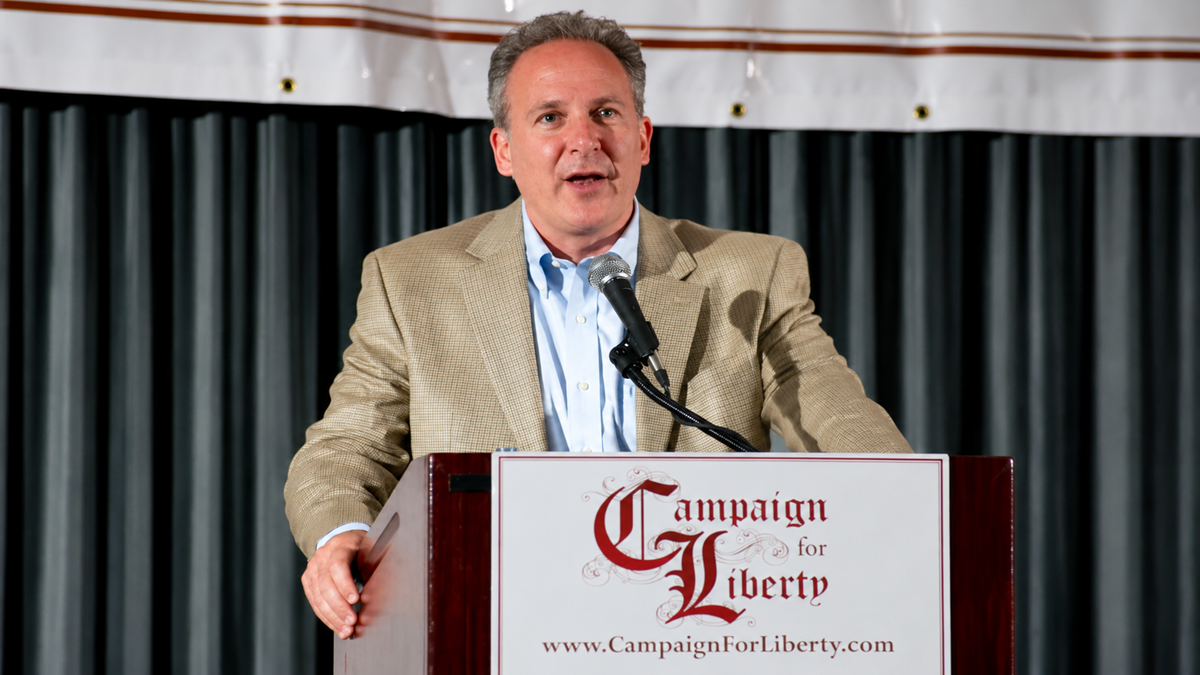
Peter Schiff correctly warned about serious weaknesses in the U.S. housing market before the financial crisis, which gave his later predictions considerable attention. By 2009, however, he was warning that the dollar could suffer a massive decline and saying a currency collapse might arrive relatively soon. He even suggested a drop of 50 to 70 percent could occur before Barack Obama left office. It did not. The dollar remained central to global finance and periodically strengthened during later episodes of market stress, leaving investors who had positioned for an imminent currency breakdown waiting for an event that never came.
11. Marc Faber Thought the Recovery Could Take Five to Ten Years
At the depths of the financial crisis, investor Marc Faber offered an exceptionally gloomy timetable for recovery. In late 2008, he suggested that a meaningful recovery might not arrive for five or even ten years. Markets turned much sooner. U.S. stocks bottomed in March 2009 and then began a powerful bull market, with the S&P 500 rising dramatically over the following years. Investors who stayed out waiting for the long stagnation Faber envisioned risked missing one of the strongest recoveries in modern market history.
12. The Fed Expected Near-Zero Rates Through 2023
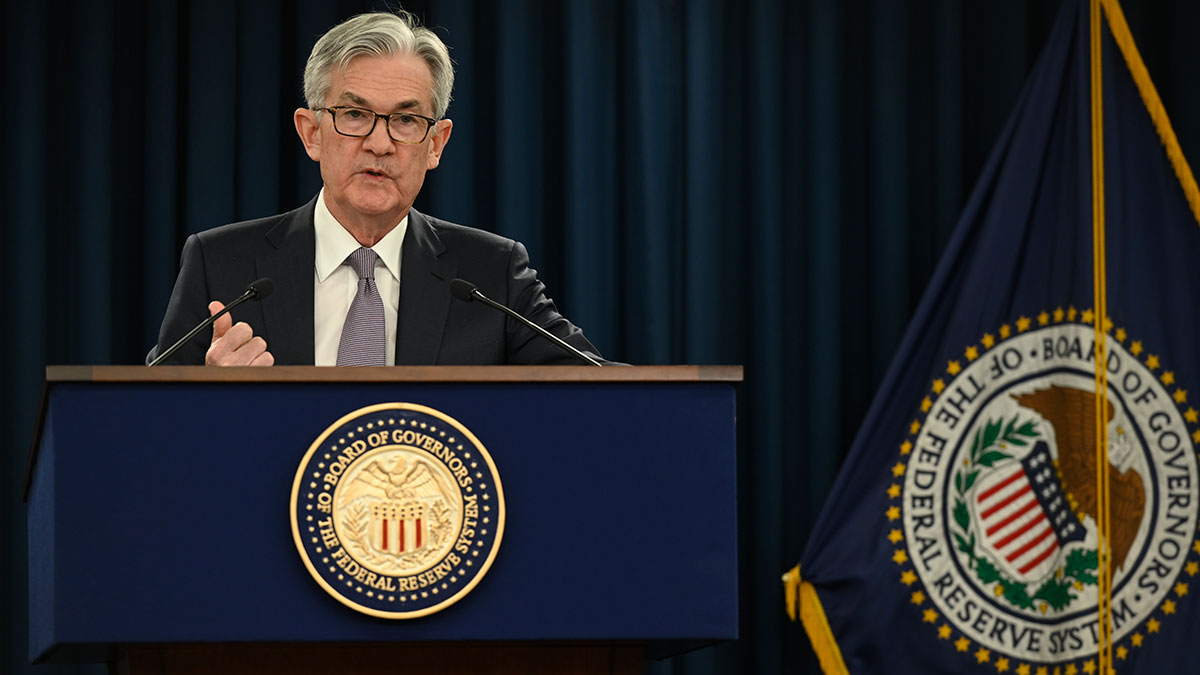
In September 2020, the median Federal Reserve policymaker projected that the federal funds rate would remain around 0.1 percent through the end of 2023. That seemed reasonable in an economy still recovering from the pandemic collapse. Instead, inflation surged, and the Fed launched one of its fastest tightening cycles in decades. By 2023, its policy rate was above 5 percent, and investors who had expected years of ultra-low rates had already suffered enormous losses in bonds and other rate-sensitive assets.
13. Inflation Was Supposed to Be Transitory
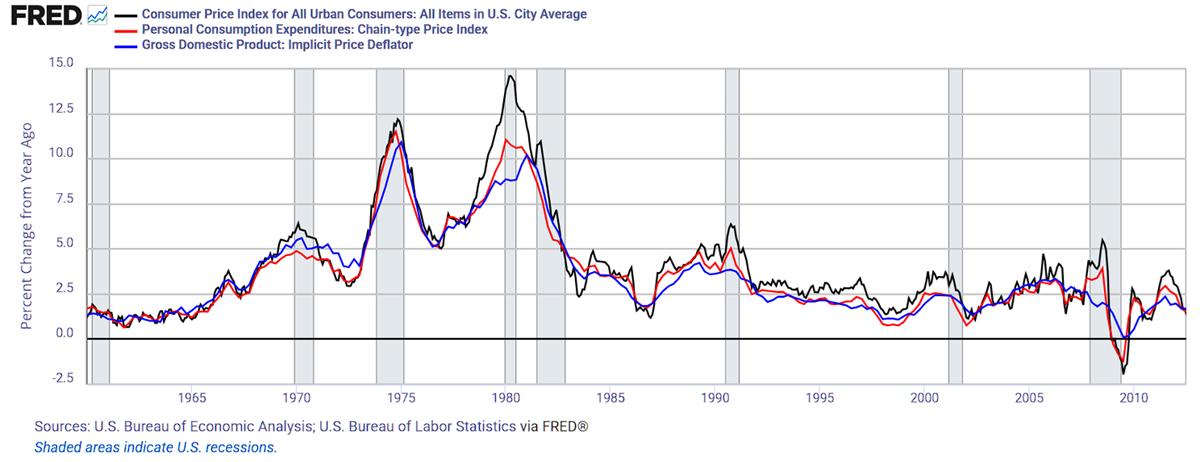
Few recent economic words aged as badly as “transitory.” Through much of 2021, Federal Reserve officials argued that high inflation was largely tied to reopening effects, supply disruptions, and unusual pandemic-era price movements that should fade. Instead, inflation broadened and persisted, forcing the central bank to abandon the language and begin an aggressive rate-hiking cycle. The adjustment hit bonds, stocks, mortgages, housing affordability, and corporate borrowing costs almost simultaneously.
14. Bloomberg Economics Put Recession Odds at 100 Percent
By October 2022, recession calls had become common across Wall Street, but Bloomberg Economics went unusually far. Its model put the probability of a U.S. recession within the following 12 months at 100 percent. October 2023 arrived without one. Employment remained resilient, consumers kept spending, and the economy continued expanding. Investors who had dramatically reduced risk based on a supposedly certain downturn also watched stocks rally while the recession refused to appear.
15. Morgan Stanley Expected the S&P 500 to Plunge in 2023
Morgan Stanley strategist Mike Wilson entered 2023 as one of Wall Street’s most respected bears after correctly anticipating much of the 2022 stock-market decline. He warned that the S&P 500 could fall toward 3,000, more than 20 percent below its early-2023 level, as earnings deteriorated and recession pressure increased. Instead, stocks surged. By July, Wilson publicly conceded that his team had been too pessimistic, while the rally kept going through the end of the year. Investors who stayed heavily defensive, waiting for the predicted plunge, missed a major rebound.
In the mood for more?
Check out 18 Photos of Moments That Capture Definitively Bad Economics, or take a look at 15 Money Rules That Sound Right but Fall Apart Under Pressure. If you want to see more financial stories, you can check out 15 Financial Habits People Learn in Their 40s and Wish They Started at 25.