Historical beauty trends have a special talent for making us wonder what people were thinking. From impossibly tall hairstyles to beauty products containing ingredients we´d never dream of putting near our faces today, the pursuit of looking fabulous has taken some pretty unexpected turns.
But there’s something wonderfully nostalgic about flipping through old beauty ads and photographs. Every generation had its own idea of glamour, and not every questionable-looking trend was actually dangerous. Some were risky, some were wildly impractical, and others simply belonged to a very different era. Ready for a little trip through the beauty cabinet of the past?
1. Lead-Based White Face Makeup
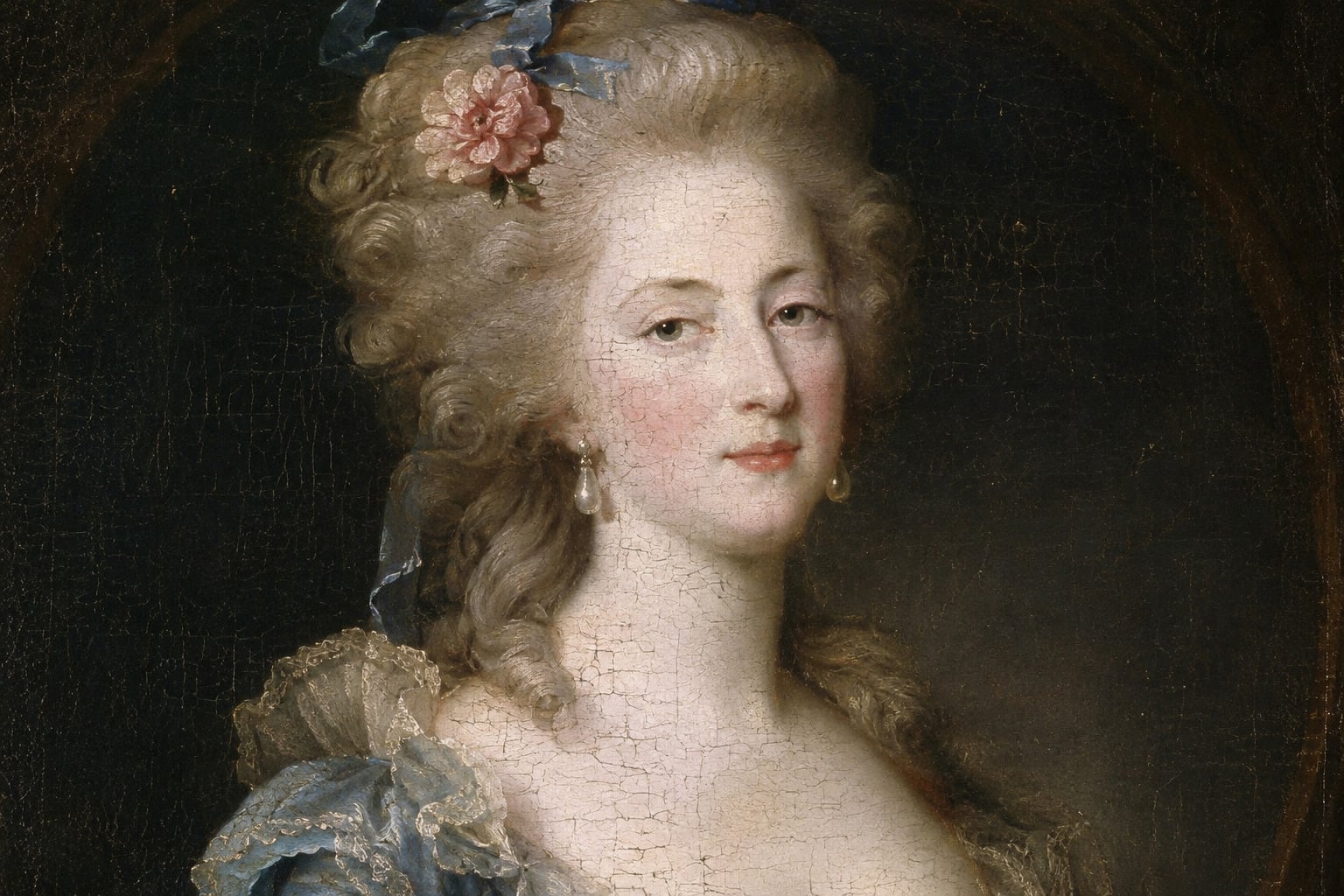
A flawless, porcelain-white complexion was once the ultimate beauty goal in parts of Europe, and Venetian ceruse promised exactly that. Popular in earlier centuries, this cosmetic contained white lead, which could create the pale appearance fashionable among wealthy women. The problem? Lead is toxic, especially with repeated exposure. Looking at elegant historical portraits, it’s easy to admire the makeup without realizing what might have been hiding in the powder.
2. Arsenic Complexion Wafers
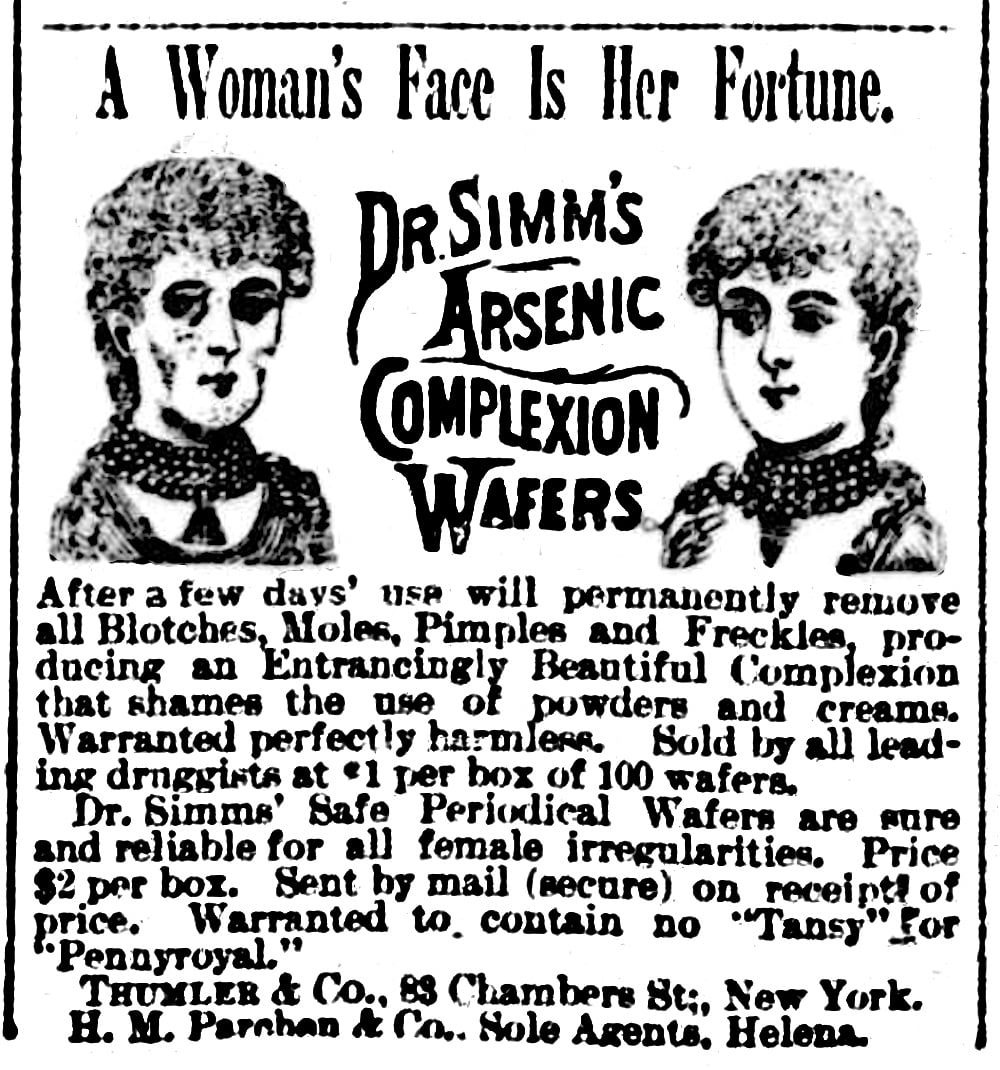
Imagine opening a vintage beauty magazine and finding an advertisement encouraging you to eat arsenic for better skin. During the 19th century, arsenic complexion wafers were marketed as a way to achieve a clearer, more attractive appearance. Their promises sounded appealing in an age fascinated by beauty remedies, but arsenic is a poison, not a skincare ingredient. That doesn’t mean every customer suffered poisoning, although the potential risks make these advertisements especially unsettling today.
3. Belladonna Eye Drops
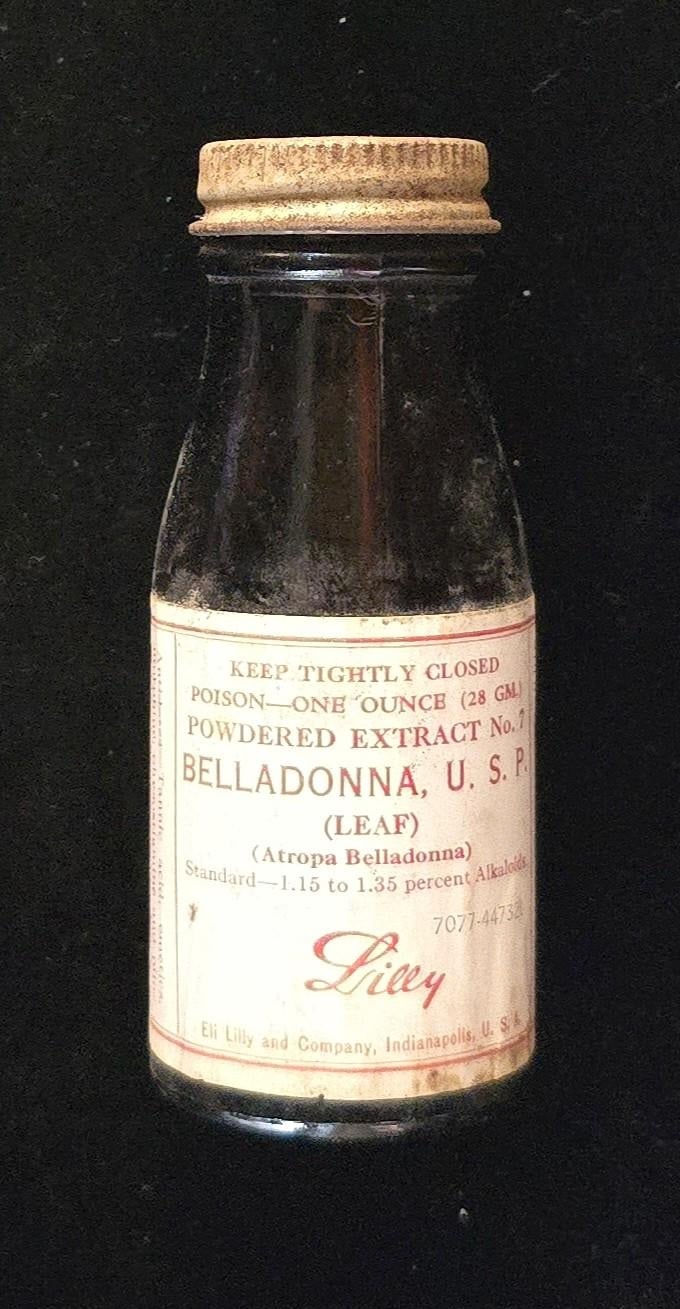
Big, bright eyes have always had their admirers, but some historical beauty routines took that preference surprisingly far. Belladonna-derived drops containing atropine could dilate the pupils, creating a wide-eyed appearance. Unfortunately, the effect could also cause blurred vision and sensitivity to light, while improper exposure carried more serious toxic risks. All that effort for a dreamy gaze, only to make actually seeing things a little more difficult.
4. Radium Beauty Creams
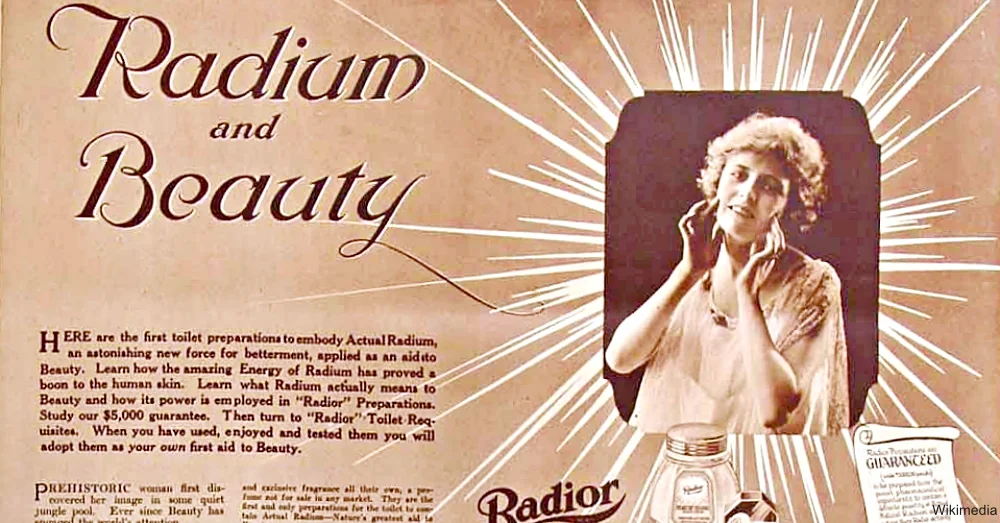
Remember when anything labeled scientific sounded automatically luxurious? In the early 20th century, some beauty brands borrowed the excitement surrounding radioactivity to promote creams and other cosmetics. Products such as Tho-Radia became associated with the era’s fascination with radium and modern science, although actual formulations varied. Today, radioactive beauty marketing feels alarming, but back then, futuristic language could make a jar of face cream sound like the next big breakthrough.
5. X-Ray Hair Removal
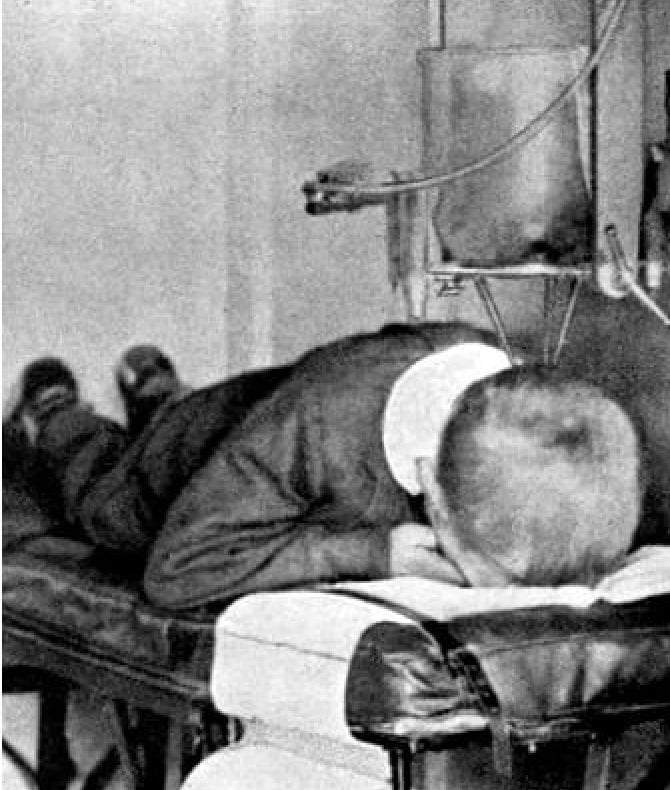
What if unwanted hair could disappear without shaving or plucking? Early cosmetic X-ray treatments offered that tempting possibility, and some practitioners used radiation to remove hair. Unfortunately, the process could also cause serious skin injuries, with some harmful effects appearing much later. It’s one of those beauty ideas that makes perfect sense as a sales pitch until the long-term consequences enter the picture. Smooth skin came with risks that were anything but cosmetic.
Trending on The Scroller

6. Mercury Skin Creams
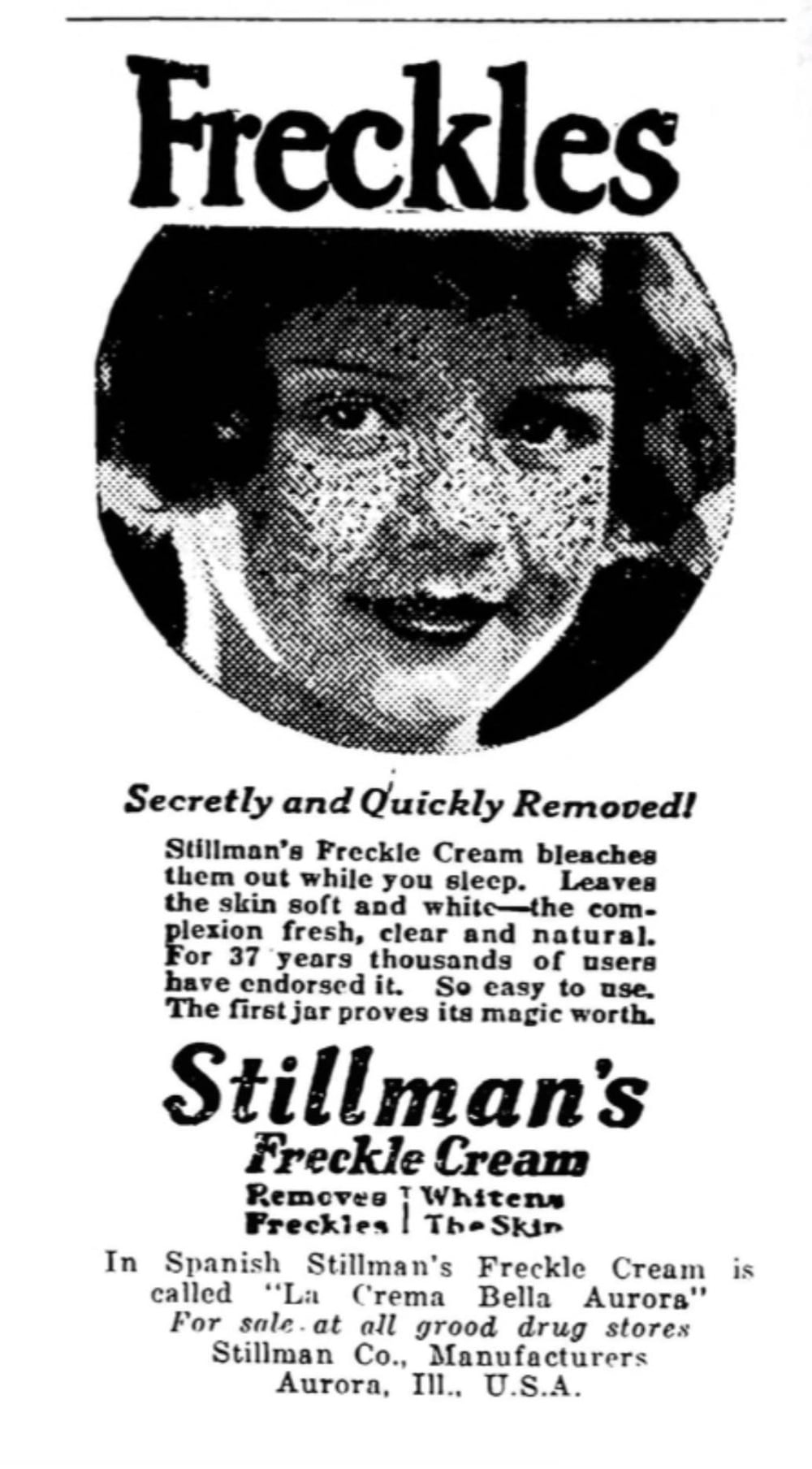
A tiny jar promising brighter skin or fewer blemishes might have looked perfectly ordinary on an old-fashioned dressing table. Yet some historical cosmetics contained mercury compounds, ingredients now recognized as potentially dangerous. These products were marketed for complexion concerns, often without the kind of safety information consumers expect today. The packaging might have been charming, but the chemistry inside was another story entirely.
7. Foot Binding
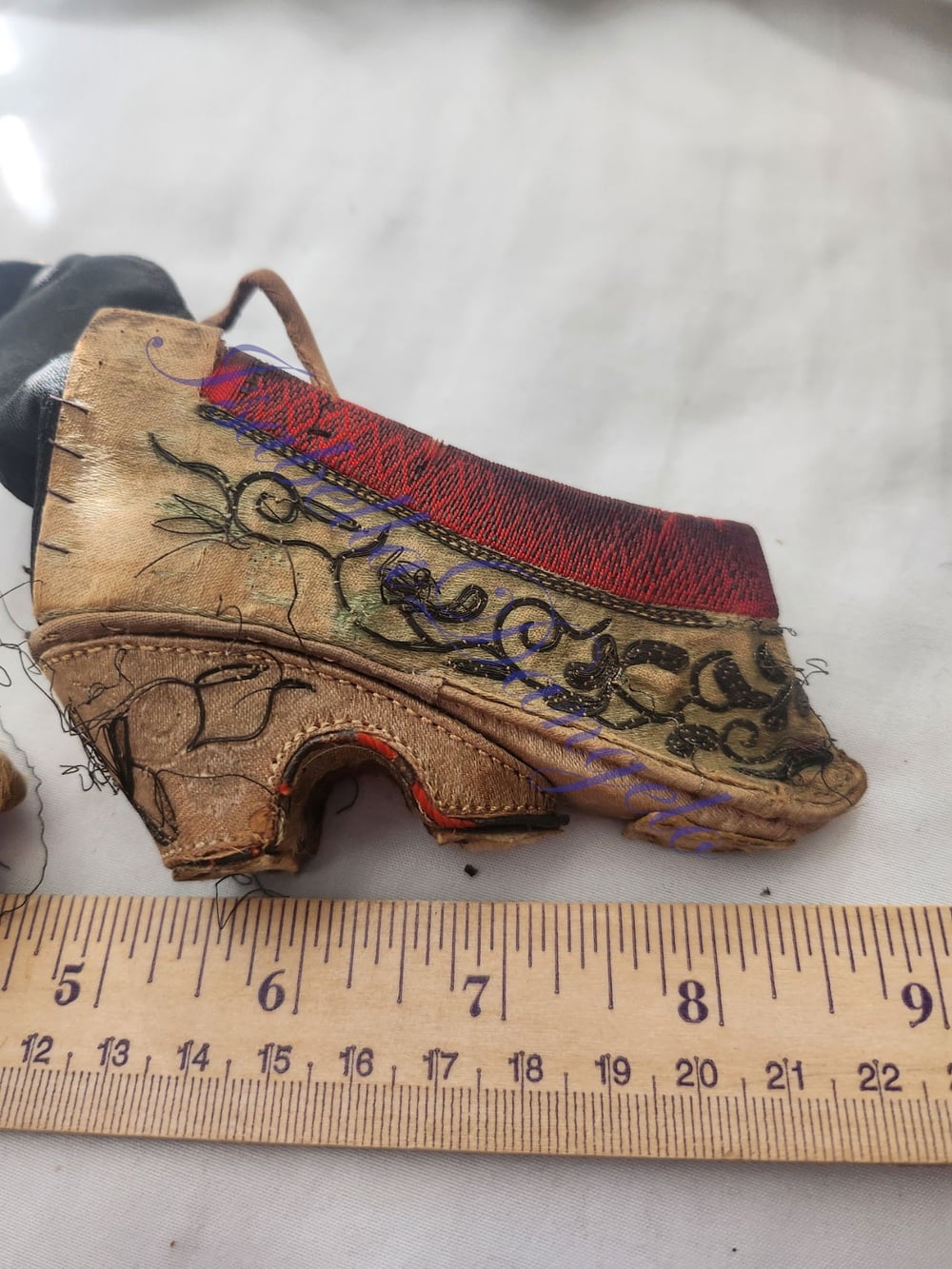
Behind the beautifully embroidered lotus shoes found in museum collections lies a much more painful history. For centuries, foot binding was practiced in parts of China, where very small feet became associated with particular ideals of femininity, marriageability, and social status. The practice varied across regions and classes, but it could involve severe physical restriction and lasting disability. Unlike a passing hairstyle, this was a deeply entrenched social custom shaped by pressure and limited choices, not simply an eccentric fashion experiment.
8. Tight-Lacing Corsets
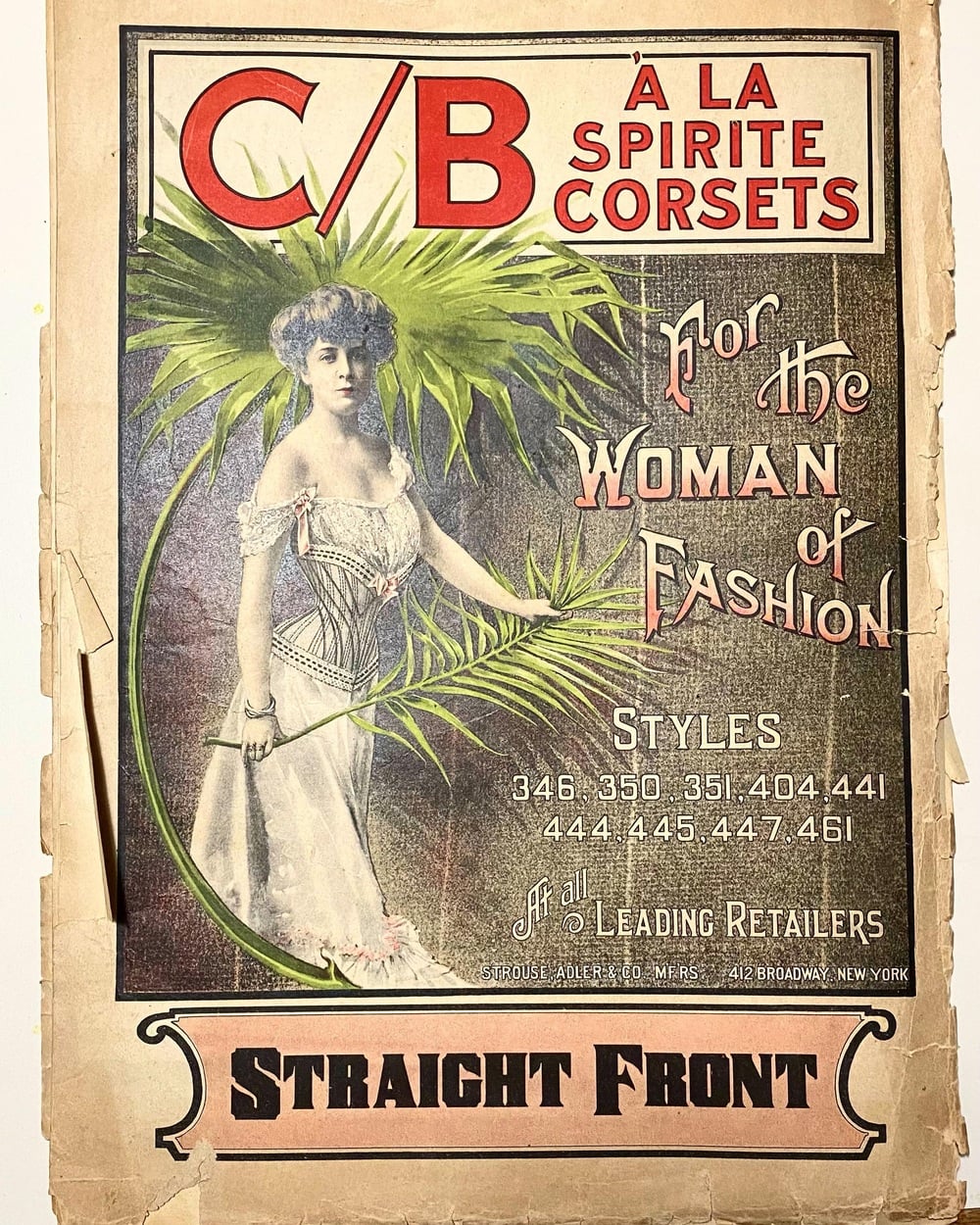
Was the Victorian waist really supposed to be that tiny? Fashion illustrations certainly made it look that way. Corsets helped create the structured silhouettes associated with 19th-century dress, while tight-lacing pushed that shape to more extreme proportions. Contemporary debates questioned the health effects of restrictive dressing, although dramatic claims that corsets routinely broke ribs aren’t well supported. Still, the amount of effort involved in achieving the fashionable outline makes modern stretchy waistbands feel like a wonderful invention.
Sign up for our newsletter
9. Hobble Skirts
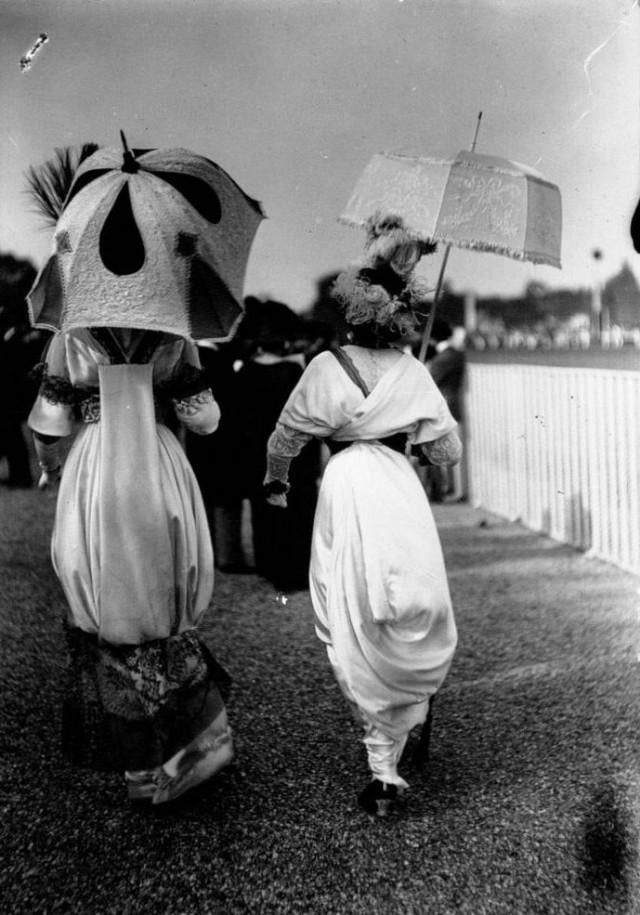
Picture a fashionable woman in the early 1910s trying to hurry across a busy street, only to discover that her skirt barely allows a normal stride. That was the peculiar appeal of the hobble skirt, a narrow design that restricted movement around the legs. The silhouette became a target for contemporary jokes and cartoons, and it’s easy to understand why. Elegance was apparently worth a little inconvenience, even when walking became the day’s biggest challenge.
10. Gibson Girl Pompadours
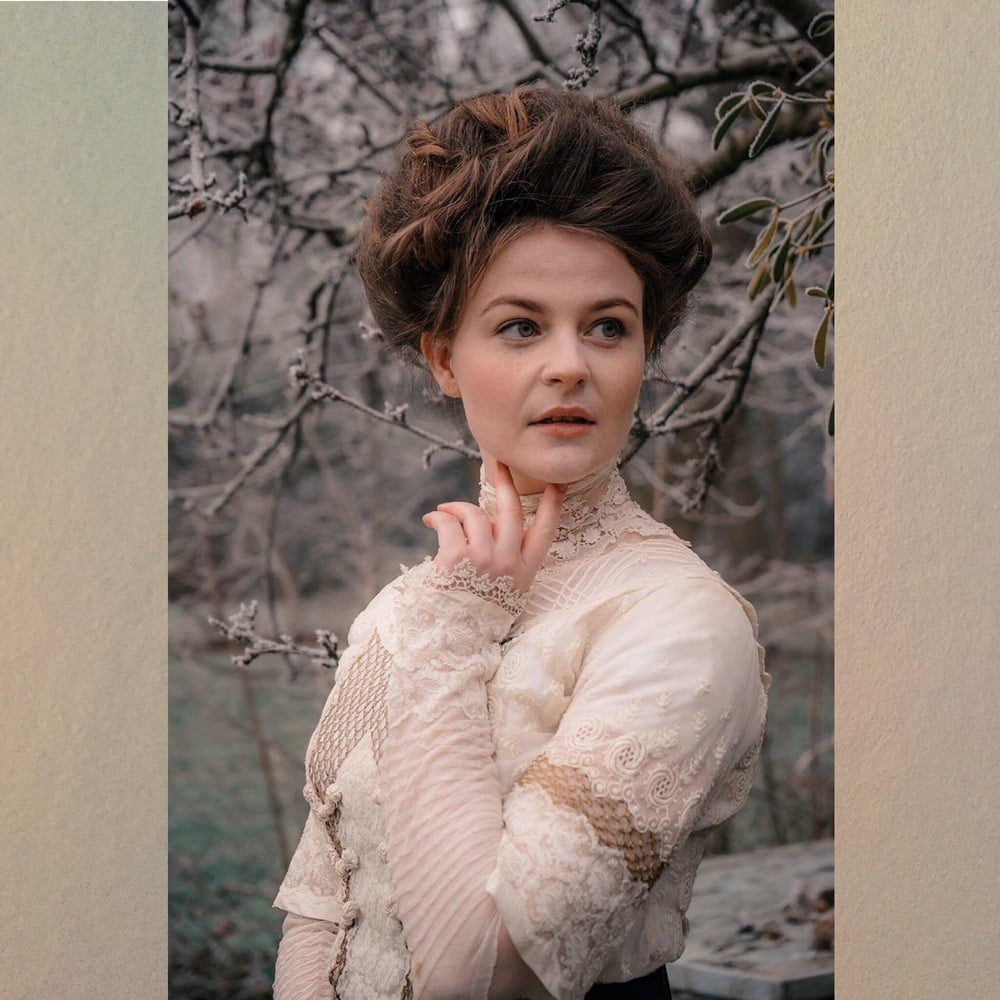
Historical beauty trends weren´t always dangerous. Sometimes they just required an impressive amount of patience, hairpins, and creative engineering. Around the turn of the 20th century, the Gibson Girl ideal helped popularize full, swept-up hairstyles with dramatic volume. Women could use padding and careful styling to achieve the look, creating a silhouette instantly recognizable in Edwardian photographs and illustrations. The result was elegant, romantic, and probably not something anyone wanted to redo after a windy afternoon.
11. Towering Powdered Wigs
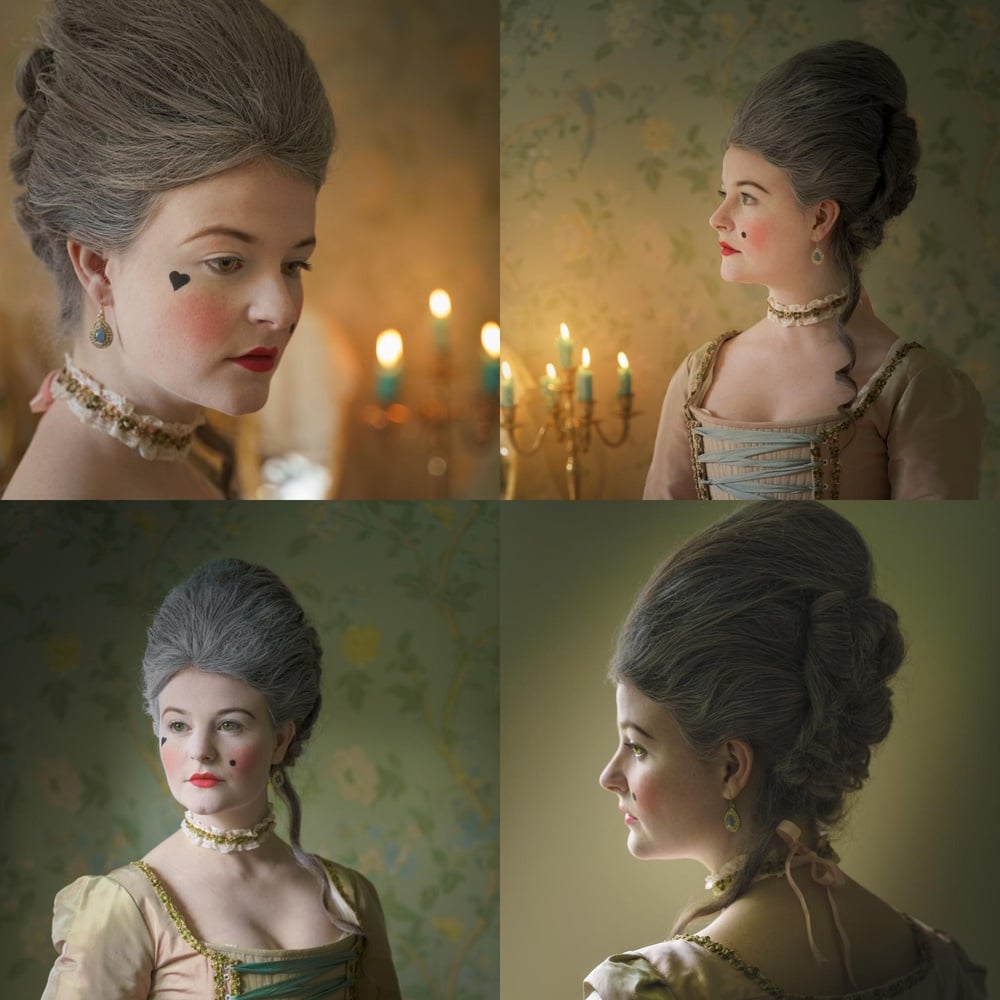
The bigger the hair, the grander the entrance. In 18th-century European fashion, elaborate powdered hairstyles and wigs became symbols of status, taste, and social display. Some fashionable arrangements involved carefully constructed volume, decorative additions, and plenty of maintenance. Not every wig reached ridiculous heights, despite what popular caricatures suggest, but the more extravagant examples certainly made an impression. Compared with those creations, today’s bad hair days seem fairly manageable.
12. Blackened Teeth in Japan
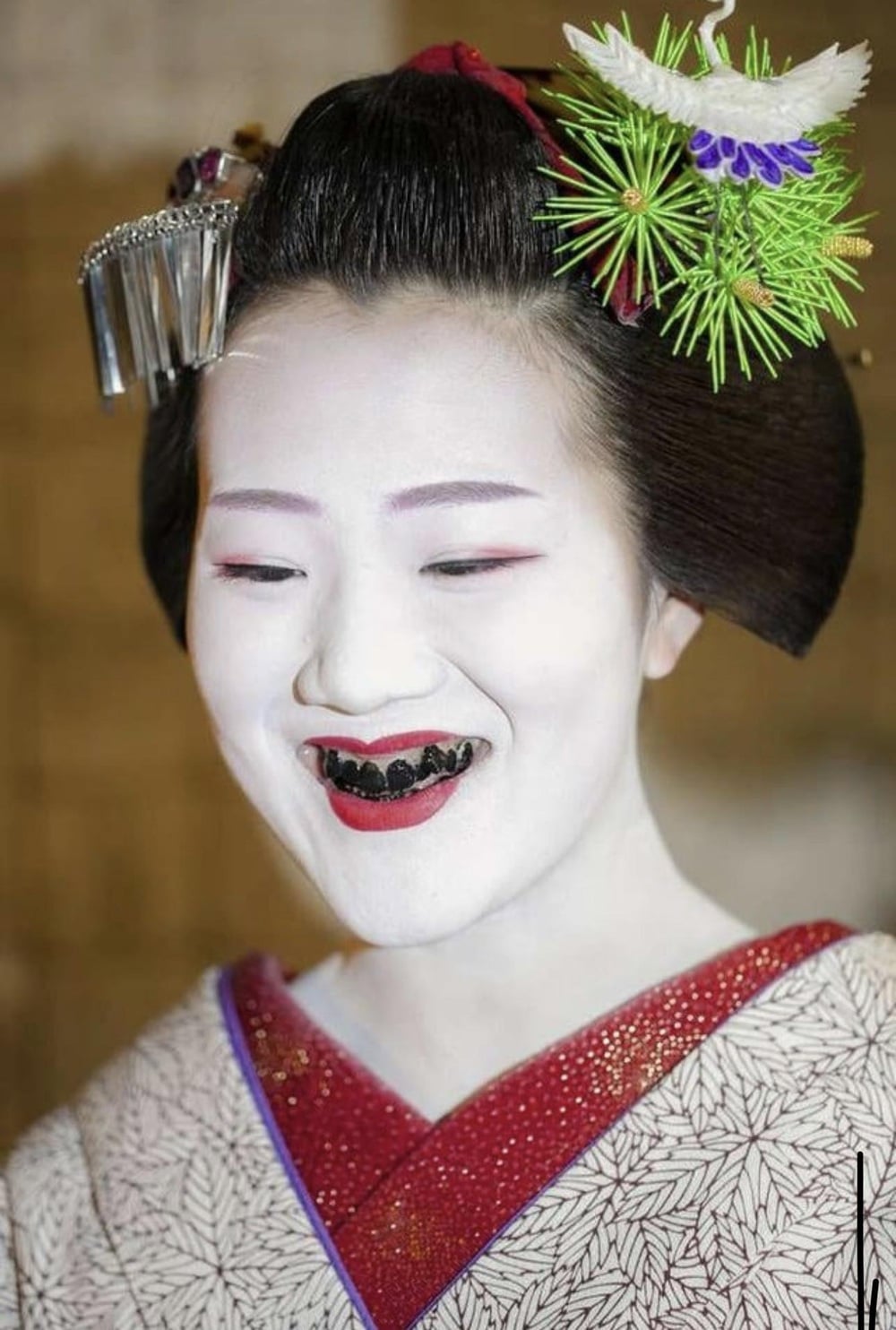
Here’s a beauty tradition that challenges modern assumptions about a perfect smile. In historical Japan, ohaguro, the practice of blackening teeth, carried meanings connected with beauty, maturity, and social identity. Its use changed across periods and social groups, and it wasn’t simply a strange attempt to look fashionable. The darkened appearance can seem surprising to modern viewers accustomed to whitening products, but it reflects a very different cultural understanding of an attractive smile.
13. Painted-On Stocking Seams
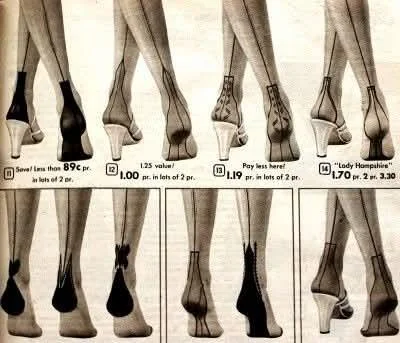
No stockings? No problem, at least if you had a steady hand. During World War II, shortages made nylon stockings difficult to obtain, and some women turned to leg makeup to recreate their appearance. A carefully drawn line down the back of each leg could imitate the seam of a stocking. It’s a wonderfully resourceful detail from wartime fashion, although keeping those lines straight must have required some serious concentration.
14. Pencil-Thin Eyebrows
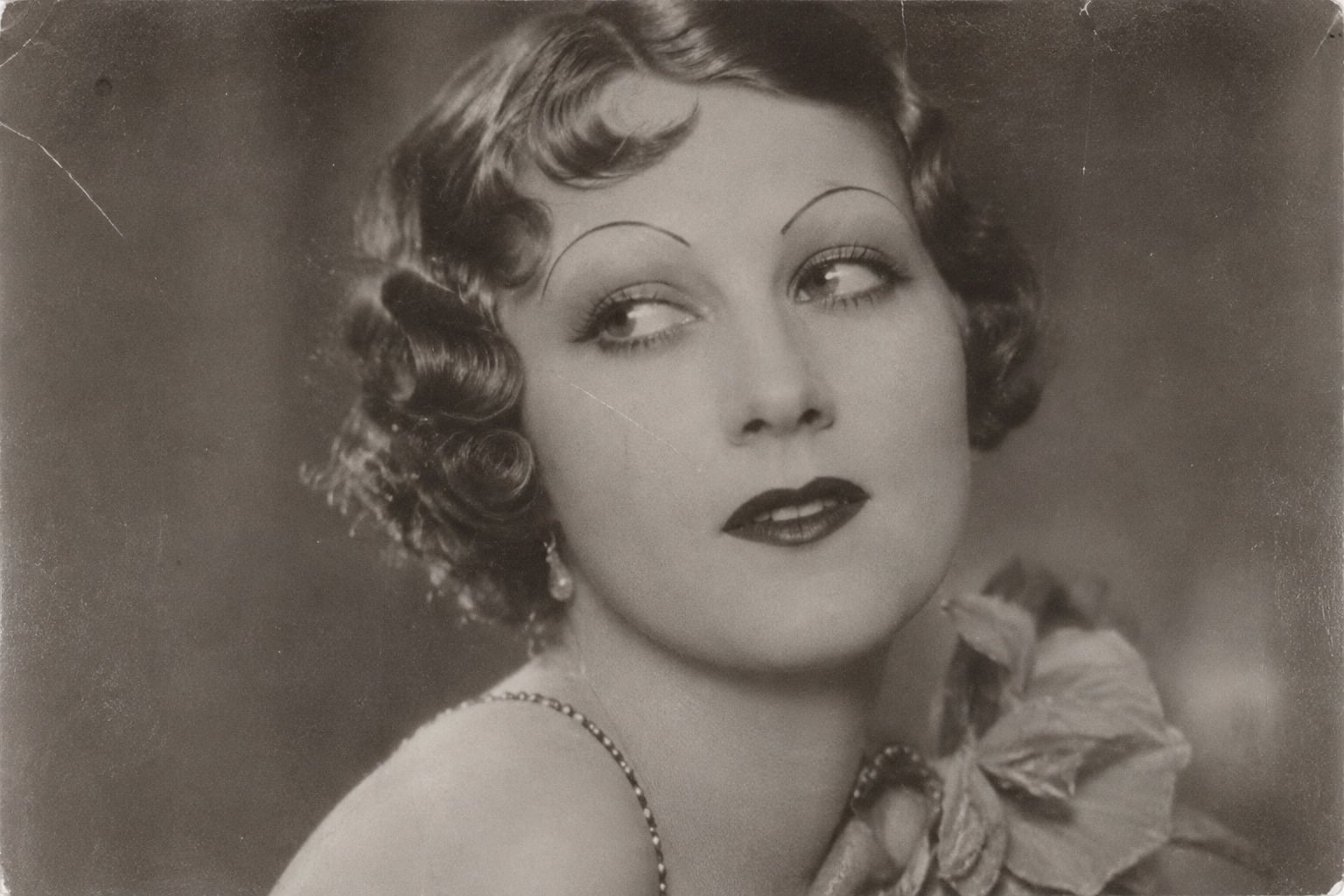
Take one look at a glamorous portrait from the 1920s or 1930s, and the eyebrows might be the first thing you notice. Delicately plucked, dramatically arched, and sometimes drawn back in with a pencil, these ultra-thin brows became closely associated with fashionable faces of the era. Were they dangerous? Not inherently. But anyone who’s spent months waiting for overplucked eyebrows to grow back can probably appreciate the commitment involved.
15. Beehive Hairdos
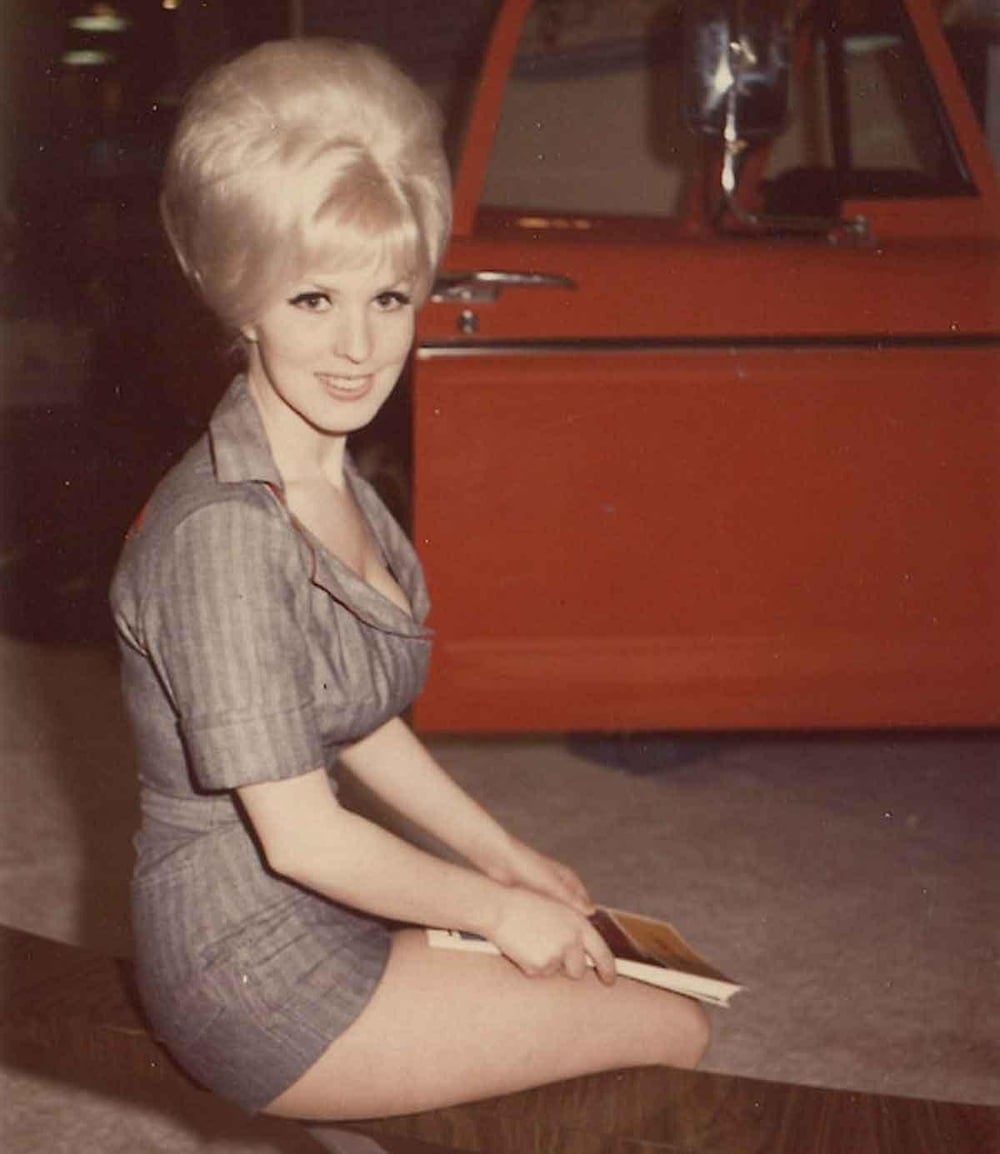
Some hairstyles deserve their own architectural drawings, and the 1960s beehive is definitely one of them. Built through teasing, shaping, and generous amounts of hairspray, the style created an impressive tower of hair that became a signature of the decade. It could be glamorous, playful, and wonderfully dramatic. The real question is how anyone managed to keep that perfectly sculpted shape intact through an ordinary day.
16. Sun Lamps and Tanning
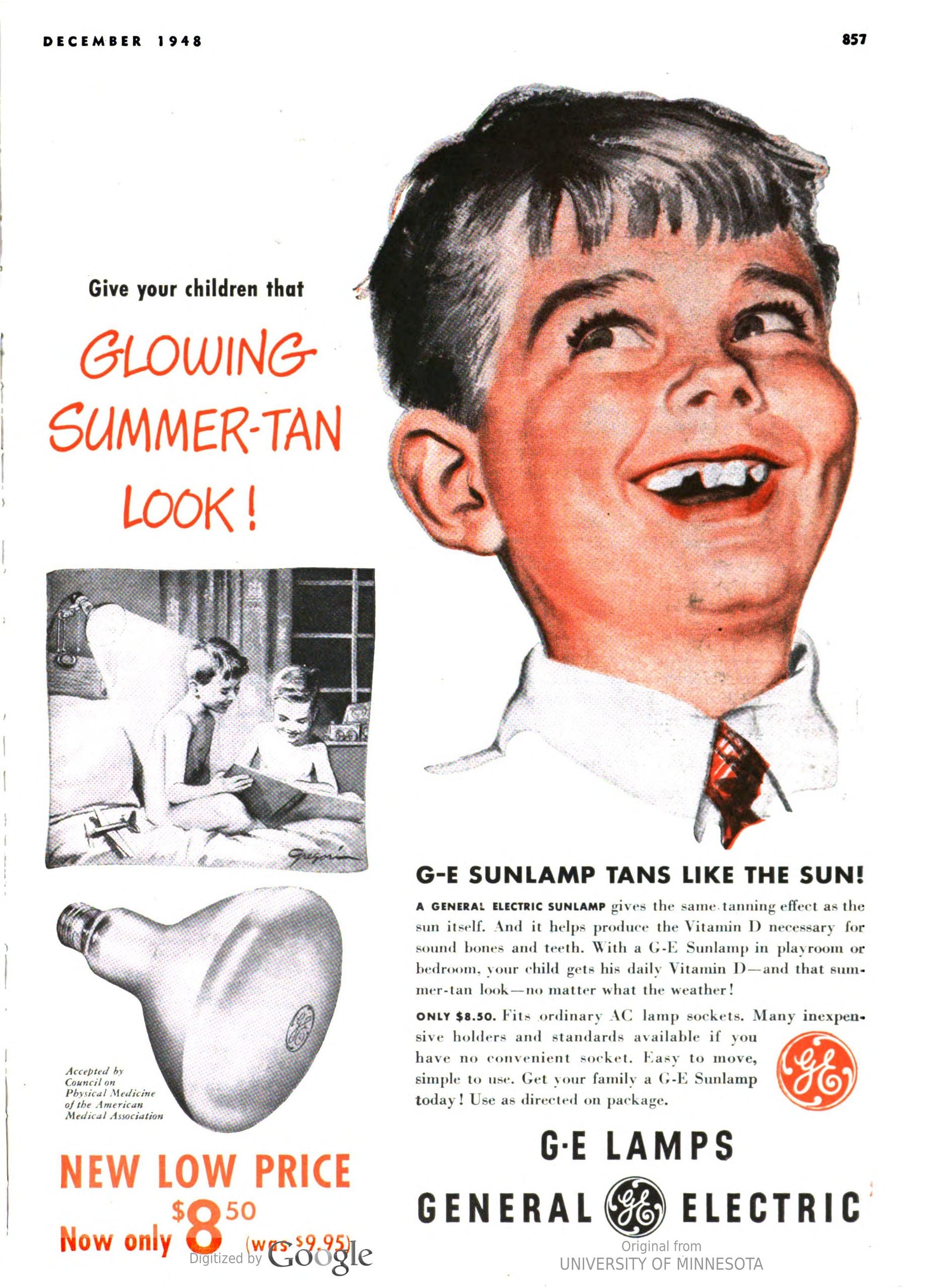
There was a time when a glowing tan seemed like the ultimate sign of a healthy, fashionable lifestyle. Throughout the 20th century, tanning technologies and sun lamps were promoted as ways to achieve that look, although products and attitudes changed considerably over the decades. Later scientific understanding made the dangers of ultraviolet exposure much clearer, including its connection to skin damage and cancer. Those cheerful vintage advertisements look rather different once you know what UV radiation can do.
17. Permanent Wave Machines
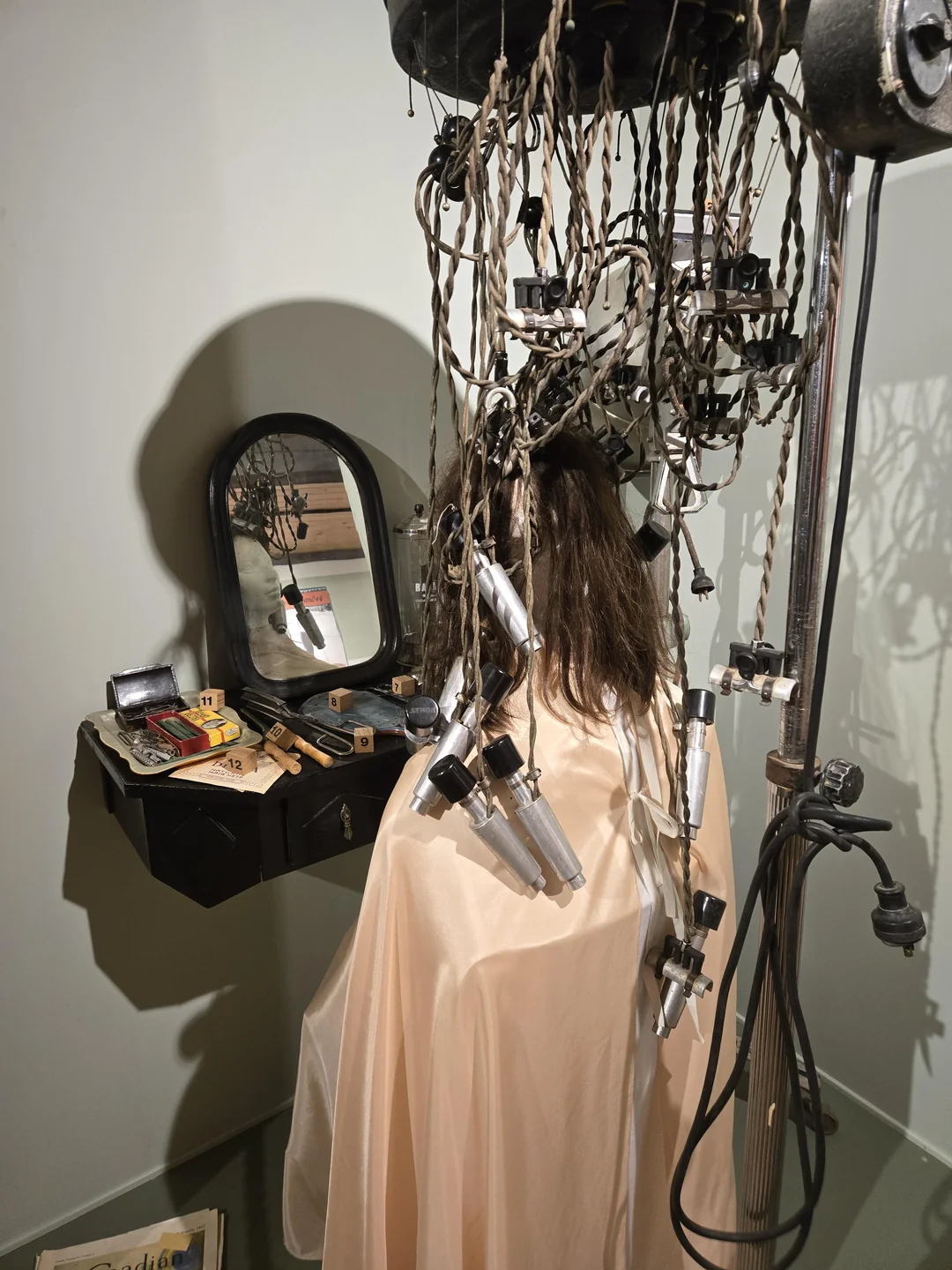
Ever seen an old salon photograph featuring a woman connected to a machine by dozens of dangling wires and clamps? Early permanent-wave equipment could look more like a laboratory experiment than a relaxing beauty appointment. Electrically heated devices helped reshape hair into lasting curls, but the process required careful handling and could cause burns when things went wrong. The resulting waves might have been fashionable, yet the machinery certainly made beauty appointments look like serious business.
18. Eyelash Dye With Harmful Chemicals
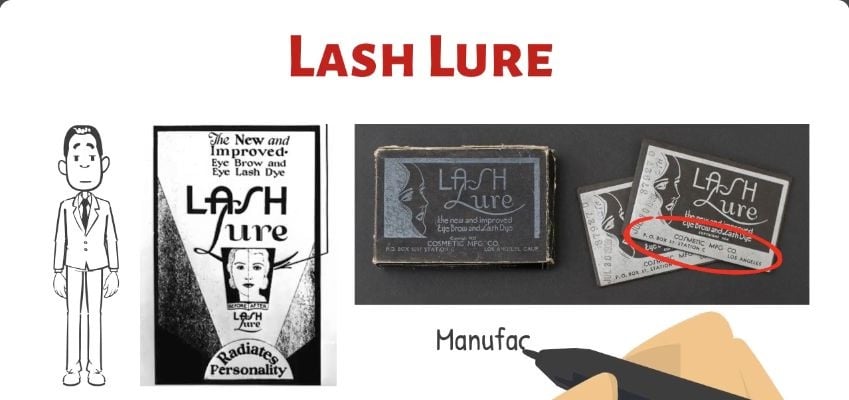
Long, dark lashes were just as desirable in earlier decades, but some products used to achieve them carried frightening risks. In the 1930s, eyelash dyes such as Lash Lure became the subject of serious safety concerns after reports of eye injuries linked to their chemical ingredients. The controversy helped draw attention to the dangers of inadequately regulated cosmetics. It’s a reminder that a tiny beauty enhancement can have consequences far beyond the mirror.
19. Dimple-Making Devices
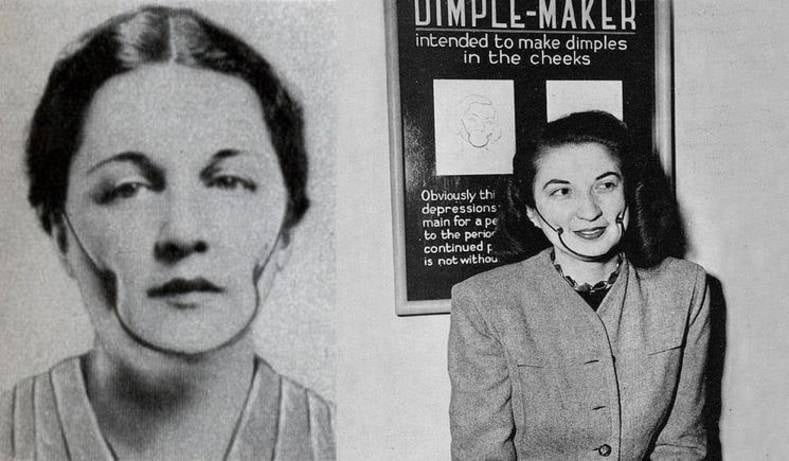
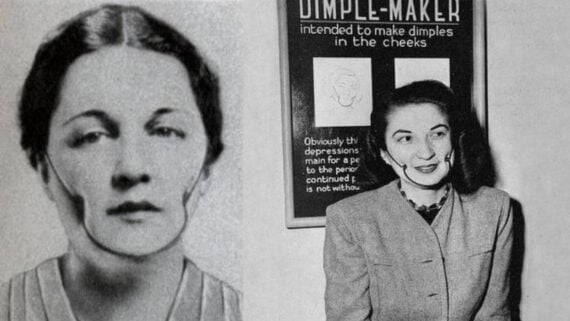
What if you could give yourself dimples without being born with them? Vintage beauty inventors certainly entertained the possibility. In the 1930s, mechanical dimple-making devices appeared in advertisements and photographs, including a design associated with Isabella Gilbert. These contraptions pressed against the cheeks in hopes of creating the desired indentations. Whether they could produce lasting results is another question entirely, but they remain some of the most wonderfully peculiar beauty gadgets of the era.
20. Facial Exercise Contraptions
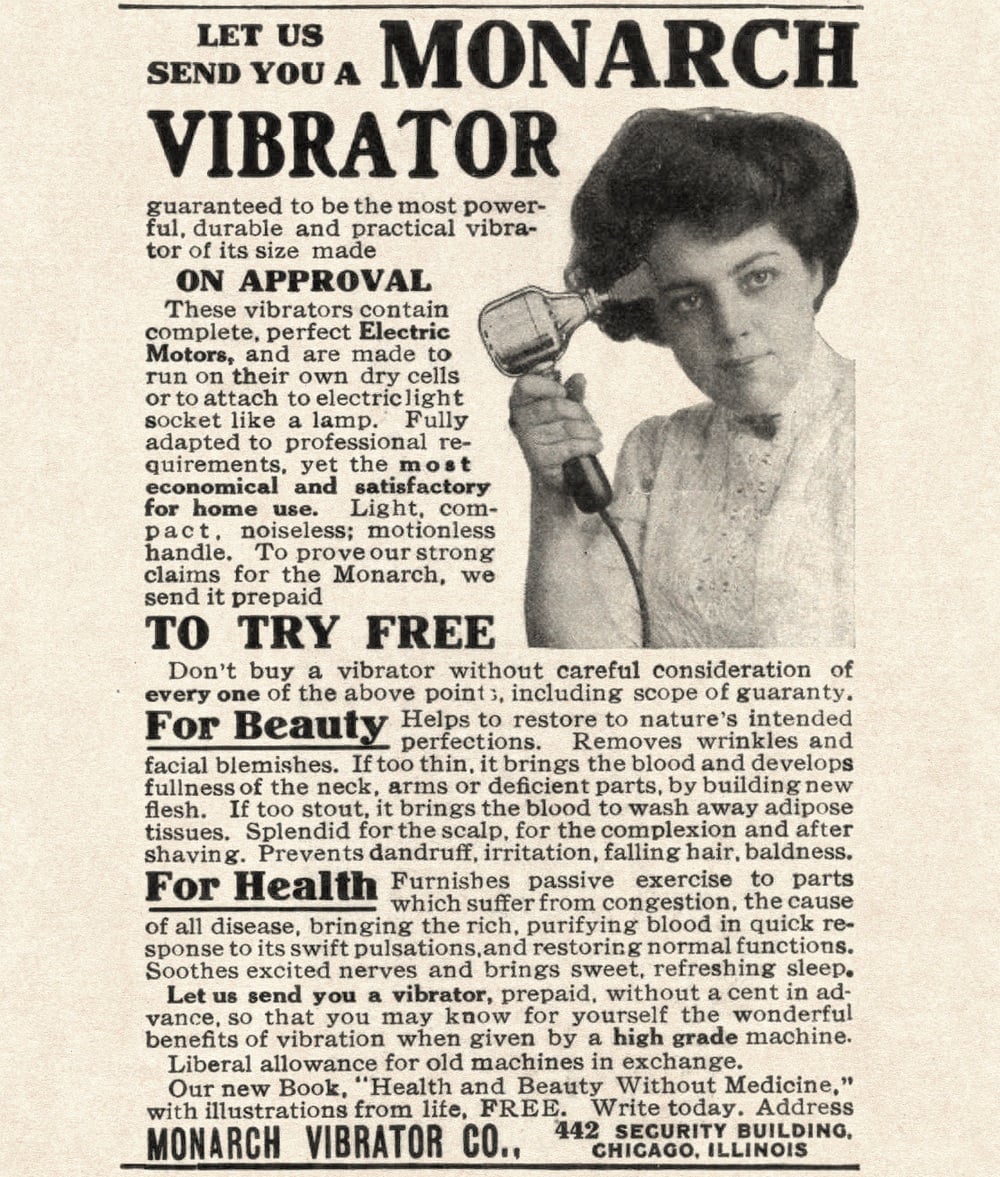
Before beauty tutorials and high-tech skincare devices, there were mechanical gadgets promising to reshape or improve the face through exercise. Vintage advertisements featured unusual contraptions designed to stretch, massage, or manipulate facial muscles, often accompanied by ambitious claims about appearance. Their effectiveness wasn’t always established, but the marketing certainly had confidence. Some of these devices look so elaborate that getting ready for the day must have felt like operating a small machine.
Beauty has always been a reflection of its time, shaped by fashion, technology, social expectations, and the occasional very questionable sales pitch. Some of these trends came with real dangers, while others were simply creative expressions of a different era. Either way, they remind us that today’s beauty routines might look just as surprising to someone flipping through photographs a hundred years from now.
Keep Exploring The Scroller
Feeling nostalgic for a beauty era you never actually lived through? There’s plenty more vintage curiosity waiting around the corner. Keep exploring The Scroller for forgotten fashions, wonderfully strange inventions, and the everyday trends that once had everyone convinced they were the next big thing:
18 Vintage Photos of Beauty Salons in the Mid-Century
20 Vintage Photos of Beauty Contests From the Past
14 Fascinating Eras in History That Would Have Been Incredible to Experience