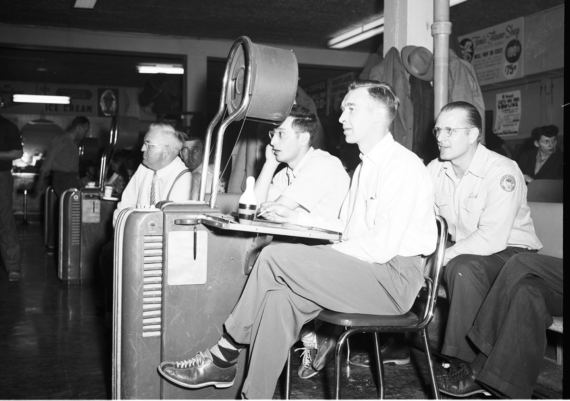
Bowling alleys were once some of the busiest social spaces in American towns and cities. Before electronic scoreboards and modern entertainment centers, neighborhood lanes and huge postwar facilities brought together families, friends, and competitive leagues. Many had distinctive interiors, manually operated equipment, and gathering areas that mattered almost as much as the games themselves. These 15 vintage photos capture bowling culture from the 1940s through the 1960s and show how the sport evolved over time.
1. Bowling in Clinton, Indiana, 1940
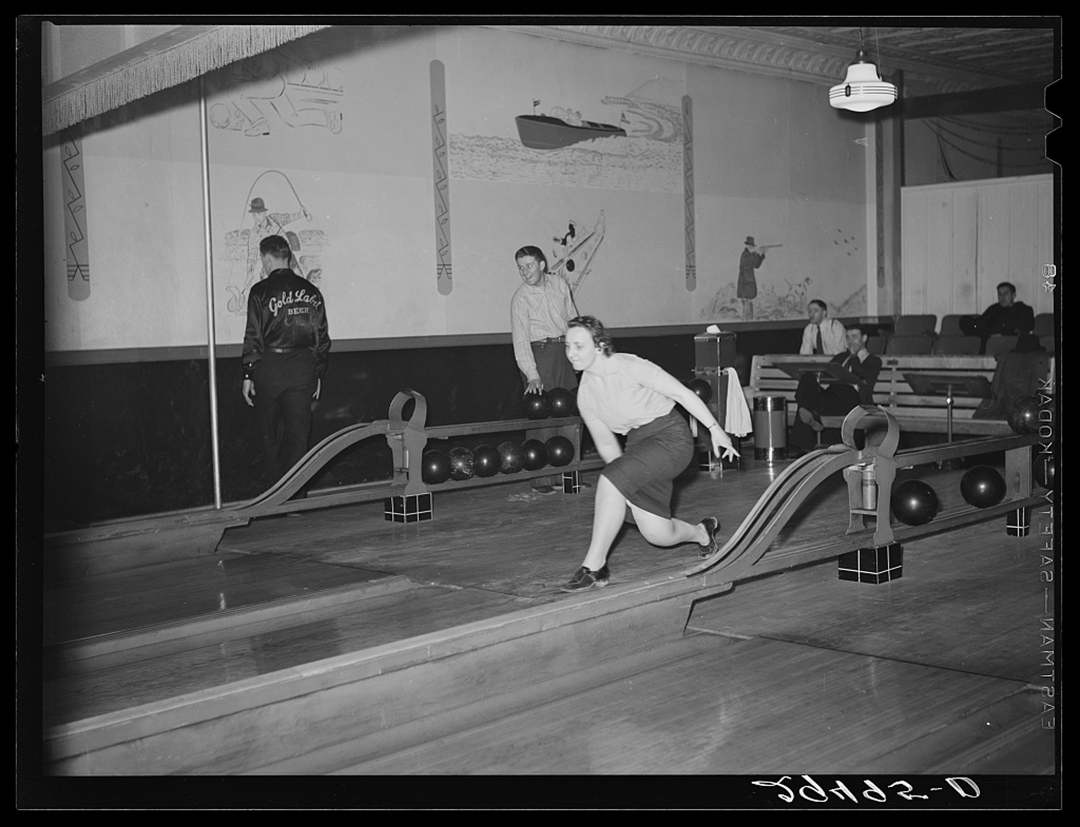
Before automated pinsetters became widespread in the 1950s and 1960s, bowling alleys relied on workers to reset pins and return balls between turns. Many establishments also featured seating areas where friends could watch the games and socialize. Bowling was already a popular American pastime, but improvements in equipment and automation helped turn it into a major recreational activity during the postwar years.
2. Behind the Pins, 1940
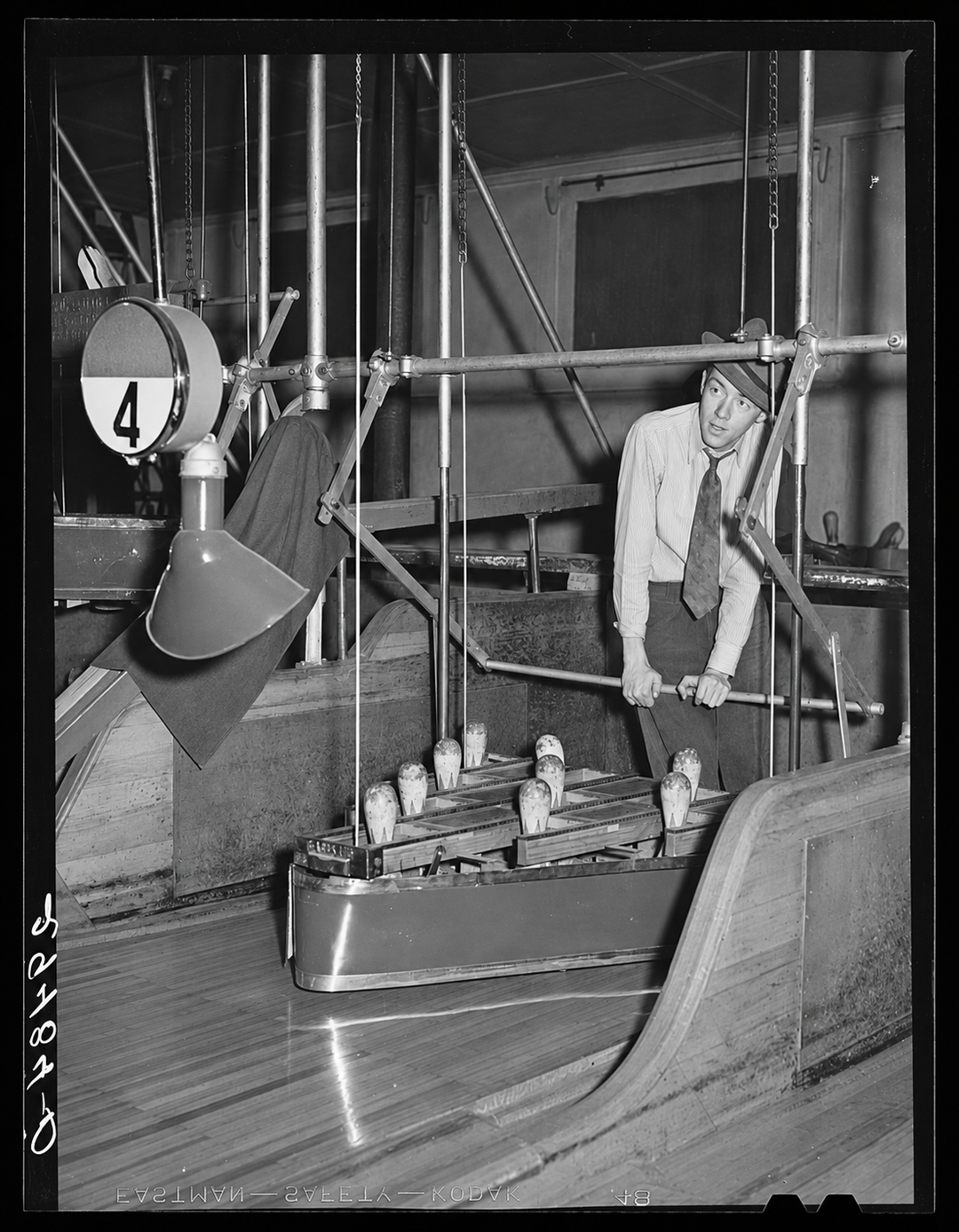
Bowling alleys were surprisingly labor-intensive before automatic pinsetting machines became standard. Pinboys traditionally worked behind the lanes, clearing fallen pins and arranging them for the next frame. Mechanical systems gradually reduced some of that manual work, but the introduction of fully automatic pinsetters in the 1950s transformed bowling operations, allowing establishments to handle more games with fewer employees.
3. Lincoln Bowl, San Francisco, California (1940s)
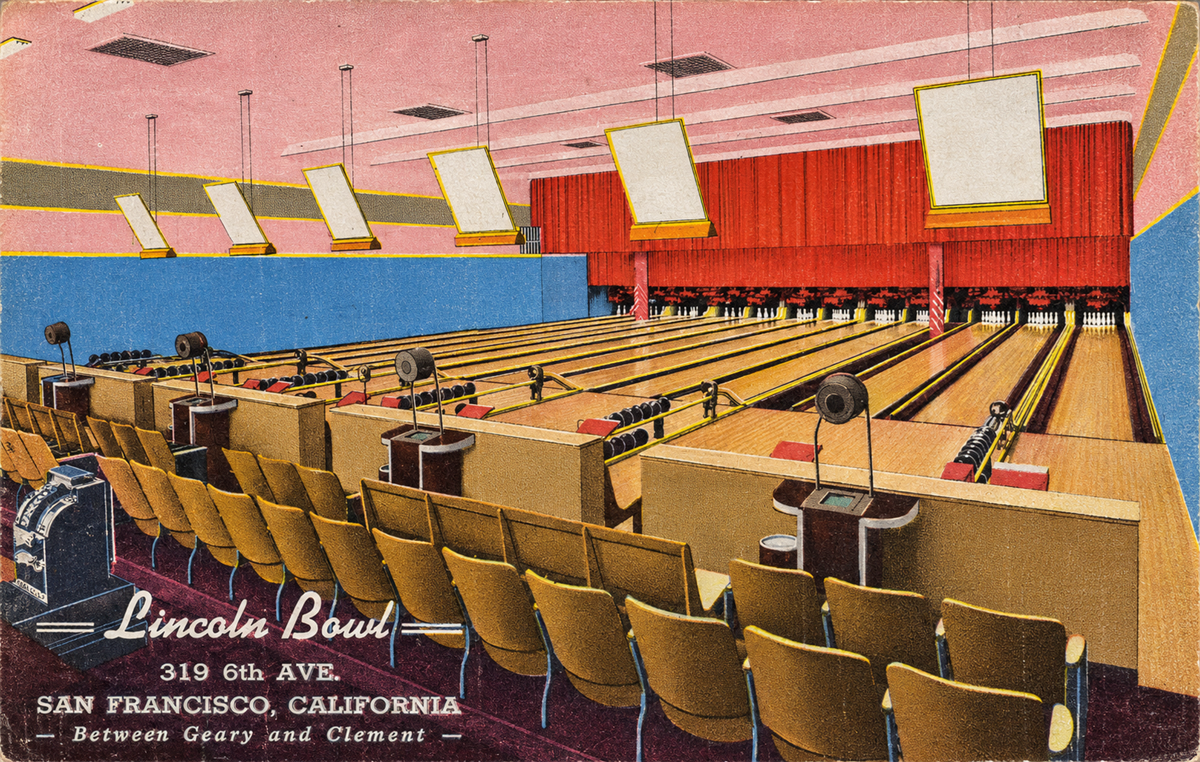
Located at 319 Sixth Avenue, between Geary and Clement Streets, Lincoln Bowl was part of San Francisco’s neighborhood bowling scene. Its colorful interior featured multiple lanes, individual seating, and overhead scoring displays. During the 1940s, bowling alleys were popular gathering places where recreational players and organized leagues could enjoy the sport in a social setting.
4. Bowling Alley Competition in Chicago, 1940s
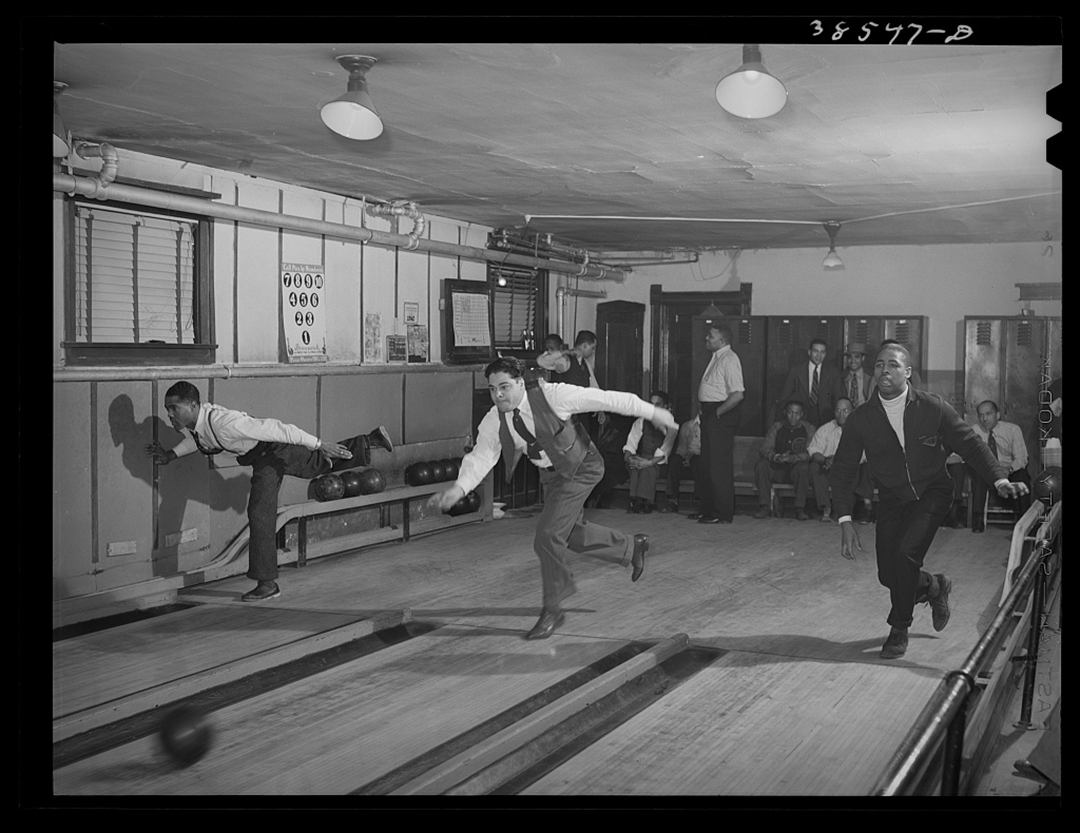
Bowling was a popular form of recreation in American cities during the 1940s, attracting both casual players and serious competitors. Many smaller establishments had only a handful of lanes, creating an intimate atmosphere where spectators could follow every frame. Local tournaments and organized leagues helped strengthen the sport’s appeal, turning neighborhood bowling alleys into regular gathering places for players and their communities.
5. Firehouse Bowling Alley, Bantam, Connecticut (1942)
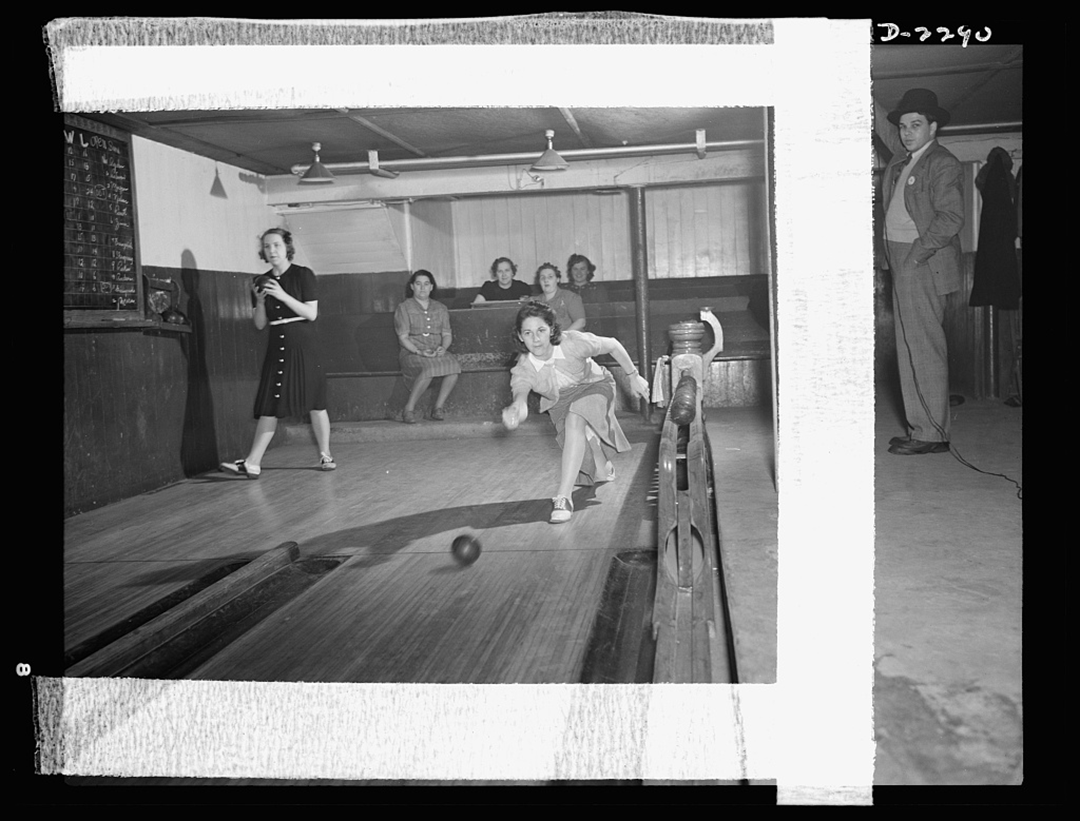
In Bantam, Connecticut, the local firehouse had a basement bowling alley that helped raise money for the town’s volunteer fire companies. Different groups were assigned specific nights to play, and some of the competitions developed into spirited rivalries. The bowling alley became a neighborhood gathering spot where a little friendly competition also helped keep the volunteer fire companies going.
Trending on The Scroller

6. Lanes Ready for League Play in Oak Ridge, Tennessee (1948)
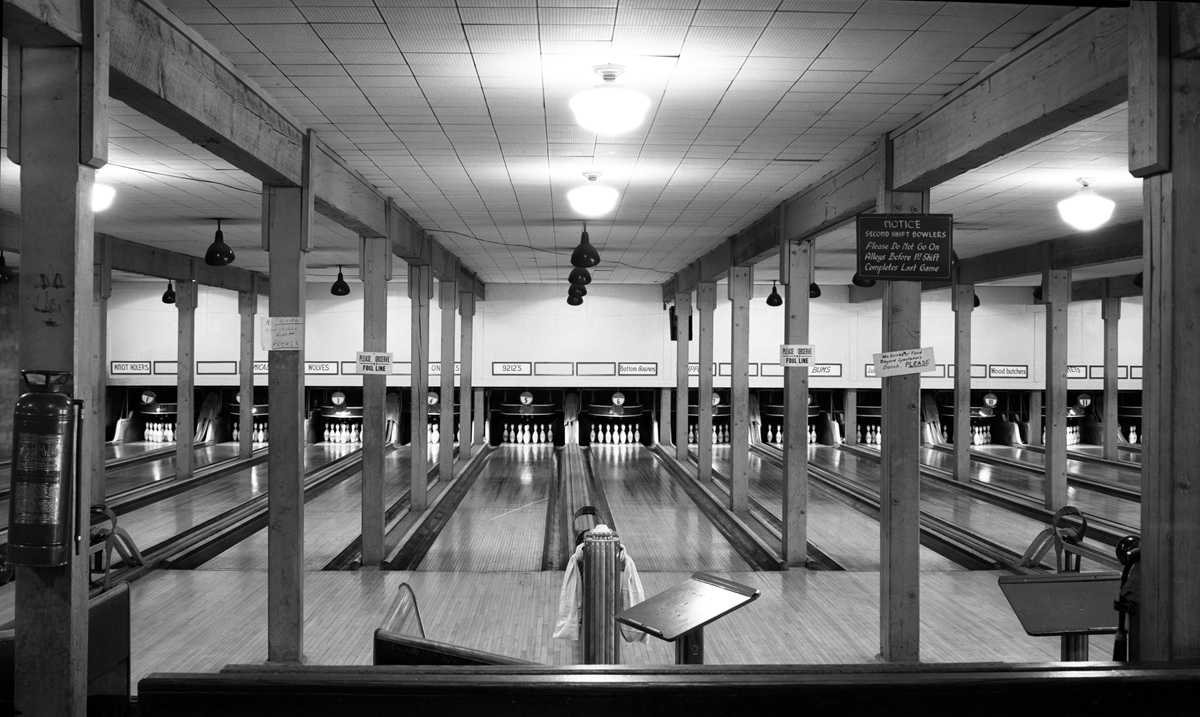
Bowling leagues became a regular part of American social life, bringing together coworkers, friends, and neighborhood teams for weekly competitions. Some alleys were busy enough to schedule multiple shifts of bowlers, with posted rules reminding players to wait until the previous group had finished. Team names displayed above the lanes added to the competitive atmosphere, while handwritten scorekeeping remained part of the experience.
7. Keeping Score Before Electronic Scoreboards. Newhalem Bowling Alley, Washington, 1954
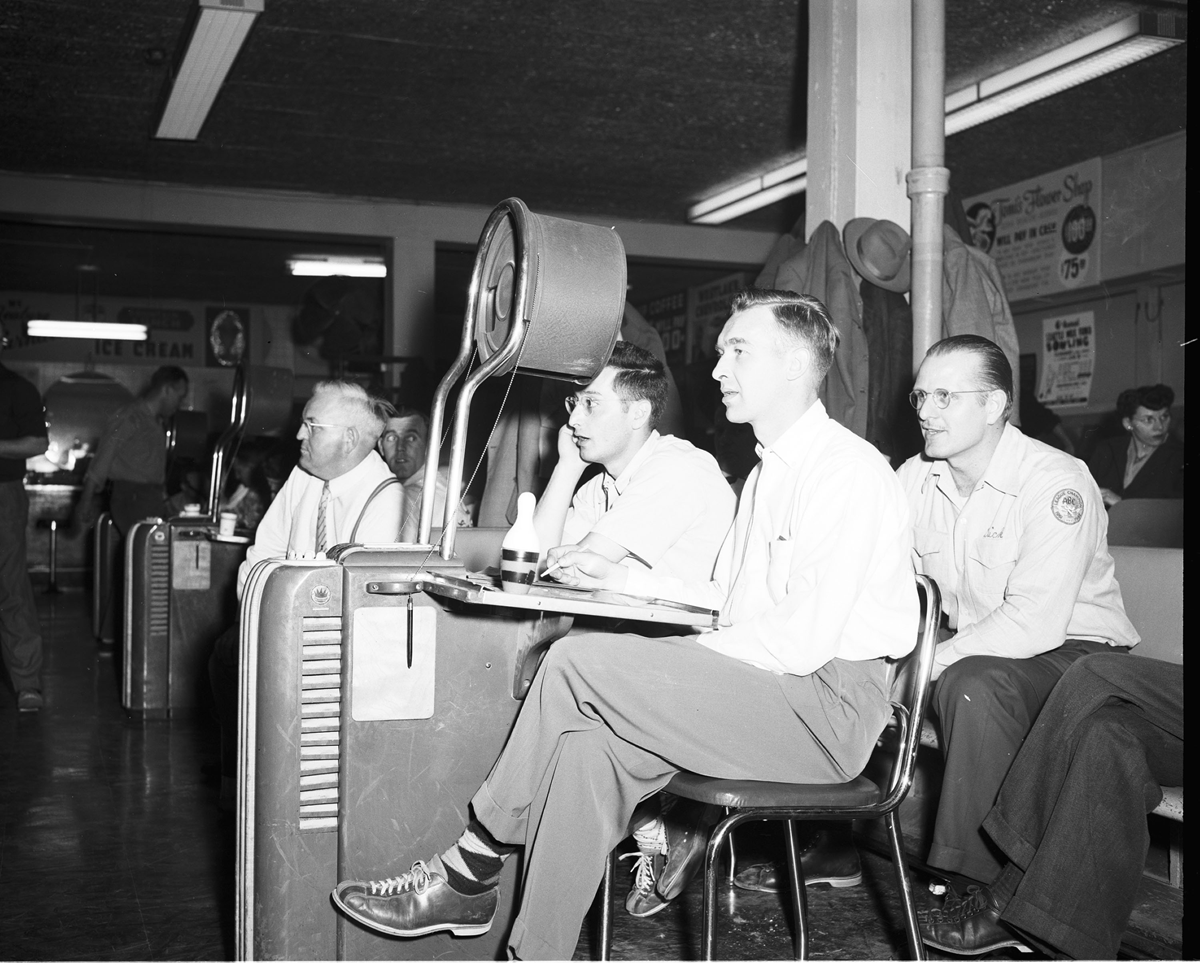
Before electronic scoreboards became common, keeping track of a bowling game meant recording every strike, spare, and open frame by hand. Many bowling alleys had dedicated scoring tables or desks where players could follow the action between turns. The American Bowling Congress, established in 1895, helped standardize the sport’s rules and organize competitive bowling across the country.
8. Boulevard Bowling Center, Allentown, Pennsylvania (1955)
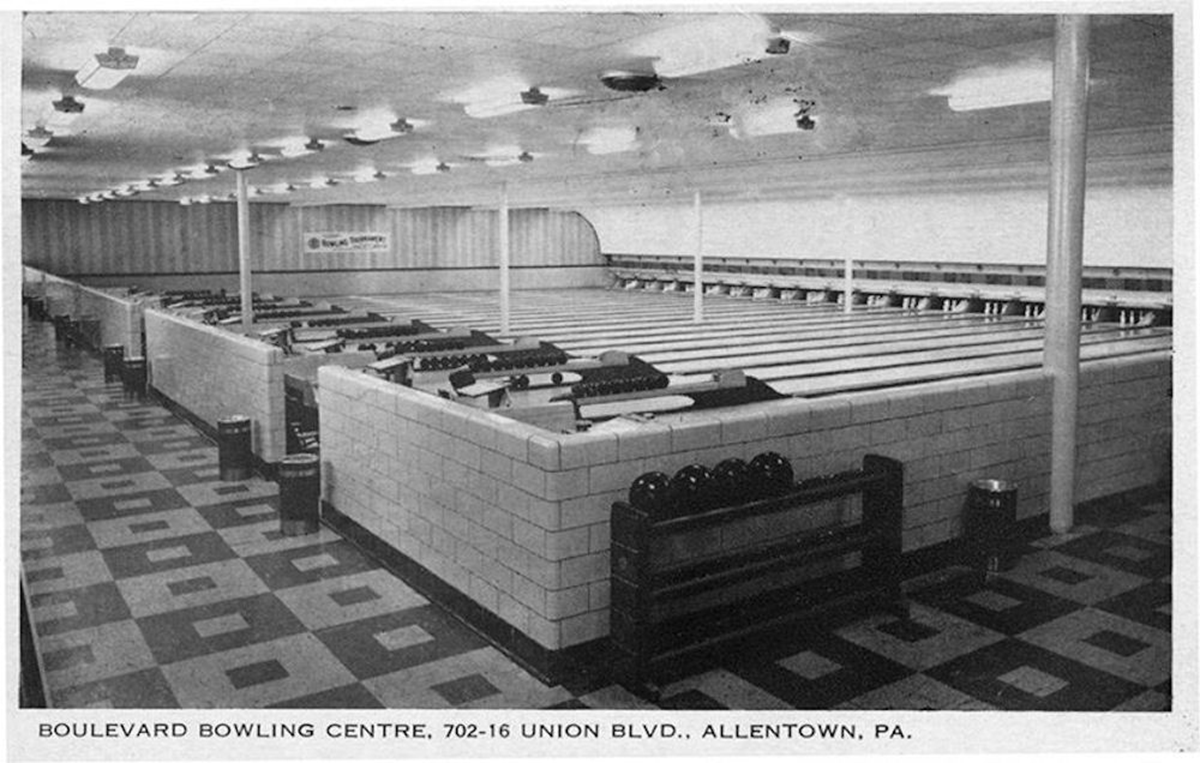
By the mid-1950s, bowling centers were becoming larger and more modern, with long rows of lanes designed to accommodate growing numbers of players. Boulevard Bowling Center, located at 702–716 Union Boulevard in Allentown, featured a spacious interior, tiled lane dividers, and patterned flooring. Facilities like this reflected bowling’s transformation into one of America’s favorite indoor recreational activities during the postwar boom.
Sign up for our newsletter
9. A Break Between Frames. Main Bowl, Seattle, 1957
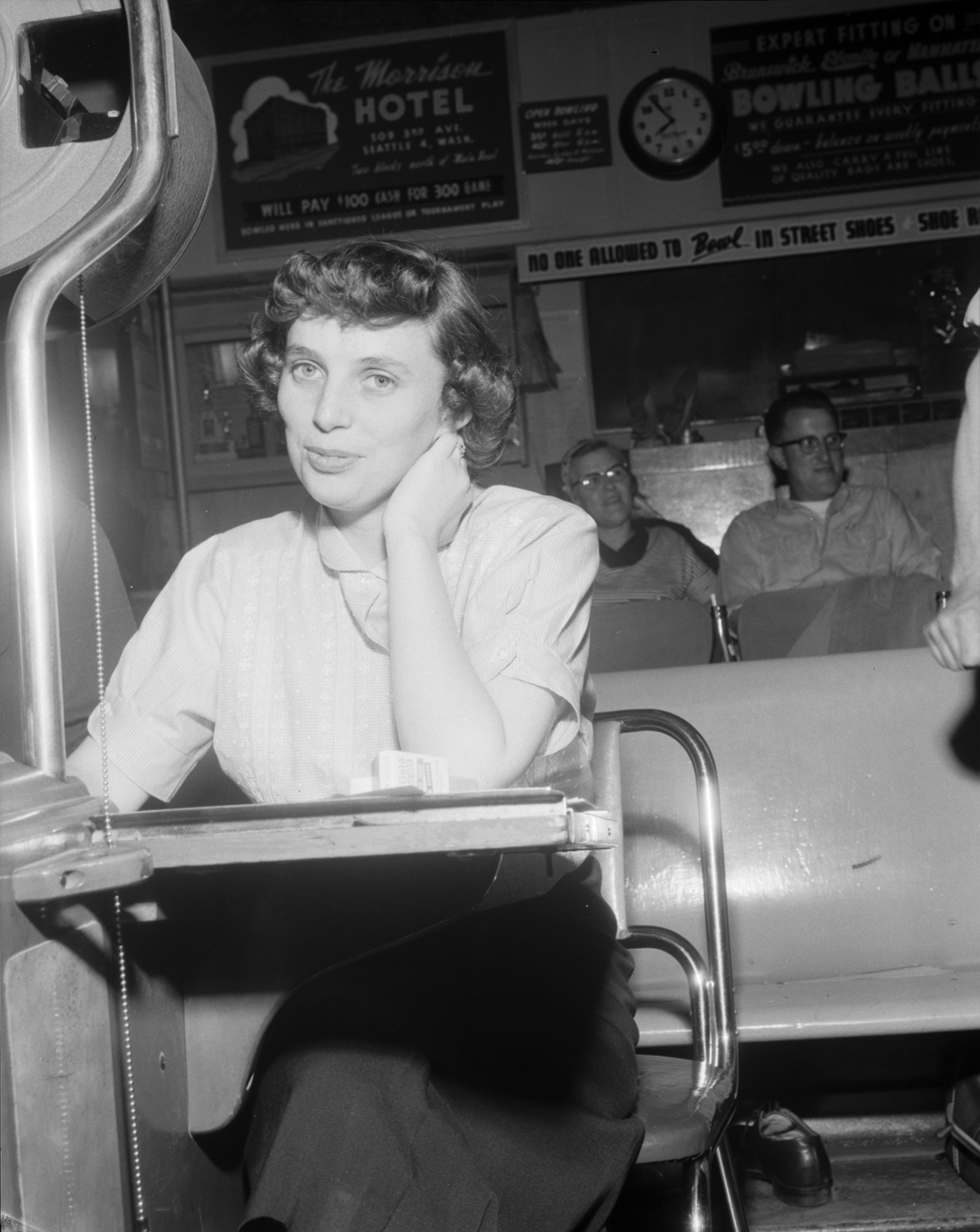
A night at the lanes wasn’t just about strikes and spares. Snack counters, comfortable seating, and plenty of opportunities to socialize made bowling a popular choice for an evening out. With rental shoes and bowling balls available, even newcomers could join in without investing in their own equipment. For regular players, catching up with friends between turns was often part of the fun.
10. The Rise of Large Bowling Centers (1950s)
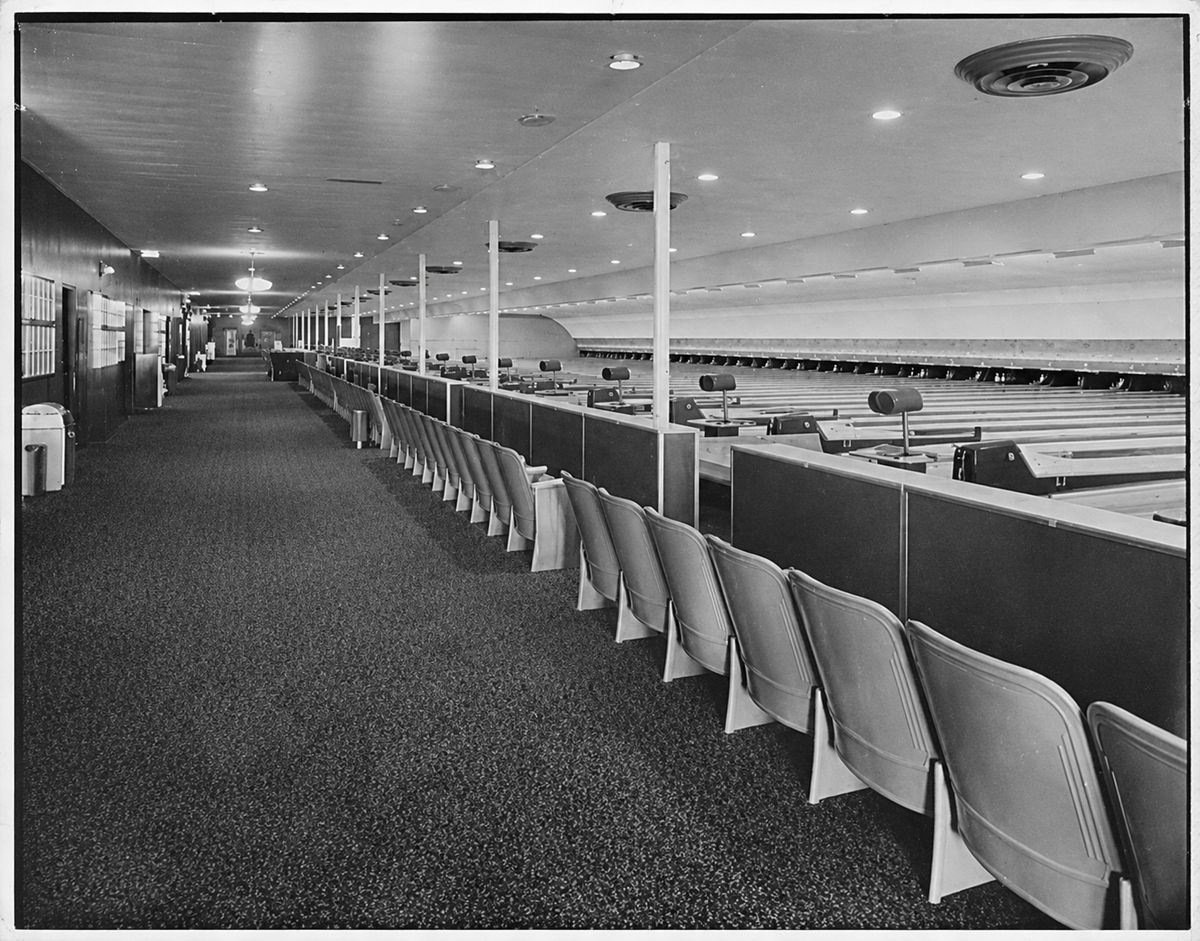
The growing popularity of bowling during the 1950s encouraged operators to build larger facilities with dozens of lanes under one roof. These new centers could accommodate multiple leagues and tournaments while offering more space for spectators and social gatherings. Long rows of seating, modern lighting, and streamlined interiors reflected the shift from small neighborhood alleys to large-scale recreational venues.
11. Sportsman Bar at Century Bowling Alley (1959)
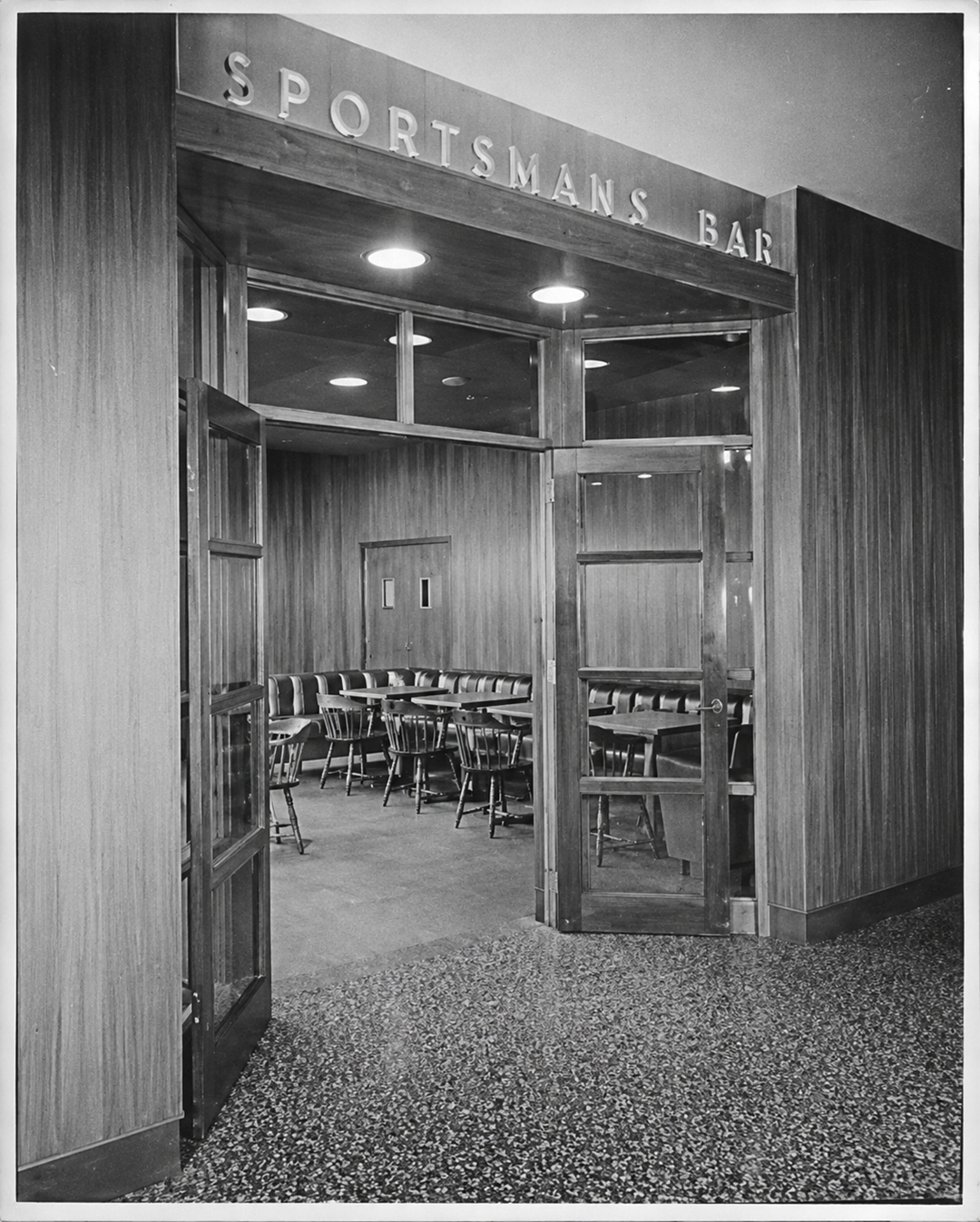
By the late 1950s, many bowling centers were expanding beyond the lanes themselves and adding lounges, bars, and dining areas. Spaces like the Sportsman Bar turned an evening of bowling into a longer social outing, giving players and spectators a place to relax between games. That broader mix of recreation and hospitality helped make bowling centers some of the busiest community gathering spots of the postwar era.
12. Colonial Lanes, Ann Arbor, Michigan (1960)
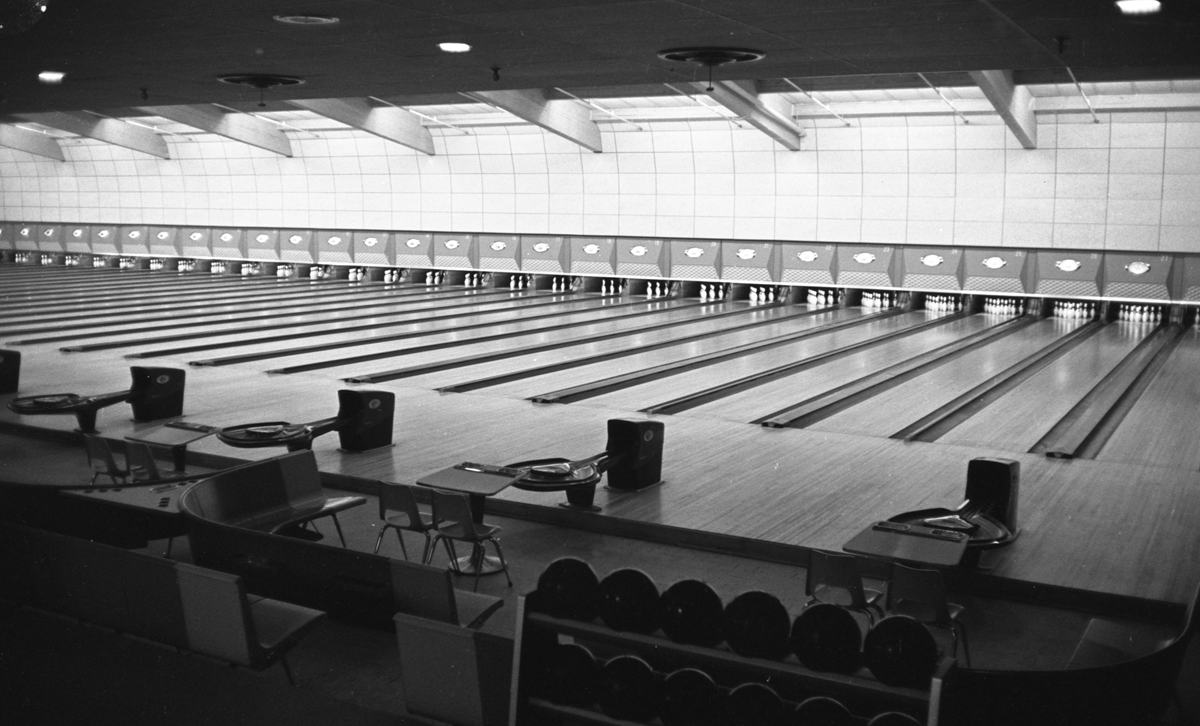
Automatic pinsetters helped reshape the bowling industry during the 1950s, eliminating the need for workers to reset pins after every frame. With games moving faster and fewer employees needed behind the lanes, bowling centers like Colonial Lanes could accommodate more players throughout the day. The new equipment also influenced interior design, with streamlined ball returns, built-in seating, and wide-open layouts becoming increasingly common.
13. An Old-School Bowling Alley Newspaper Ad (1960)
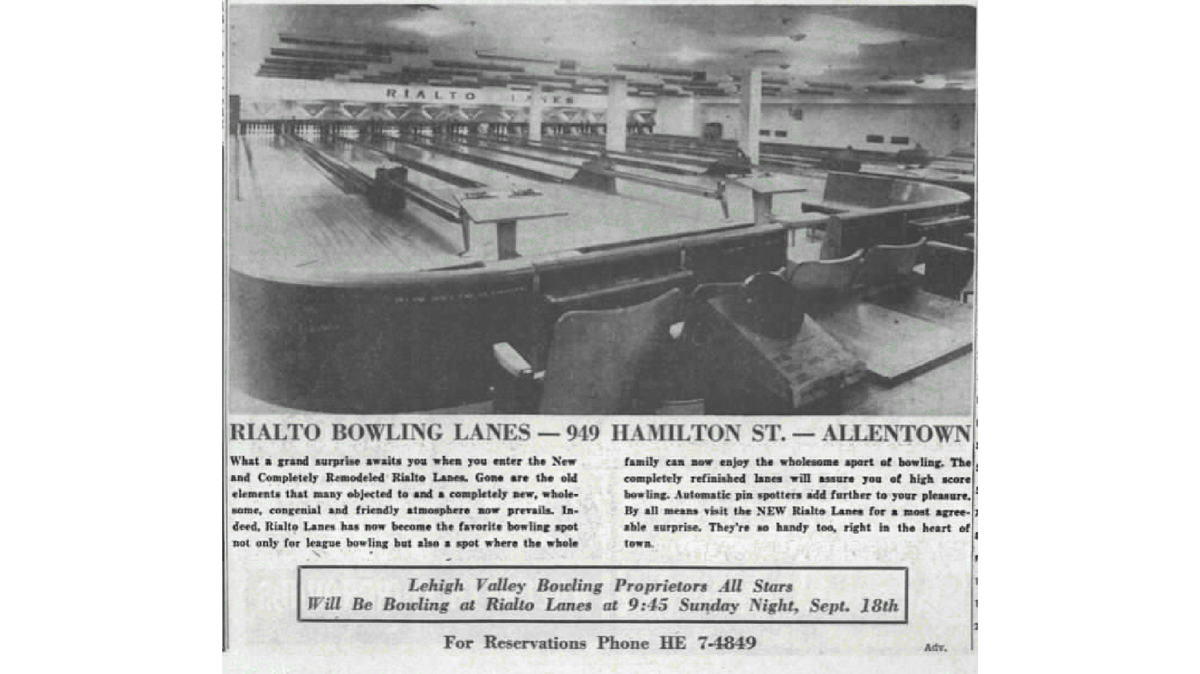
Located at 949 Hamilton Street in downtown Allentown, Rialto Bowling Lanes underwent a major renovation that gave the establishment a more modern appearance. A contemporary advertisement promoted its refinished lanes, improved atmosphere, and appeal to both league bowlers and families. The reopening was even celebrated with an exhibition featuring leading bowlers from the Lehigh Valley, reflecting how seriously local communities took the sport.
14. A Busy Night at Lucky Strike Lanes, Ontario (1961)
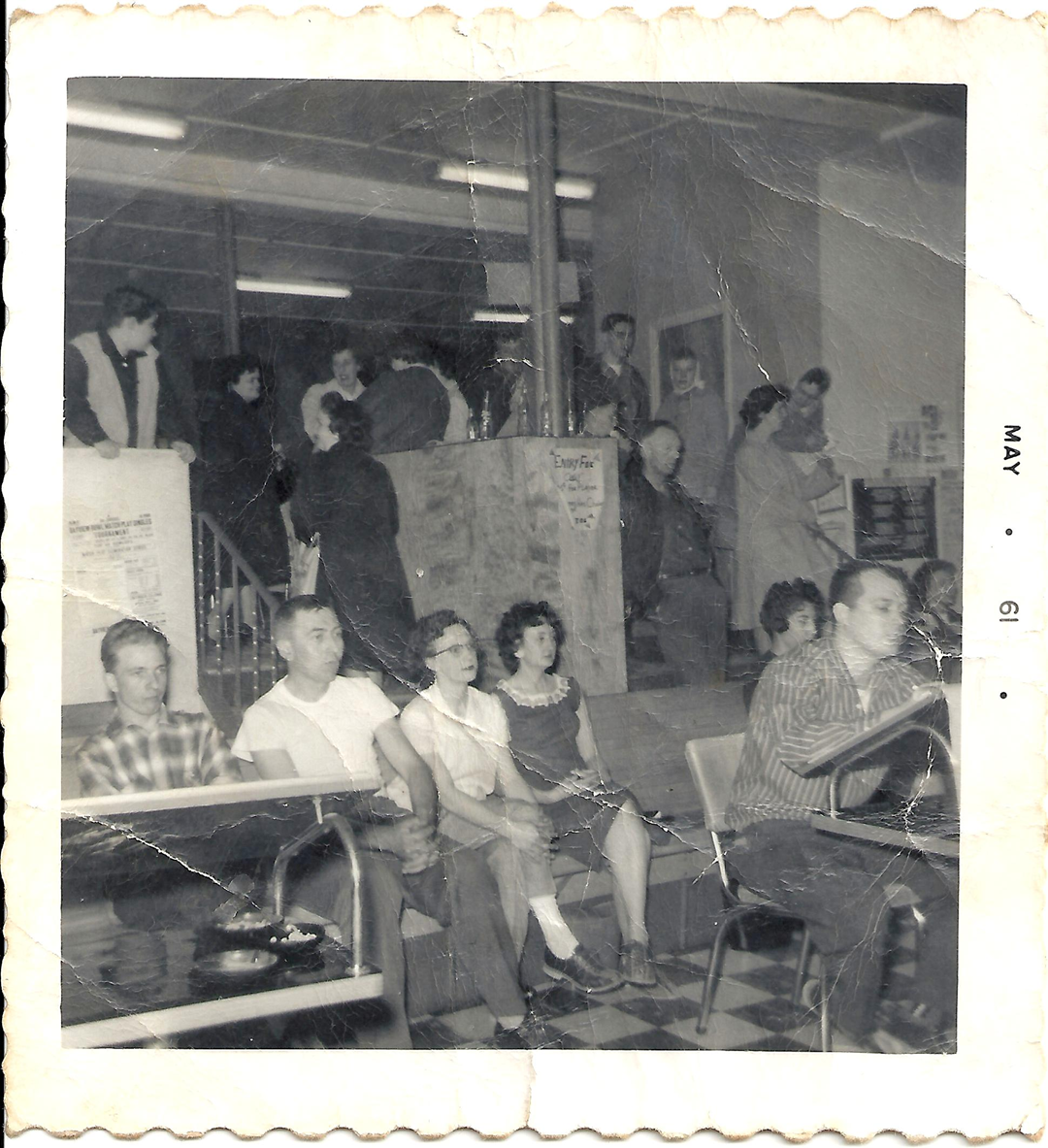
Lucky Strike Lanes in Deseronto, Ontario, was a gathering place for local bowlers in the early 1960s. Bowling was a popular recreational activity across Canada, with organized leagues and casual games bringing people together throughout the week. Even those waiting for their turn could spend much of the evening chatting, watching other players, and keeping up with the scores.
15. Bowling With Friends at Village Lanes (1965)
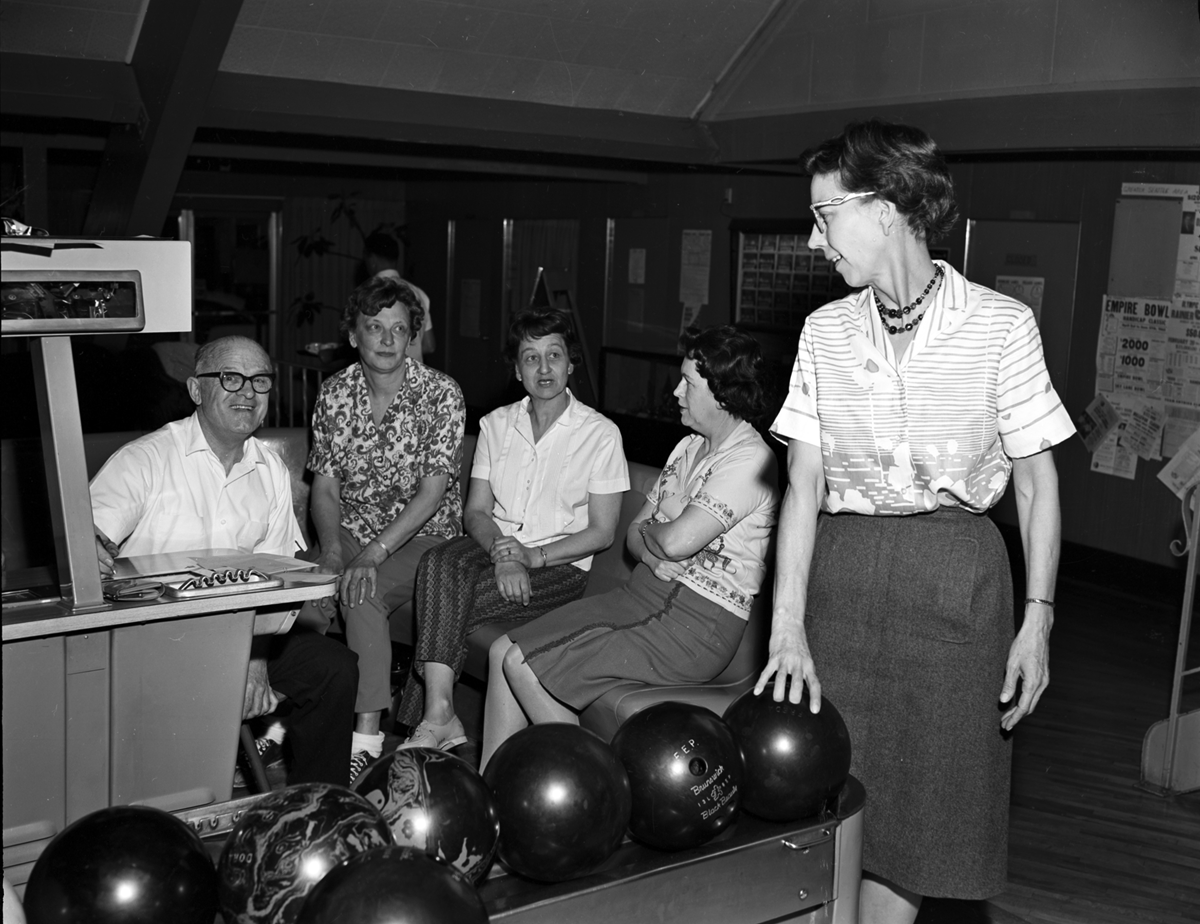
Village Lanes in Seattle, Washington, was one of the many places where bowling brought friends and neighbors together during the 1960s. Women’s bowling leagues had become especially popular by this period, with regular competitions offering opportunities to socialize and enjoy the sport. The American Women’s Bowling Congress, founded in 1916, played an important role in expanding organized bowling for women across the United States.
In the Mood for More?
Check out 15 Vintage Photos from the 1950s, or take a look at 14 Cars From the 1950s and the Bold Design Ideas Automakers Tried Out. If you want to see more nostalgic scenes from the past, explore 15 Photos That Show Why Everyone Wanted a Swimming Pool in the 1950s.