Take a nostalgic trip back to an era when discipline trumped discretion and every minute detail of student life was regimented by arcane school rules. From marching in perfect lines down narrow corridors to deciphering the bell’s Morse code, 1930s classrooms ran like military barracks; no wonder today’s parents and kids would balk.
In this roundup, we unpack 15 bygone school rules whose logic has crumbled under modern common sense.
1. Precision Calisthenics at the Start of Every Lesson

Before pencils touched slate, students performed a five-minute “exercise stretch” led by a rotating “PE monitor”. Jumping jacks, arm circles, and heel-touches aimed to sharpen focus, though fidgety third-graders often treated it as recess with a routine. Modern schools leave physical education to gym class, not every academic period.
2. Strict Hat Etiquette: Boys Remove Caps, Girls Keep Bonnets On
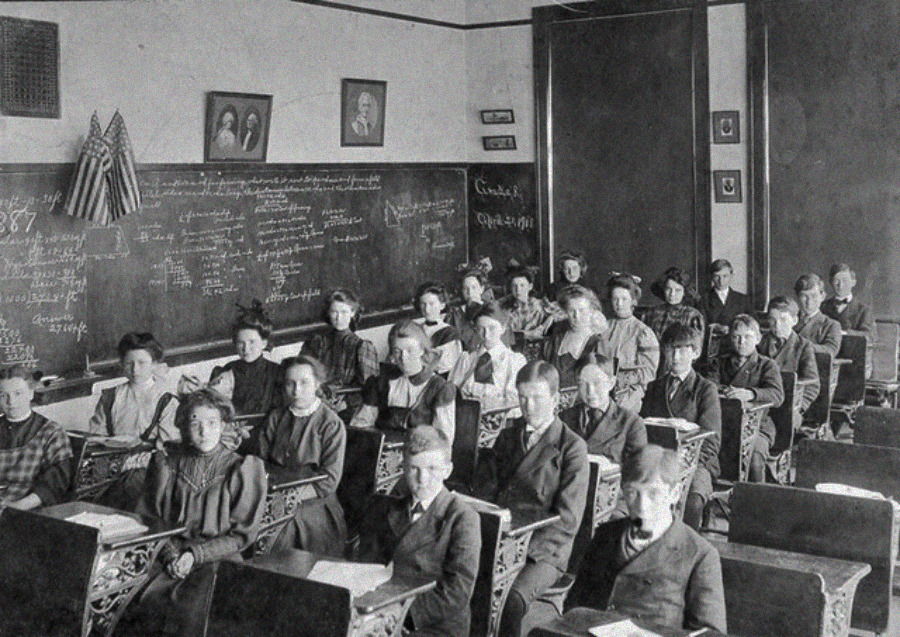
Headgear carried gendered significance: boys were expected to tip and stow their caps indoors, while girls’ elaborate bonnets stayed fixed, even in sweltering classrooms. Breaking this rule signaled disrespect and could land a student in “hat detention”. Today’s casual dress codes let kids express their style without a head-wear handbook.
3. Raise Your Hand with Full Arm Extension, No Exceptions
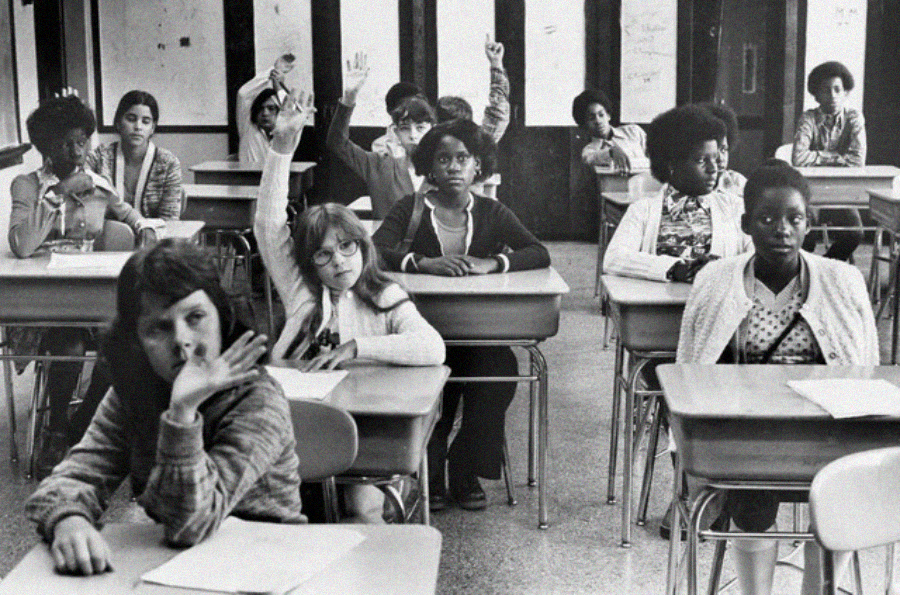
A mere fingertip in the air wasn’t enough; students had to straighten the arm fully and hold it motionless until acknowledged. Half-hearted gyrations were interpreted as defiance. Now, teachers reward engagement, not rigidity, and hand signals are far more relaxed.
4. Hair-Length Regulations for Boys and Girls
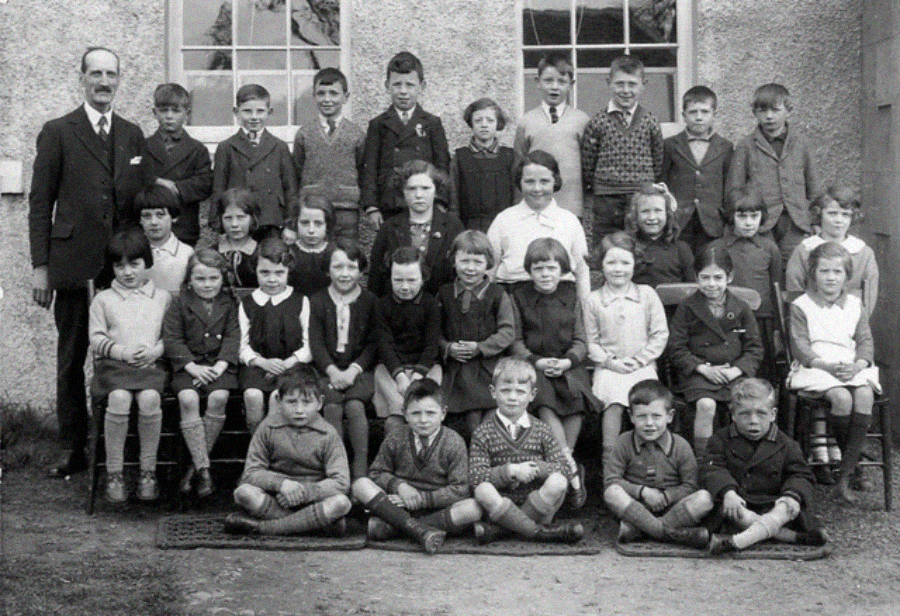
Boys’ hair had to clear the collar by at least three inches; girls weren’t allowed any braids wider than one inch. Authorities believed uncontrollable locks led to unruliness. Nowadays, personal grooming is left to parents, and teachers rarely measure bangs.
5. Mandatory Weekly Chapel Service, Rain or Shine
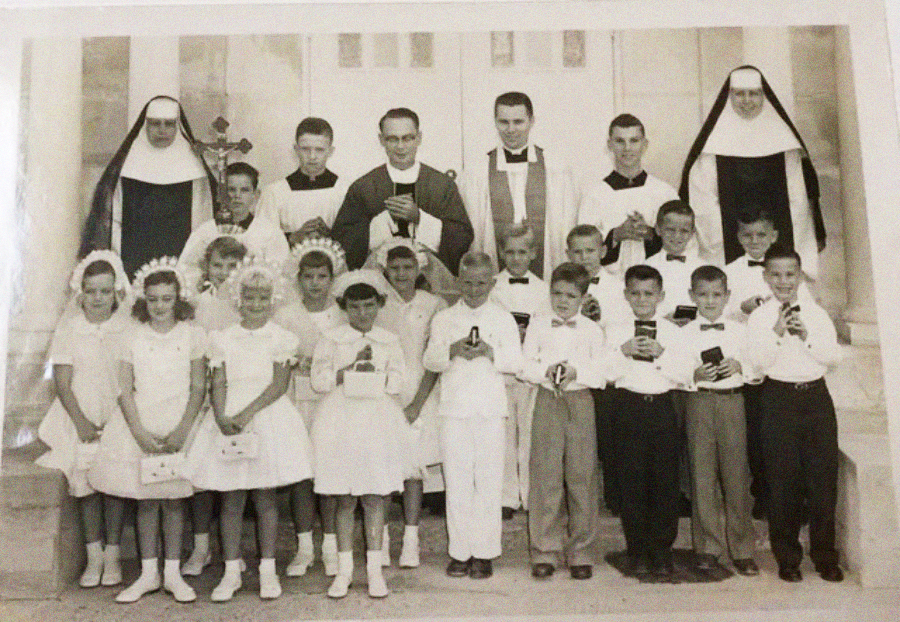
Every Friday afternoon, students assembled in the auditorium for hymns and moral instruction, with attendance taken at the pulpit. Skipping required a signed note from home; tardiness earned a minimum of three extra pages of moral essay. Public schools now separate religious services from secular education entirely.
Trending on The Scroller

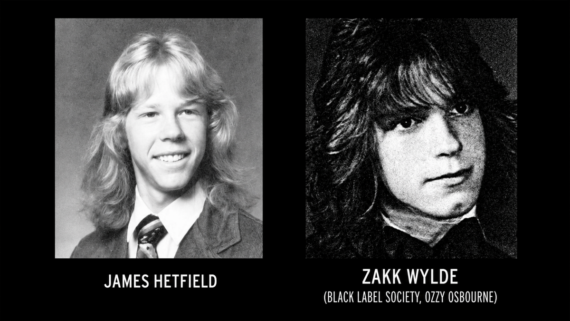
6. Mandatory Flag Salute at 8:15 a.m. Sharp
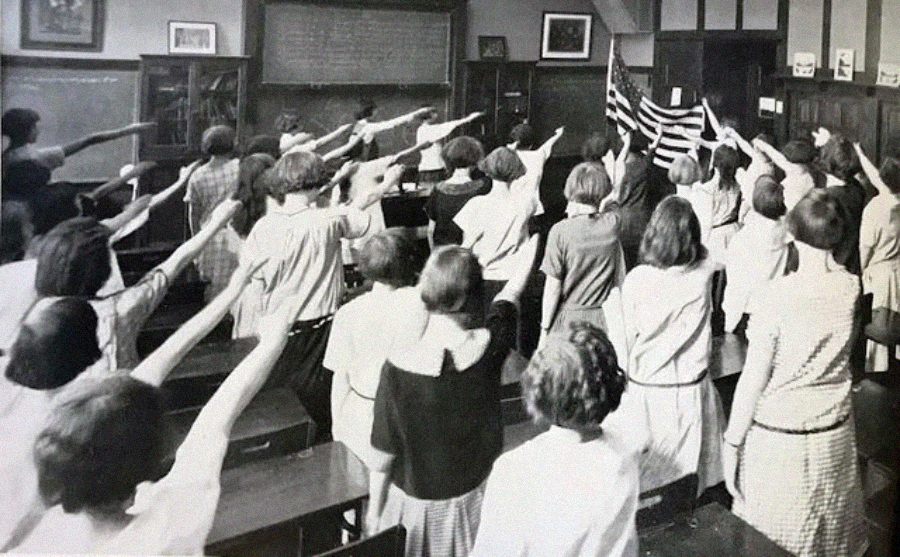
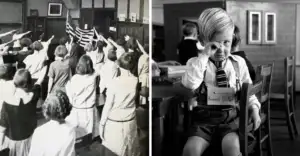
Every morning began with the entire student body standing at rigid attention to salute the flag and recite the Pledge of Allegiance. Tardiness -even by a single second- meant missing the salute and earning a “late for loyalty” slip. This ritual underscored patriotism but would feel overly ceremonial by today’s standards.
7. Absolute No-Gum Policy, Under Penalty of Confiscation
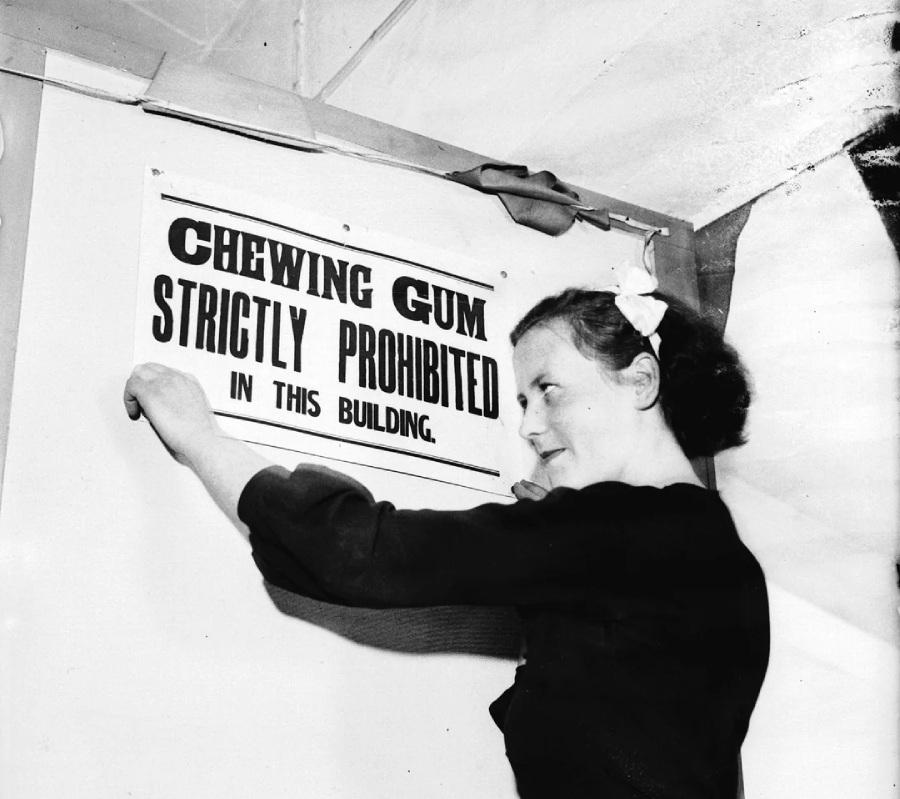
Chewing gum was deemed a “matter of filthy etiquette” and banned outright. Anyone caught sticking a wad on a desk faced public disposal and a lecture on moral fiber. Present-day schools often sell gum for fundraisers, though they still frown on sticky desks.
8. No Packing Lunches from Home
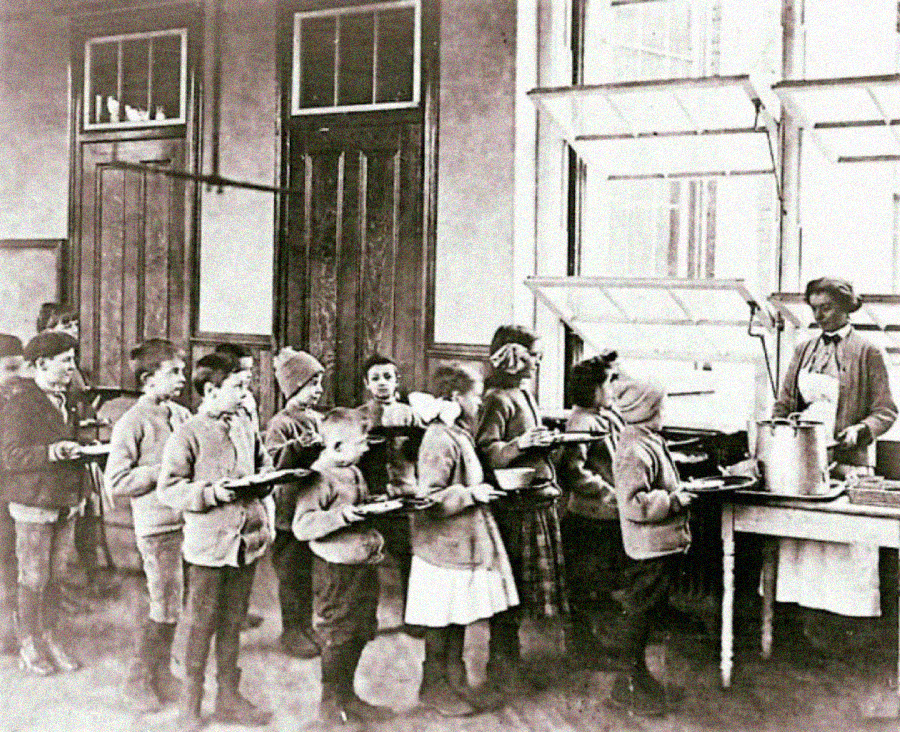
In the 1930s, bringing your own sandwich was flatly forbidden. Every child ate the “nutritious” meal the school served, no exceptions. Allergy sufferers and picky eaters had no say in a one-size-fits-all menu of mystery meat and canned vegetables. Today’s schools embrace diversity, letting kids pack bento boxes or choose from vegan, gluten-free, and international options instead.
Sign up for our newsletter
9. Girls Were Required to Wear Dresses
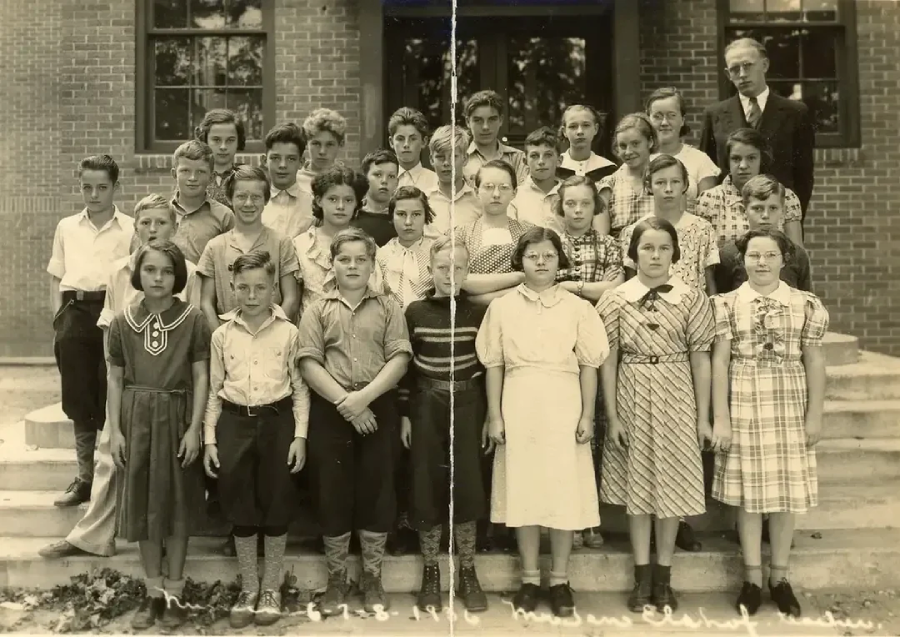
In the 1930s, school rules insisted that girls arrive in skirts or dresses every single day; no slacks, shorts, or pantaloons allowed. This strict dress code wasn’t about safety or comfort but about enforcing rigid gender roles and uniformity. Modern schools, by contrast, champion inclusive dress codes that let every student -regardless of gender- choose what feels best.
10. Students Were Automatically Blamed for Disruptions
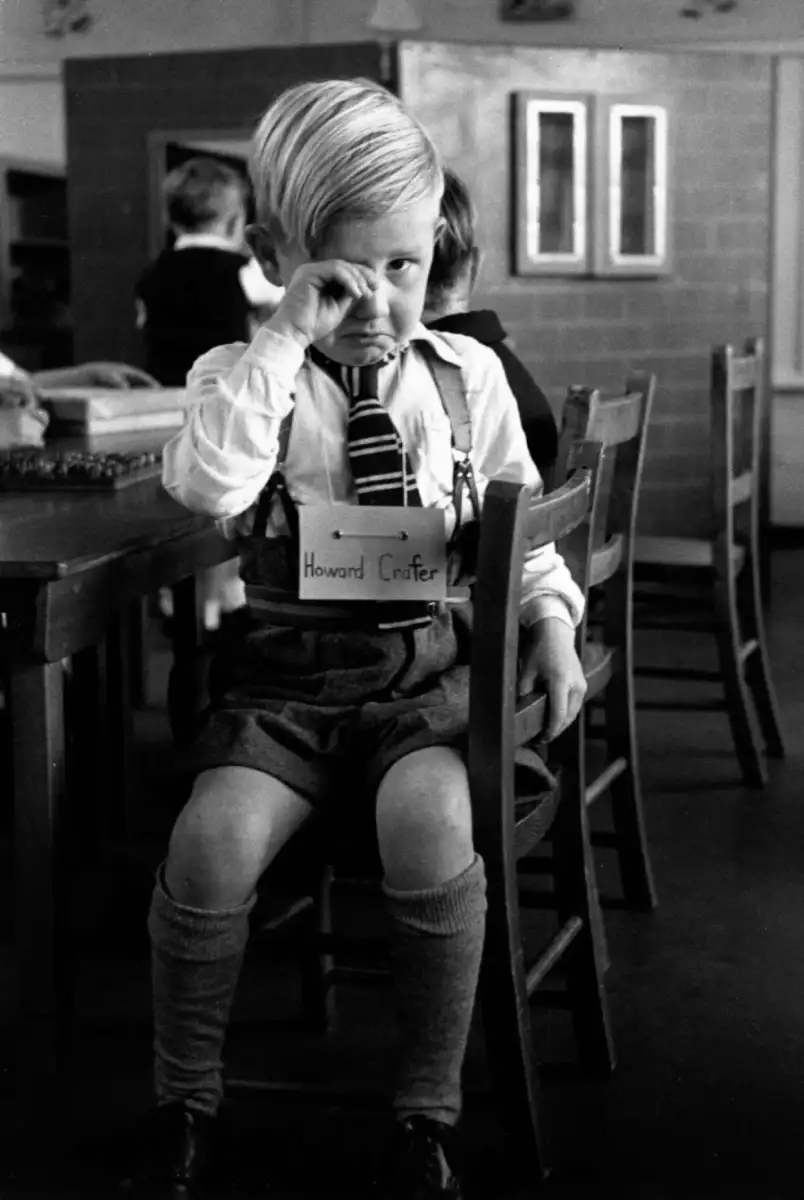
Any sudden noise or outburst in a 1930s classroom meant a student was immediately at fault, no questions asked. This zero-tolerance stance ignored underlying causes and discouraged open communication. Today’s educators focus on understanding student needs and creating supportive, empathetic environments.
11. No Personal Items on Desks
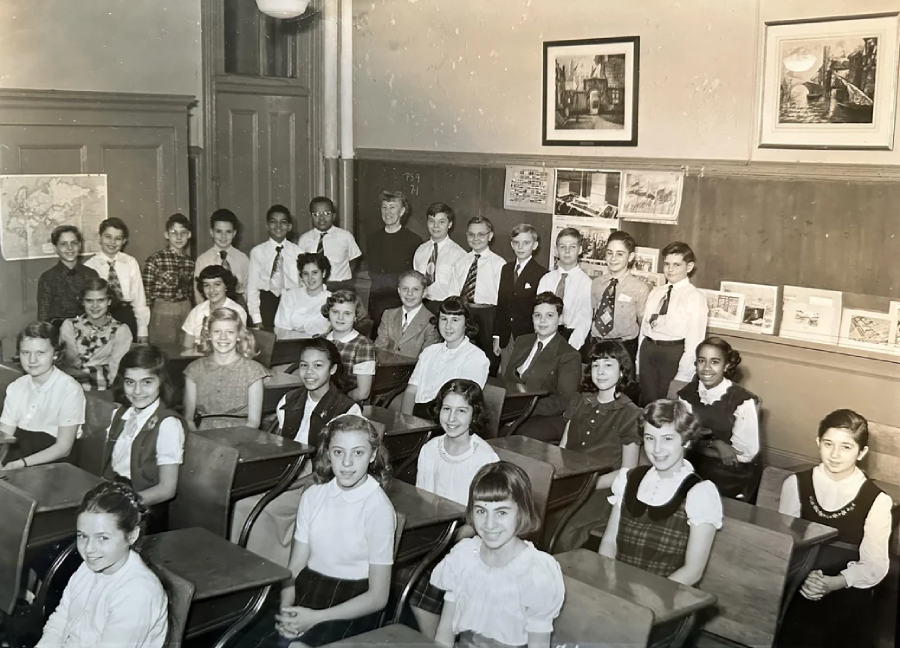
In the 1930s, desks had to stay completely clear; no photos, trinkets, or books beyond the lesson plan. Anything “personal” was deemed a distraction and swiftly confiscated. Today’s classrooms often encourage students to bring meaningful items to foster a sense of belonging.
12. Teachers as Sole Authority Figures
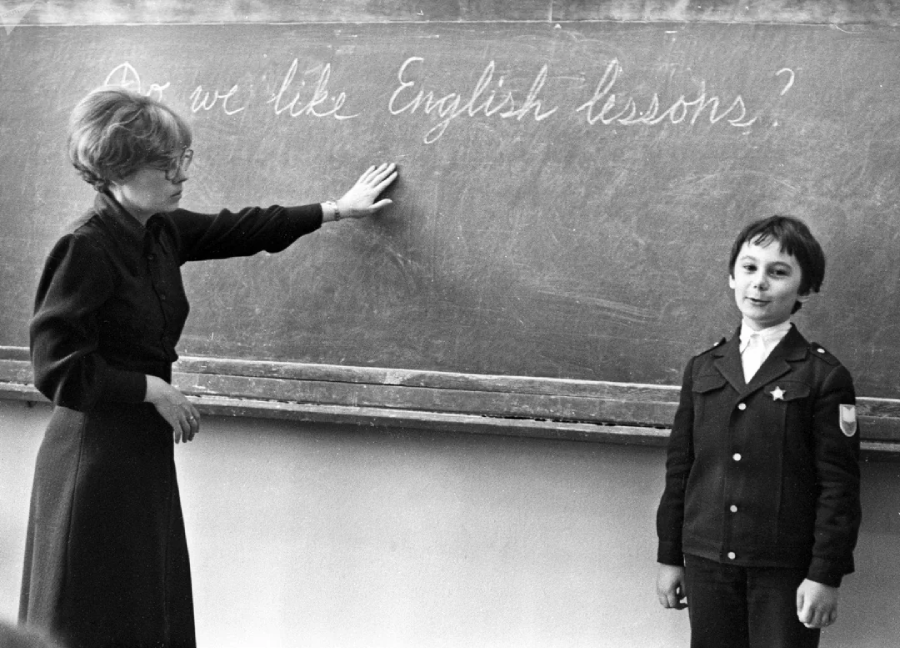
In the 1930s, teachers wielded absolute authority; student opinions weren’t welcomed, and questions could be seen as disrespect. Classrooms ran top-down, with no room for collaborative learning. Today, educators foster dialogue, invite student input, and share responsibility to build mutual respect.
13. Daily Silent Spelling Drill
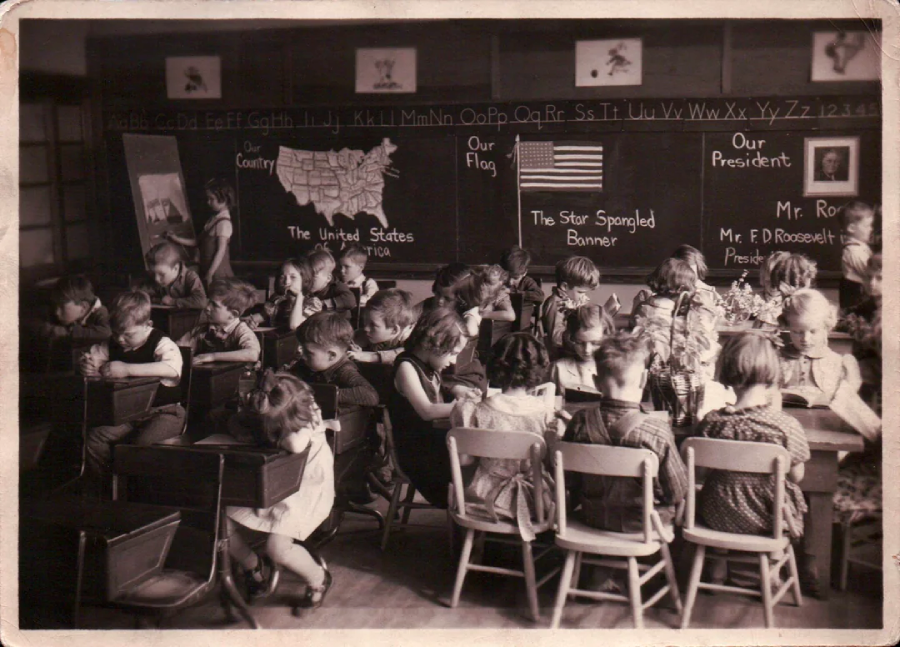
After lunch, desks fell eerily silent as students practiced spelling words in unison; no speaking aloud allowed, only lip movements. Any whispered pronunciation triggered a 10-minute “oral silence” penalty in the hallway. Now, spelling bees are a fun competition rather than a hush-inducing ritual.
14. No Chewing on Pen Nibs or Pencil Erasers
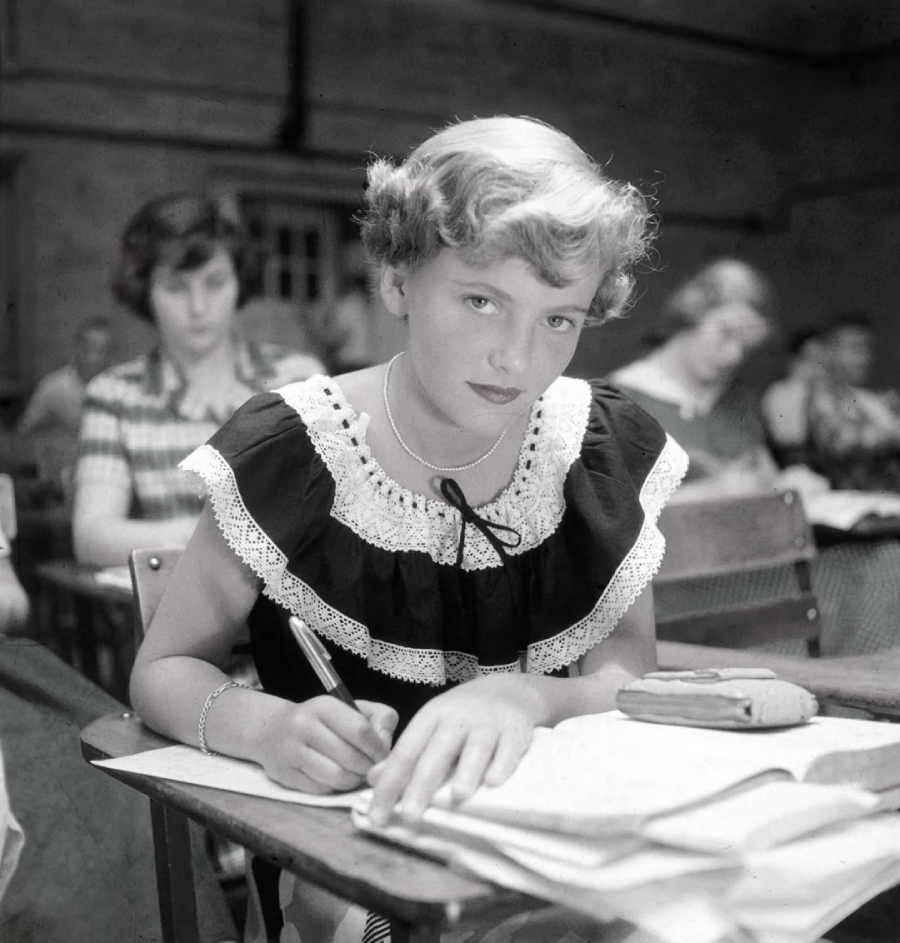
Biting on writing implements was outlawed as both a hygiene concern and distraction. Students caught chewing erasers or pen nibs were required to stand in “quiet reflection” by the blackboard. Modern schools tend to offer fidget tools instead of public shaming.
15. Students Were Required to Wear Uniforms

Throughout the 1930s, every pupil had to don a standardized uniform; no mix-and-match or personal flair allowed. This rigid policy aimed to erase socioeconomic differences but also stifled self-expression. Modern schools that maintain uniforms tend to allow seasonal variations and accessory choices, striking a balance between unity and individuality.
Explore more vintage content:
These 1930s school rules offer a revealing snapshot of an era when conformity and control reigned supreme and clearly wouldn’t fly today. Hungry for more deep dives into bygone customs? Check out these 16 Things ’40s Parents Let Kids Do That Wouldn’t Fly Today, or these 15 Strange Dining Etiquette Rules From the 1920s. You can also take a look at these 20 Foods from the ’70s That Are Completely Extinct.