National parks are full of famous views, but the best stories often sit just off the trail. They’re the tales rangers swap after hours, the oddball moments, and the bits of history that don’t make the brochure.
In this gallery, we’re shining a light on the side notes you rarely hear about. They’re short and easy to picture.
1. Yosemite’s “Dope Lake”
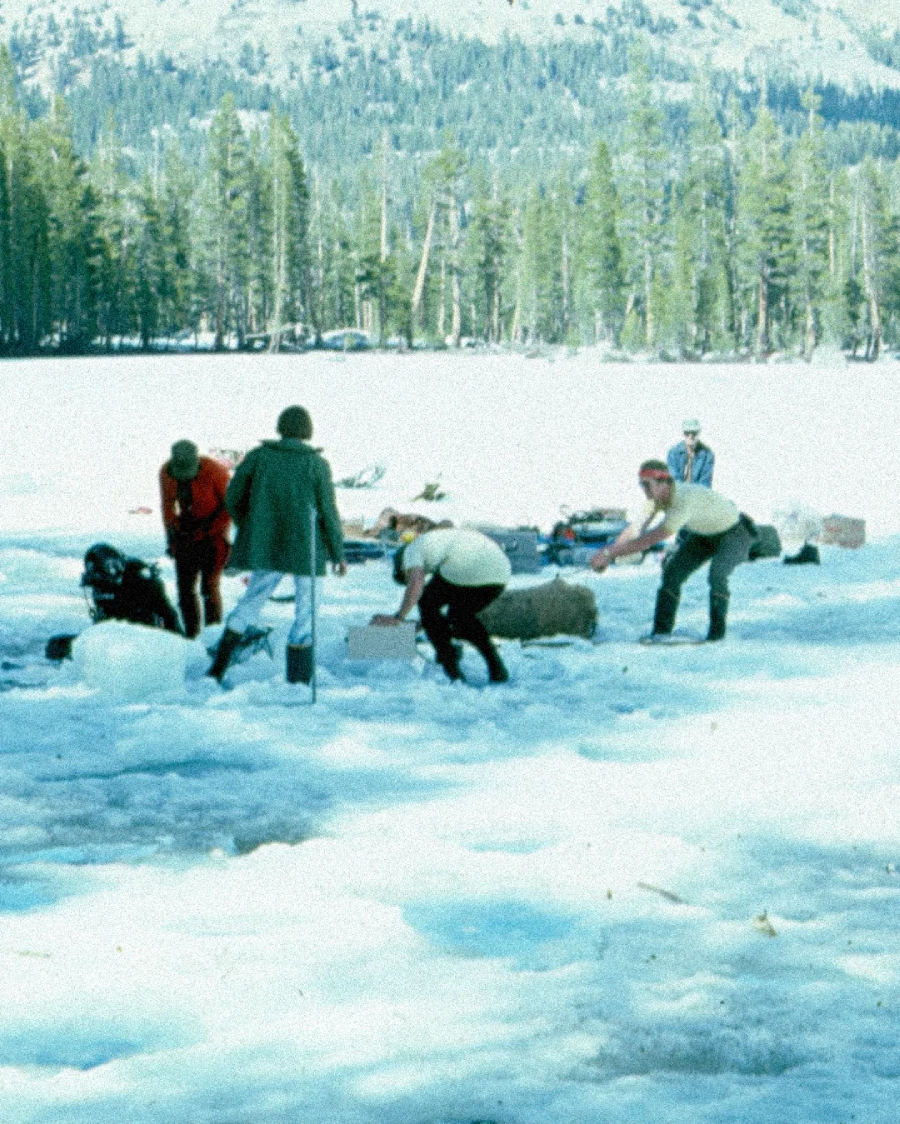
In 1977, a drug-smuggling DC-7 crashed into a remote high-country lake. Climbers later nicknamed it “Dope Lake” and salvaged scattered bales before the wreck was removed. It’s one of Yosemite’s strangest cold-water chapters.
2. Mineral King’s marmots vs. radiators
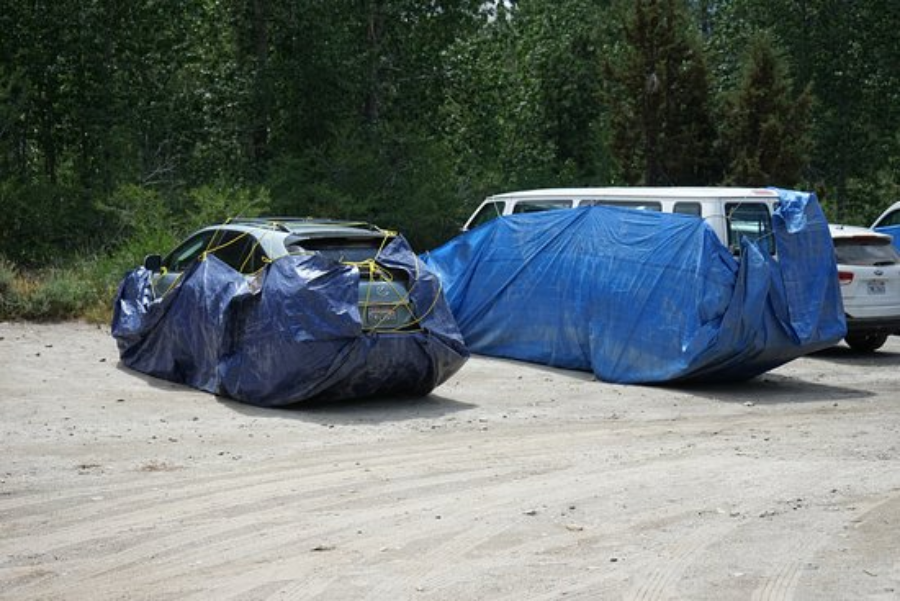
At Sequoia’s Mineral King, marmots are known to chew through hoses and wiring, so locals literally wrap cars in tarps or chicken wire. It sounds like a joke until you see the tow truck.
3. Hot Springs, the spa town the Mob loved

During Prohibition, gangsters used Hot Springs, Arkansas, as a quiet base for baths, betting, and business. Al Capone famously favored the Arlington Hotel.
4. A national park that is a stage
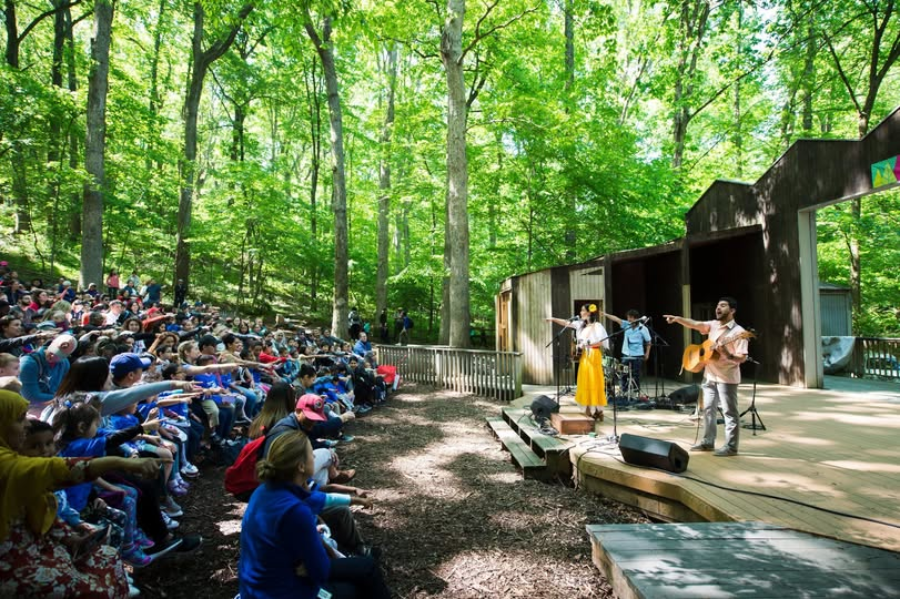
Wolf Trap is the only U.S national park dedicated to the performing arts. Summer nights there are symphonies, not geysers.
5. Yellowstone’s “bear shows” era
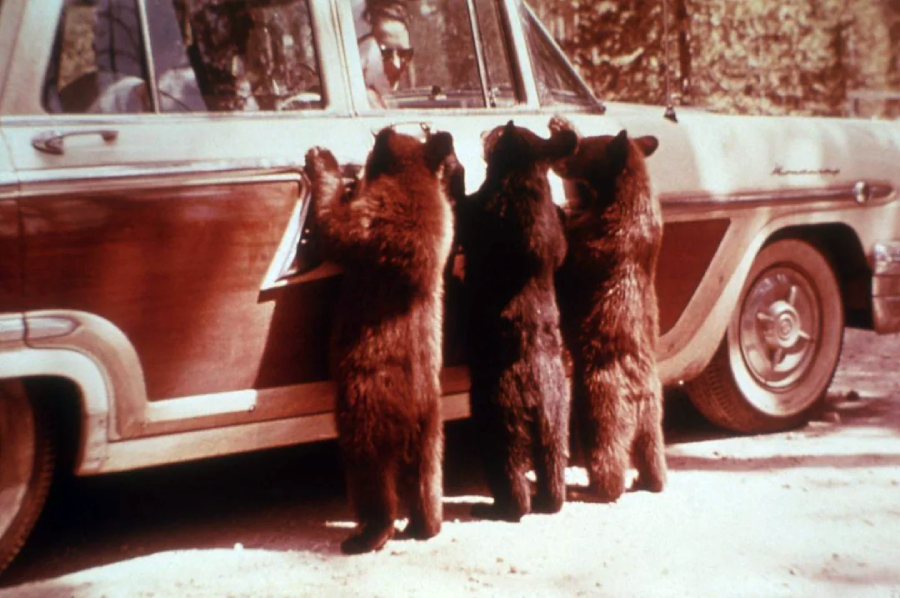
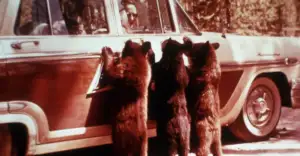
Until the late 1960s, open garbage dumps drew nightly “bear shows” for visitors. The park closed them, stopped feeding bears, and rewrote wildlife management.
Trending on The Scroller

6. Singing sand at Great Sand Dunes

Some dunes hum and boom when dry sand avalanches just right. The sound is eerie and perfectly natural.
7. The bad-luck letters at Petrified Forest

People who pocket rocks sometimes mail them back with apology notes, blaming sudden streaks of bad luck. Rangers keep the “conscience letters” as cautionary tales.
8. Crater Lake’s floating “Old Man”
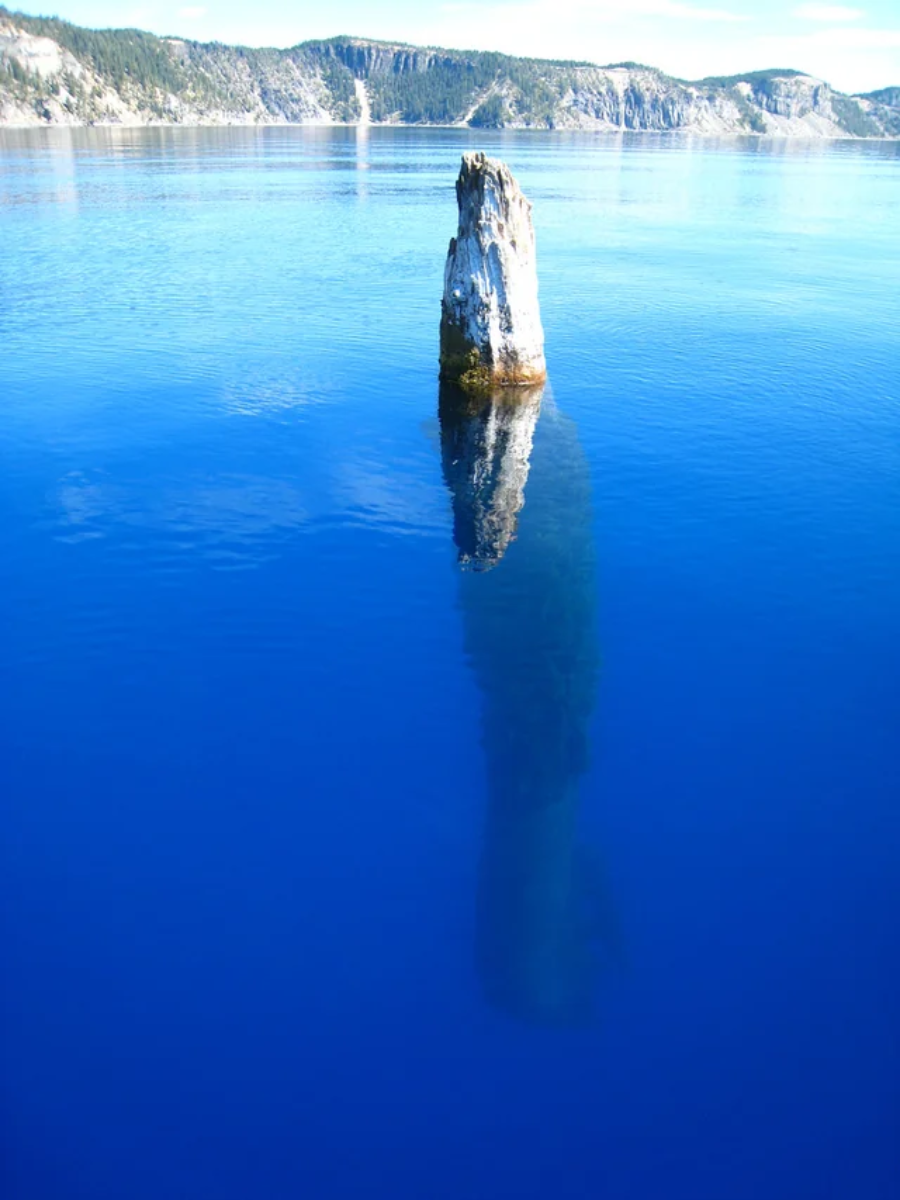
A 30-foot hemlock log has bobbed upright around the lake since at least 1896. Captains still swap its position like the weather.
Sign up for our newsletter
9. White Sands closes for missile tests
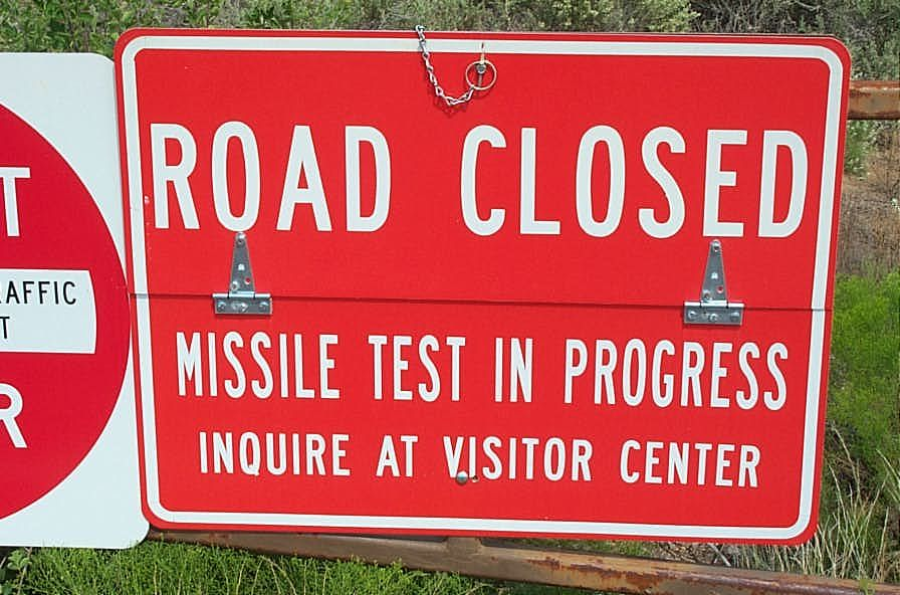
New Mexico’s gypsum dunes sometimes close because of nearby missile range operations. Even U.S. 70 can shut down while tests are running.
10. Biscayne is 95% water

Miami’s national park is mostly underwater, with a snorkeable Maritime Heritage. Trail of shipwrecks. The best views are below the surface.
11. Denali’s “Clean Mountain Can” rule
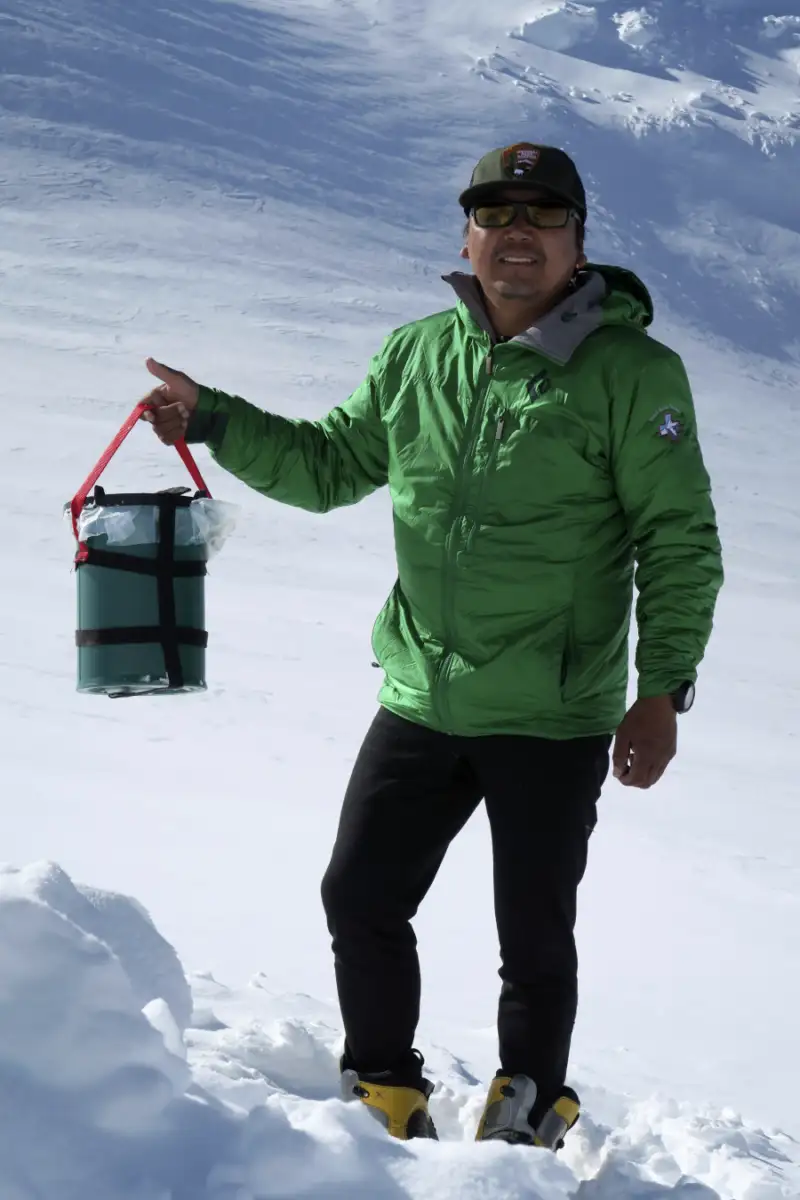
Climbers on Denali carry out human waste using required cans. Decades of cleanup changed how high-altitude routes are run.
12. John Otto’s one-man monument

Colorado National Monument owes much to John Otto, a dreamer who built trails by hand and campaigned until it became protected. He even served as its first custodian.
13. Yosemite’s man-made Firefall vs. the real one
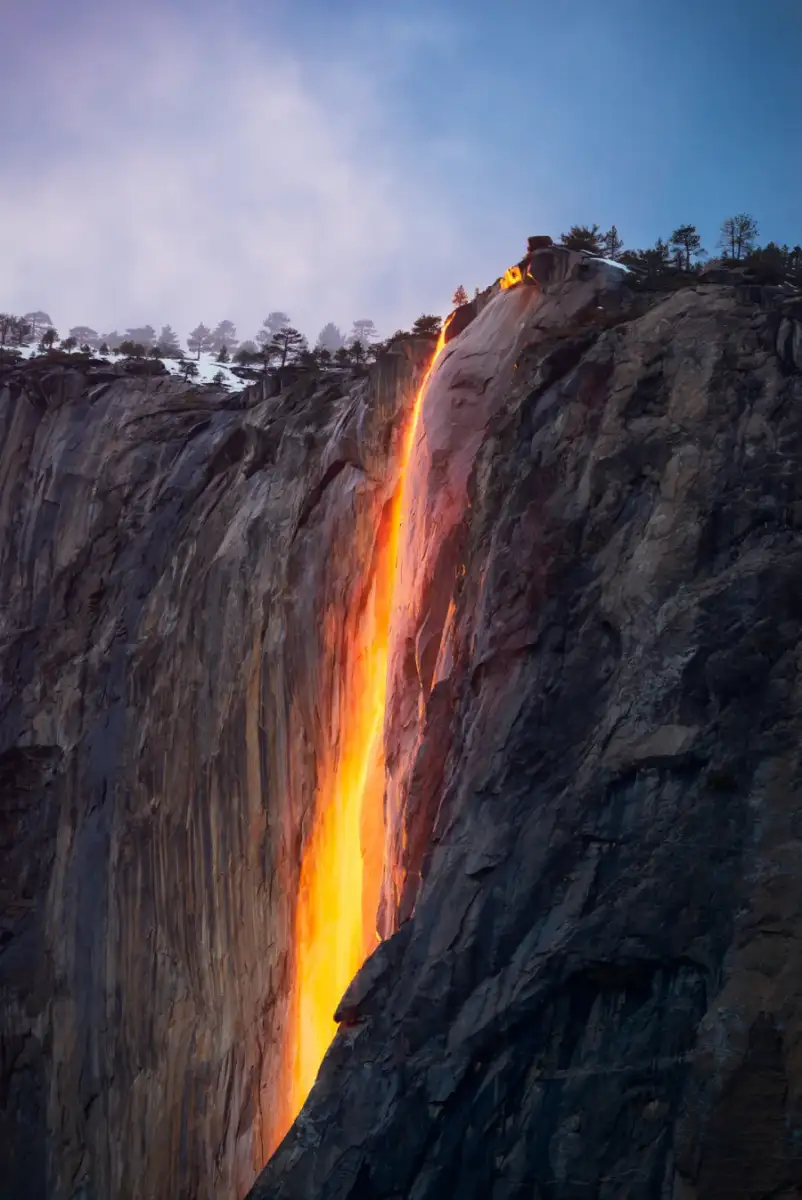
For decades, hotel operators pushed embers off Glacier Point for a fiery waterfall. The practice ended in 1968. Today, the natural “firefall” glow on Horsetail Fall draws careful, modern crowd controls.
14. Isle Royale’s wolves and moose
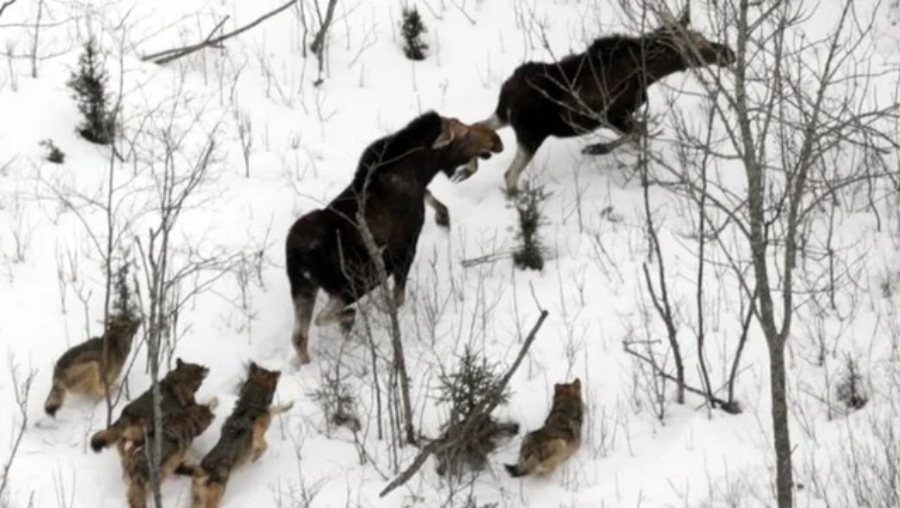
On a remote Lake Superior island, scientists have tracked wolf-moose dynamics since 1958, shaped at times by rare winter ice bridges. It’s one of ecology’s most storied long studies.
15. From a burning river to a national park
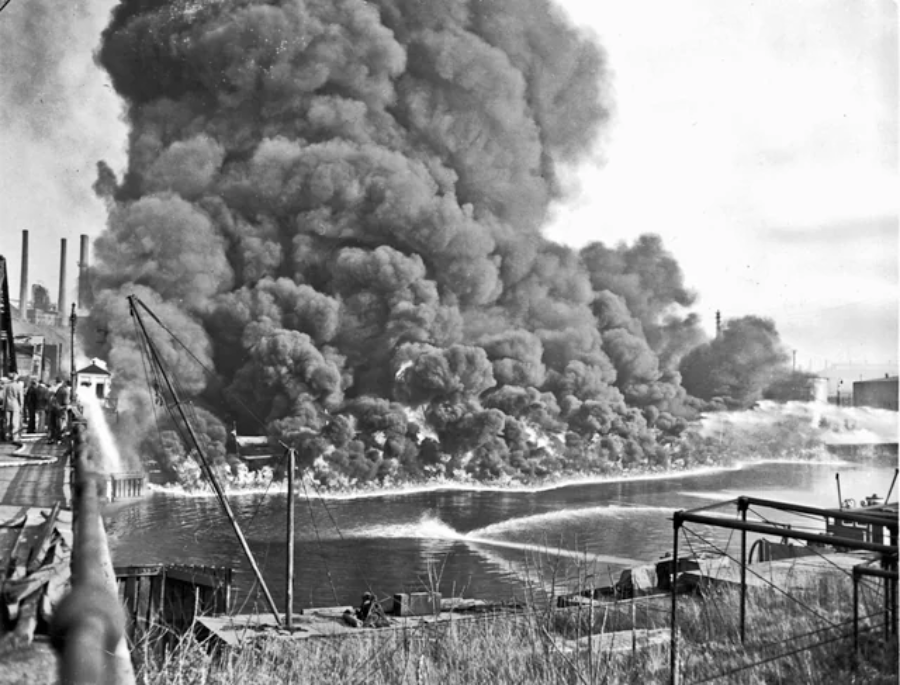
The Cuyahoga River fires, especially in 1969, helped spark environmental reform. Years later, the region became Cuyahoga Valley National Park. The turnaround is the real headline.
16. Carlsbad Caverns started with guano
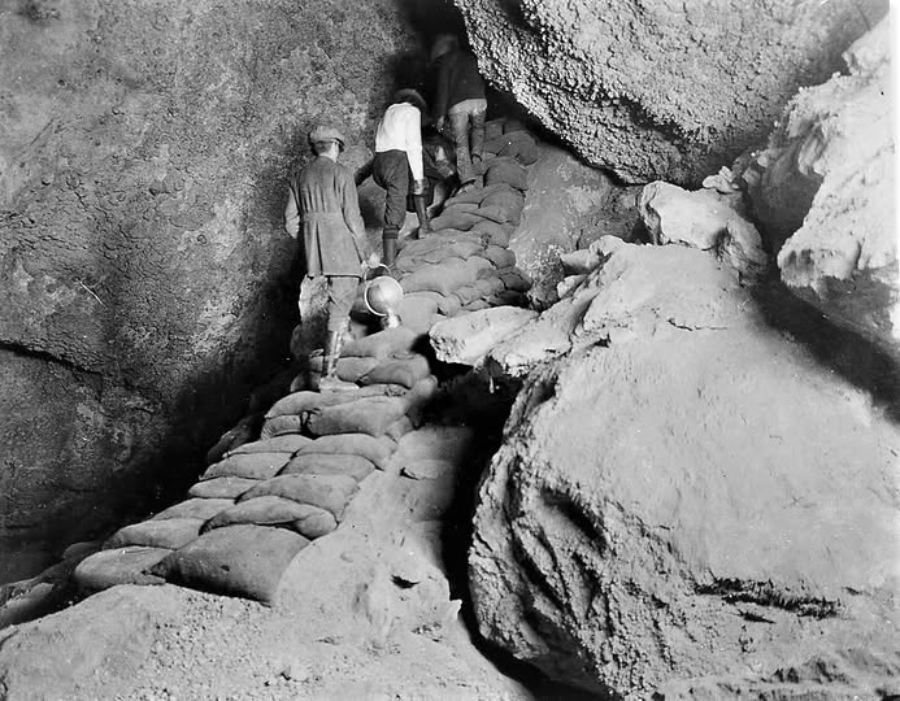
Before tours and elevators, the caverns were mined for bat guano as fertilizer. Jim White’s lantern and the bats changed everything.
17. Wind Cave “breathes”

Shifts in air pressure push wind in and out of a small opening, giving the cave its name. Early visitors felt the gusts at the entrance.
18. A tiny international crossing in Big Bend
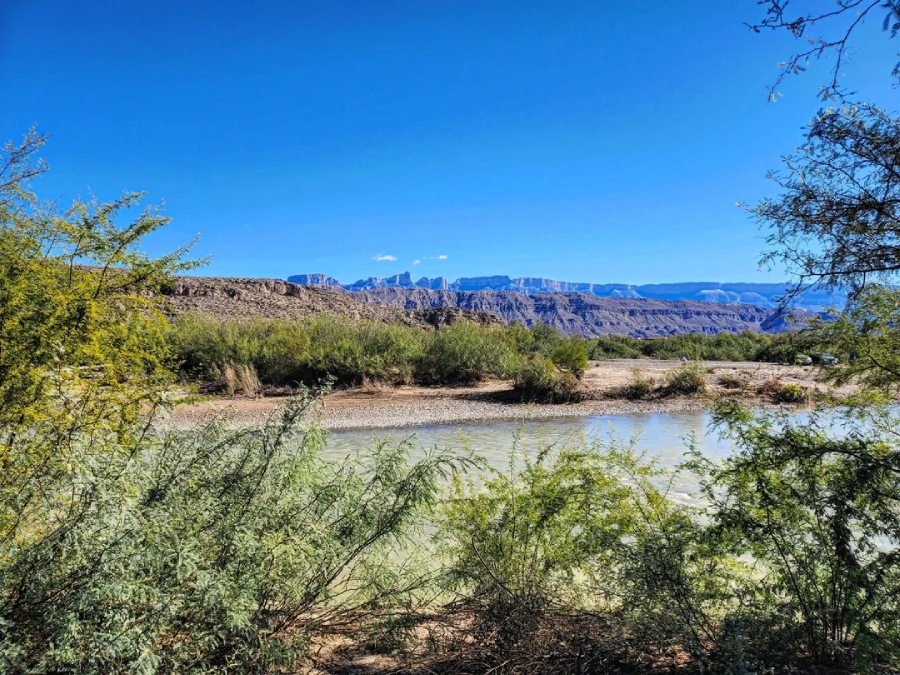
Boquillas Crossing links the park to a small Mexican village by a footbridge and a simple port of entry. It’s a quiet, human-scale border story in the desert.
19. The fox comeback on the Channel Islands

Island foxes nearly vanished in the 1990s; a huge rescue effort brought them back and off the endangered list by 2016. It’s one of the fastest mammal recoveries recorded.
20. Condors over Grand Canyon again
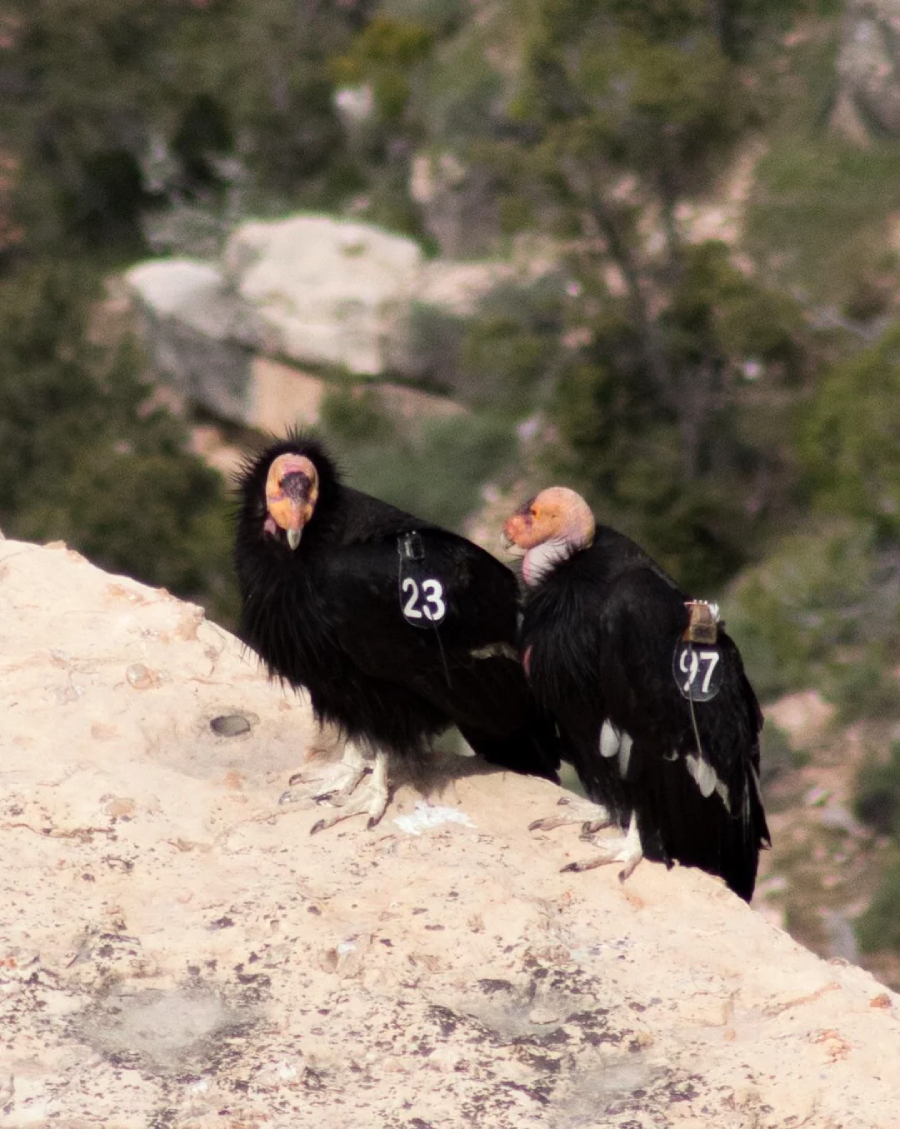
California condors returned to the canyon in 1996 after local extinction. If you spot one, those giant number tags tell a long story of survival.
Explore more historical content:
If you’re in the mood for more offbeat history, try these Sea Monsters Sailors Swore They Saw, or these 15 Spicy Stories about Famous Chefs That Went off the Rails. You can also check The Wildest Things Celebrities Have Spent Money On.