When you look around your living room, you likely see a clean, quiet space, but on a microscopic level, your home is actually a thrumming metropolis of alien-looking life. Every square inch of your carpet, every fiber of your pillow, and even the air you breathe is teeming with specialized organisms that have evolved to thrive alongside humans. These tiny roommates are so small they escape our notice, yet they play a massive role in the hidden ecology of our daily lives. From ancient resilient creatures to complex miniature predators, the sheer diversity of life existing just out of sight is enough to make anyone look at their vacuum cleaner with newfound respect.
The most incredible thing about these microscopic beings is the specialized “jobs” they perform within our homes. While some are just passing through on a speck of dust, others have spent thousands of years adapting to eat the skin cells we shed or the moisture trapped in our bathroom tiles. They possess bizarre physical features, like armored plates, multiple sets of legs, and strange sensory organs, that make them look like creatures from a deep-space sci-fi epic. Understanding these tiny neighbors doesn’t just satisfy our curiosity; it changes our entire perspective on what it means to be “home alone.” Let’s take a look at eighteen of the most fascinating tiny inhabitants currently living under your roof.
1. The common dust mite, or Dermatophagoides
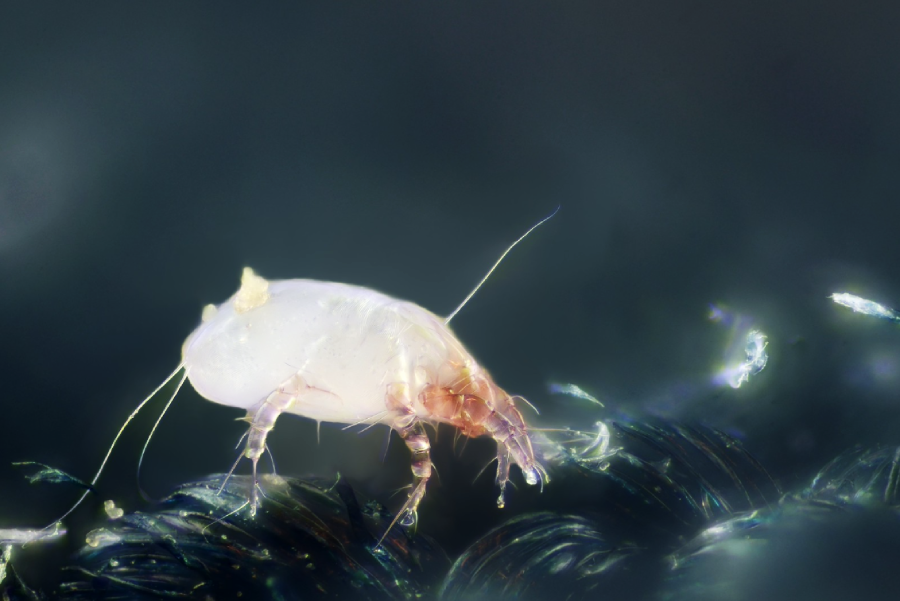
Virtually every home on Earth is host to thousands of these eight-legged relatives of the spider. They aren’t interested in your food; instead, they live almost exclusively on the tiny flakes of dead skin that humans shed every single day. A fascinating fact is that a typical used mattress can contain anywhere from 100,000 to 10 million of these microscopic scavengers. They actually prefer humid environments because they don’t drink water, instead absorbing moisture directly from the air through their skin.
2. Tardigrades, the “water bears”
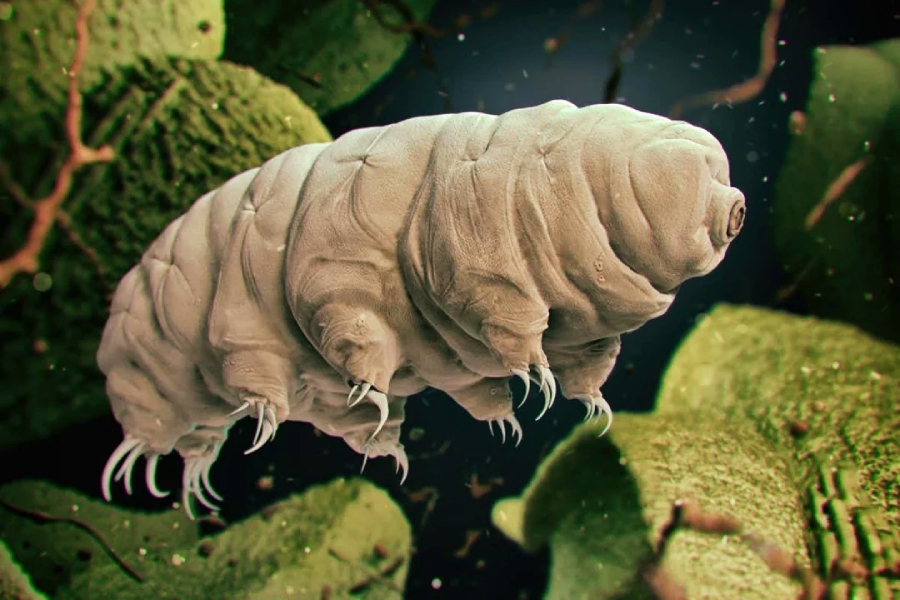
If you have any indoor plants or a patch of moss on your windowsill, you likely have tardigrades living nearby. These legendary “water bears” are famous for being the most resilient animals on the planet, capable of surviving the vacuum of space and extreme radiation. They move on eight stubby legs and possess a specialized “mouth-tube” used to suck the juices from plant cells or algae. Even if your house completely dried out, these tiny beings would simply enter a state of suspended animation, waiting years for a single drop of water to wake them up.
3. Psocids, the booklice
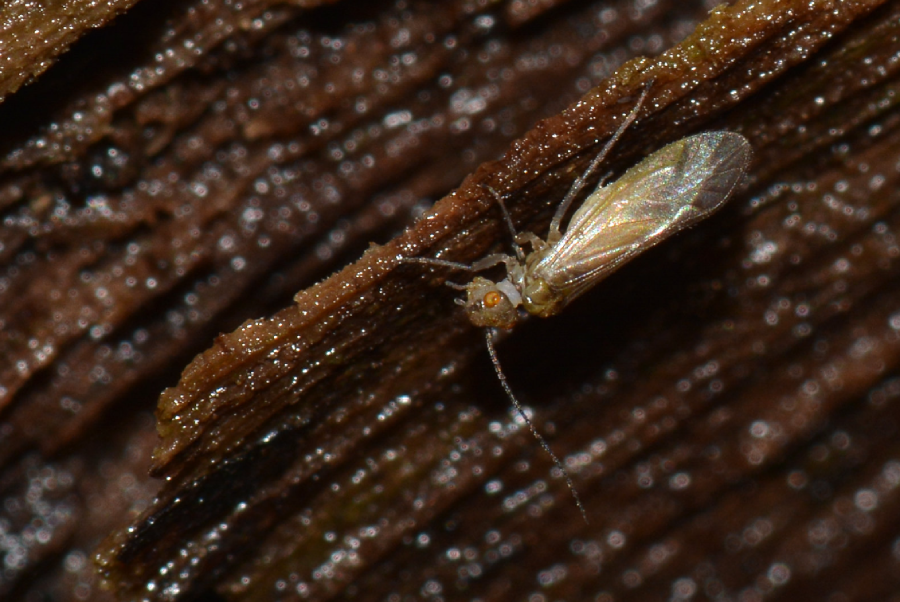
Despite their name, booklice aren’t actually lice and they don’t bite humans; they are tiny insects that thrive on the microscopic mold and fungi found in damp books or wallpaper. You can often find them in older libraries or humid pantries where they graze on the starch-based glues used in bookbinding. An interesting quirk is that some species can communicate by tapping their abdomens against paper, creating a tiny sound that humans can only hear in absolute silence. They are harmless indicators of humidity levels, acting as the tiny, silent librarians of your home’s darkest corners.
4. Aspergillus fungi

This is one of the most common molds found in household dust and on damp surfaces like bathroom tiles or kitchen sponges. Under a microscope, Aspergillus looks like a beautiful, complex flower with long stalks topped with spherical heads of spores. These spores are constantly floating in the air of almost every building, waiting for a moist spot to land and start a new colony. While they are usually harmless to healthy people, they are master decomposers that help break down organic material in nature and, occasionally, the forgotten leftovers in the back of your fridge.
5. Silverfish nymphs
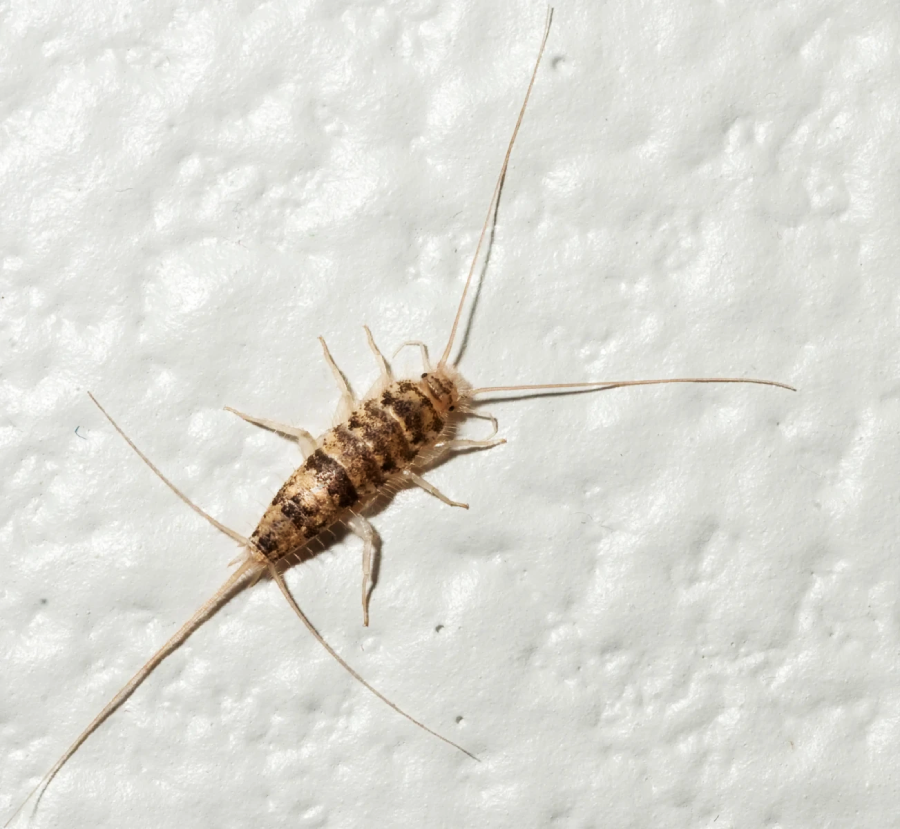
While adult silverfish are visible to the naked eye, their newly hatched nymphs are so small and translucent that they are practically invisible without a lens. These ancient insects have remained largely unchanged for millions of years, predating the dinosaurs by a significant margin. They possess a specialized enzyme in their gut that allows them to digest cellulose, meaning they can literally eat the pages of your favorite novels or the cotton fibers in your clothes. Seeing a nymph under a microscope reveals a shimmering, metallic body that looks like it’s made of liquid chrome.
Trending on The Scroller

6. Carpet beetle larvae, also known as the woolly bears

Often found hiding behind baseboards or under heavy furniture, these larvae look like tiny, bristly hedgehogs under a lens. They are covered in specialized defensive hairs that can actually irritate human skin if touched. While the adults feed on pollen, the larvae have a voracious appetite for natural fibers like wool, silk, and even the hair shed by your pets. They are incredibly slow movers, taking months to mature while silently recycling the organic debris in the darkest corners of your bedroom.
7. Bedbug nymphs
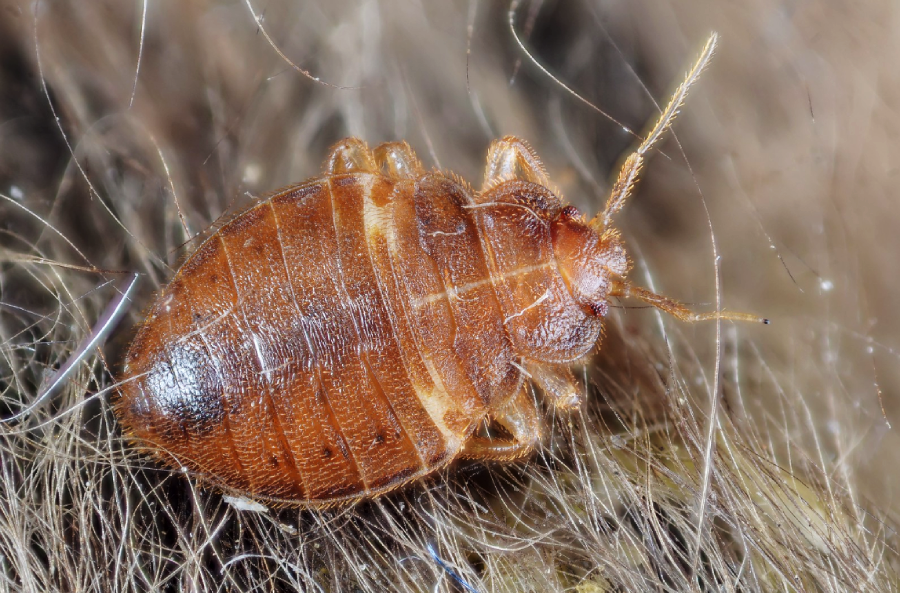
While everyone fears the adult, the newly hatched nymphs are nearly transparent and as small as a grain of salt, making them almost impossible to spot with the naked eye. These tiny beings require a blood meal to progress through each of their five growth stages, turning a bright crimson color after they feed. They are master hiders, capable of squeezing into the microscopic cracks of a bed frame or the threading of a mattress. Their resilience is legendary, as they can go for several weeks without feeding while waiting for a host to return.
8. House dust scutigeromorph, or baby centipedes
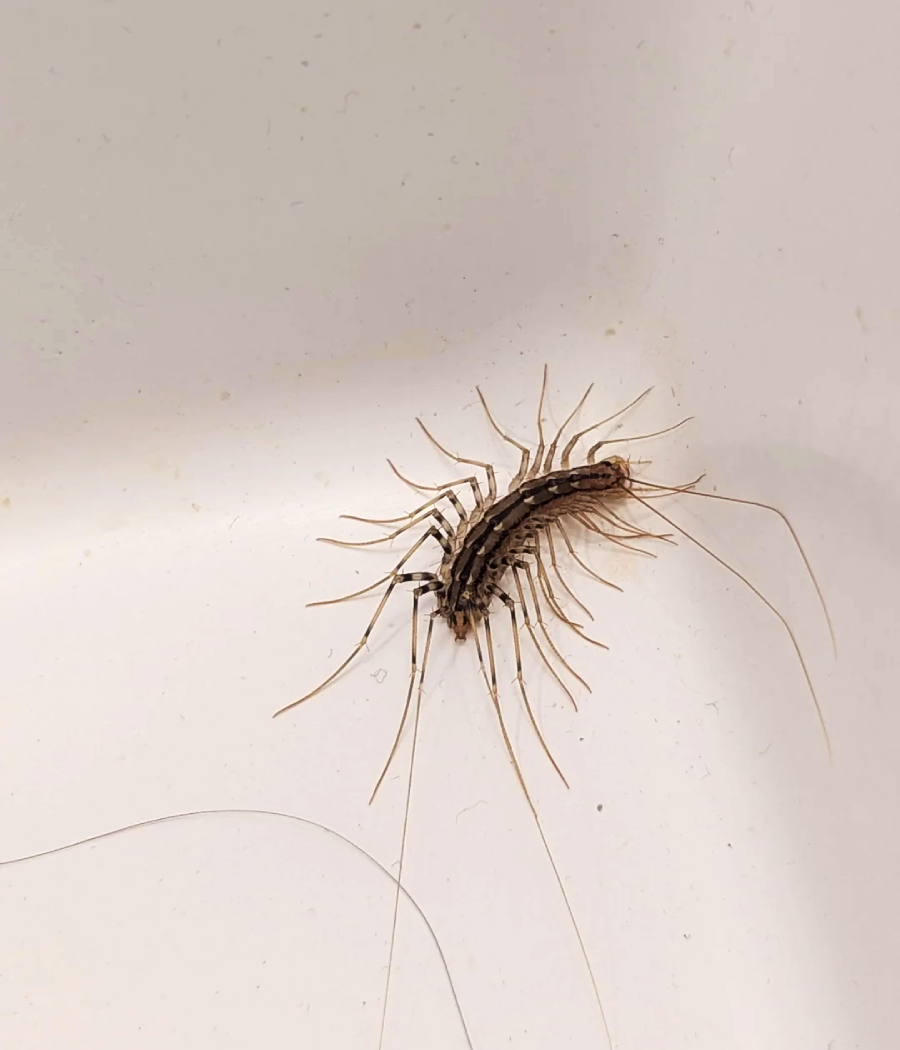
The infants of the common house centipede are born with only four pairs of legs, adding more as they molt and grow into adulthood. Under a microscope, these tiny predators are remarkably fast and possess “forcipules”, specialized front legs that act like venomous fangs to hunt other microscopic pests. They are actually the “good guys” of the hidden house world, as they actively hunt down dust mites and silverfish nymphs. Seeing one magnified reveals a complex, armored body that looks more like a high-tech robot than a household bug.
Sign up for our newsletter
9. Radiating slime molds
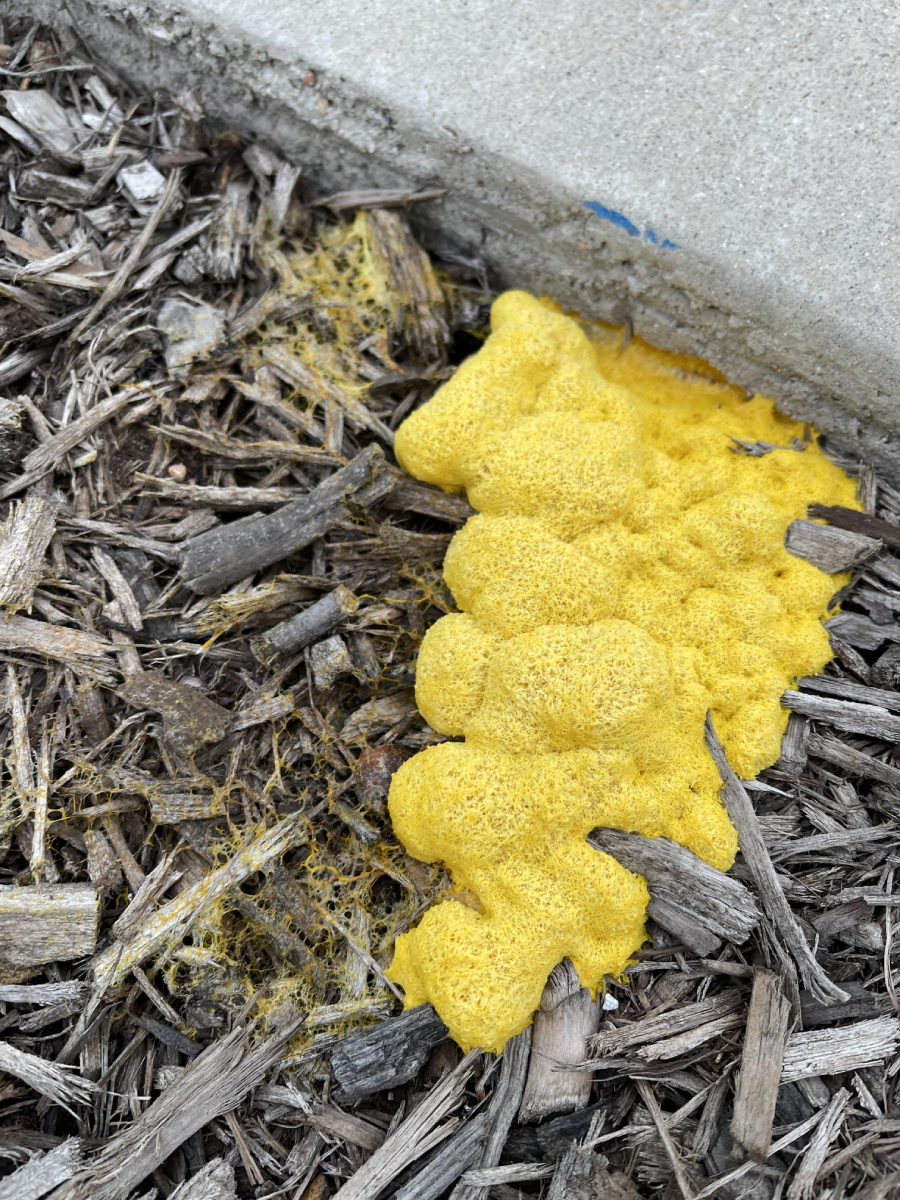
Often appearing as a faint, web-like yellow or white growth in damp basements, slime molds are actually single-celled organisms that can act as a collective. They possess a bizarre form of “intelligence,” capable of solving mazes and finding the most efficient route to a food source. Under a microscope, you can see the protoplasm pulsing and flowing through their veins as they slowly “crawl” across a surface. They aren’t fungi or animals, but a unique kingdom of life that turns your damp walls into a living, thinking network.
10. Saccharomyces cerevisiae, or baker’s yeast

If you enjoy the smell of fresh bread or have an open beer nearby, you are surrounded by millions of these tiny, egg-shaped fungi. They are single-celled organisms that survive by consuming sugars and belching out carbon dioxide and alcohol as byproducts. Under a lens, you can actually watch them “bud,” which is their version of reproduction, where a tiny new cell grows directly out of the side of an adult. They have lived alongside humans for thousands of years, becoming one of the most important microscopic allies in the history of our civilization.
11. Cobweb spiderlings
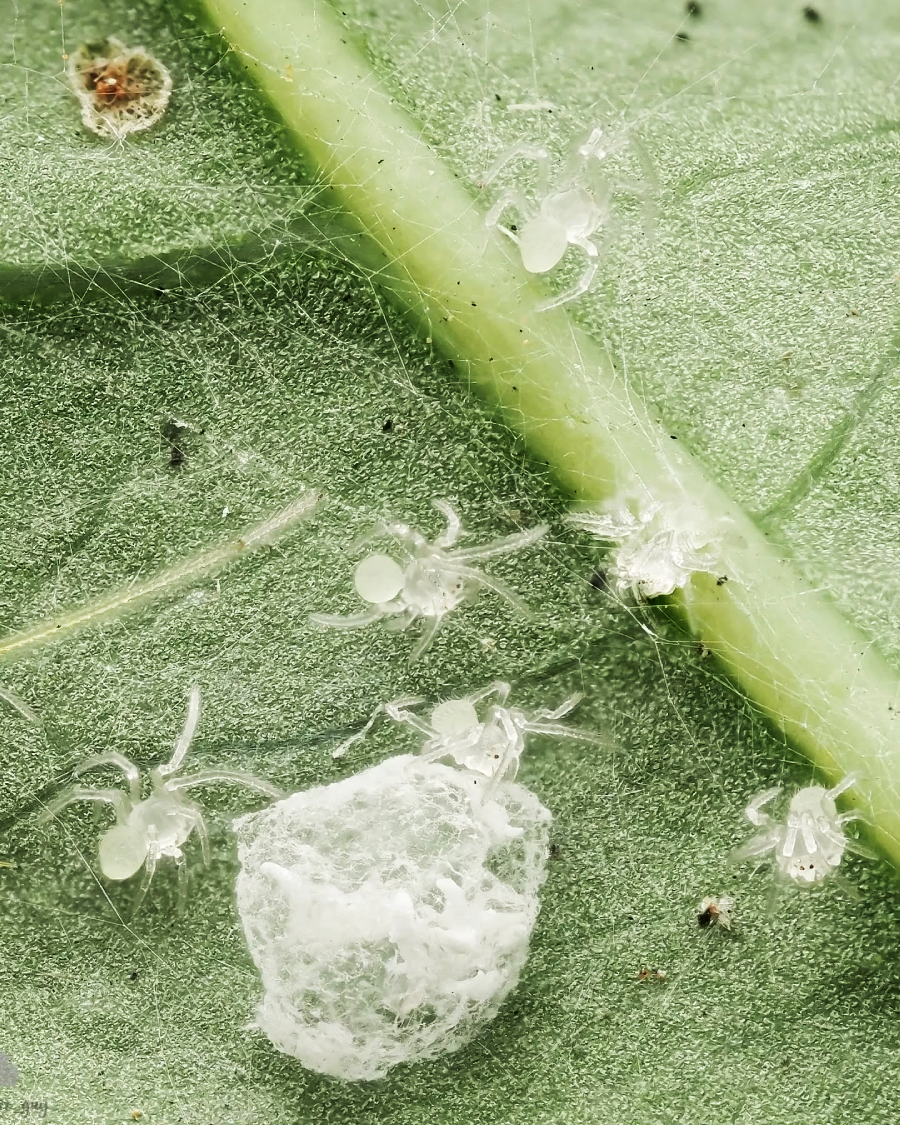
When a common house spider’s egg sac hatches, hundreds of tiny, translucent spiderlings emerge, each one a perfect miniature version of its parents. To move around, they often perform a behavior called “ballooning,” where they release a strand of silk into the air and let the room’s natural drafts carry them to a new corner. At this stage, they are so lightweight that they can float through the air like a speck of dust, completely unnoticed by humans. Their primary goal is to find a solitary corner where they can spin their first tiny web and wait for even smaller prey to fly by.
12. Fruit fly larvae
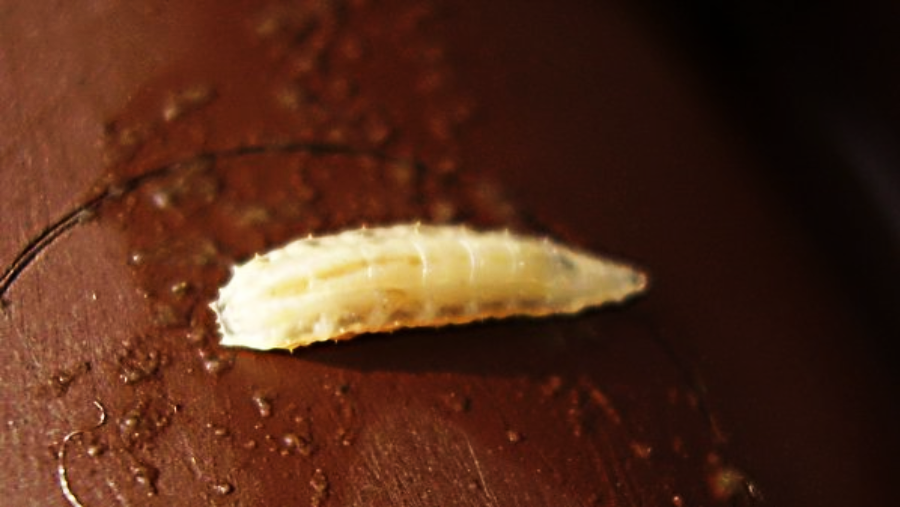
If you’ve ever left a banana out too long, you’ve hosted these tiny, translucent “worms” that hatch from eggs laid directly on the skin of overripe fruit. They possess specialized mouth-hooks that they use to scrape away at decaying organic matter, effectively recycling your kitchen waste. Under a microscope, you can actually see their internal organs and the way their respiratory system works through tiny tubes called spiracles. They grow at an incredible rate, transforming from a microscopic egg to a pupa in just a matter of days.
13. Demodex mites… yes, the ones on your face

It might be unsettling to think about, but almost every adult human has these tiny, cigar-shaped mites living inside their hair follicles and oil glands. They are particularly fond of eyelashes and the pores around the nose, where they spend their entire lives eating excess sebum (skin oil). They have eight stubby legs and are so specialized for life on humans that they cannot survive anywhere else. Despite being “parasites,” they are generally harmless and might even help by cleaning out clogged pores while you sleep.
14. Penicillium, the blue mold
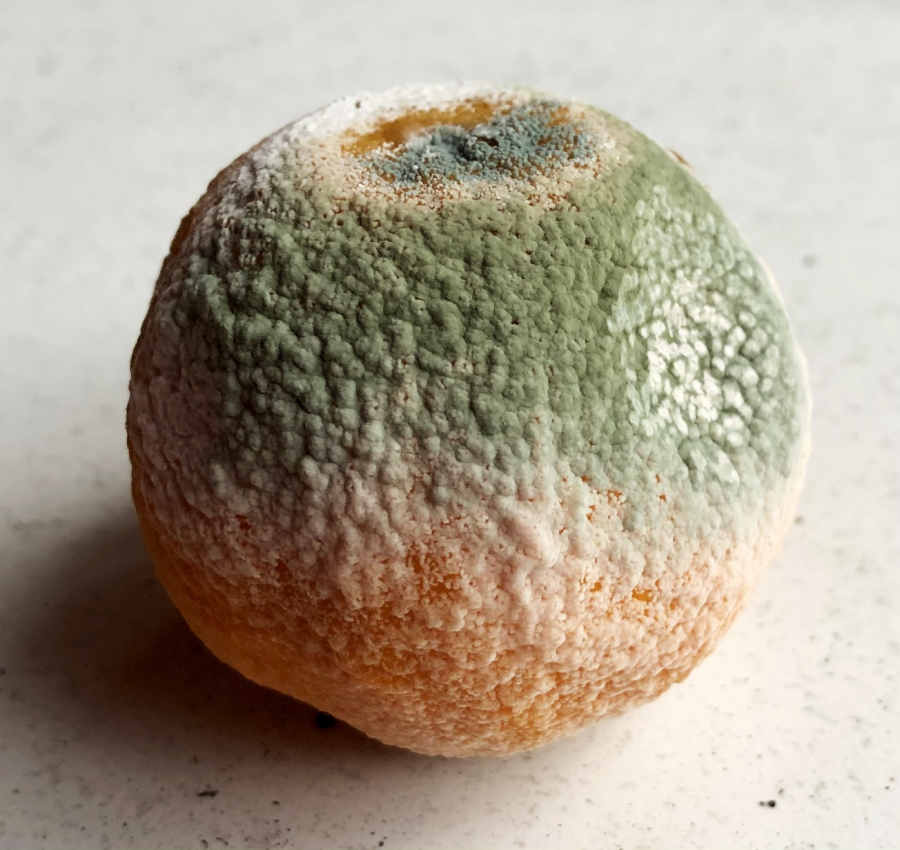
This famous fungus is responsible for that fuzzy blue or green growth you find on an old orange or a piece of bread left in the pantry. Under a microscope, Penicillium looks like a series of tiny, skeletal hands called “conidiophores” that hold onto chains of round spores. This mold is the original source of penicillin, the world’s first antibiotic, which it produces naturally to kill off competing bacteria in your kitchen. It is a master of chemical warfare, releasing invisible compounds into the air to claim its territory on your food.
15. Nematodes
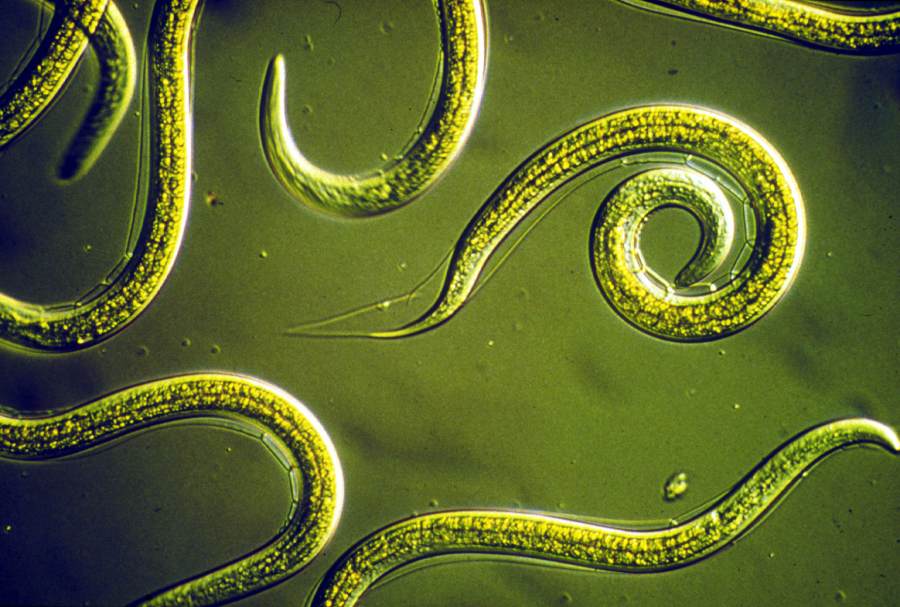
Nematodes are among the most numerous animals on Earth, and they often hitch a ride into your home on the bottom of your shoes or in the soil of a new houseplant. These unsegmented, transparent worms move in a distinctive S-shaped “whip” motion that is fascinating to watch under a lens. Some species are so small that they can live inside a single drop of water trapped in the fibers of a damp bath mat. They are vital to the ecosystem of your indoor plants, as they help cycle nutrients through the soil and keep bacterial populations in check.
16. Clothes moth larvae
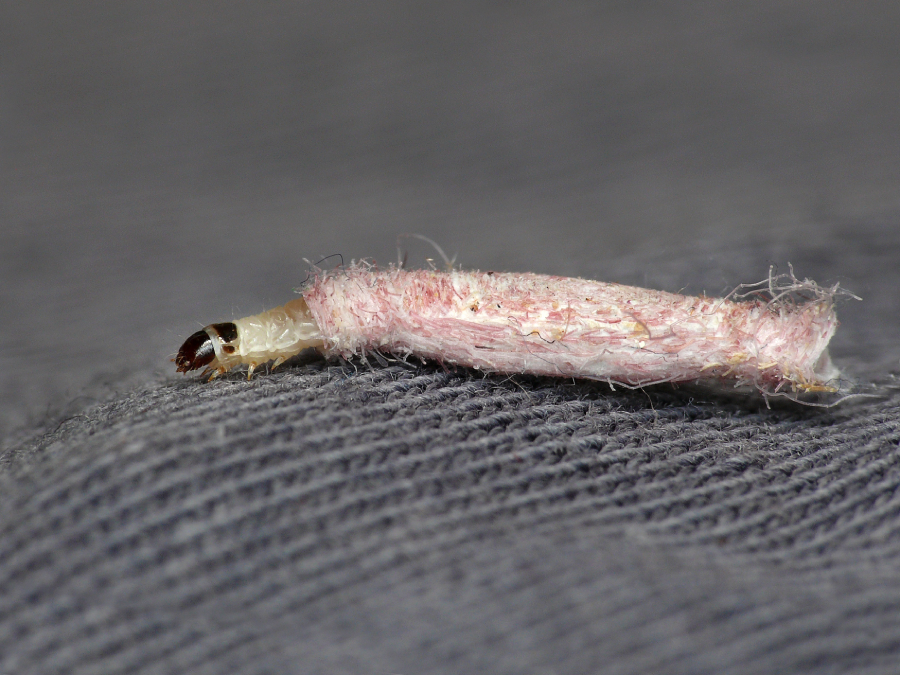
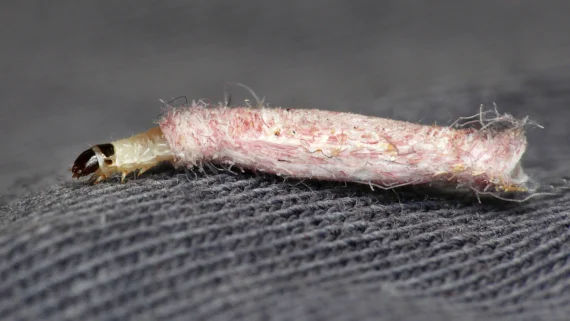
While the adult moth is what you see flying around, it’s the microscopic larvae that are actually eating the holes in your favorite cashmere sweater. They create a tiny “silken sleeping bag” out of the fibers they eat, carrying it around like a mobile home as they move across your clothes. They are uniquely adapted to digest keratin, the tough protein found in wool, silk, and human hair. Because they are photophobic (afraid of light), they spend their entire lives hidden in the darkest folds of your closet, making them very difficult to catch in the act.
17. Streptomyces, or soil bacteria

If you’ve ever noticed a pleasant, earthy smell after watering your indoor plants, you are actually smelling the chemical byproducts of Streptomyces bacteria. These organisms are prolific producers of “geosmin,” the compound that creates that “fresh rain” scent we all recognize. Under a microscope, they look more like tiny, branching fungi than traditional bacteria, forming complex networks through the dirt. They are also the source of many modern medicines, as they naturally produce compounds to fight off other microscopic rivals in the soil.
18. Acarus siro, the flour mites
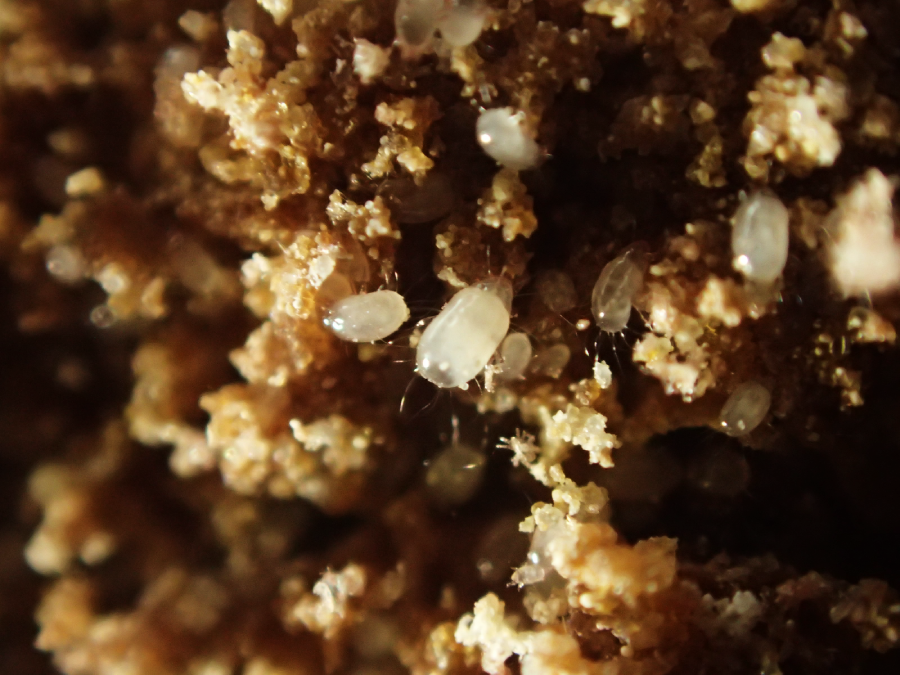
Commonly found in open bags of flour, cereal, or grains, these mites are nearly invisible and look like tiny, scurrying white dots. They possess long, sensory hairs that help them navigate through the dark, powdery environment of your pantry. An infestation of flour mites can give the surface of your flour a “moving” appearance, as thousands of them churn through the grain. They are attracted to high humidity, so keeping your dry goods in airtight containers is the best way to prevent these tiny hitchhikers from turning your pantry into their personal buffet.
Explore more interesting facts:
Realizing that we are never truly alone in our homes is both a humbling and a slightly creepy thought. These microscopic marvels remind us that there is a whole universe of life happening right under our noses, completely independent of our busy human lives. If you’re ready to dive into more interesting facts, don’t miss these 15 Strange Reasons Food Change Flavors Around the Globe, or these 20 Scientists Who Discovered Something Huge. You can also enjoy these Creepy Spirit Photos From the 1800s That Terrified the World.