We often assume that brilliant ideas transform the world overnight, but history proves that society is frequently slow to embrace game-changing technology. Many household objects and daily conveniences we take for granted sat on dusty shelves for decades before finding mainstream success. Whether due to high manufacturing costs, public skepticism, or a complete lack of complementary technology, these remarkable inventions struggled through long periods of irrelevance before finally revolutionizing modern life.
Understanding the slow adoption of essential tools reveals how unpredictable consumer habits can be. Some creations sat dormant simply because people saw no practical need for them, while others required a shift in societal mindset or an entirely separate industrial breakthrough to unleash their true potential. From basic kitchen tools to complex electronic devices, exploring these historical delays shows that true innovation requires patience just as much as genius. Here are sixteen daily tools and technologies that took decades to become household staples.
1. The can opener
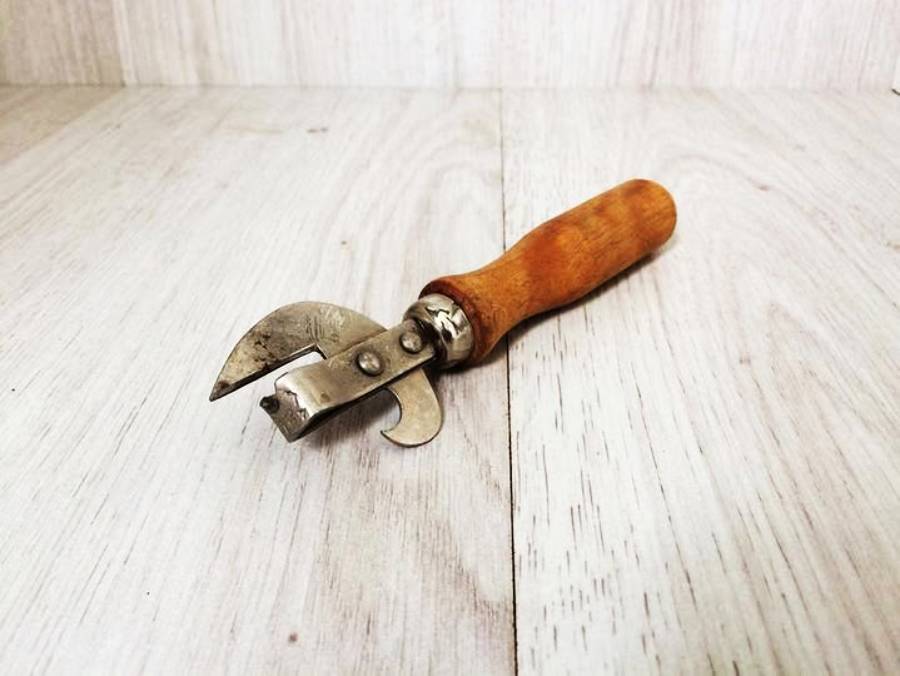
Invented in 1855 by Robert Yeates, the dedicated lever-style opener appeared nearly fifty years after tin cans were introduced in 1810. Early canned foods were made with thick iron walls that required buyers to use a hammer and chisel until thinner steel cans allowed Yeates’ invention to become a practical kitchen necessity.
2. The zipper
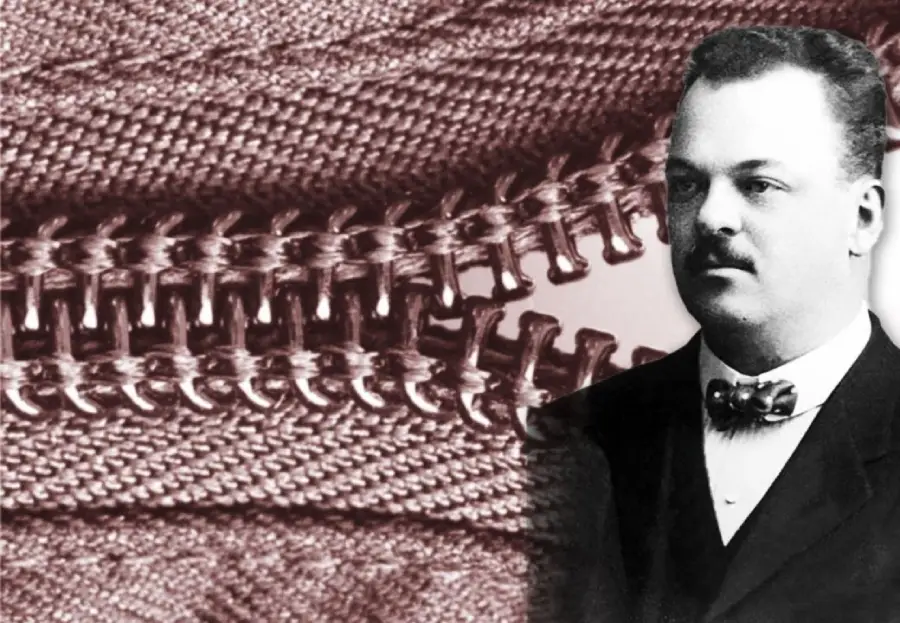
Whitcomb Judson patented a crude slide fastener in 1893, but the design frequently jammed and proved highly impractical for clothing. It took another two decades until Gideon Sundback refined the design into a reliable interlocking tooth system in 1913, which gained widespread popularity when the U.S. Navy used it on flight suits during World War I.
3. The microwave oven

Percy Spencer discovered cavity magnetron heating by accident in 1945, after a chocolate bar in his pocket melted, leading to the commercialization of the Radarange in 1947. Standing over five feet tall and costing nearly $5,000, the technology remained an oversized luxury item for commercial kitchens until countertop consumer models became affordable in the late 1970s.
4. The ballpoint pen

John J. Loud patented the first ballpoint pen in 1888 to write on leather, but his design leaked profusely on paper and was promptly abandoned. It was not until 1938 that László Bíró developed a non-smudging, oil-based ink mechanism, which British Royal Air Force pilots adopted because it did not leak at high altitudes.
5. The automatic transmission
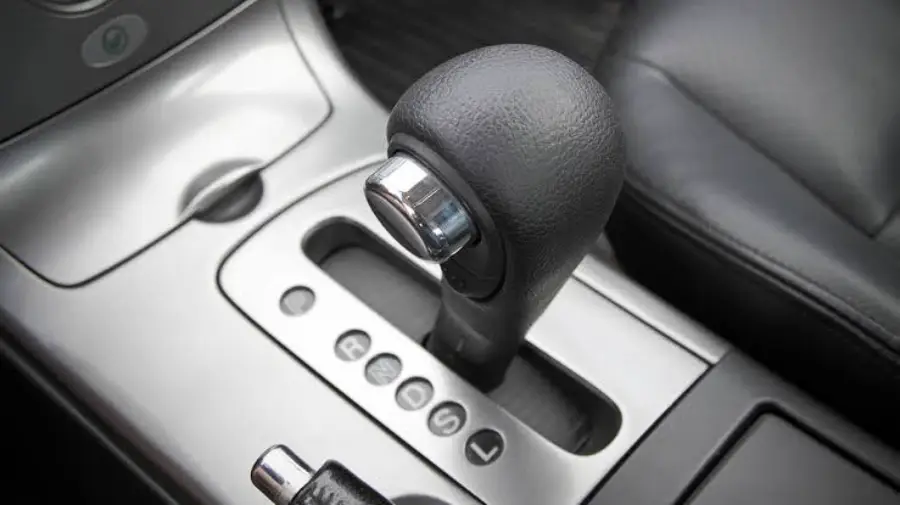
Canadian inventor Alfred Horner Munro designed an automatic transmission using compressed air in 1921, but it lacked power and failed commercially. General Motors refined the concept using hydraulic fluid in 1939 to create the Hydra-Matic, making clutchless driving a massive mainstream success following WWII.
Trending on The Scroller

6. The digital camera
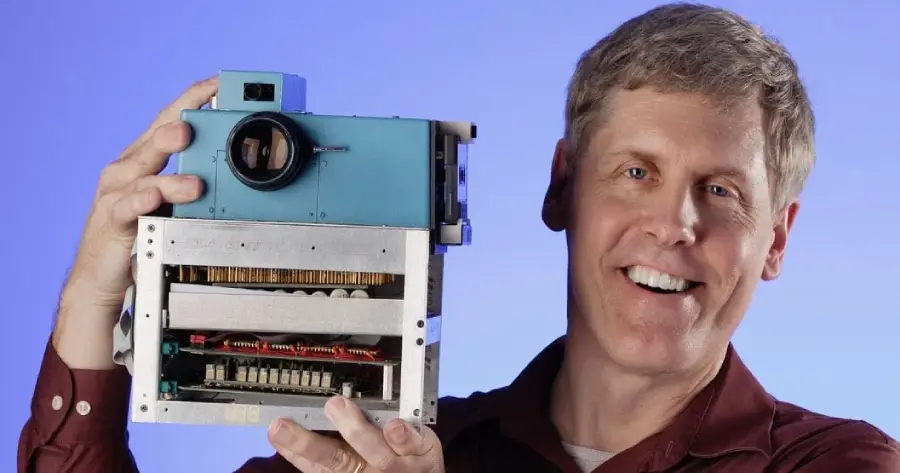
Eastman Kodak engineer Steven Sasson built the first working digital camera in 1975, a toaster-sized prototype that took 23 seconds to record a 0.01-megapixel image onto a cassette tape. Kodak executives buried the technology out of fear it would ruin their lucrative film business, delaying the digital photography revolution for over twenty years.
7. The dishwasher
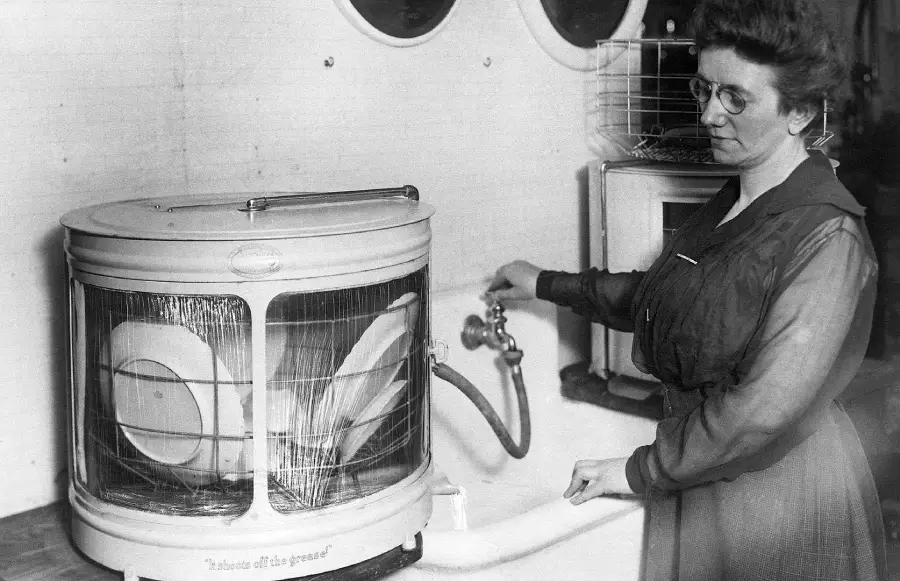
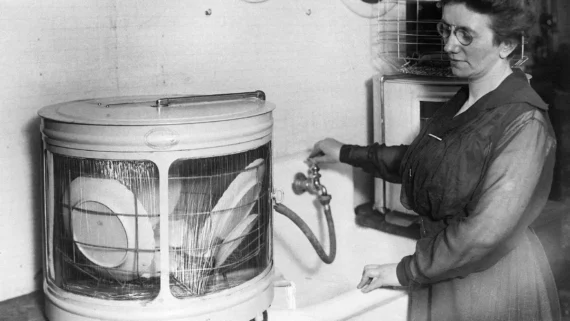
Joel Houghton patented a wooden hand-cranked dishwashing device in 1850, but it barely functioned and was largely ignored. Josephine Cochrane introduced the first practical automated washer in 1886, though it remained exclusive to hotels and restaurants until suburban home plumbing expanded in the 1950s.
8. The television
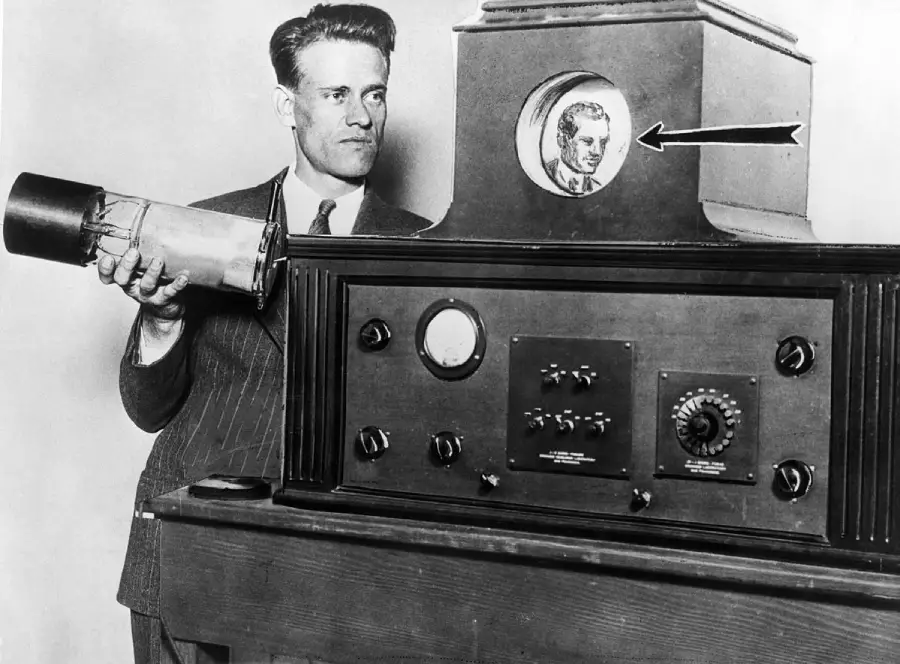
Philo Farnsworth successfully demonstrated the first electronic television transmission in 1927, but economic hardship during the Great Depression stalled manufacturing investment. RCA eventually showcased commercial sets at the 1939 New York World’s Fair, but WWII manufacturing freezes postponed mass adoption until the late 1940s.
Sign up for our newsletter
9. The barcode

Bernard Silver and Norman Joseph Woodland patented barcode scanning technology using radar and UV ink in 1952, but laser scanning hardware was not advanced enough to read the pattern. The technology sat dormant for twenty-two years until a pack of Wrigley’s chewing gum became the first scanned product at an Ohio supermarket in June 1974.
10. The computer mouse
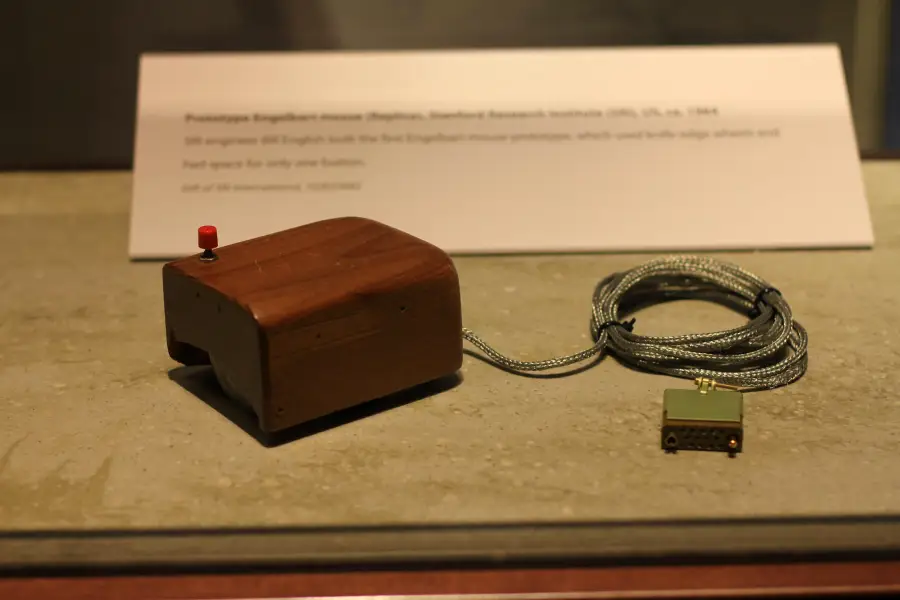
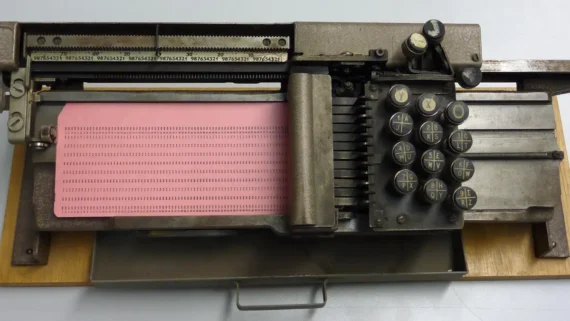
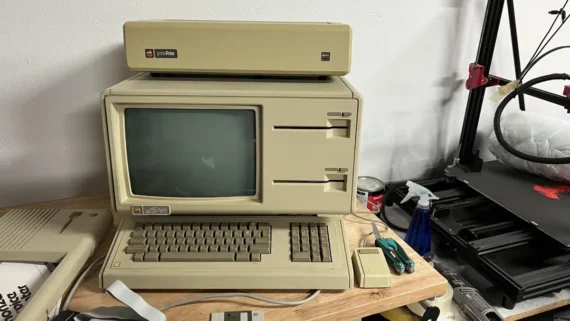
Douglas Engelbart created the first wooden computer mouse prototype in 1964 at Stanford Research Institute, demonstrating screen navigation long before personal computers existed. The invention remained an obscure laboratory curiosity until Apple packaged a refined single-button version with the Macintosh in 1984.
11. The contact lens
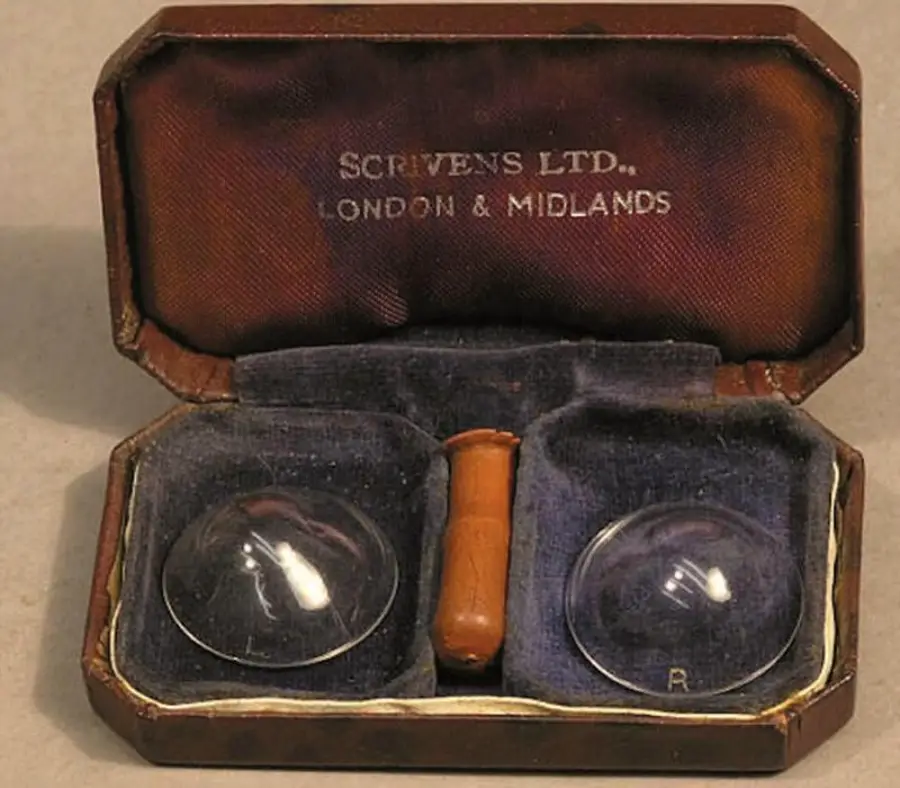
German ophthalmologist Adolf Fick manufactured the first glass contact lenses in 1888, but they covered the entire eye, blew out blood vessels, and could only be worn comfortably for two hours at a time. It took until 1948 for plastic corneal lenses to be designed, paving the way for comfortable daily wear.
12. The refrigerator
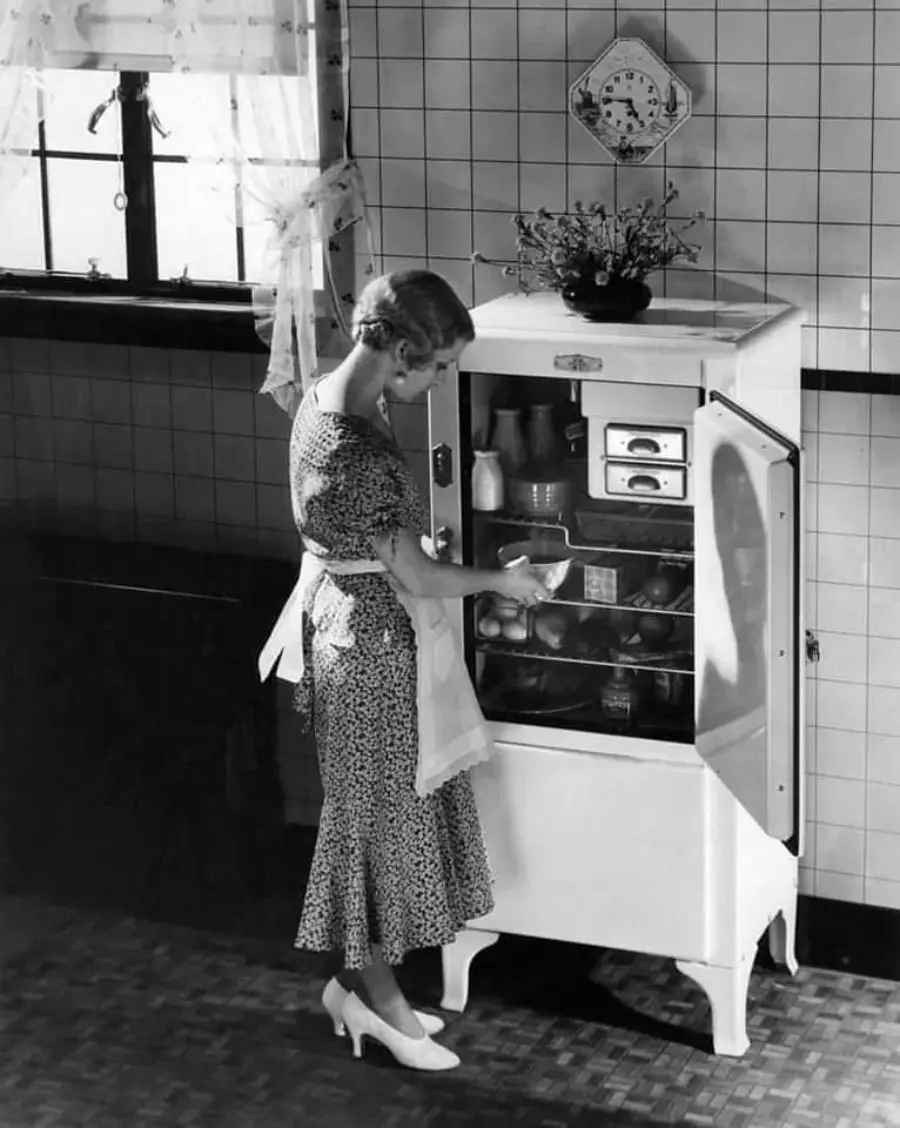
William Cullen demonstrated artificial refrigeration as early as 1748, yet domestic households relied on delivered blocks of lake ice well into the twentieth century. Early electric units were prohibitively expensive and contained toxic gases like sulfur dioxide until Freon made home refrigeration safe and affordable in the 1930s.
13. The electric car
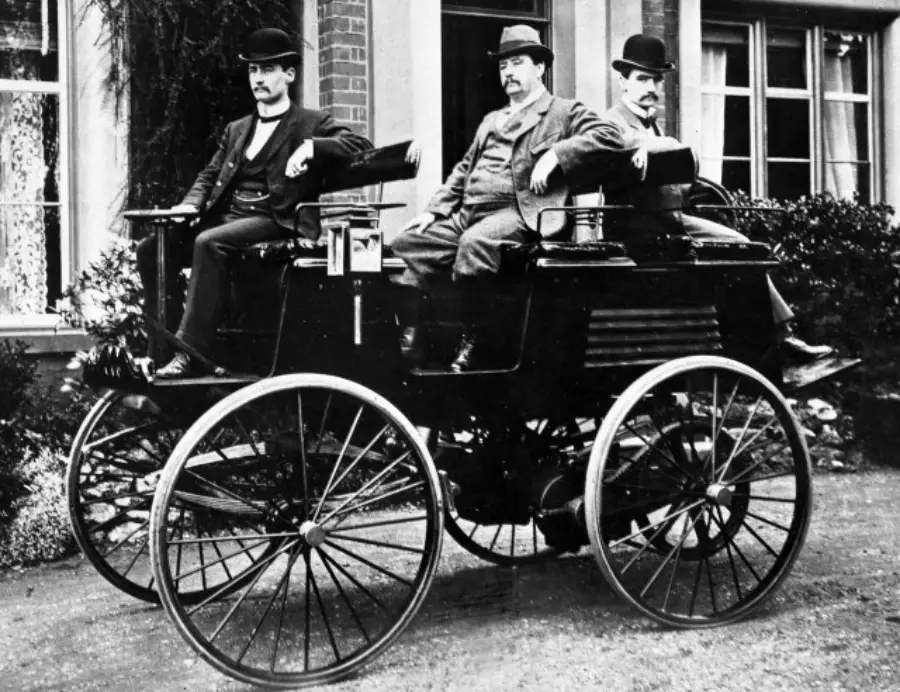
Thomas Davenport built the first small-scale electric car in 1834, and electric vehicles actually outnumbered gas-powered cars in major cities by 1900. The mass production of Henry Ford’s cheaper Model T alongside cheap oil discoveries swept electric vehicles into obscurity for nearly a century until modern battery breakthroughs revived them.
14. The air conditioner
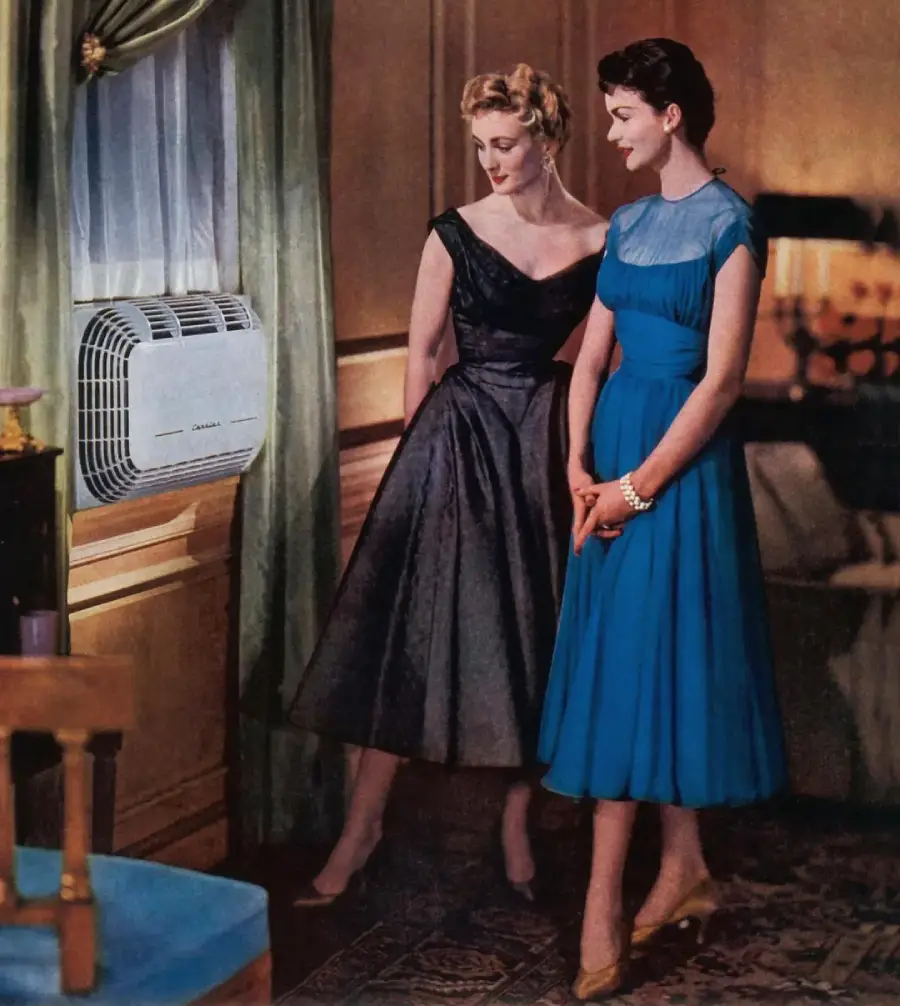
Willis Carrier designed the first modern air conditioning system in 1902 to solve humidity problems at a Brooklyn printing plant, not for human comfort. The technology remained exclusive to industrial factories and movie theaters until portable, affordable window units brought cooling relief to residential homes in the 1950s.
15. The ATM
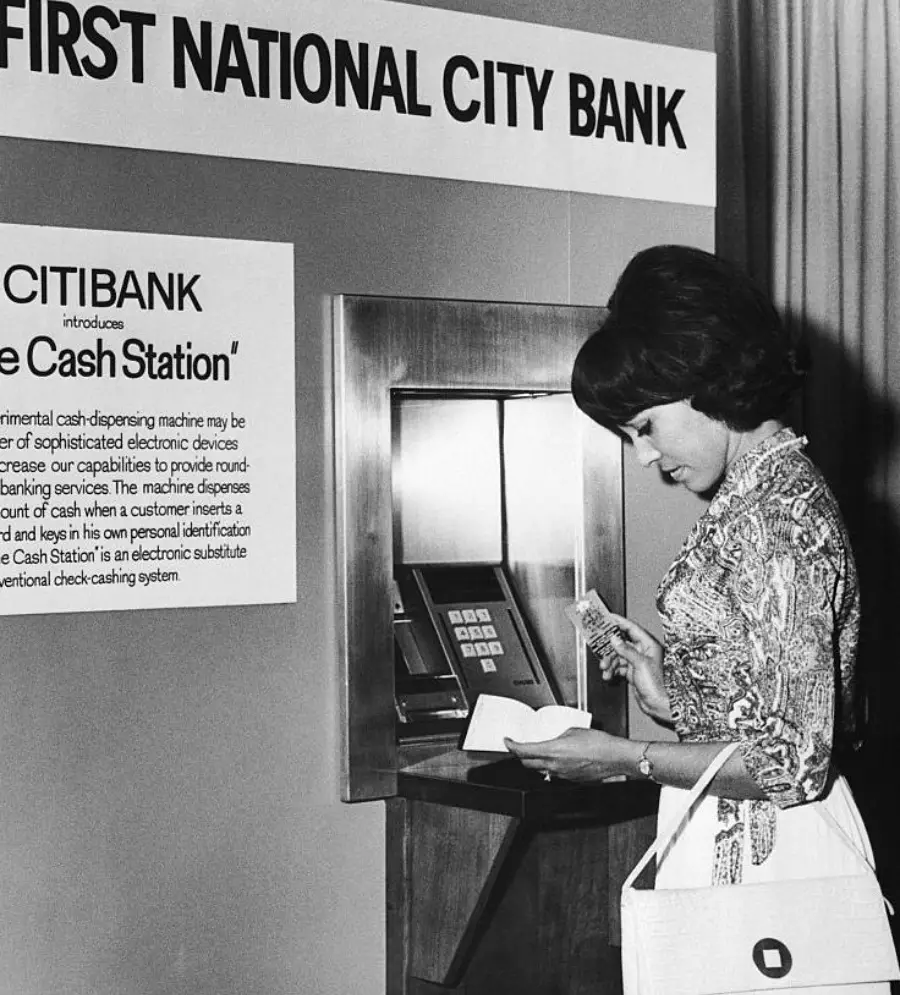
Luther George Simjian built a cash-dispensing machine called the Bankograph in 1939, but withdrew it after six months because only gamblers and prostitutes used it. John Shepherd-Barron introduced the modern ATM in London in 1967, using radioactive carbon-14 tokens to authenticate user withdrawals.
16. The seatbelt
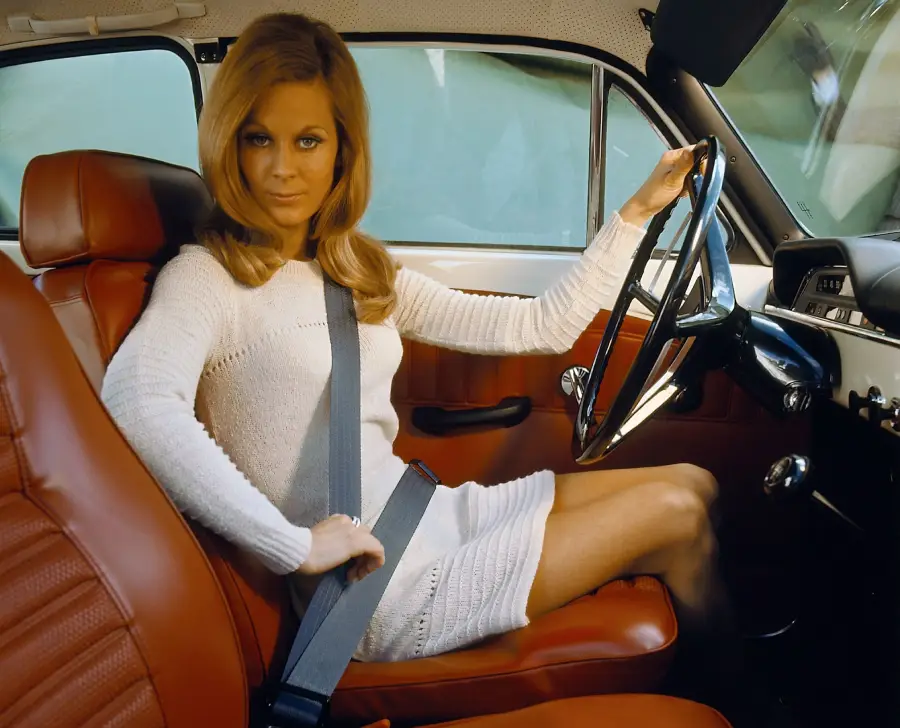
Edward J. Claghorn secured the first U.S. patent for a safety belt in 1885 to keep tourists secured in New York taxis, but automobile manufacturers resisted installing them for decades. Swedish engineer Nils Bohlin introduced the modern three-point lap-and-shoulder belt for Volvo in 1959, giving away the patent freely to save lives globally.
Want to see more cool inventions?
Looking back at the long journey these household objects took from experimental prototypes to indispensable daily tools highlights just how unpredictable technological progress can be. The fascinating stories behind these delayed breakthroughs offer a fresh appreciation for the subtle ingenuity woven into our daily routines. If you love discovering historical inventions and fascinating everyday history, be sure to check out these 14 Past Inventions That Predicted Modern Tech, or these 14 Ridiculous Real Inventions That People Actually Patented. You can also take a look at these 15 Mid-Century Inventions That Failed to Change the World.