
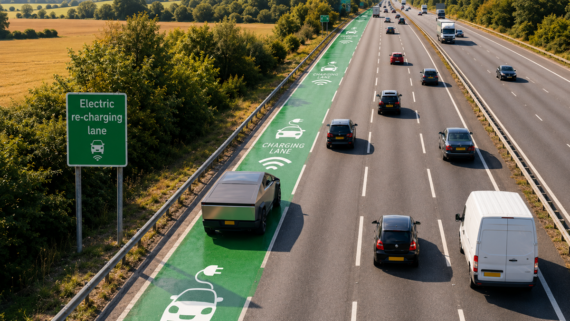
Some technologies arrive with a launch event. Others quietly spend years in laboratories, factories, hospitals, test vehicles, and pilot programs before suddenly becoming part of ordinary life. Right now, researchers and companies are working on everything from windows that tint themselves to cars that can power a house and medical devices that turn neural activity into speech. A few are already escaping the experimental stage, which means the strange part may not be whether they work, but how quickly people get used to them.
1. Solid-State Batteries That Could Change What “Charging” Means
ELECTRICVEHICLES / VIA REDDIT
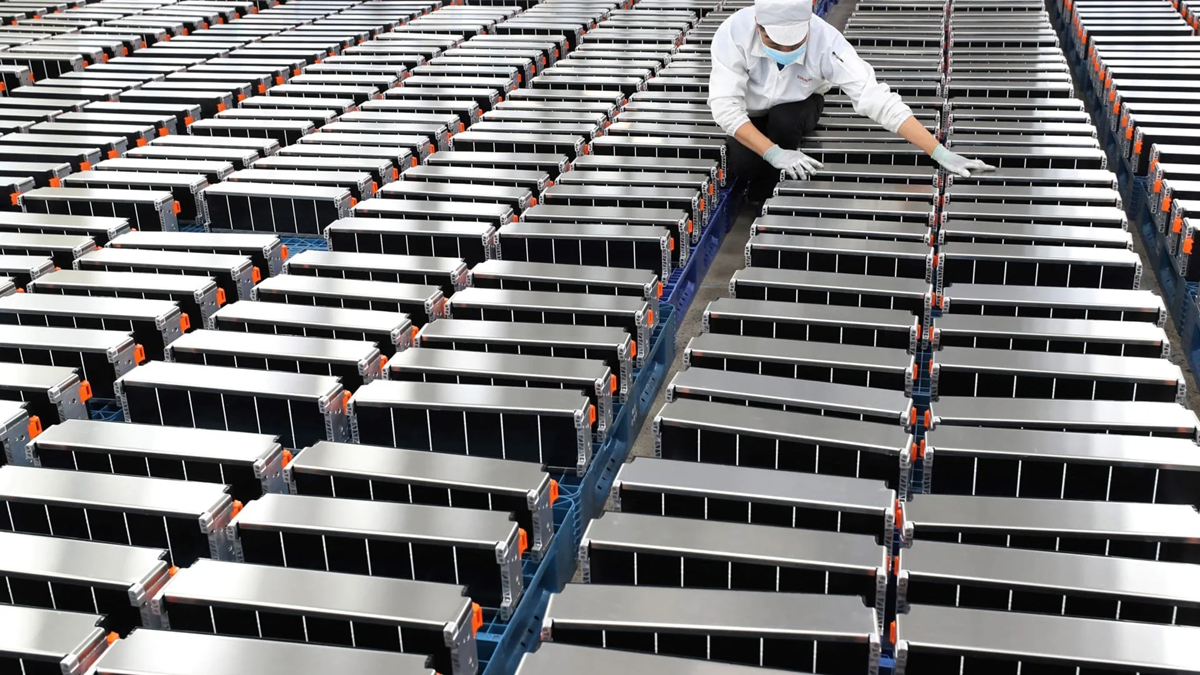
Phone and electric car batteries still rely mostly on lithium-ion technology with liquid electrolytes. Solid-state batteries aim to replace that liquid with solid materials, potentially offering more energy, faster charging, and better safety. The main challenge is making them durable and affordable at scale. If researchers solve those problems, phones, cars, and cordless devices could change dramatically.
2. Sodium-Ion Batteries That Use a Much More Ordinary Ingredient
ELECTRICVEHICLES / VIA REDDIT
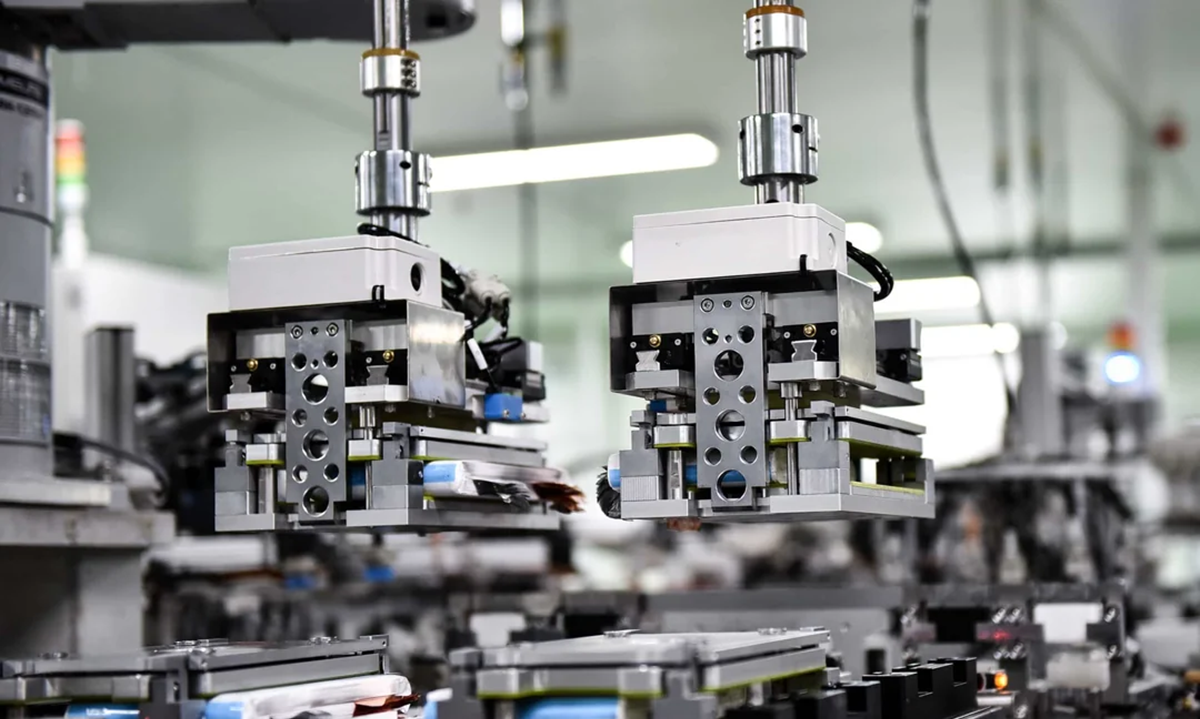
Lithium isn’t the only element capable of powering rechargeable batteries. Sodium, the element most people associate with table salt, is being developed for battery chemistries that could reduce dependence on lithium, cobalt and nickel. There are trade-offs, especially around energy density, but researchers are working on new cathodes, electrolytes and even anode-free designs to close the gap. The Department of Energy is supporting pilot-scale manufacturing projects for sodium-ion materials, while ARPA-E-backed teams are developing sodium batteries intended for applications ranging from vehicles to stationary storage. This may not produce a noticeably different-looking battery. The change could be happening deep inside the things people already own.
3. Electric Cars That Double as Giant Home Batteries
FUTUROLOGY / VIA REDDIT
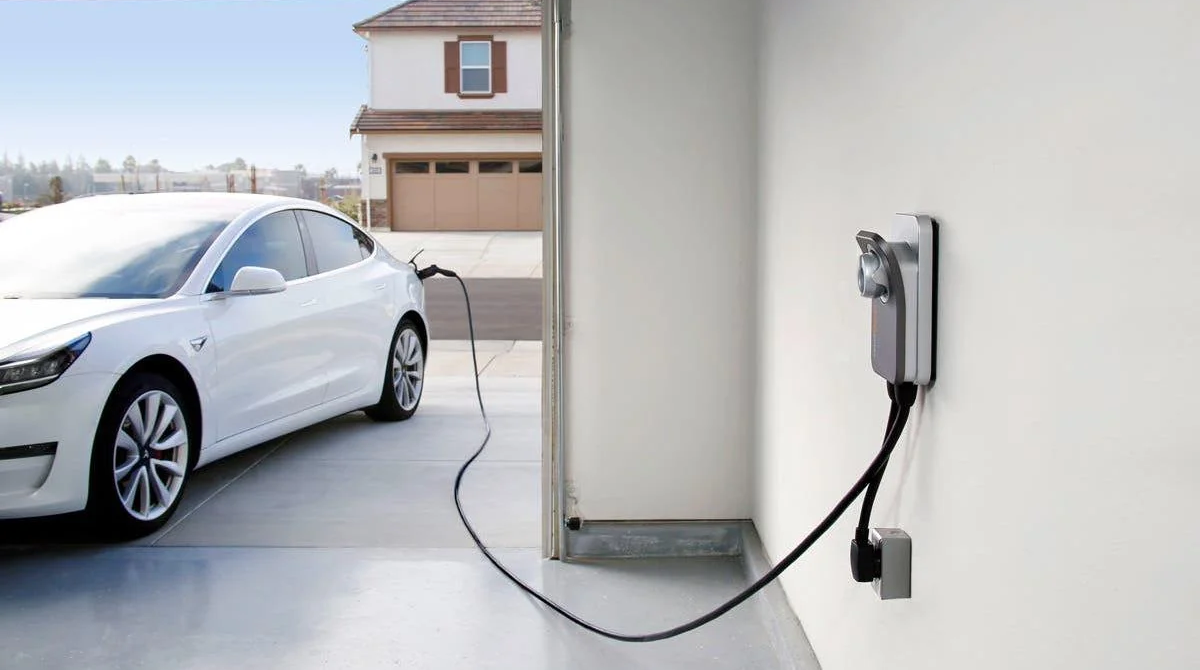
An electric vehicle spends a surprising amount of its life parked, which raises an obvious question: why should its enormous battery sit there doing nothing? Bidirectional charging lets compatible vehicles send electricity back out, potentially powering a building during an outage or supplying electricity to the grid when demand is high. The Department of Energy is already working with vehicle-to-building and vehicle-to-grid systems, although utility rules and incentives remain uneven. In practical terms, a future storm might not send someone searching for a generator. They might simply plug the house into the car sitting in the driveway.
4. Roads That Charge Vehicles While They Move
PLAYSTATION_X / VIA REDDIT
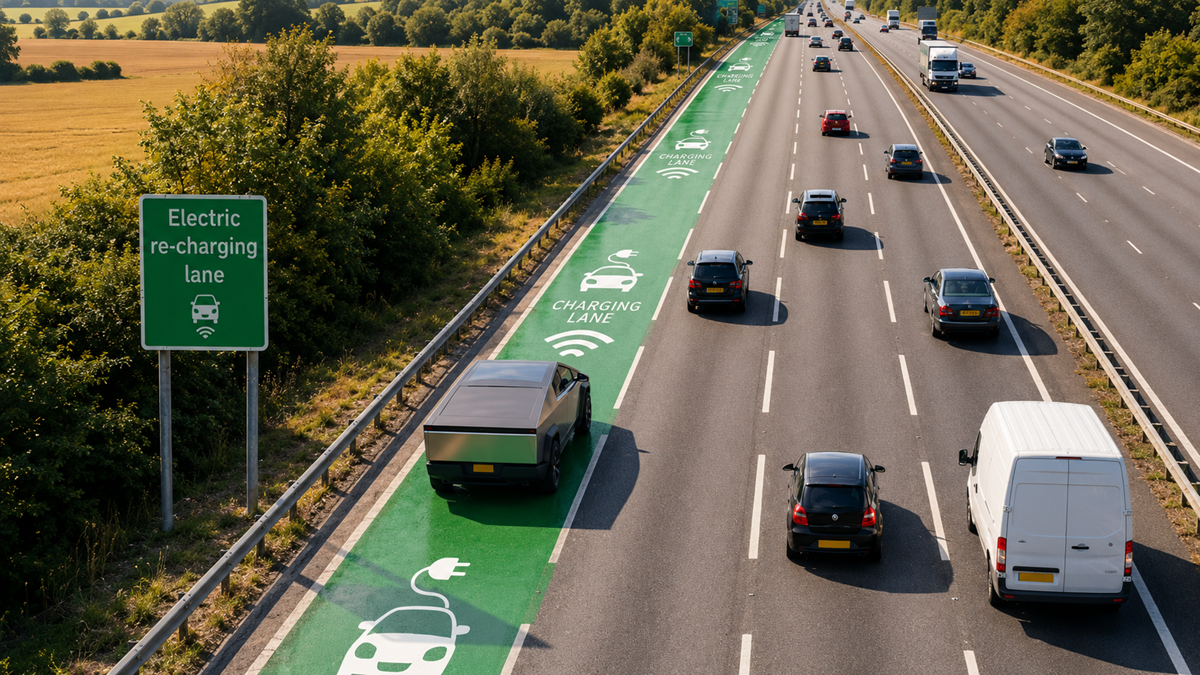
Stopping to recharge may not always be part of driving an electric vehicle. Researchers have been testing systems that transfer electricity wirelessly between equipment embedded in or near a roadway and receivers underneath vehicles. Some projects focus on stationary or bus-stop charging, while others are chasing dynamic systems that can deliver power while a vehicle is moving. An ARPA-E project at Cornell worked on a 50-kilowatt capacitive system designed for both stationary and dynamic charging, and federal transit research has been studying where high-power wireless charging makes sense for buses. Miles of electrified freeway are not around the corner, but the basic idea is no longer confined to a futuristic sketch.
5. Robotaxis That Don’t Need a Steering Wheel
URBANPLANNING / VIA REDDIT
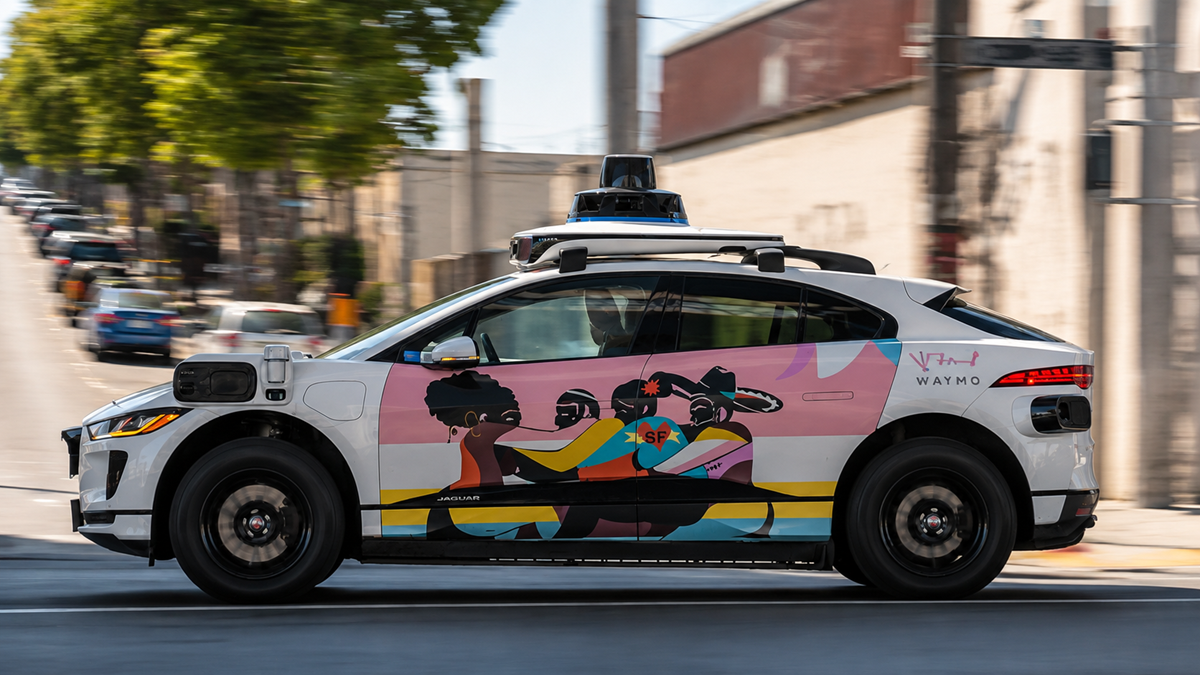
The oddest thing about a driverless car isn’t necessarily watching one move through traffic. It’s realizing that some future vehicles may not need to be designed around a driver at all. In 2026, U.S. regulators were already considering commercial deployment questions involving autonomous vehicles without conventional manual controls, while companies such as Waymo continued expanding fully autonomous ride services into additional cities. The moment this technology becomes routine could alter more than taxis. Parking, commuting, car ownership, and even the layout of vehicle interiors were all designed around the assumption that a human has to operate the machine.
Trending on The Scroller


6. Air Taxis Moving From Renderings to Real Flight Programs

JOBY / VIA REDDIT
For years, electric air taxis were easy to dismiss because the industry produced far more renderings than passengers. That phase is changing. The Federal Aviation Administration now has dedicated oversight structures for advanced air mobility, including electric vertical takeoff and landing aircraft, and in 2026 it named partners for a federal integration pilot program involving air taxis, cargo flights and other new aviation concepts. Certification remains a major hurdle, so nobody should expect every rooftop to become a landing pad next year. Still, the regulatory machinery required to make short urban flights real is already being built.
7. Humanoid Robots Designed for Actual Workplaces
ISAACARTHUR / VIA REDDIT
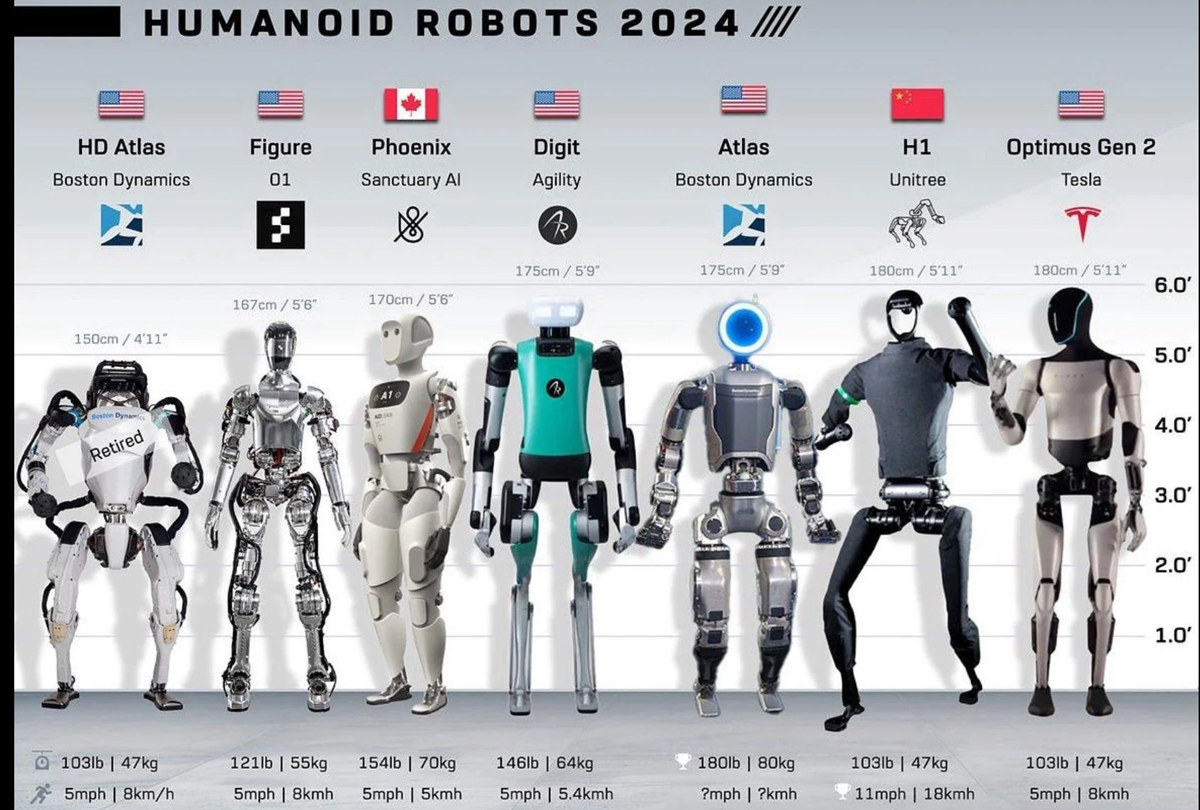
The humanoid robot is leaving the carefully controlled demonstration room. Boston Dynamics unveiled a production version of its electric Atlas robot in January 2026 and said initial deployments were scheduled for industrial customers that year. The machine is designed for jobs such as material handling, order building and machine tending, with the ability to navigate workspaces made for people rather than specially constructed robot zones. For now, factories and warehouses make far more sense than kitchens and living rooms. But that distinction matters less than it used to. Once robots become reliable around human tools, shelves, doors and workstations, the environments they can enter expand quickly.
8. Wi-Fi That Can Tell When Someone Is Moving
TECHNOLOGY / VIA REDDIT
A Wi-Fi signal doesn’t simply disappear after reaching a laptop. It bounces around a room, and people moving through that room change those reflections. Researchers have spent years learning how to use those changes for sensing, and IEEE approved the 802.11bf standard for WLAN sensing in 2025. NIST describes potential uses including distance estimation, movement detection, gestures, and smart-building applications. That could eventually mean motion sensing without cameras in every corner, although it also creates an obvious privacy question: what happens when the network connecting a room can also observe activity inside it?
Sign up for our newsletter
9. Windows That Decide How Much Sunlight to Let In

MILDLYINTERESTING / VIA REDDIT
Blinds are a surprisingly old-fashioned solution to a modern energy problem. Electrochromic windows use a small electrical input to change how much light and solar heat passes through the glass, tinting or clearing as conditions change. They already exist in some buildings, but the Department of Energy says current research is focused on faster switching, better color, separate control of daylight and heat, improved durability and lower manufacturing costs. If that work reaches mass-market pricing, a window could become another responsive part of a building rather than a piece of glass you occasionally cover with fabric.
10. Passive Radiative Cooling That Sends Heat Into Space
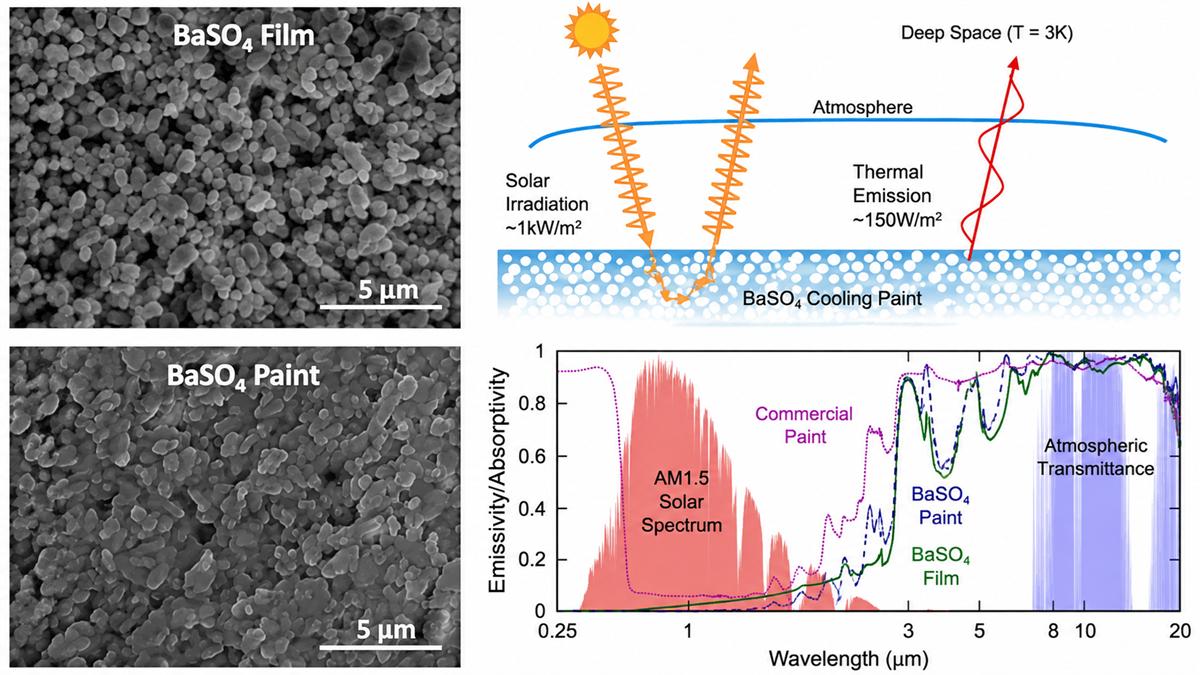
The technology is called passive daytime radiative cooling, or PDRC, and it works without the usual compressors or refrigerants found in air conditioners. Special coatings, films and engineered surfaces are designed to reflect most incoming sunlight while releasing heat as infrared radiation through a part of the atmosphere known as the atmospheric window. Some of that thermal energy can effectively escape toward the cold sky, allowing the surface to stay cooler than its surroundings under the right conditions. Researchers are developing versions for rooftops, buildings, vehicles and refrigeration systems, where even a modest reduction in heat could lower the amount of electricity needed for cooling.
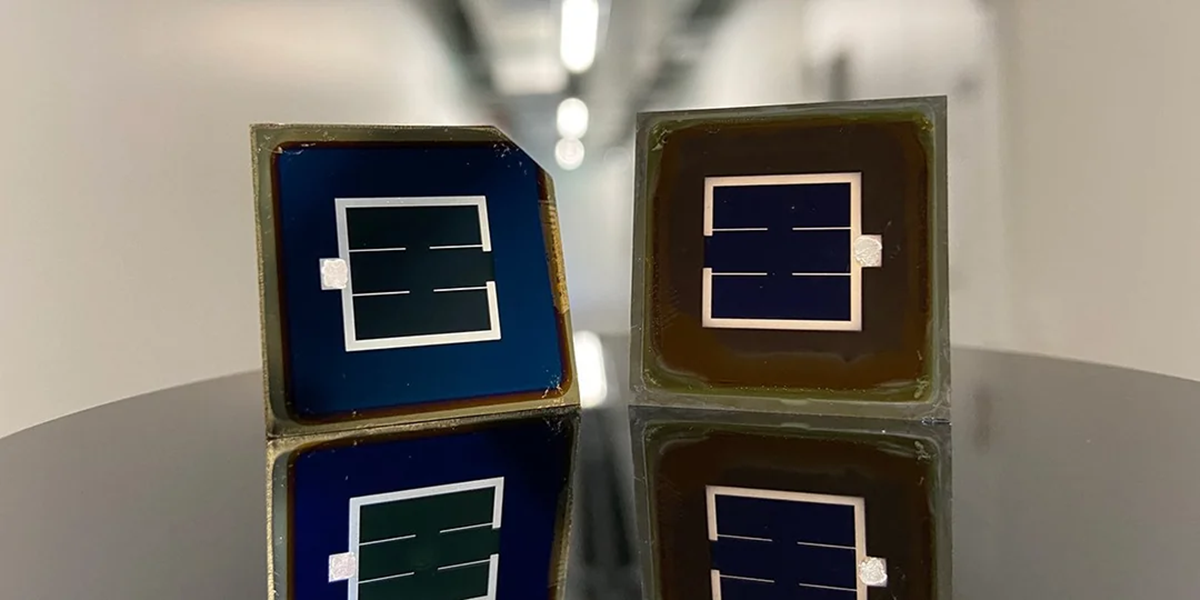
11. Tandem Solar Panels That Get More Power From the Same Roof
FUTUROLOGY / VIA REDDIT
The technology is known as a perovskite-silicon tandem solar cell. Instead of relying on silicon alone, it adds a thin perovskite layer that absorbs different parts of the solar spectrum, allowing the combined cell to capture more energy from the same amount of sunlight. Researchers are now working on the less glamorous but crucial problems, including durability, large-scale manufacturing, and keeping efficiency high as panels get bigger. If those issues are solved, future rooftops could produce noticeably more electricity without needing any extra space.
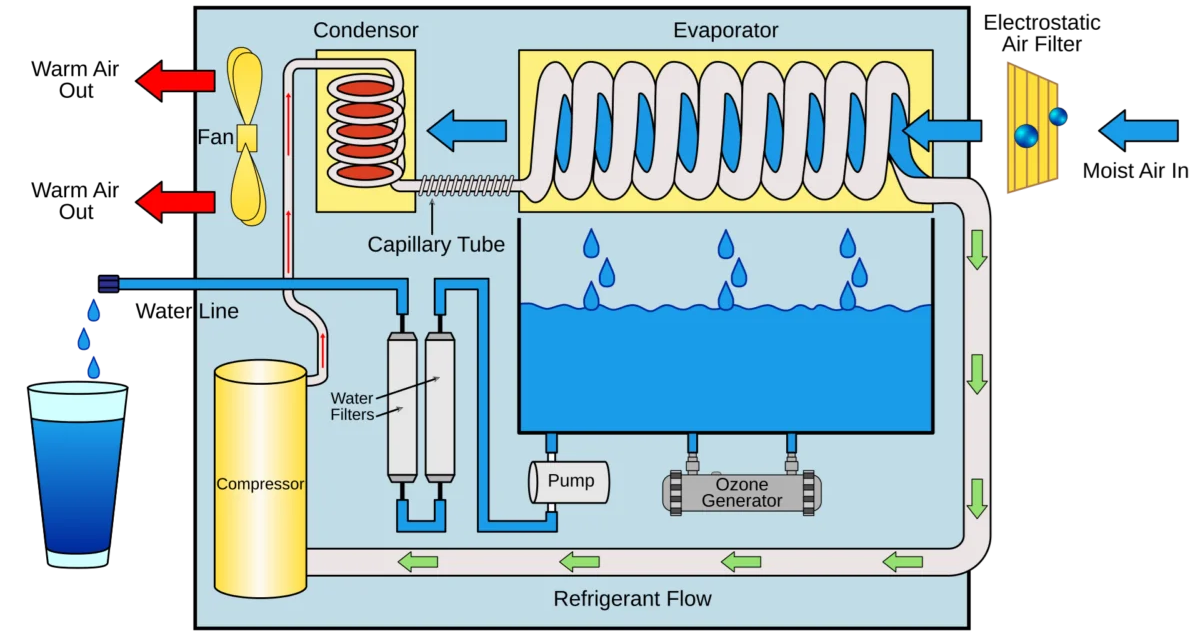
12. Atmospheric Water Harvesting That Pulls Water From the Air
SCIENCE / VIA REDDIT
The technology is called atmospheric water harvesting, or AWH, and its basic idea is exactly what it sounds like: extracting water vapor directly from the surrounding air. Some systems cool humid air until the moisture condenses, while newer approaches use highly porous materials such as metal-organic frameworks, or MOFs, that capture water molecules and release them when heated. Researchers are working on versions that can operate in relatively dry conditions and use less energy than conventional condensation systems. The Department of Energy has also worked with technology that combines MOF-based water harvesting with heating and cooling equipment, suggesting that future buildings could produce some usable water as part of systems they already need.
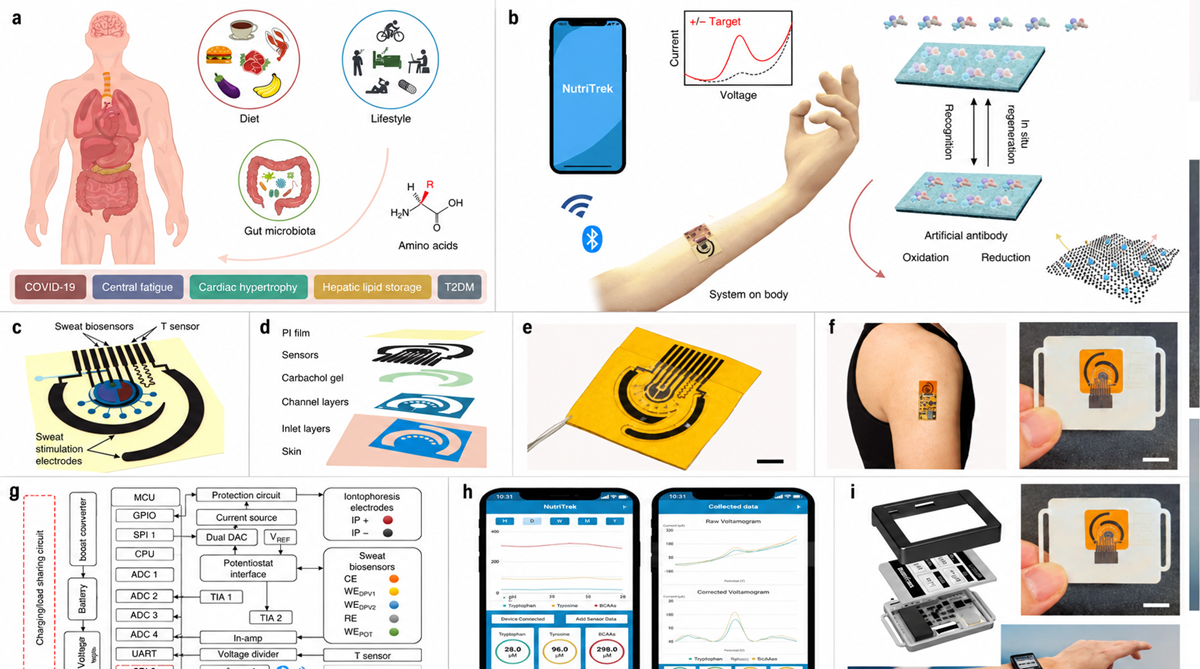
13. Wearable Sweat Biosensors That Track Body Chemistry
BSRESEARCH / VIA REDDIT
These devices are generally known as wearable sweat biosensors, with many experimental versions using electrochemical sensors built into flexible patches, wristbands or other skin-worn devices. Instead of mainly counting movement or measuring pulse, they analyze compounds carried in sweat, including electrolytes, lactate, glucose and other biomarkers, then convert those chemical reactions into measurable signals. Some designs also use tiny microfluidic channels to collect and move sweat across the sensor while the wearer goes about normal activity. The difficult part is turning those readings into consistently useful health information, since sweat composition changes with temperature, hydration, exercise, and the individual wearing the device.
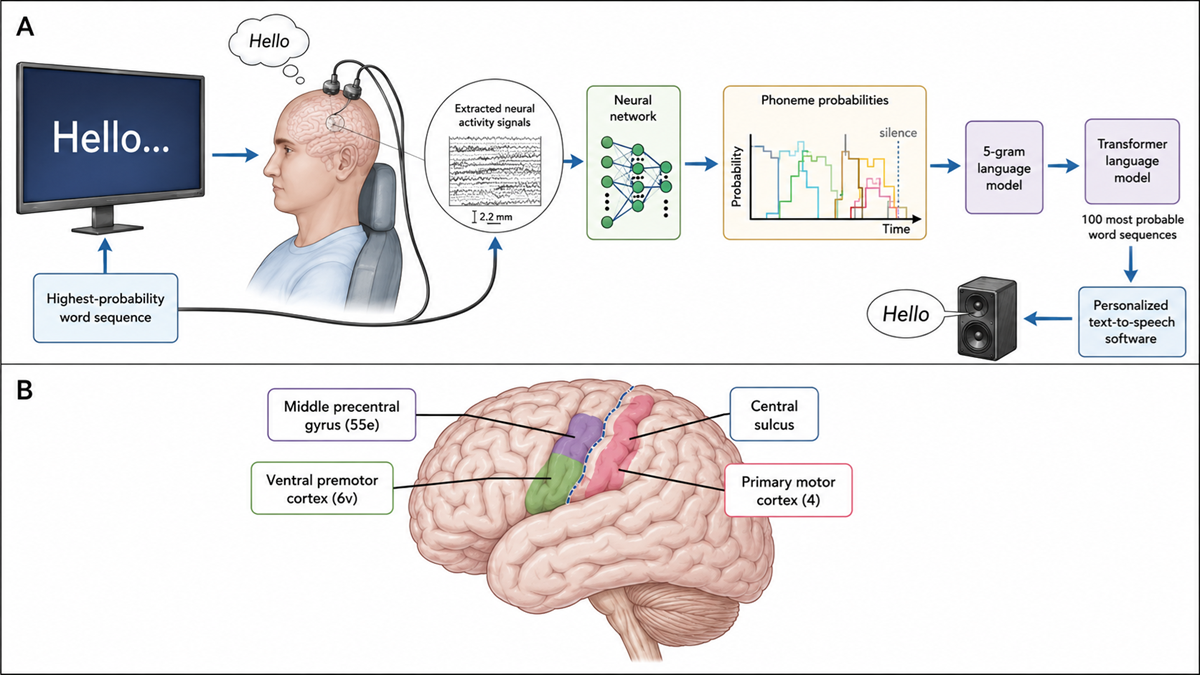
14. Speech Neuroprostheses That Turn Brain Activity Into Words
SCIENCE / VIA REDDIT
The technology is known as an intracortical speech brain-computer interface, or speech iBCI, and researchers also refer to these systems as speech neuroprostheses. Tiny electrode arrays implanted in the brain record neural activity produced when a person attempts to speak, while decoding software translates those patterns into words on a screen or other forms of digital communication. Recent systems have been tested in people with severe paralysis who can no longer speak normally, including a 2026 study in which an intracortical BCI was used independently at home for both speech communication and computer cursor control. These devices remain experimental and require brain surgery, but the technology is increasingly moving from short laboratory demonstrations toward longer-term practical use.
15. Xenotransplantation Could Turn Pig Organs Into Human Transplants
NEPHROLOGY / VIA REDDIT
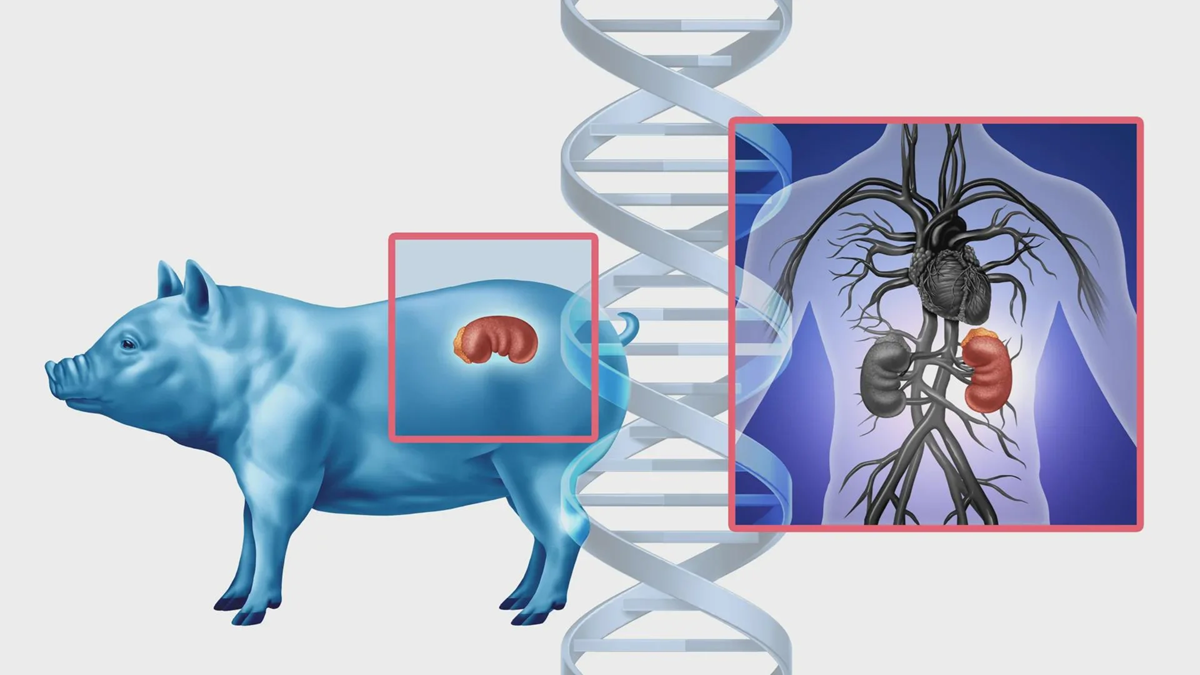
The technology is called xenotransplantation, the transplantation of living cells, tissues or organs from one species into another. One of its most closely watched applications uses genetically modified pigs as potential sources of kidneys, hearts and other organs for humans, with genetic changes intended to make rejection and other complications easier to control. The idea is being pursued partly because the supply of donated human organs remains far below demand, but immune rejection and the possibility of transmitting animal infections are still major concerns. For now, pig-to-human organ transplantation remains an experimental field rather than a routine alternative to conventional donation.
16. 3D Bioprinting Is Learning to Build Living Tissue
BIOLOGY / VIA REDDIT
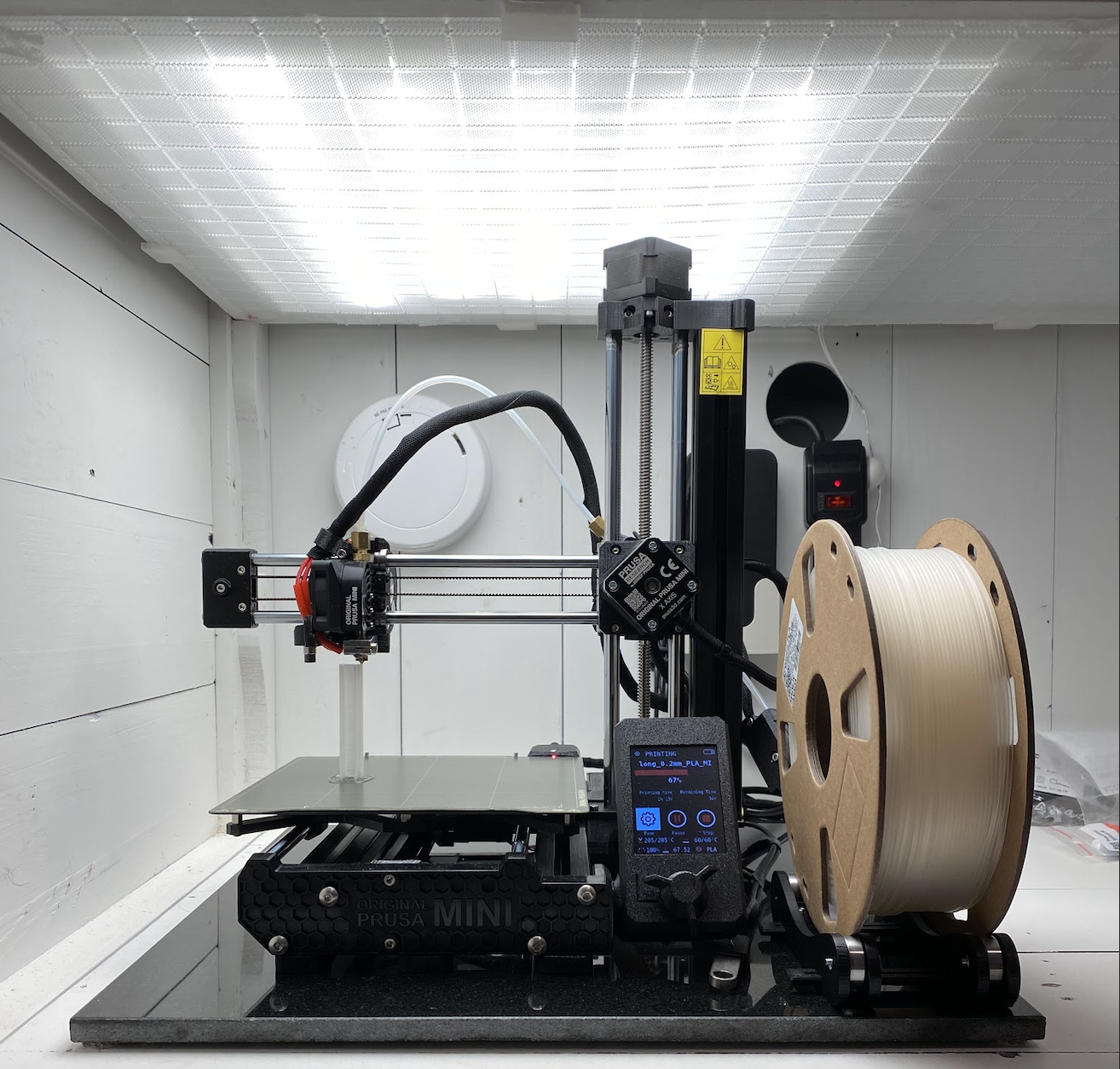
The technology is known as 3D bioprinting, a form of biofabrication that places living cells and biomaterials in carefully controlled three-dimensional patterns. Rather than printing plastic or metal, these systems can build tissue-like structures layer by layer, with researchers developing models of skin, tumors, and other human tissues for drug testing and biomedical research. Creating large replacement organs is much harder because living tissue needs complex blood vessel networks, different cell types and structures capable of surviving and functioning over time. That means the first everyday effects of 3D bioprinting may come through better drug testing and smaller tissue constructs long before anyone receives a fully printed heart.
17. Cellular Agriculture Could Make Animal Foods Without the Farm
WHERESTHEBEEF / VIA REDIT
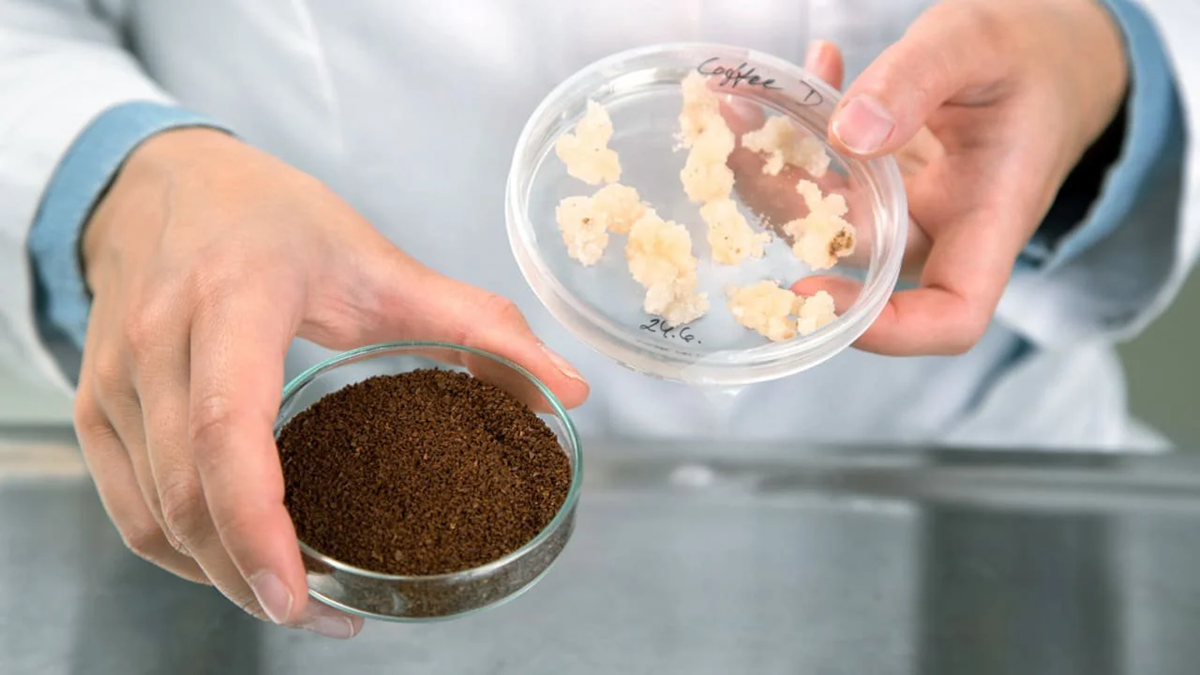
The broader technology is called cellular agriculture, but it includes two quite different approaches. Cultivated meat starts with animal cells and grows them in controlled environments until there is enough biological material to produce food, while precision fermentation uses engineered microorganisms such as yeast or bacteria to manufacture specific proteins and fats. That means a future burger, dairy protein or other animal-style product could be produced without raising an entire animal, even though the final food may be designed to resemble familiar products. Both technologies are already part of an emerging food sector, but manufacturing costs, large-scale production and consumer acceptance will help determine how common they eventually become.
In the mood for more?
Check out 15 Sci-Fi Technologies That Seemed Impossible in the 90s and Are Now Completely Real, or take a look at 18 Technologies From the 1800s That Were More Advanced Than Anyone Gives Them Credit For. If you want to see more history of technology, you can check out 16 Tech Gadgets From the 2000s That Felt Futuristic and Are Now Laughable.