Throughout history, societal rules, legal mandates, and unwritten cultural standards governed almost every aspect of public and private life. Looking back at historical regulations reveals just how dramatically expectations surrounding behavior, fashion, and social etiquette have shifted over time. Many mandates that seemed completely logical to previous generations now feel astonishingly strict, odd, or downright bizarre to modern eyes.
From strict workplace dress codes and rigid etiquette guidelines to surprising laws restricting personal freedom, these legacy rules shaped how people navigated their communities. Examining how these regulations functioned offers a fascinating glimpse into the values and priorities of past eras. Here are fourteen historic rules from decades and centuries past that highlight just how much daily life has evolved.
1. In 19th-Century London, it was illegal to beat a door mat after 8 AM
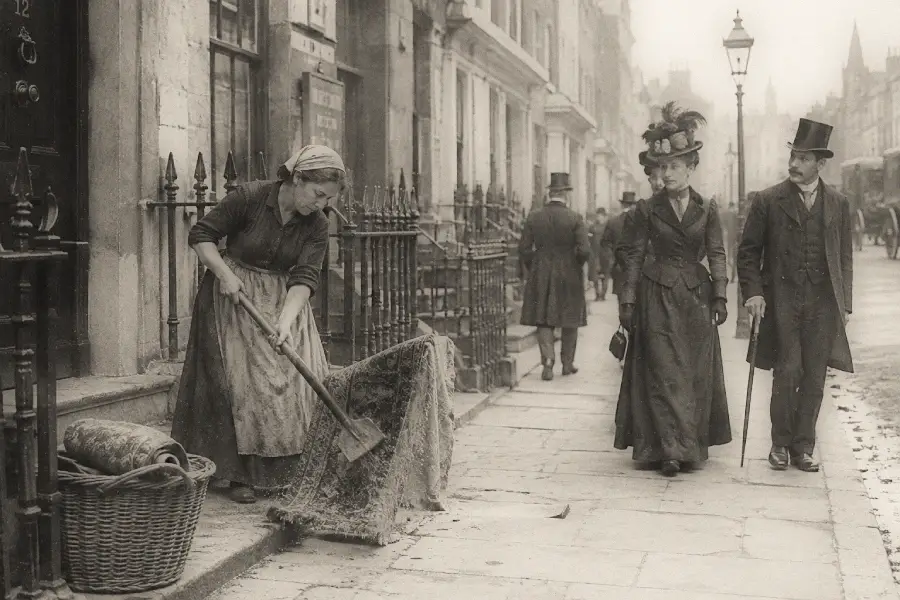
Under the Metropolitan Police Act of 1839, residents of London were strictly forbidden from shaking or beating carpets, rugs, or doormats in the street after eight in the morning. The law aimed to keep soot and dust from blowing onto well-dressed commuters, though beating a doormat before eight o’clock remained perfectly legal.
2. Women in France were legally banned from wearing trousers until 2013
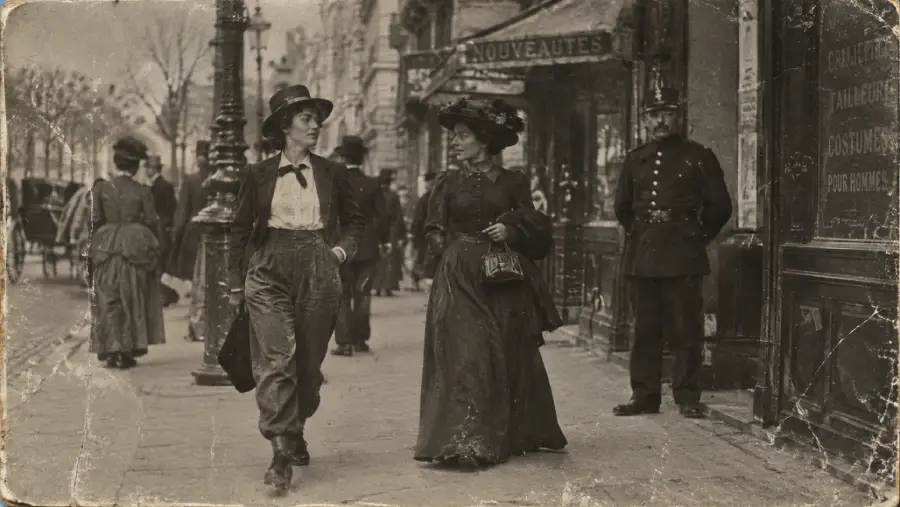
A French law enacted in 1800 required women to request official permission from local police authorities if they wished to dress like men by wearing pants in public. Although the regulation was rarely enforced after the early twentieth century, the archaic mandate technically remained on the legal books for over two centuries before being officially repealed in 2013.
3. Victorian etiquette dictated that women could not speak to men first
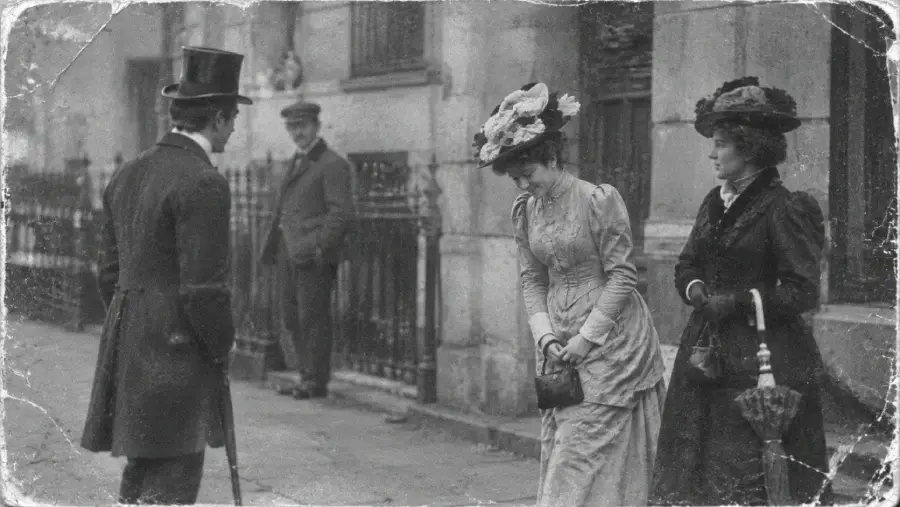
According to strict 19th-century social handbooks, a proper lady was forbidden from initiating a conversation with a gentleman in public unless he had been formally introduced to her family. Furthermore, if a woman recognized an acquaintance on the street, she was required to offer a slight nod before the man was permitted to tip his hat.
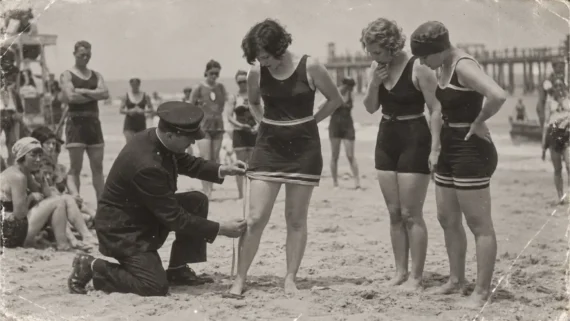
4. Swimsuit inspection laws enforced shortness limits on beaches
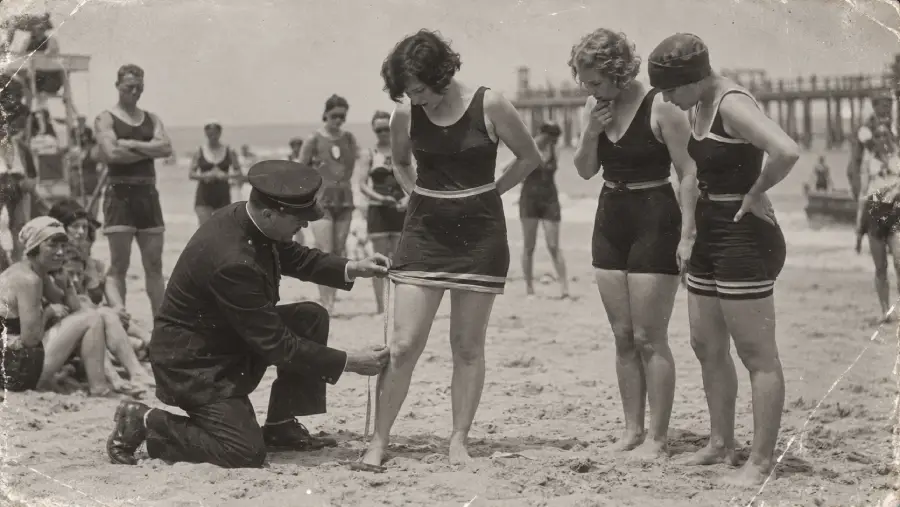
During the 1920s, American coastal cities employed official beach censors to measure the length of women’s bathing suits with measuring tapes. If a swimsuit revealed more than six inches of leg above the knee, the swimmer faced a fine or was forcibly escorted off the public beach.
5. Bowling alleys required pinsetters to be young men before automation
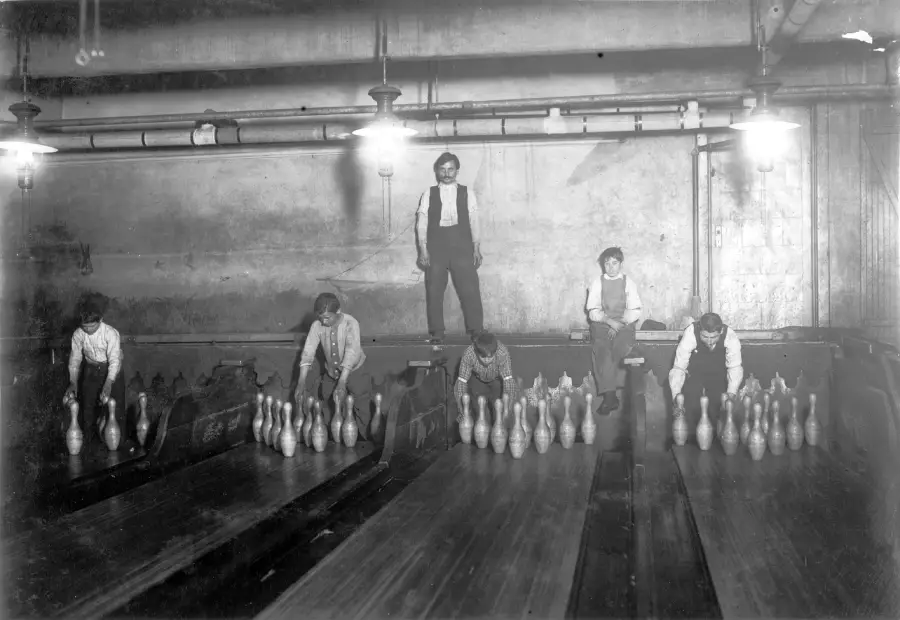
Before mechanical pinsetters were invented in the 1930s, bowling lanes operated under strict pin-boy regulations that required young men to manually clear fallen pins and return bowling balls. These workers faced hazardous conditions, often suffering injuries from flying pins and heavy bowling balls launched by impatient bowlers.
Trending on The Scroller


6. Married women were restricted from holding federal jobs in the US
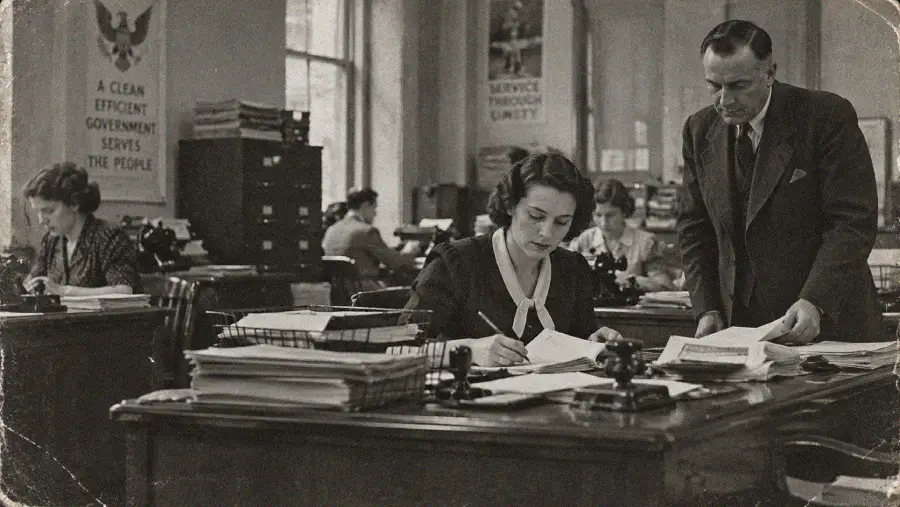
During the Great Depression, Section 213 of the Economy Act of 1932 established a policy that prohibited more than one member of a family from holding a government job. In practice, the rule was overwhelmingly used to fire married women or force female employees to resign if their husbands worked for the federal government.
7. Early 20th-Century drivers had to walk behind steam cars with red flags
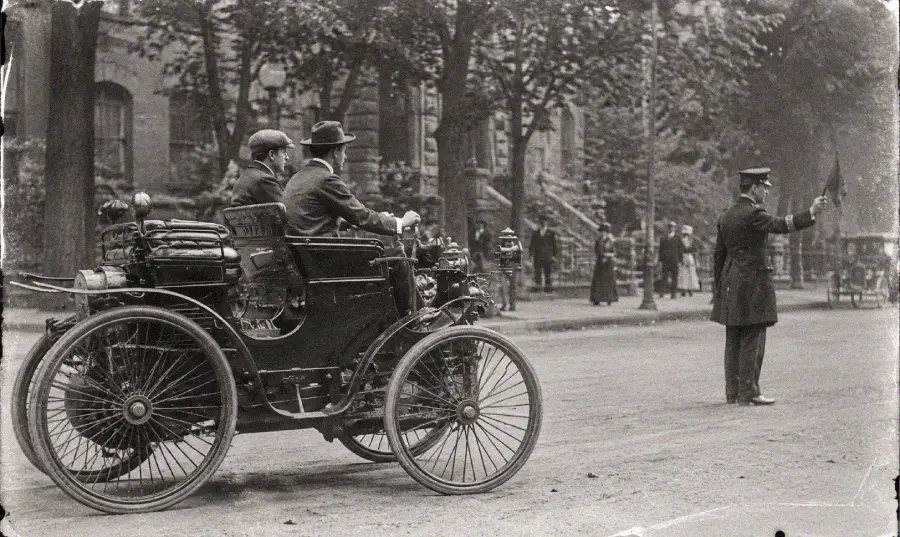
Under Britain’s Locomotive Acts of the late 19th century, self-propelled vehicles were restricted to a top speed of two miles per hour in towns. The law mandated that a man carrying a red flag walk at least sixty yards ahead of the vehicle to warn approaching horse-drawn carriages of the mechanical beast.
8. Flight attendants faced automatic dismissal upon marriage

Throughout the 1950s and 1960s, commercial airlines enforced strict employment contracts requiring female flight attendants to remain unmarried and retire by age thirty-two. It took landmark labor lawsuits and the passage of the Civil Rights Act of 1964 to officially outlaw these discriminatory workplace mandates.
Sign up for our newsletter
9. Public libraries enforced total silence under threat of fines

Historically, public reading rooms maintained absolute zero-tolerance policies regarding noise, posting severe warning signs and fining patrons for whispering. The strict imposition of silence was meant to preserve focus in an era before headphones, though modern libraries have evolved into collaborative community spaces.
10. Cycling on sidewalks carried heavy fines in 1890s America
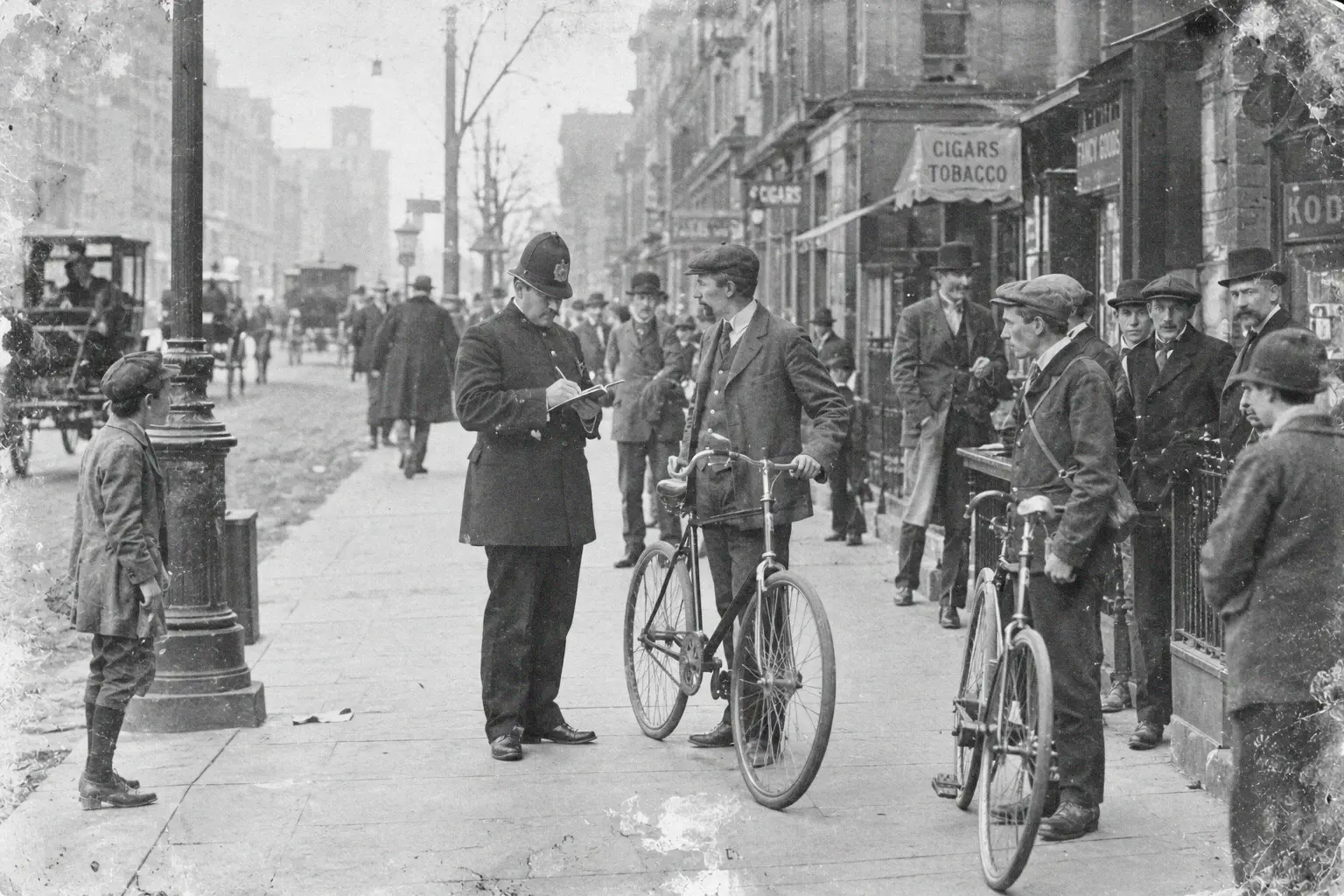
During the bicycle craze of the late 19th century, cities passed aggressive ordinances prohibiting cyclists from riding on pedestrian sidewalks. Because paved roads were rare, bicyclists constantly clashed with city marshals, resulting in thousands of impounded bicycles and hefty municipal fines.
11. Teachers were barred from public socializing and dating
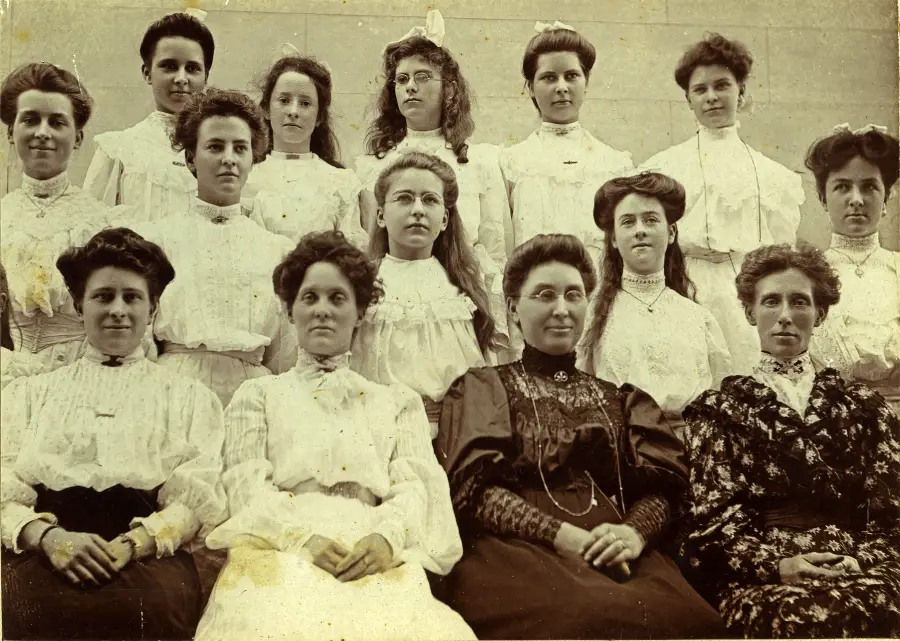
Early 20th-century school board contracts placed immense restrictions on female educators, forbidding them from dating, marrying, or attending social gatherings after dark. Teachers were even prohibited from riding in automobiles with men who were not their fathers or brothers.
12. Post office regulations required specific wrapping materials for packages
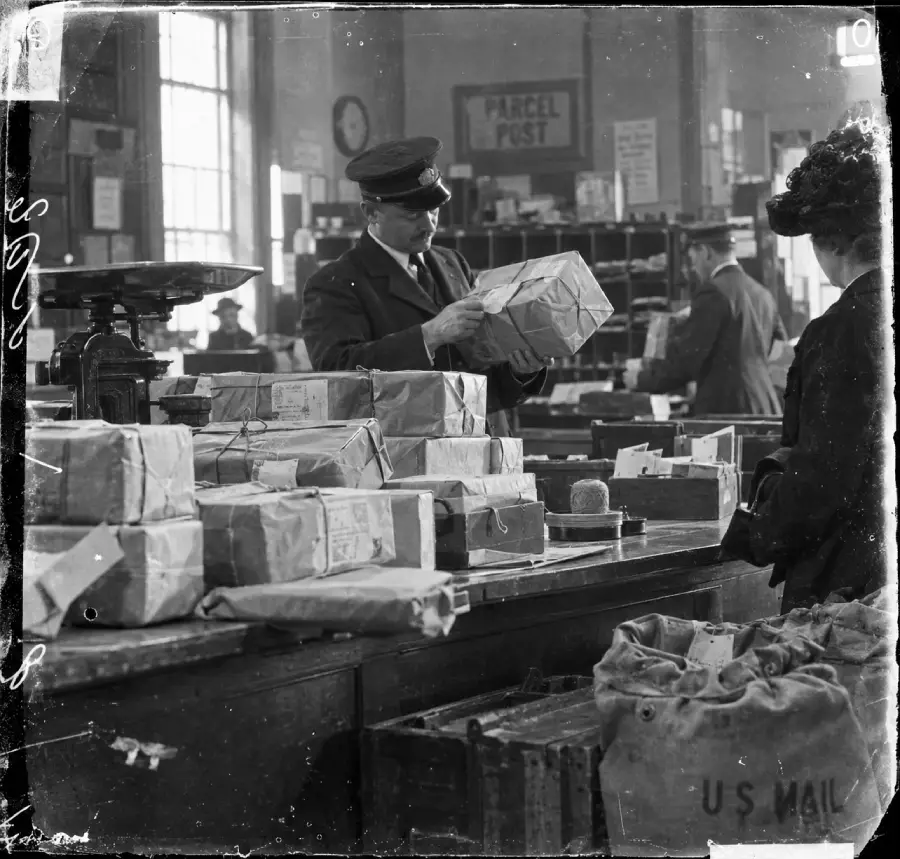
Before standardized shipping boxes, the United States Post Office enforced rigid guidelines requiring parcels to be wrapped in brown paper, secured with heavy jute twine, and sealed with hot sealing wax. Packages wrapped improperly or lacking tied string were routinely rejected at the counter.
13. Movie theaters enforced strict hat-removal policies for women
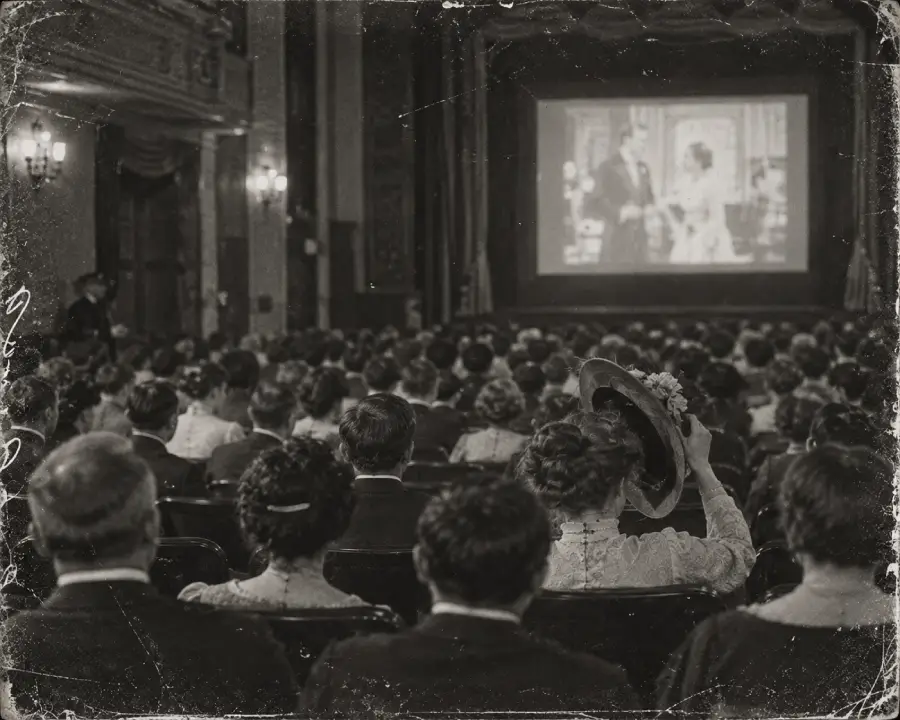
In the early days of silent cinema, women’s oversized hats frequently blocked the screen for viewers seated behind them. Theater owners were forced to institute strict policies demanding hat removal, often flashing slide-projector warnings onto the screen before the feature presentation began.
14. Bank tellers were required to follow strict eyewear and dress codes
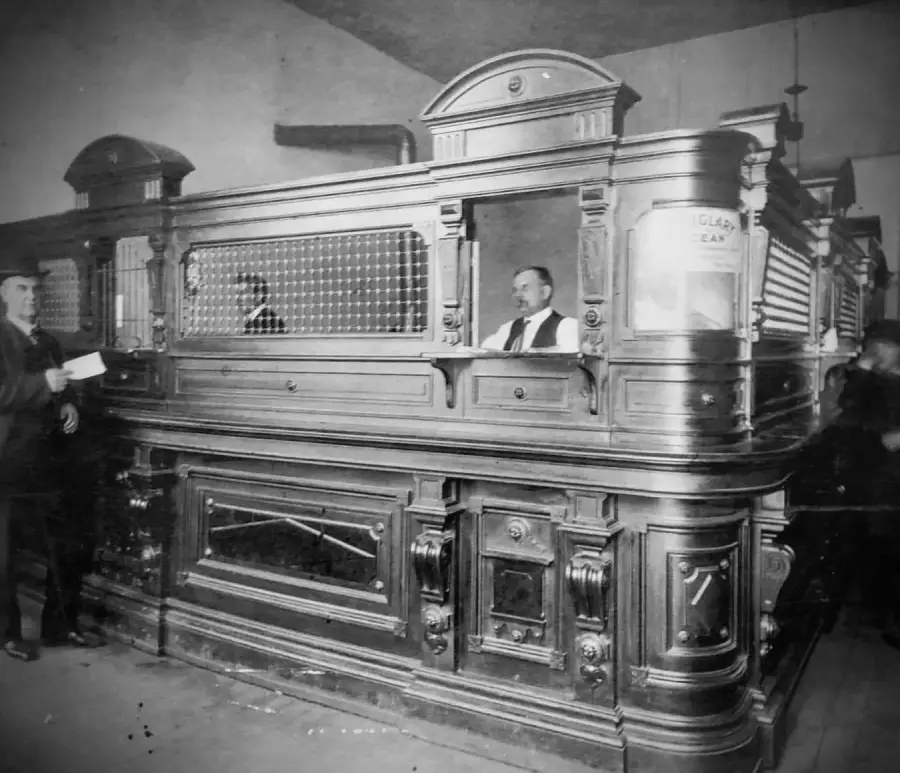
Mid-century financial institutions held rigid grooming standards, prohibiting male tellers from sporting facial hair, wild tie patterns, or unbuttoned collars. Female employees were required to wear gloves, skirts below the knee, and closed-toe shoes to maintain a conservative professional image.
Check out more fascinating stories from the past:
Reflecting on these outdated societal rules and legal mandates offers a fascinating look at how quickly cultural standards adapt over time. The striking contrast between historic restrictions and modern freedoms proves that daily life is constantly evolving. If you enjoy exploring historical facts, retro lifestyle archives, and deep dives into past eras, be sure to check out these 14 Everyday Shopping Habits That Died When Malls Took Over, or these 16 Habits That Were Socially Accepted in the 1960s. You may also like these 16 Forgotten Habits That Show How Much Life Changed.