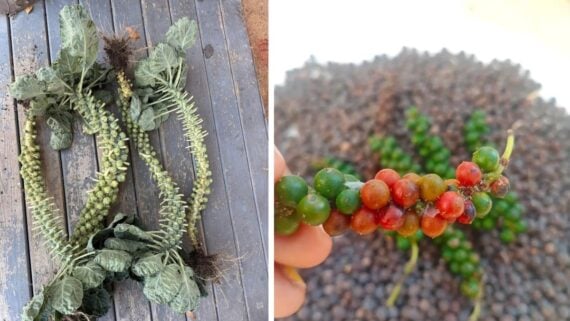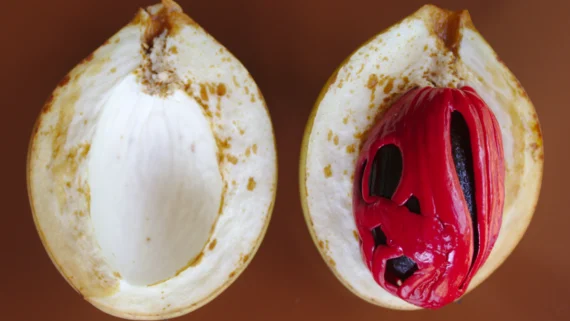
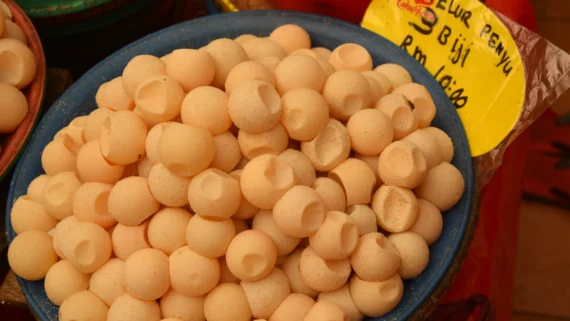
Most of us step into a supermarket expecting to find pretty much anything we want on the shelves. But behind the scenes, federal agencies like the FDA and USDA have drawn some surprisingly sharp lines over what Americans are actually allowed to eat. From luxury caviar and traditional European treats to everyday soda sweeteners, government agencies have stepped in to shut down sales for reasons ranging from pest control to ancient public health statutes.
Some of these food restrictions make total sense the moment you hear the science, while others feel like bizarre political technicalities that just never got updated. Exploring these foreign delicacies and former pantry staples reveals how strict government restrictions have shaped what ends up on American dinner tables. Here are sixteen foods and ingredients that turned out to be off-limits in the U.S.
1. Kinder Surprise eggs
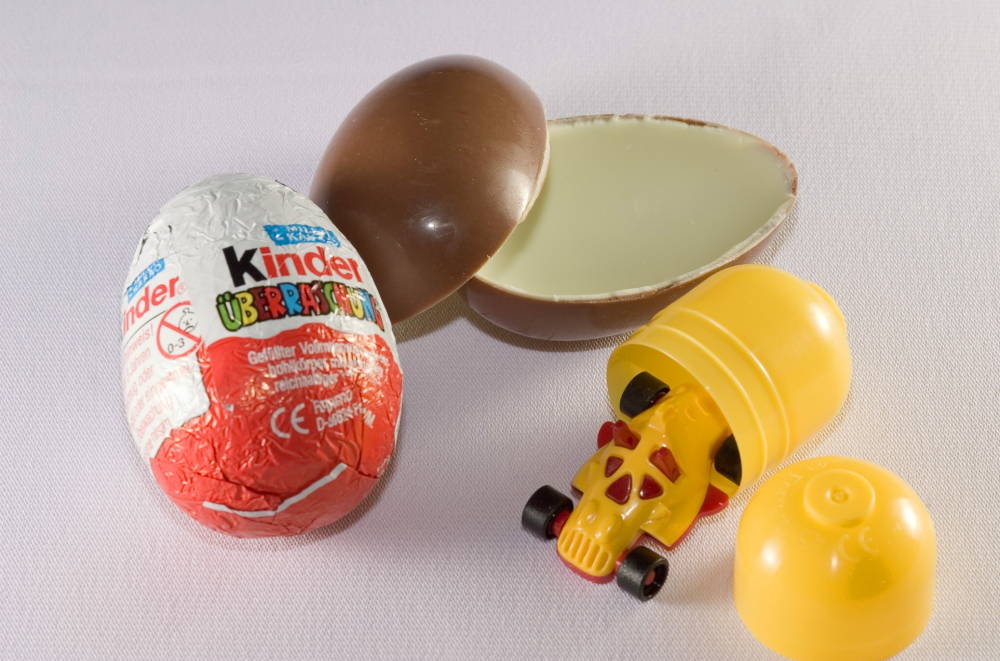
Federal regulators banned these popular Italian chocolate eggs under the 1938 Food, Drug, and Cosmetic Act, which prohibits non-nutritive objects embedded inside confectionery products. Importers faced steep fines per egg until manufacturers created Kinder Joy, a modified version that keeps the plastic toy in a completely separate compartment from the chocolate cream.
2. Haggis
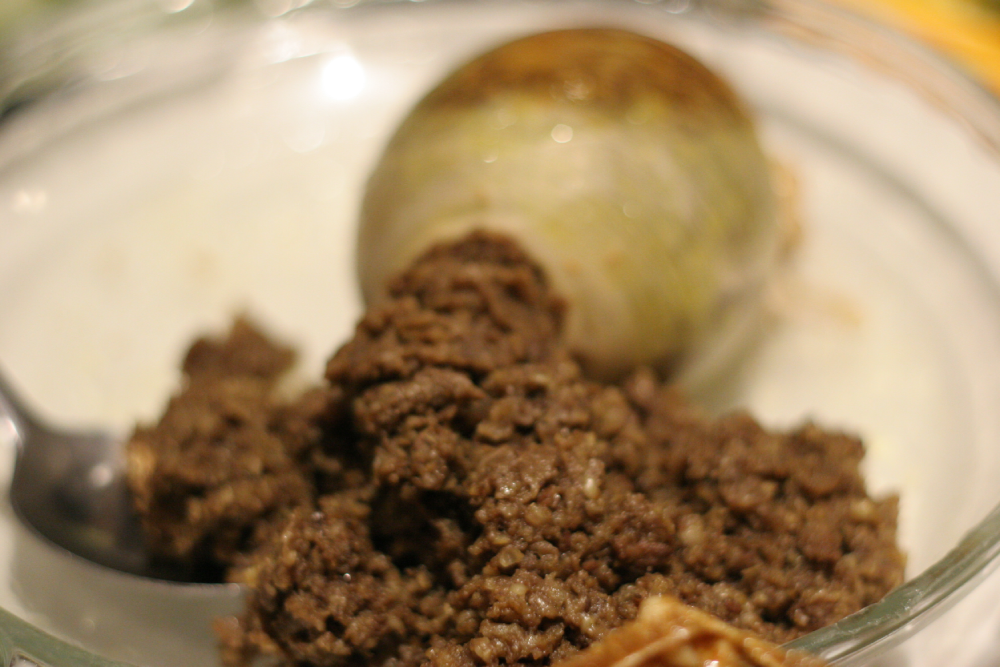
The traditional Scottish dish made of sheep heart, liver, and lungs was effectively banned from U.S. imports in 1971 when the USDA ruled against lung meat for human consumption. Because sheep lungs can absorb stomach fluid during slaughter, agriculture officials classified them as a contamination risk that domestic processors cannot sell.
3. Beluga caviar
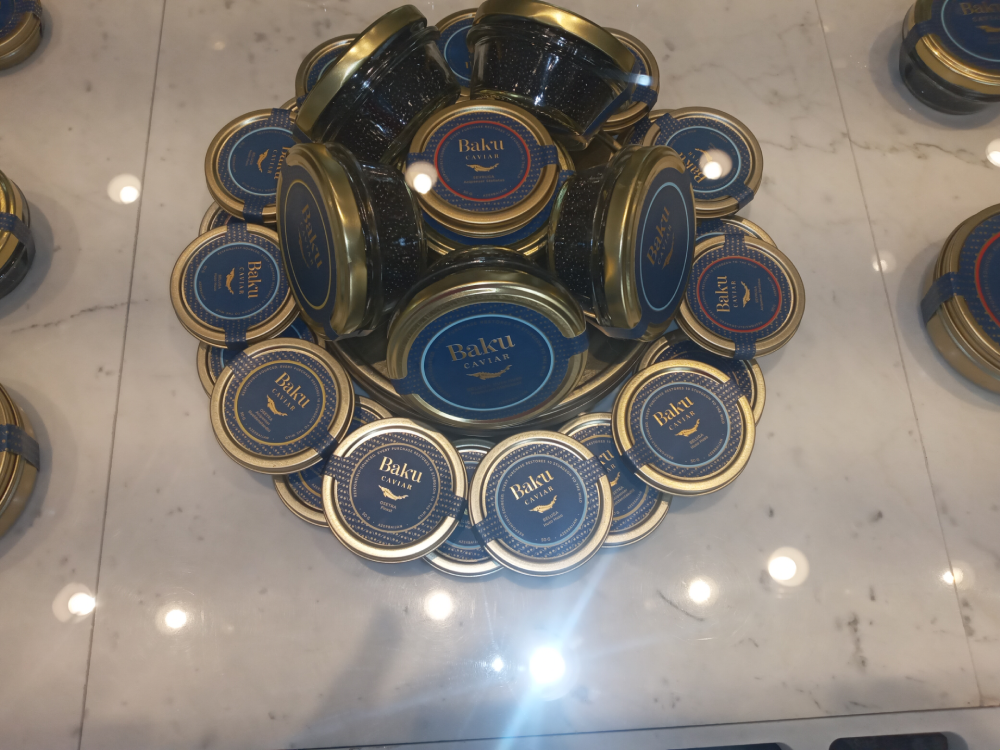
In 2005, the U.S. Fish and Wildlife Service banned imports of wild Beluga caviar harvested from the Caspian and Black Seas. The strict trade halt aimed to protect the wild Beluga sturgeon population, which had plummeted by over ninety percent due to rampant overfishing and illegal poaching.
4. Raw milk cheese (aged under 60 days)
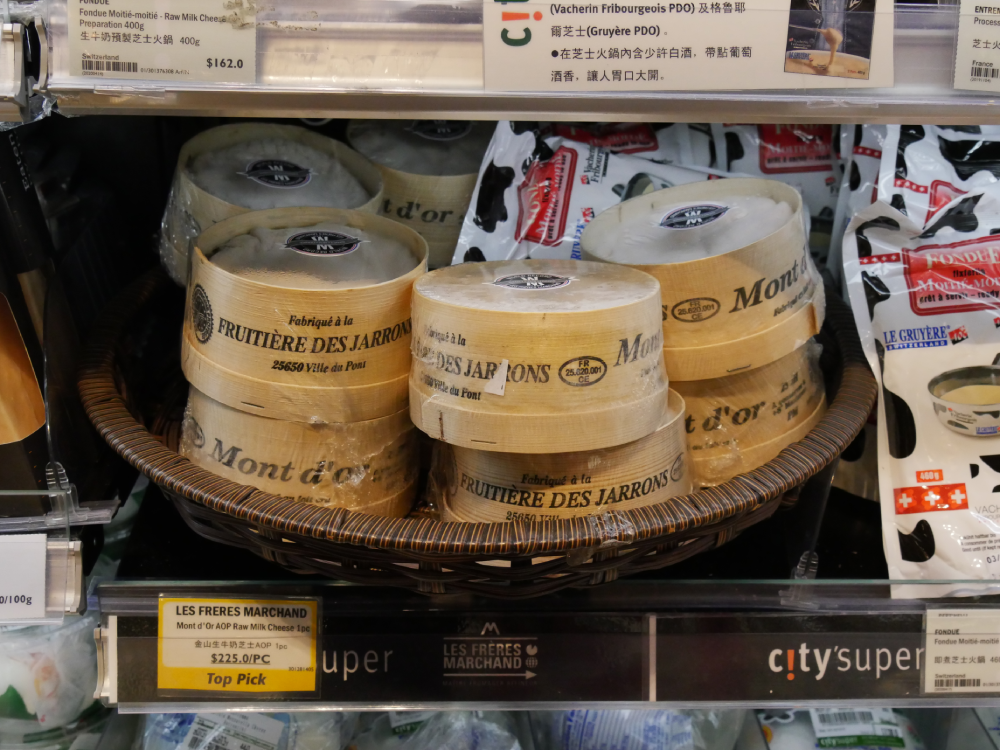
U.S. food safety laws prohibit the sale and import of unpasteurized cheeses unless they have been aged for at least sixty days at temperatures no lower than 35 degrees Fahrenheit. This mandatory aging process creates a natural acidity level intended to destroy harmful pathogens like E. coli and Listeria without heat treatment.
5. Casu Marzu
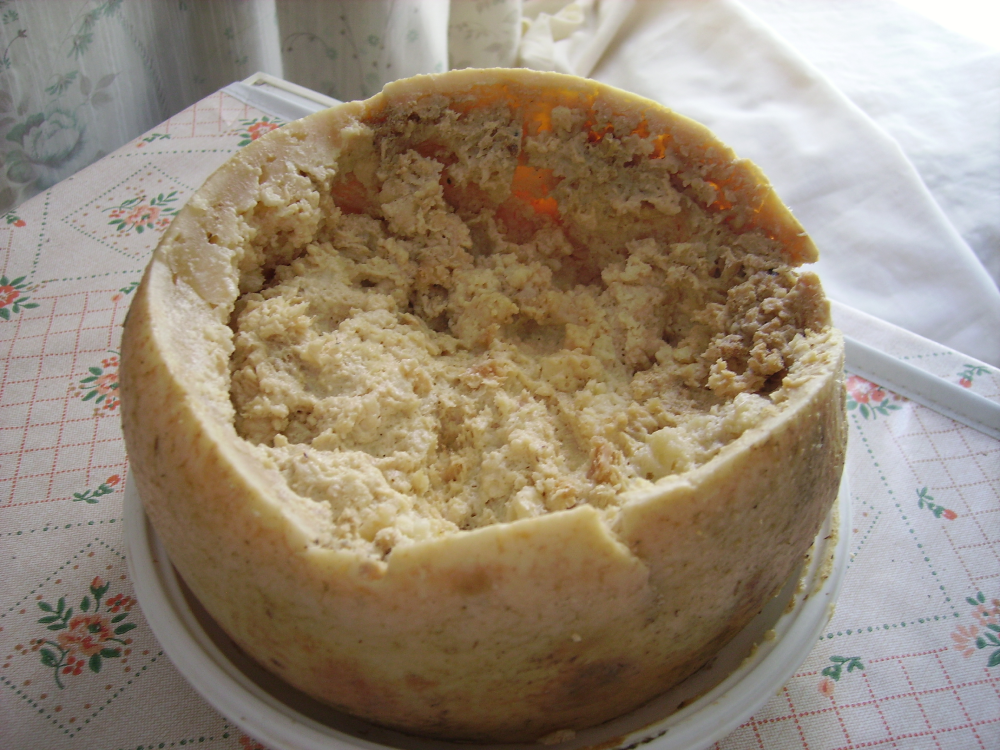
This traditional Sardinian sheep milk cheese is famous for containing live insect larvae, which are intentionally introduced to accelerate fermentation and break down fat levels. The FDA bans it because importing or selling food containing live insects violates strict sanitary standards regarding filth and decomposition.
Trending on The Scroller

6. Queen Conch
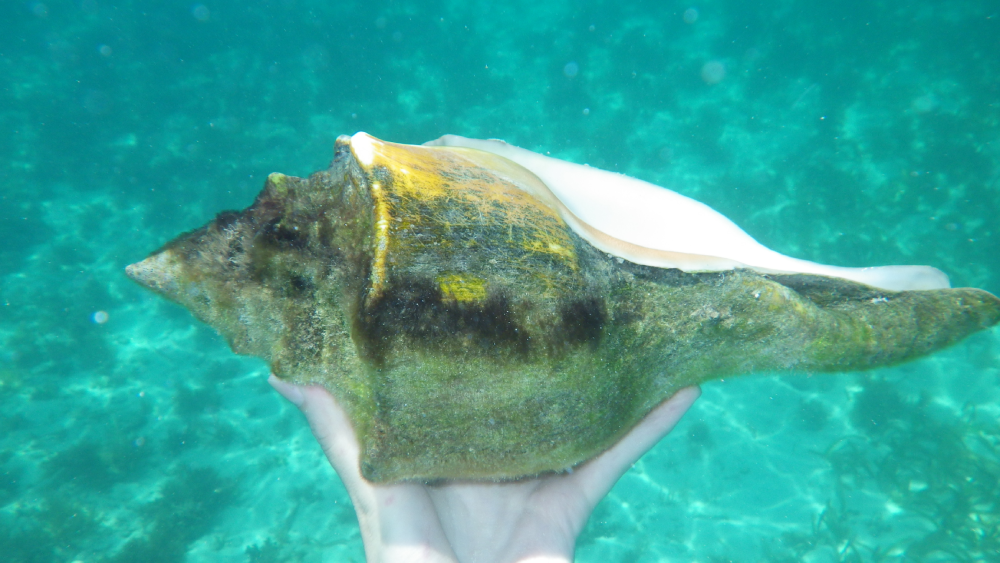
Harvesting queen conch in Florida state waters was permanently banned in 1985 after aggressive commercial harvesting severely depleted the marine mollusk population. While Americans can still consume imported conch meat from controlled Caribbean fisheries, catching one locally remains illegal under state and federal protections.
7. Sassafras oil

Once the key aromatic ingredient in traditional root beer and herbal teas, sassafras oil was banned by the FDA in 1960. Laboratory studies revealed that safrole, the primary compound in sassafras, caused liver cancer and organ damage in laboratory rats when consumed in high doses.
8. Cyclamates
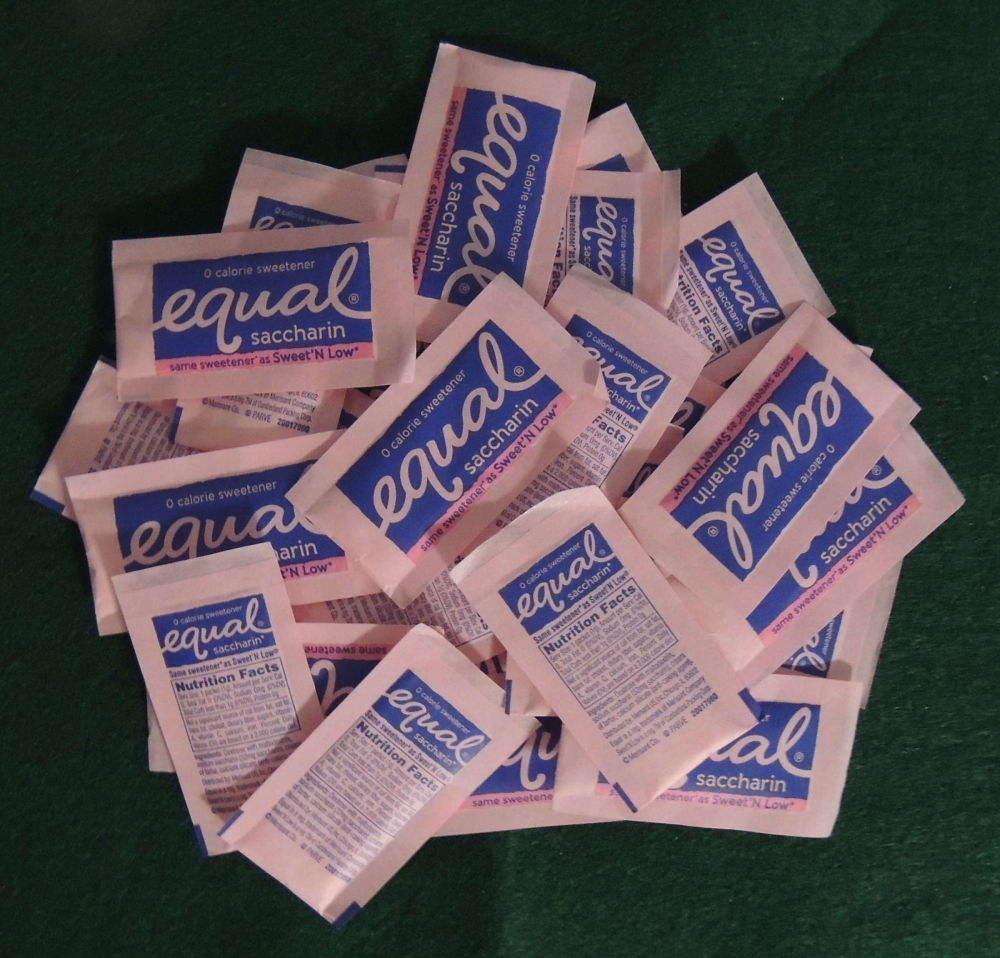
This artificial sweetener was widely used in diet sodas and low-calorie foods during the 1950s and 1960s until high-dose animal studies suggested a link to bladder cancer. The FDA banned cyclamates in 1969, and despite ongoing petitions from food manufacturers pointing to safe usage in over fifty other nations, the U.S. restriction remains in place.
Sign up for our newsletter
9. Tonka beans
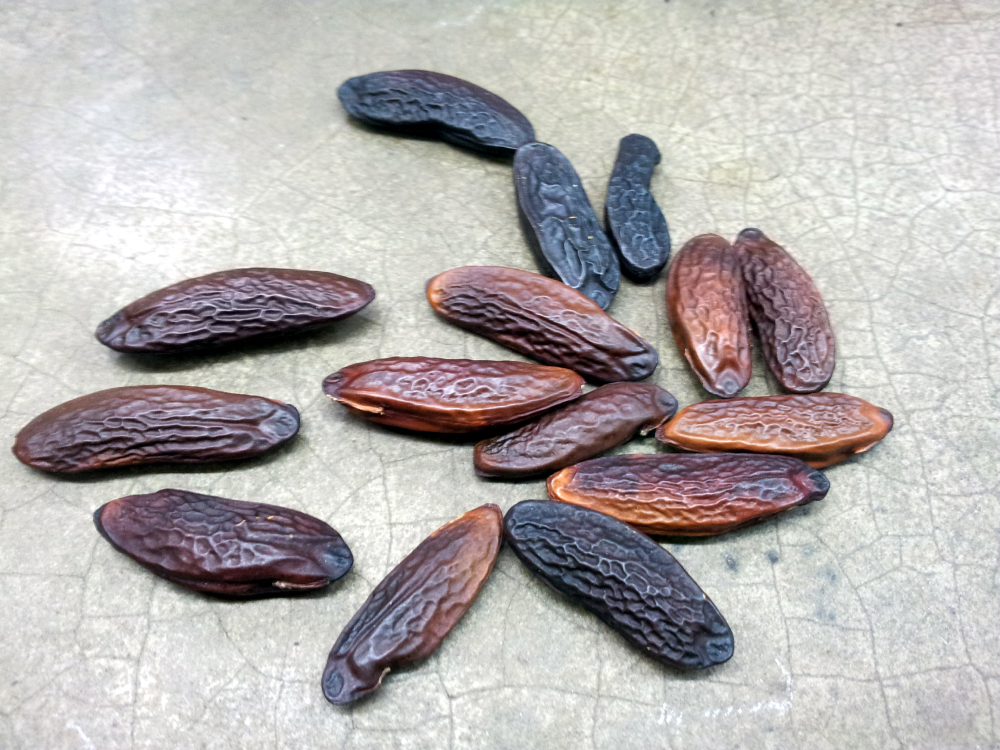
Harvested from a South American tree, tonka beans contain high concentrations of coumarin, a chemical compound responsible for their sweet, vanilla-like aroma. The FDA banned tonka beans in 1954 because coumarin causes liver damage in rodents and acts as a blood thinner at high consumption levels.
10. Ackee fruit
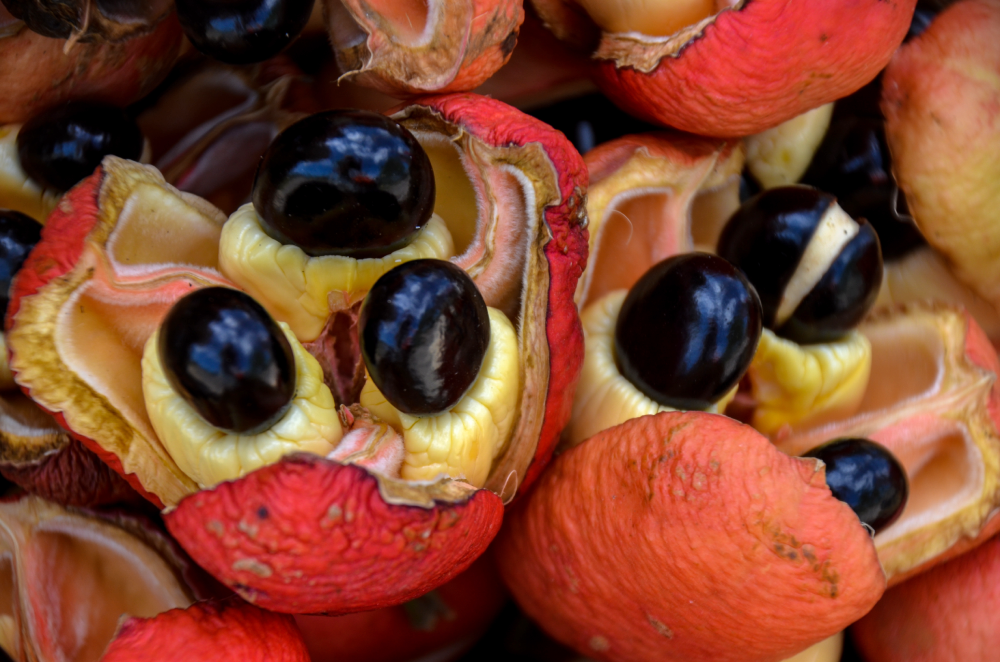
The national fruit of Jamaica is strictly regulated in the United States because it contains dangerous levels of hypoglycin A when unripened. Consuming the fruit before its pods naturally open can cause a severe drop in blood sugar known as Jamaican Vomiting Sickness, prompting federal inspectors to only allow certified, fully ripe canned imports.
11. Mirabelle plums
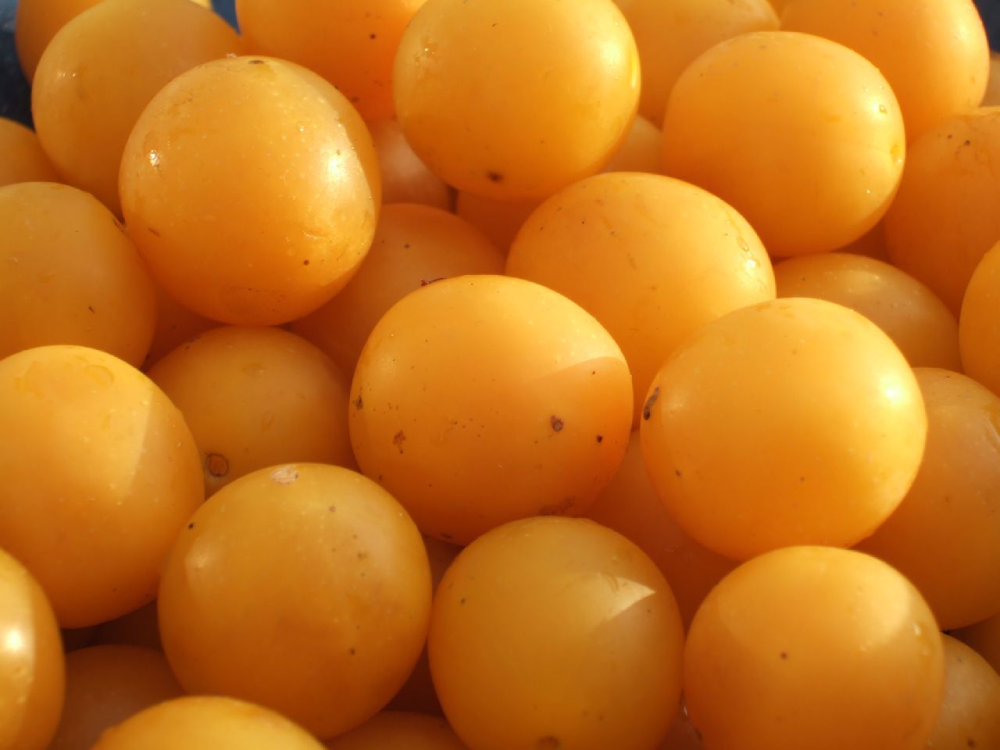
Grown almost exclusively in the Lorraine region of France, these small, sweet yellow plums are protected by European origin laws that restrict fresh exports. Due to trade agreements and strict USDA pest screening regulations regarding foreign fruit flies, fresh Mirabelle plums cannot be commercially imported into American markets.
12. Absinthe
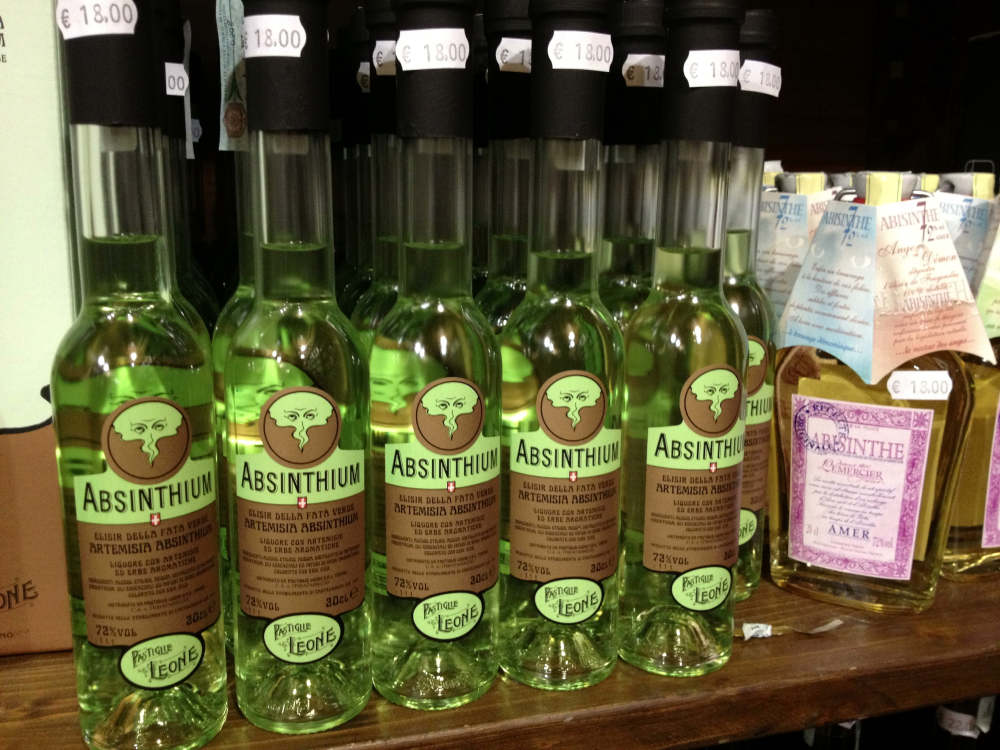
The legendary green spirit was banned in the U.S. in 1912 due to fears that thujone, a chemical compound found in grand wormwood, caused hallucinations and neurological damage. The federal restriction was softened in 2007, allowing absinthe back onto market shelves only if it tests completely thujone-free or contains under ten parts per million.
13. Redfish
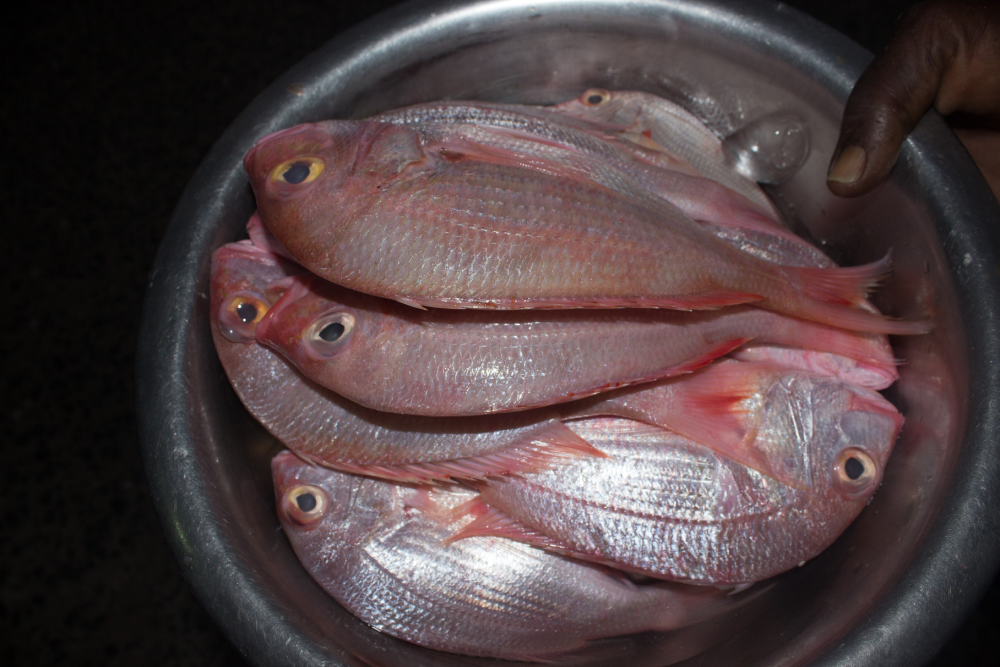
After celebrity chef Paul Prudhomme popularized blackened redfish in the 1980s, commercial overfishing nearly wiped out Gulf Coast populations within a few years. Federal authorities stepped in during 1987 to ban commercial harvesting in federal waters, allowing the species to recover under strict recreational catch limits.
14. Bushmeat
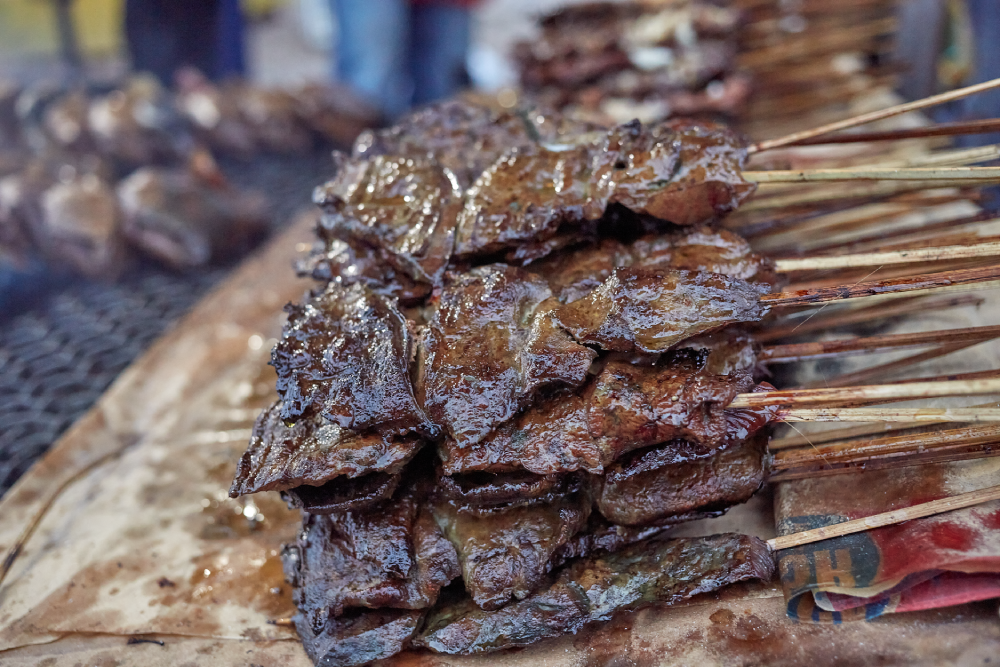
The importation of wild animal meat harvested from tropical forests in Africa and Asia is strictly illegal under international wildlife treaties and U.S. customs laws. Federal health agencies maintain these prohibitions to prevent the introduction of dangerous zoonotic diseases such as Ebola, monkeypox, and African swine fever into domestic populations.
15. Japanese fugu or blowfish
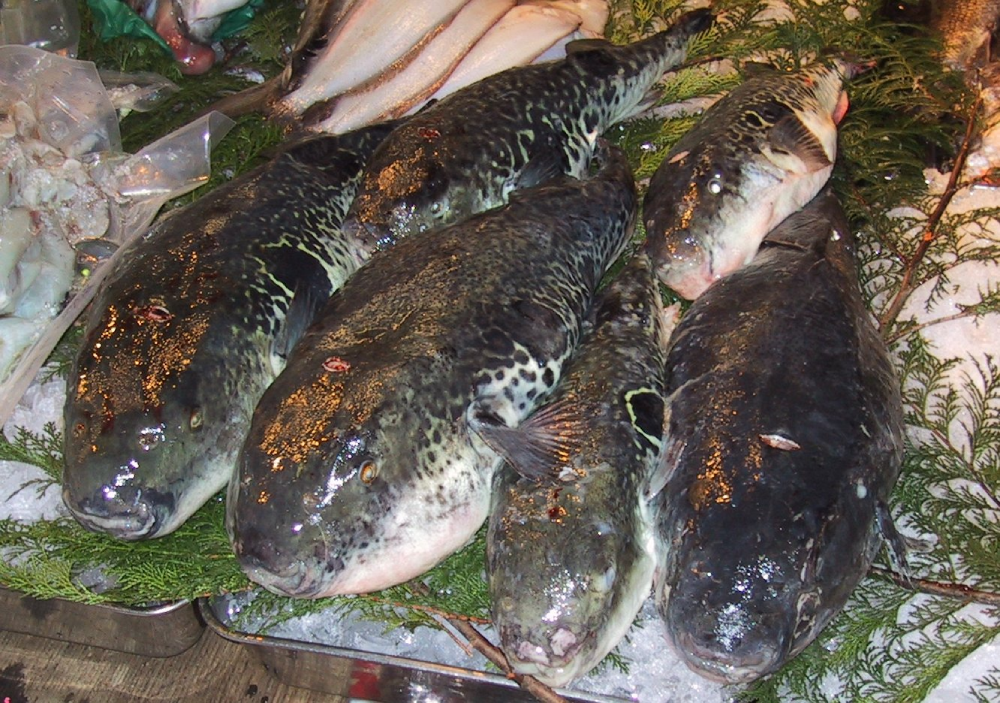
Serving this delicacy requires a special permit because the fish contains tetrodotoxin, a deadly neurotoxin that is over a thousand times more lethal than cyanide. Only licensed master chefs who have undergone years of rigorous training to remove the toxic organs are authorized to serve imported fugu at select approved U.S. restaurants.
16. Sea turtle meat and eggs
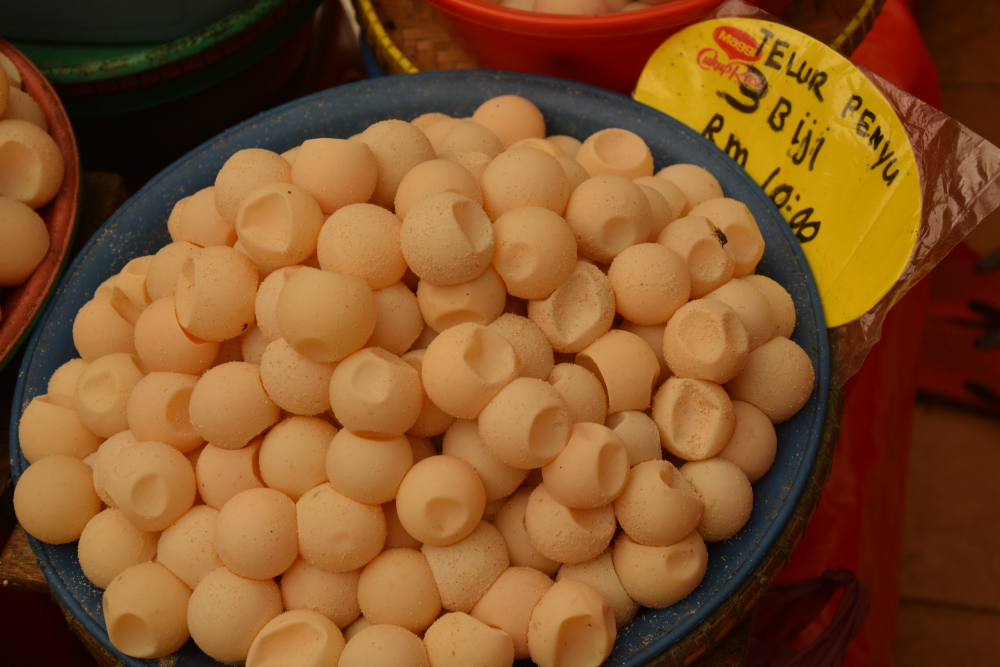
All species of sea turtles are protected under the Endangered Species Act of 1973, making it a federal crime to harvest, sell, or consume their meat and eggs. Before these legal protections were enacted, green sea turtles were aggressively hunted along southeastern coasts to produce luxury turtle soup.
Explore more interesting facts about food:
Exploring these food laws reveals just how much work goes on behind the scenes to balance cultural cuisine with public safety and environmental protection. While missing out on foreign delicacies might be disappointing for adventurous eaters, these legal guidelines have shaped modern grocery shopping into a much safer experience overall. If you enjoy learning about culinary history and surprising food deep dives, check out these 15 Humble Foods That Turned Into High-End Favorites or these 15 Foods Marketed as Healthy in the 1990s. You may also like these 14 Common Beliefs About Food That Changed.