Extreme weather archaeological discoveries have a strange way of making the landscape feel temporary. A reservoir shrinks, a storm strips away a beach, or a river drops unusually low, and something that seemed gone suddenly returns to view.
Sometimes the result is a genuine archaeological surprise. Other times, nature simply pulls back the curtain on something historians already knew was there. Either way, these moments offer a rare glimpse at what can be hiding beneath water, sand, soil, and ice.
1. Drought Re-exposed Spain’s Dolmen de Guadalperal
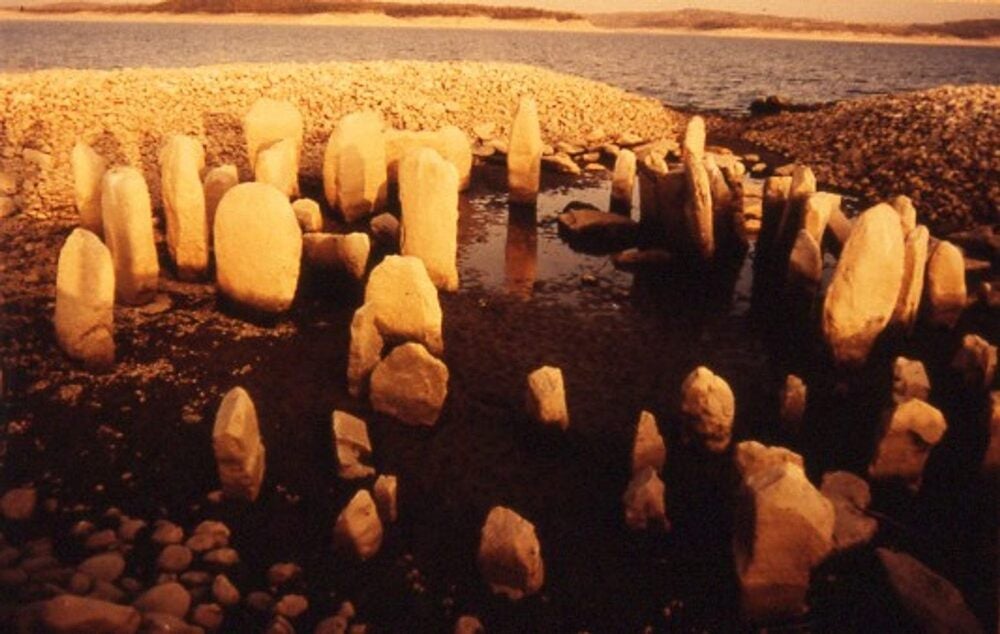
For decades, the Dolmen de Guadalperal spent much of its time beneath the waters of the Valdecanas Reservoir, but severe drought in 2019 dropped water levels enough to bring the ancient stone monument dramatically back into view. The megalithic site had been documented before the reservoir swallowed the area, so this was not a new discovery. Still, seeing its standing stones rise from a dried landscape made a roughly 5,000-year-old monument feel startlingly present again.
2. Hurricane Andrew Uncovered HMS Fowey
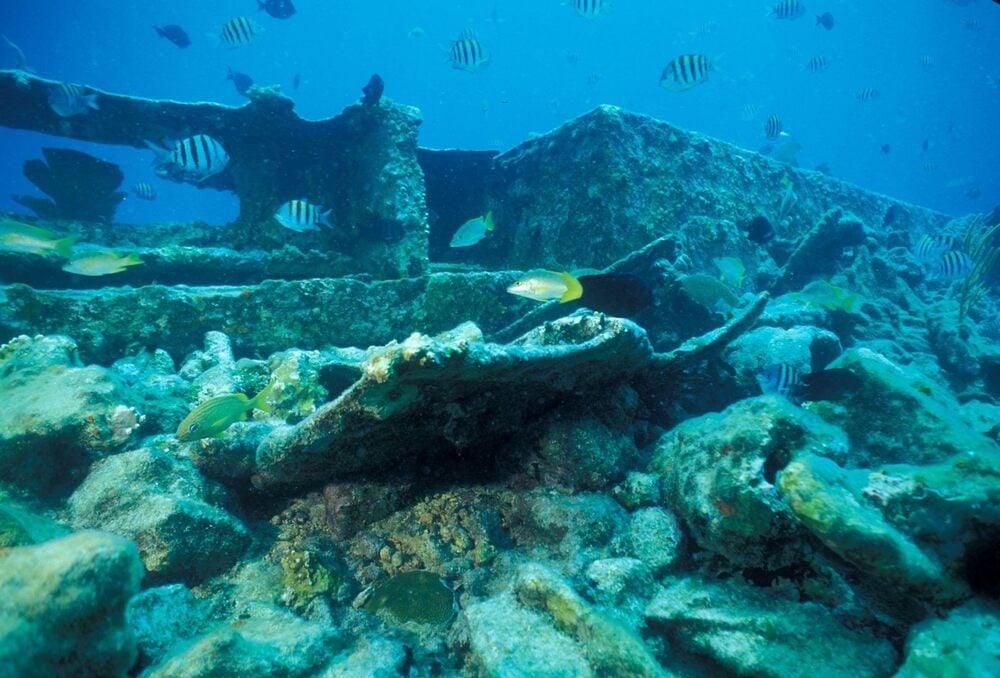
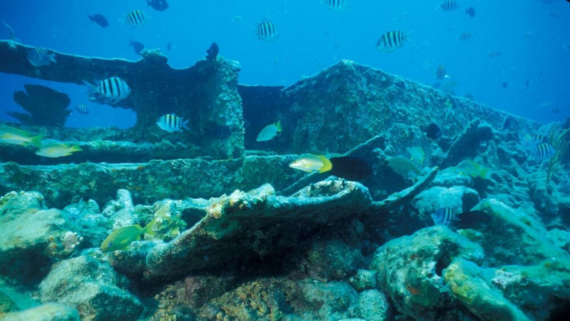
Hurricane Andrew is remembered for the destruction it caused in 1992, but the storm also rearranged the underwater landscape off Florida. Shifting sediments in Biscayne National Park exposed remains connected to HMS Fowey, a British warship that sank in 1748. Beneath all that sand and water, a piece of the 18th century had been waiting for the ocean to move the furniture.
3. Iraq’s Drought Revealed the Bronze Age City of Zakhiku
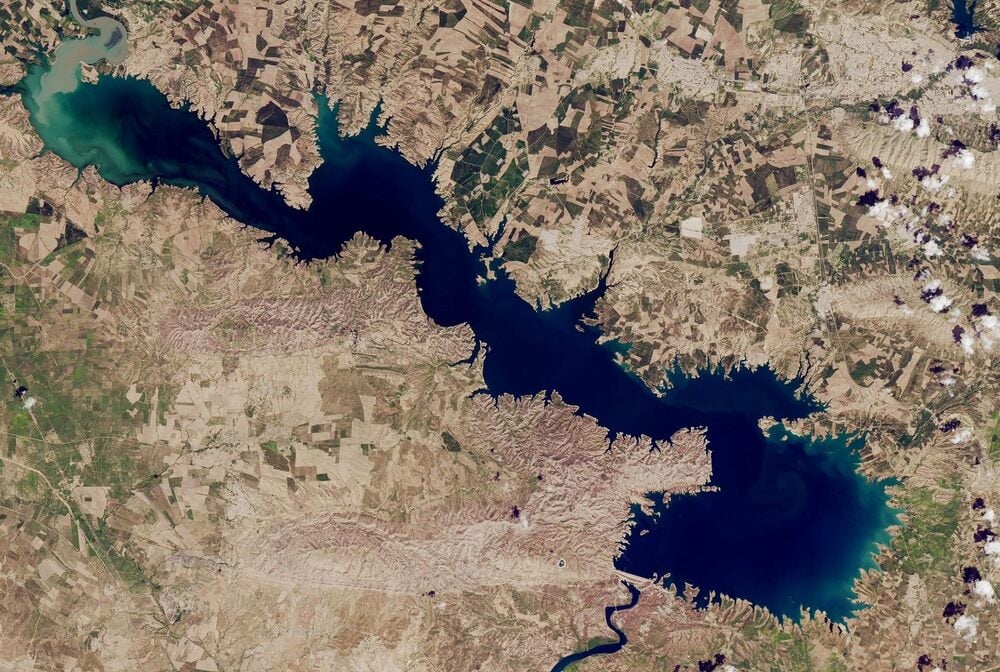
When drought caused the Mosul Reservoir to shrink dramatically in 2022, walls and structures from the ancient city of Zakhiku emerged from the water. Archaeologists rushed to investigate the approximately 3,400-year-old Mittani-era site before reservoir levels rose again. Imagine conducting an excavation while knowing the entire dig could soon disappear underwater. In this case, archaeology came with a very literal ticking clock.
4. Storms Exposed the Ancient Forest at Borth
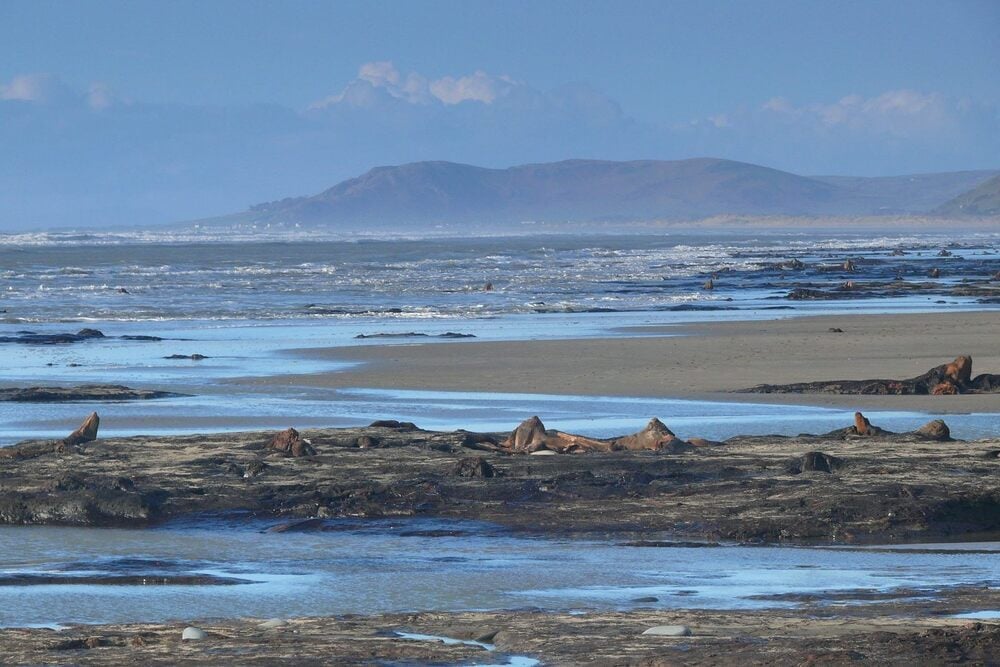
A beach can hide considerably more than lost sunglasses. Powerful storms along the Welsh coast in 2014 stripped away layers of sand at Borth, revealing prehistoric tree stumps and other ancient remains across the shoreline. The submerged forest had appeared before during periods of erosion, but the storm exposure transformed an ordinary-looking beach into a landscape with visible traces of a world thousands of years older.
5. Texas Drought Exposed Dinosaur Tracks
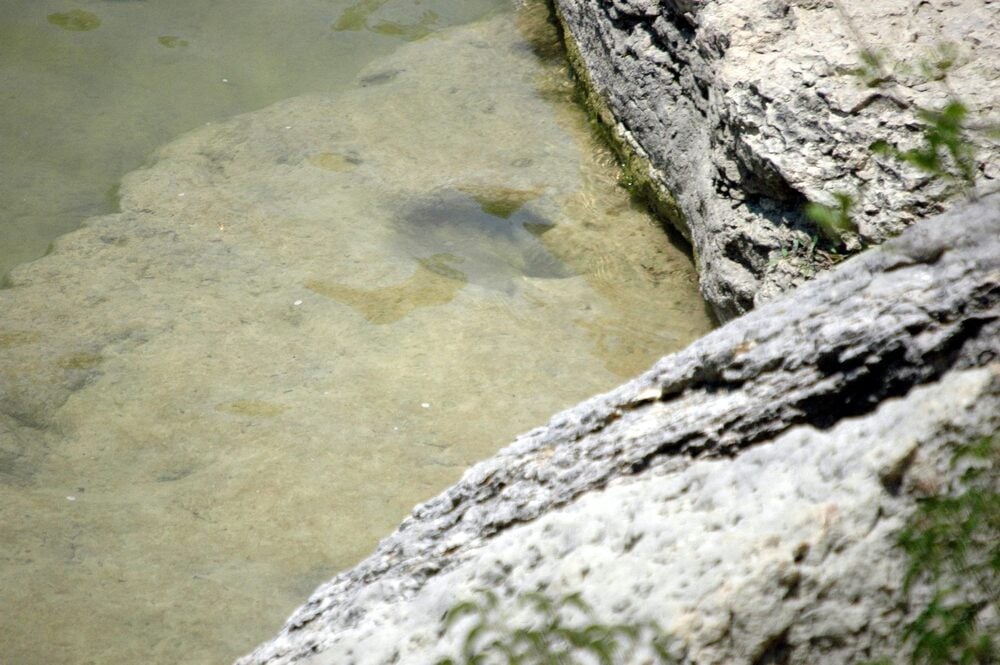
At Dinosaur Valley State Park, drought and unusually low water levels have occasionally revealed dinosaur footprints normally concealed beneath water and sediment. The striking 2022 exposure made tracks visible along sections of the Paluxy River, with additional finds reported during later low-water conditions. How many people have walked beside that river without realizing that enormous footprints were sitting just below the surface?
Trending on The Scroller
6. Rome’s Low Tiber Revealed an Ancient Bridge
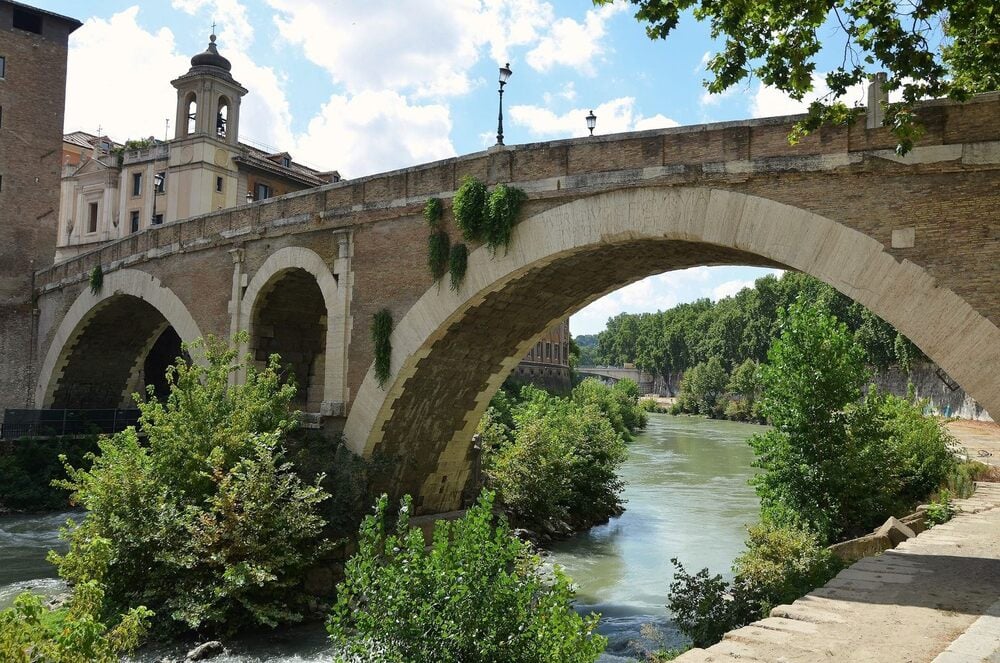
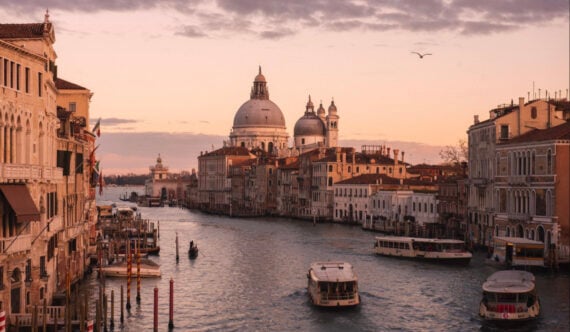
The Tiber has been flowing through Rome’s history for thousands of years, and during periods of severe drought it occasionally gives some of that history back. Low water in 2022, and again during later drought conditions, exposed ancient bridge remains traditionally associated with the Pons Neronianus. The connection to Emperor Nero is not completely certain, but the sight of old masonry emerging from the river is a reminder that modern Rome is layered directly over its ancient predecessor.
7. China’s Yangtze Drought Exposed Buddhist Carvings
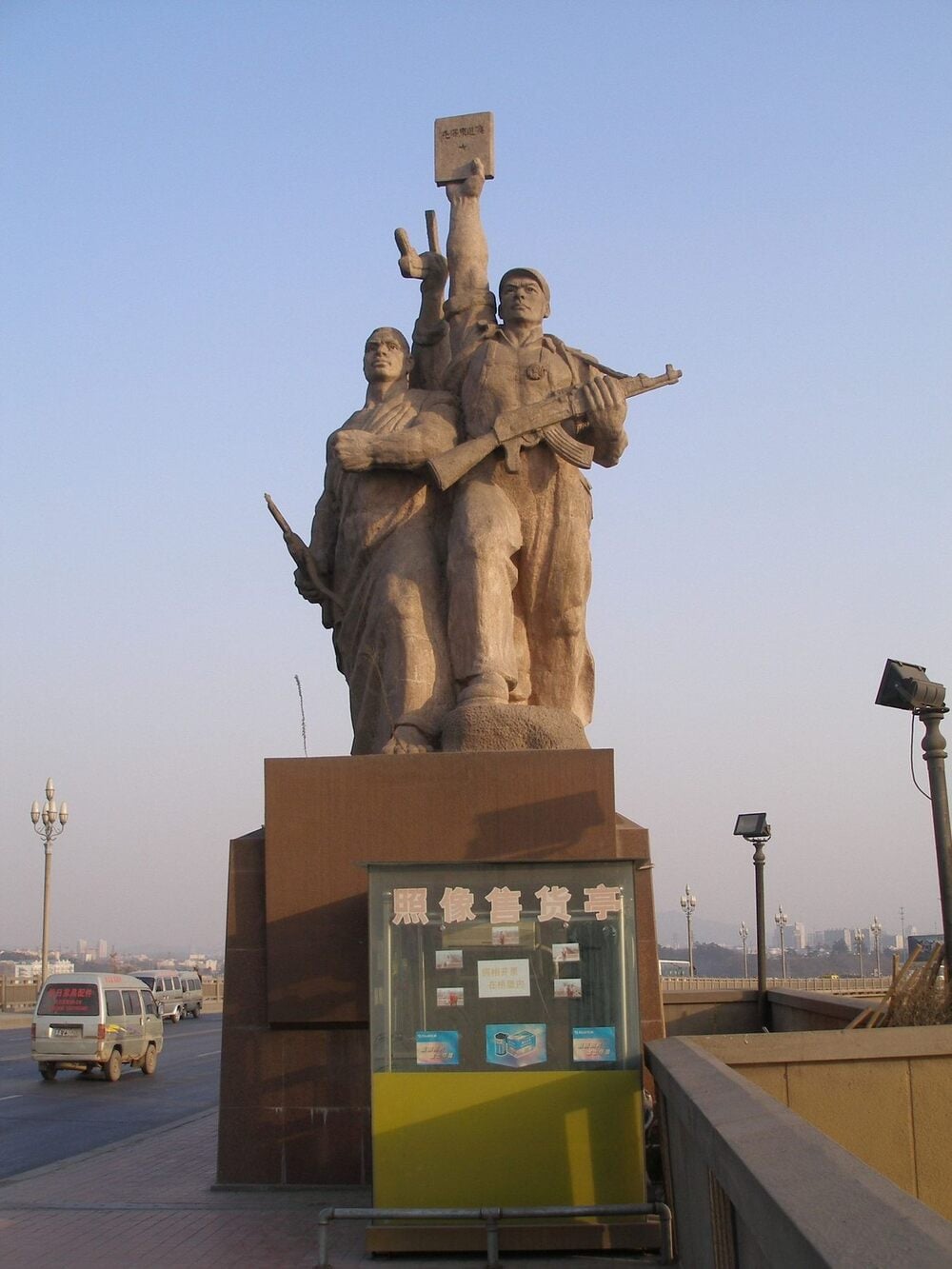
As water levels in the Yangtze basin fell dramatically during the 2022 drought, centuries-old Buddhist carvings became visible near Chongqing. Normally surrounded or obscured by water, the figures briefly emerged into a very different landscape. The discovery created an eerie contrast: a modern environmental crisis revealing religious artwork carved generations before anyone could have imagined the river at such extraordinary lows.
8. Mexico City’s 1985 Earthquake Led to a Hidden Aztec School
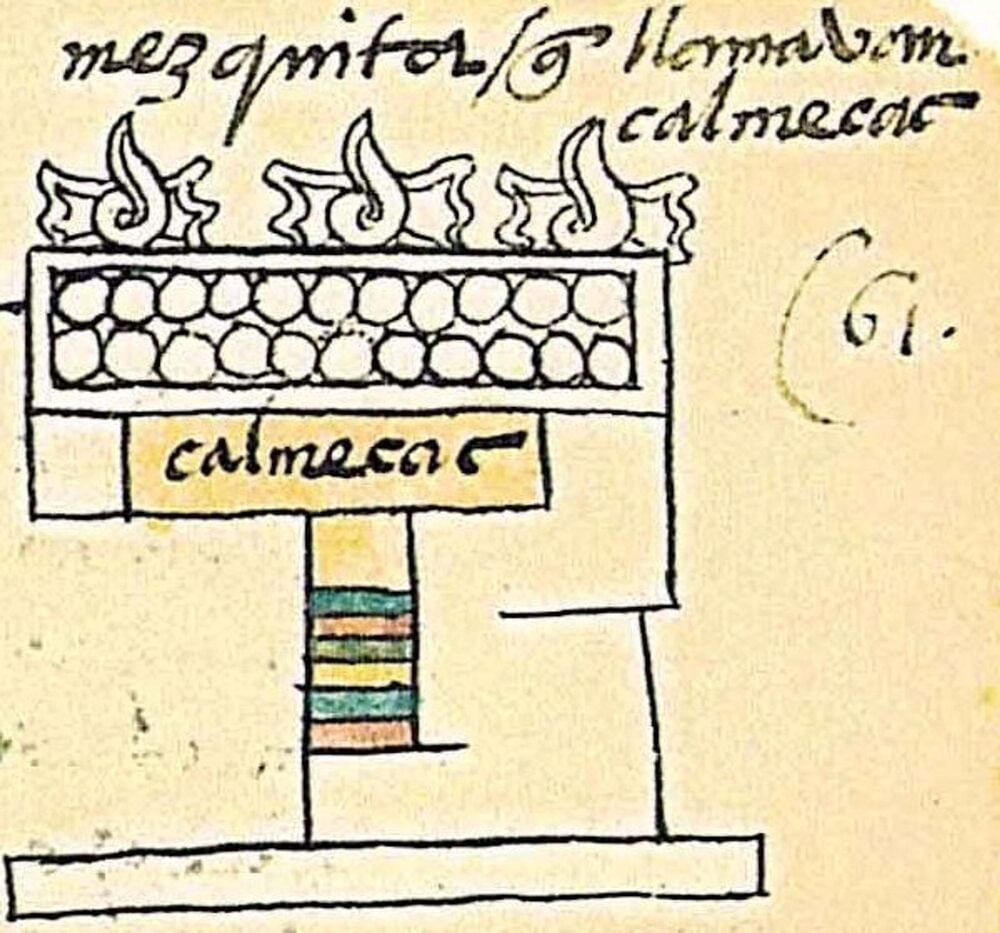
This reveal did not happen the instant the ground stopped shaking. Damage from the devastating 1985 Mexico City earthquake eventually contributed to demolition and redevelopment work that opened the way for archaeological investigation. Beneath the modern city, researchers identified remains associated with the Calmecac, an elite Aztec school. The earthquake’s role was indirect, but it helped begin a chain of events that exposed another layer of Tenochtitlan hiding beneath Mexico City.
Sign up for our newsletter
9. Storms Revealed a Bronze Age Walkway on the Welsh Coast
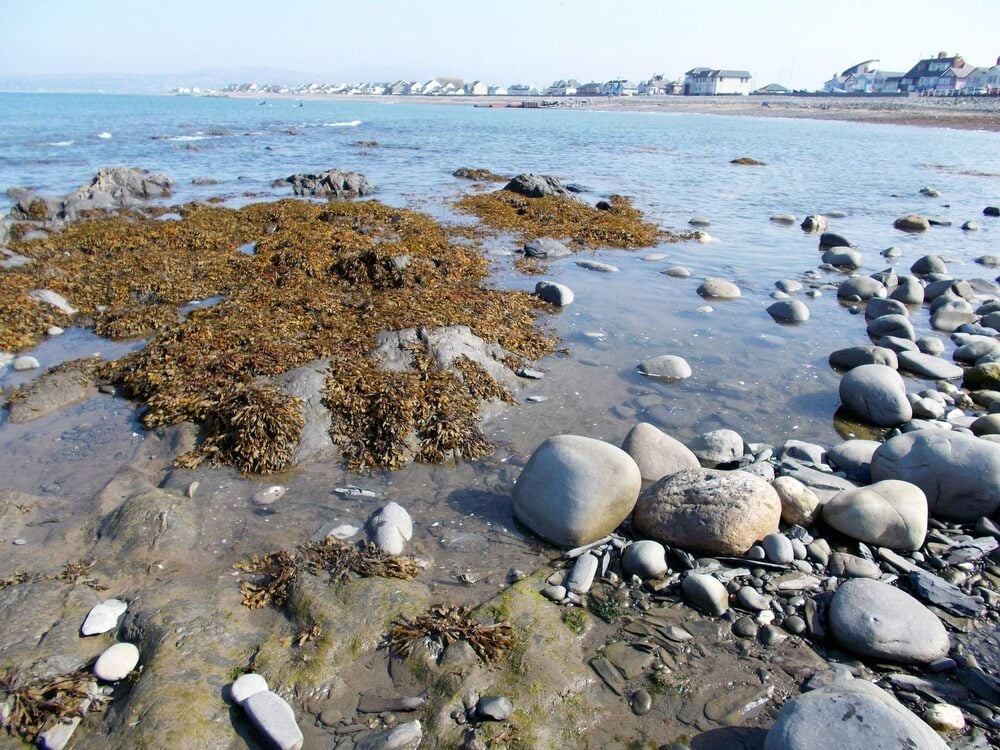
The same storm-battered landscape around Borth offered another glimpse into prehistoric life: ancient timber features interpreted as part of a walkway. Unlike the forest stumps, these remains point toward people actively moving through a landscape that looked very different thousands of years ago. One violent episode of coastal erosion can therefore expose not just an ancient environment, but evidence of how humans once navigated it.
10. A Drought Exposed an Old Italian Village
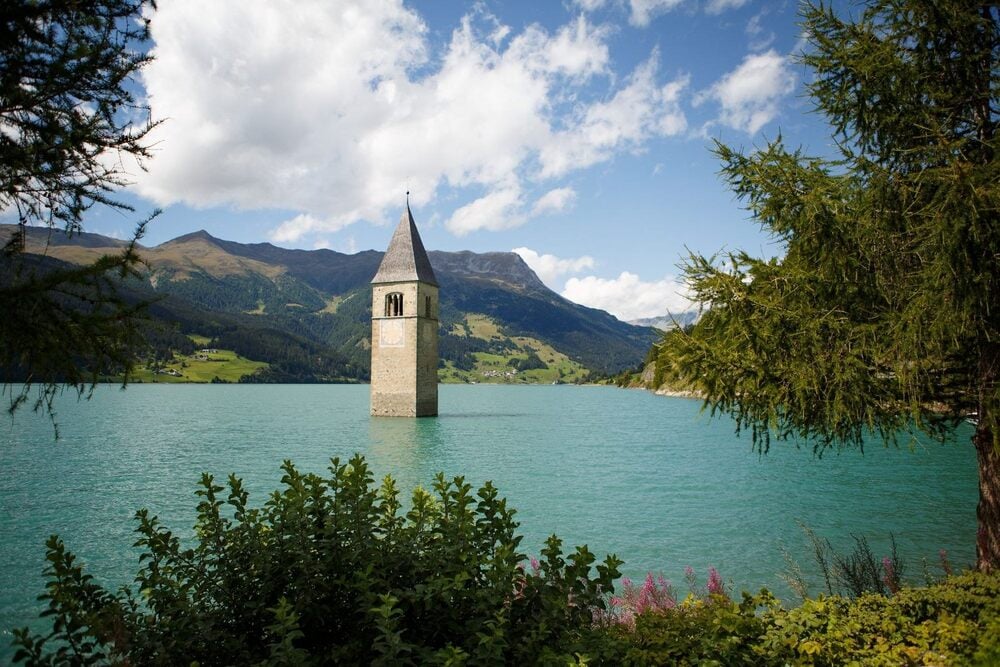
Extreme weather archaeological discoveries can also bring relatively recent history back from beneath reservoirs. Across Italy, prolonged dry spells have caused water levels to retreat around places intentionally flooded during modern dam projects, allowing ruins and former settlement features to reappear. These ghostly returns are different from discovering an unknown ancient city: buildings were never forgotten by history, only hidden by water until drought briefly changed the shoreline.
11. A Hurricane Bared a Shipwreck on a Beach
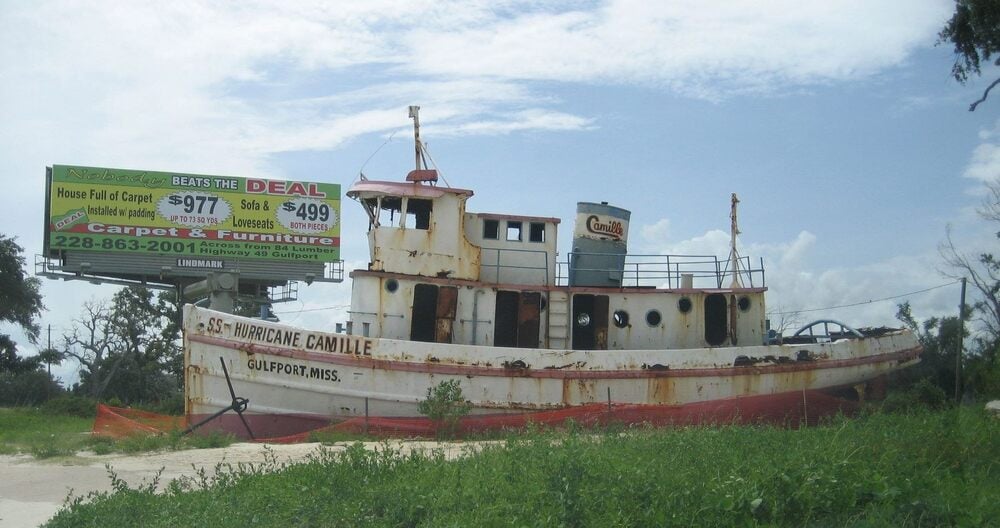
A violent storm can rearrange a coastline in a matter of hours, stripping away sand that may have covered wreckage for decades or even centuries. Historic ship timbers have surfaced on beaches after hurricanes and major storms, sometimes only to vanish beneath the sand again as conditions change. It creates an unusual archaeological window where the beach itself decides how long the exhibit stays open.
12. A Storm Uncovered Ancient Human Footprints
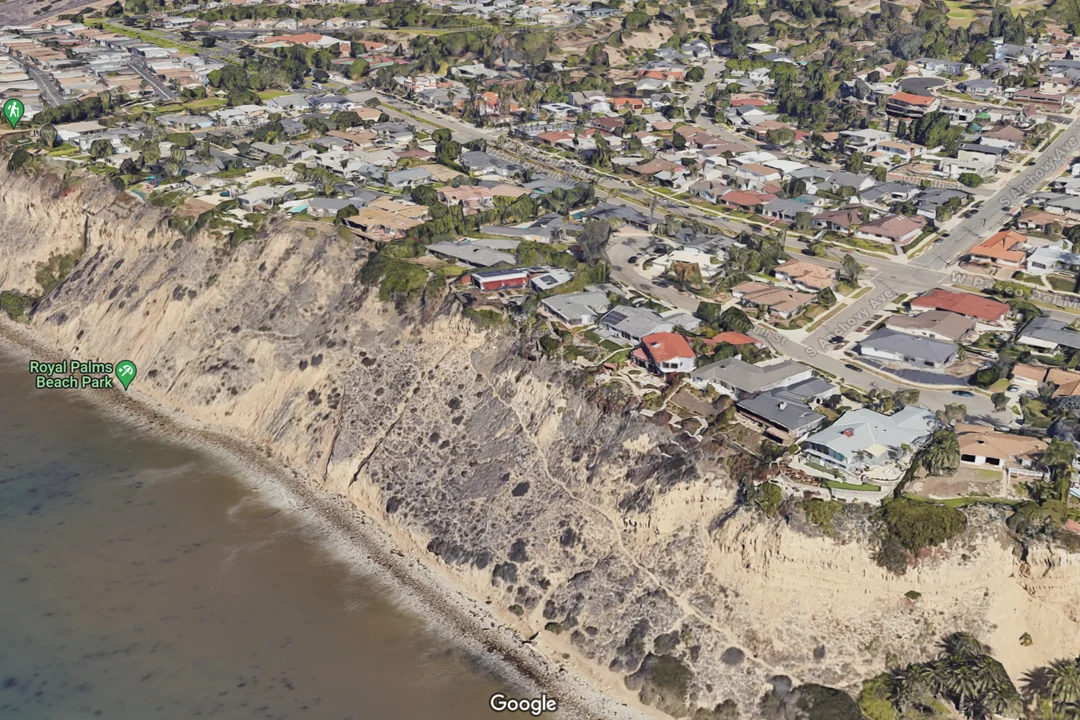
Footprints are among archaeology’s most fragile time capsules because they preserve something far more immediate than a wall or tool: a moment of movement. Along eroding coastlines, ancient footprint surfaces can become visible when storms and tides remove protective layers of sediment. The catch is brutal. The same forces that reveal them can quickly destroy them, turning documentation into a race against the next tide.
13. Drought Revealed an Ancient Temple Under a Reservoir
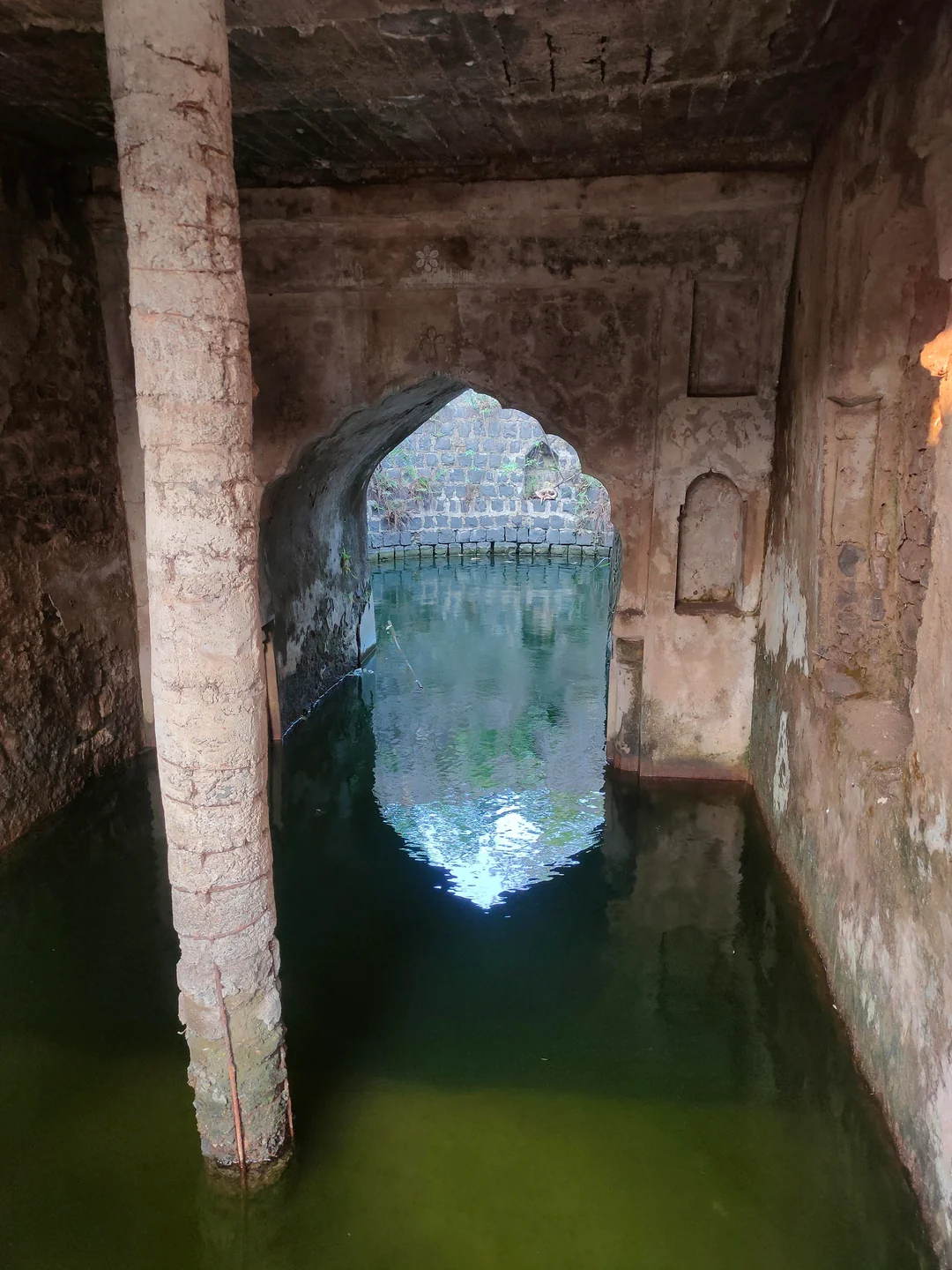
Reservoirs can conceal entire pieces of cultural landscapes, including religious structures that were known before rising water covered them. When severe drought pulls the shoreline backward, stone walls and architectural fragments can emerge again. Is that a discovery or a return? Often it is the latter, which makes these appearances no less remarkable. A familiar body of water can suddenly begin resembling an archaeological site.
14. Floodwaters Exposed Historic Foundations
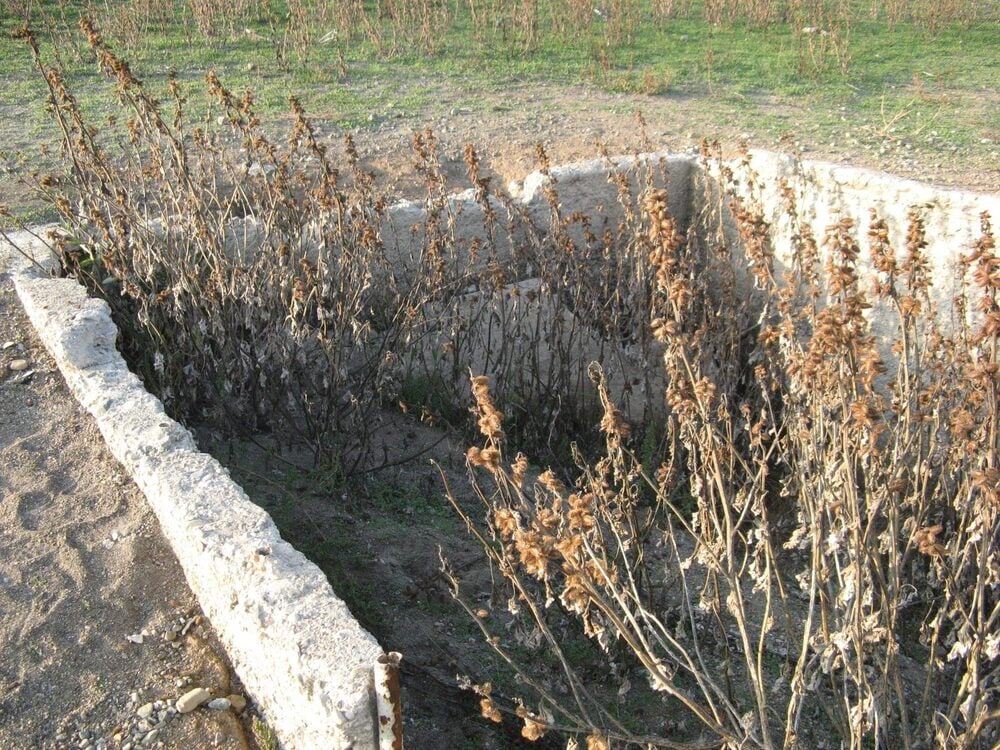
Floods usually bury, scatter, and destroy, but rushing water can also strip soil away from older structures. In areas with long histories of settlement, erosion can leave foundations and masonry exposed where nothing had been visible before. The important distinction is that flood damage alone does not make something an archaeological discovery. The reveal begins when the newly exposed remains can actually be identified and placed into their historical context.
15. A Wildfire Exposed Archaeological Features
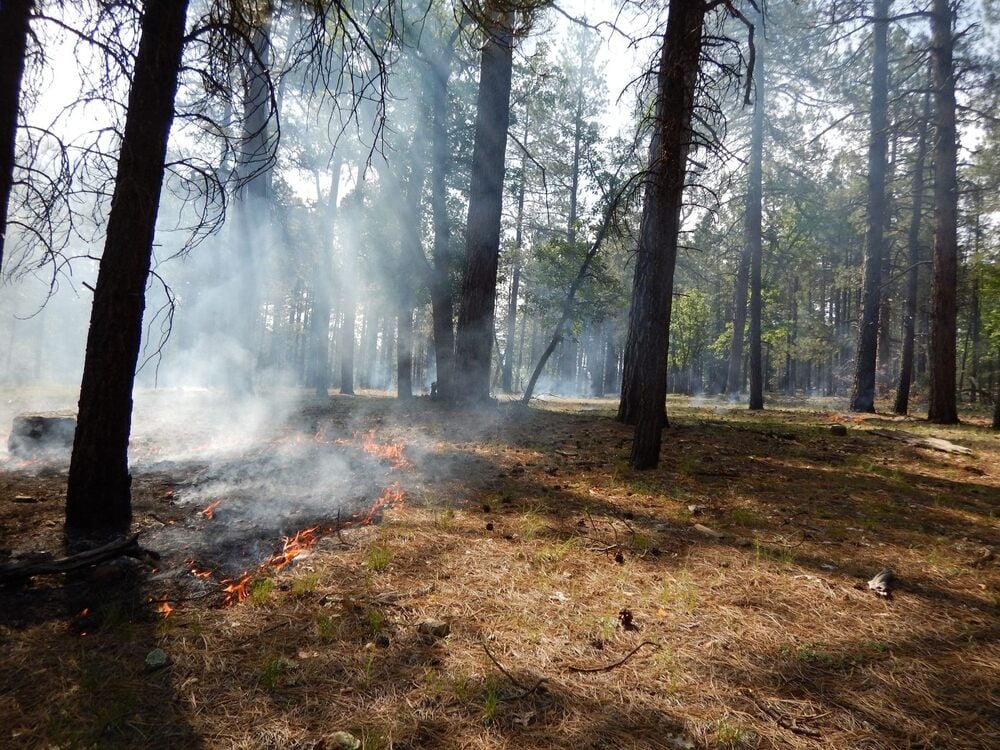
Wildfire can radically change what archaeologists are able to see on the ground. After New Mexico’s Las Conchas Fire swept across the Jemez Mountains in 2011, thousands of archaeological sites were affected, including areas containing previously undocumented features. Removing vegetation can make old structures easier to spot, but there is nothing gentle about the process: intense fire can damage the same cultural material it exposes.
16. A Receding Glacier Revealed Old Objects

Glaciers have an unusual talent for preservation. Objects lost on ice can remain trapped for generations before melting eventually releases them into daylight. As glaciers retreat, archaeologists have recovered artifacts from landscapes that were once effectively sealed beneath ice. But this is a slower story than a hurricane or earthquake. Glacier retreat is generally a long-term process, making these discoveries part archaeology and part environmental warning.
17. Low Water Revealed a Submerged Road
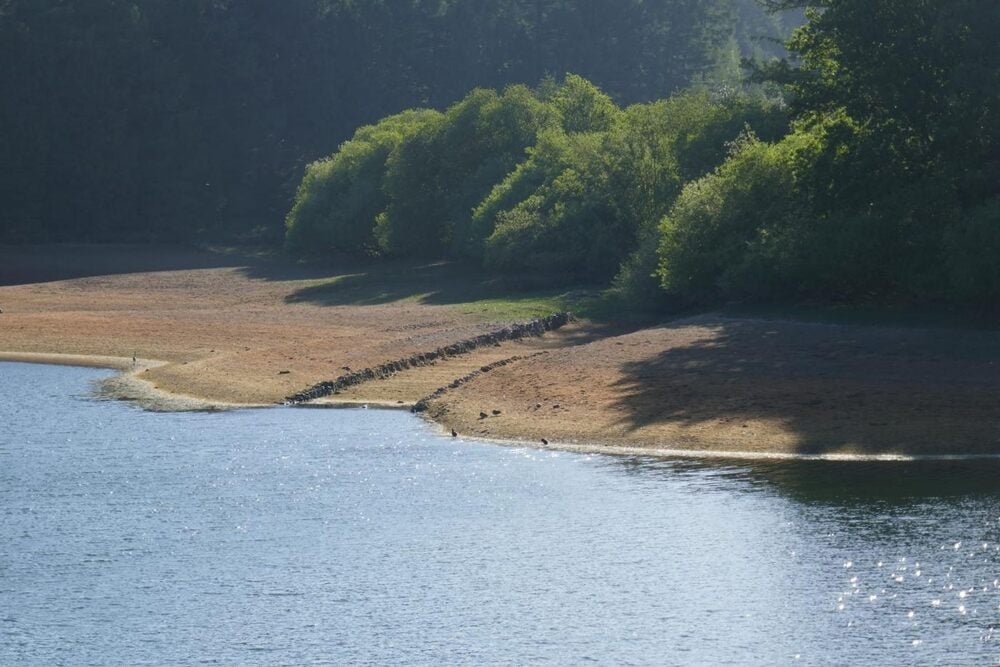
When reservoir and river levels fall far enough, straight lines can begin appearing where open water normally dominates the view. Old roads, causeways, walls, and tracks may briefly reconnect with the dry landscape, sometimes revealing how communities once moved through places transformed by dams or changing waterways. A road emerging from a lake has an almost impossible appearance, as though the landscape has temporarily remembered an older map.
18. A Storm Exposed an Old Ship’s Timbers
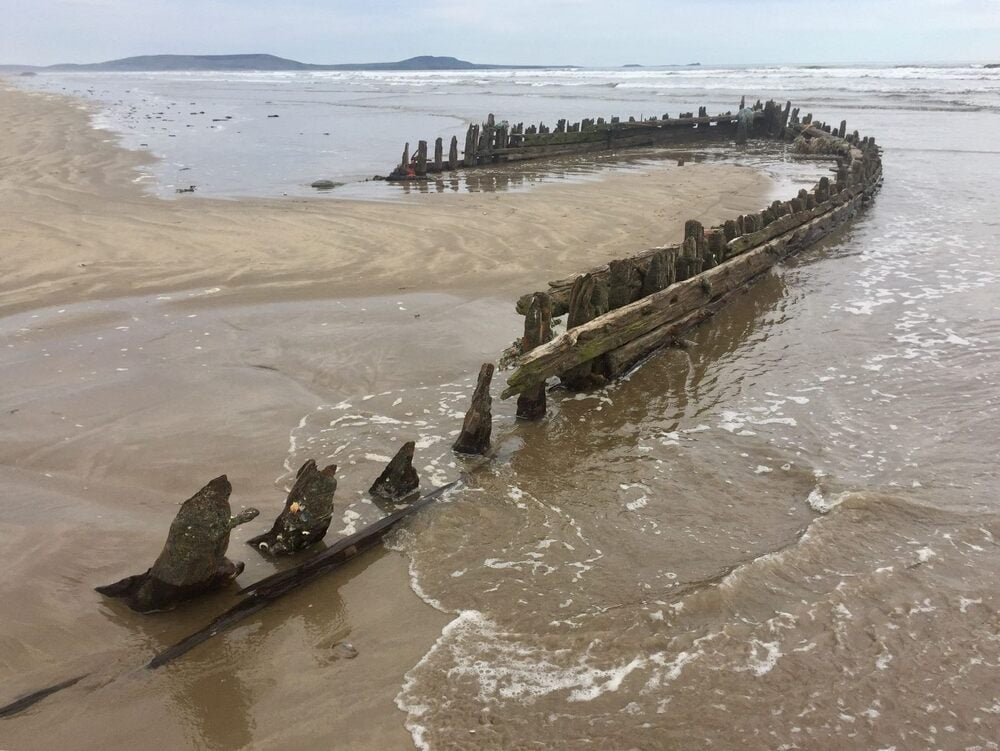
Shipwrecks do not always sit dramatically on the seabed waiting for divers. Some survive as scattered wooden ribs and timbers buried beneath beaches, protected precisely because they are hidden. Strong storms can remove enormous amounts of sand and uncover those remains almost overnight. Then another tide may cover them again. Would anyone walking the same beach a week later ever guess a ship had briefly appeared there?
19. Drought Revealed a Forgotten Bridge
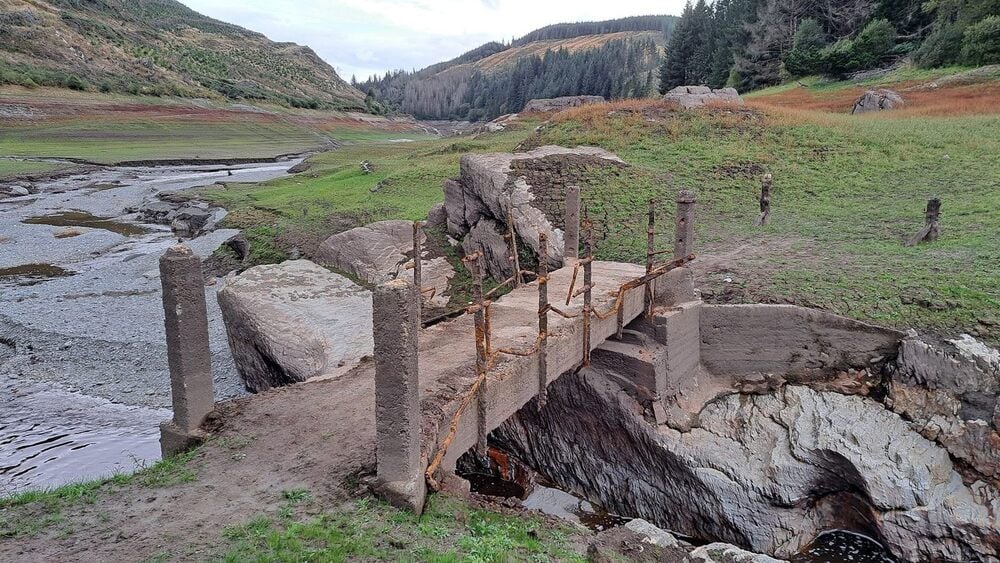
Old bridges and crossings can vanish beneath reservoirs when valleys are flooded, leaving only photographs and local memories above water. During exceptional droughts, falling levels sometimes expose piers, road approaches, and masonry associated with those former routes. Their return can make the scale of the submerged landscape suddenly understandable: beneath what now looks like a lake, people once traveled along roads and crossed rivers much as they do today.
20. Coastal Erosion Revealed an Ancient Settlement
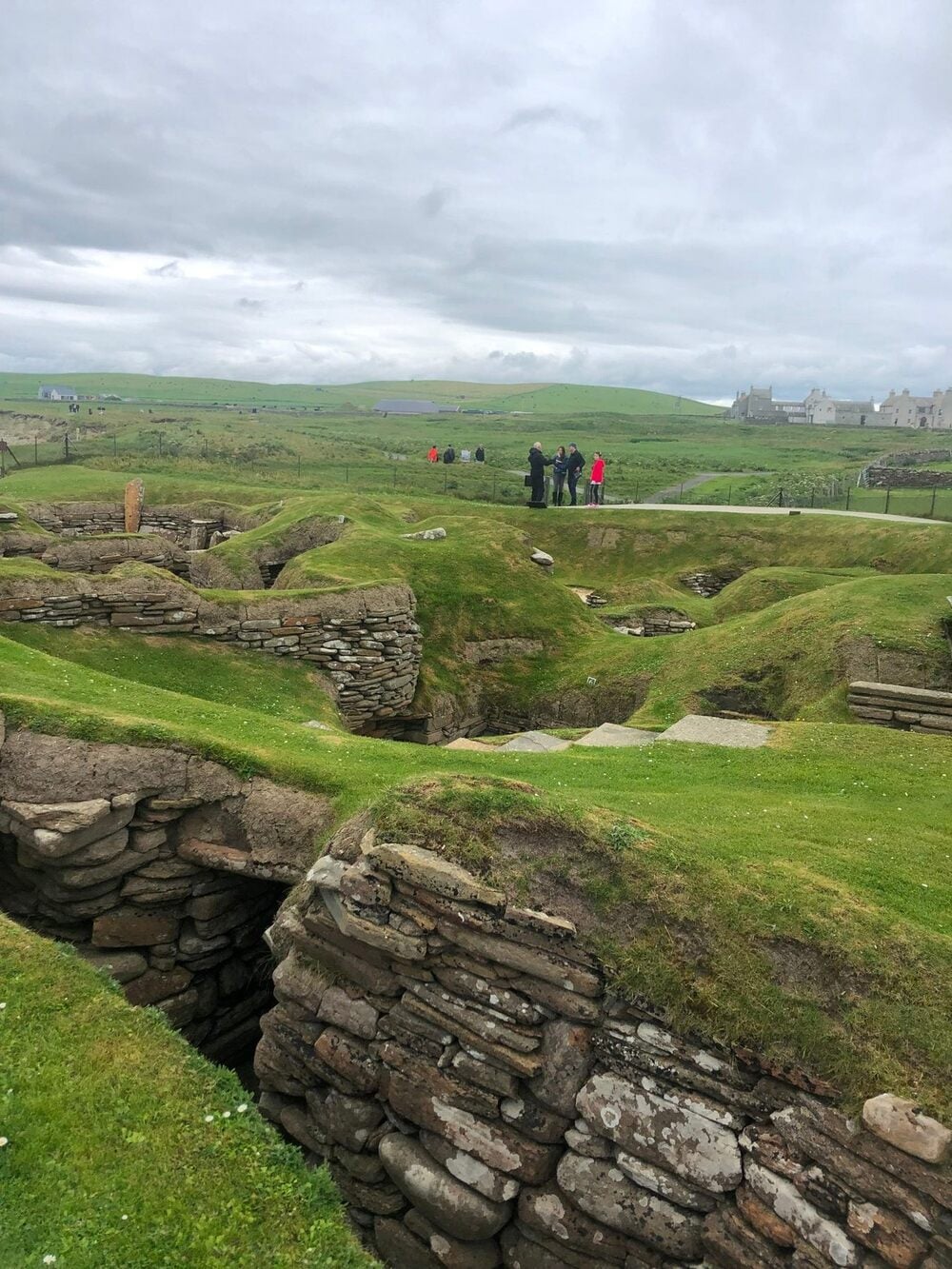
Coastal archaeology exists in a difficult bargain with the sea. Storm surges and erosion can peel away earth that has protected settlement remains for centuries, revealing walls, structures, and other traces of former communities. Places such as the prehistoric settlement of Skara Brae in Scotland famously demonstrate how erosion can bring buried history into view. Yet once exposed, those remains face the very force that uncovered them, making preservation the next battle.
Extreme weather does not politely excavate the past. It tears away sand, lowers rivers, drains reservoirs, burns vegetation, and reshapes coastlines. Sometimes what appears is genuinely unexpected; sometimes it is a known piece of history making an encore. Either way, these temporary windows reveal just how much of the past can remain hidden beneath landscapes that seem completely familiar.
Keep Exploring The Scroller
History has a habit of turning up in the least convenient places, including under rivers, beaches, reservoirs, and the occasional layer of modern city. Keep exploring The Scroller for more forgotten places, strange discoveries, and moments when the past decided it was not quite finished being seen:
20 “Impossible” Structures Found Deep in the Ocean That Science Can’t Explain
14 Ancient Civilizations That Vanished and Left Historians Guessing
15 Strange Architectural Decisions in Famous Buildings That Nobody Has Fully Explained