Geography and daily life are connected in ways we don’t always notice. Mountains can determine how people commute, rivers can become highways, and the ground beneath a house can influence how it’s built.
Across the world, communities have developed remarkable ways to work with their surroundings. These 16 places show how the landscape shapes everyday routines, from getting to work to finding drinking water.
1. Venice, Italy: A City Where Boats Replace Cars
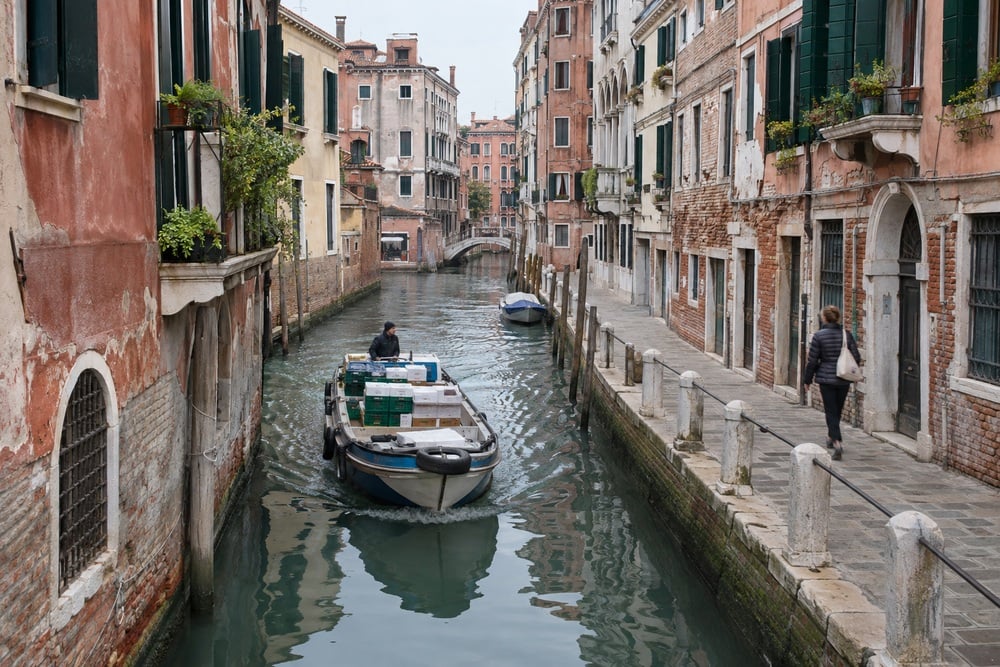
Forget driving through downtown. Venice´s historic center stretches across 118 islands, where residents walk or travel by boat. Water buses, deliveries, garbage collection, and even emergency services all navigate the city´s canals. Here, the streets are literally waterways.
2. Longyearbyen, Svalbard: Houses Built on Permanently Frozen Ground
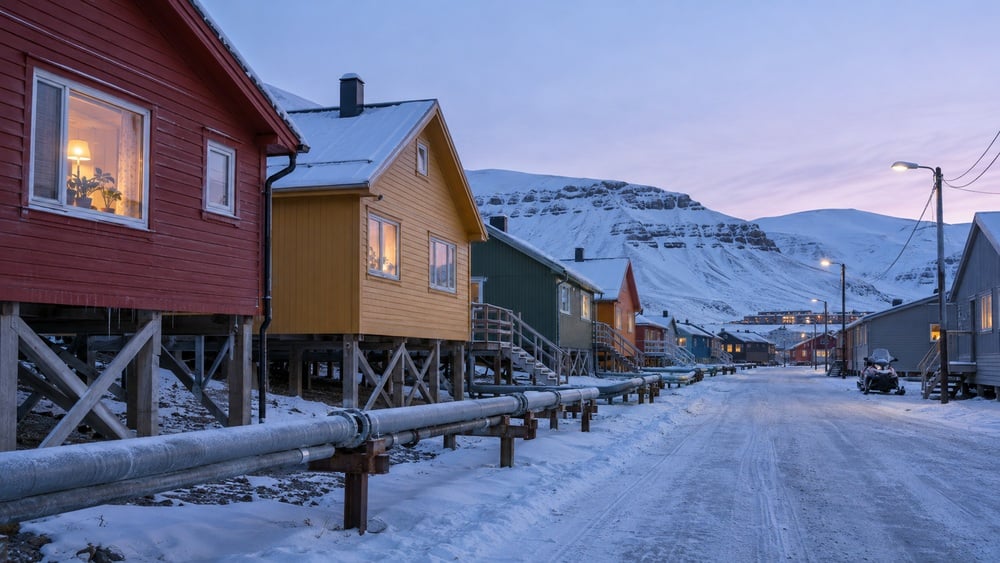
Building a house on frozen ground requires some unusual engineering. In Longyearbyen, many homes stand on piles driven into permafrost, while utility pipes run above ground. Add months of winter darkness and snowmobile travel, and Arctic geography becomes part of almost every routine.
3. La Paz, Bolivia: Steep Hills Have Changed How People Commute
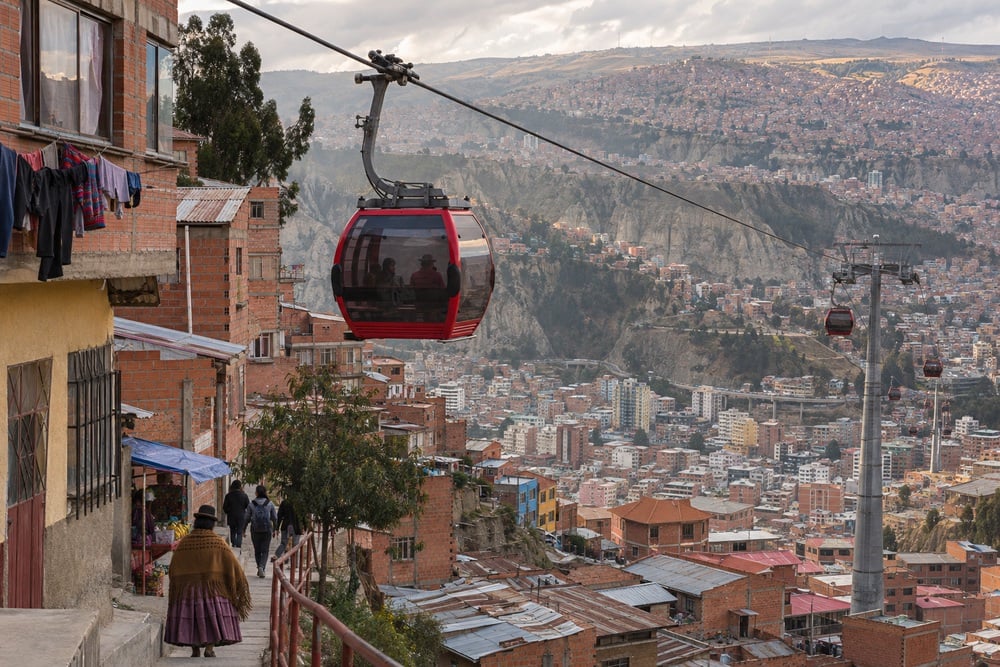
Why spend extra time winding through mountain roads when you can travel above them? La Paz introduced urban cable cars in 2014, connecting its steep valley with higher neighborhoods. A 2017 study found comparable trips were about nine minutes faster on average.
4. The Netherlands: Some Communities Depend on Pumps to Stay Dry
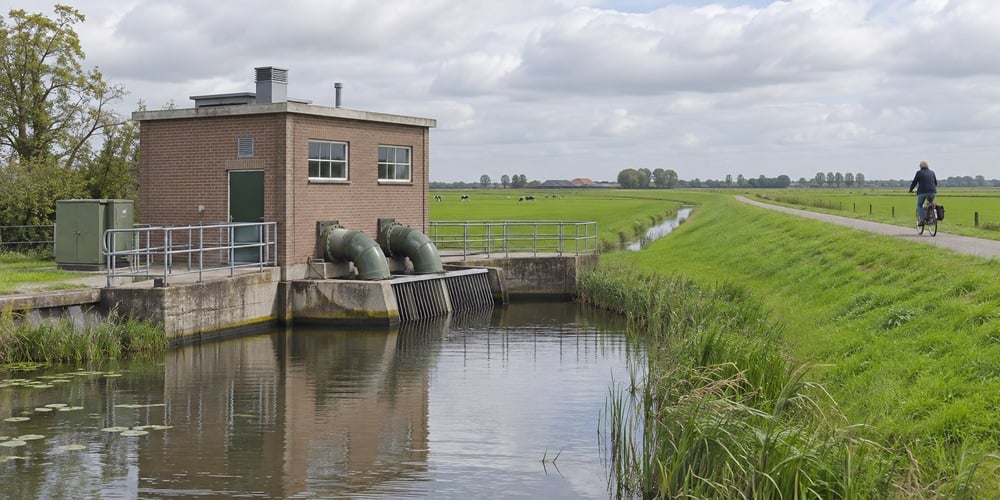
In part of the Netherlands, keeping the land dry is a daily engineering achievement. Dikes hold back surrounding water while pumping stations drain low-lying areas. One regional water authority alone operates 231 pumping stations, helping make homes, roads, and farmland usable.
5. Leh, Ladakh, India: Mountain Passes Can Determine Access to Supplies
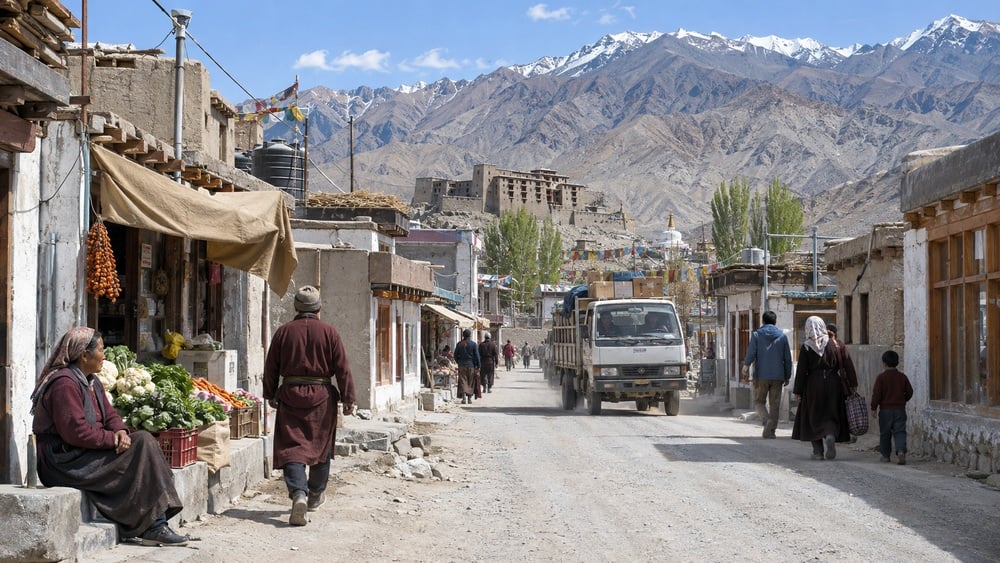
At roughly 3,524 meters above sea level, Leh faces long winters and snow-covered mountain passes. Road connections can become inaccessible, making air transport especially important during colder months. Even grocery supplies depend partly on the season and the condition of the mountain routes.
Trending on The Scroller
6. Bangladesh’s River Islands: Farmland Can Disappear Into the Water
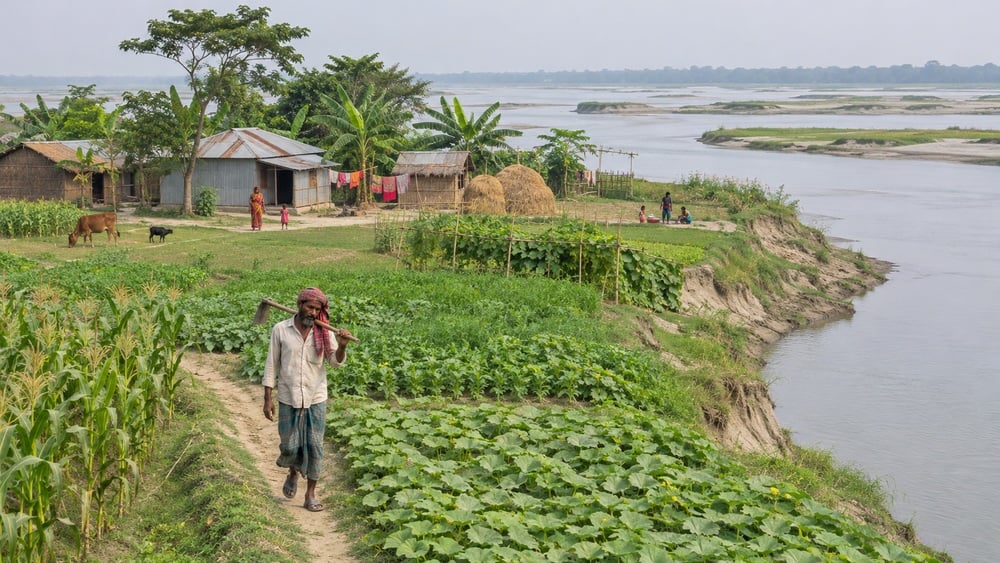
Land isn’t always permanent along Bangladesh´s rivers. Shifting sediment forms islands called chars, where families farm fertile soil while facing erosion and seasonal floods. A productive field can disappear as riverbanks shift, sometimes forcing entire households to relocate.
7. Lake Titicaca, Peru: Communities Construct Islands From Reeds
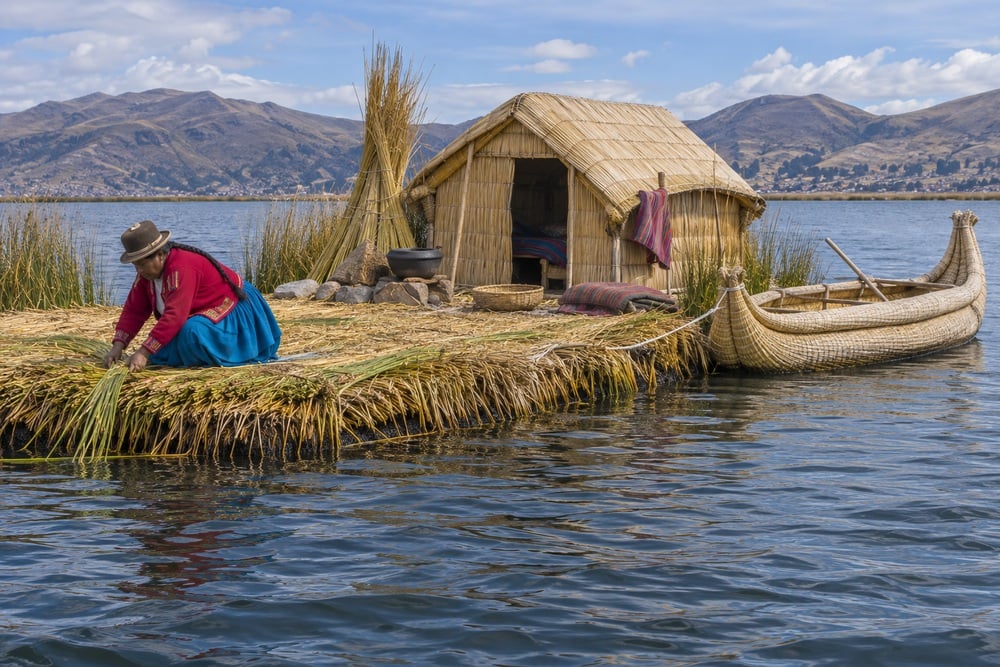
On Lake Titicaca, Uros communities have traditionally built floating islands from layers of totora reeds. The same plant supplies materials for boats and shelters. Because the reeds naturally deteriorate, maintaining the islands is an ongoing part of life.
8. Singapore: Limited Freshwater Resources Shaped an Entire City’s Infrastructure
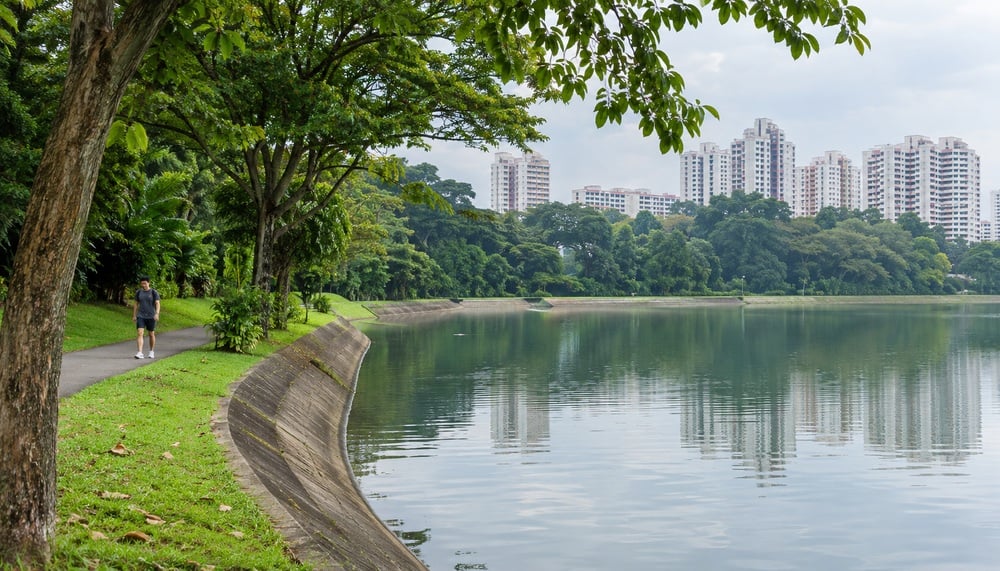
Plenty of rainfalldoesn´tt automatically mean plenty of drinking water. Singapore´s limited land and freshwater storage led to a system combining rainwater collection, reclaimed water, imports, and desalination. Today, roughly two-thirds of its territory serves as a water catchment area.
Sign up for our newsletter
9. The Peruvian Andes: Farmers Grow Different Crops at Different Elevations
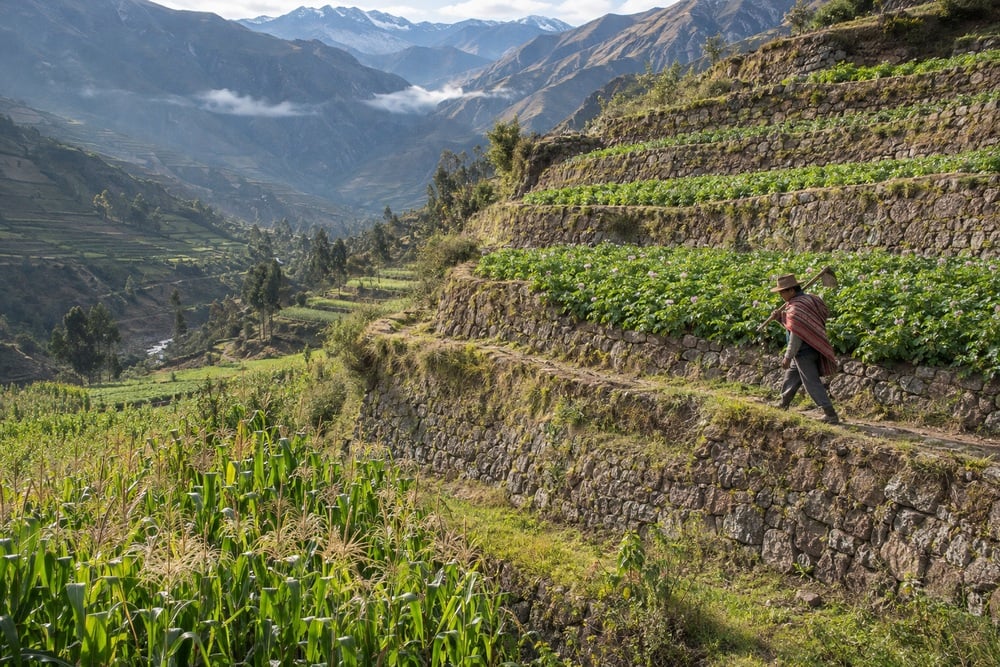
A change in altitude can mean a completely different growing season. In the Peruvian Andes, farmers traditionally cultivate maize at lower elevations and potatoes higher up, where temperatures are cooler. Agricultural terraces turn steep mountainsides into usable fields.
10. Iceland: Volcanic Heat Provides Warmth for Most Homes
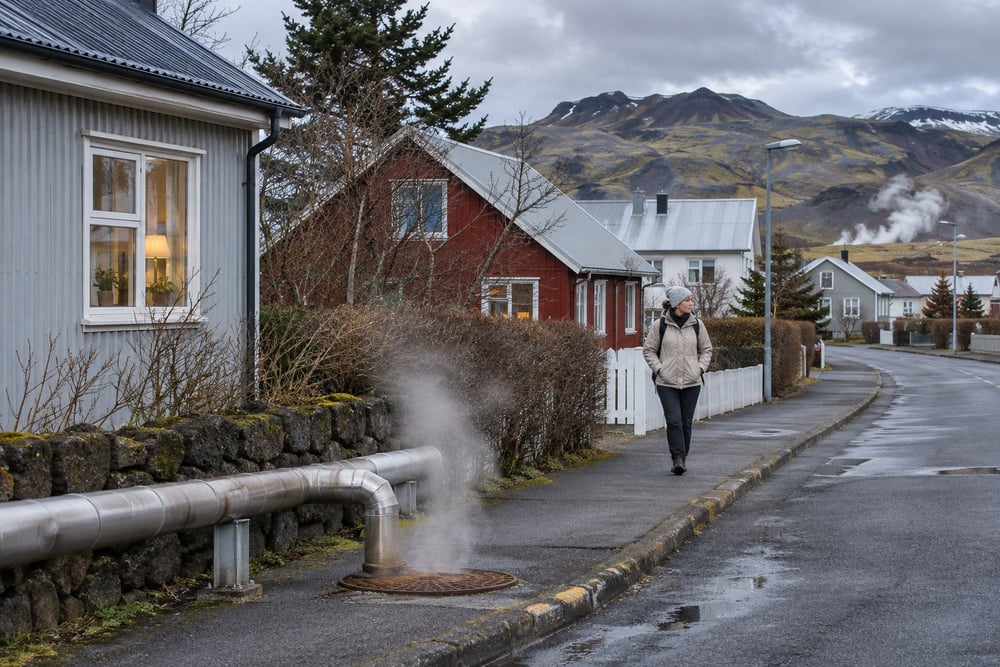
Geography and daily life meet beneath the ground in Iceland. Geothermal systems supply hot water for heating across much of the country, with underground heat providing approximately 90% of domestic heating energy in 2020. Volcano country has a practical advantage when winter arrives.
11. Mexico City, Mexico: An Ancient Lakebed Is Still Affecting Buildings
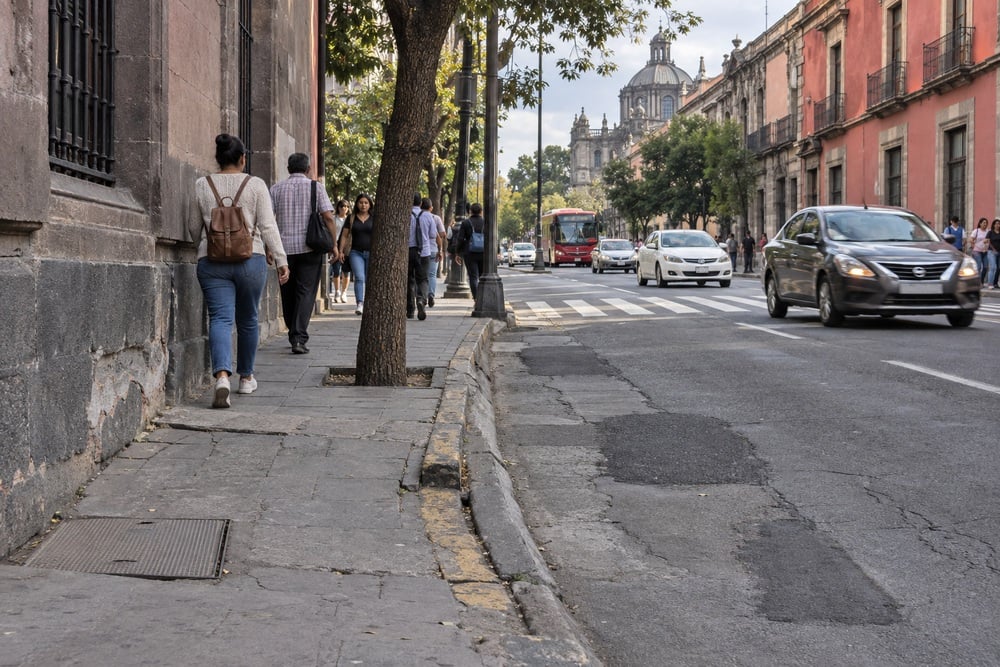
Mexico City´s ancient lakebed hasn´t stopped influencing the capital. Soft sediments compact as water is extracted, causing uneven sinking. NASA reported that some areas subsided by more than two centimeters per month during a measurement period spanning late 2025 and early 2026.
12. San Pedro de Atacama, Chile: Desert Communities Depend on Mountain Water
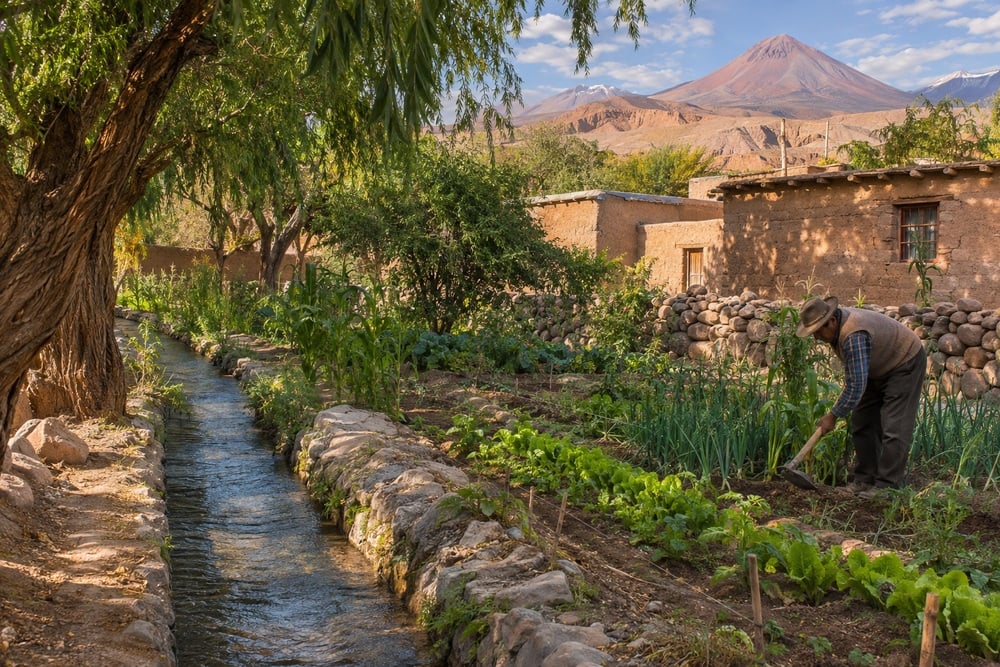
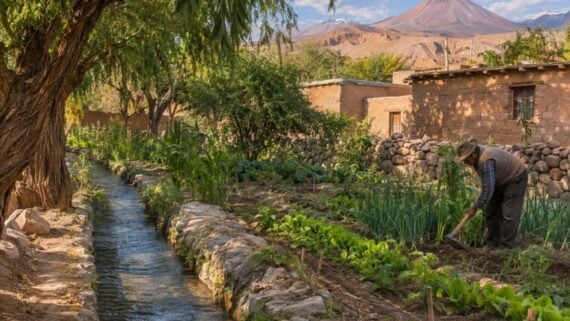
In one of the world´s driest regions, water from the Andes makes settlement possible. The San Pedro and Vilama rivers receive water associated with mountain snowfall, supporting oases and irrigation. Without those distant mountain sources, local agriculture would face even greater challenges.
13. Yakutsk, Russia: Frozen Ground Changes How Buildings Are Constructed
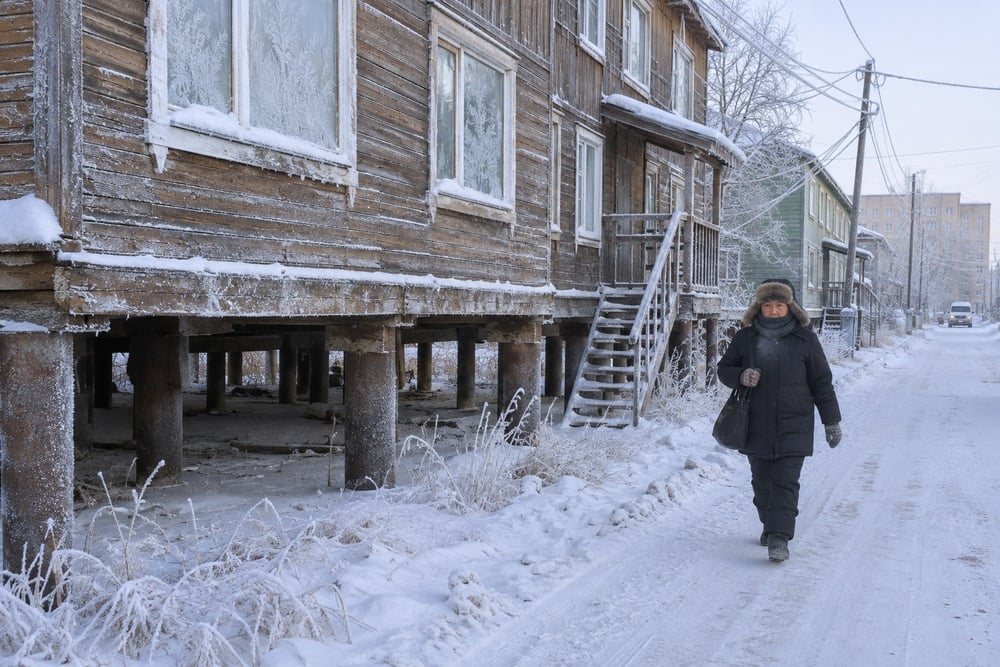
In Yakutsk, a building´s warmth can become a structural problem. Heat may thaw the permafrost beneath foundations, making the ground unstable. Engineers use methods such as pile foundations to protect structures from the effects of frozen soil and changing temperatures.
14. The Brazilian Amazon: Rivers Serve as Essential Transportation Routes
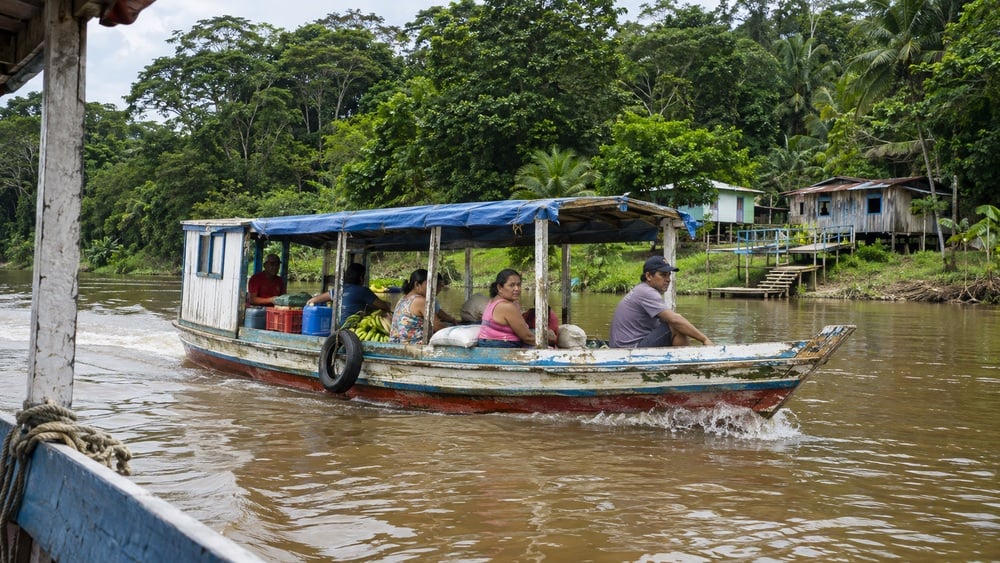
For remote Amazon communities, the river is often the main road. Boats connect settlements with schools, hospitals, and markets, sometimes requiring journeys lasting several days. How do businesses transport fresh products across such distances? Reliable refrigeration becomes just as important as transportation.
15. Nepal’s Middle Hills: Steep Slopes Have Led to Terraced Farming
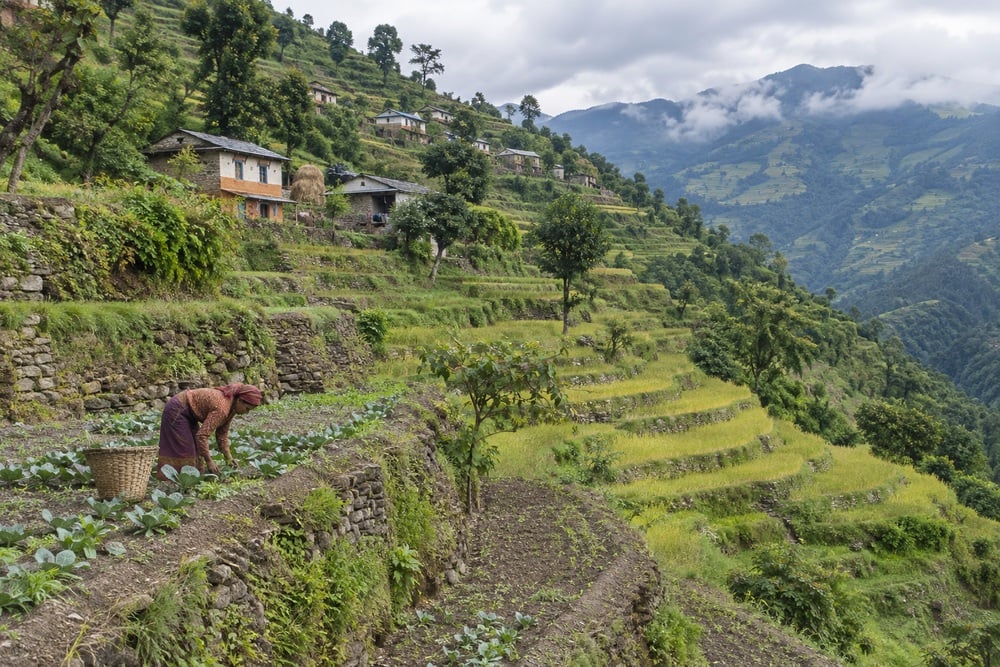
Flat farmland is scarce in Nepal´s middle hills, so generations of farmers have reshaped steep slopes into terraces. These stepped fields create growing space and help manage erosion, while nearby forests and livestock support traditional agricultural systems.
16. The Maldives: Small Coral Islands Make Freshwater a Constant Challenge
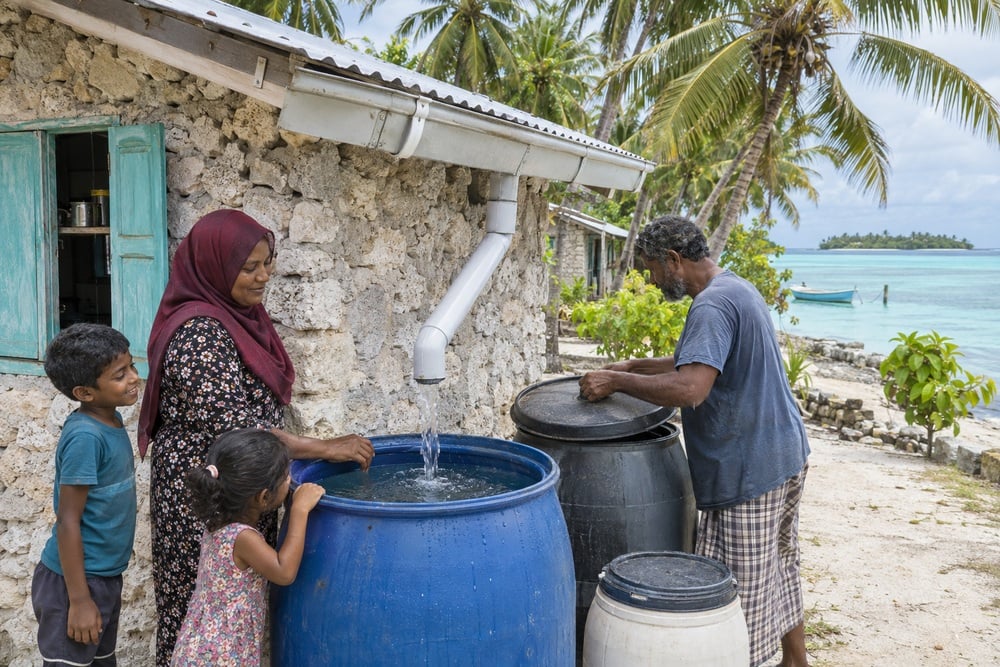
Surrounded by ocean. The Maldives still faces freshwater shortages. Its low-lying coral islands have limited natural supplies, making rainwater collection and desalination essential. A World Bank report found that approximately 76% of households in outer atolls relied on rainwater for drinking in 2019.
From floating islands to cable-car commutes, geography continues to influence how communities build, travel, farm, and access essential resources. Technology helps people adapt, but the landscape remains an important part of everyday life.
Keep Exploring The Scroller
The world gets even more fascinating when you look beyond the map. Keep exploring The Scroller for remarkable places, surprising traditions, and the everyday details that make life around the globe so different:
16 Mysterious Places Around the World That Are Meant to Remain Closed
Cities That Probably Shouldn’t Exist: 20 Places Built Against the Odds