Before seven-day retail and round-the-clock convenience became normal, Sunday morning changed the look and sound of American streets. Business districts went quiet, church doors released crowds, and neighbors used the slower hours to visit. Some people still worked, including newsboys and shoeshine boys whose day began before much of the city stirred. Taken from the early 1900s through the 1940s, these 16 photographs preserve a weekly rhythm that has largely disappeared.
1. Downtown St. Louis, Missouri (1940)
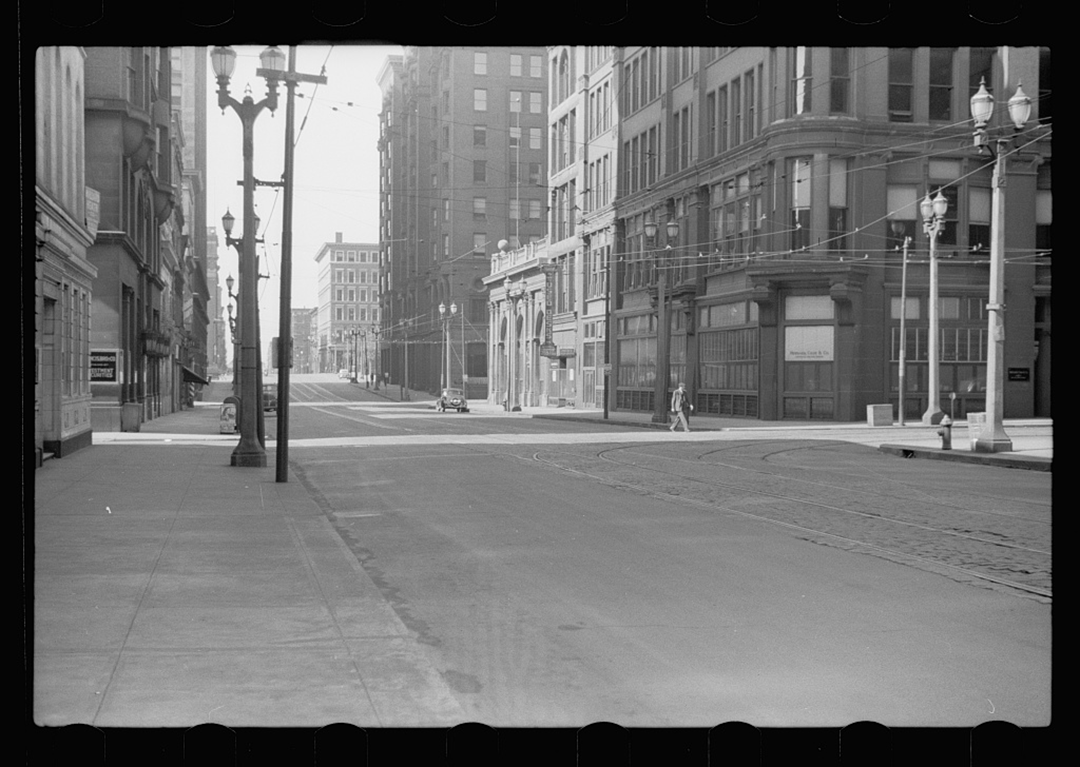
John Vachon photographed downtown St. Louis in 1940, capturing a Sunday morning with barely any traffic between its tall commercial buildings. His work for the Farm Security Administration documented everyday American life, including urban scenes far from the agency’s better-known rural subjects. Here, the streetcar tracks and overhead wires trace a busy transportation network through a remarkably quiet street
2. Pittsburgh, Pennsylvania (1941)
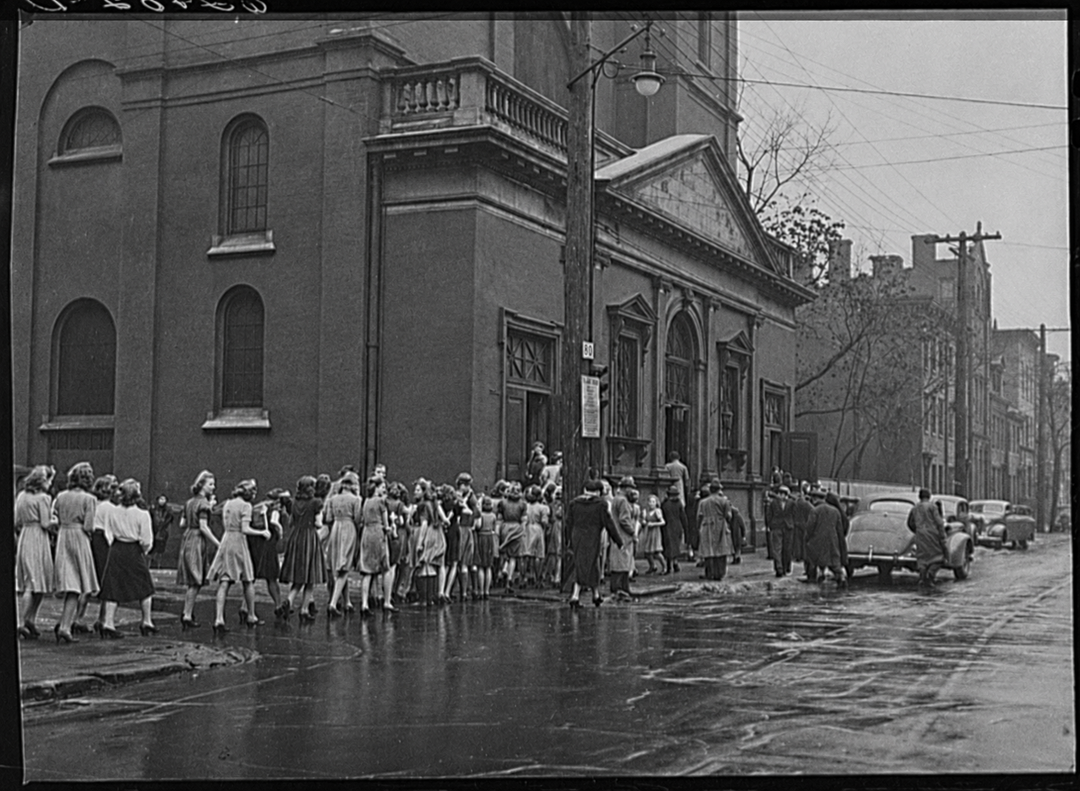
Sunday worship brought a different kind of foot traffic to Pittsburgh’s streets, with church entrances becoming gathering places even while business districts were quiet. For many families, attending services meant dressing more formally than they did during the working week. The crowded sidewalk offers a reminder that a quieter Sunday did not necessarily mean an empty city.
3. Manchester, New Hampshire (1937)
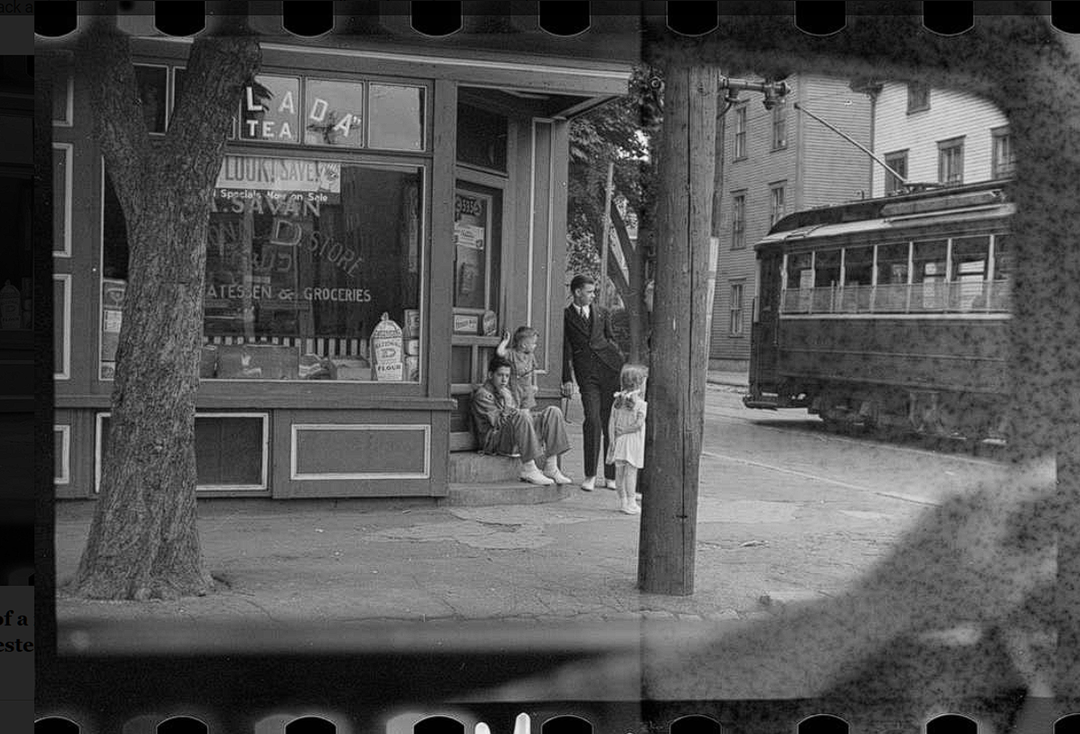
In industrial cities like Manchester, Sunday offered many workers a break from schedules set by factory shifts. A morning could revolve around church, visiting relatives, or simply staying close to home. Neighborhood life continued even as the working week paused.
4. Dayton, Tennessee (1936)
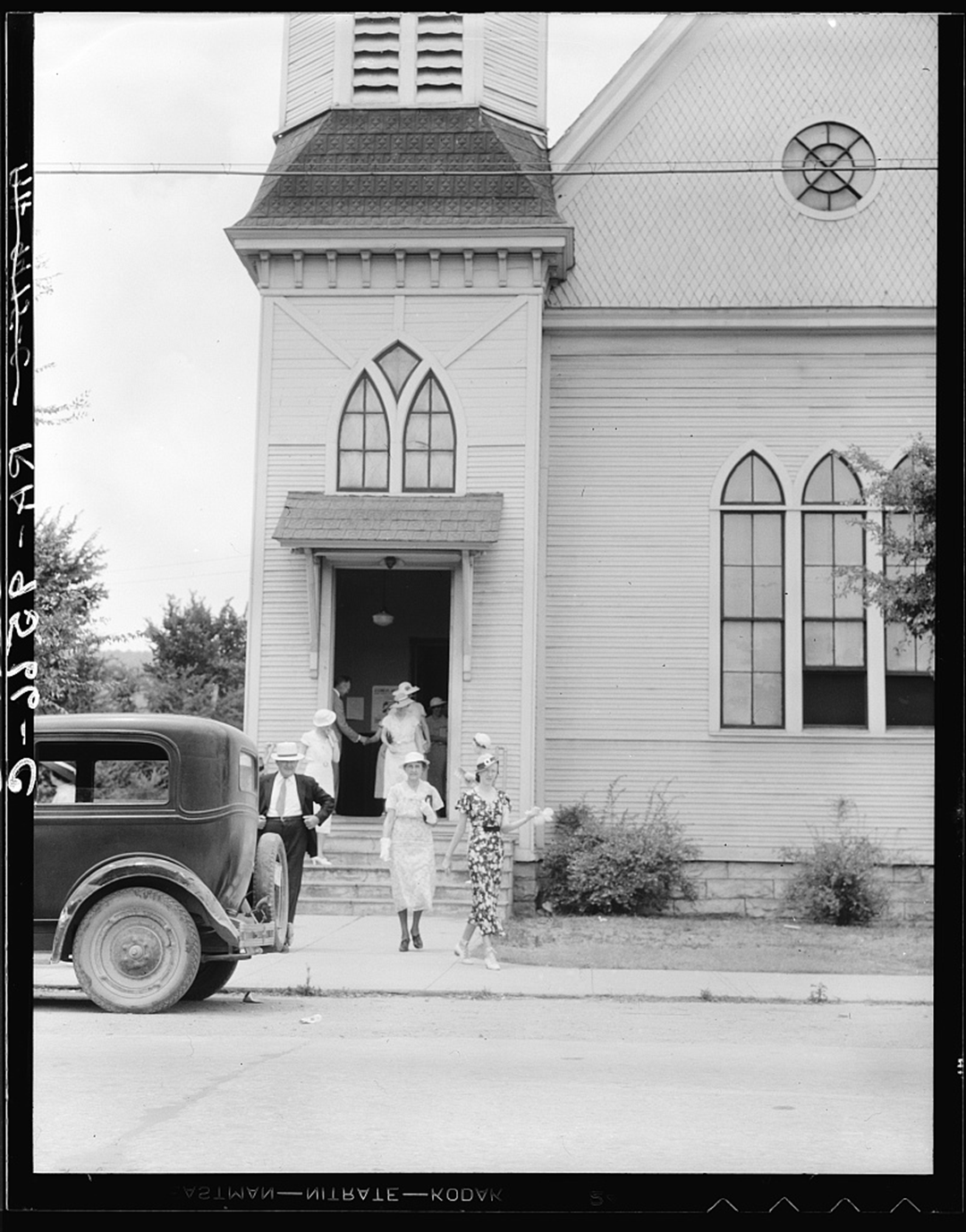
Church attendance shaped the rhythm of Sunday mornings in many Southern towns during the 1930s. Services offered a regular meeting point for neighbors and families at a time when most commercial activity paused for the day. Dorothea Lange documented this quieter side of community life during her travels through Tennessee.
5. New York City (1941)
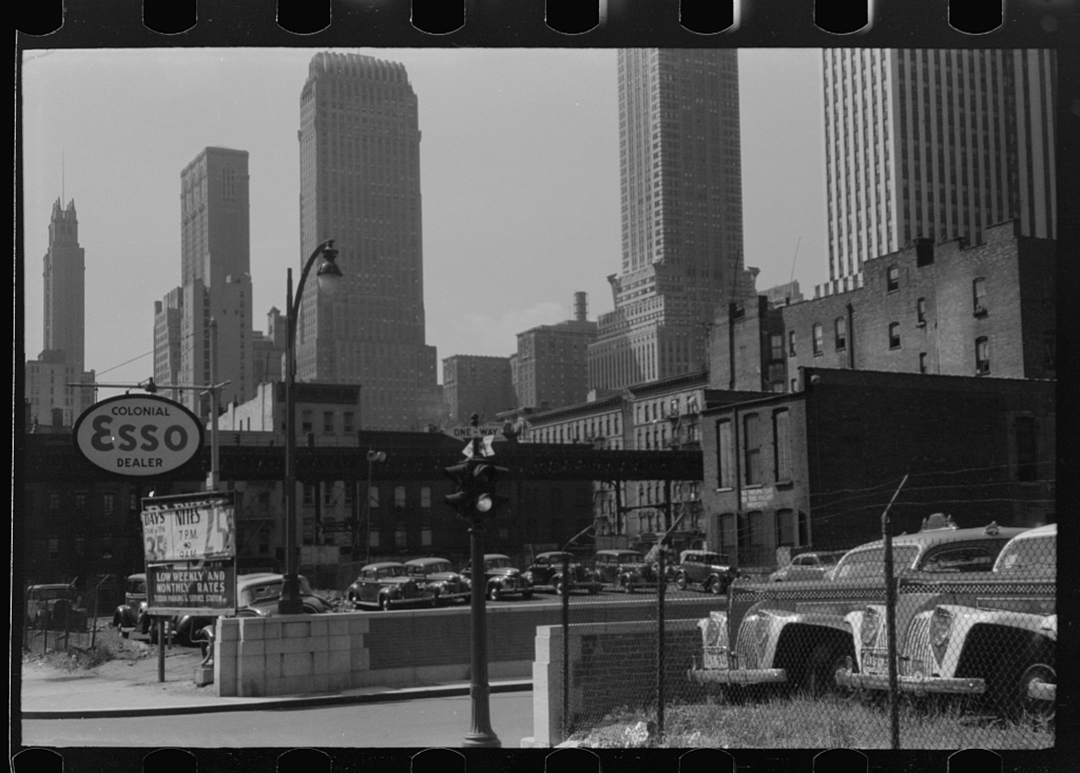
Even New York slowed down on Sunday mornings, particularly in districts shaped by offices, warehouses, and weekday commerce. Many businesses still followed six-day schedules, creating a weekly pause that seems almost unfamiliar in a city now associated with constant activity. The contrast was especially striking near Manhattan’s dense commercial center.
Trending on The Scroller

6. Fifth Avenue (1900–1910)
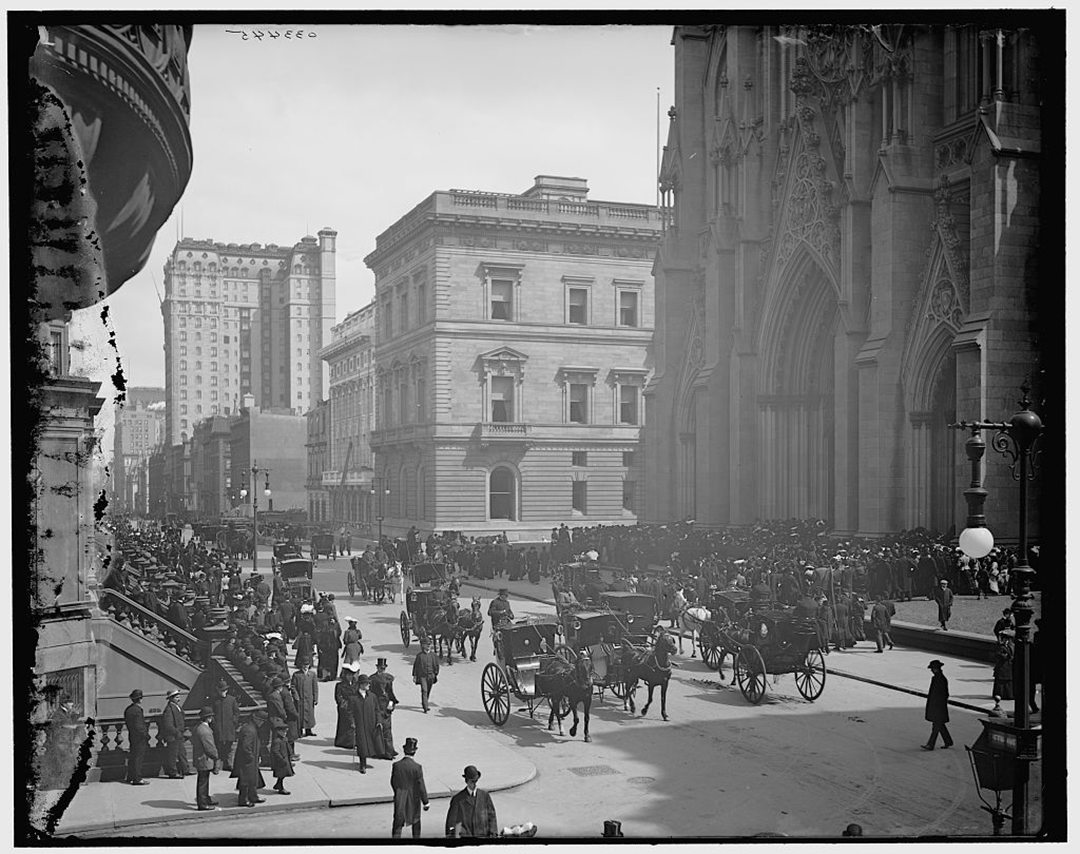
Fifth Avenue’s Sunday promenade was as much a social ritual as a religious one, especially around St. Patrick’s Cathedral. After services, New Yorkers walked the avenue in their finest clothes, turning the street into an informal display of fashion and status. The custom became closely associated with the city’s Easter Parade tradition.
7. Hamilton, Montana (1939)
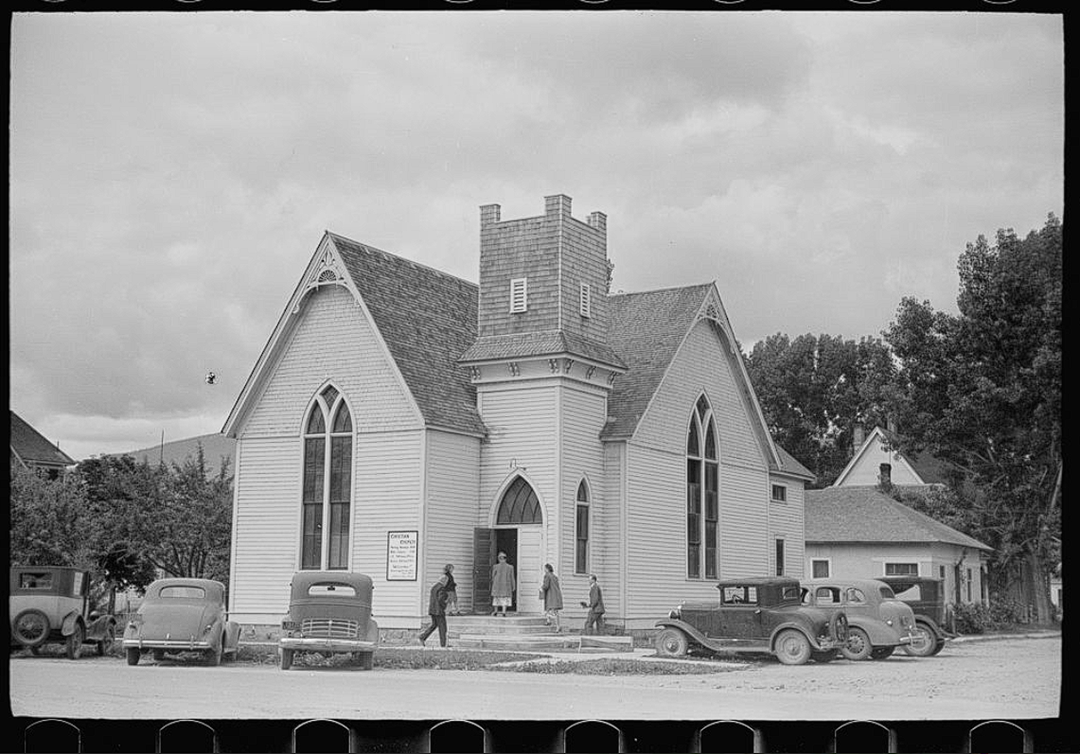
Hamilton had grown into the Bitterroot Valley’s trading center through timber, railroads, and agriculture. On Sundays, the focus shifted away from commerce as mass services became one of the week’s main community gatherings. The morning offered a regular pause in a town closely connected to the working life of the surrounding valley.
8. Wall Street Takes the Day Off (1909)
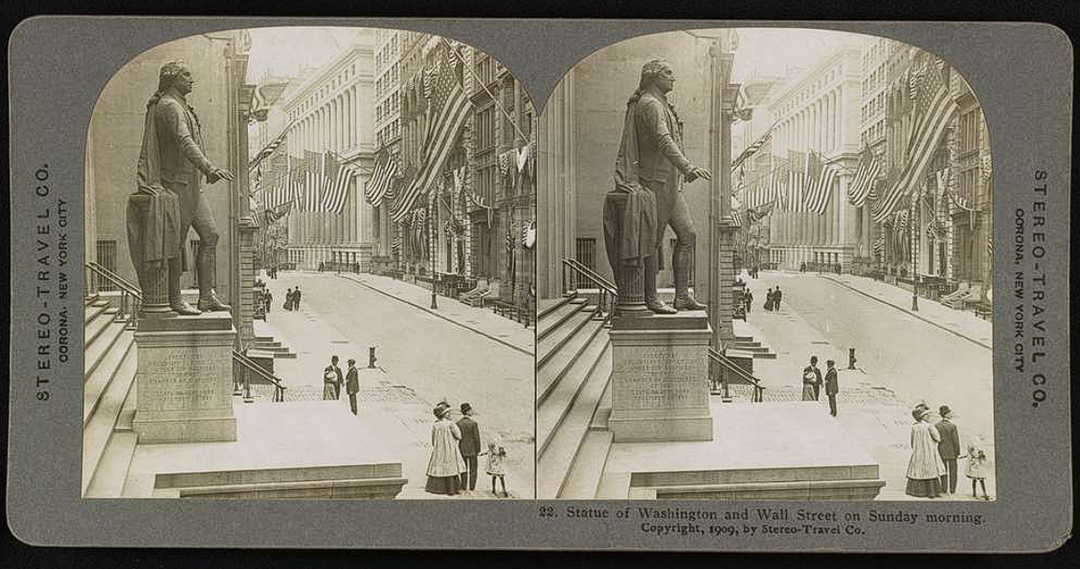
Banks, exchanges, and brokerage offices made Wall Street one of the country’s busiest weekday destinations, but Sunday brought the financial district to a near standstill. The George Washington statue outside Federal Hall marked the site where the first president took the oath of office in 1789. Without the usual crowds of clerks, traders, and messengers, the street briefly belonged to pedestrians.
Sign up for our newsletter
9. Pennsylvania (1938)
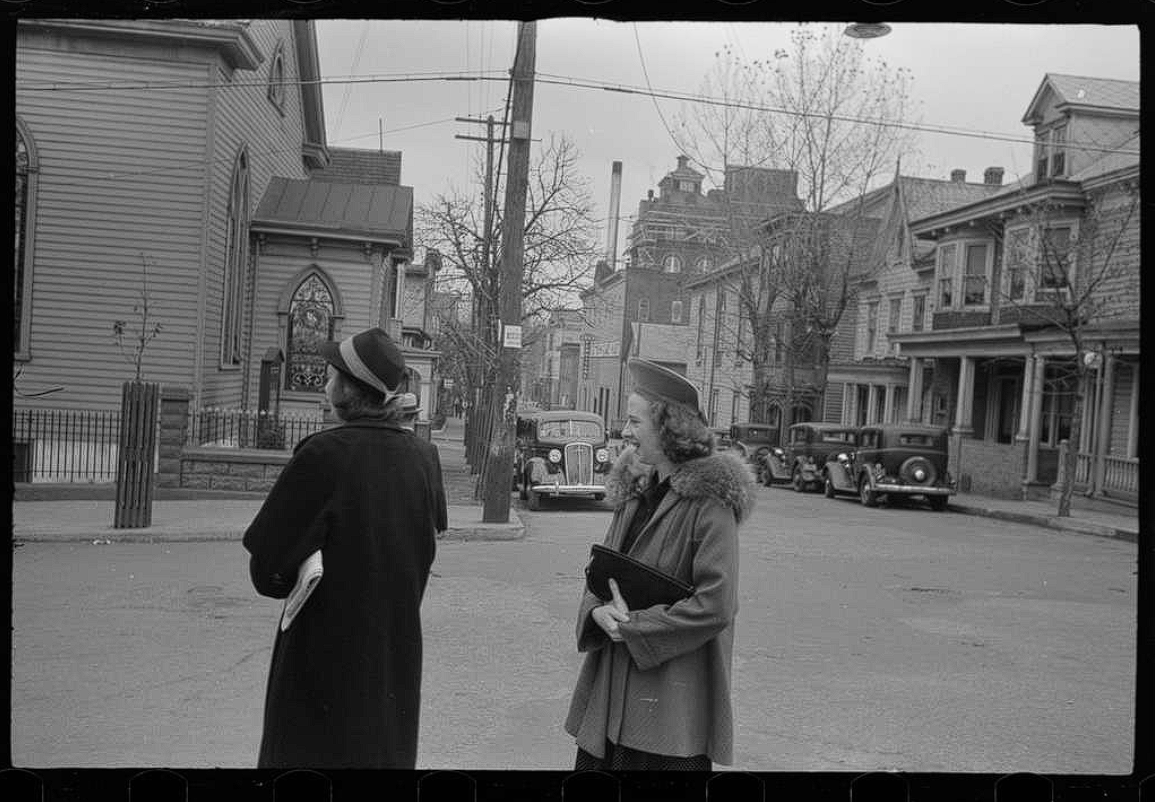
In Pennsylvania’s coal towns, churches often served as social anchors for communities shaped by mining and successive waves of immigration. Sunday services brought neighbors together outside the workplaces that dominated the rest of the week. Even a brief conversation afterward could extend the morning’s social routine beyond the church doors.
10. Neighbors Visiting, Jackson, Ohio (1936)
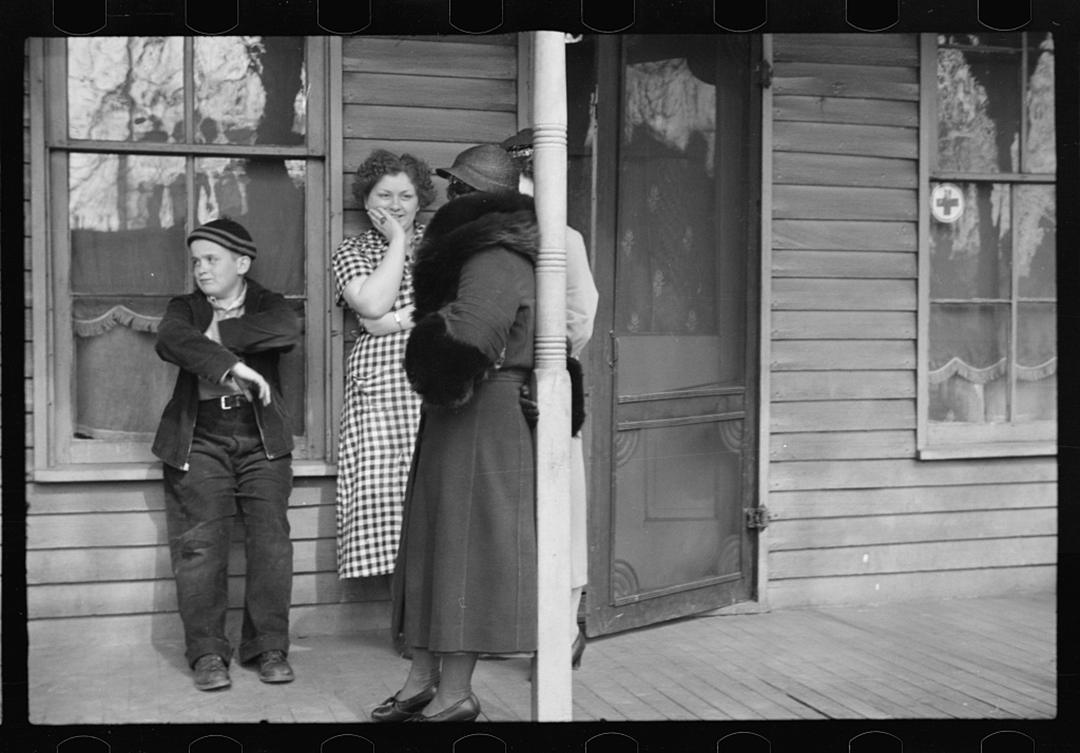
With shops closed and the working week paused, Sunday created time for informal visits that required little planning. Front porches acted as an extension of the home, offering a place to exchange news without turning the occasion into a formal gathering. These brief calls helped maintain neighborhood ties long before television and weekend shopping competed for the same hours.
11. Sunday Morning Shoeshine, Boston, Massachusetts (1909)
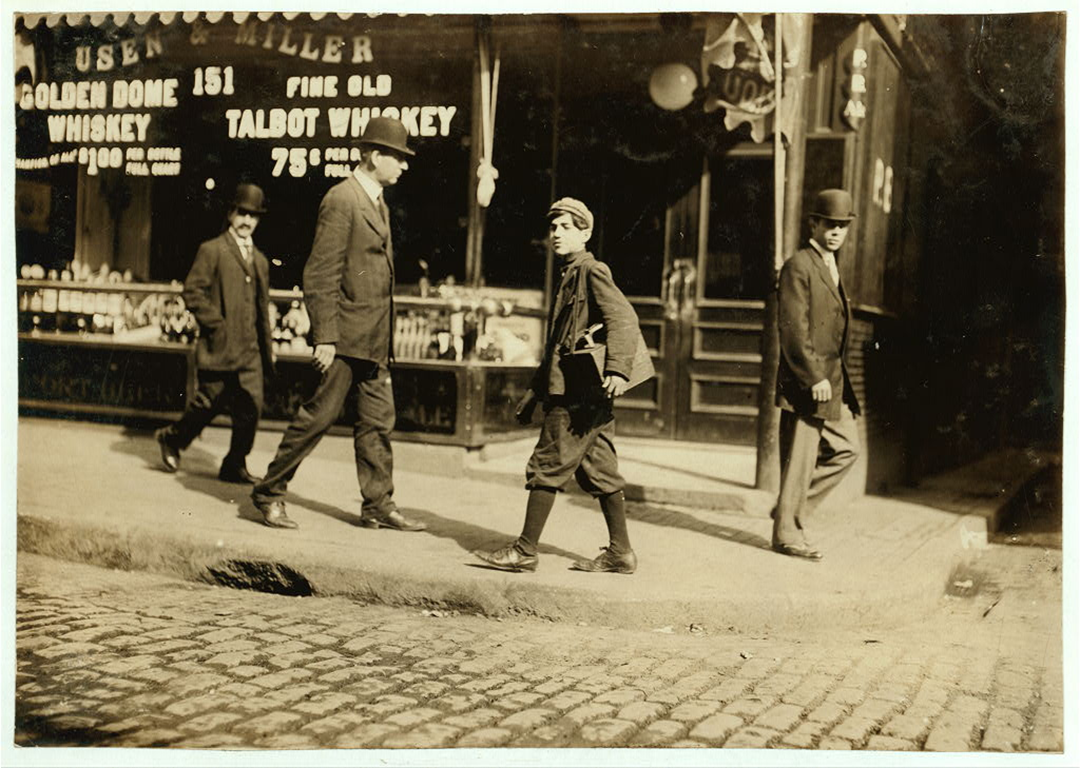
Sunday was not a day of rest for every child in the city. Young bootblacks carried portable boxes through busy districts, earning small payments from men who wanted polished shoes before church or other outings. Such street trades became a focus of Progressive Era reformers concerned about long hours, unstable earnings, and missed schooling.
12. Newsboys at 5:30 a.m., St. Louis, Missouri (1910)
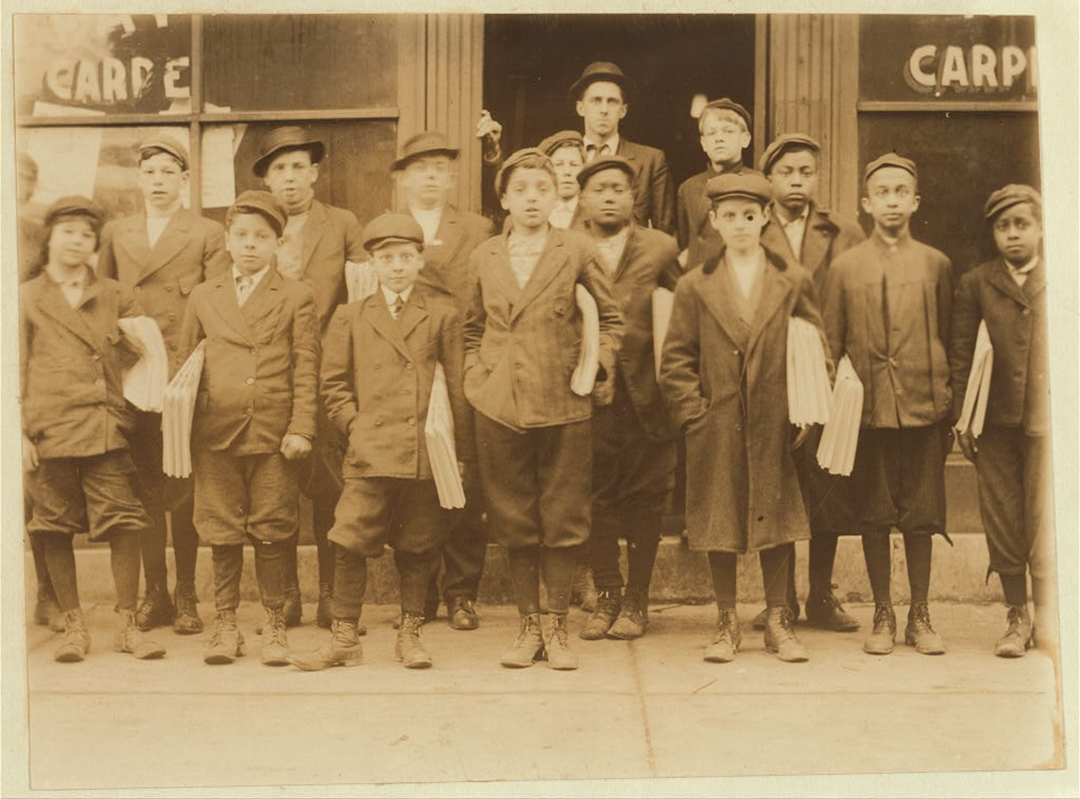
Sunday newspapers created business long before most of the city was awake. Newsboys typically bought their copies from a branch office and kept the difference between the wholesale and street prices, leaving them responsible for anything they failed to sell. The early hour also shows how street work could evade many of the protections gradually being introduced for children in factories.
13. Salvation Army Sunday Procession, San Francisco, California (1939)
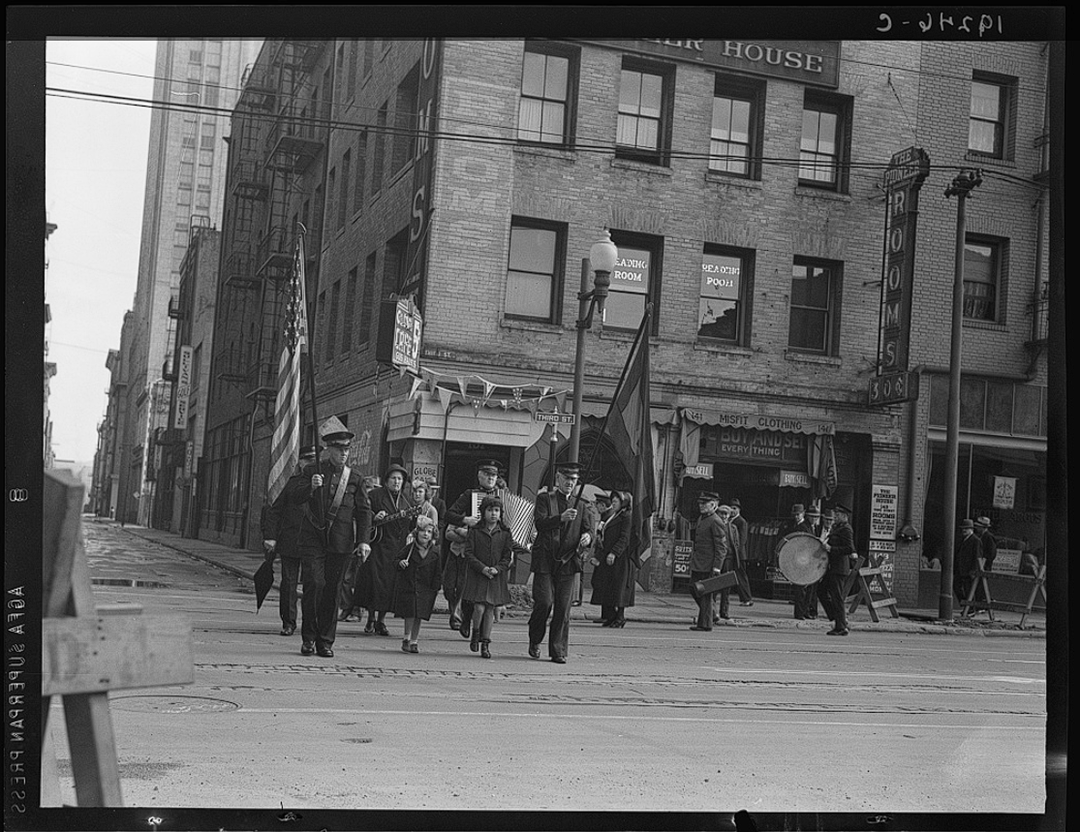
The Salvation Army brought worship into the street through uniformed marches, flags, drums, and brass instruments. These processions were designed to attract attention before outdoor preaching or indoor services, particularly in working-class districts. During the Depression, the organization’s religious mission operated alongside practical aid such as meals, clothing, and temporary lodging.
14. Leaving St. Patrick’s Church, Mulberry Street, New York City (1943)
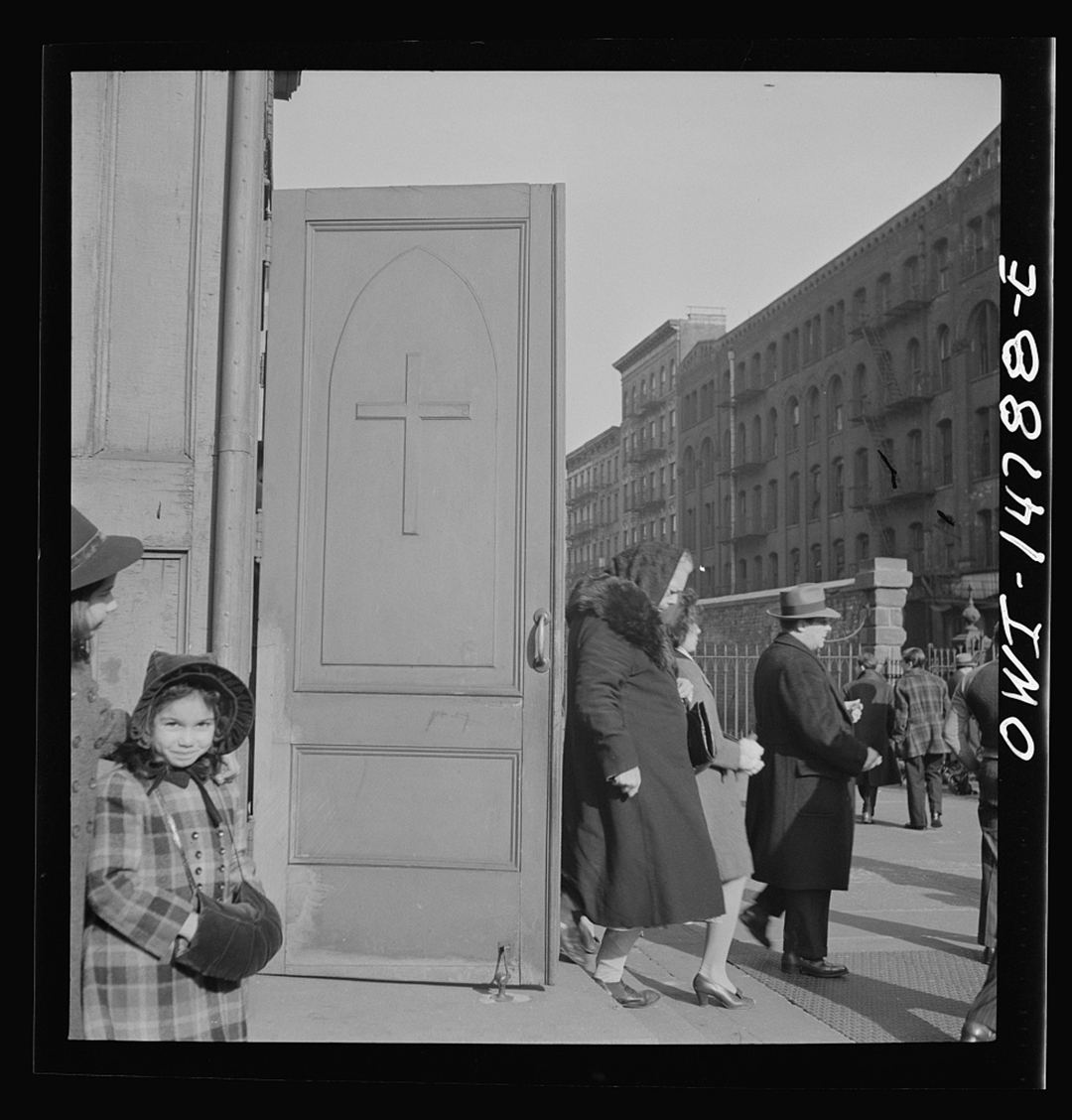
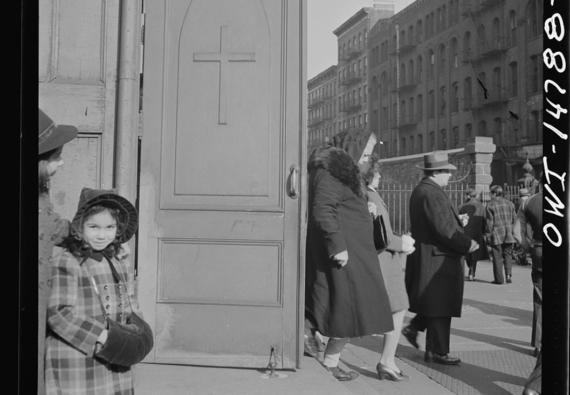
By 1943, Mulberry Street was firmly associated with Manhattan’s Italian-American community. Old St. Patrick’s had served as New York’s Catholic cathedral until 1879, then continued as an important neighborhood parish. Sunday Mass preserved familiar community ties during wartime, when many local families had relatives serving overseas or working in defense industries.
15. Stores on Sunday, Vincennes, Indiana (June 1938)
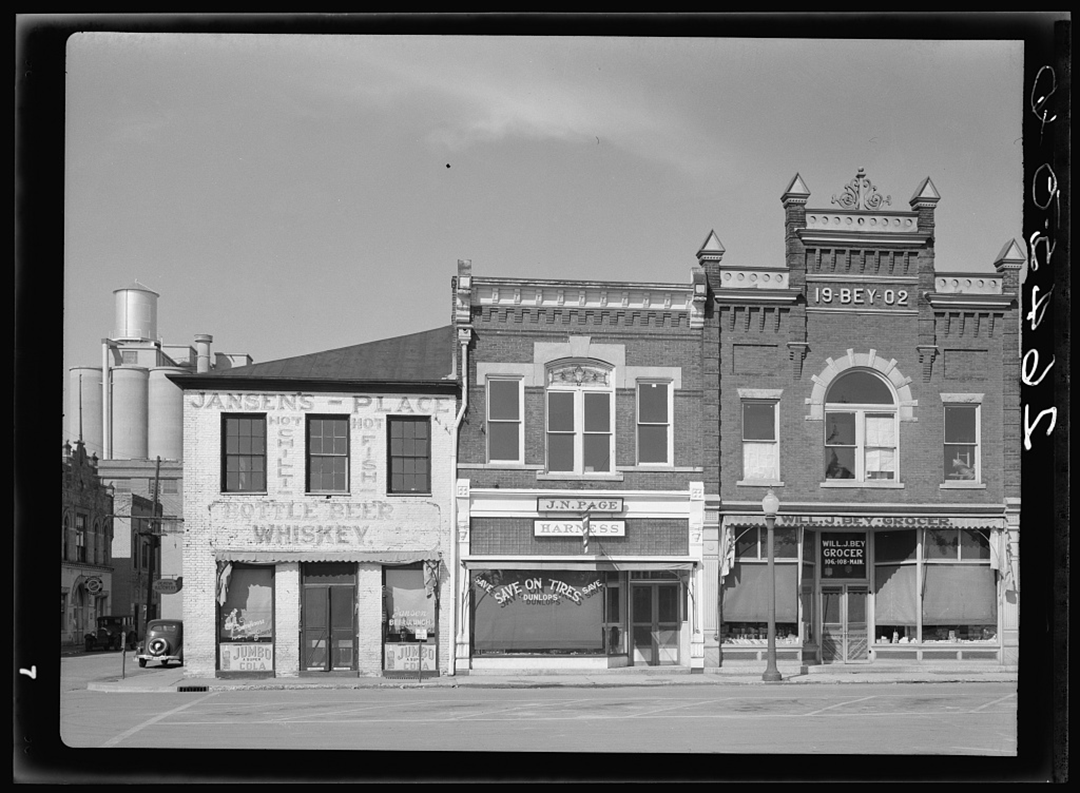
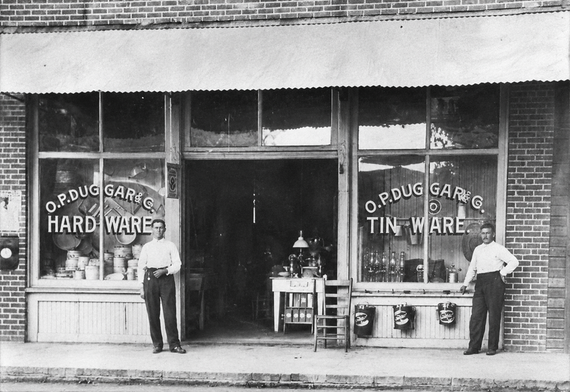
Small-city merchants depended heavily on Saturday trade, while Sunday closures gave downtown business blocks a weekly pause. Vincennes also served the surrounding agricultural region, so shops selling groceries, harnesses, and other practical goods remained part of everyday life. Even as automobiles became common, businesses tied to horses still had customers in the late 1930s.
16. A Sunday on Thompson Street (c. 1942)
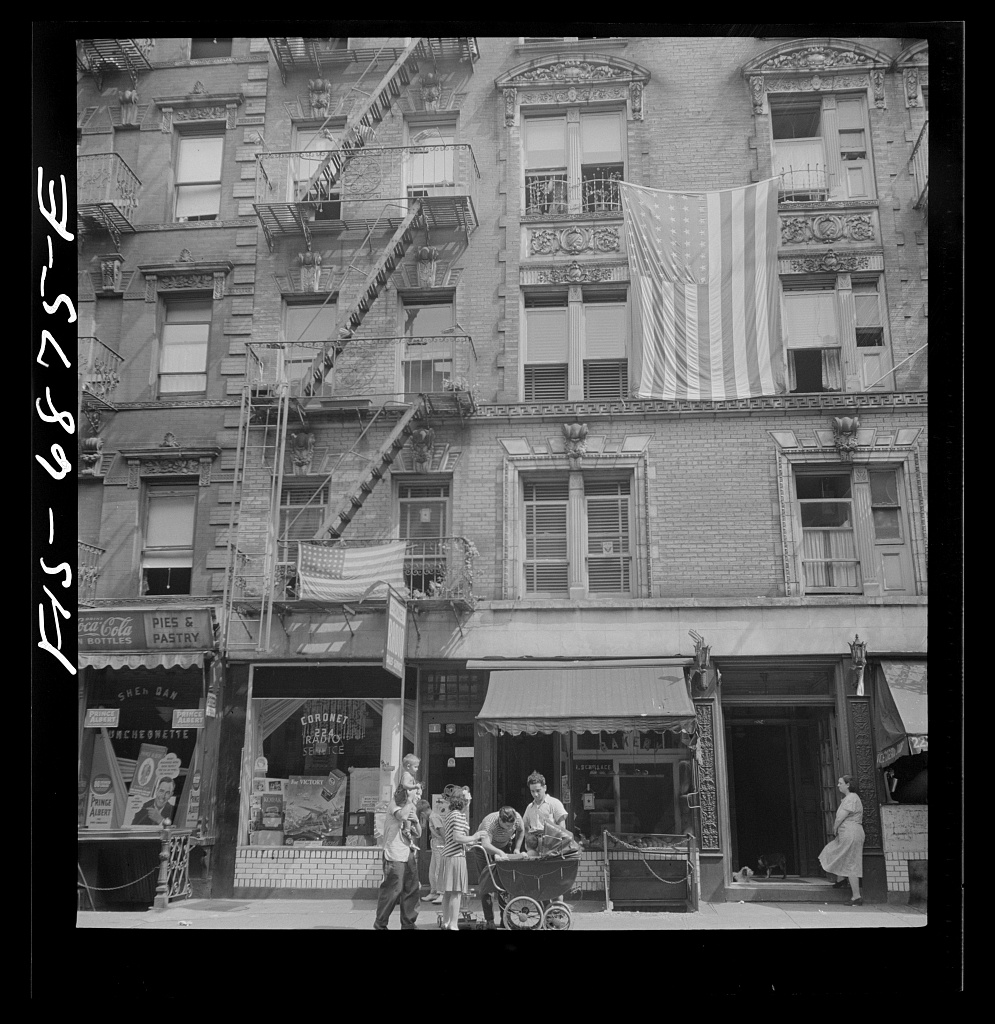
Thompson Street was part of a dense Italian-American neighborhood where apartments, small shops, and street life blended together. On Sundays, sidewalks offered families more room to visit and relax than many crowded tenements could provide. The result was a neighborhood rhythm that felt social even without the usual weekday rush.
In the mood for more?
Check out these 19 Vintage Photos That Show Sundays in the 60s-80s, or take a look at 16 Rare Photos That Show New York Before Skyscrapers Took Over. If you want to see more everyday history, you can check out 17 Vintage Photos of Public Libraries in the Mid-1900s.