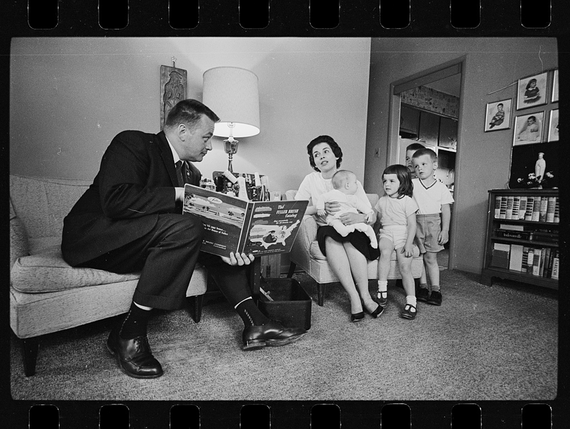
Door-to-door sales once made shopping feel much more personal. A knock at the door might bring someone carrying a sample case, a stack of books, or an appliance ready for a living-room demonstration. Some sellers returned regularly with household supplies, while others spent hours trying to close a single expensive purchase. Their catalogs and sales pitches covered far more than brushes and vacuum cleaners.
1. Household Brushes
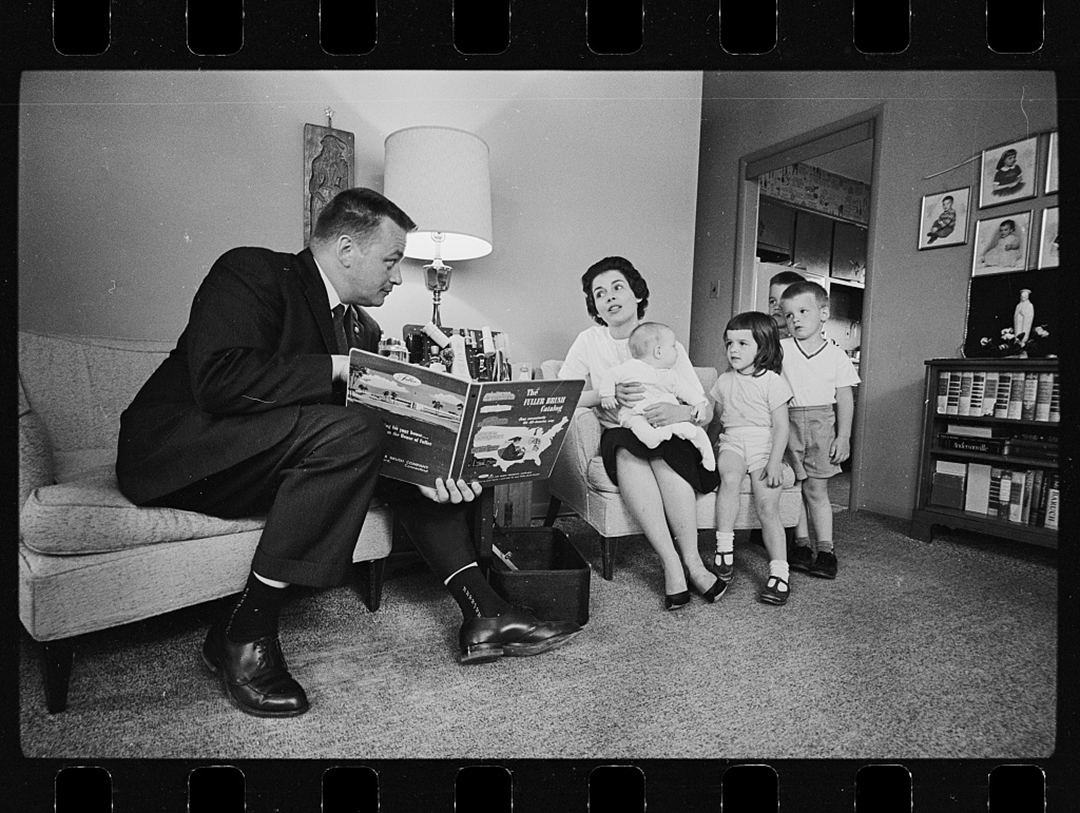
The Fuller Brush salesperson had a brush for almost everything: floors, clothes, bottles, and corners that were difficult to clean. Representatives carried samples from house to house, often returning to customers who needed another household supply. The “Fuller Brush Man” became one of the most recognizable figures in American door-to-door sales.
2. Perfumes and Toiletries
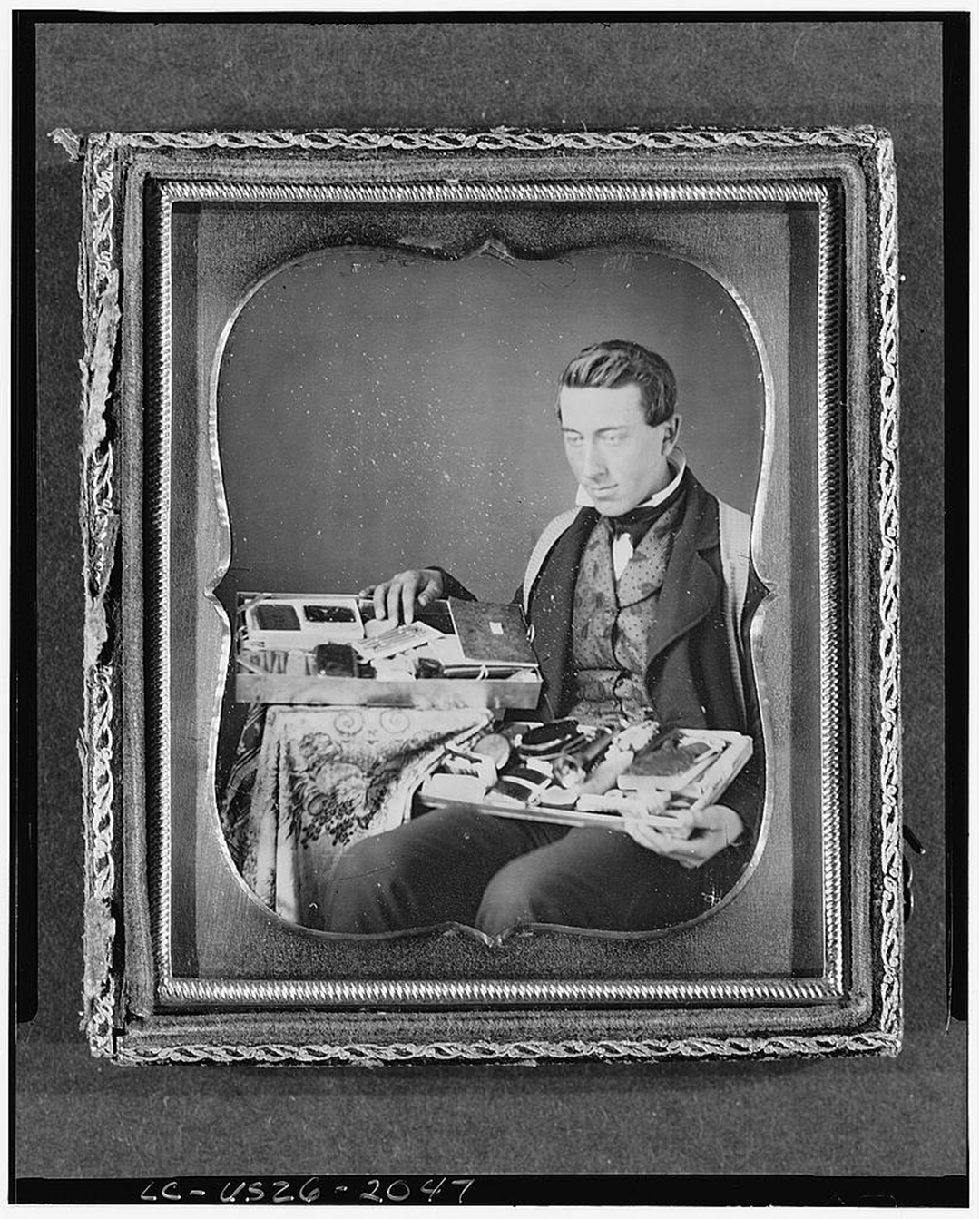
Avon’s story began with a bookseller who gave away perfume samples during his visits. David H. McConnell realized that customers were more interested in the fragrance than the books and founded the California Perfume Company in 1886. Its representatives made perfume a familiar purchase at the front door.
3. Vacuum Cleaners
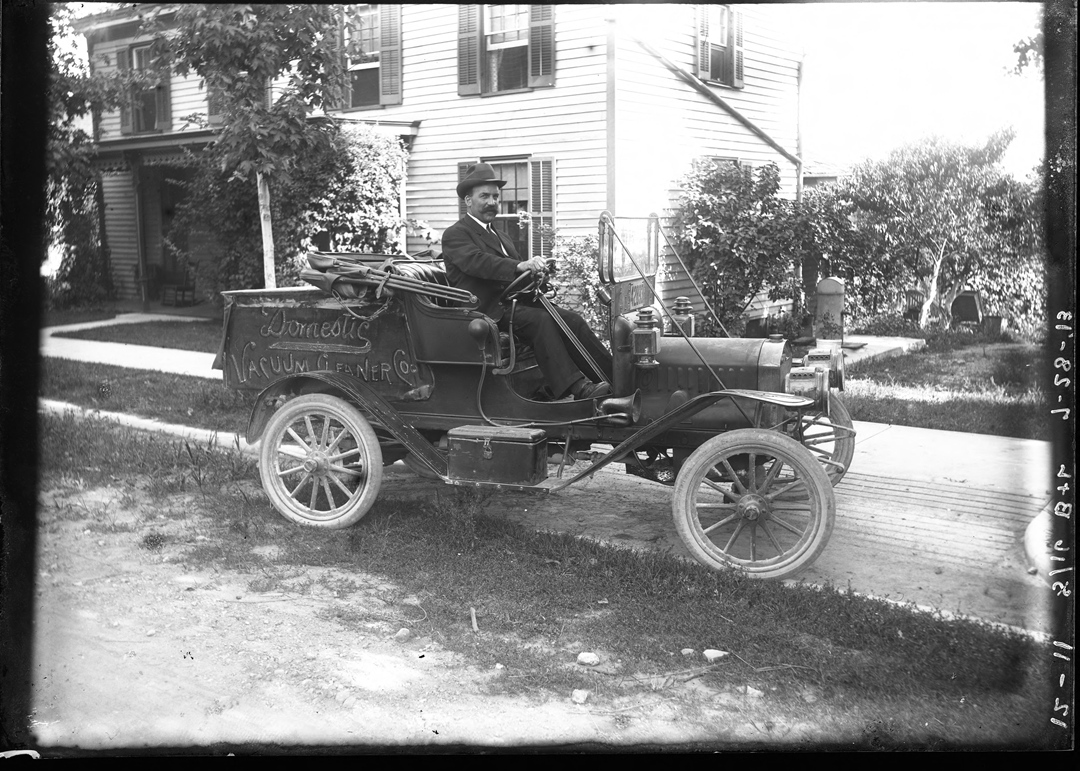
A vacuum cleaner was easier to sell once it was running across someone’s carpet. Representatives could demonstrate the machine in the home and answer questions about an expensive appliance on the spot. Eureka was among the companies that used door-to-door salespeople to reach customers.
4. Encyclopedias
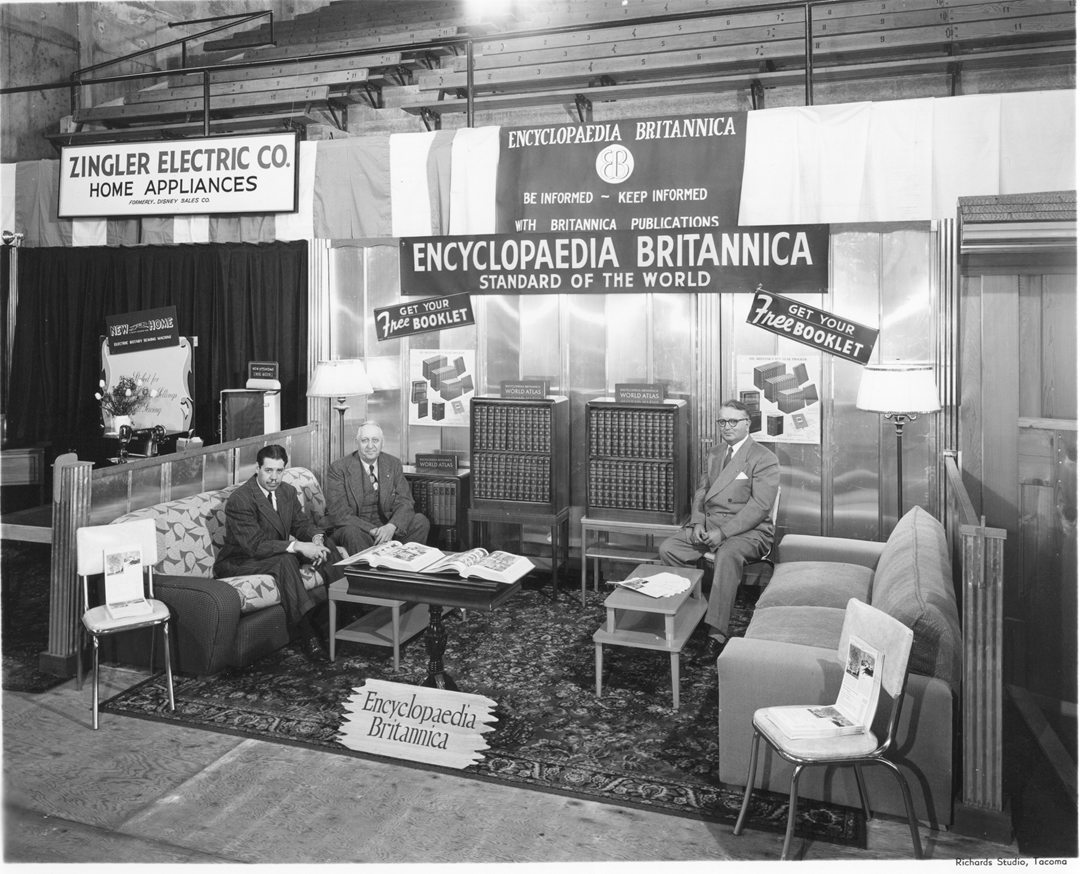
A salesperson did not need to carry an entire encyclopedia set to make it look tempting. A sample volume could open a conversation about schoolwork, family learning, and how the books would look on a shelf. Payment plans helped turn a substantial purchase into something a household might consider.
5. Sewing Machines
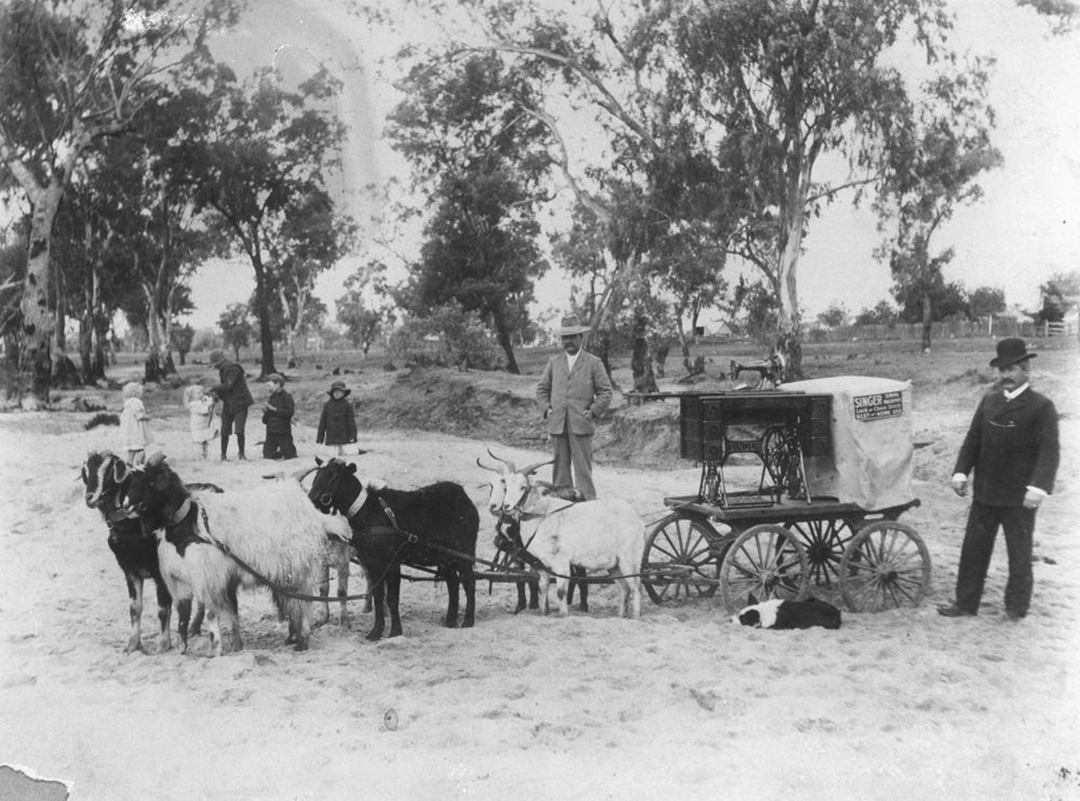
For a family accustomed to sewing by hand, a working demonstration could make a strong impression. Traveling sellers offered sewing machines and discussed how customers could pay for them over time. It was a purchase worth sitting down to consider, which suited a long visit far better than a hurried doorstep pitch.
Trending on The Scroller
6. Tupperware Containers
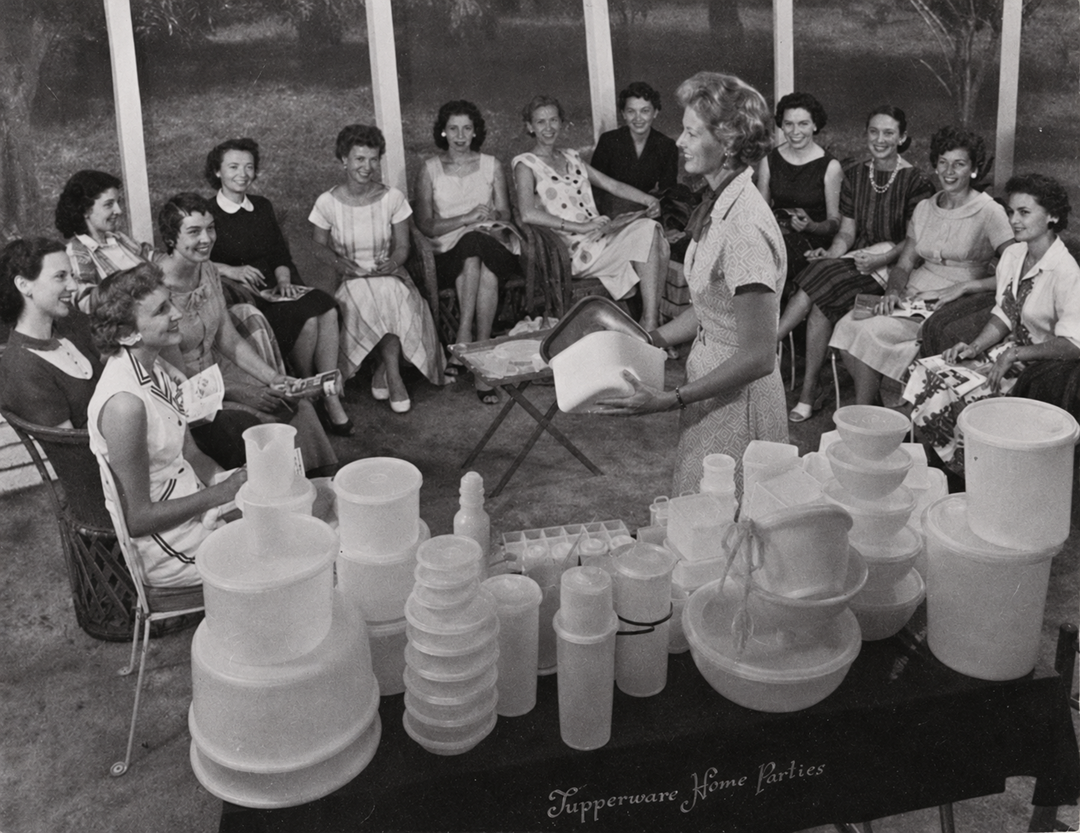
Tupperware was sold through home demonstrations, first by direct sellers and then most famously at parties hosted by customers. Handling a container and learning how to close its flexible seal made more sense than staring at one on a shelf. A sales visit could become a gathering with friends.
7. Spices and Baking Extracts
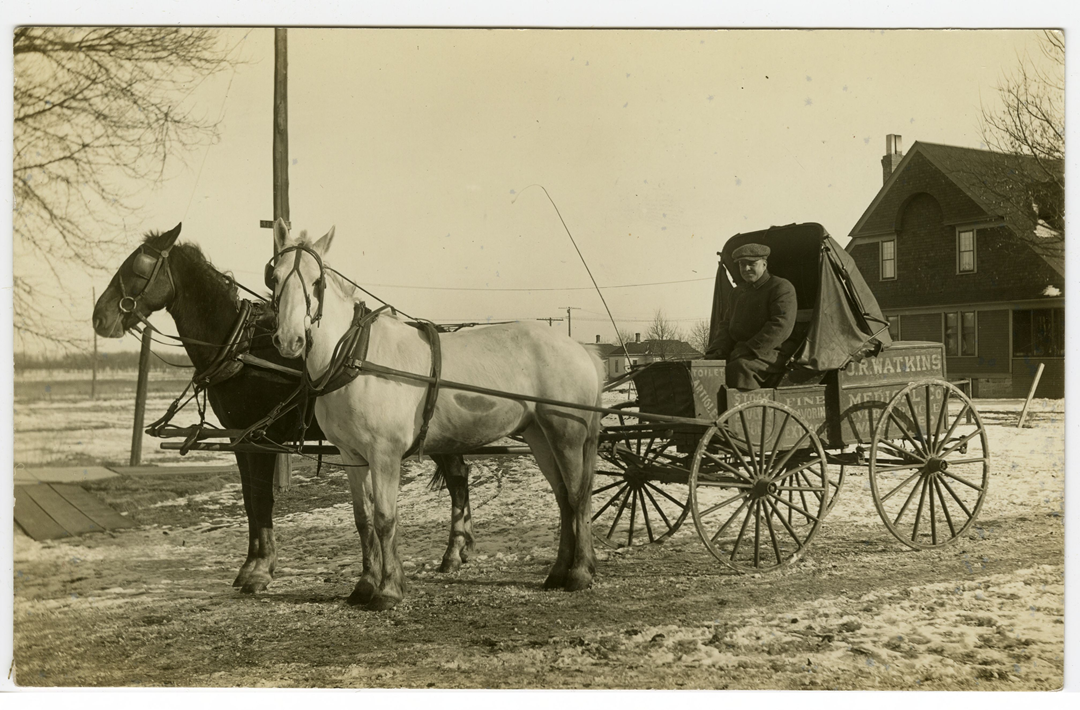
A Watkins salesperson might bring vanilla extract and spices along with other supplies for the house. These were products customers used up, giving the seller a reason to return. Watkins wagons advertised extracts and spices right on their sides.
8. Pots and Pans
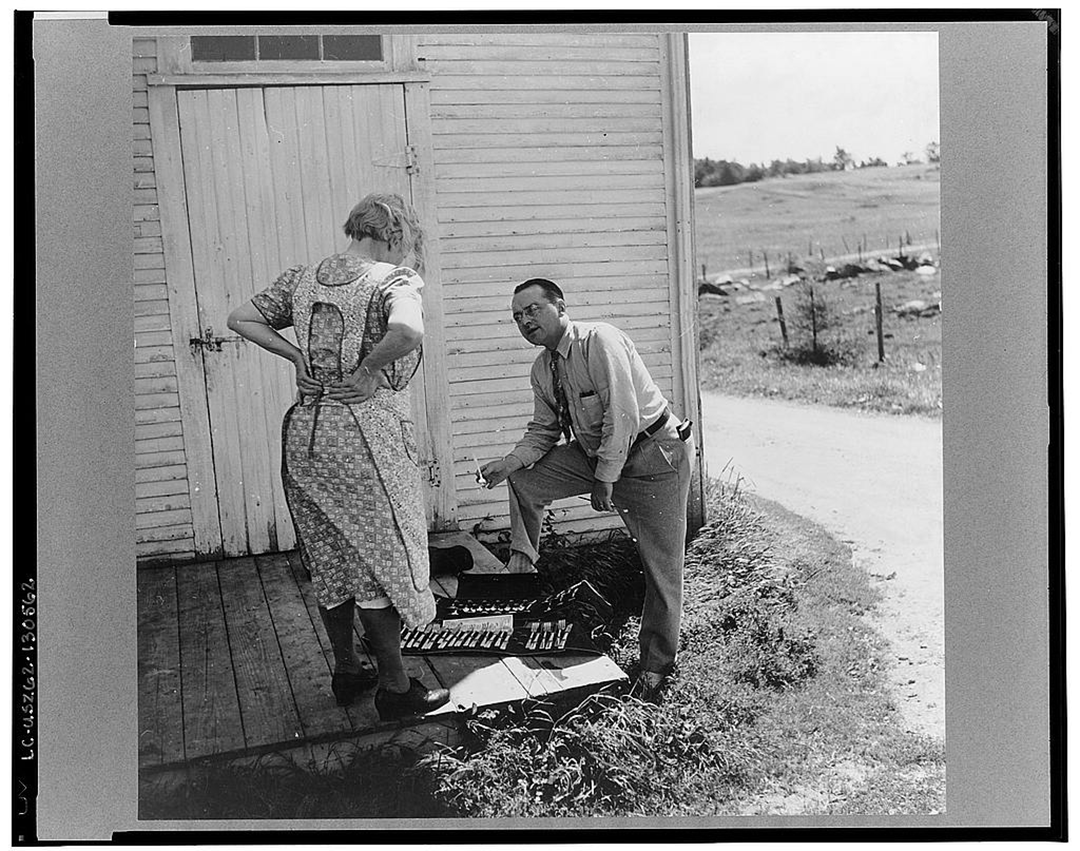
Cookware salespeople had an advantage over sellers carrying books: they could offer to cook something. Seeing a pan used on the family stove helped customers judge whether it was worth the price. Pots and pans were a regular part of the door-to-door sales trade.
Sign up for our newsletter
9. Family Bibles
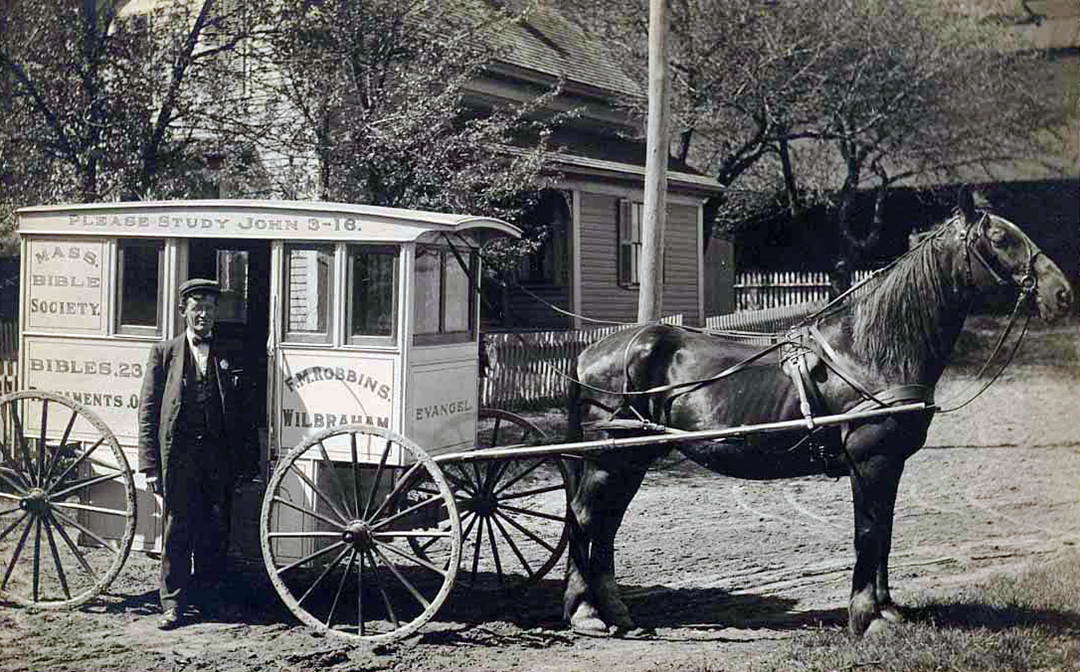
Some traveling sellers offered large Bibles meant to occupy a permanent place in the home. Illustrated family editions could include pages for recording births, marriages, and deaths. The purchase was about more than having another book to read.
10. Stockings
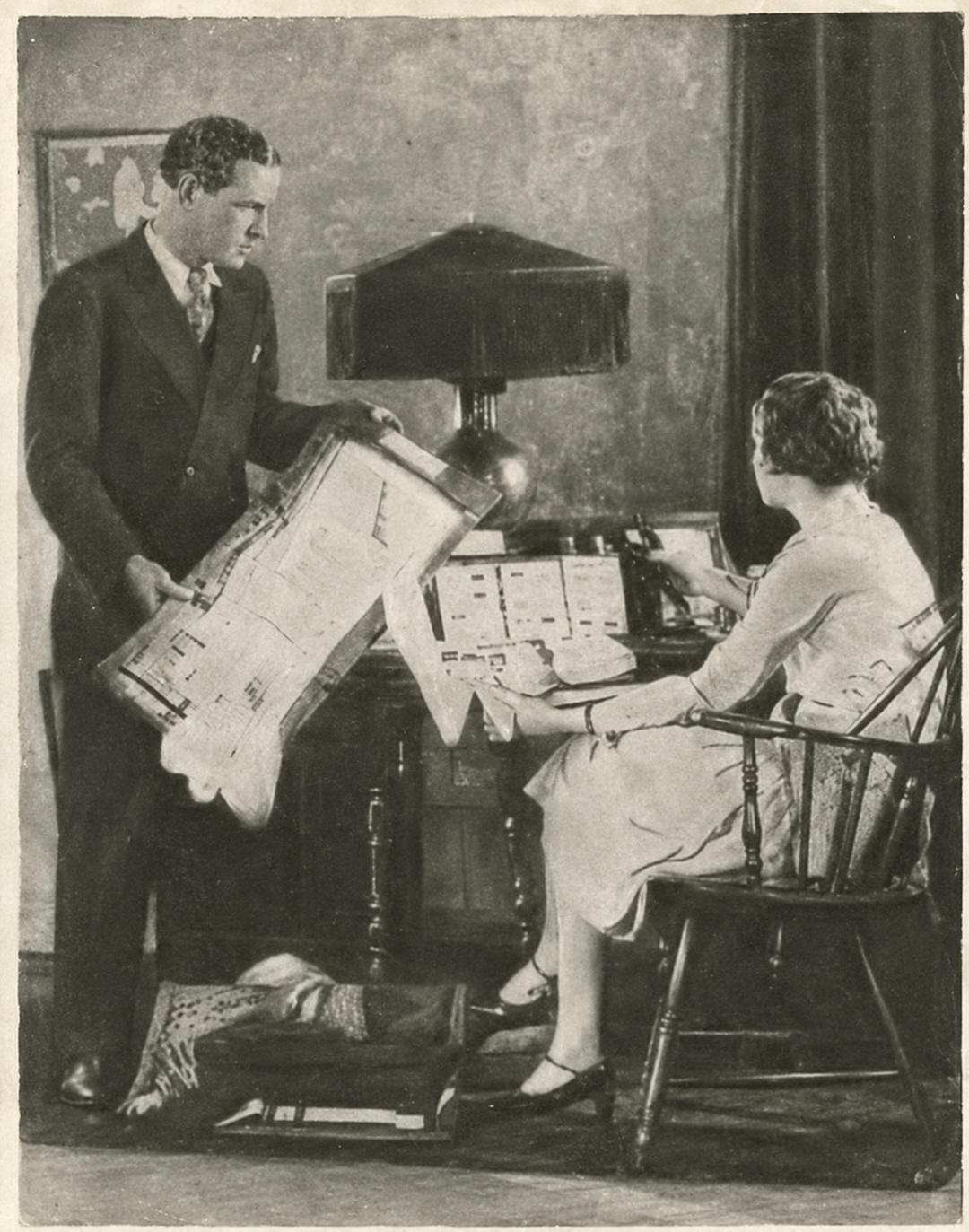
Real Silk Hosiery salespeople brought stockings to customers instead of waiting for customers to visit a shop. A representative could show available shades and styles during the visit. For an item that wore out and needed replacing, the next sale might be only a few weeks away.
11. Remedies and Tonics
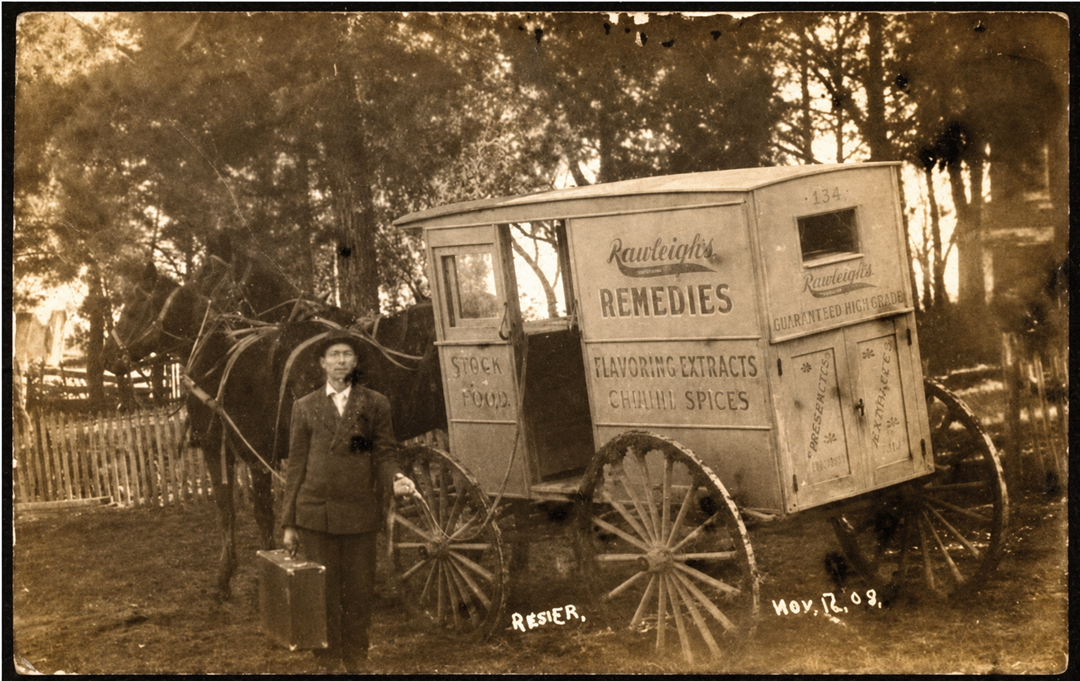
A Watkins wagon could carry more than kitchen supplies. Early catalogs also advertised remedies and tonics, which salespeople presented alongside the company’s soaps, spices, and perfumes. The claims made for old remedies deserve skepticism, but their place in the traveling seller’s case is well documented.
12. Boxed Greeting Cards
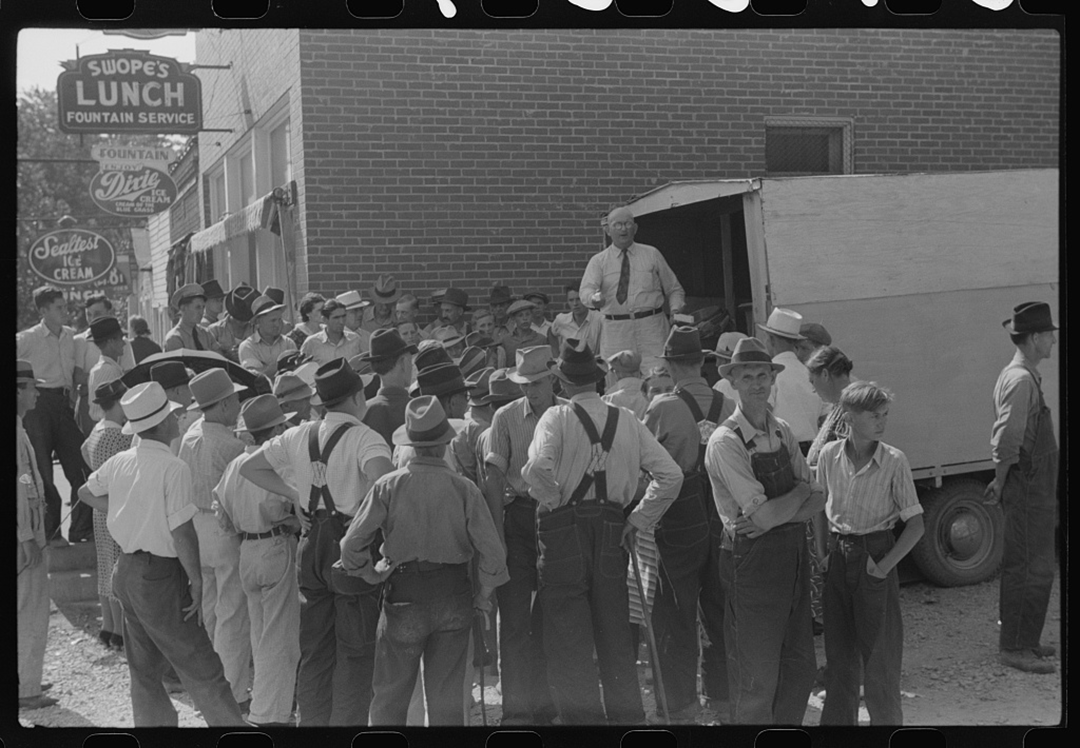
A box of assorted greeting cards was an easy product to show at the door. Buyers could leaf through the designs and have cards ready for birthdays and other occasions. Door-to-door sellers were among the people who offered these boxes to households in the mid-20th century.
13. Magazine Subscriptions
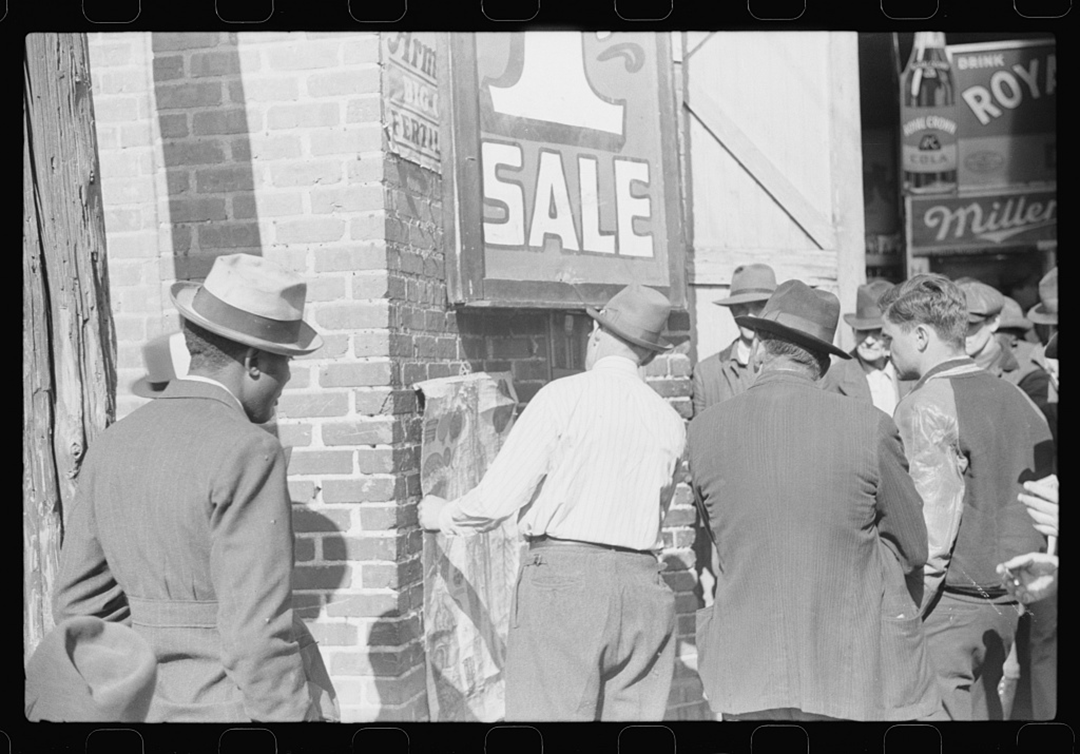
The product arrived later, but the sale happened on the doorstep. A representative could offer a magazine subscription with the promise of something new to read in every issue. In the 1950s, door-to-door salespeople, often college students, were a major source of subscriptions for publishers.
In the mood for more?
Check out 15 Iconic Late-Night TV Products From the 1990s That Made Millions, or take a look at 15 Charming Vintage Photos of American Hardware Stores From the Past. If you want to see more about how people used to shop, you can check out 14 Photos That Show What Grocery Stores Looked Like 70 Years Ago.