Historical figures are sometimes remembered very differently from the way courts and governments treated them while they were alive. In these cases, execution came first, and official reconsideration followed years, decades, or even centuries later. Some received formal pardons, others had convictions overturned, and a few were cleared through special proclamations or legislative action. What connects all 15 is the same unsettling sequence: they were put to death before authorities later acknowledged that the original judgment should not stand.
1. Joan of Arc
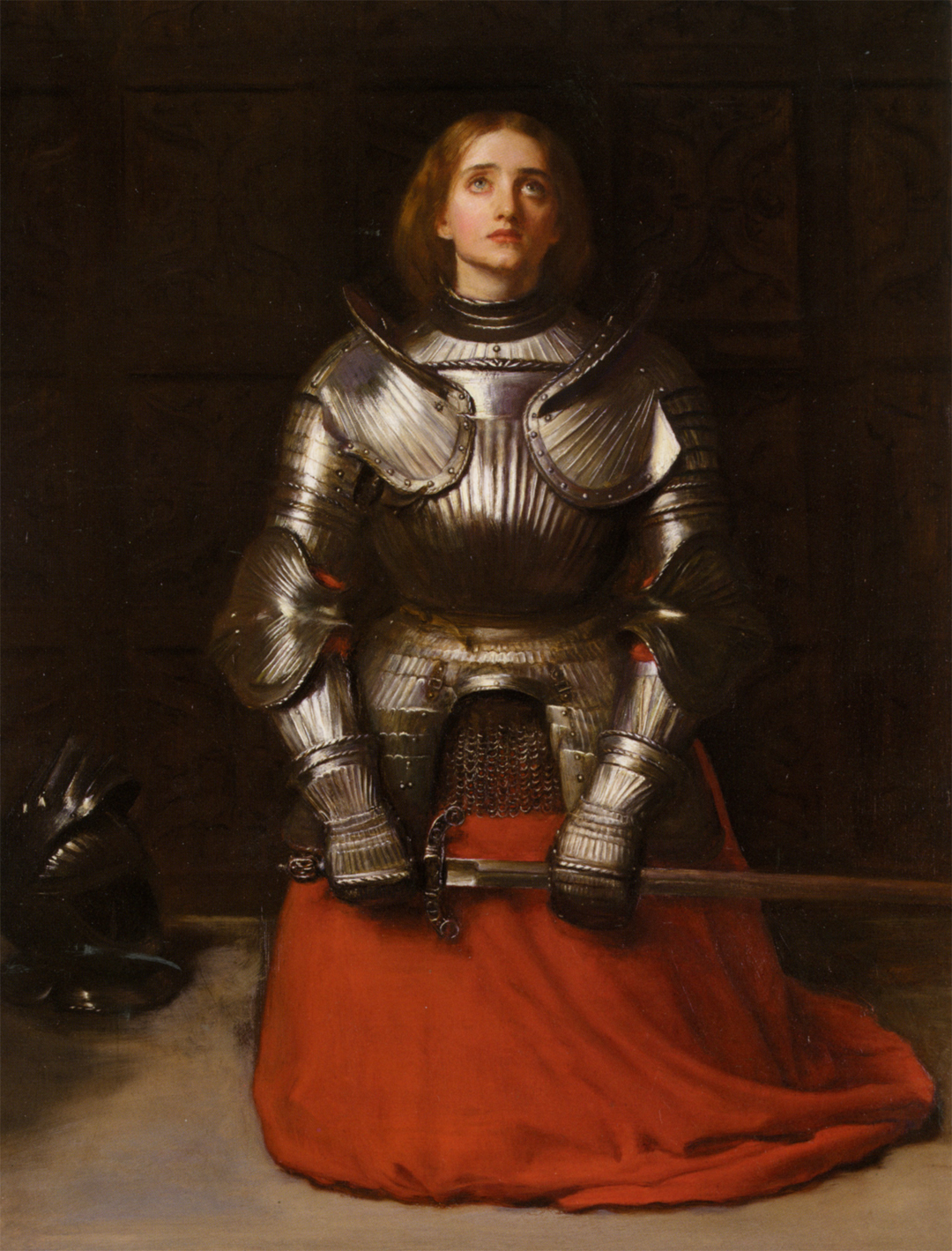
Joan’s family spent years lobbying for a second look, and it finally came in 1455, when a new inquiry opened with the pope’s approval. Witnesses who remembered the Rouen trial were called, and in July 1456 the judges concluded that the original proceedings had been rigged and the verdict was void. She had been burned in the marketplace on May 30, 1431. Sainthood only came in 1920.
2. Jean Calas
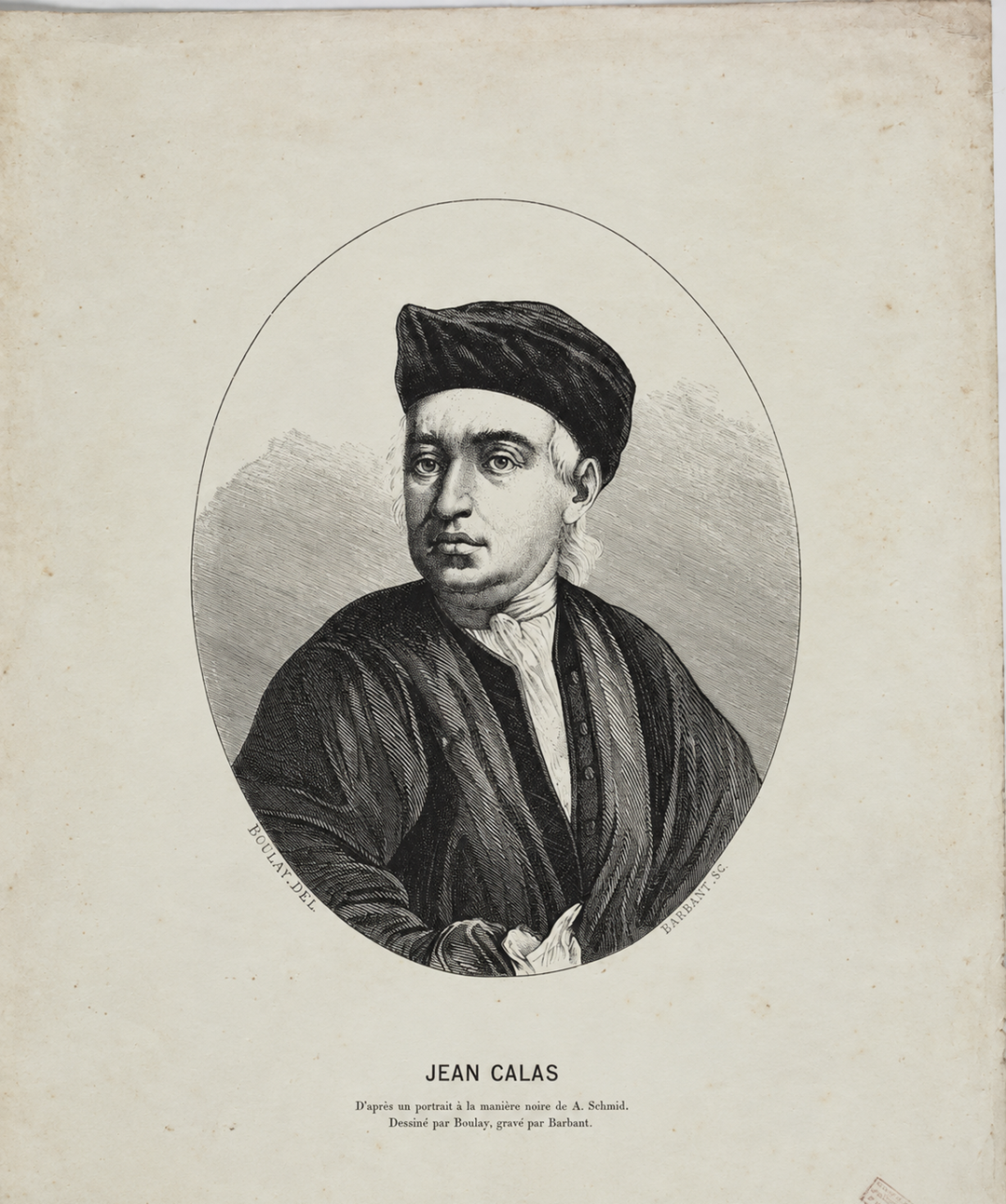
It took Voltaire a while to get involved. A Protestant merchant in Toulouse, Calas was broken on the wheel in March 1762 after his son Marc-Antoine was found hanged in the family shop, and the city decided the father had killed him to stop a conversion to Catholicism. Voltaire eventually decided the family was innocent, wrote his Treatise on Tolerance in the middle of the campaign, and kept up the pressure until a royal council overturned the sentence in 1765.
3. The Chevalier de La Barre
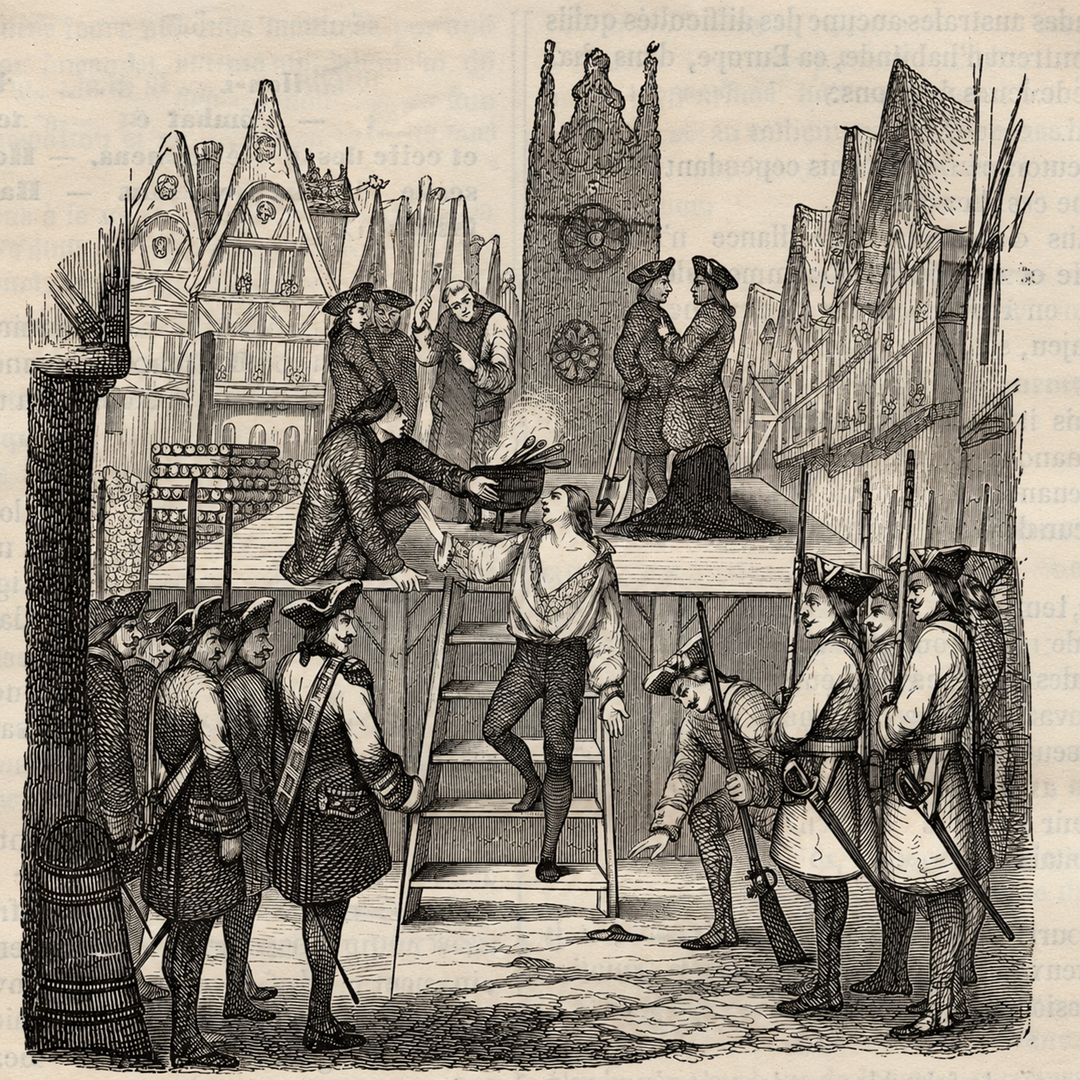
Revolutionary France cleared the Chevalier de La Barre in 1794, twenty-eight years after he was beheaded at Abbeville. He was 19, accused of defacing a crucifix. A copy of Voltaire’s Philosophical Dictionary was burned on the same pyre.
4. Bridget Bishop
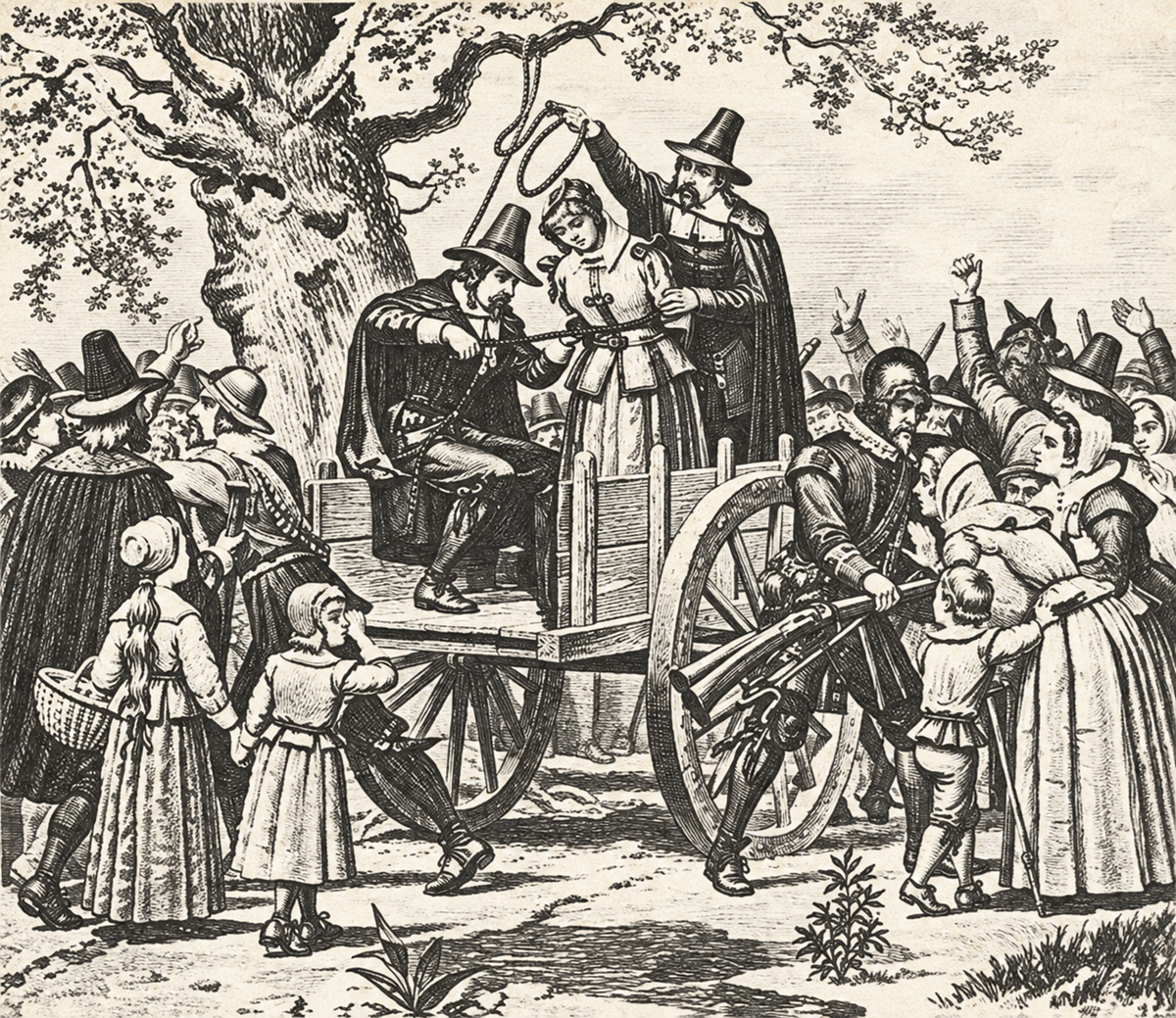
Bishop was the first person hanged at Salem, on June 10, 1692, and her neighbors had been muttering about her for years. She ran a tavern, had been married three times, and dressed in ways people noticed, all of which came up in testimony. Massachusetts only got around to clearing her name in 2001, along with five others who had been left out of earlier reversals.
5. The Tsilhqot’in Chiefs
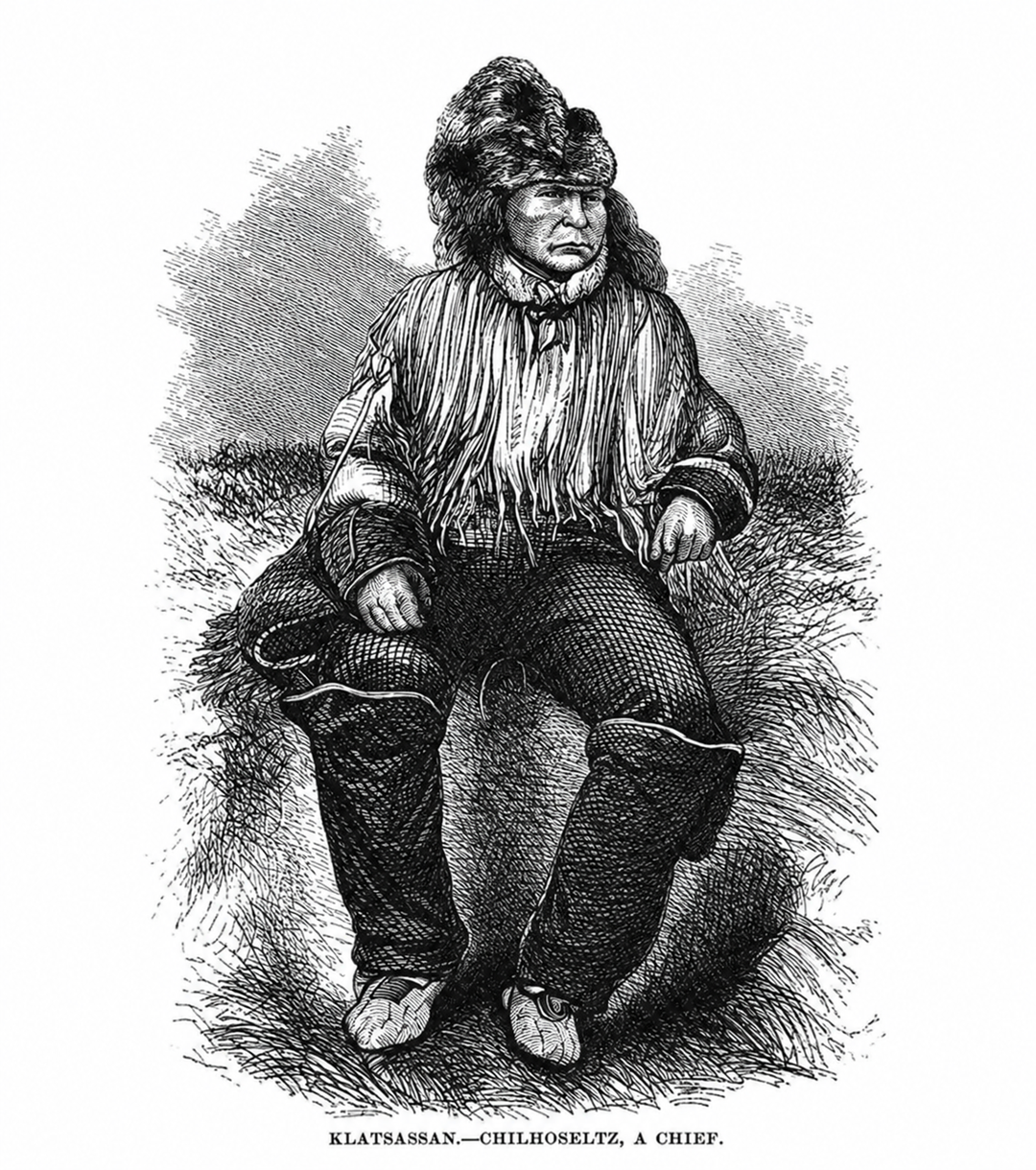
The Tsilhqot’in leaders believed they were walking into peace talks after the Chilcotin War. Five were hanged at Quesnel in 1864 and one more in 1865. Justin Trudeau exonerated all six in a speech to the House of Commons in 2018.
Trending on The Scroller

6. Nicola Sacco and Bartolomeo Vanzetti
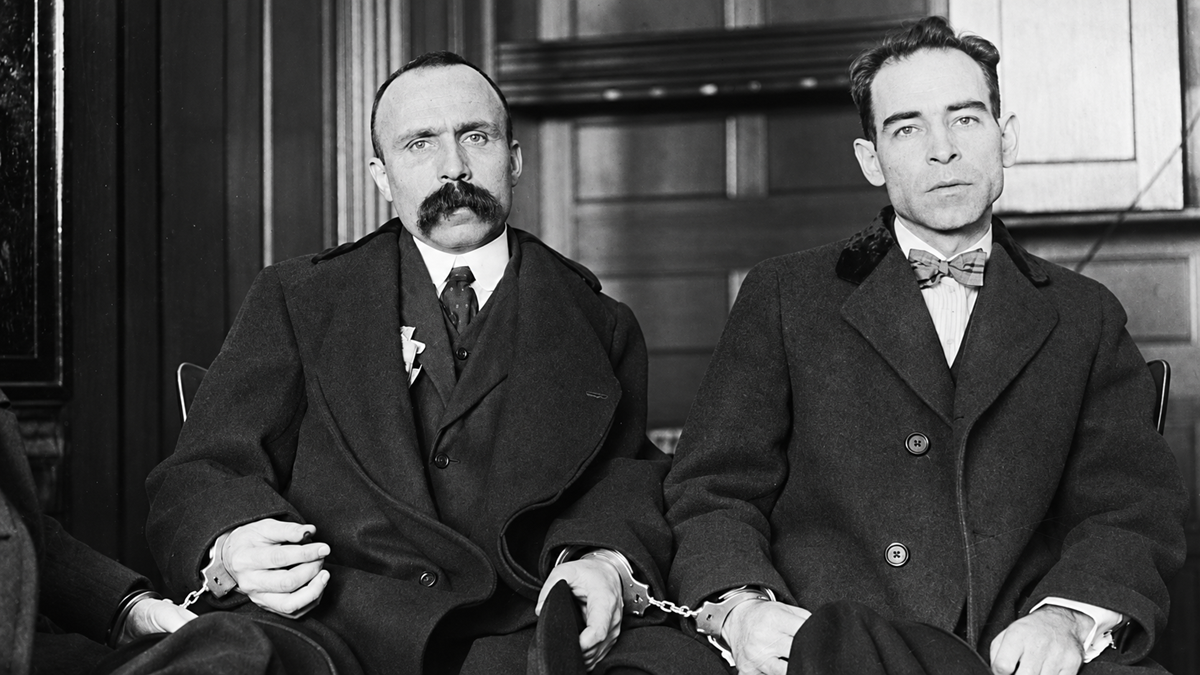
Exactly fifty years after their electrocution, Massachusetts Governor Michael Dukakis issued a proclamation saying the two men had not been treated fairly and that any stigma should be removed from their names. That was August 23, 1977. Sacco and Vanzetti, Italian immigrants and anarchists, had died in 1927 over a payroll robbery and double murder in South Braintree, a case that set off protests across Europe and Latin America. It wasn’t a pardon, though, and it remains the closest the state has come to one.
7. László Rajk
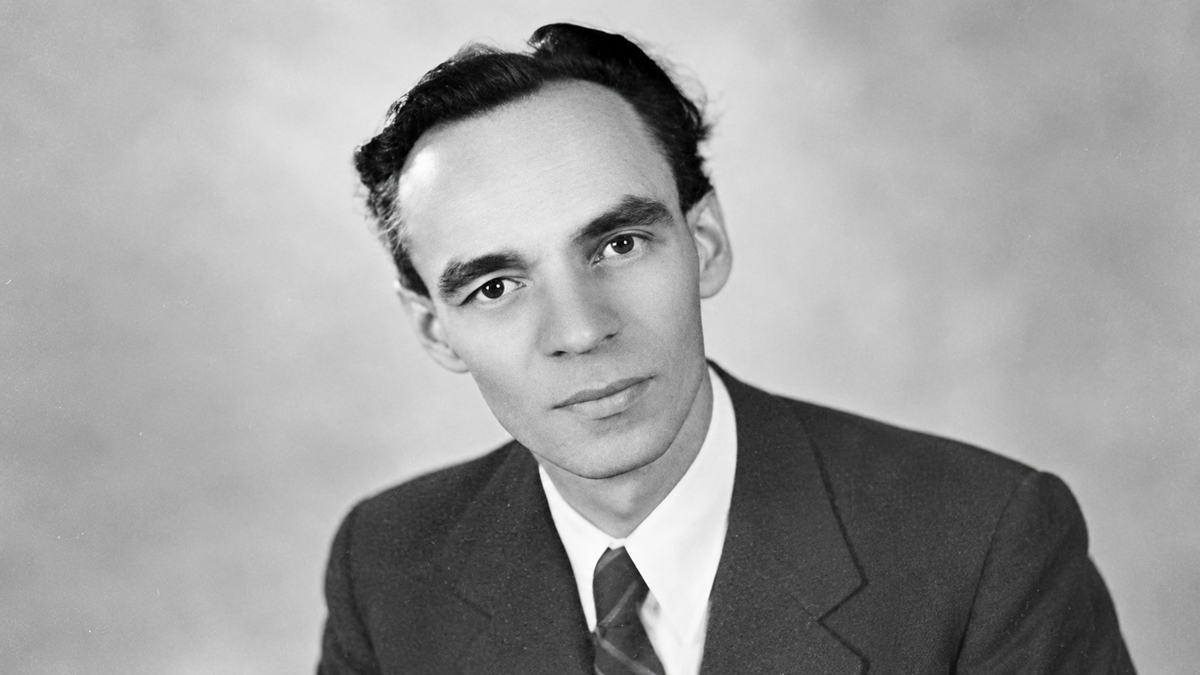
László Rajk had been Hungary’s interior minister and later foreign minister before becoming one of the most prominent victims of the country’s Stalinist purges. Arrested in 1949, he was subjected to a show trial and accused of treason, espionage,ge and plotting against the state. Rajk was sentenced to death and executed on October 15, 1949. The Hungarian government rehabilitated him in 1955, and his ceremonial reburial the following year became a major public event shortly before the 1956 Hungarian uprising.
8. Sophie Scholl
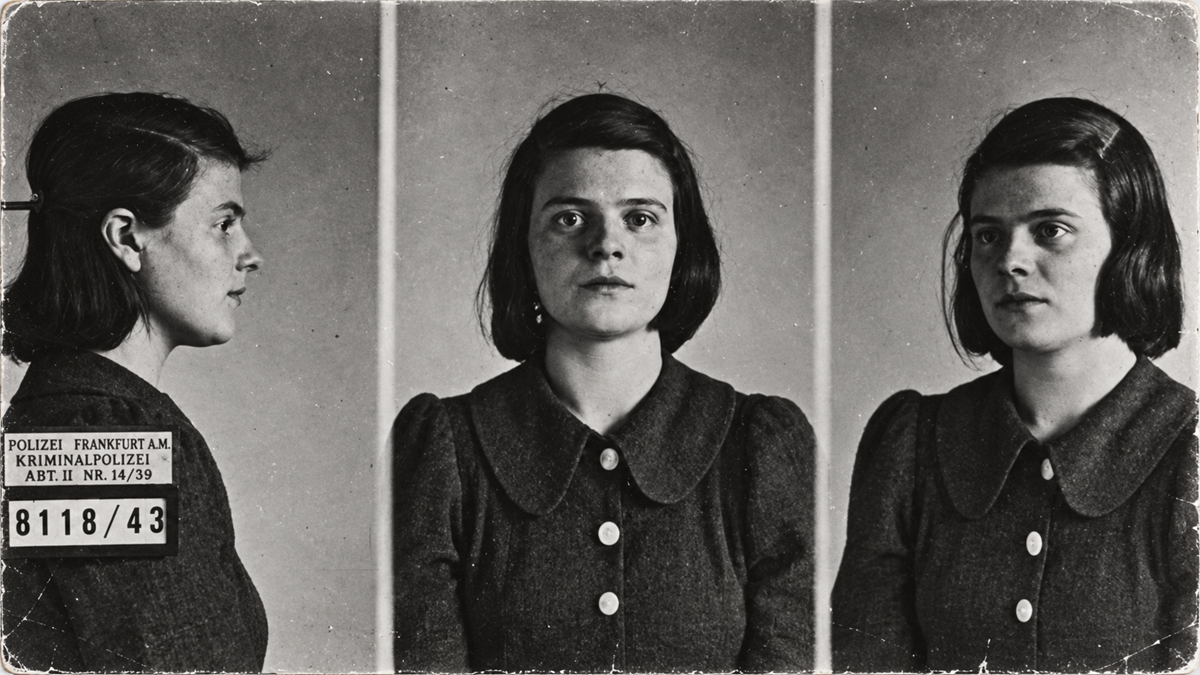
Sophie Scholl was 21 when the Nazi People’s Court sentenced her to death for her role in the White Rose resistance group. She and her brother Hans had been caught distributing anti-Nazi leaflets at the University of Munich, and both were executed by guillotine on February 22, 1943, only hours after their trial. Decades later, Germany passed legislation annulling criminal judgments issued by Nazi courts when they had served the regime’s political, racial, religious, or ideological persecution. The 1998 law formally wiped away convictions of that kind, including those imposed on resistance figures such as Scholl.
Sign up for our newsletter
9. Grigory Zinoviev
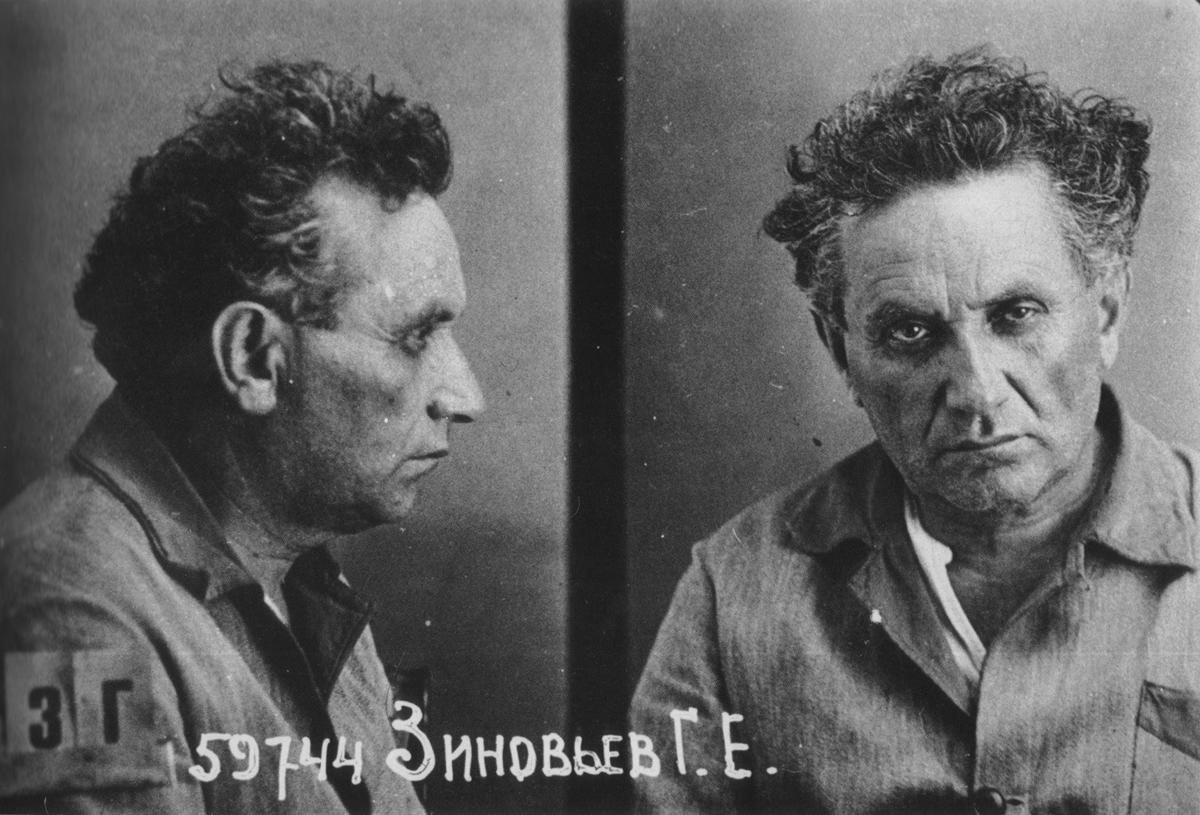
Grigory Zinoviev had once been one of the most powerful figures in the early Soviet government, but by the 1930s he had become one of Stalin’s political enemies. On August 1936, he was placed at the center of the first Moscow show trial, accused of terrorism, treason, and plotting against the Soviet leadership. He was convicted and executed by firing squad on August 25, 1936. In 1988, the Supreme Court of the Soviet Union formally rehabilitated Zinoviev and his co-defendants, overturning the verdict from the show trial.
10. The Soldiers Shot at Dawn
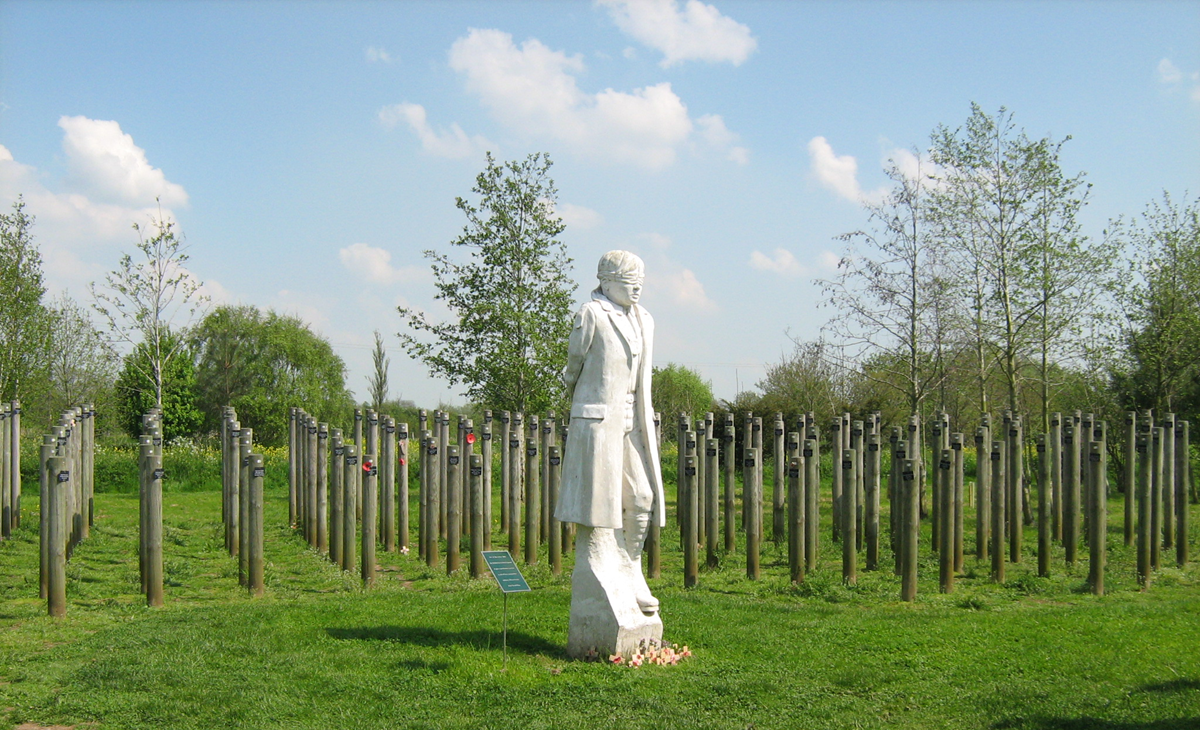
Some 306 British and Commonwealth soldiers were shot during the First World War for desertion, cowardice and similar offences, and a number of them were plainly suffering from what we would now call trauma. At least a few had lied about their age to enlist. Their families carried the stigma for generations, until Parliament passed a blanket pardon in 2006 without deciding any individual’s guilt. Five years earlier, in 2001, the Shot at Dawn Memorial had been unveiled at the National Memorial Arboretum in Staffordshire, with a statue modeled on Private Herbert Burden surrounded by stakes representing the men who were executed.
11. Mikhail Tukhachevsky
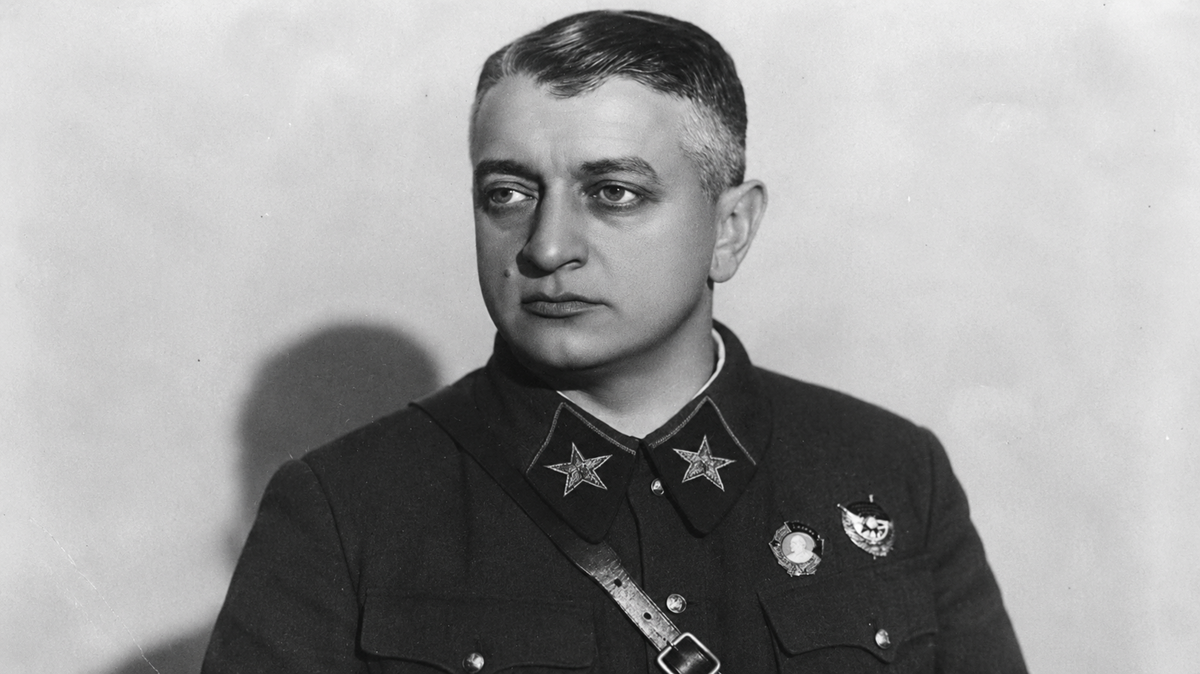
Tukhachevsky was a Marshal of the Soviet Union until June 1937, when he was shot after a secret trial on treason charges nobody has ever managed to support. Thousands of other officers followed him in the purge. He was rehabilitated in 1957, a few years after Stalin died.
12. Imre Nagy
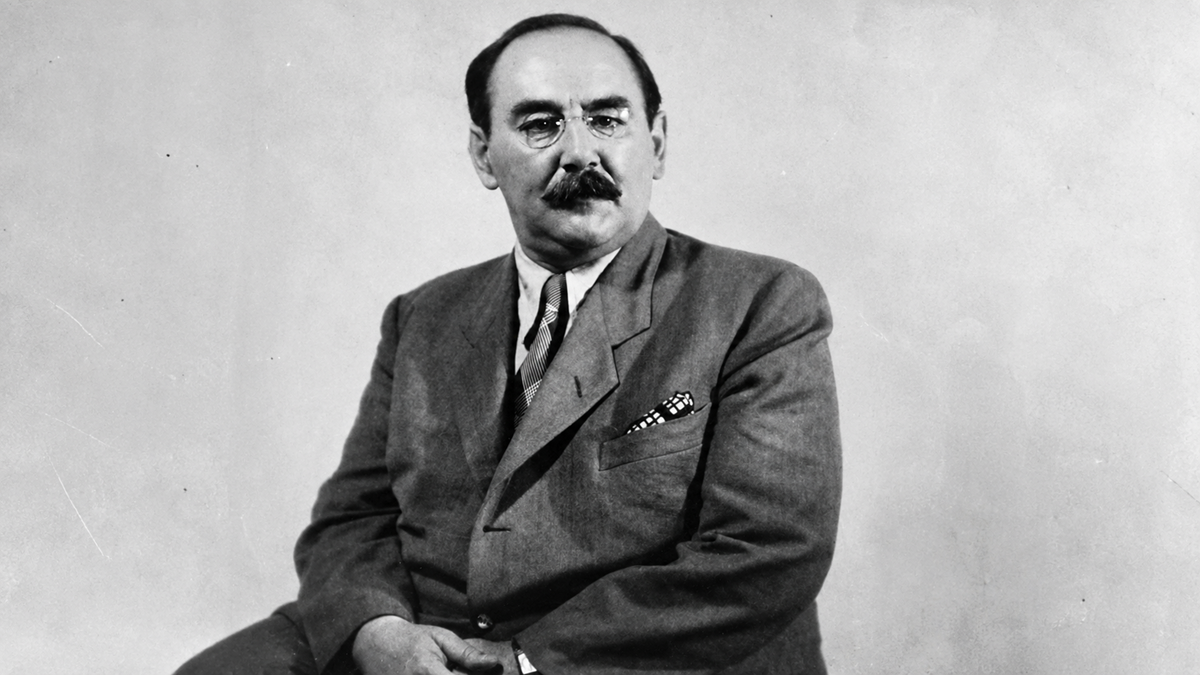
Around 250,000 people packed into Heroes’ Square in Budapest on June 16, 1989, to watch Nagy finally get a proper funeral. He had led Hungary’s government during the 1956 uprising and was hanged in secret exactly 31 years earlier, then buried in an unmarked plot at the edge of a cemetery. The Supreme Court overturned his conviction a few weeks after the reburial.
13. Milada Horáková
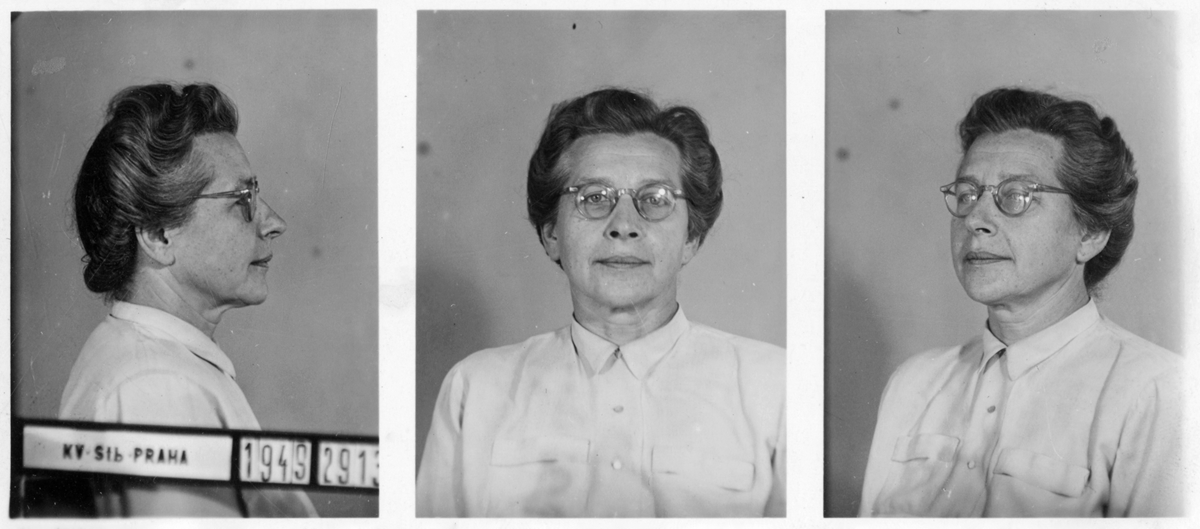
The Nazis had already imprisoned Horáková, and after the war Czechoslovakia’s Communists put her on trial anyway, in a staged proceeding with scripted confessions. Einstein was among those abroad who appealed for her life, but she was hanged in Prague on June 27, 1950. The verdict was annulled in 1968 during the Prague Spring and again after 1989, this time for good.
14. Nikolai Bukharin
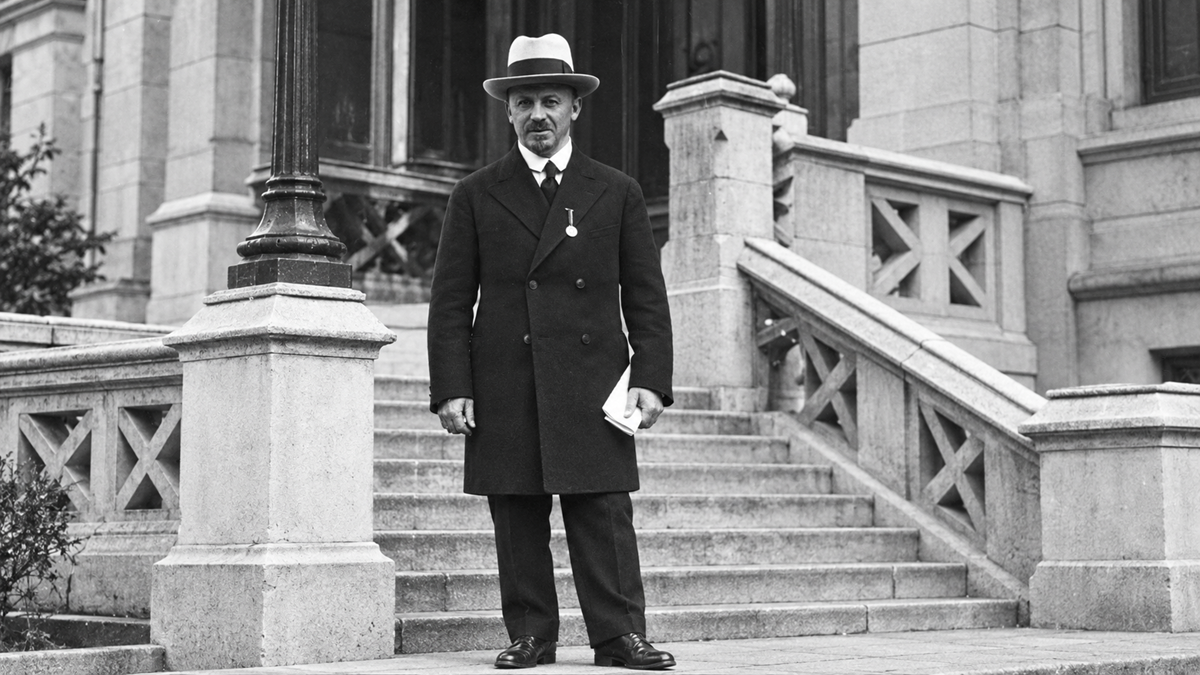
Anna Larina memorized the letter her husband wrote to a future generation of Party leaders, because carrying it on paper would have been dangerous. Bukharin, once one of the Bolsheviks’ leading theorists, was shot in March 1938 after the last of the Moscow show trials, and she spent decades waiting for a chance to recite it openly. The Soviet Union rehabilitated him in 1988, and she lived to see it.
15. Marinus van der Lubbe
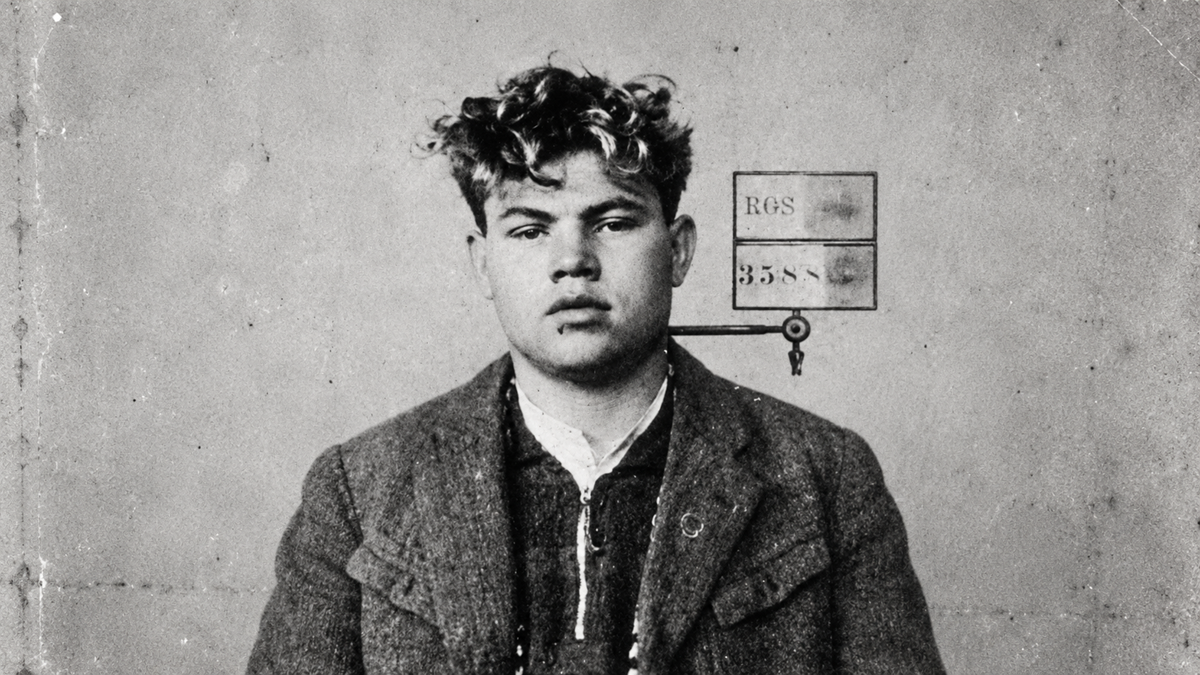
Marinus van der Lubbe was arrested inside the burning Reichstag in February 1933 and later convicted of high treason and arson by Nazi Germany’s highest court. The 24-year-old Dutch communist was sentenced to death under legislation that had been made retroactive after the fire, and he was executed by guillotine in Leipzig on January 10, 1934. Decades later, German courts and lawmakers repeatedly revisited the case.
In the mood for more?
Check out 20 Historical Figures Who Were Betrayed by Someone Close, or take a look at 14 Historical Figures Who Were Considered Failures Until the Very Last Chapter of Their Life. If you want to see more curious legal history, you can check out 13 Documentaries That Helped Change Laws or Government Policy.