Animal communication once tended to be sorted into simple categories: alarm calls, mating songs, territorial warnings, and not much else. Better microphones, long-term field studies, playback experiments, and machine learning have made that picture harder to defend. Researchers are now finding signals that identify individuals, describe threats, combine according to rules, and even change meaning when sounds are rearranged. None of this means scientists have translated an animal language word for word, but some systems have turned out to contain far more structure than anyone could hear at first.
1. African Elephants Use Name-Like Calls
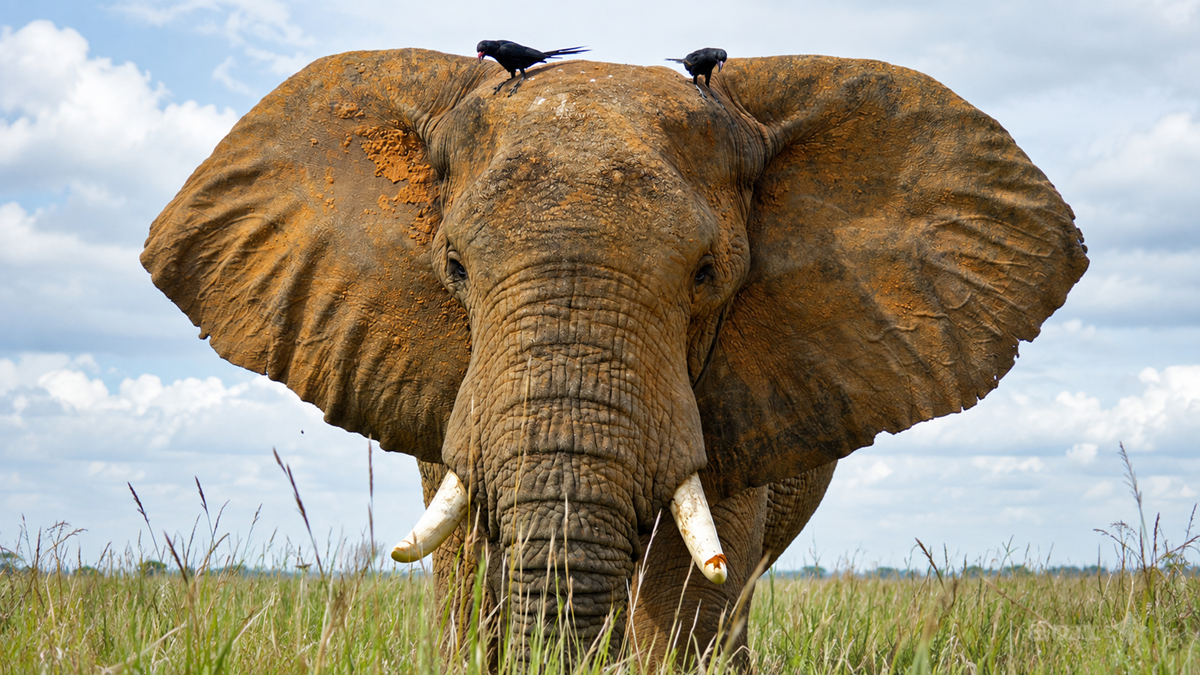
Elephants already had a reputation for sophisticated social lives, but recordings of wild African savannah elephants revealed something even more specific. Researchers found that certain low-frequency calls appear to contain vocal labels directed at particular individuals, and playback experiments showed that elephants responded more strongly to calls addressed to them. Unlike dolphins, which can imitate another dolphin’s signature whistle, elephants do not seem to simply copy the recipient’s own sound. The finding suggests they may assign arbitrary vocal labels to companions, something previously considered extremely unusual outside humans.
2. Sperm Whales Build Calls From Multiple Components

A sperm whale conversation is made of rapid click sequences called codas, and for years researchers classified them into a relatively small number of types. Analysis by Project CETI researchers changed that picture. They found that whales systematically vary rhythm, tempo, extra clicks called ornamentation, and subtle timing changes known as rubato. Those features can be combined in many different ways, giving the animals a much larger vocal repertoire than the old coda categories suggested.
3. Bottlenose Dolphins Have Signature Whistles

A bottlenose dolphin develops a distinctive signature whistle that can remain recognizable for years. Other dolphins remember those whistles and can even copy the signature of a particular individual when apparently trying to get that dolphin’s attention. Experiments have shown dolphins reacting specifically when their own signature is played back. Calling them names is an imperfect comparison, but learned vocal labels used to address particular companions come remarkably close.
4. Japanese Great Tits Combine Calls According to Order
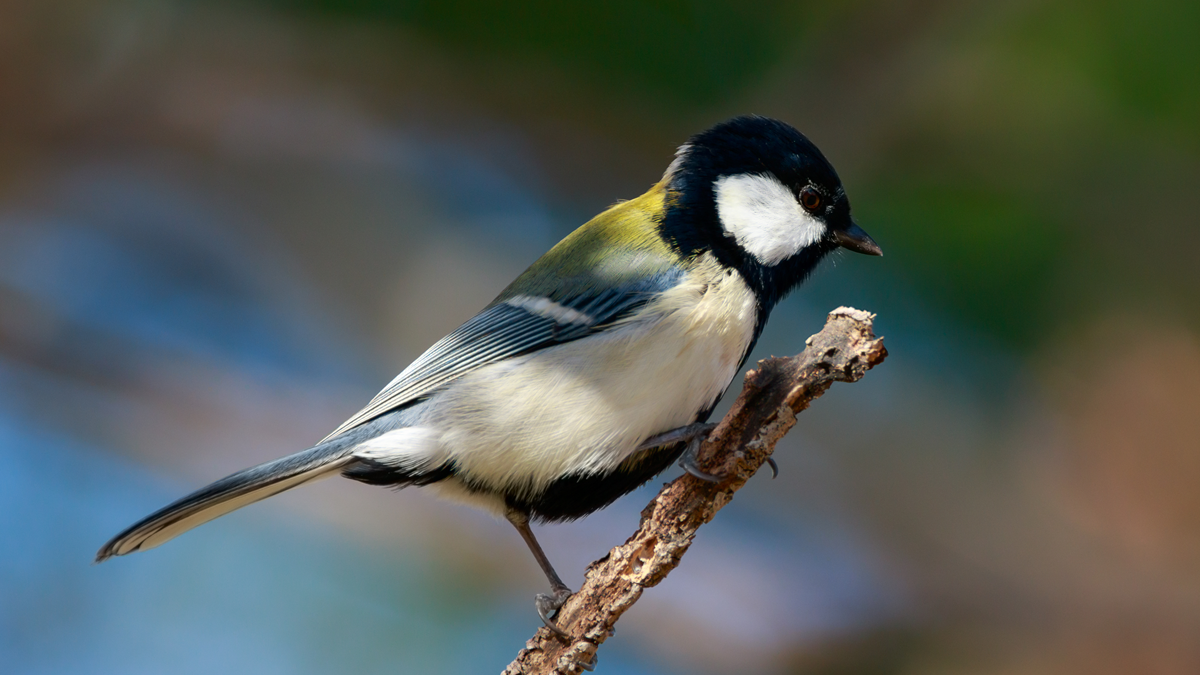
Japanese great tits do more than produce separate calls for separate situations. Experiments showed that one call sequence prompts birds to scan for danger, while another encourages them to approach the caller. When the two are played in their normal order, birds tend to perform both behaviors, but reversing the sequence weakens the response. Researchers have described this as experimental evidence for compositional syntax in a wild animal.
5. Gunnison’s Prairie Dogs Describe More Than “Danger”

Prairie dog alarm calls once sounded like straightforward warning barks. Studies of Gunnison’s prairie dogs found acoustic differences associated with predator category, and experiments showed that listeners responded differently to calls triggered by coyotes, dogs, humans, and other threats. Researchers have also reported variation related to features such as a human intruder’s size, shape, and clothing color. A colony hearing an alarm may therefore be receiving considerably more information than a simple command to run.
Trending on The Scroller


6. Campbell’s Monkeys Can Modify a Call’s Meaning
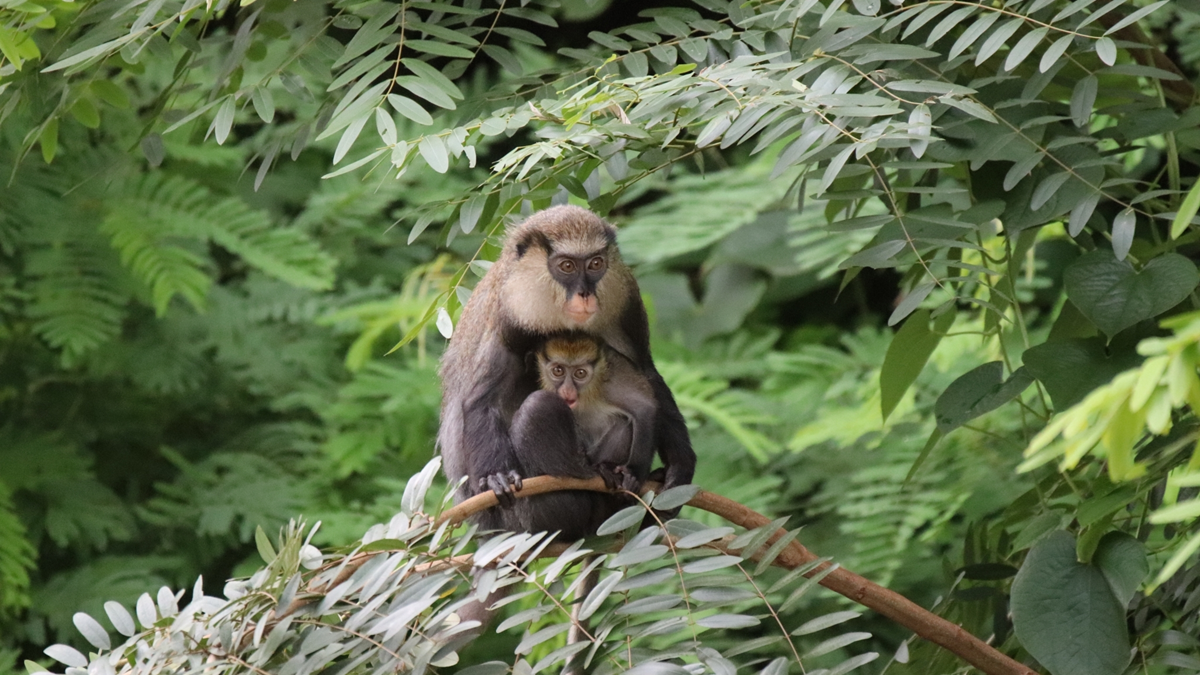
Male Campbell’s monkeys produce calls such as “krak” in connection with leopards and “hok” around crowned eagles. Add a short “oo” sound, however, and the meaning becomes less specific: “krak-oo” is used for a wider range of disturbances, while “hok-oo” can apply more generally to trouble in the canopy. Playback work indicates that other monkeys respond to the difference. Researchers have compared the pattern to a simple form of suffixation, where adding one sound modifies what came before it.
7. Vervet Monkeys Give Different Instructions for Different Predators
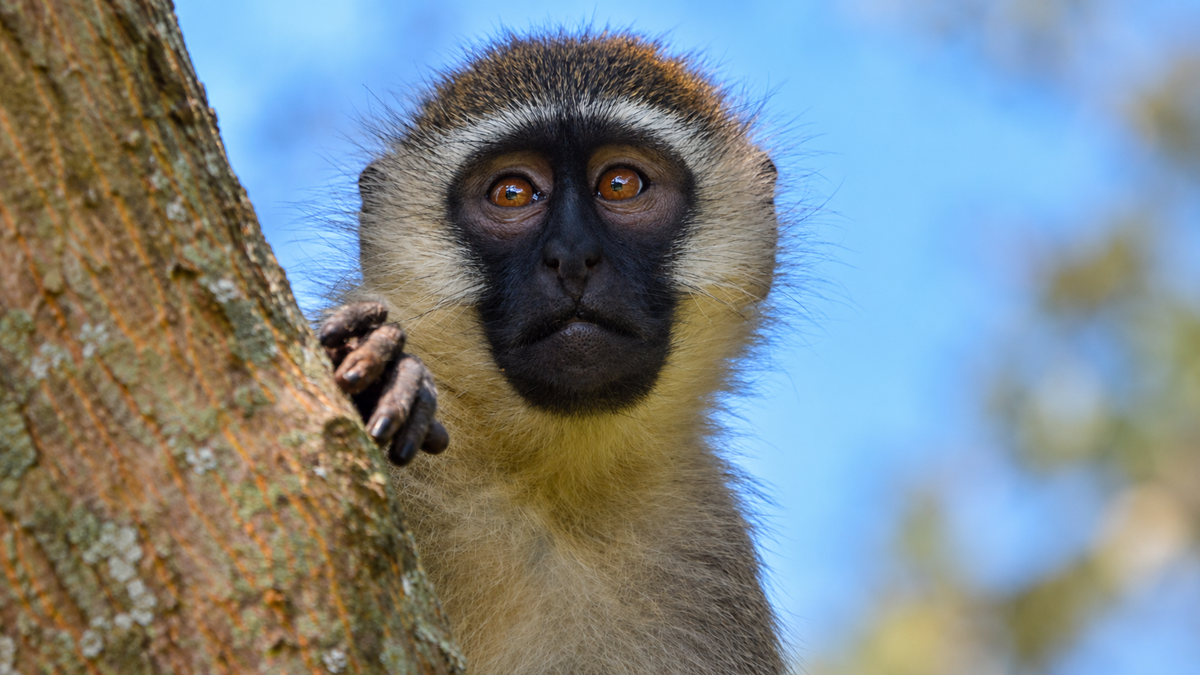
Classic field experiments with vervet monkeys showed why simply calling everything an alarm cry can be misleading. Leopard alarms send monkeys toward trees, eagle alarms make them look upward, and snake alarms prompt them to inspect the ground. The reactions still occurred when recorded calls were played without a predator present. The sound itself was carrying information about what kind of danger the listener should expect.
8. Egyptian Fruit Bats Pack Information Into Their Arguments

A noisy bat colony might sound like thousands of interchangeable squeaks, especially to human ears. Researchers recording Egyptian fruit bats around the clock analyzed roughly 15,000 social vocalizations and found clues about who was calling, who was being addressed, what the disagreement was about, and even aspects of the likely response. Bats altered their calls during disputes over food, sleeping positions, mating attempts, and other everyday interactions. Much of their vocal life turned out to resemble directed social chatter rather than indiscriminate noise.
Sign up for our newsletter
9. Chimpanzees Recombine Calls Into Hundreds of Sequences
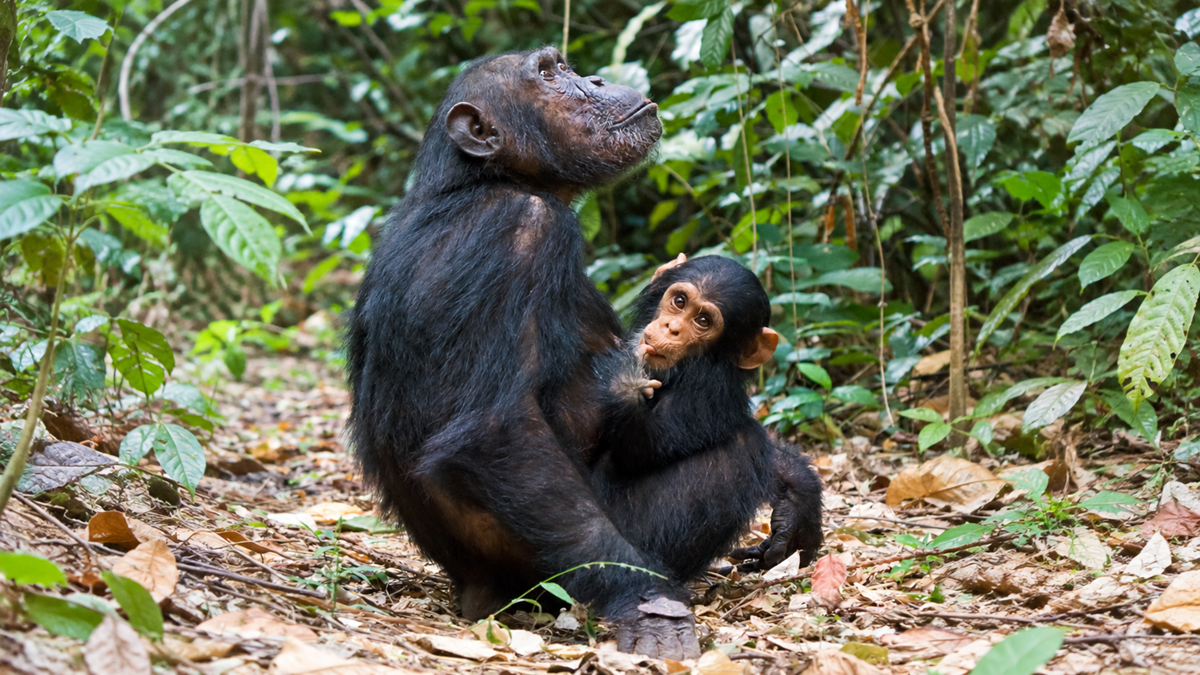
When researchers examined thousands of recordings from wild chimpanzees in Taï National Park, individual calls were only part of the story. The animals combined their vocal repertoire into hundreds of distinct sequences, with certain calls repeatedly appearing beside particular others and in preferred positions. In one large analysis, 46 chimpanzees produced 390 unique sequences. Scientists are still working out exactly how much meaning those combinations carry, but the system is far less rigid than isolated grunts and hoots suggest.
10. Meerkat Alarms Encode Both Predator and Urgency

A meerkat does not necessarily use the same warning simply because two predators are equally frightening. Its alarm calls contain information associated with the kind of threat as well as how urgent the situation is. That can help listeners decide whether to scan the horizon, retreat, or react immediately. Two layers of information can therefore be packed into what sounds like a very short call.
11. Honeybees Give Directions Through Dance

The honeybee waggle dance remains one of the clearest examples of information being encoded outside ordinary vocal communication. A forager returning to the hive performs movements whose angle relates to the direction of a food source relative to the sun, while features of the waggle run convey distance. Other bees can use that information to leave the hive and search in the indicated area. The dancer even has to compensate for the sun changing position as time passes.
12. Humpback Whales Spread Songs Between Populations

Humpback whale songs are not fixed instinctive recordings. Male whales arrange sound units into phrases, phrases into themes, and themes into long repeating songs that change as other whales copy new versions. In the South Pacific, entire song types have spread eastward between populations, sometimes replacing the previous song with surprising speed. Detailed comparisons have shown that whales can preserve complicated song structures with remarkable accuracy as the material travels from one population to another.
13. Common Marmosets Appear to Use Individual Vocal Labels
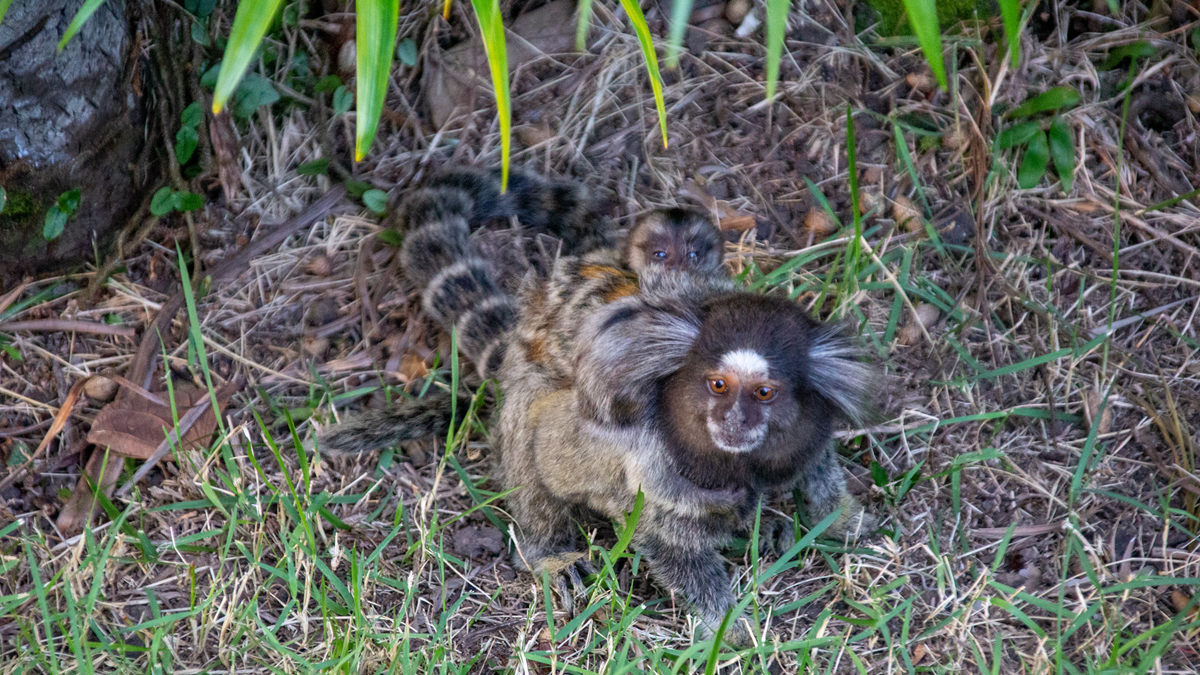
Marmosets are constantly calling back and forth, but recent experiments suggest some of those exchanges are unusually personal. Researchers studying their long-distance “phee” calls found patterns indicating that monkeys use distinct vocalizations for particular group members and recognize calls directed specifically toward them. Different members of the same family can also share aspects of how they address one another. That combination hints at a communication system shaped not just by instinct, but by social learning inside the group.
14. Putty-Nosed Monkeys Change Meaning Through Call Sequences
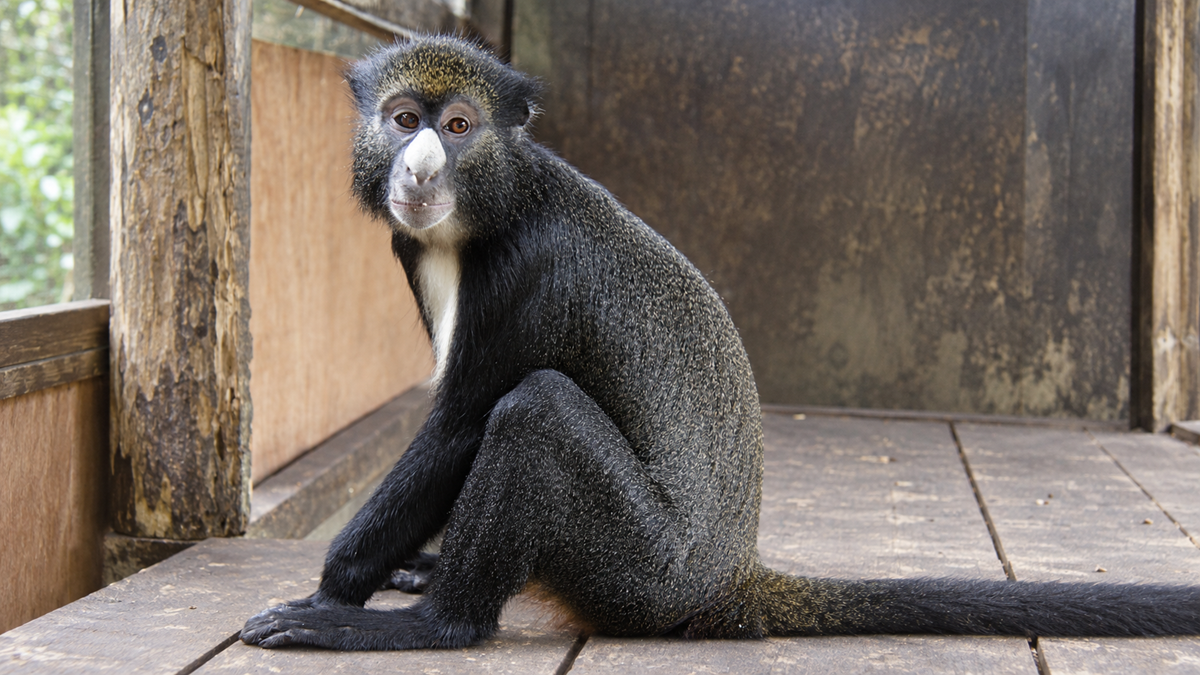
Putty-nosed monkeys use alarm calls often transcribed as “pyow” and “hack,” but researchers noticed that particular sequences were associated with something different from either call used alone. Males sometimes produce a stereotyped series of pyows followed by hacks before the group begins moving. Playback experiments found that these sequences could trigger group travel even without the original event that caused the calls. Meaning, in this case, appears to depend partly on how separate vocal elements are arranged together.
15. Birds Can Understand Calls From Other Species

Communication does not always stop at the species boundary. Birds living in mixed communities often learn the alarm calls of neighboring species, allowing information about predators to spread through an entire woodland. Some species distinguish between different foreign calls and alter their behavior accordingly rather than reacting to every sound as generic panic. An animal communication network can therefore include listeners that never evolved the signal themselves.
In the mood for more?
Check out 15 Animals That Could Soon Disappear Forever, or take a look at 15 Animals Thought Extinct Until They Turned Up Alive. If you want to see more unusual animal behavior, you can check out 15 Animals With Social Lives More Complicated Than Most Humans.