
Some pieces of advice get repeated so often that everyone simply stops questioning whether they actually work. From strict household habits to unquestioned health recommendations, familiar rules can easily survive long after scientific research firmly challenges them.
Surprisingly, some of the most widely accepted tips are completely unnecessary, while others can quietly waste money, create brand-new risks, or produce the exact opposite of their intended results. These 14 examples reveal what the evidence actually says and why the familiar advice you grew up hearing isn’t always the best.
1. “Everyone needs to drink eight glasses of water a day”

The famous eight-glass rule certainly sounds like a rigorous medical standard, but a massive scientific review published in 2002 found absolutely no compelling evidence supporting that exact amount for every single person. Actual hydration needs vary wildly depending on physical activity, local climate, diet, and individual health. Furthermore, daily beverages and water-rich foods actively contribute to your total intake. Drinking eight glasses isn’t necessarily harmful, but treating it as a universal daily requirement completely overlooks how differently people’s bodies function.
2. “Walking less than 10,000 steps a day isn’t enough”
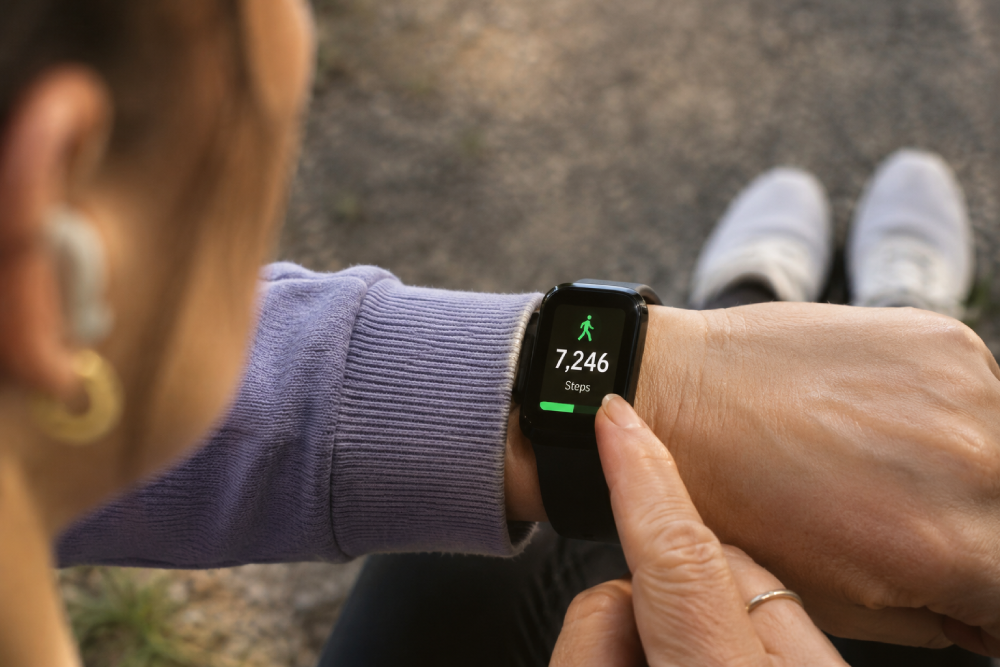
The highly popular 10,000-step target isn’t a magical threshold separating healthy people from unhealthy ones. Extensive research summarized in a 2026 American College of Cardiology scientific statement found highly meaningful cardiovascular benefits at substantially lower daily step counts. Around 7,000 steps represents a highly practical, healthy target for many adults. Someone actively walking 5,000 or 6,000 steps isn’t wasting their physical effort simply because their fitness tracker hasn’t officially reached five digits.
3. “Get a base tan before going on vacation”

Many people incorrectly believe getting a little color before a major beach vacation will naturally protect them from a serious, painful sunburn. Unfortunately, the FDA clearly explains that a tan is itself a direct sign of UV-related skin damage, and the extra pigmentation typically provides protection equivalent to only about SPF 2 to 4. A base tan offers far less actual protection than recommended sunscreen and certainly doesn’t eliminate the severe risks associated with ultraviolet exposure.
4. “Throw away food as soon as the date on the package passes”

Plenty of perfectly usable groceries end up rotting in the trash because consumers assume every printed date indicates a strict safety deadline. The FDA explains that most food date labels strictly concern optimal quality rather than immediate safety, with infant formula serving as a rare, important regulatory exception. The agency has estimated that consumer confusion over date labeling surprisingly accounts for about 20% of all consumer food waste, making this simple misunderstanding incredibly expensive. Proper storage, obvious signs of spoilage, and food-specific safety guidance still matter most.
5. “Wash raw chicken before cooking it”

Rinsing raw chicken under the kitchen faucet might genuinely seem like a sensible way to quickly remove surface bacteria, especially for anyone who grew up watching family members do it before dinner. The USDA strongly advises against the practice because splashing water can easily spread harmful bacteria directly onto clean countertops, utensils, and nearby ready-to-eat foods. Cooking the poultry thoroughly to a safe internal temperature is what actually destroys dangerous bacteria, not rinsing the meat beforehand.
Trending on The Scroller


6. “Antibacterial soap is always better than regular soap”
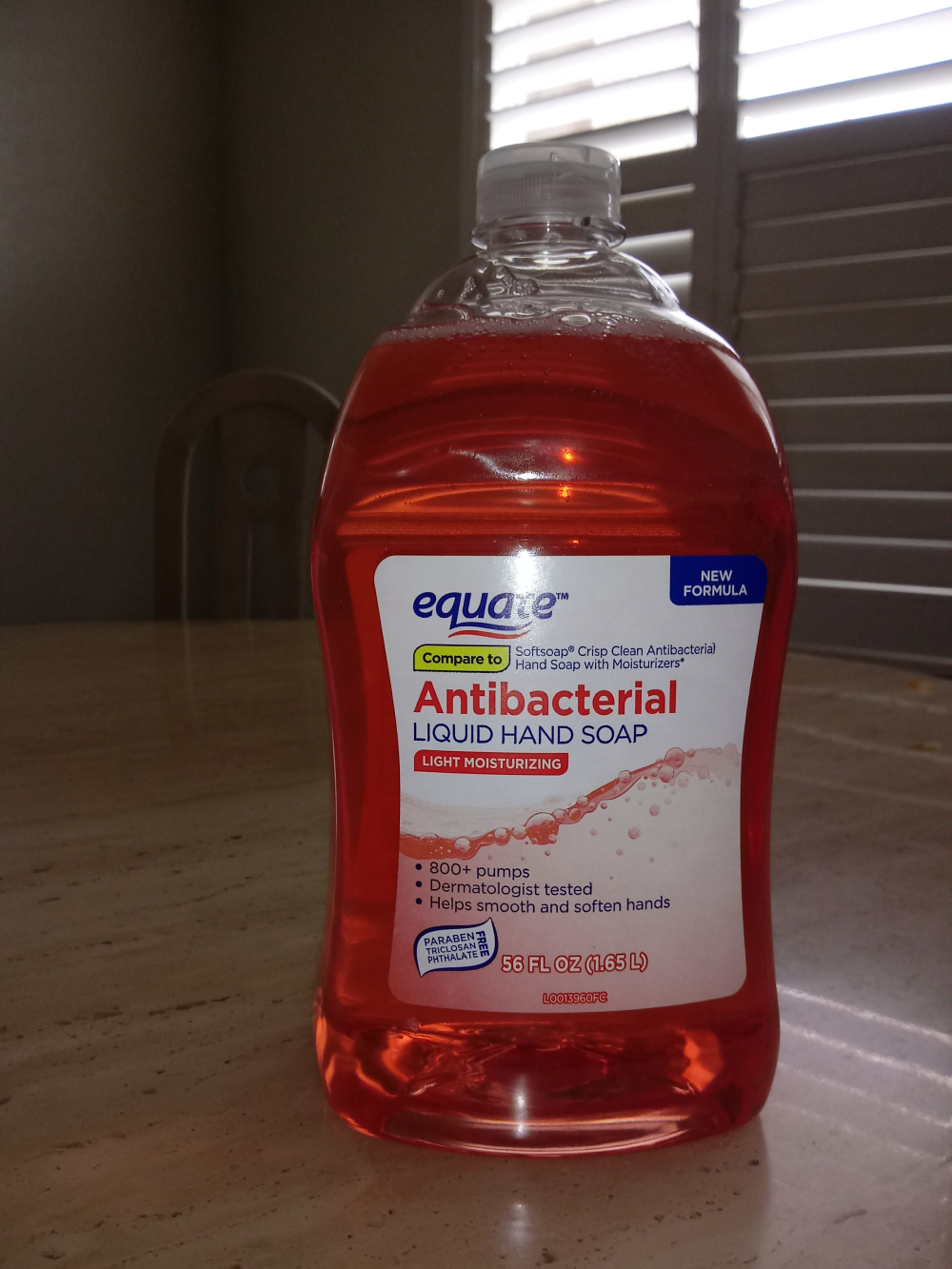
The strong word “antibacterial” makes a product sound much more protective, but that definitely doesn’t mean it’s better for everyday handwashing. The CDC reports that major studies have not demonstrated any additional health benefits from consumer antibacterial soaps compared directly with plain soap and warm water. In 2016, the FDA formally prohibited certain antibacterial ingredients in over-the-counter wash products after manufacturers failed to establish their added effectiveness and long-term safety.
7. “Carry a small credit card balance to build credit”

One highly persistent financial myth suggests that carefully carrying a balance from month to month actively proves you’re a responsible, active borrower. The Consumer Financial Protection Bureau clearly states there is absolutely no need to carry debt to establish or maintain a good credit score, and paying your balance in full every month can help you completely avoid expensive interest charges. Credit utilization and payment history matter deeply, but paying interest unnecessarily isn’t a secret shortcut to better credit.
8. “Warm up your car for several minutes before driving”

Drivers who grew up strictly with older vehicles may clearly remember being told to leave the cold engine running in the driveway before pulling out on a winter morning. The U.S. Department of Energy explains that modern, fuel-injected vehicles generally warm up much faster through gentle driving than through extended idling. Many modern manufacturers officially recommend driving off after roughly 30 seconds. Long warm-ups waste expensive fuel and create unnecessary emissions, although drivers should always follow their specific vehicle’s instructions and ensure their windows are completely clear before moving.
Sign up for our newsletter
9. “Reading in dim light will ruin your eyes”

Generations of children have been sternly warned that reading under the covers with a cheap flashlight could permanently damage their delicate eyesight. According to the American Academy of Ophthalmology, dim lighting can cause temporary eye strain and fatigue, but it doesn’t physically damage the eyes in any lasting way. Better, brighter lighting definitely makes reading more comfortable, but the old parental warning massively exaggerates the actual medical consequences of a familiar bedtime habit.
10. “Let your anger out by punching something”

Hitting a heavy punching bag or aggressively venting frustration might briefly feel deeply satisfying, but psychological research suggests it isn’t a particularly effective way to manage real anger. A major 2024 meta-analysis examining 154 studies and more than 10,000 participants found that gentle activities reducing physiological arousal, such as deep breathing and relaxation, consistently lowered anger and physical aggression. Aggressive activities that increased arousal did not produce an overall benefit, directly challenging the highly familiar idea that anger desperately needs to be physically released.
11. “Take a multivitamin every day to prevent disease”
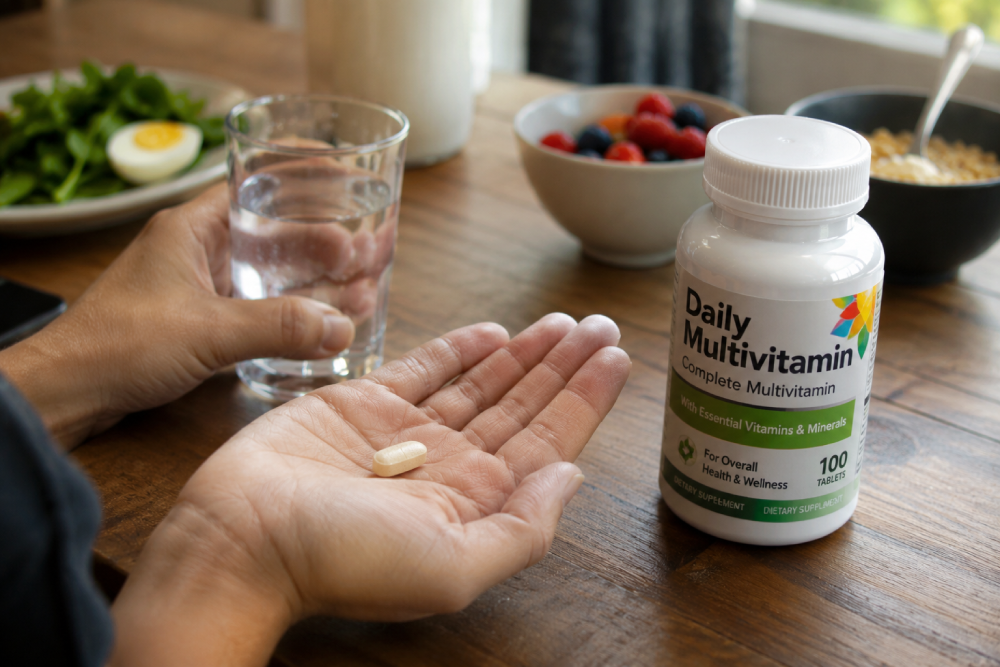
A daily multivitamin is very often marketed as an incredibly easy insurance policy against vague future health problems. However, the U.S. Preventive Services Task Force firmly concluded that clinical evidence remains insufficient to determine whether multivitamins actually prevent cardiovascular disease or cancer in generally healthy, nonpregnant adults. Medical supplements can still be critically important for specific diagnosed deficiencies or targeted medical needs, but taking a pill every single morning isn’t a proven substitute for a balanced daily diet or preventive healthcare.
12. “Always buy the extended warranty”

Major retailers frequently suggest that quickly spending a little extra on protection is the responsible choice when purchasing sensitive electronics, appliances, or highly expensive equipment. The Federal Trade Commission strongly warns that extended warranties may offer incredibly poor value when repairs are statistically unlikely or when the coverage completely overlaps with an existing, free manufacturer’s warranty. Sneaky deductibles, hidden exclusions, and sudden service fees can also make a seemingly reassuring purchase much less useful than expected.
13. “You can make up for lost sleep by sleeping late on weekends”

Sleeping heavily until noon on Saturday might seem like a brilliantly simple way to magically erase five busy nights of severely insufficient rest. A massive study involving 12,637 adults found that weekend catch-up sleep and long naps often failed to fully compensate for the substantial sleep debt accumulated deeply during the busy week. Extra sleep can definitely help recover some lost rest, but consistently adequate nightly sleep is a much more reliable biological approach than depending heavily on the weekend to furiously repair a chronically short sleep schedule.
14. “Take antibiotics whenever a cold gets really bad”

When a stubborn, miserable cold refuses to disappear after a week, aggressively asking a doctor for antibiotics might sound like a highly practical next step. The CDC firmly explains that antibiotics literally do not work against viruses, including those directly responsible for common colds and influenza. Unnecessary, excessive antibiotic use can cause nasty side effects and heavily contribute to dangerous antimicrobial resistance. Certain severe complications involving secondary bacterial infections may occasionally require antibiotics, but the severity or duration of ordinary viral cold symptoms alone doesn’t make them medically necessary.
Explore more interesting stories:
Familiar advice can easily sound convincing simply because it has been repeated confidently for generations. Checking the actual evidence often reveals that a supposedly universal rule is completely unnecessary, hopelessly outdated, or missing an incredibly important exception. Want more interesting advice and old wives’ tales? Check out these 14 Old Wives’ Tales Everyone Believed in the 1960s or these 16 Common Household Myths From the 1950s-1980s. You may also like these 20 Myths People Still Believe Are True.