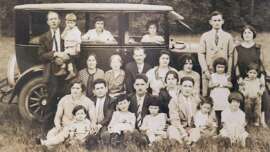
Remember when family vacations meant prim Sunday-best outfits and color-coded itineraries instead of flip-flops and free-range exploring? In the 1930s, setting off on a getaway came with its own set of rigid vacation rules, from never letting your collar wrinkle en route to rationing ice cream by strict measure.
Buckle up for 15 outdated vacation customs that dotted family road trips and seaside escapes nearly a century ago.
1. All Aboard at Dawn

To maximize daylight, families rose with the roosters and departing by 5 AM sharp. Any dawdler risked eating dust clouds in the Model A’s rearview. Morning chills and bleary eyes were preferable to missing a single postcard-perfect moment.
2. Sunday Dress Code All Week

Shirts had to stay starched and dresses crisply hemmed every day of vacation, not just Sundays. Children dreaded road-dust dances on boardwalks: a single smudge meant grabbing the safety pins and emergency sewing kit.
3. Picnic Etiquette: Tablecloth Only
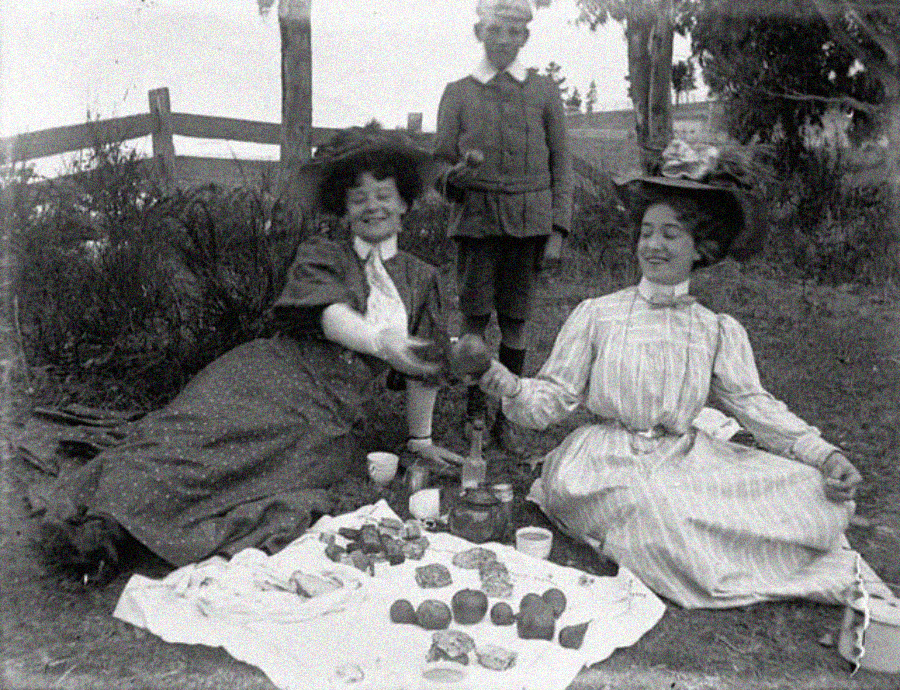
No bare grass picnics allowed. Families unfolded linen tablecloths (often starched at home) on the sand or under pines. Any crumb on the fabric demanded a discreet brush-off and stern parental glare.
4. Gas-Station Stop Only at Approved Vendors

Brand loyalty ruled the road: AAA maps listed “official” filling stations with standardized service and souvenir mugs. Stray into an unapproved pump, and Mom refused to trust the tire-pressure gauge or the attendant’s directions.
5. Daily Beach-Hat Inspections

On coastal vacations, mothers drilled daughters on perfect straw-hat angles; tilts of more than 15 degrees earned corrective tucks and whispered stern lectures before approving sandcastles.
Trending on The Scroller

6. Mandatory Afternoon Siesta
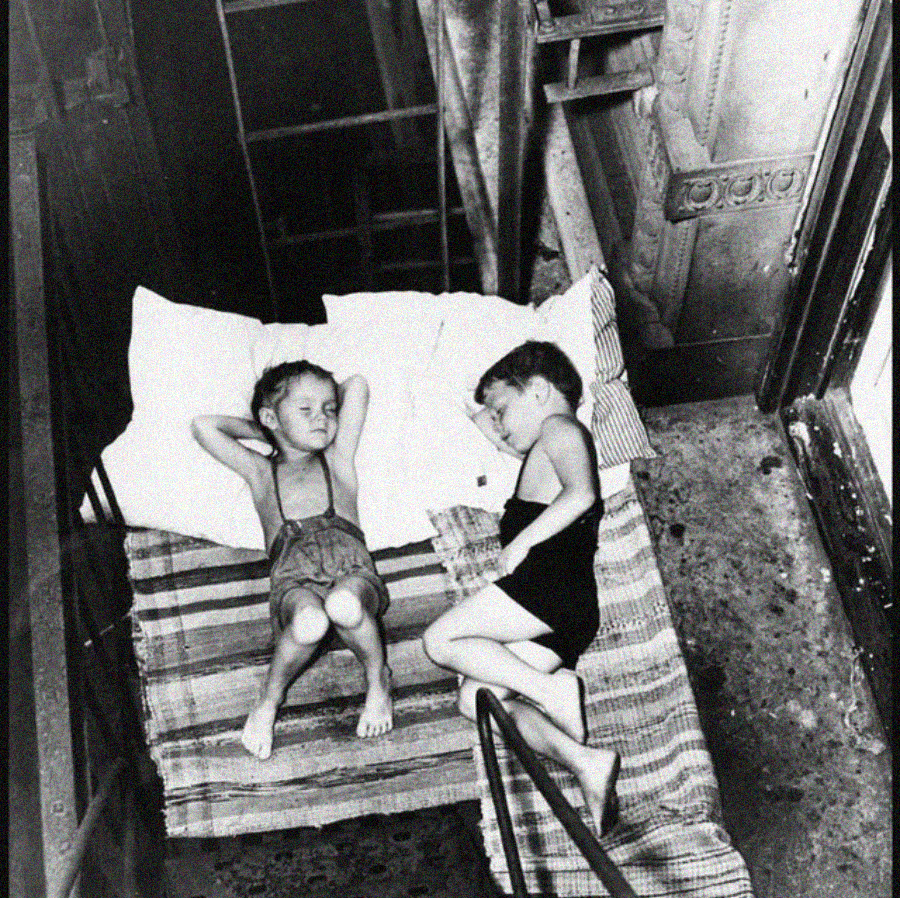
Post-lunch naps were carved into the schedule, even at crowded resorts. Napping under deck chairs in full view of other guests was considered polite, proof you appreciated the family’s hard-earned trailer rental.
7. Ice Cream Ration Cards

Vendors handed out punch-card coupons limiting each child to two scoops per day. Parents believed strict measures taught discipline, though bribery attempts with extra pokes at the puncher were legendary.
8. Strict Fishing-License Sharing
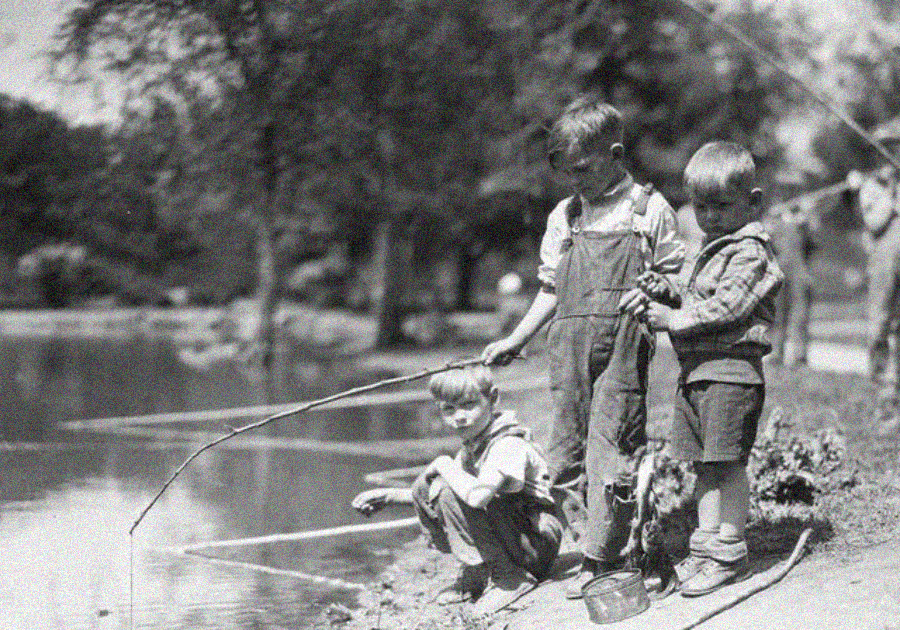
On lake vacations, one fishing license per family meant brothers took shifts at the pier. Reel-time was rationed while siblings plotted covert net-borrowing schemes.
Sign up for our newsletter
9. Cigarette Smoke Ban for Kids

While parents indulged in smokes at every rest stop, children were kept miles away from drifting clouds, an early nod to “air quality control”, though mothers often dropped ashes at kids’ feet to test obedience.
10. Photo-Finish Picnic Dress-Down

For the “family portrait moment”, everyone switched back into their Sunday best -complete with corsages and bow ties- so the Kodachrome shot looked like a magazine spread instead of a muddy campsite.
11. No Shorts at Dinner

Even on the hottest boardwalk strip, shorts were strictly a daytime-only affair. Once the sun dipped, kids and adults alike fastened trousers or “proper” skirts for the canned-ham buffet line.
12. Children Were Not Allowed in Restaurants
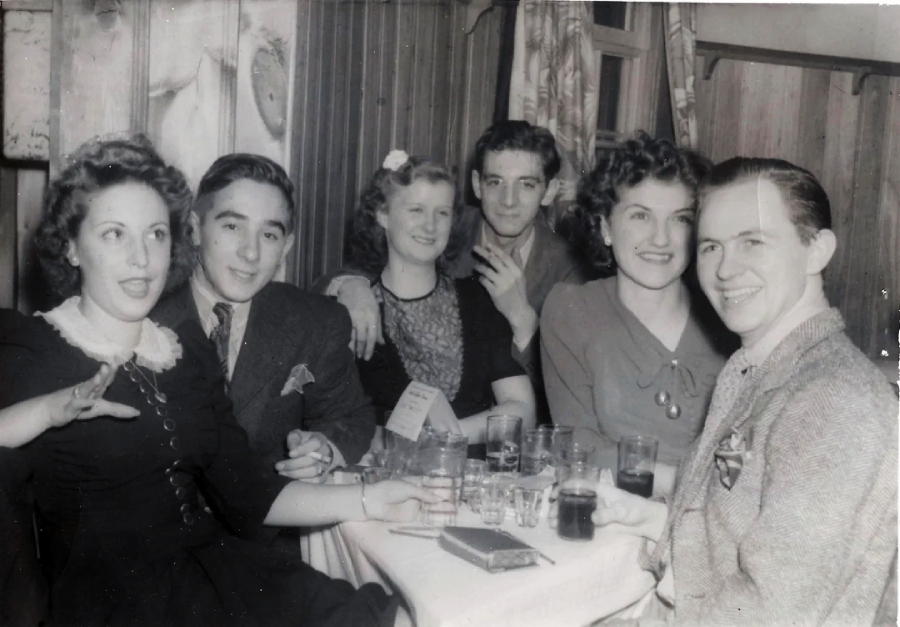
In the 1930s, many eateries enforced a strict no-children policy to preserve an “adult” atmosphere, forcing families to dine at home or hunt down rare kid-friendly cafés. Parents navigated glowing neon “Adults Only” signs, trading convenience for a quiet meal, or foregoing restaurant outings altogether.
13. Travel Was Restricted to Nearby Destinations
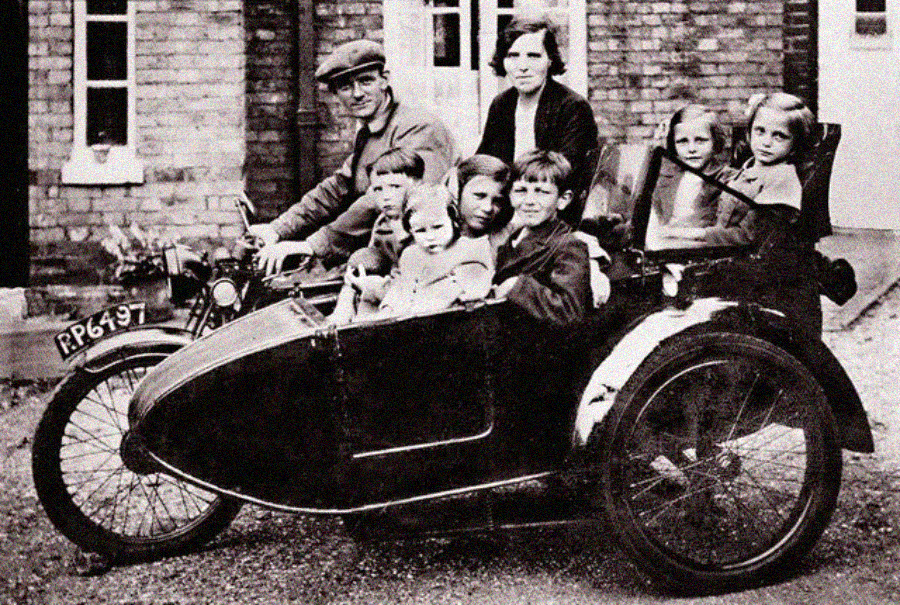
Long road trips or train journeys were considered a luxury few could afford, so most families stuck to attractions within a day’s drive of home. Weekend getaways meant local lakesides, state parks, or small towns, even a short rail trip counted as an adventure. While it limited exotic exploration, it fostered deep appreciation for local landmarks and a stronger sense of community pride.
14. Swimming Was Forbidden Before Lunch

A widespread belief held that diving into cool water on an empty stomach could cause cramps or illness, so kids waited until after the midday meal to hit the beach or pool. Mornings were filled with planned activities before the “swim-once-fed” rule lifted at 1 PM sharp. This regimented schedule made vacations feel more structured and less spontaneous than today’s free-for-all splash sessions.
15. Cities Were Avoided on Vacation
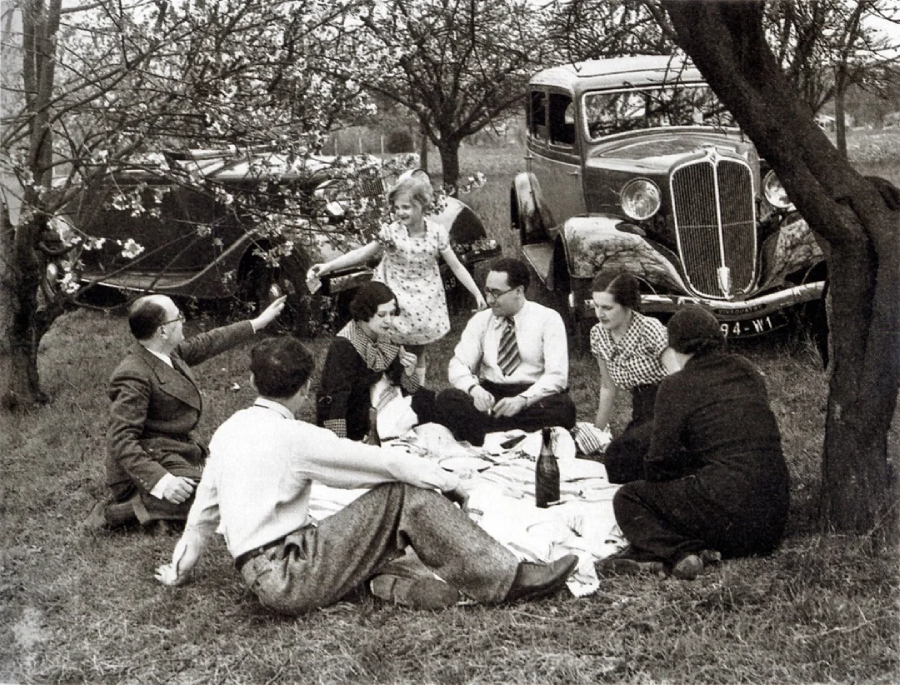
Urban centers were deemed too hectic and industrial-smoky for restful holidays, so families chose rural retreats or seaside resorts instead. They believed fresh country air and quiet surroundings offered true relaxation, far from the clamor of streetcars and crowded sidewalks. This preference for pastoral escapes highlights a simpler era of travel, when the goal was to disconnect entirely from everyday bustle.
Explore more vintage content:
These 1930s vacation rules show that family getaways used to be as much about propriety as they were about powdery sands and winding roads. Craving more retro trip tales and throwback customs? Check out these 15 School Rules From the 1930s That Make No Sense Now, or 15 Strange Dining Etiquette Rules From the 1920s. You can also enjoy these 20 Historical Figures Who Would’ve Been Meme Legends.