In our modern, high-speed digital era, we are thoroughly accustomed to consuming major global breaking news through instant smartphone push notifications, live scrolling social media feeds, and non-stop streaming video broadcasts. We absorb massive historical turning points in real-time fragments, watching headlines rapidly update, shift, and disappear from our screens within a matter of minutes. This ephemeral way of experiencing current events keeps us moving forward constantly, but it frequently lacks a tangible, permanent sense of gravity. For nearly a century, the absolute definitive historical record of human civilization was forged in a remarkably different medium, where a single, physical ink-on-paper printing cycle had to capture the sheer weight of a global crisis in a static layout.
Stepping backward through the archival vaults of twentieth and twenty-first-century print media reveals the staggering, unparalleled psychological power of the daily broadsheet. Bounding a massive national tragedy or a world-altering geopolitical event into a bold, black headline across a morning newspaper front page created a permanent, chilling artifact of shared human trauma. These physical pages functioned as absolute chronological anchors, forcing millions of citizens to simultaneously confront a fresh, terrifying reality over their morning coffee. From the sudden outbreaks of global conflicts and shocking political assassinations to catastrophic industrial disasters and historic space exploration triumphs, these layouts still possess the raw power to freeze the blood of modern viewers. Let’s open the heavy, ink-stained cabinets of media history as we explore seventeen iconic newspaper front pages from the last one hundred years that still send immediate chills down the spine.
1. The Hindenburg disaster – May 1937
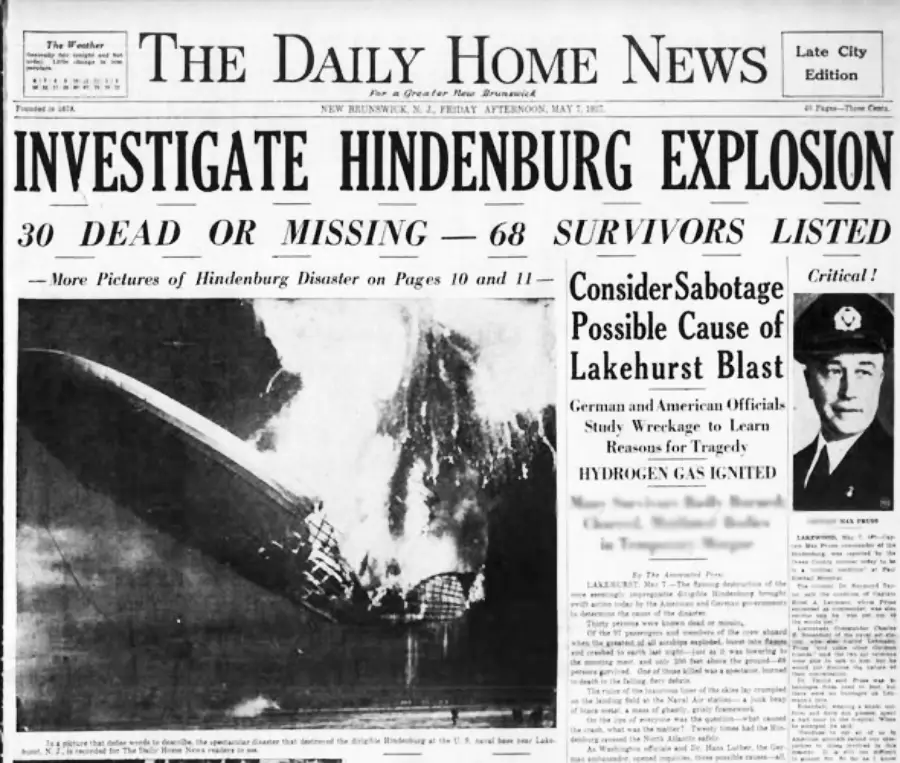
The sudden, violent destruction of the German airship LZ 129 Hindenburg over New Jersey permanently shattered the golden age of commercial zeppelin travel in a matter of seconds. The global public experienced the tragedy through an unprecedented combination of high-contrast disaster photography and a frantic, emotionally broken live radio broadcast that was later synchronized for movie theater newsreels. This rapid, multi-media coverage delivered a profound psychological shock regarding the volatile risks of early atmospheric transit. It effectively froze a definitive milestone in history, completely ending the era of luxury lighter-than-air passenger flight.
2. The attack on Pearl Harbor – December 1941
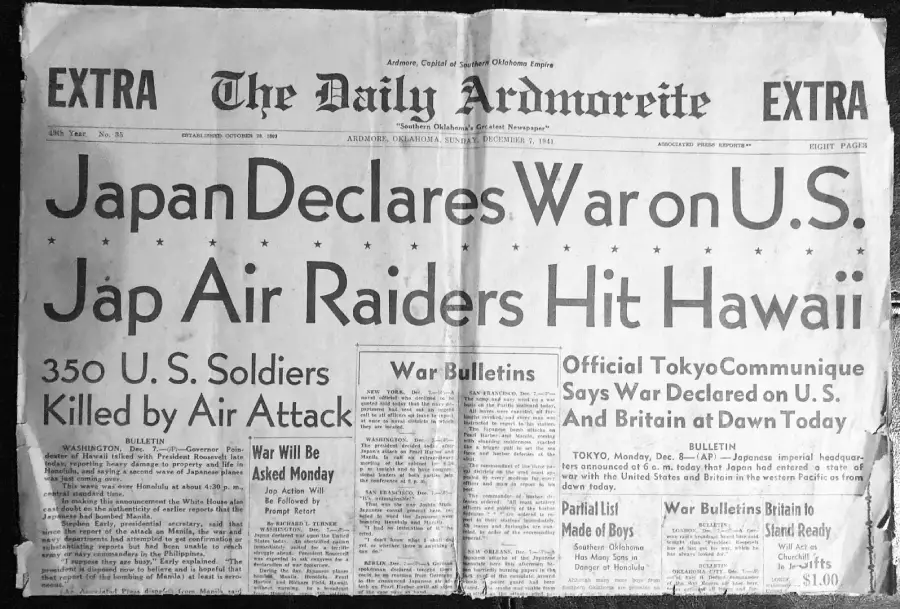
The surprise military bombardment of the United States naval base at Pearl Harbor by Imperial Japanese forces instantly plunged an entire continent into the absolute horrors of World War II. Newsrooms scrambled under heavy wartime censorship and damaged communication lines, initially printing speculative casualty estimates that inadvertently maximized widespread public panic. Editors manually altered printing plates mid-cycle as grim, verified data slowly arrived via telegraph. This chaotic publishing rush permanently documented the terrifying fraction of a second when millions of citizens realized their peacetime lives had vanished.
3. The atomic bombing of Hiroshima – August 1945
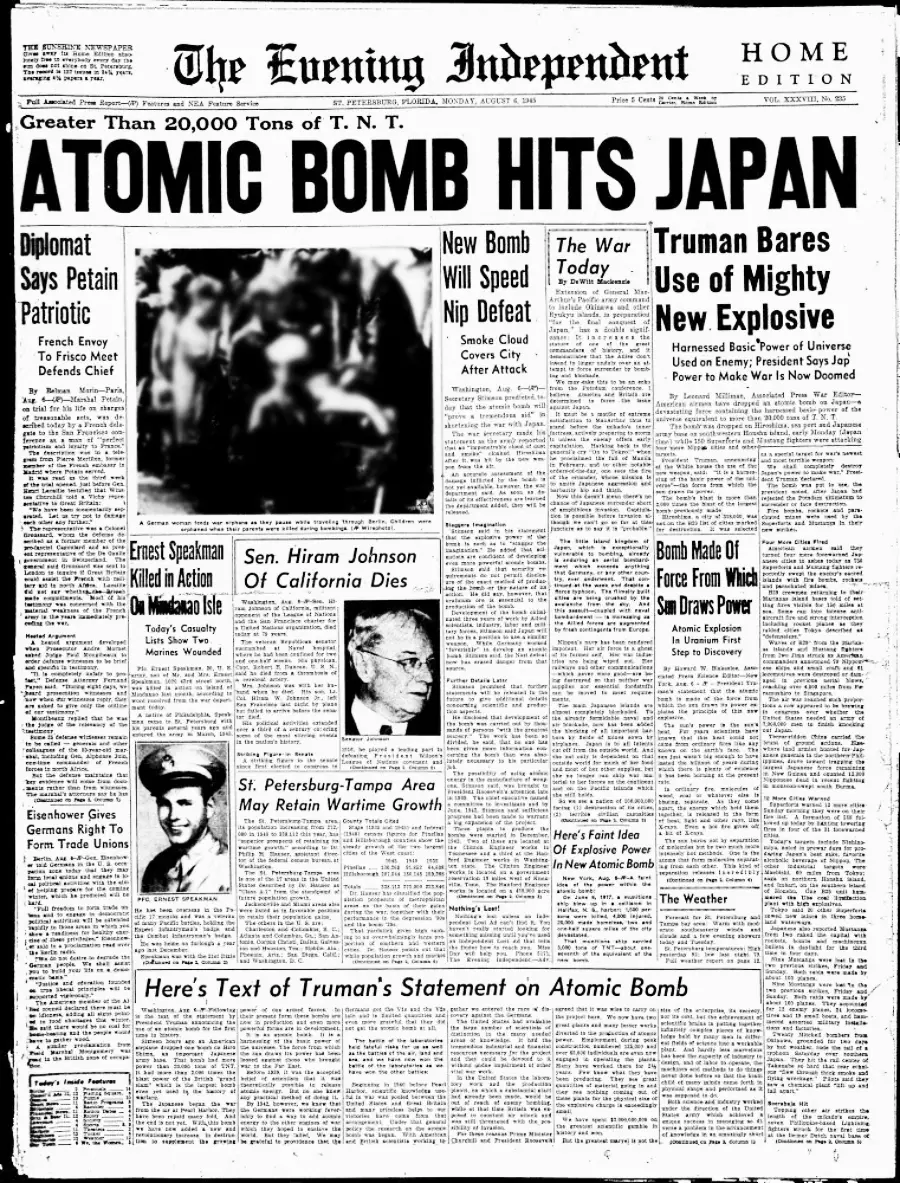
The nuclear age began with the complete vaporization of an entire Japanese city by a single aerial bomb possessing more explosive force than twenty thousand tons of traditional TNT. The unprecedented nature of the geopolitical fallout forced white House officials to carefully coordinate official press releases with major editors to maintain absolute control over the narrative. The clinical descriptions of atomic radiation were distributed alongside grainy reconnaissance photography showing a colossal, unnatural cloud blotting out the landscape. This stark media rollout marked the exact global milestone when humanity successfully engineered the means for its own total annihilation.
4. The assassination of John F. Kennedy – November 1963
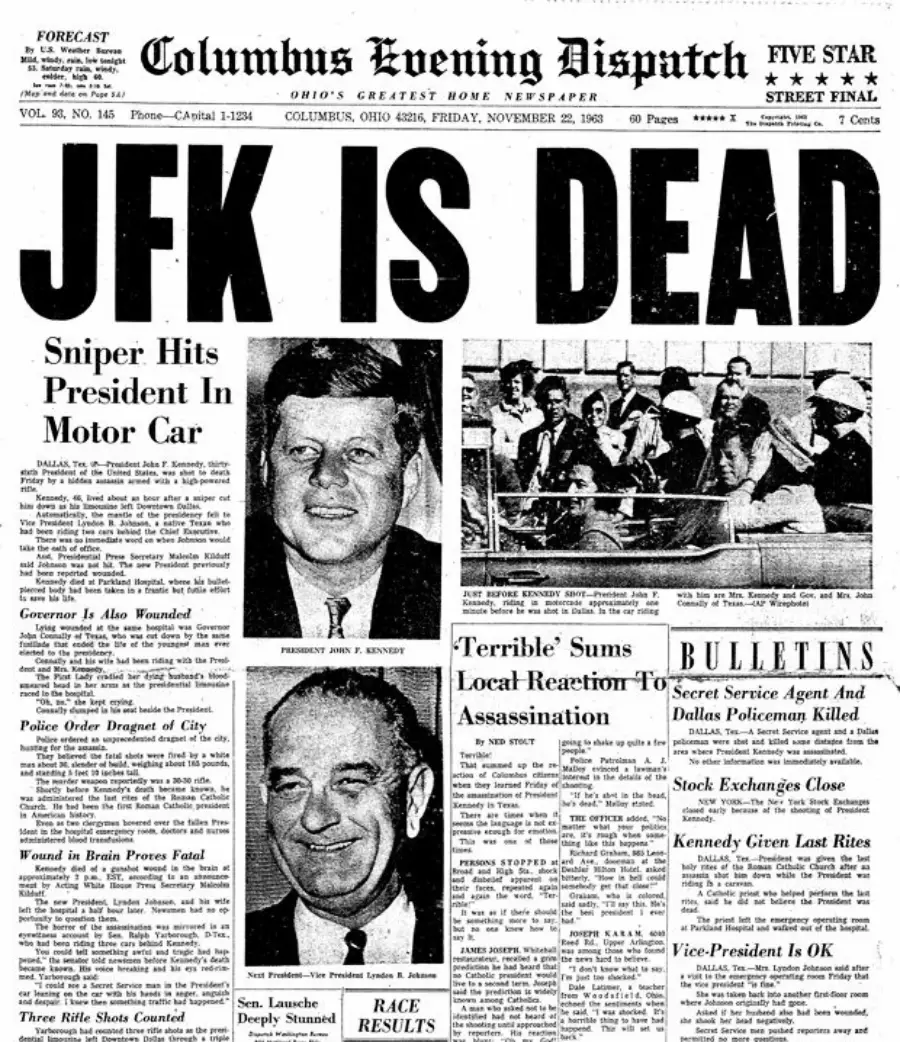
The public execution of the young president in Dealey Plaza completely paralyzed the collective psyche of the international community, triggering an unprecedented production rush across world newsrooms. Multiple major metropolitan newspapers violently halted their printing presses mid-run to manually break type plates and insert the tragic details over standard local political features. These historic editions were rushed to street corners wrapped in heavy black mourning borders, a traditional editorial symbol of national grief. The raw, unpolished nature of the early reporting perfectly captured a generation’s sudden transition from optimistic prosperity to deep political paranoia.
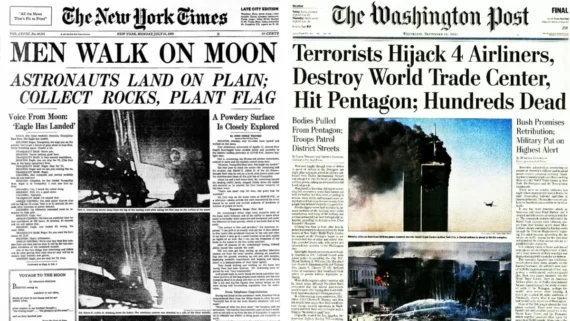
5. The Apollo 11 moon landing – July 1969
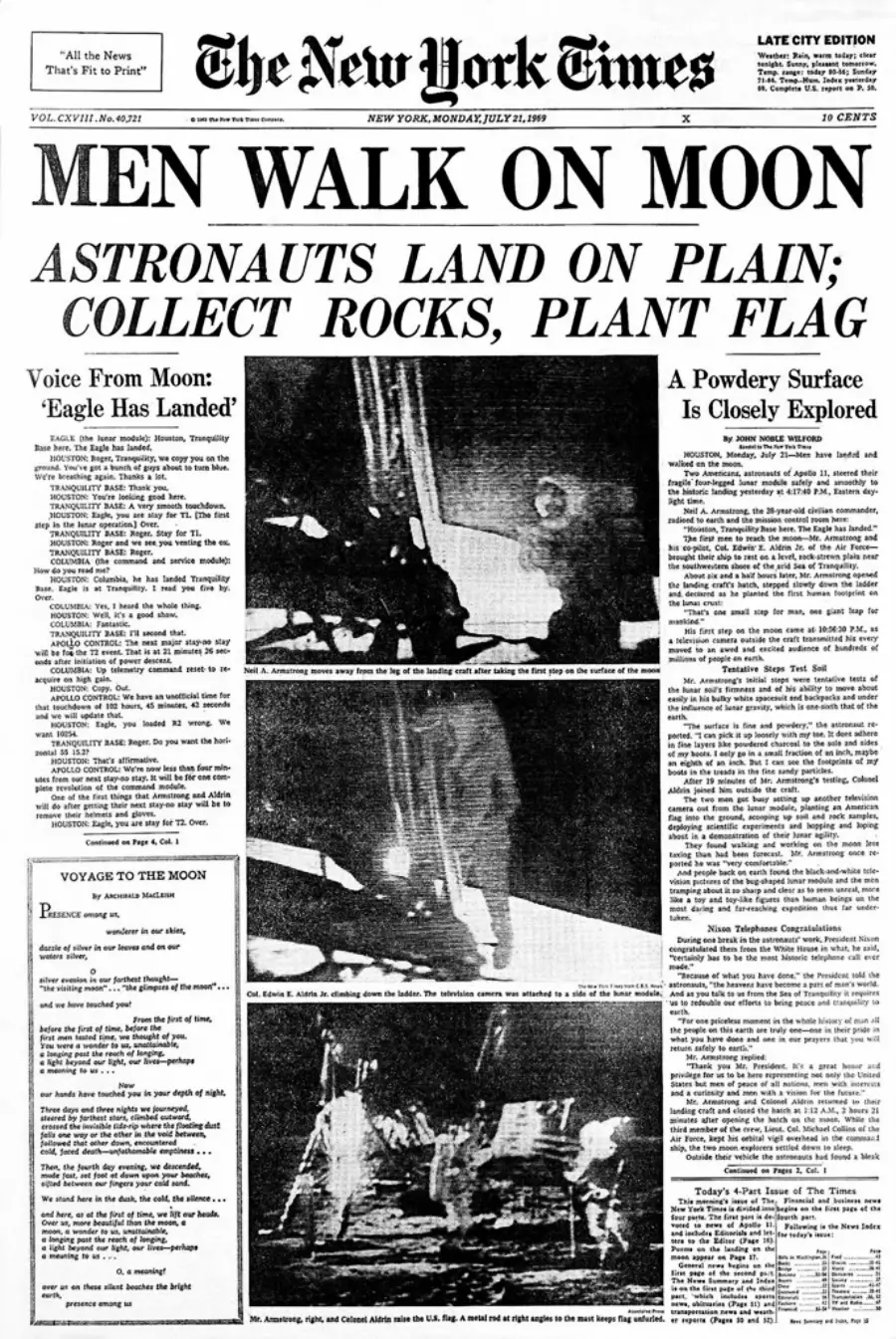
The historic triumph of the first human steps on the lunar surface united the global public in a rare moment of pure, transcendent awe. Publications across the globe abandoned traditional multi-column layouts to deploy unprecedented, massive typography normally reserved exclusively for declarations of total global war. Newsrooms had carefully prepared alternative front-page plates days in advance in case the astronauts met a fatal, stranded end on the lunar plains. This clean, celebratory ink provided a permanent visual window into the singular milestone when human civilization successfully extended itself beyond Earth.
Trending on The Scroller
6. The Kent State University shooting – May 1970
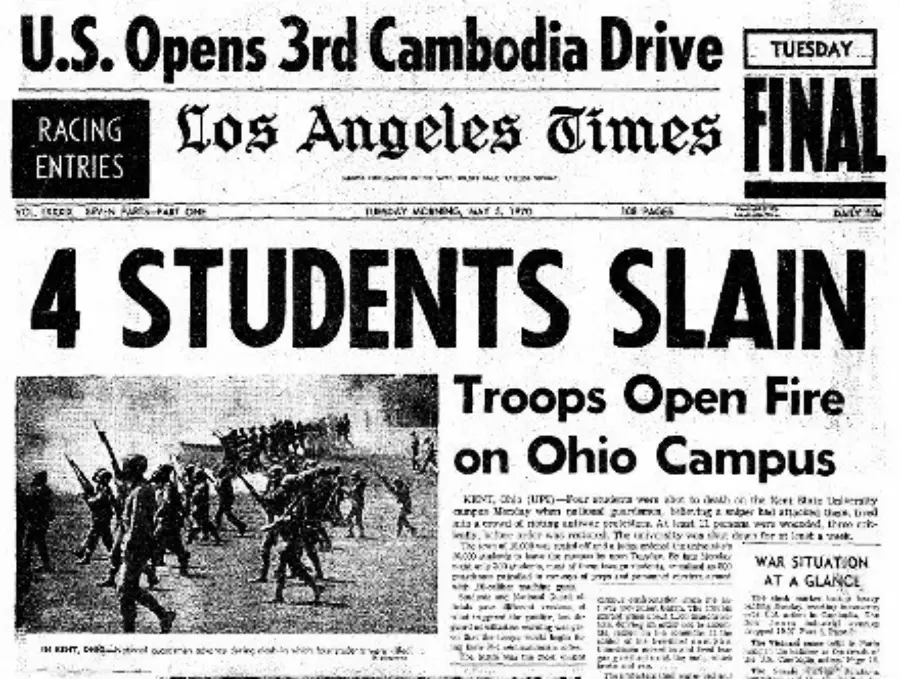
The shattering of the American domestic illusion during the height of the Vietnam War protests occurred when the Ohio National Guard opened fire onto a crowd of unarmed college students, killing four. Newspapers immortalized the tragedy by publishing a raw, Pulitzer Prize-winning photograph of a young woman screaming in agony over a lifeless body on the concrete. Multiple university-adjacent papers were forced to print their editions in secret, off-site commercial locations because local authorities threatened to seize their equipment to suppress the graphic imagery. This historical layout permanently captured a dark, bone-chilling milestone of absolute domestic political fracture.
7. The resignation of Richard Nixon – August 1974
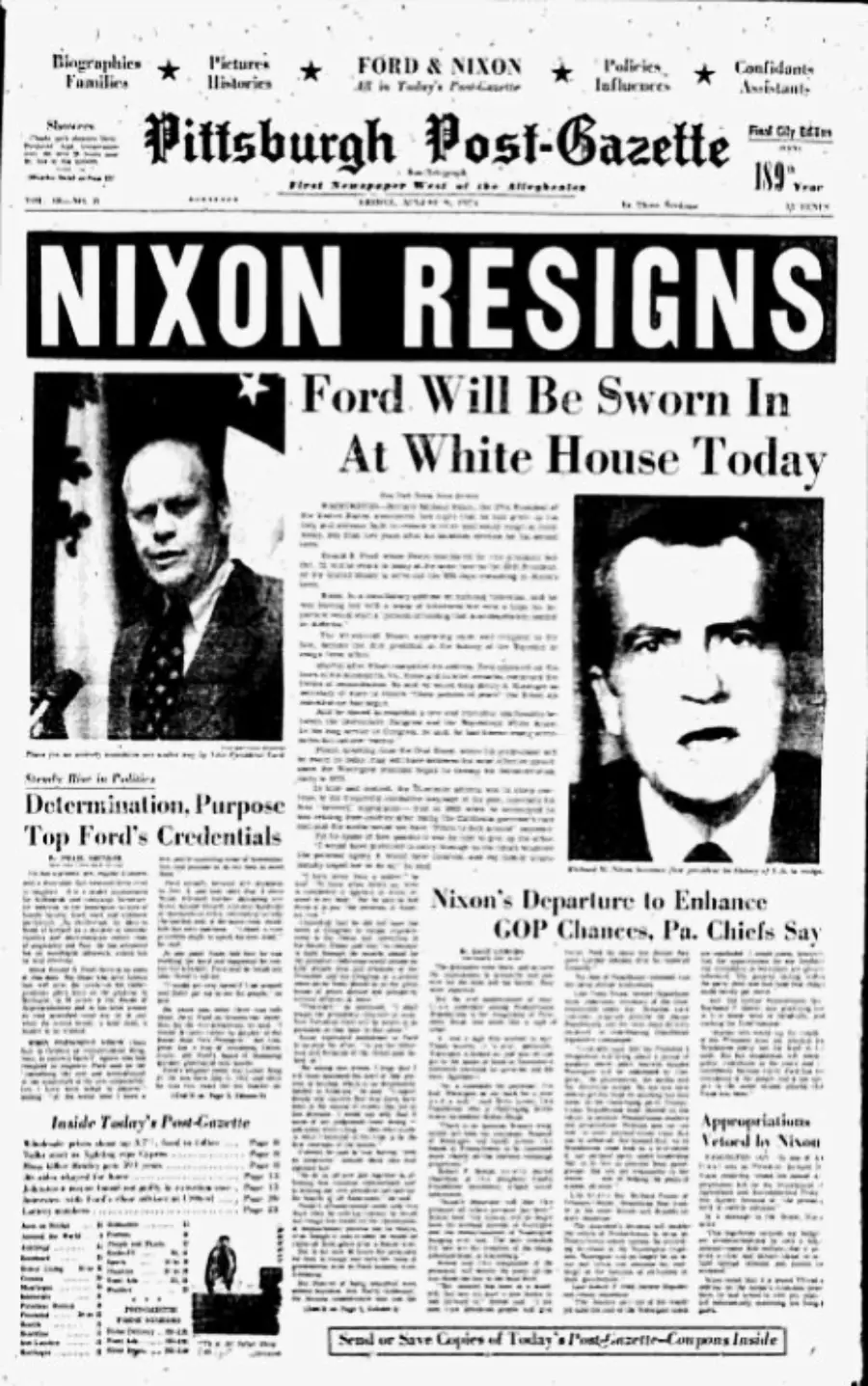
The absolute climax of the Watergate political scandal marked the first time in history that a sitting American president surrendered his office to avoid a formal impeachment trial. To reflect the immense gravity of the constitutional crisis, major publications dedicated their entire front pages exclusively to the resignation text, eliminating commercial advertisements and international news. This minimalist layout met an insatiable public demand, causing citizens to line up around urban printing facilities to secure a copy as a historic artifact. The stark print run documented the definitive structural collapse of the executive branch.
8. The death of Elvis Presley – August 1977
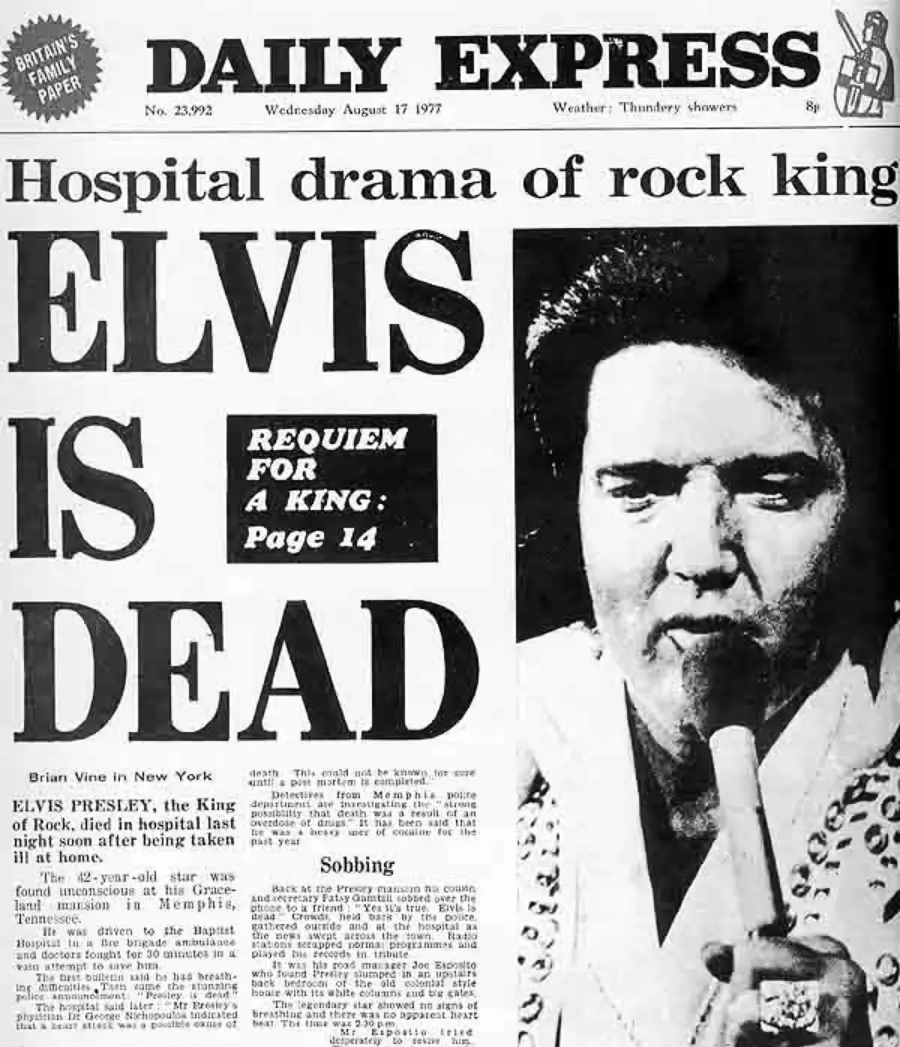
The premature passing of the King of Rock and Roll at his Graceland estate sent a massive shockwave through global pop culture, triggering an unprecedented run on local newsstands. Regional publications had to print over one hundred thousand extra copies beyond their daily capacity to manage the weeping crowds gathering directly outside the printing plant doors. The structural impact of the layouts rested on the jarring contrast between Presley’s vibrant cultural status and the clinical reality of his drug-fueled physical decline. These front pages served as an ink-stained monument marking the definitive end of the golden era of American rock music mythology.
Sign up for our newsletter
9. The Jonestown massacre – November 1978
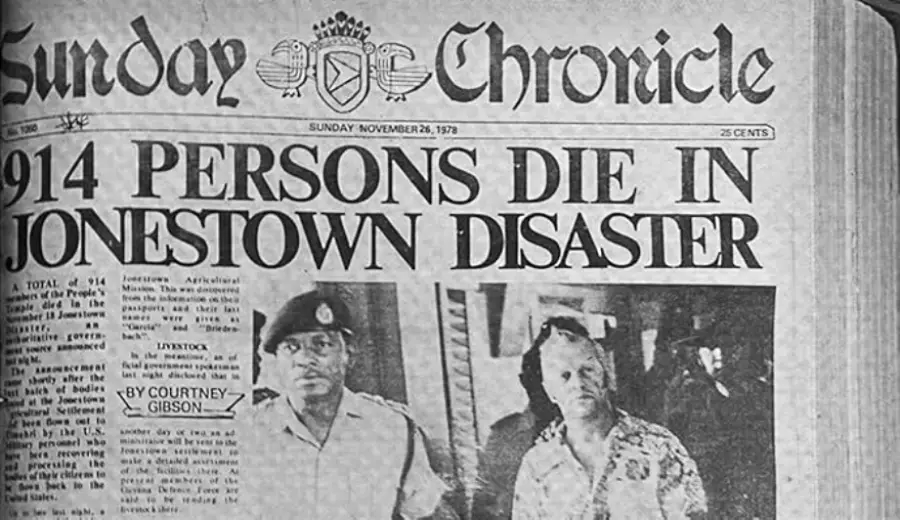
The mass suicide and murder of over nine hundred members of a fanatical agricultural cult in the remote jungle of Guyana produced some of the most disturbing front pages in media history. Because the location lacked modern communication infrastructure, print editions relied exclusively on horrifying, long-range aerial surveillance photographs showing a sprawling sea of lifeless bodies in the mud. Editors faced severe ethical debates inside their newsrooms regarding whether to publish the graphic images, with many choosing high-contrast black and white to slightly soften the horror. The resulting layouts captured a dark, chilling pinnacle of human psychological manipulation and isolation.
10. The assassination of John Lennon – December 1980
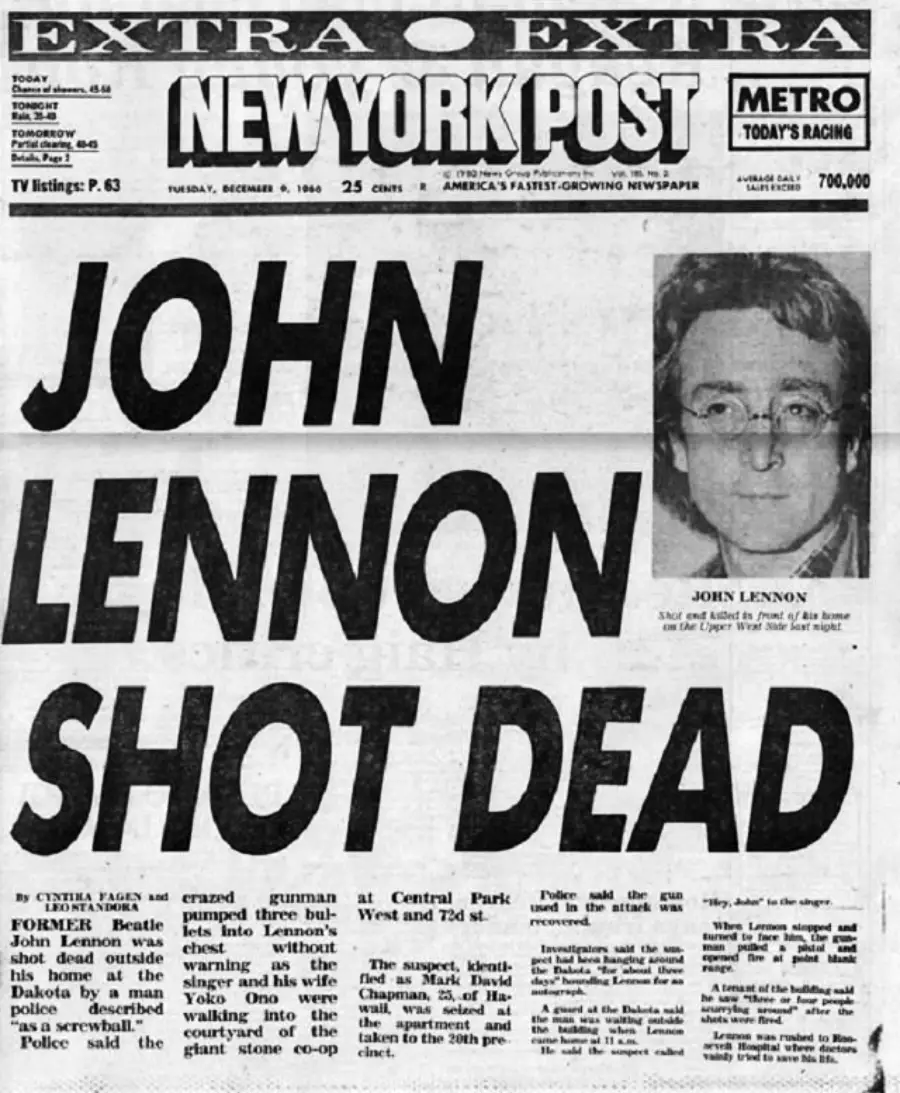
The senseless murder of the beloved Beatles co-founder outside his New York City apartment building completely devastated a generation of music fans, transforming the media landscape into a collective wake. Multiple British publications completely ran out of standard black printer ink due to the unprecedented demand for commemorative extra editions, forcing them to use dark navy blue tones instead. The profound impact of these dark, close-up portraits rested on the absolute loss of generational innocence they represented. It permanently cemented the exact moment when the peaceful ideals of the 1960s counterculture were violently cut short.
11. The Chernobyl nuclear disaster – April 1986
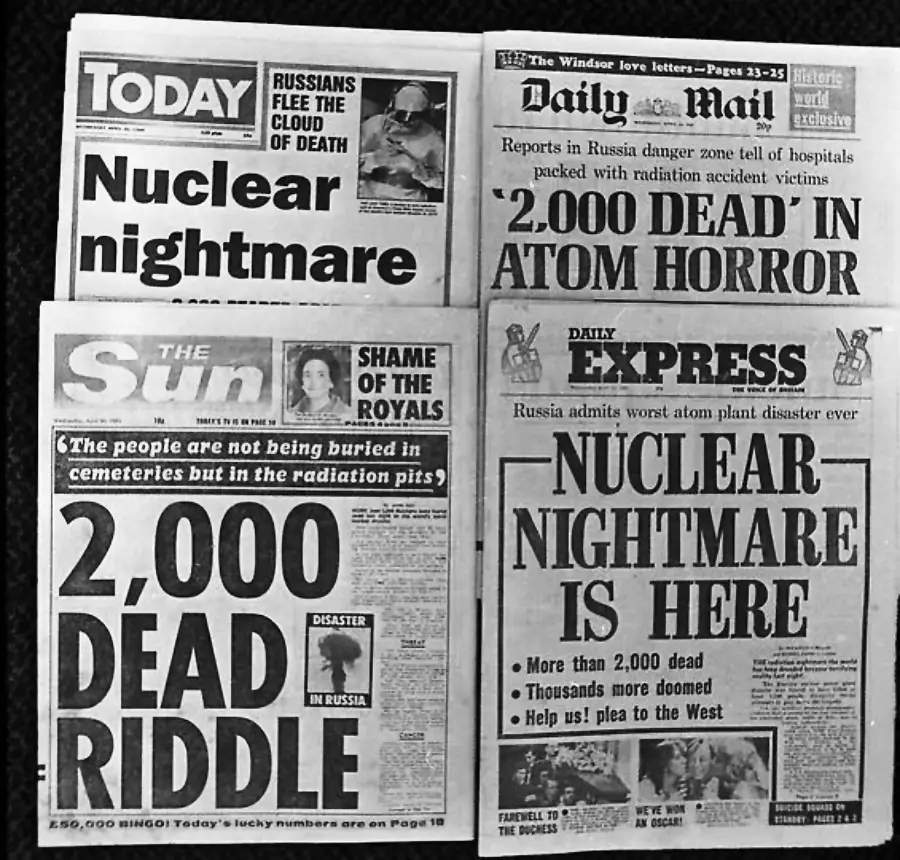
The catastrophic meltdown and explosion of the Chernobyl nuclear reactor in Soviet Ukraine produced a series of front pages defined by an eerie lack of concrete data. Due to strict state media censorship, international newsrooms were unaware of the disaster until foreign radiation sensors detected abnormal fallout blowing across Europe. Early Western front pages featured highly speculative, anxious reporting printed alongside primitive, low-resolution satellite thermal imagery of the smoking reactor core. The total absence of verified casualty numbers created a profound, chilling sense of atmospheric dread that perfectly mirrored the invisible nature of radiation.
12. The fall of the Berlin Wall – November 1989
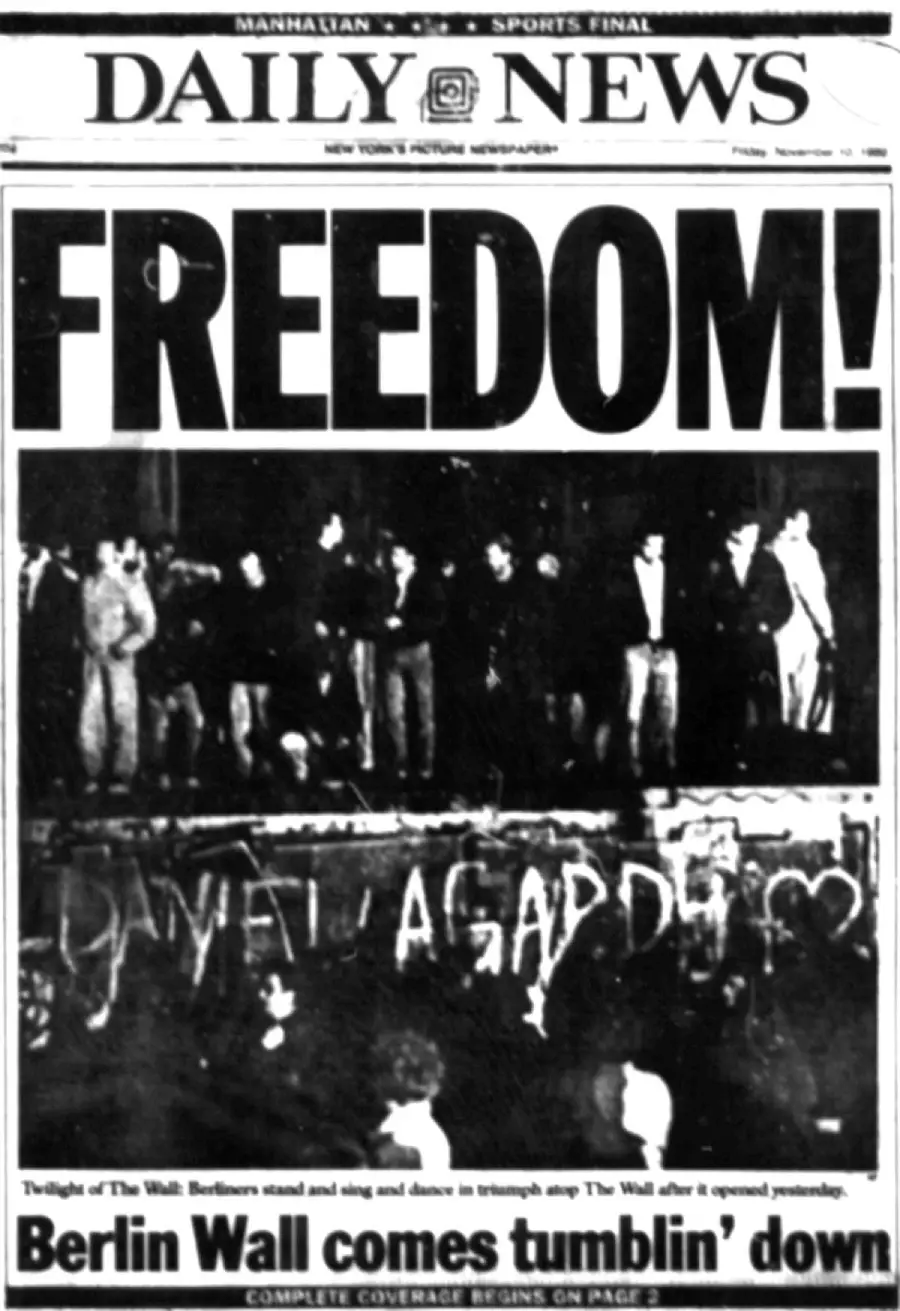
The sudden deconstruction of the concrete barrier that had physically and ideologically divided Europe for decades produced newspaper layouts filled with overwhelming historical euphoria. Print editors in Berlin operated under intense emotional duress, bypassing traditional multi-column formats to run giant, full-page photographs of citizens hammering away at the reinforced concrete. Several East German newspapers printed their morning editions completely free from state-mandated political censorship for the first time in their operational history. These historic, ink-splattered pages documented the sudden, unscripted conclusion of the dangerous Cold War era.
13. The death of Princess Diana – August 1997
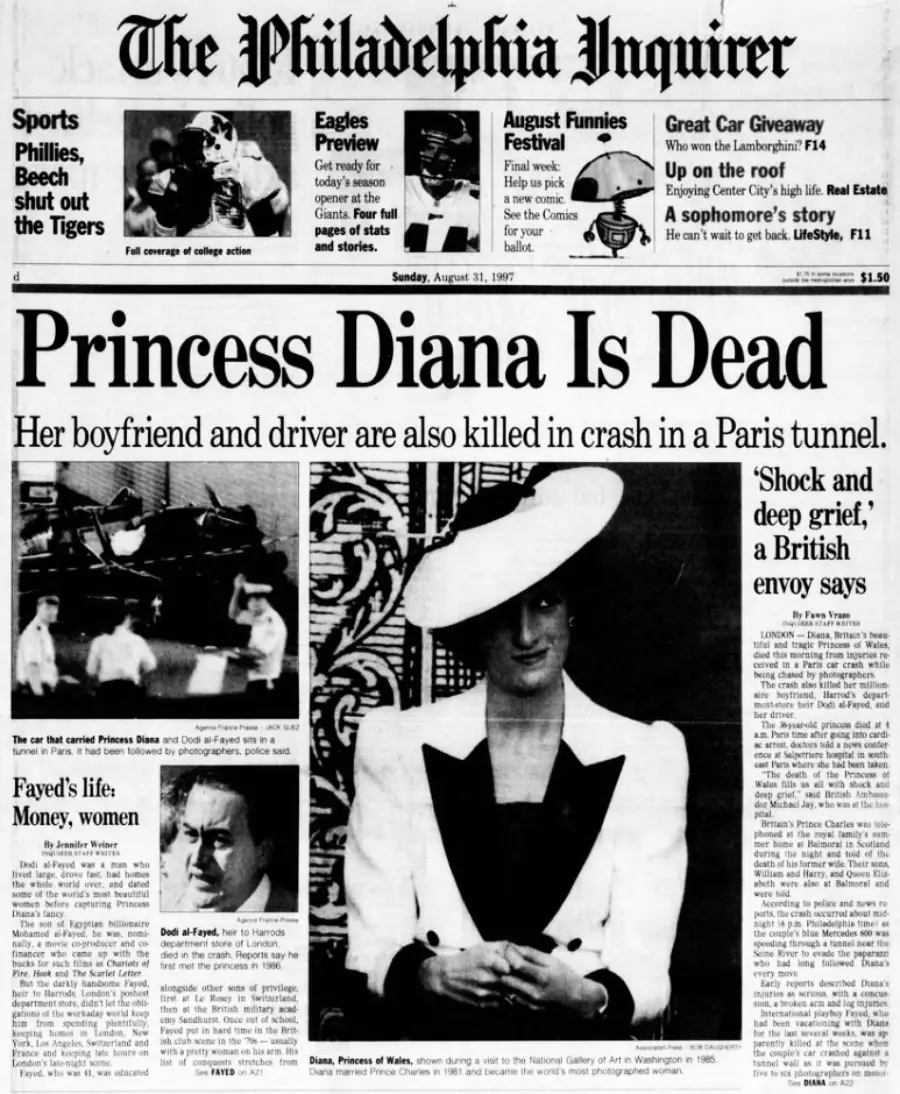
The high-speed automobile crash inside a Parisian tunnel that claimed the life of the Princess of Wales triggered one of the single largest media frenzies of the early digital era. Newsrooms executed late-night emergency revisions to push out special early editions featuring elegant portraits of Diana bordered by thick, dark mourning frames. The chilling impact of these layouts was magnified by a profound sense of irony, as the front pages directly blamed aggressive paparazzi photography while utilizing that exact media style to sell the news. Grieving citizens bought out the print runs within minutes, preserving the physical papers as a tragic historical marker.
14. The September 11 terrorist attacks – September 2001
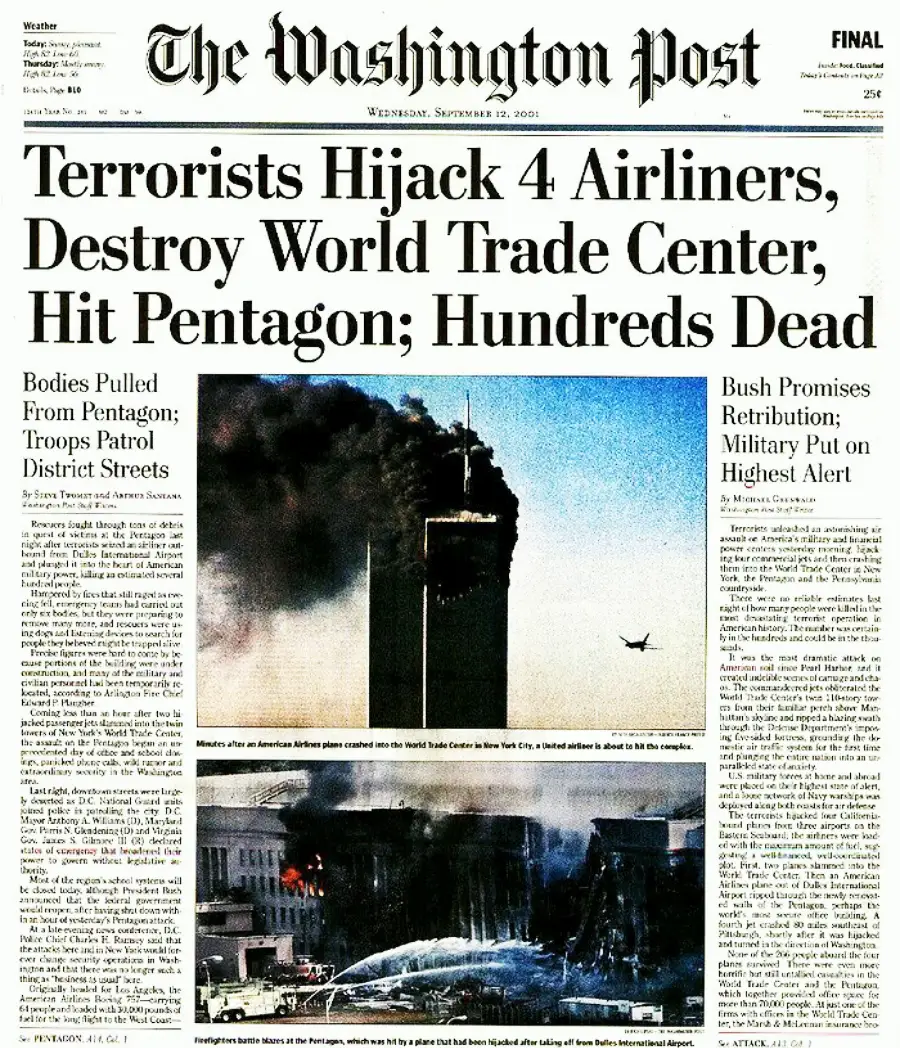
The coordinated terrorist kamikaze strikes against the World Trade Center and the Pentagon produced front pages that remain the most visually horrifying print artifacts of the modern era. Publications worldwide abandoned traditional informational sub-headlines, dedicating their entire front-page real estate to full-bleed color photographs of the burning towers collapsing. Multiple major newspapers completely suspended their digital paywalls and distributed millions of physical papers for free on city streets to ensure public access to verified data during the total cellular network collapse. The layout documented the terrifying global paradigm shift that birthed our modern era of security surveillance.
15. The Indian Ocean tsunami – December 2004
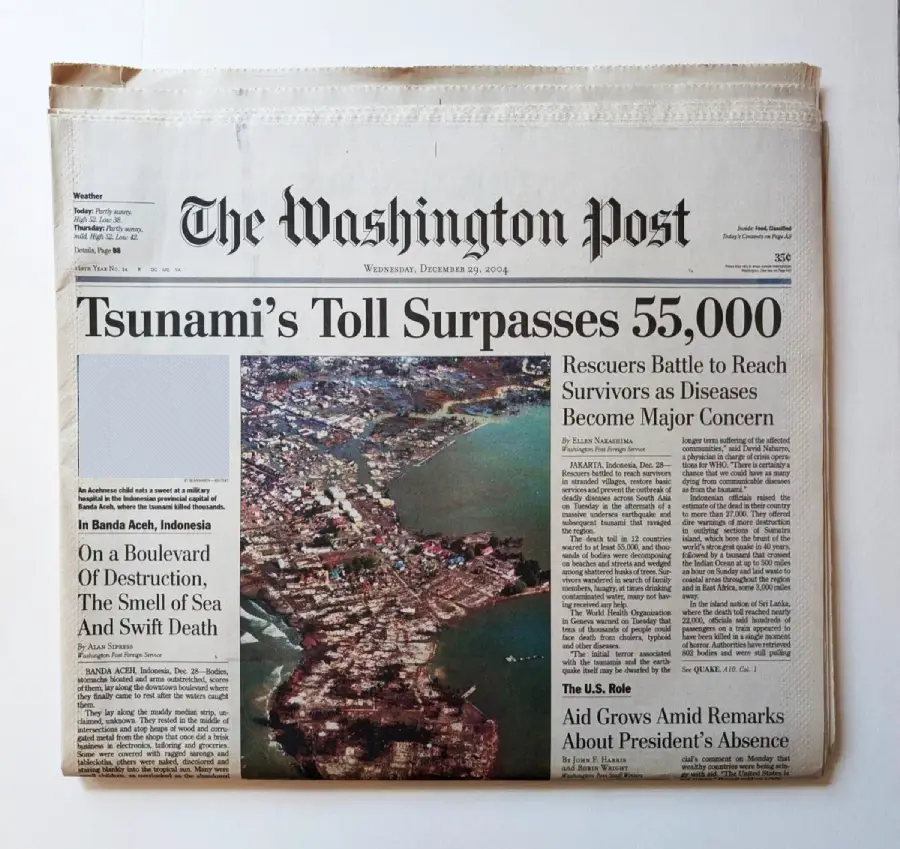
The catastrophic 9.1 magnitude undersea earthquake and resulting tsunami that devastated coastal communities across fourteen countries produced front pages defined by sheer environmental terror. Because the disaster struck popular tropical vacation destinations during the holiday season, newsrooms filled their layouts with raw, candid digital photography captured by surviving tourists. The immediate placement of these unpolished consumer images on the front pages of prestigious newspapers marked a major turning point in journalism history. It successfully showcased a new era where amateur eyewitness digital media completely outpaced traditional professional photojournalism.
16. The election of Barack Obama – November 2008
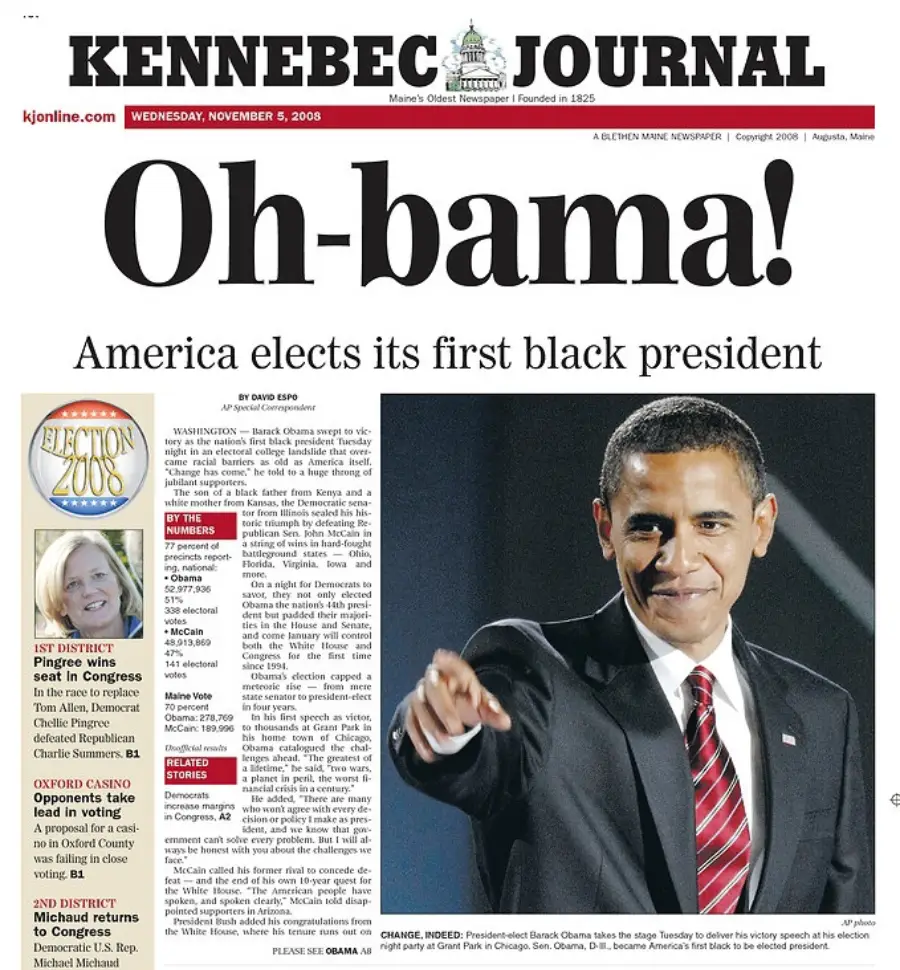
The historic election of the first African American president of the United States produced a series of high-contrast front pages that captured a profound, generational transformation. Major publications celebrated the political milestone with bold, minimalist layouts, causing citizens to form blocks-long lines outside printing facilities in the freezing morning air just to secure a copy. The iconic front-page photograph of Obama standing against a dark background was meticulously lit and selected days in advance by elite studio teams to ensure it would translate perfectly into traditional newsprint ink dots, creating an instant collectors’ item.
17. The absolute lockdown of the world – March 2020
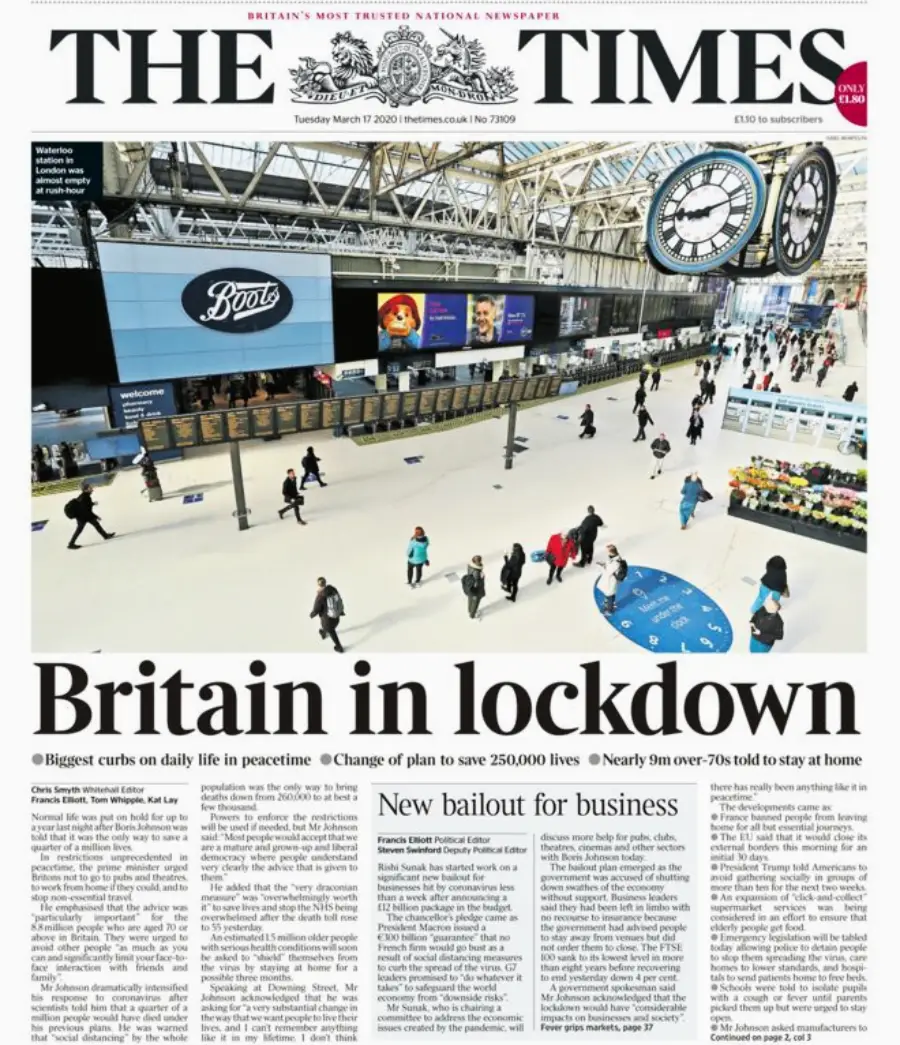
The sudden, unprecedented halting of modern human civilization due to the arrival of COVID-19 was captured through a series of hauntingly minimalist front pages. As major urban centers entered mandatory quarantine protocols simultaneously, morning broadsheets featured surreal panoramic photographs of completely empty landmarks, like a deserted Times Square. Traditional sports scores, theater listings, and local commercial advertisements completely vanished from the margins, replaced exclusively by sterile, climbing mathematical data charts tracking global infection metrics. These layouts served as a permanent mirror capturing the exact historical moment when humanity collectively retreated behind closed doors.
In the mood for more fascinating historical facts?
Delving into the raw, ink-stained archival imagery of these historic newspaper front pages serves as a powerful, visceral reminder that the true weight of human history is frequently preserved best in the static, unyielding medium of traditional print journalism. The incredible spatial layout, bold typography, and stark photography displayed across these legendary broadsheets prove that capturing a global crisis required an immense level of editorial courage, operational grit, and deliberate physical craftsmanship. While our modern digital smartphone networks have successfully modernized the speed and immediate accessibility metrics of the global news industry, looking back at these physical frontiers inspires a deep nostalgia for the permanent, chilling authority of the morning paper. If you enjoyed this beautifully nostalgic, deep-dive journey looking back at the most haunting headlines of the last century, make sure to explore these 14 Uncanny Historical Coincidences That Defy All Logic, or 15 Historical Wars Started for Ridiculous Reasons. You can also check out these 15 Famous Groups of Siblings Who Rewrote the Past.