Nature
-
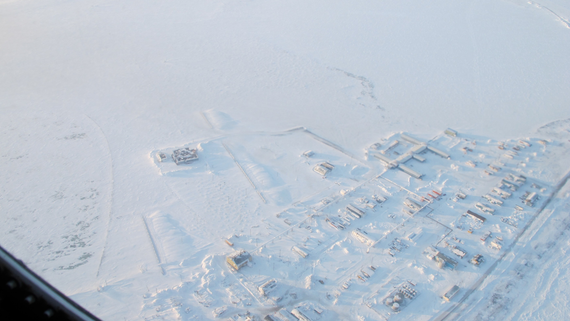
15 Freezing Cities and Towns With Brutal Winters
Life in the world’s coldest inhabited places comes with unusual challenges. Explore 15 cities and towns known for their brutal winters.
-

15 Times Scientists Got Major Discoveries Wrong
1. Science doesn’t always get things right the first time. These 15 once-accepted ideas reveal how discoveries transformed scientific thinking.
-

15 Strange Weather Events That Actually Happened
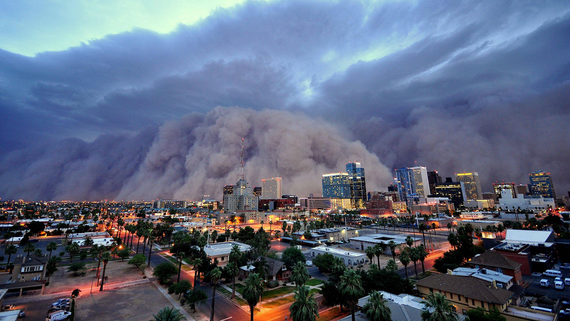
Weather has a habit of doing things that seem completely out of place. Fish have reportedly fallen during rainstorms, desert towns have woken up to snow, and enormous dust clouds have swallowed entire cities. Some of these events were brief…
-
15 Hidden Natural Rhythms That Shape Life on Earth
From lunar rhythms to seasonal migrations, explore 15 surprising natural cycles that keep plants and animals on schedule.
-

15 Facts That Show Just How Strange Planet Earth Really Is
Discover 15 facts about strange planet Earth, from underwater waterfalls and glowing seas to moving rocks and unusual geological formations.
-
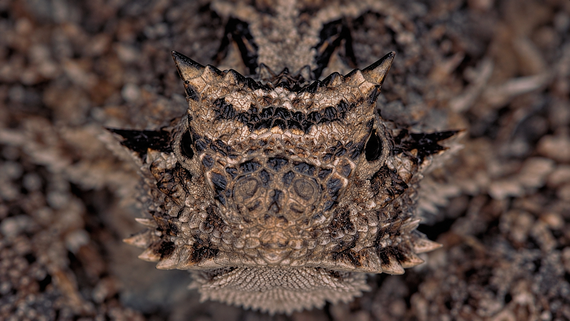
15 Animals With Superpowers That Seem Straight Out of Science Fiction
Animals around the world have evolved remarkable abilities for hunting, escaping predators, sensing danger, and surviving harsh conditions.
-
15 Animal Migrations So Extreme That Scientists Are Still Studying How They Navigate
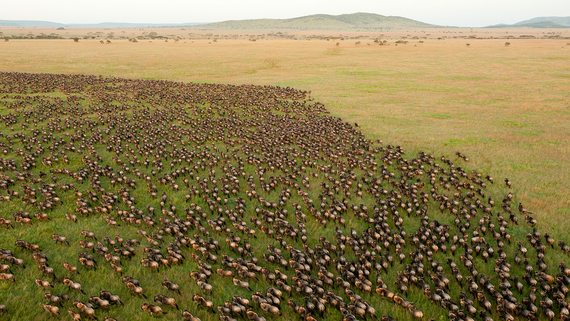
Animal migrations can span oceans and continents, guided by magnetic fields, sunlight, stars, smells, and instincts scientists still study.
-
15 Cryptozoology Creatures That Seem Otherworldly
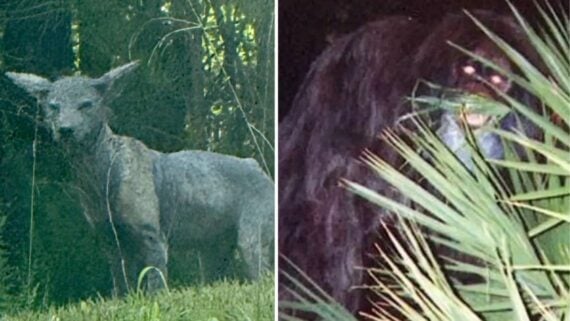
Maybe some of these creatures actually somehow exist, and the truth regarding all kinds of wonderful sea creatures and whatnot is stranger than fiction. I think that there’s some kind…
-
15 Incredible Places Where Natural Forces Meet and Create Unusual Worlds
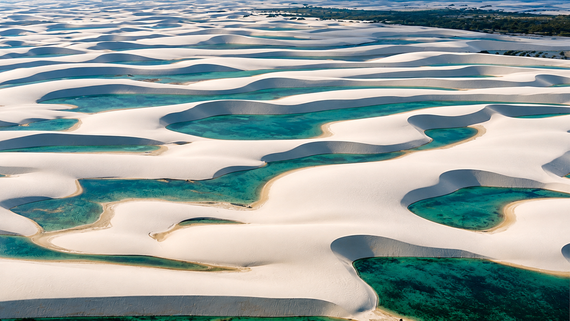
Natural wonders on this list reveal what happens when very different forces of nature interact in the same place.
-
15 Fascinating Partnerships Between Plants and Animals That Actually Work
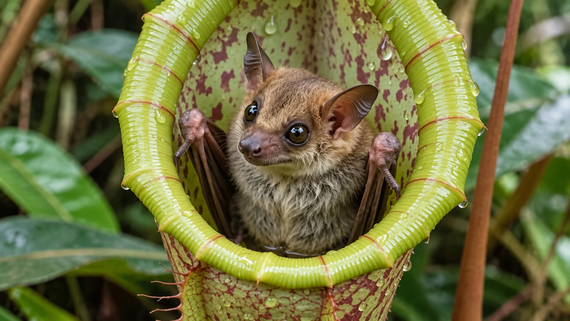
Plants and animals can depend on each other in surprisingly specialized ways, creating some of nature’s most unusual alliances.
-
15 Predators That Became Villains but Aren’t That Dangerous
Predators like sharks, wolves, and killer whales have fearsome reputations, even when the actual risk to people is surprisingly low.
-
15 Answers Science Has Been Chasing for More Than 100 Years
Science has solved extraordinary problems, yet some long-standing questions remain unsettled even with modern tools and technology.
-

18 Times Humans Tried to Control Nature and Made the Disaster Worse
Human environmental disasters show how attempts to control rivers, pests, fires, and ecosystems sometimes created even bigger problems.
-
15 Surprising Ways Wild Animals Are Adapting to City Life
Wild animals use buildings, roads, noise, and human food in surprising ways as researchers study how urban life reshapes them.
-
15 Extreme Animals That Survive Where Life Should Struggle
Extreme animals survive crushing pressure, thin air, freezing cold, intense heat, and low oxygen through remarkable biological adaptations.
-
15 Extraordinary UNESCO Sites With Fewer Than 10,000 Annual Visitors
UNESCO sites far from major tourist routes reveal extraordinary places protected by remoteness, conservation rules, and challenging travel.
-
18 Strange Things That Can Happen During a Major Earthquake
Earthquake effects can include liquid ground, moving lakes, glowing skies, landslides and coastlines that suddenly end up somewhere else.
-
15 Overlooked Insects Whose Disappearance Would Cause Real Trouble
Insects do far more than pollinate, quietly recycling waste, controlling pests, feeding wildlife, and keeping ecosystems functioning.